

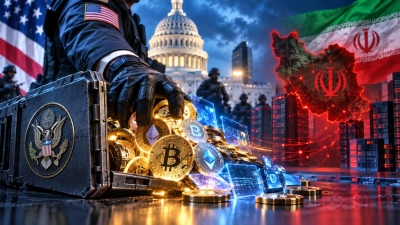
Following the new military conflict in the Persian Gulf over the last 4 days, it is obvious that the fragile ceasefire agreed upon by the US and Iran is far from signaling the end of the crisis in the Middle East. Instead, it reveals that while the war may have stopped—for the most part—on the battlefields, it continues by every other available means: through geopolitical pressure, control of the Strait of Hormuz, and tough negotiations regarding Tehran's nuclear program. Behind the statements about de-escalation, Washington and Tehran are attempting to impose their own terms on the post-war order, with every new provocation threatening to blow up the agreement and plunge the region back into a war with global economic and strategic consequences.
The ceasefire is maintained
The apparent agreement between the US and Iran to pause the latest wave of violence stabilized the ceasefire, which is the first step toward the definitive end of the war. At the same time, it highlighted that both sides have a vital national interest in maintaining this path. This approach follows days of clashes around the Strait of Hormuz and the Persian Gulf, which are best interpreted as an attempt by the two adversaries to define the content of the vague memorandum of understanding they have concluded and to shape the upcoming talks on critical issues, including Tehran's nuclear program. An official of the Donald Trump administration stated that the two sides agreed to meet in Qatar tomorrow, Tuesday, June 30, and that "for now, they will de-escalate the tension". There was no immediate comment from the Iranian side.
Four days of… war
Four days of Iranian attacks on commercial vessels, US retaliation, and subsequent attacks by Tehran against US bases and allies in the Gulf created the risk of a wider military conflict and threatened the global economic recovery at a moment when oil had begun to flow again through the Strait of Hormuz. Meanwhile, these actions appear to have violated the terms of the memorandum of understanding that the two sides had signed.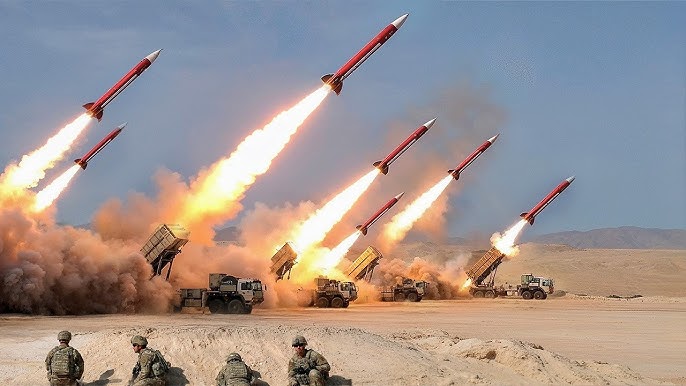
Iran's message
Iran sought to safeguard its new negotiating advantage: the ability to manage traffic in a sea route vital to the global economy. Its missile attacks against Gulf states and US targets suggested an attempt to shape a new strategic regional framework after the war. At the same time, Tehran appeared to be exerting political pressure on President Donald Trump, testing the limits of his patience as he sought to maintain what he himself described as a triumphant deal to end the war.
The US reaction
According to CNN, Washington could not allow Iran to control navigation in the Strait of Hormuz. Such a development would create the impression that the United States was defeated in a war it started itself. Iran would gain the ability to hold the global economy "hostage" and exert political pressure on the US whenever it chose. At the same time, American power in the region, as expressed through its ability to protect its allies, would be weakened.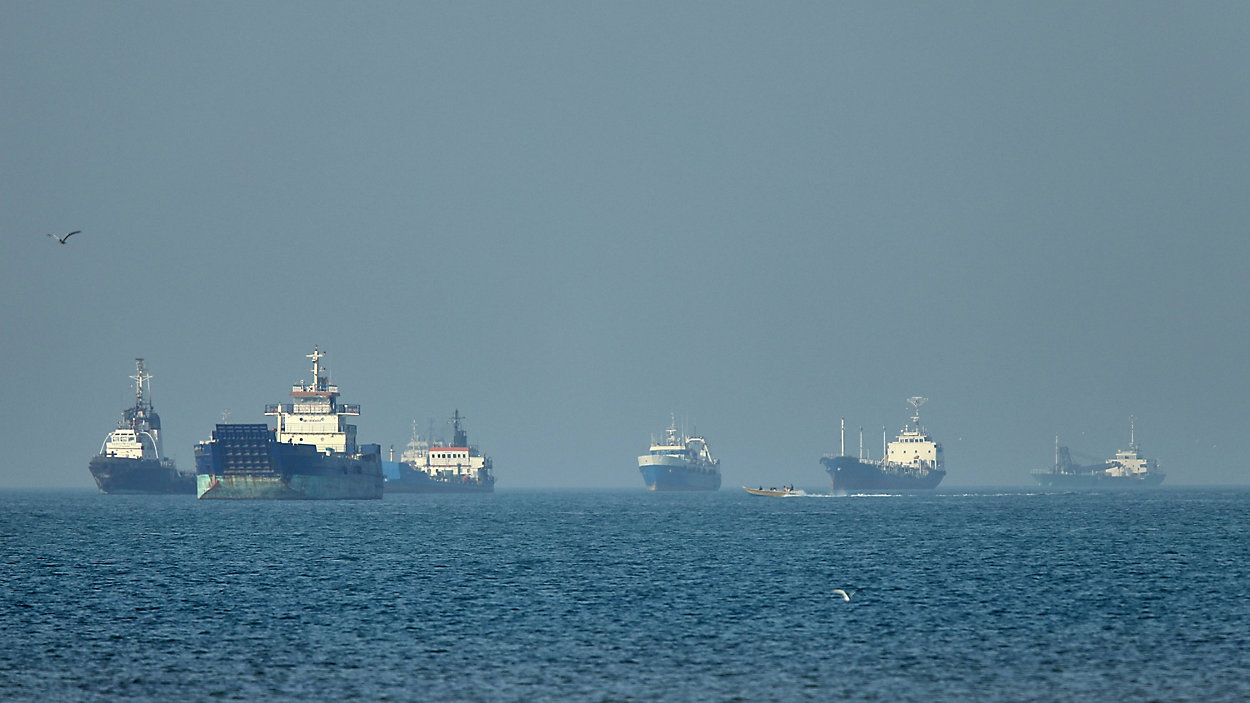
Everything is about Hormuz
Iran's aggressive stance followed the visit of Secretary of State Marco Rubio to the Gulf last week, during which the United States and its allies supported free, unconditional, and unobstructed navigation in the Strait of Hormuz, without Iranian tolls, fees, or attempts to enforce control. This move was considered an attempt to resolve the ambiguities of the memorandum, which, although it provides that Iran must restore free passage and smooth shipping traffic, left open the possibility of future economic exploitation of navigation by Tehran.
A dangerous game
However, the cycle of Iranian provocations and American retaliation constituted a dangerous game. There was a risk that it would acquire its own momentum, particularly in a week during which the prestige of the unpredictable American president was at the center, as he attempted to appear all-powerful and play a leading role in the celebrations for the 250th anniversary of the Declaration of Independence of the United States.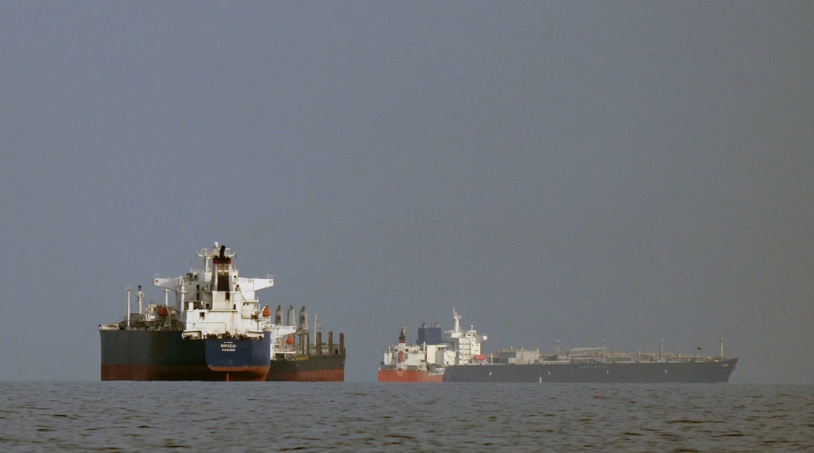
A new round of threats
On Sunday, Donald Trump threatened that if Iran continued to "violate" the ceasefire, "it will no longer exist". Although his supporters may believe his warning forced Tehran to back down, the Iranians had learned during the war not to take his most belligerent rhetoric very seriously. Furthermore, the American president agreed to a settlement that many critics characterized as a concession to Iran, after he argued that he did not wish to cause a serious economic recession by continuing the conflict.
Trump is inconsistent
However, Donald Trump is often characterized by inconsistency. In the future, it could prove dangerous for Tehran to take for granted that he will always act in a predictable way or that he will avoid a dramatic escalation of tension. Nevertheless, behind the latest clashes, there was always a strategic logic that acted as a deterrent toward returning to a full-scale war.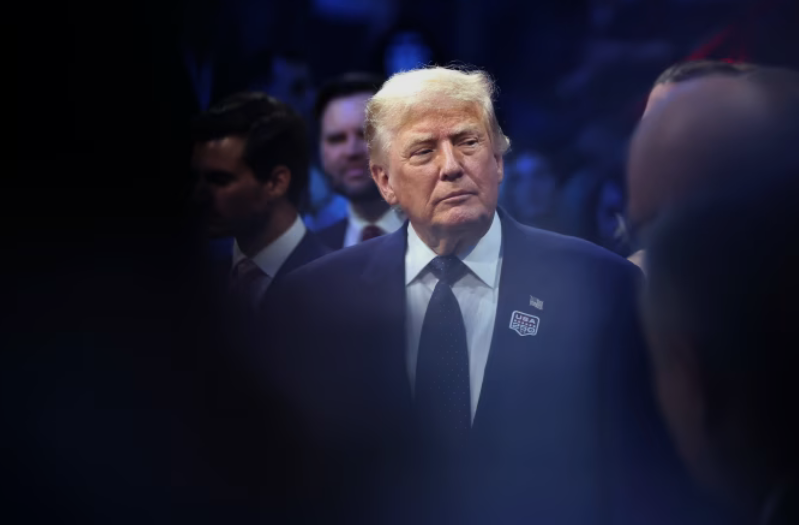
Significant benefits
Iran is deriving significant benefits from the memorandum of understanding. The United States has proceeded with the easing of certain sanctions in anticipation of a final agreement, while Tehran has begun to export millions of barrels of oil again, seeking to revitalize an economy that has suffered serious blows. At the same time, the increase in shipping traffic through the Strait of Hormuz contributed to the reduction of international oil prices, creating the prospect of cheaper gasoline. This is a particularly important development, as the cost-of-living crisis has negatively affected Donald Trump's popularity ratings ahead of the midterm elections. According to AAA, the average price of gasoline in the United States stood at $3.87 per gallon on Sunday. Although this price remains about 30% higher than pre-war levels, it is noticeably lower than the peak of $4.56 in late May.
Questions about US strategy
Unlike some of his modern predecessors, Donald Trump avoided the temptation to persist and escalate a war that seemed to be leading to an impasse, capable of damaging his reputation. However, the intense differences between the United States and Iran regarding the Strait of Hormuz raise new questions about his strategy. Before the war started by Donald Trump, the sea route was open. The conflicts surrounding its status suggest that future negotiations on even more complex issues, such as Iran's nuclear program, will likely be even more difficult.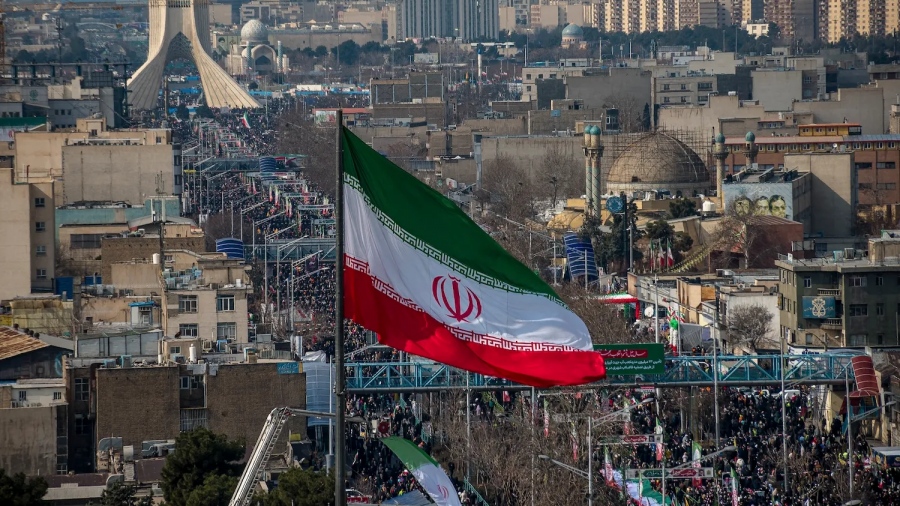
Washington's warning
A US official stated on Sunday that all Iranian drones and missiles targeted at US facilities in neighboring Kuwait and Bahrain were either shot down or never reached their targets, according to Zachary Cohen of CNN. This followed a United States strike on targets, including storage facilities for Iranian drones and missiles in the area of the Strait of Hormuz. The clashes were sparked by an Iranian attack against a Singapore-flagged container ship near the area last Thursday. The United States Ambassador to the United Nations, Mike Waltz, warned on Sunday that Iranian aggression will meet the decisive response of Donald Trump. "If the Iranian regime thinks for even a second that President Trump will stand idly by while Iran continues to attack international shipping or our bases without a response, it is making a big mistake," said Mike Waltz on the Fox News Sunday show.
Celebrations are premature
The ever-increasing tensions in the Middle East suggest that the triumphant tone of Donald Trump when he presented the memorandum of understanding—a 14-point framework aimed at pausing hostilities and reaching a final agreement on all issues within 60 days—was likely premature. The conflict and its aftermath have raised questions regarding whether the American government understands the political and historical forces that shape the behavior of Iran's revolutionary government, as well as its historically tough negotiating tactics. In the Middle East, ceasefires rarely lead to a complete pause in all military actions, even when they set a ceiling that prevents a return to full-scale war. At the same time, wars in the region often reinforce new generations of hardliners—such as those in Iran who may be coordinating the country's efforts to consolidate its new influence in the Strait of Hormuz.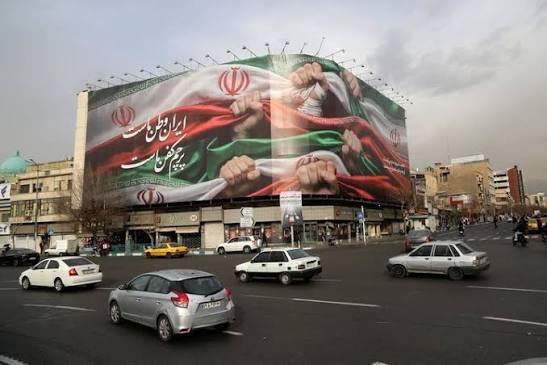
Toward new tension
The former national security advisor of the Joe Biden administration, Jake Sullivan, estimated that recent events are the harbinger of a period of tension as negotiations evolve. Donald Trump's team will likely not welcome his assessments. However, during the Barack Obama administration, Jake Sullivan played a decisive role in the early stages of talks that led to the international agreement to limit Iran's nuclear program—an agreement that Donald Trump canceled during his first term. "The Iranians are pushing to exercise control over the Strait, reminding the world that they control this sea route, and then they retreat when the Trump administration reacts quite forcefully, because they want to continue to enjoy the significant benefits they have derived from this memorandum of understanding," said Jake Sullivan. Referring to Iran's nuclear program, Jake Sullivan added: "I believe they will offer very small concessions, gradually and piecemeal. Then they will withdraw them, bring them back, and withdraw them again, in order to keep the United States at the negotiating table," estimated the American official. With this assessment, he expressed doubts about whether substantial progress can be achieved within the 60-day timeframe.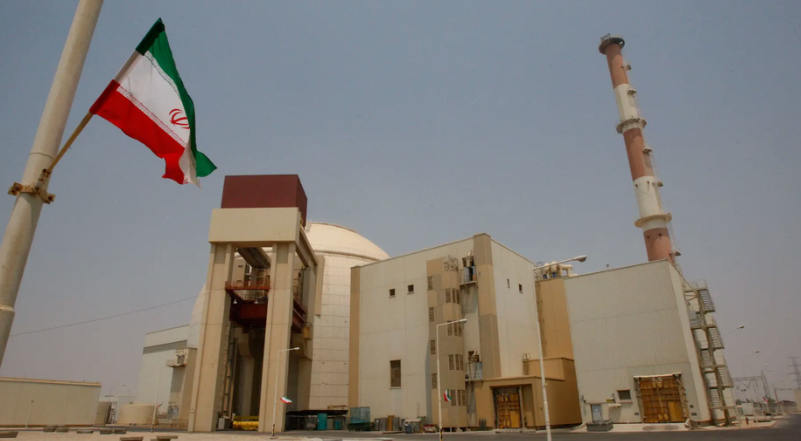
The big war is over…
The resurgence of conflicts in the Middle East is likely to reheat intense political debates in Washington regarding the memorandum of understanding. Kansas Republican Senator Roger Marshall downplayed the significance of the recent exchanges of fire between the United States and Iran. "The big war is over, and what we are seeing now looks more like mop-up operations," he said, referring to a conflict that is particularly unpopular in the United States. Speaking on NBC's Meet the Press, he argued that Washington is making "great progress" in the diplomatic field.
A humiliating defeat
Democrats, by contrast, present Donald Trump's memorandum of understanding as a humiliating defeat for the United States, which is far from his claims that he provided a definitive solution to the conflict. At the same time, the agreement may reignite the fierce debate in Congress regarding the president's war powers and the legal basis for his decision to start the war—a development that has caused concern even among some Republicans. The next developments in the Middle East will have serious political and strategic consequences.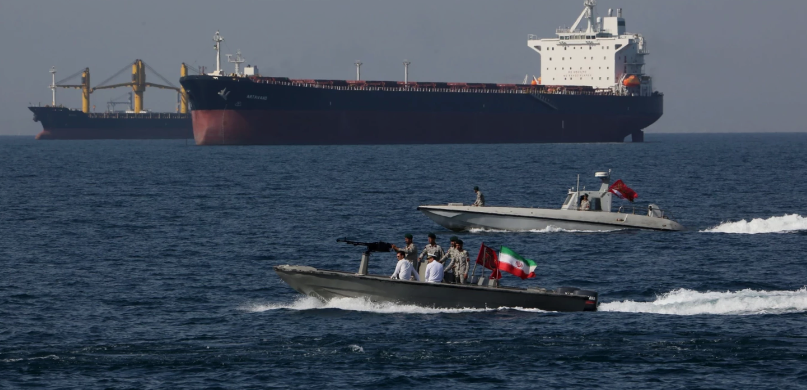
Uncertain result
The main question is whether the confrontations around the Strait of Hormuz will remain at a manageable level or escalate, leading to the collapse of the memorandum of understanding and the diplomatic process, plunging the region back into full-scale war. Such a development would test Donald Trump's clear preference for not prolonging a conflict that has proven particularly politically damaging. However, the continuation of Iranian provocations would test the tolerance limits of a president whose public image is based on the display of power and decisiveness on a global level. Ultimately, the return to diplomacy may confirm Jake Sullivan's predictions for an arduous and prolonged negotiating process. Even if a fragile peace is restored, it is quite unlikely there will be an easy political exit from the war for Donald Trump.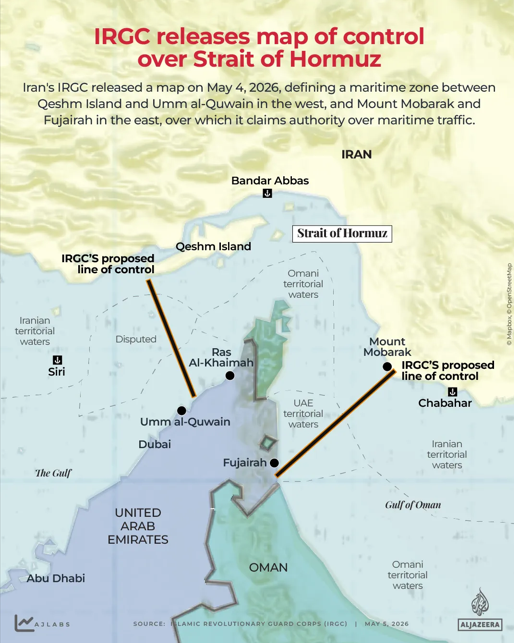
Sultan Barakat (analyst): US and Iran determined to use military power
Sultan Barakat, a professor at Hamad Bin Khalifa University in Qatar, estimates that the weekend escalation between Iran and the US was not as serious as it could have been, but was designed to demonstrate that both sides are determined to use military power, if necessary. According to Barakat, due to the vague nature of the Memorandum, it is likely that disagreements will arise. The weekend's problems seem to have started when both Iran and Oman designated separate maritime transit routes for commercial vessels through the Strait of Hormuz. "The Iranians likely perceived this development as an indication that they possess both the authority and the responsibility. So they announced a route of their own, which, in their view, has been checked and cleared. They believe they can guarantee its safety for ships," the analyst stated, adding: "Unfortunately, however, it seems that Oman ended up with a different plan, in cooperation with the United Nations shipping organization, for moving ships through another route. I believe that this was what caused the tension and put the US in a particularly difficult position," Barakat emphasized.
Iran-Oman talks on Hormuz
Iranian Deputy Foreign Minister Kazem Gharibabadi held the first meeting of the Joint Committee for Hormuz with Oman's Special Envoy Abdulaziz Al-Hanaei in the capital, Muscat. "After examining current issues concerning the Strait of Hormuz, we exchanged views regarding the future management of the strait in the context of paragraph 5 of the Memorandum (MoU), as well as regarding the sovereign rights of the coastal states," Gharibabadi stated in a post on X. Iran and Oman are working out the details of how to govern this strategic sea route, including the possibility that international shipping companies may be required to pay a fee for safe passage through the Strait of Hormuz. The negotiations are based on the interim agreement that the US and Iran signed earlier this month.
Pezeshkian (president of Iran): We will receive 6 billion from our funds in Qatar, we do not seek nuclear weapons
The president of Iran, Masoud Pezeshkian, argued that the country will receive 6 billion dollars from its frozen funds located in Qatar. During a visit to the holy city of Qom, Pezeshkian argued that "the recent agreement with the US was an important achievement and a great victory for the Iranian people". In its context, sanctions concerning the oil and petrochemical sectors were lifted. According to the agreed plan, 6 billion dollars from the total of 12 billion dollars of frozen Iranian funds located in Qatar will be released and returned to the country. "Our efforts will continue for the recovery of the remaining frozen Iranian funds as well," emphasized the Iranian president, who also referred to the issue of the nuclear program. "The late Supreme Leader Ayatollah Ali Khamenei had stated that we do not seek to acquire nuclear weapons, and we continue to underline this position. We assure the international community that our nuclear activities will be commensurate with the country's needs and will be conducted in the context of our officially declared policies," said Pezeshkian.
www.bankingnews.gr



Readers’ Comments