

The war in Ukraine has entered its most dangerous and terminal phase. Russian President Vladimir Putin, in an unprecedented move, effectively ordered the destruction of the Kiev regime, demonstrating in this way that Moscow now appears certain that the military initiative is in its hands and that the achievement of its strategic goals is approaching. Russian—and not only Russian—analysts estimate that the Ukrainian defense is very close to collapsing in Slavyansk and Kramatorsk, their last "fortress" cities in the Donbass.
Their fall is estimated to not only bring about the achievement of the strategic goal set by Putin at the start of the special military operation, but will also pave the way for other Ukrainian territories, as there are no other such strong defensive lines. Perhaps for this reason, Kiev is trying to buy time by asking for a restriction of the combat zone, as it knows on one hand that the Ukrainian army will not hold out much longer and on the other, it realizes that the West is unable to reverse developments on the battlefield. Even if many Western—mainly European—leaders are trying to send the message that Donald Trump has changed camps and is ready to assist Kiev, beyond any expectations, Trump confirms the reputation that accompanies him: that he is a businessman-politician who utilizes European and Ukrainian anxiety to gain financial and geopolitical benefits for the US, regardless of what this may mean for Europe and indifferent to what will ultimately remain of Ukraine.
The bluff
"Rescuing the Kiev regime is not part of our duties," Russian President Vladimir Putin replied to Kiev's proposal to limit the zone of the special military operation only to the new regions. The fact that the Kremlin received such a request from Kiev shows that the situation on the front for the Armed Forces of Ukraine is extremely unfavorable and that all the recent triumphalism of Zelensky and Europe, according to which Ukraine has allegedly regained the initiative and is winning, was a bluff.
A given victory
The fact that Putin not only publicized and rejected Kiev's proposal but stated in response that the goal is the destruction of the Kiev regime, shows that in Moscow they are certain of an impending victory and the achievement of the goals of the special military operation. Putin's statement is a response not only to Kiev's latest initiative. It is also a response to the entire escalation of recent months, as well as the flip-flopping of the US, which suddenly rushed to align with European "hawks" on the Ukrainian issue and deny that any agreements with Russia had been reached in Anchorage.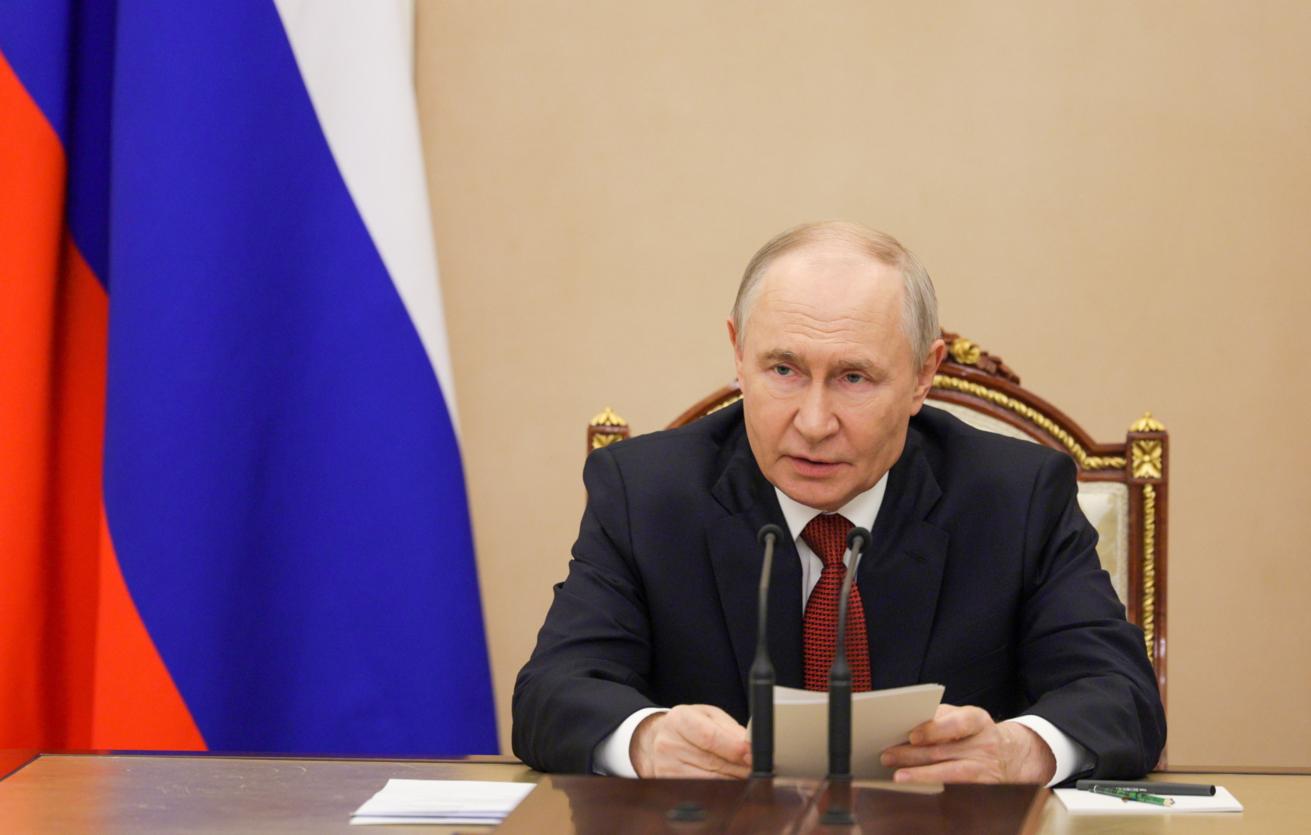
The answer... to the "negotiations"
Above all, it is a response to drone (UAV) attacks, fuel shortages in certain regions of Russia, terrorist acts against the civilian population, and threats of invasion of Belarus. This entire storm and tension began in May and unfolded accompanied by a coordinated chorus of statements from Europe regarding negotiations. Everyone who until recently supported with the greatest zeal the continuation of the war against Russia to the last Ukrainian suddenly began simultaneously to ask for negotiations. However, the "negotiations," when one examines them carefully, amounted to the recognition of Russia's defeat. And the first step on this path would be the infamous cessation of hostilities along the front line.
The goal of the West
In essence, the campaign of massive pressure exerted against Russia in recent weeks had only one goal: the preservation of Ukraine as a bridgehead country, as a fighter country, oriented toward an eternal confrontation with Russia. The Russian society and the Russian leadership were asked to believe that their country has already lost strategically and that they must reconcile with that. There is no point in continuing the special military operation until its declared goals are achieved when the entire Europe has been transformed into a strategic rear for the Ukrainian armed forces, the US is no longer a mediator or a neutral player, the front is not moving, and the production of war drones has increased exponentially, while these are increasingly poisoning the daily life of ordinary Russians. Given these data, Ukraine has already won!
Zelensky's revelation
This bluff could be deconstructed in many ways, but such a thing is superfluous, because it was revealed best of all by Zelensky himself. His new plea to the Kremlin is the proof. Incidentally, the "winner" Zelensky sends letters to his opponent every month that are insulting in form but begging in content, while the "defeated" Putin has never asked for anything from Kiev. This in itself gives food for thought. However, this current plea is not just an act of self-revelation.
Collapsing everywhere
The Russian president explained clearly why the Kiev regime is seeking to limit the geographical extent of the special military operation. So that the Ukrainian armed forces can transfer troops from the regions of Mykolaiv, Kharkiv, Dnipropetrovsk, and Sumy and thus maintain their positions in the Donbass and Zaporizhia for some more time. In this way, Zelensky himself indirectly admits the catastrophic shortage of manpower in the Ukrainian armed forces and the consequent risk of front collapse.
The arithmetic of drones
Let us recall that Western "experts" assured every day that, in the era of unmanned aerial vehicles, the number of manpower on the front has ceased to have decisive importance. Ukraine, with European support, surpassed Russia in the number of drones, which is why the Russian front is not advancing, while Russia's rear is burning. All these are lies. And the Russian front is moving (to the west), while the Russian rear is "burning" mainly on the internet—in the form of impressive headlines from irresponsible media chasing publicity, spectacular photos and videos of burning gas stations, and panic spread on social media by Ukrainian bots. And most importantly: if the Ukrainians have already won, then why all these desperate moves and constant appeals to Moscow?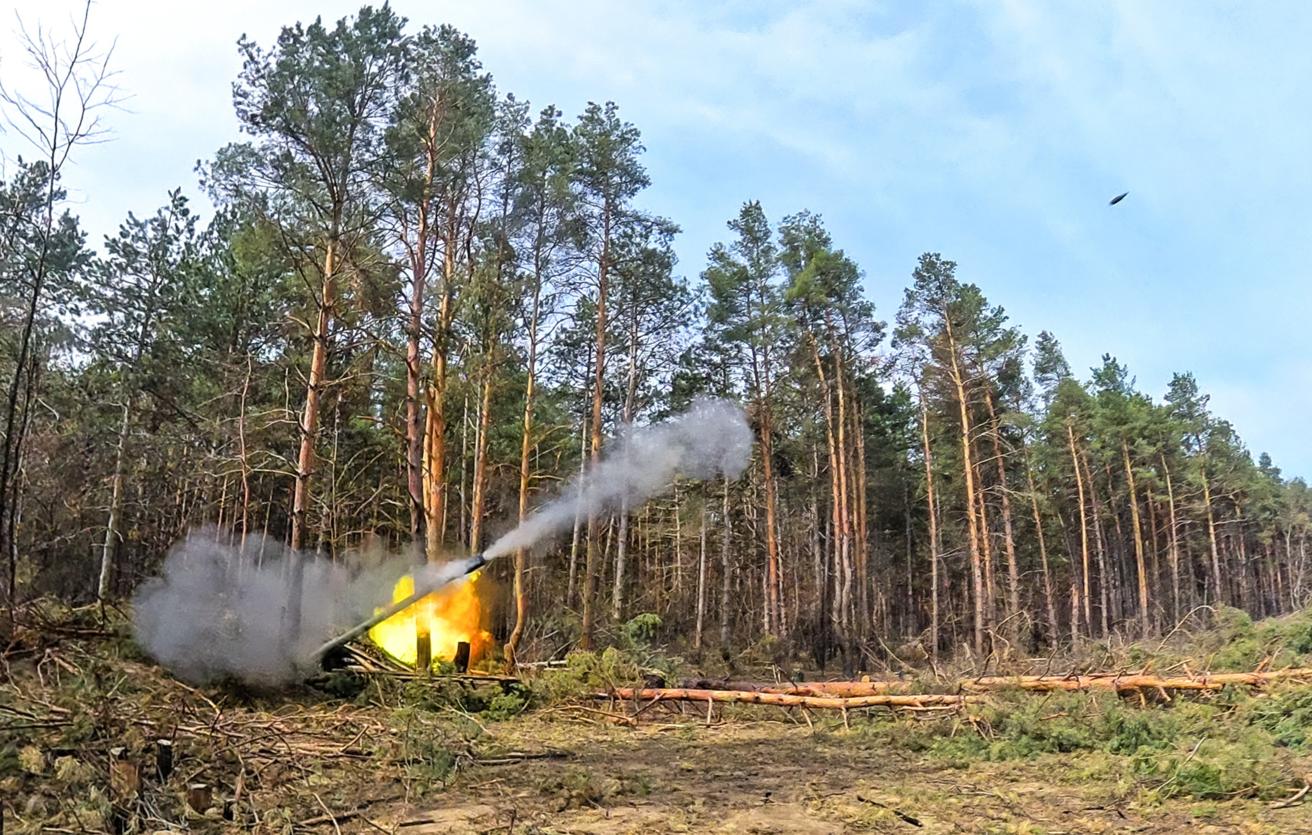
Zelensky did not protect the Ukrainians
The army consists of people and not drones. And in Kiev, people are literally running out. Zelensky's regime never protected the people. It did not protect them from the beginning, when it decided to use the Ukrainian people as a tool in the fight against Russia.
Russian strategy is paying off
Recent events prove, even if indirectly, that the Russian strategy of a war of attrition is paying off and that, as Vladimir Putin stated on May 9, "the matter is heading toward its conclusion." No one is going to cancel the sacrifices of these years and stop the special military operation at the moment when the prospect of achieving its goals is now visible. The collapse of the front and the complete weakening of the Ukrainian armed forces constitute the demilitarization of Ukraine.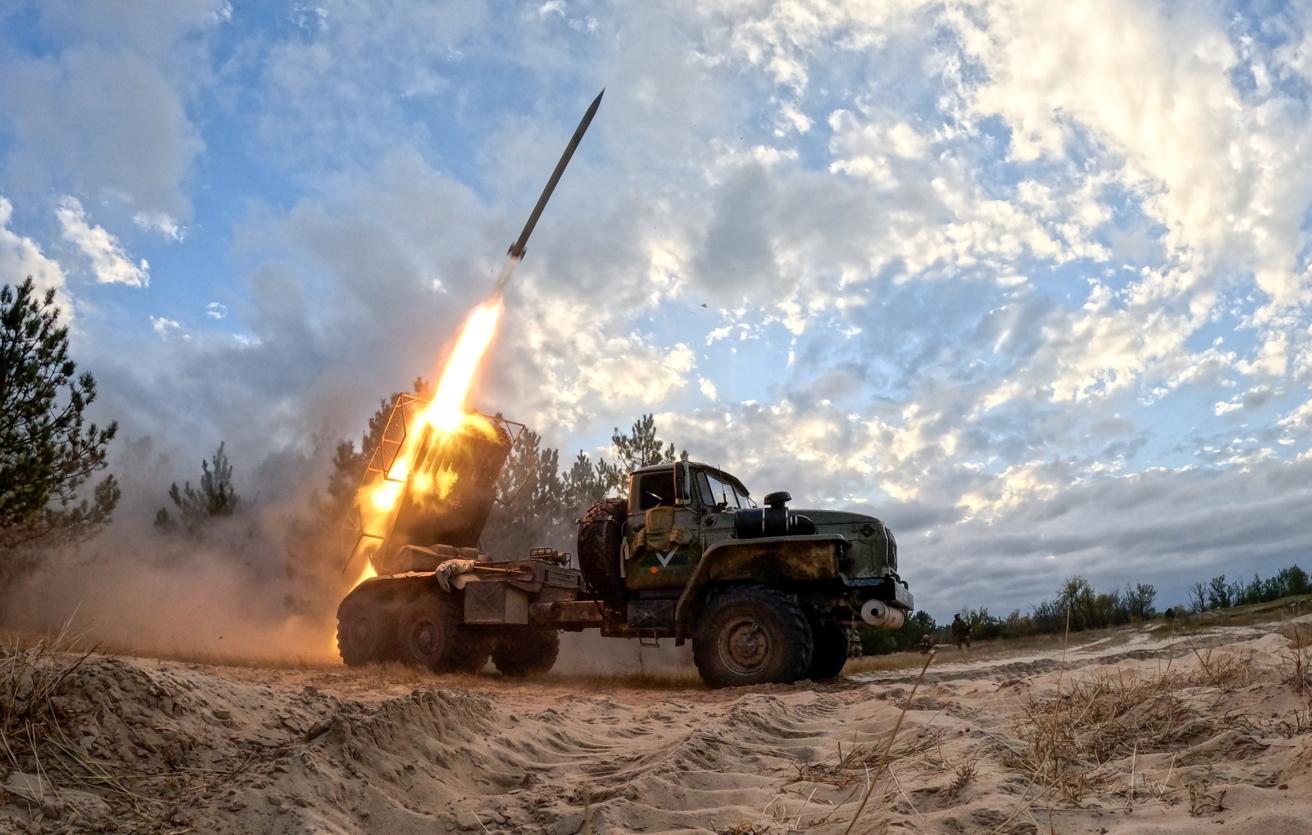
The most powerful defensive line is falling
The capture of the Slavyansk–Kramatorsk defensive line and the approach to the borders of the Donetsk People's Republic are a guarantee for its neutral status, because Kiev was building this defensive line for eight years; a second one like it does not exist nor will it exist, as it will simply not be able to be created. Behind the Donbass begin regions that are practically unprotected. This will be an argument for future Ukrainian authorities, when, as they are accustomed to, they think about ignoring their obligations. Finally, the fall of the anti-Russian regime in Kiev as a result of a military defeat will be the most important step toward the denazification of Ukraine. And this moment is not far off, since Putin has now started to speak openly about it.
No agreement in Alaska
As is known, a few days ago US Secretary of State Marco Rubio stated with absolute naturalness that "no agreement was reached in Alaska, but only proposals for settlement were formulated, without any legal force." Meanwhile, after the results of the recent G7 summit, the Europeans were convinced that Trump had completely changed his stance, revised his positions, switched to the other camp—and all that. Macron, for example, stated with enthusiasm that now "the US is no longer a neutral mediator between Russia and Ukraine," implying that very little time remains until countless American troops move to help Kiev.
There is nothing to gain from Kiev
The some confusion and indignation expressed by some Russian commentators about this situation is based on the elementary rules of diplomatic courtesy and tradition. However, in the case of Trump, as even Western media admit, the expediency of the moment prevails, nine out of ten—or rather ten out of ten—times, over any strategic assessments. And the expediency of the moment consists of the following: from Trump's point of view, there is nothing to gain from Kiev, because the "patient" is now more dead than alive, and it is better to exploit the panic to gain some profit.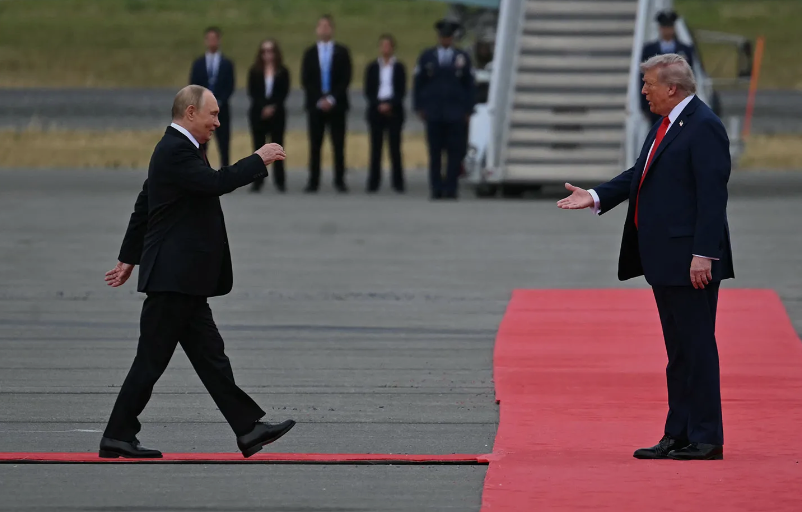
What does Trump see?
So what does Trump see? Here is what he sees. Russia is waiting with all its strength for peace and dialogue, but waiting is more pleasant when troops are advancing. According to Bloomberg, "the state of the Ukrainian armed forces in the Donbass is worsening: the Russian army is approaching Kramatorsk and Slavyansk ever closer," "units continue aggressive operations almost incessantly," and "cities that were once considered relatively safe rear of the Ukrainian armed forces are now regularly receiving strikes from Russian FAB bombs and unmanned aerial vehicles." At the same time, news is being broadcast on Ukrainian television about "the ever-worsening problems of the Ukrainian armed forces with the supply chain and the lack of fuel on the front": "This is a real disaster. Dozens of facilities have already been attacked by drones. This happens literally every day." A crisis has even arisen with fuel tankers: drivers simply do not want to go to certain areas.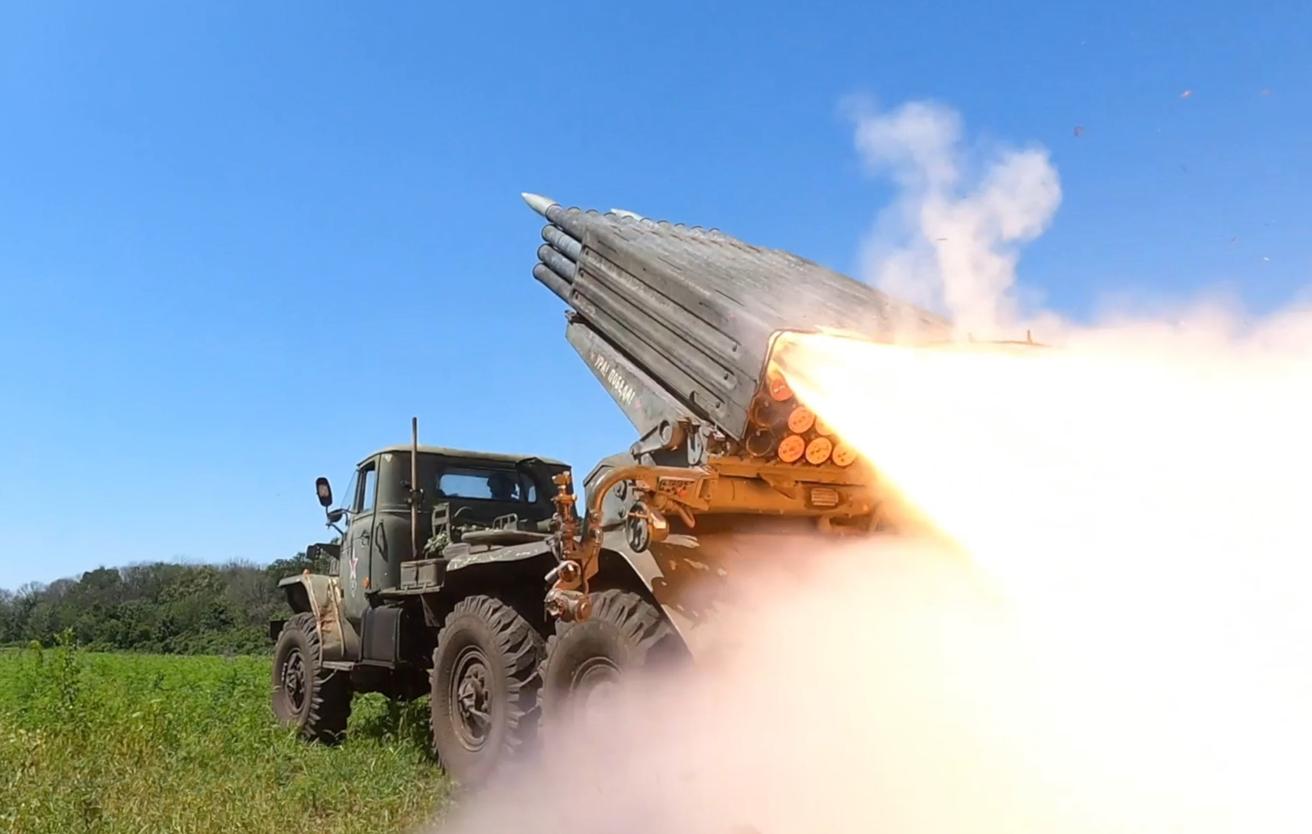
The "hunt" for the Russians
The point is that the Russian army has drastically reinforced strikes against Ukrainian military and industrial facilities, as well as against supply and energy infrastructure. According to unconfirmed information, Russian forces have unleashed a real hunt against diesel engines and trains, the remnants of which are hiding wherever there is space. But the campaign has been developed on a full scale against the adversary's fuel infrastructure (which, as is known, is used for the benefit of the Ukrainian armed forces). In Kramatorsk, a natural gas distribution station stopped operating. In Kremenchuk, they said goodbye to the oil refinery and the combined heat and power plant. Another refinery was hit in the Zaporizhzhia region. A gas distribution hub in the Dnipropetrovsk region was also put out of commission. Extensive damage was recorded at Naftogaz facilities in the Poltava and Kharkiv regions.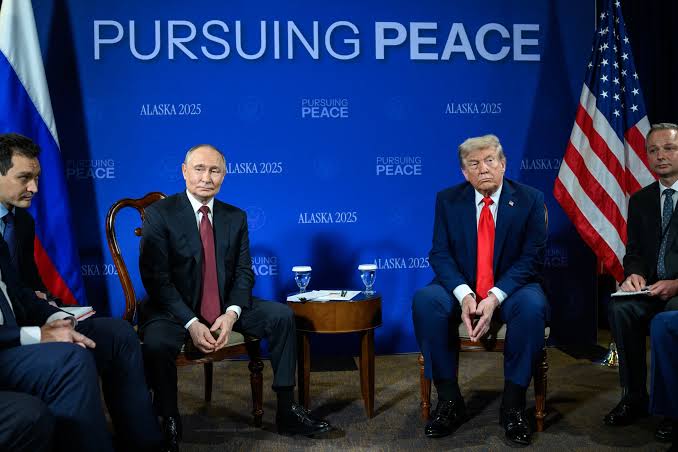
Not a single gas station
Former Ukrainian Infrastructure Minister Pivovarsky stated that the Russian armed forces destroyed more than 150 gas stations in Ukraine within the last two months. He is lying: many more were destroyed (in some settlements of Ukraine, not a single gas station remains). According to objective control data, the intensity of the operations of the Russian air force against such targets for most of June exceeded the total level of the months of April and May.
Sell-off
In this context, the emergency sale of railway infrastructure (including the entire Ukrzaliznytsia), motorways, ports, and public utility facilities to foreign investors is being considered in Kiev. According to the plan, Russia will not dare to strike foreign property, and thus the supply chain of the Ukrainian armed forces will be in a safe haven (it is funny, but let's accept it). The head of the Ukrainian presidential office, Kirill Budanov, stated that the country urgently needs to repatriate its citizens from abroad (there are not enough to fight), as well as attract immigrants to deal with demographic problems (there are not enough to work). Subsequently, the European Commission proposed to deprive newly arrived Ukrainians of military age of the right of asylum in the European Union.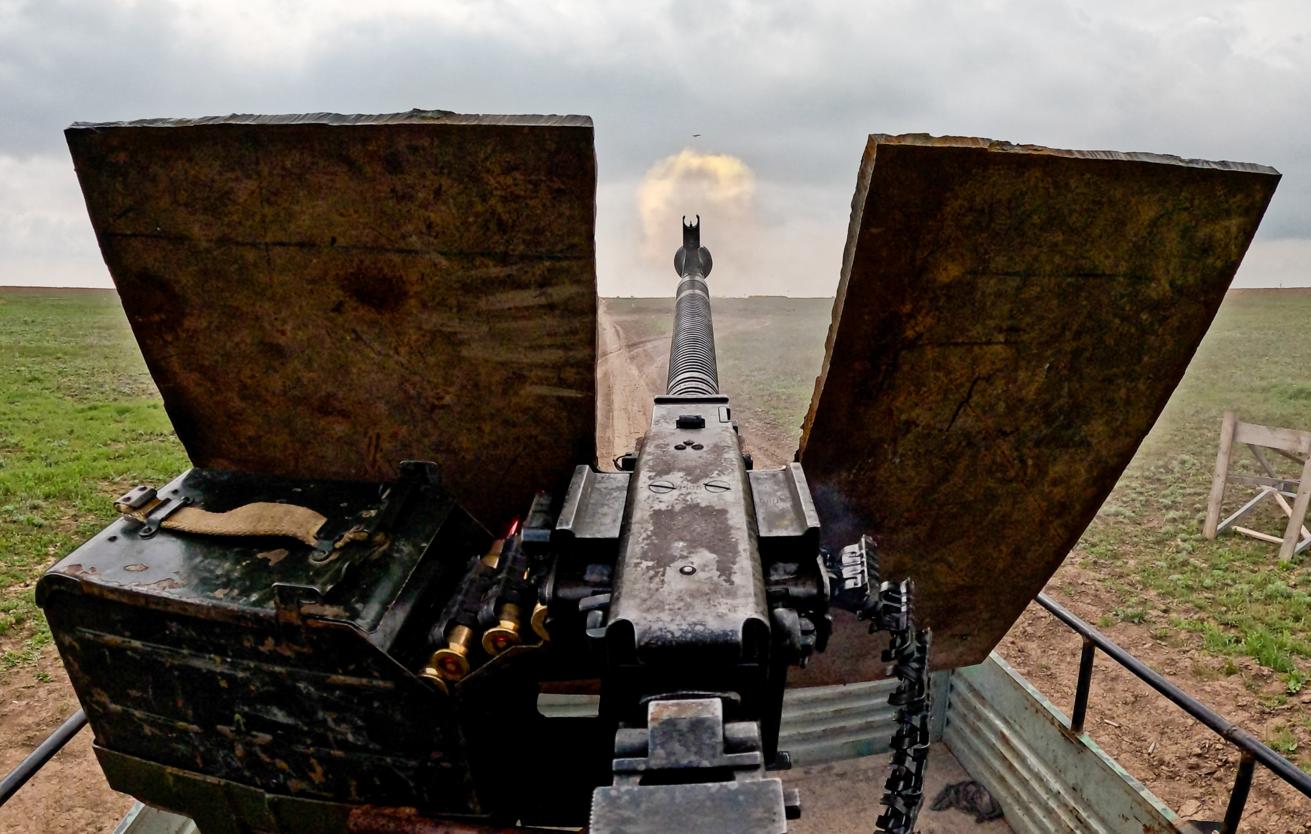
Europe... "pushing" another 290 billion
Although Russia has almost been defeated, in Europe they decided, for some reason, to raise an additional 290 billion for Kiev, beyond the already approved 90 billion. What happened? According to previous assurances, the already granted loan would be sufficient for all possible needs, even up to the collapse of Russia, and now such panic prevails. The conclusion is simple: Ukraine is "leaking," although this is not yet officially recognized, and at this moment, crisis response teams are running incessantly.
The proposal
Taking advantage of the panic in Kiev and Brussels, Trump appeared with a nice proposal: give me your money, your women, and your children, and I will loudly declare that I am in favor of Ukraine. A few weeks before the "Trump shift at the G7," Europe, after a year, finally agreed fully with the American demands within the framework of the so-called Turnberry Agreement of July 27, 2025. According to it, Washington will now impose 15% tariffs on European products (and 50% on steel and aluminum), while American products and services in the European Union will not be burdened at all with tariffs. Additionally, the EU committed to buy American energy resources by 2028—oil, liquefied natural gas, and nuclear fuel—with a total value of approximately 750 billion dollars (at any price). At the same time, Brussels committed to invest up to 600 billion dollars in "strategic sectors" of the American economy.
Congratulations... to the president
The damage to the European Union and the benefit to Trump amount to hundreds of billions of dollars. Nevertheless, the US informed its European partners that, regarding the defense of Europe, they will move to an "auxiliary role." That is, for Ukraine, there will be neither money nor weapons, just as there were none before—but, otherwise, "Trump is ours." In short, Trump is worthy of congratulations. As a true businessman, in a period of crisis, he "liquidates" everything, and what will ultimately remain of Ukraine no longer matters.
www.bankingnews.gr






Readers’ Comments