

Following the strikes by the Americans on the Iranian coast and on islands located in the Hormuz Strait, where they hit 10 targets, and the immediate and incredibly destructive attack by the Iranians, where they simultaneously hit 8 US bases as well as the base of the 5th Fleet in Bahrain... the US and Iran have agreed to stop the attacks. In fact, a new round of contacts will begin in Doha, the capital of Qatar, on June 30, 2026. It seems that Trump's threat that he would "obliterate" Iran was merely an emotional reaction to the incident in the Strait of Hormuz, and this reaction was a result of his anger. The question, however, remains: will the attacks be repeated for some other reason?
Axios: The US and Iran have agreed to stop the attacks, talks begin June 30 in Doha
The United States and Iran have agreed to stop attacks against each other, reports Axios, citing an anonymous official. "The US and Iran have agreed to stop attacks against each other," Axios reports. According to Axios, the US and Iran plan to hold talks regarding the Strait of Hormuz in Doha, the capital of Qatar, on June 30. According to Reuters, the parties will continue technical negotiations on all areas of the Memorandum of Understanding (MoU). Meanwhile, a member of the office of the former Supreme Leader of Iran stated that Iran canceled technical talks with Washington on Sunday, June 28, 2026, due to the recent exchange of attacks with American forces in the Strait of Hormuz.
Furthermore, he argued that Iran expects certain terms of the memorandum to be fulfilled, specifically the release of its assets. US Central Command (CENTCOM) reported attacks on multiple targets in Iran in response to an alleged attack on a Panamanian-flagged tanker. In response, Iran's Islamic Revolutionary Guard Corps (IRGC) launched missile and drone operations in Kuwait and Bahrain. The two sides also exchanged attacks on June 27, 2026. Iran and the United States signed a memorandum of understanding remotely on the night of June 18. This memorandum calls for a ceasefire on all fronts, including the Israeli operation in Lebanon, and sets a timetable for lifting the naval blockade and restoring shipping through the Strait of Hormuz. Furthermore, Iran commits not to develop nuclear weapons, and the issue of its nuclear program is to be resolved by a separate agreement. The parties will conduct negotiations on this matter within 60 days. For Iran, this should lead to the lifting of sanctions.
Trump's threats were just an emotional reaction to the incident in the Strait of Hormuz
US President Trump recently threatened Iran after two days of clashes with Iran and American attacks on areas in southern Iran. He wrote: "There may come a time when we can no longer act rationally and will be forced to complete the very successful work we have started by military means". But what does Trump mean by this statement? Is he speaking rhetorically, as he often does, or is he revealing a plan he has in mind? What is clear is that this level of tension between Iran and the United States has not been seen before since the signing of the Memorandum of Understanding. The two consecutive days of conflict—with three waves of attacks—between Iran and the United States, and the possibility of their continuation in the near future, indicate that Trump is likely angry about events in the Middle East.
Although the Strait of Hormuz has been opened and the naval blockade has been lifted, the level of tension is high, ships are worried and hesitant to pass freely through Hormuz. Meanwhile, the price of oil goes up and down, and as the tension continues, it may start to rise again; this is exactly what Trump fears. For this reason, he is worried about the Persian Gulf and, with the increase in conflicts—which are often started by the United States itself—he has begun rhetoric and threats against Iran. The conflicts related to the southern waters have also caused Trump's concern and anger in another way: the designated waterways in the Strait of Hormuz and the Persian Gulf are determined by the IRGC Navy, and if a ship or tanker does not pass through these waterways and routes, it is challenged by IRGC vessels.
In reality, it is Iran that determines the transit routes for tankers and ships in the Persian Gulf. This means that the "power" in the southern waters is in the hands of Iran, and Iran also "controls" the Persian Gulf and the Strait of Hormuz. This infuriates Trump; he wants to be presented as the master of the Persian Gulf, but this is an issue that does not correspond to reality, which is exactly what provoked Trump's anger and threats against Iran.
Will Trump carry out his threat?
All evidence points to the fact that Trump's threat was merely an emotional reaction to the incident in the Strait of Hormuz and that this reaction was a result of his anger. Therefore, it is unlikely that he will launch a serious and surprise attack (at least before the end of the 60 days of the Memorandum of Understanding). As a result, his statements can be considered more as an emotional preview of future political events; we must wait and see what happens in the future.
Richard Schmierer (former US Ambassador): US and Iran wanted to show how they interpret… the memorandum through military action
Richard Schmierer, former US Ambassador to Oman, stated that the 60-day timeframe provided for in the Memorandum of Understanding (MoU) between the US and Iran gives the two sides the opportunity to resolve their dispute regarding Tehran's claim to the Strait of Hormuz, including its proposal to impose transit fees. "These negotiations during the 60-day period will seek to clarify the status of navigation through the Straits, and the Memorandum itself prohibits Iran or, in fact, anyone from obstructing navigation through the Straits," stated Schmierer. "Therefore, there should be a 60-day period during which this issue essentially does not arise; navigation should be conducted freely," said the former US diplomat.
However, for the period that will follow, Iran and Oman, together with the Gulf countries, will need to hold talks in order to address the issue of maritime security, Richard Schmierer mentioned. "I am sure that the position of the US, as well as the international community, will be that there can be no bans, no mandatory insurance requirements, nor transit fees can be imposed; but there must be some kind of agreement on security. We will see if Iran can agree to this," Schmierer pointed out. Furthermore, he argued that the mediation of Qatar and Pakistan managed to bring Washington and Tehran back to the negotiating table and that, for now, mutual military attacks seem to have ended.
"I believe there was effective mediation by Qatar and Pakistan, with the goal of convincing the two sides to de-escalate the tension," he told Al Jazeera, adding that "both sides now believe they have delivered their message". According to Richard Schmierer, each side "used military action to underline its own interpretation" of the Memorandum of Understanding (MoU), while both seem to believe they can now "return to diplomatic engagement". Richard Schmierer also stated that he expects Qatar and Pakistan to participate in Tuesday's talks in order to contribute to maintaining de-escalation. "Perhaps now, at least for the time being, we have left behind the vicious cycle of mutual, retaliatory military actions; on Tuesday, I hope to see a successful diplomatic process, which will contribute to clarifying the situation in the Strait of Hormuz," he added.
"Serious warning" from Iran to Bahrain
Ali Akbar Velayati, an advisor to Iran's Supreme Leader, warned Bahrain that Tehran will strike the country with even greater force if provoked. "A serious warning is addressed to the officials of Bahrain to know their limits, not to play such games with their own future, and not to force Iran to make tough decisions," argued Ali Akbar Velayati, as reported by the Tasnim agency. Iran launched attacks against a US naval base in Bahrain on Saturday and Friday, in response to American attacks; Tehran claims that the United States is using its military bases in the region to launch attacks against Iranian territory. The Gulf countries reject this claim, while Manama condemned the latest attacks, arguing that they violated Bahrain's sovereignty and undermined "opportunities for de-escalation and stability in the region". Bahrain, which has a large Shiite population, has arrested dozens of people in recent months, accusing them of maintaining military ties with Tehran.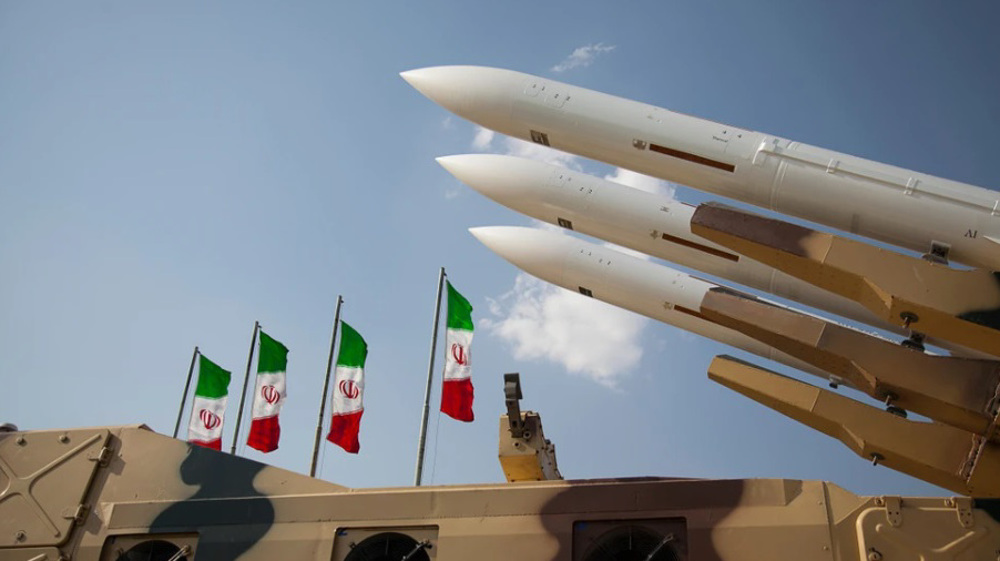
What happened before
Iran's strikes shocked Kuwait and Bahrain, causing shock in the US due to the accuracy of the hits. The IRGC launched attacks with ballistic missiles and drones (UAVs) against eight American military installations in Kuwait and Bahrain, claiming they were retaliation for American strikes on Iranian targets. American military analysts appeared surprised by the accuracy of the Iranian hits, while several of them estimate that the IRGC has upgraded its arsenal compared to the previous war round. On the other hand, CENTCOM announced that American naval and air forces conducted attacks against Iranian military targets in the areas of Sirik, Bandar-e Lengeh, and Qeshm Island, arguing that the operations were a response to a previous attack on the tanker Kiku in the Strait of Hormuz.
According to the American version, the ship, under a Panamanian flag and carrying over two million barrels of crude oil, was hit by an Iranian drone. The British agency UKMTO reported that the tanker sustained damage to the bridge, with no injuries to the crew. The two sides present a completely different picture of the sequence of events. The US, which first started the new cycle of tension, claims that its military operations are a defensive response to attacks on international shipping in the Strait of Hormuz. Conversely, Tehran maintains that the American strikes violate the recent Memorandum of Understanding (MoU) and that the Iranian actions are a legitimate reaction for the protection of national sovereignty and its military infrastructure. The Iranian Foreign Ministry characterized the American attacks as "violent" and stated that they prove Washington is not adhering to the commitments it undertook under the agreement.
????IRGC just declared: US bases in the Middle East will experience HELL in the coming days:
— Global Strategy (@World_At_War_6) June 28, 2026
In the past 24 hours, the region has spiraled into dangerous new escalation. It began when Iran struck a merchant vessel in the Strait of Hormuz. The U.S. responded with precision… pic.twitter.com/VaU1fDxtdz
IRGC: Retaliatory strikes on US bases in Bahrain and Kuwait - The enemy is leading to escalation
Iran's Islamic Revolutionary Guard Corps (IRGC) issued a statement in which they claim they carried out a combined operation with ballistic missiles and drones against American military installations at the Ali Al Salem base in Kuwait and against the US Navy's Fifth Fleet at the Salman port in Bahrain. According to the statement, the operation was carried out as a response to American strikes that, Tehran claims, had preceded against five Iranian coastal positions. The IRGC also mention that, based on the so-called "Islamabad Memorandum," the responsibility for managing navigation in the Strait of Hormuz belongs to Iran and warns that ships which, according to the Iranian position, violate the established procedures may be dealt with using stricter measures. Meanwhile, the statement maintains that any violation of the ceasefire will be considered a violation of the terms of the memorandum and may lead to the complete cessation of the relevant de-escalation procedures.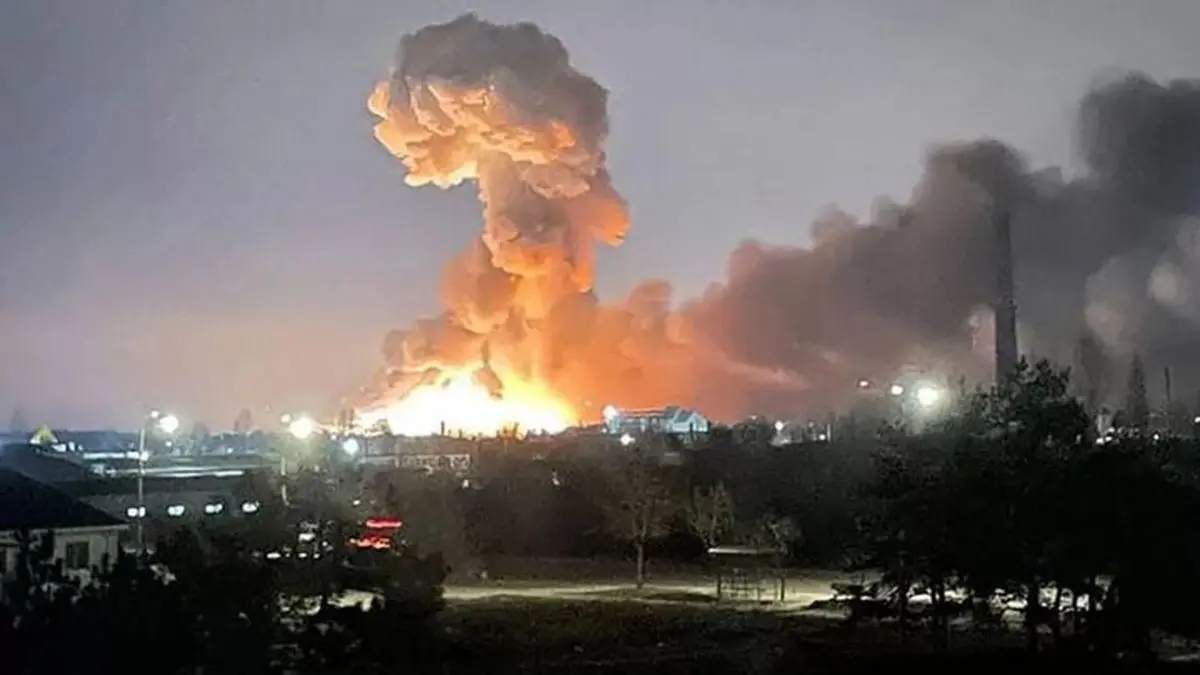
Iran deployed new drones and upgraded missiles
The spokesman for the Iranian Army, Brigadier General Akrami Nia, stated that Iran used new unmanned aerial vehicles (drones) during the last days of the conflict with the United States and Israel, noting that their development had begun long before the start of hostilities. According to Akrami Nia, both the Iranian Army and the IRGC also deployed upgraded missiles with improved operational capabilities. He argued that these developments prove that, despite the use of the existing arsenal during the conflict, Iran has continued to simultaneously invest in the research, development, and modernization of its defense systems.
Trump: The US is ready to increase military pressure on Iran again
The President of the United States, Donald Trump, returned with new threatening statements against Iran, leaving open the possibility of further military escalation if, as he argued, Tehran does not respond to American demands. In a post on the Truth Social platform on Sunday, June 28, Trump warned that Washington might abandon all attempts at restraint and complete the operation that, he stated, has already begun militarily. "There may come a time when we can no longer show restraint and will be forced to militarily complete the work we started with great success. If that happens, the Islamic Republic of Iran will no longer exist," wrote the American President.
Strait of Hormuz at the center – 30-day thriller
The biggest disagreement continues to concern the Strait of Hormuz, one of the most important energy passages globally, through which about one-fifth of the world's seaborne oil trade passes. Iran's Minister of Foreign Affairs, Abbas Araghchi, stated that the Straits will remain under full Iranian management for the next 30 days and warned that any new military intervention or attempt to create alternative shipping corridors will lead to a further deterioration of the crisis. He called on all sides to uphold their commitments under the Memorandum of Understanding, warning that otherwise, the agreement risks collapsing.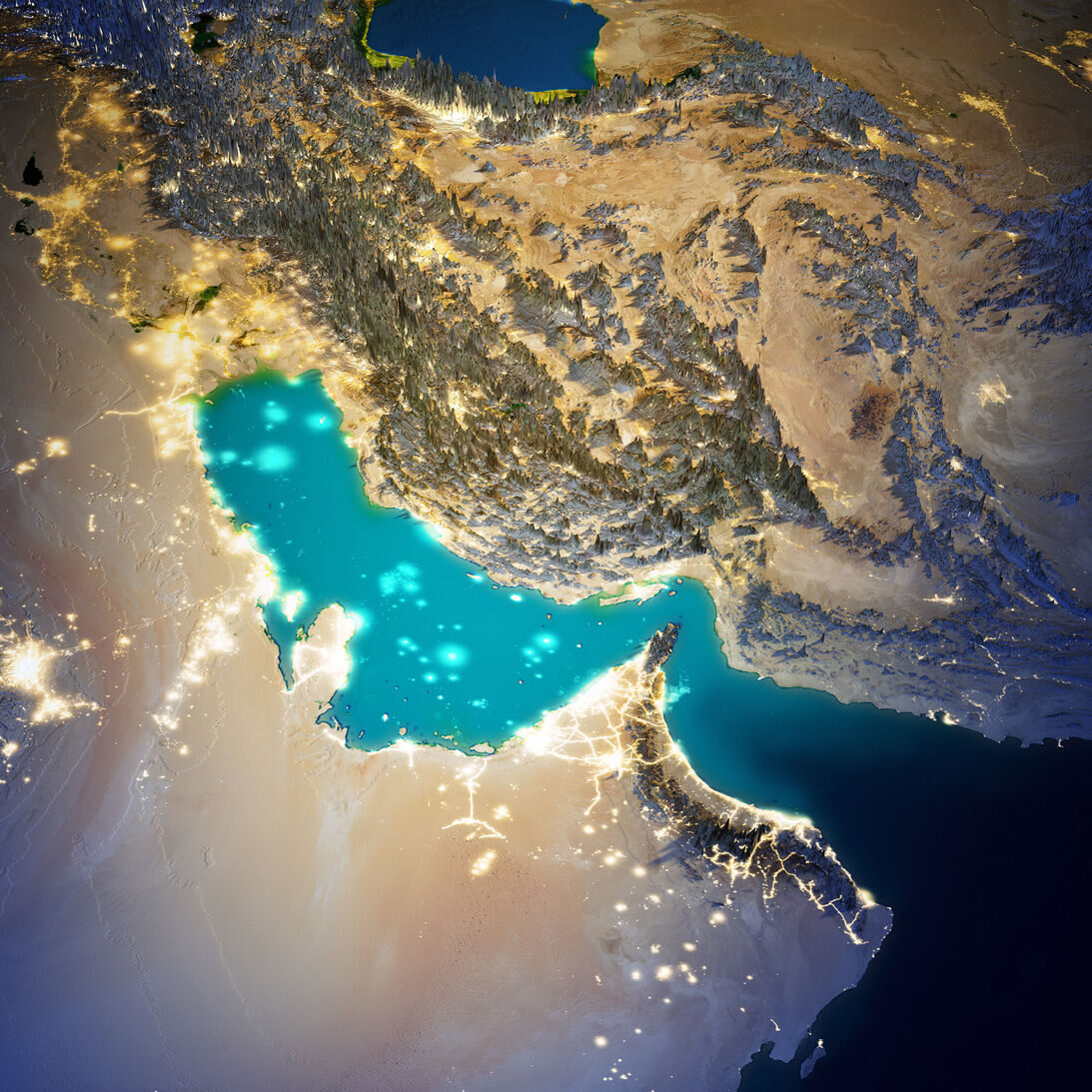
Reactions of the Gulf states
The attacks caused intense reactions in the region. Bahrain condemned the attacks as a violation of its sovereignty and argued that they undermine de-escalation efforts. Kuwait spoke of a serious violation of its national sovereignty, while it announced that air defense systems were activated to intercept missiles and drones. Meanwhile, Qatar, the United Arab Emirates, Jordan, and Oman called on all sides to show restraint, warning that the continuation of military actions may lead to a generalized destabilization of the region.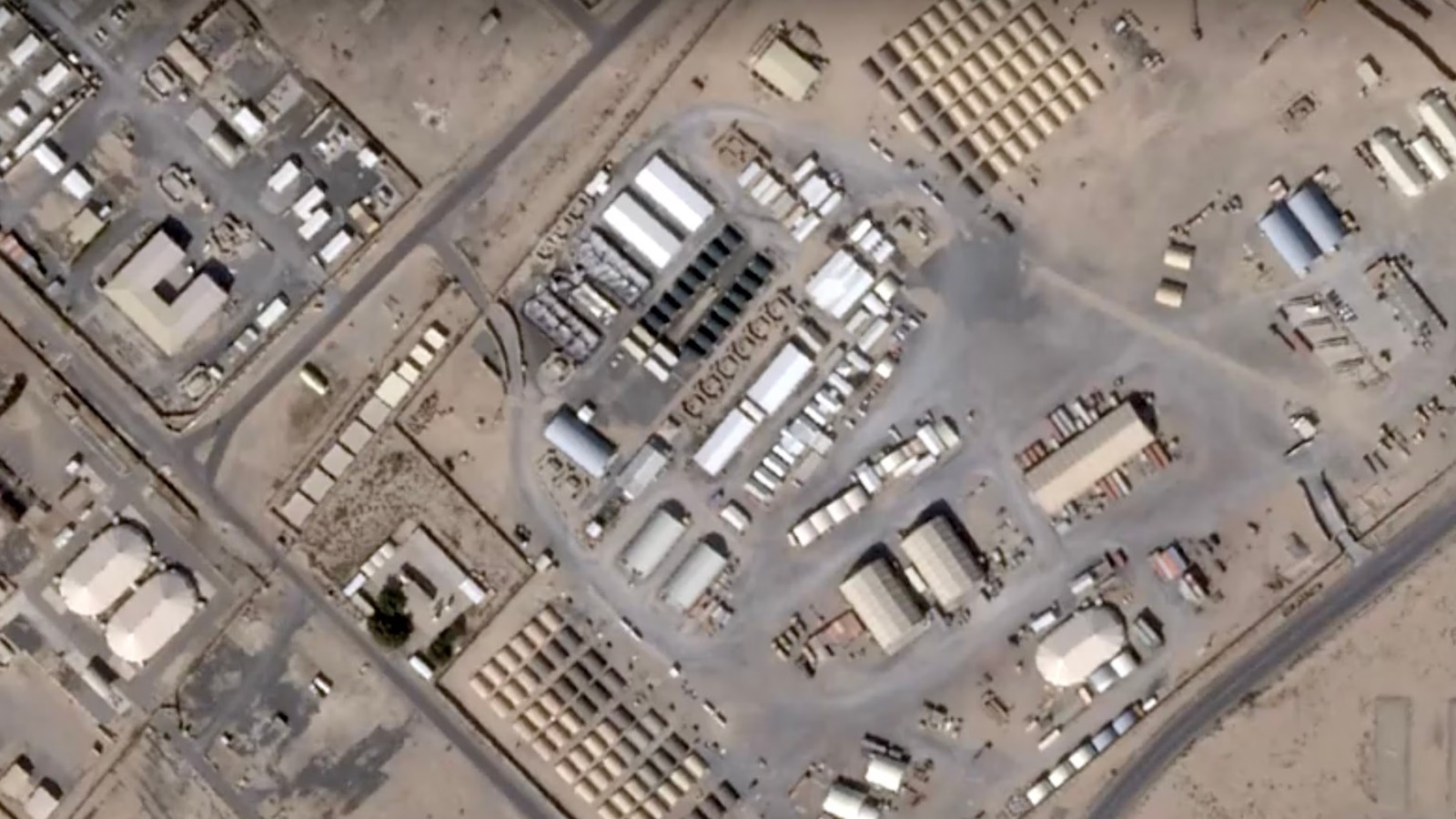
Araghchi: No Middle Eastern country should allow attacks against Iran from its territory
An appeal to all countries in the Middle East not to allow the use of their territory or military installations for attacks against Iran was addressed on Sunday by the country's Minister of Foreign Affairs, Abbas Araghchi, according to the semi-official Iranian news agency Tasnim. The statements were made during his meeting in Baghdad with the Prime Minister of Iraq, Ali Faleh al-Zaidi, where the two sides discussed the latest regional developments, as well as diplomatic initiatives that, according to Tehran, aim to end the "war imposed by the United States and Israel against Iran". According to Tasnim, Araghchi emphasized that the states of the region have a special responsibility for maintaining peace and security in the Middle East.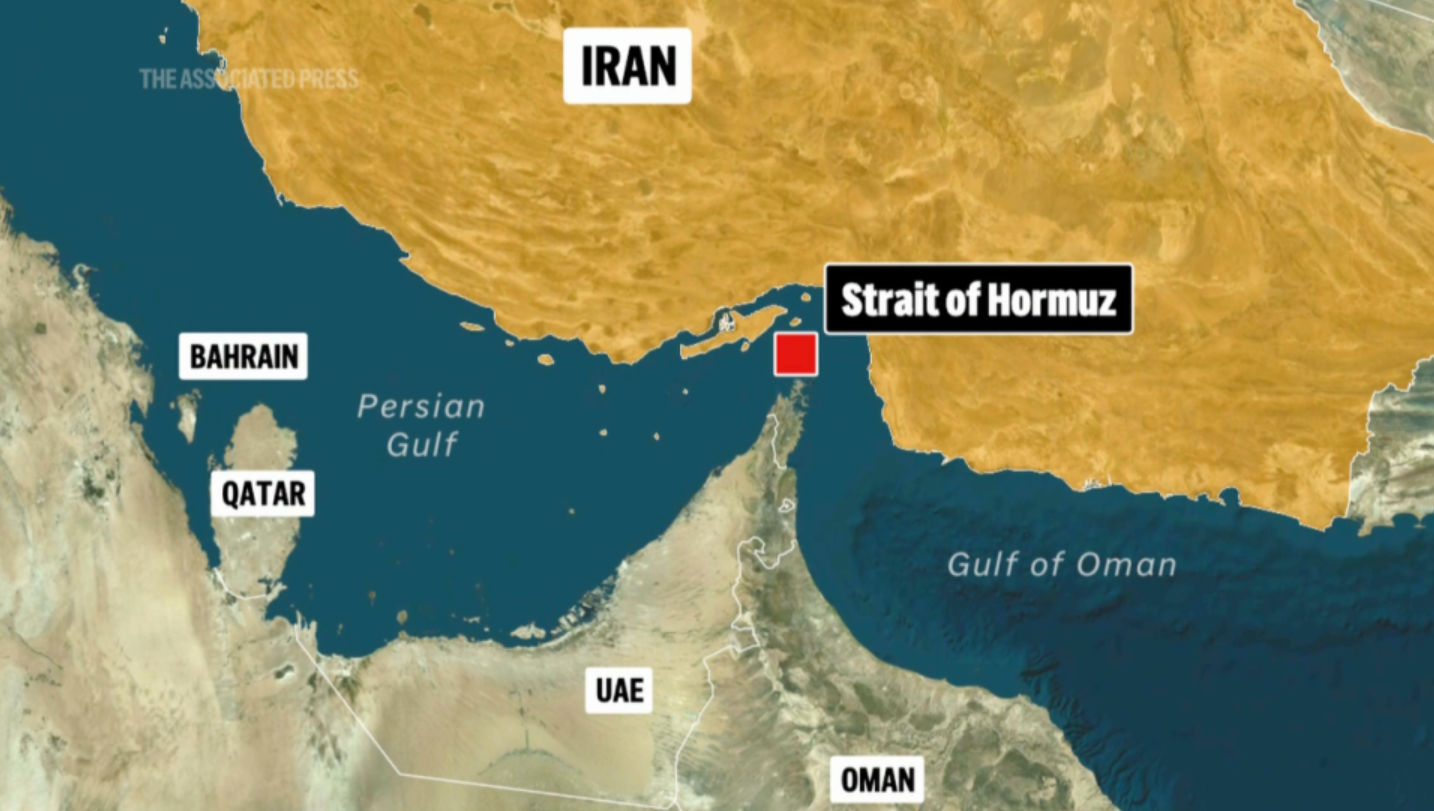
www.bankingnews.gr













Readers’ Comments