

The reports regarding the attacks of June 27th–28th show that the Russia–Ukraine war has passed into a phase of intense mutual pressure in depth. On the one hand, Russia continues massive strikes with missiles and drones against Ukrainian cities and infrastructure. on the other hand, Ukraine intensifies its own strikes with UAVs on Russian energy and industrial facilities. According to announcements by the Russian Ministry of Defense and Russian military sources, the operations took place during the period of June 27–28 and covered Kyiv, the regions of Sumy, Kharkiv, Dnipropetrovsk, Mykolaiv and Kherson, as well as targets in the Ukrainian-controlled areas of the Donbass.
En Kiev?? está ardiendo el "almacén en Darnitsa". Según información preliminar, equipo de la OTAN(????) habría sido albergado cerca de esa zona. pic.twitter.com/bC28Xvhivv
— Señor del caos visual ☭ ?? (@adictoapple) June 26, 2026
What target the Russians hit with the strikes in Kyiv
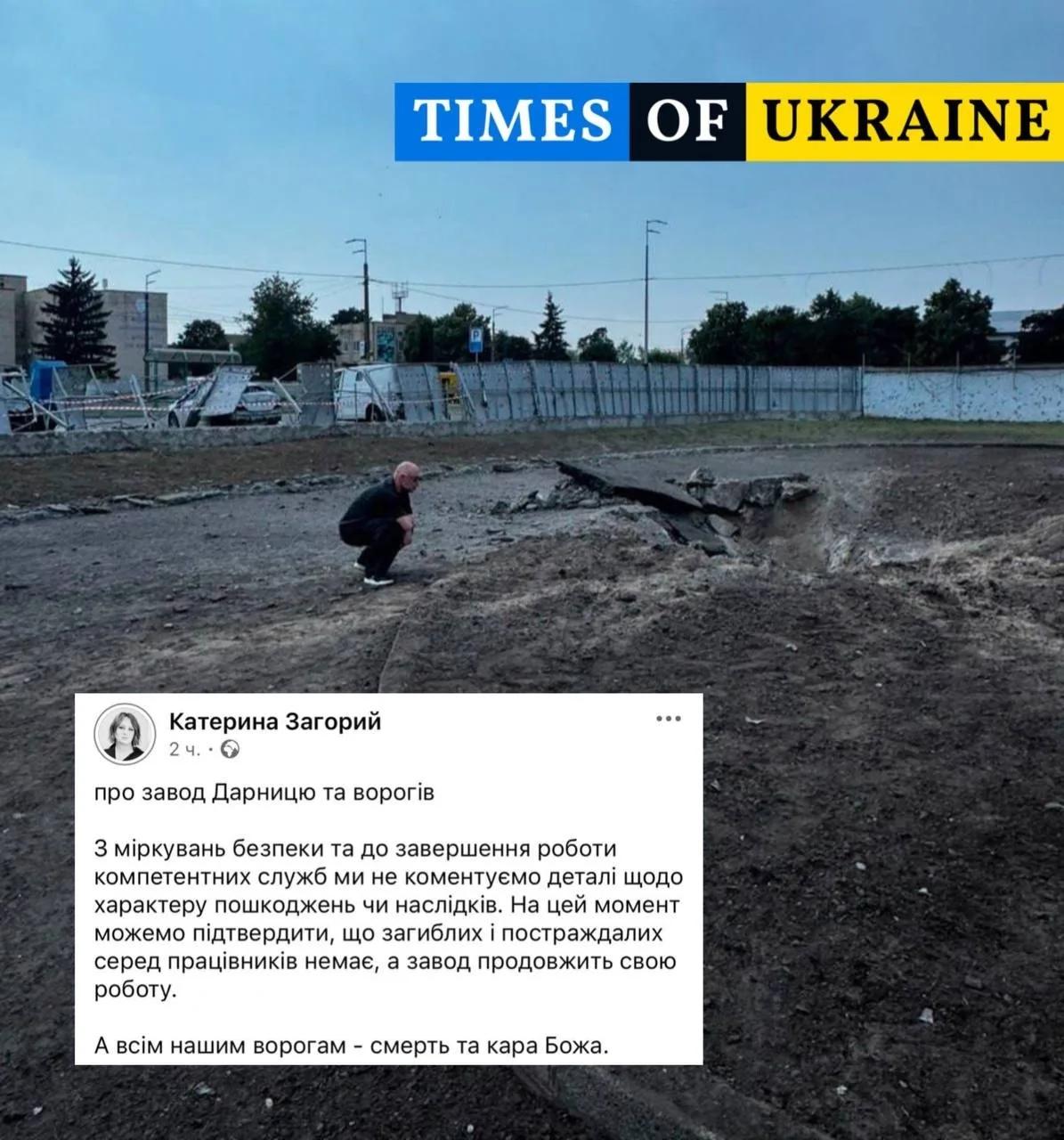
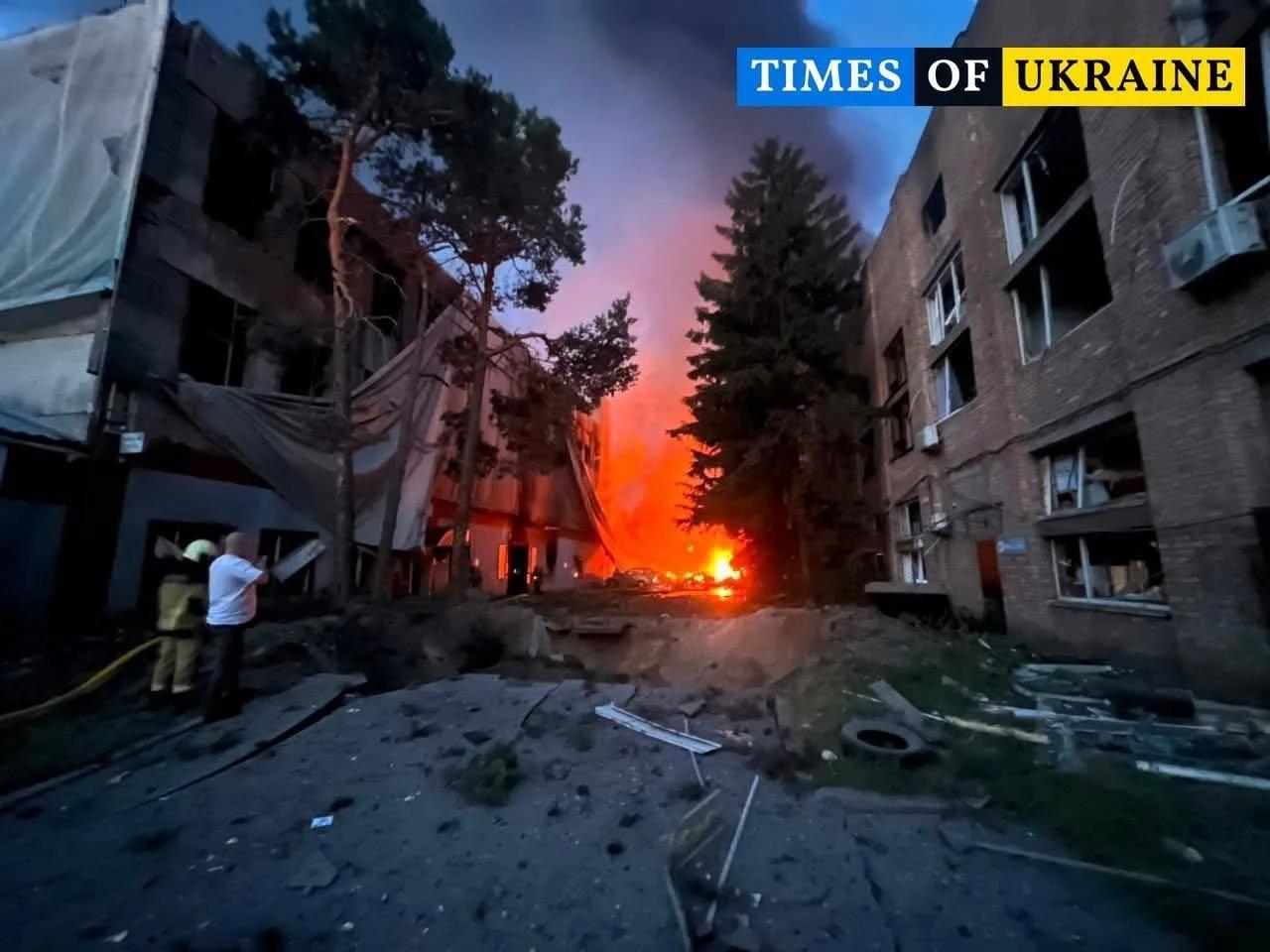
Kyiv was struck with ballistic missiles, with fires in the Darnytsia area, while Ukraine announced that it intercepted 125 drones and 7 out of 8 missiles. The most important element is not only the scale of the strikes, but their logic: Moscow appears to be seeking saturation of the Ukrainian air defense, pressure on energy and fuel infrastructure as well as the disruption of military logistics. The reference to Iskander, Zircon missiles and drones and other means suggests combined use of different systems, so that the cost of interception increases for Ukraine. Similar use of Zircon and ballistic systems had also been recorded in previous massive attacks during June.
At the same time, it is reported that Tornado-S multiple launch rocket systems and guided aerial bombs with unified gliding and correction kits (UMPK) were used. The Russian strategy seems to be based on the combination of different weapon systems, aiming to increase the pressure on the Ukrainian air defense and to make the interception of attacks more difficult. Pressure on air defense is a critical factor. Even when most threats are intercepted, each wave of attack consumes expensive ammunition, wears out crews and forces Ukraine to choose which areas and infrastructure to protect as a priority. That is why reports about extensive use of Patriot missiles, if confirmed, have strategic importance: they do not simply concern a nightly attack, but the long-term struggle of endurance between Russian production/launch and Ukrainian interception capability.
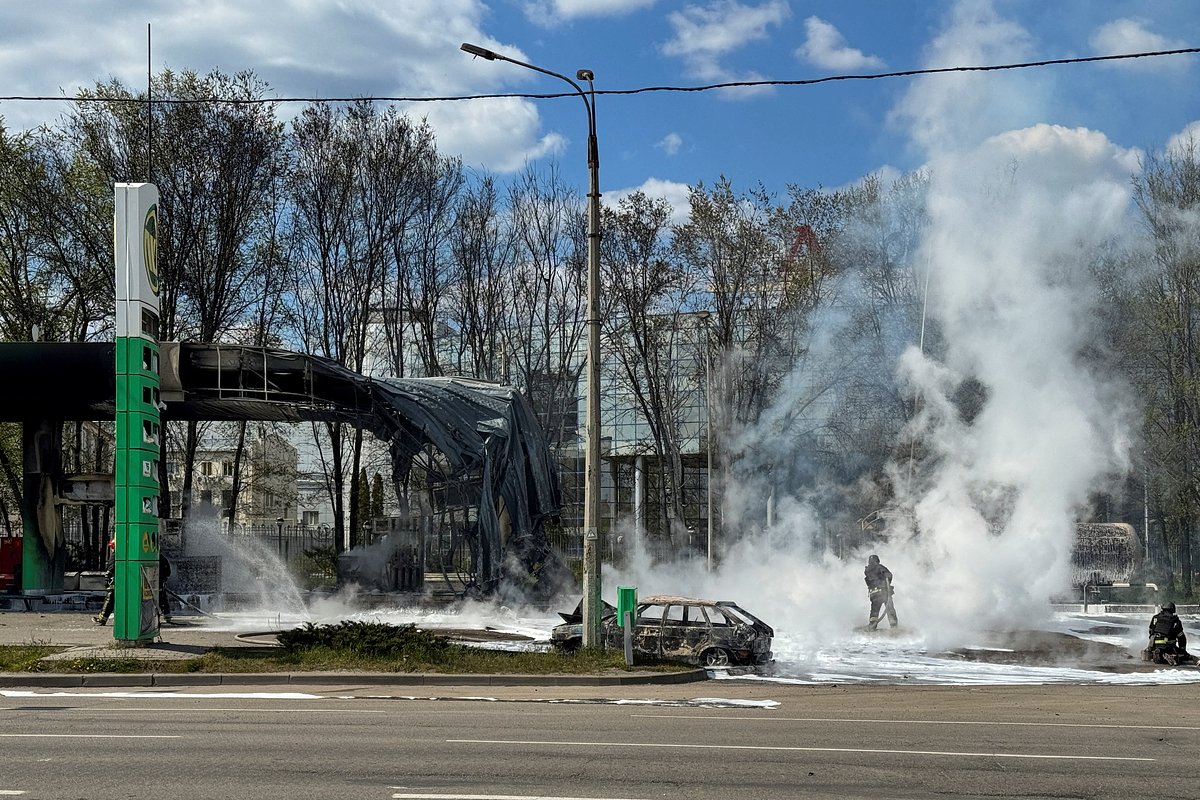
The second critical field is fuel infrastructure. The strikes on filling stations, warehouses, railway infrastructure and refueling points near the front line have a double effect: they make the daily life of citizens difficult and at the same time burden military mobility. In a war of attrition, fuel is an operational force multiplier. When refueling is interrupted, movements of units, transport of ammunition, evacuations and repairs become difficult.
Chemical terror and otherworldly images: Why Darnytsia is strategic
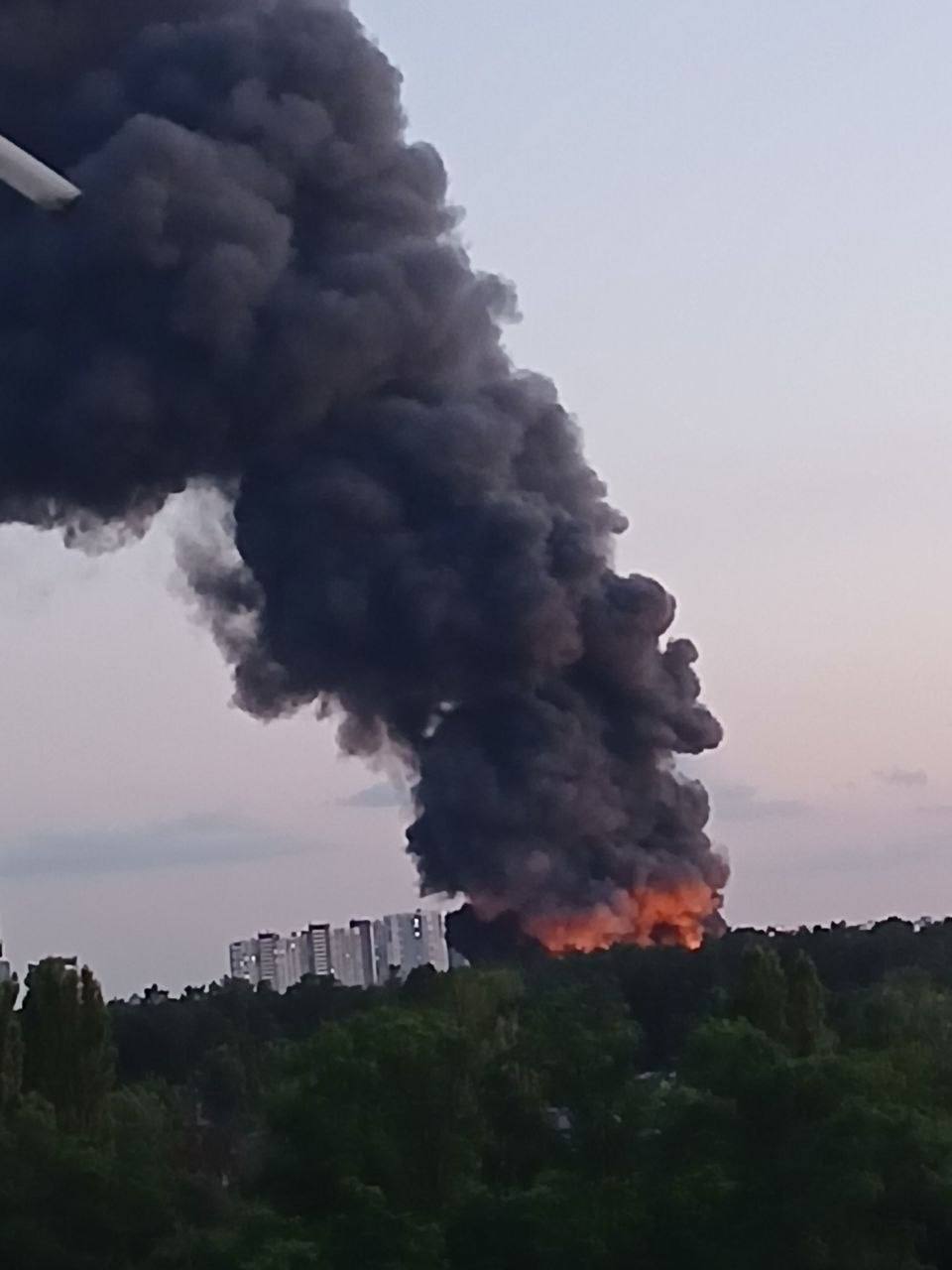
The reference to smoke, fires and "chemical odor" in Darnytsia shows also the communication dimension of the war. Videos that circulated on social media and in Ukrainian media showed thick smoke rising over parts of the capital. Even when the authorities state that no exceedance of limits of dangerous substances was recorded, such images cause fear and uncertainty in the population. Psychological pressure is part of the conflict: the attacks do not only hit facilities, but also the sense of security in the cities.
?? Analysis of Russian Strikes:
— Military Summary (@MilitarySummary) June 28, 2026
On the night of June 28, 2026, in Kyiv, a series of impacts were recorded in the Darnytskyi district, in the industrial zone of Boryspilska Street, where facilities and adjacent infrastructure of the Darnytsia Pharmaceutical Company are located.… pic.twitter.com/pUa1JAkmpO
Russia's target in Darnytsia was military or supportive infrastructure
From a military perspective, the area is considered important because it concentrates:
1) energy infrastructure,
2) railway network and transport hubs,
3) storage spaces and industrial facilities,
4) key road arteries connecting Kyiv with eastern Ukraine.
Fuel infrastructure in the crosshairs
Particular emphasis is given by the Russian side to attacks against fuel infrastructure in the regions of Kharkiv and Dnipropetrovsk. According to statements by the fuel market expert Dmitry Leushkin, several fuel stations in areas near the front line have sustained repeated attacks, creating supply problems. Correspondingly, Sergey Kuyun, head of the Consulting Group A-95, stated that the transport of fuel toward the conflict areas is becoming increasingly difficult, as fuel tanker drivers avoid moving in high-risk areas. If attacks on this type of infrastructure continue, supply difficulties may affect both the operation of military units and the daily life of citizens in the areas near the front line.
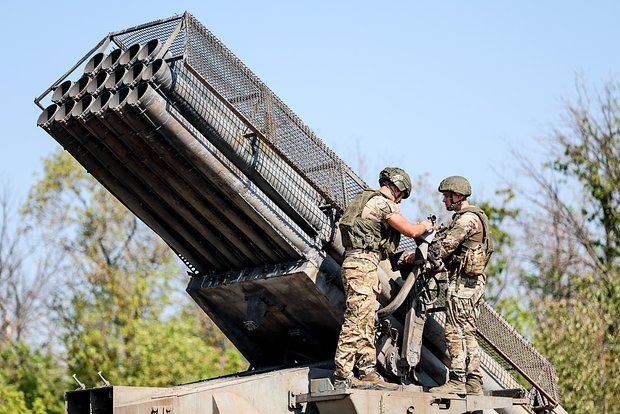
Russian territorial gains
The Russian Ministry of Defense also announced that forces of the Vostok group captured two settlements, Pisantsy in the Dnipropetrovsk region and Novoselovka in the Zaporizhzhia region. According to Moscow, this development creates preconditions for further advancement of Russian forces and increases the pressure on the Ukrainian defensive lines.
Operations in the Mykolaiv region
The Russian side further announced that it carried out precision attacks against facilities that, according to its claims, were used by the Ukrainian special forces in the Mykolaiv region. It is reported that personnel concentration areas, warehouses and means related to naval operations were hit.
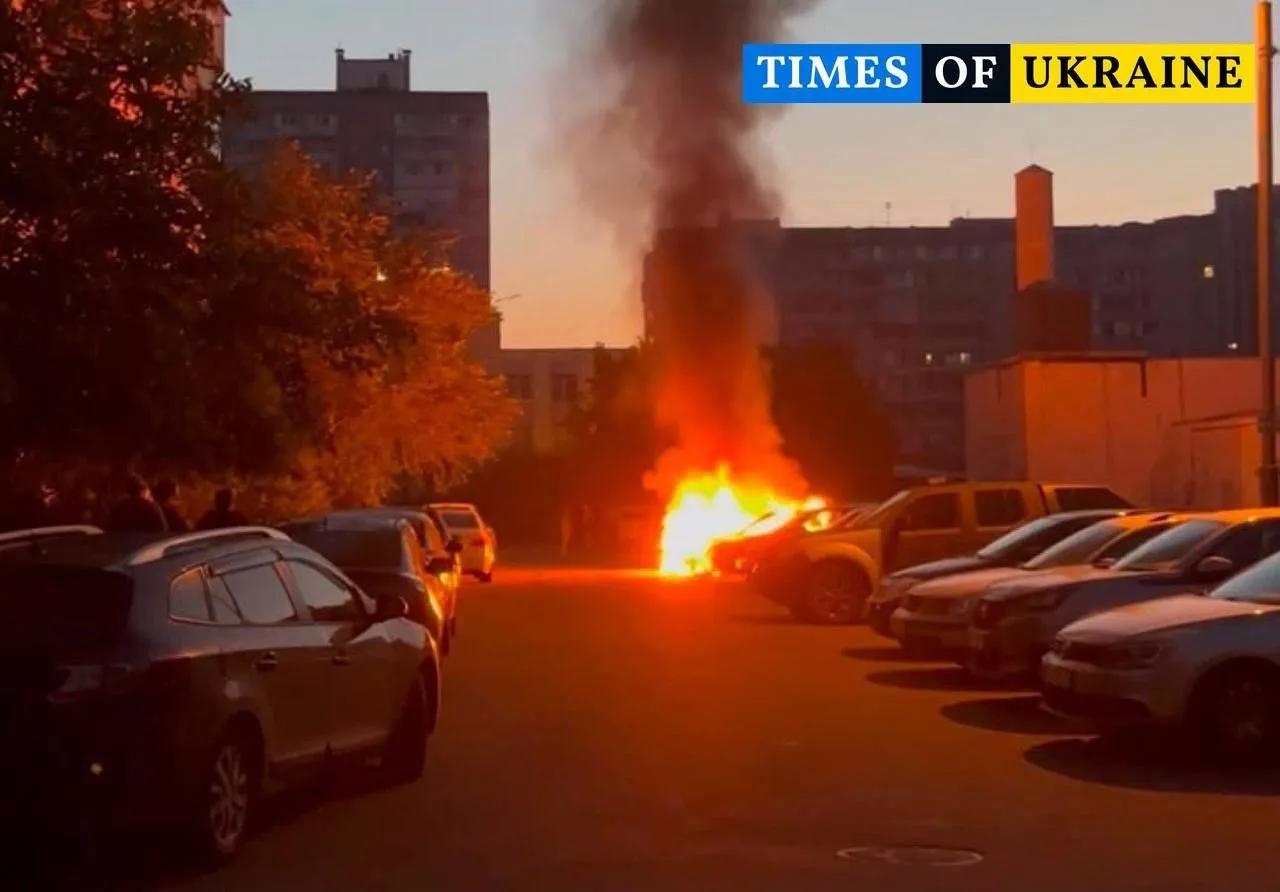
The Ukrainian strikes
At the same time, Ukraine seems to respond with increasing strikes on Russian energy facilities. International agencies transmitted that Ukrainian drones hit a Russian refinery and other infrastructure, while Russia announced the downing of 213 Ukrainian drones within the specific period. This shows that the war is no longer only linear at the front, but deeply networked: each side tries to strike the rear of the other.
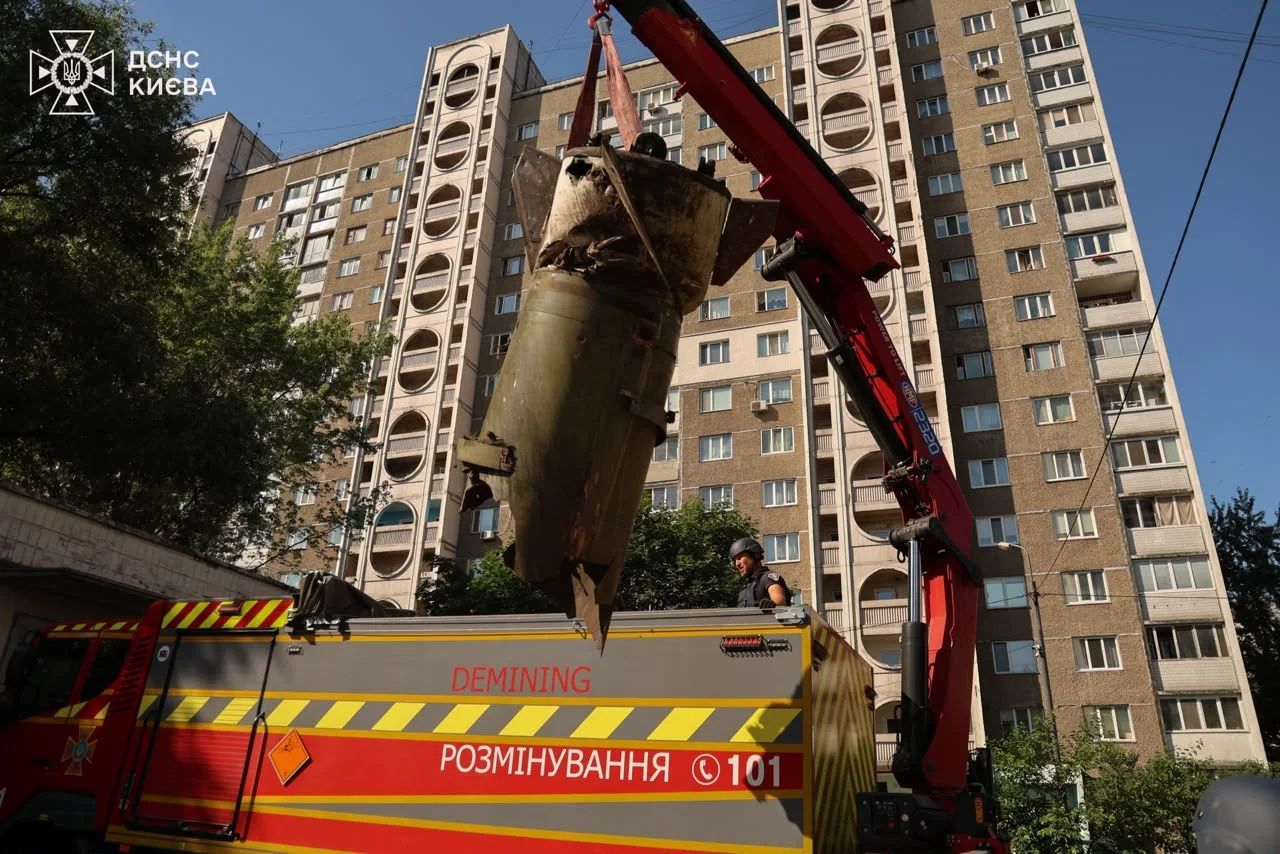
The strategic picture
The latest announcements suggest that the Russian strategy continues to focus on three basic axes: the exertion of pressure on the Ukrainian air defense through massive combined attacks, the disruption of logistics and fuel infrastructure, as well as the effort to achieve local territorial advancements. At the same time, the Ukrainian side continues to rely on air defense and the protection of critical infrastructure, while battles remain particularly intense in several sectors of the front.
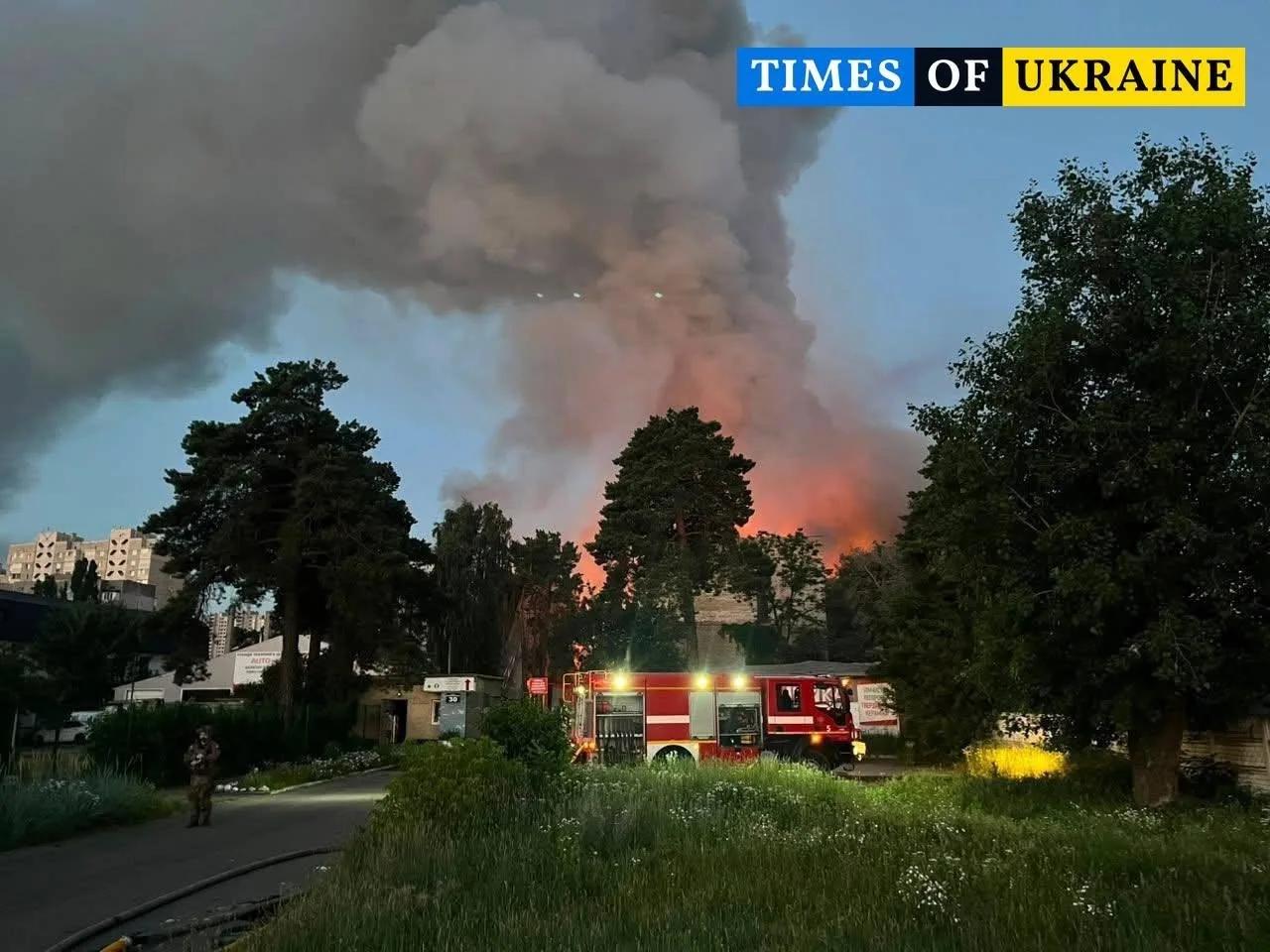
War of attrition that deepens
In conclusion, the picture is that of a war of attrition that deepens. Russia presses the Ukrainian air defense and supply infrastructure, while Ukraine tries to transfer the cost of the war deeper into Russian territory. The developments of the last few days demonstrate that the war is entering yet another period of high intensity, where operations are not limited to the front lines but extend to critical strategic infrastructure. The result is a dangerous escalation, where military effectiveness is measured not only in territorial gains, but in endurance, production, stocks, psychology and the capability to continue the war for a long period of time.

www.bankingnews.gr













Readers’ Comments