

The relations between Iran and the US are historically in an extremely fragile balance.
Despite recent efforts at de-escalation through Swiss mediation and indirect negotiations, the events of the last few days prove that the slightest military or political move can lead to uncontrolled escalation.
The Memorandum of Understanding between the two sides never constituted a real agreement, but a fragile truce that relied exclusively on the will of the two governments and the mediators.
New tension after the latest incidents
The new crisis culminated when the American president Donald Trump claimed that Iran launched missiles against American warships.
Shortly afterwards, CENTCOM announced that it carried out military strikes in the area of Sirik and the Strait of Hormuz, while the American vice president J.D. Vance stated that any attack against American forces will receive an immediate and strong response.
The response of the Revolutionary Guards (IRGC) was immediate.
According to their announcement, any violation of commitments by the American side will be met with decisive military power.
At the same time, the analyst Abbas Aslani, who closely monitors the negotiations, reported that the Iranian negotiators are considering even the suspension of technical talks with the United States in Switzerland, following the American strikes in Sirik, in southern Iran.
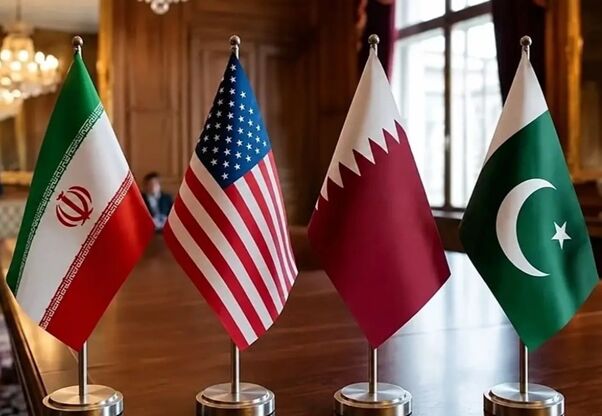
An agreement that might never manage to be implemented
The latest developments show that the temporary understanding between the two sides may already be on the verge of collapse.
This is a particularly fragile process, which resembles more a young plant that can be uprooted by the first big storm.
If there is no political will from both Tehran and Washington, but also substantial intervention by the mediators, this process may end much sooner than expected.
The core provisions of the temporary understanding still remain vague, while major issues continue to be outside the official framework of the talks.
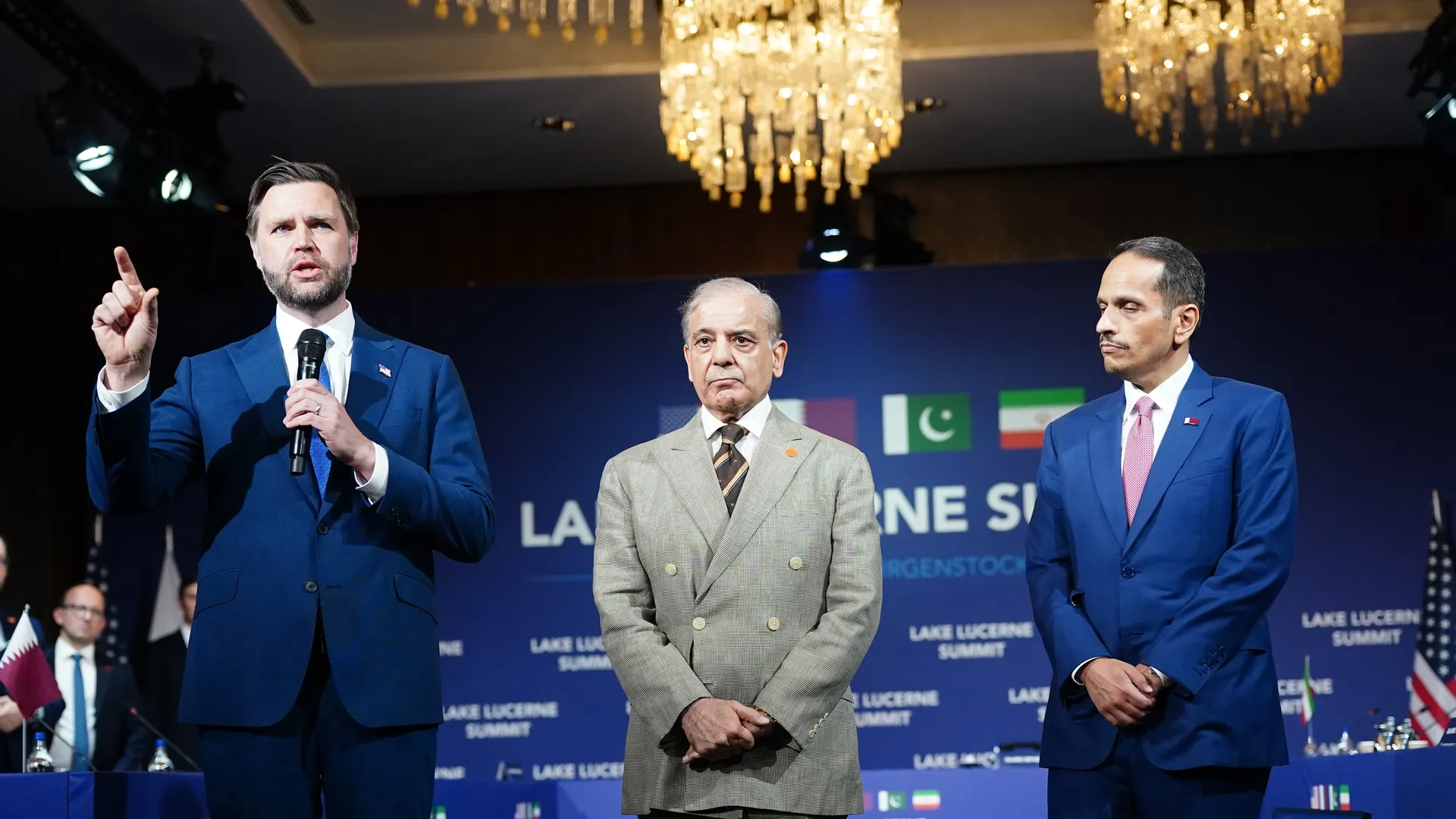
Among these are included:
1) the nuclear program of Iran,
2) the release of frozen Iranian assets,
3) the ceasefire in Lebanon,
4) security in the Strait of Hormuz,
5) as well as the wider regional balance in the Middle East.
Each of the above issues can act as a catalyst for the collapse of negotiations.
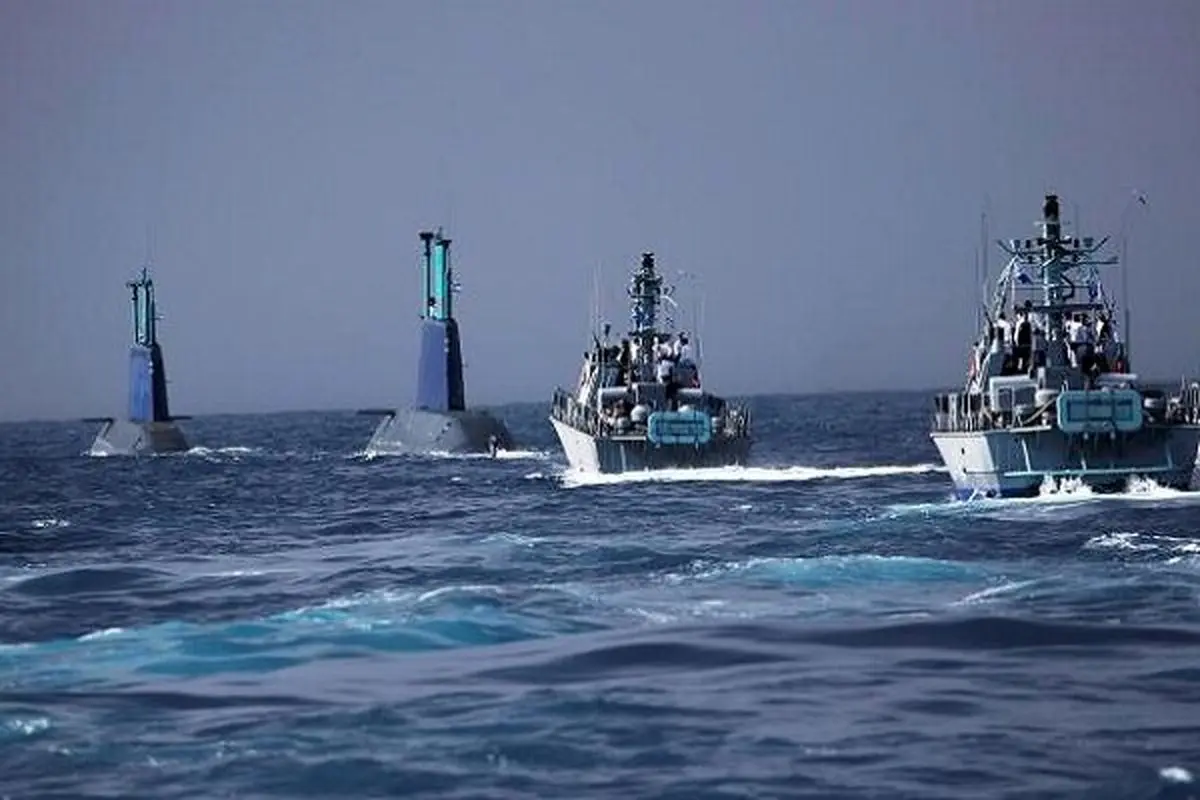
Demonstration of power or preparation for conflict?
According to analysts who adopt the Iranian perspective, both Washington and Tehran seek to strengthen their negotiating position through military deterrence.
The Strait of Hormuz constitutes the most important pressure point, as a large part of global oil exports passes through there.
The military presence of both sides turns the region into one of the most dangerous geopolitical spots on the planet.
The pursuit of a stronger position in the negotiations, however, carries serious risks.
The more military pressure increases, the more the probability of miscalculations or unintended escalation grows.
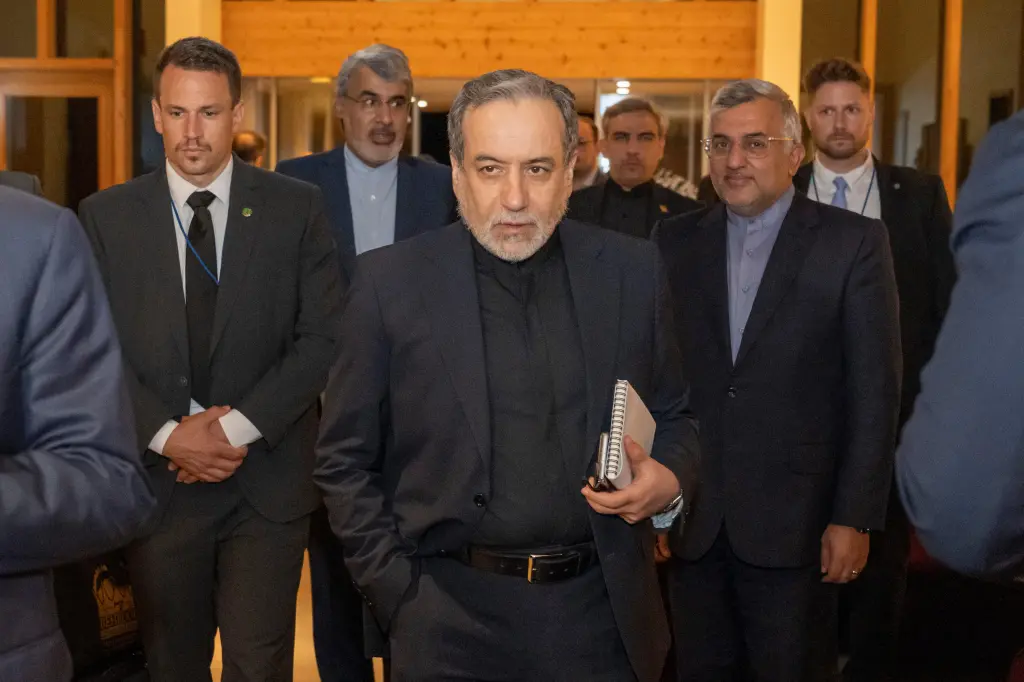
Game theory and the risk of error
The current situation between Iran and the United States can be interpreted through the well-known model of game theory, also known as the "Chicken Game".
Two drivers head at high speed toward each other.
The one who turns first is considered the loser, while the one who continues appears as the most determined.
In most cases, both choose to avoid the collision at the last moment.
However, a single mistake, a wrong estimation or excessive self-confidence is enough for the collision to become inevitable.
Something corresponding seems to be happening also between Iran and the United States.
The two sides attempt to prove that they possess the determination and the power not to back down, without however, theoretically, seeking a total war.
The problem is that even a limited military operation can cause chain reactions, which will make a return to diplomacy impossible. On a razor's edge
BREAKING ?Trump has restated the war on Iran with a mass bombing campaign.
— Syrian Girl (@Partisangirl) June 28, 2026
He lied to the American people. God speed to Iran. pic.twitter.com/D8HpLyVyu9
Relations between Iran and the United States continue to move on a "razor's edge"
The temporary diplomatic de-escalation has not eliminated the deep strategic differences between the two countries.
From the perspective projected by the Iranian side, recent military moves by the United States undermine the fragile process of dialogue and increase the risk of an uncontrolled conflict.
At the same time, any mistake in the Persian Gulf or the Strait of Hormuz could spark a wider regional crisis, with consequences that would far exceed the borders of Iran and the United States.
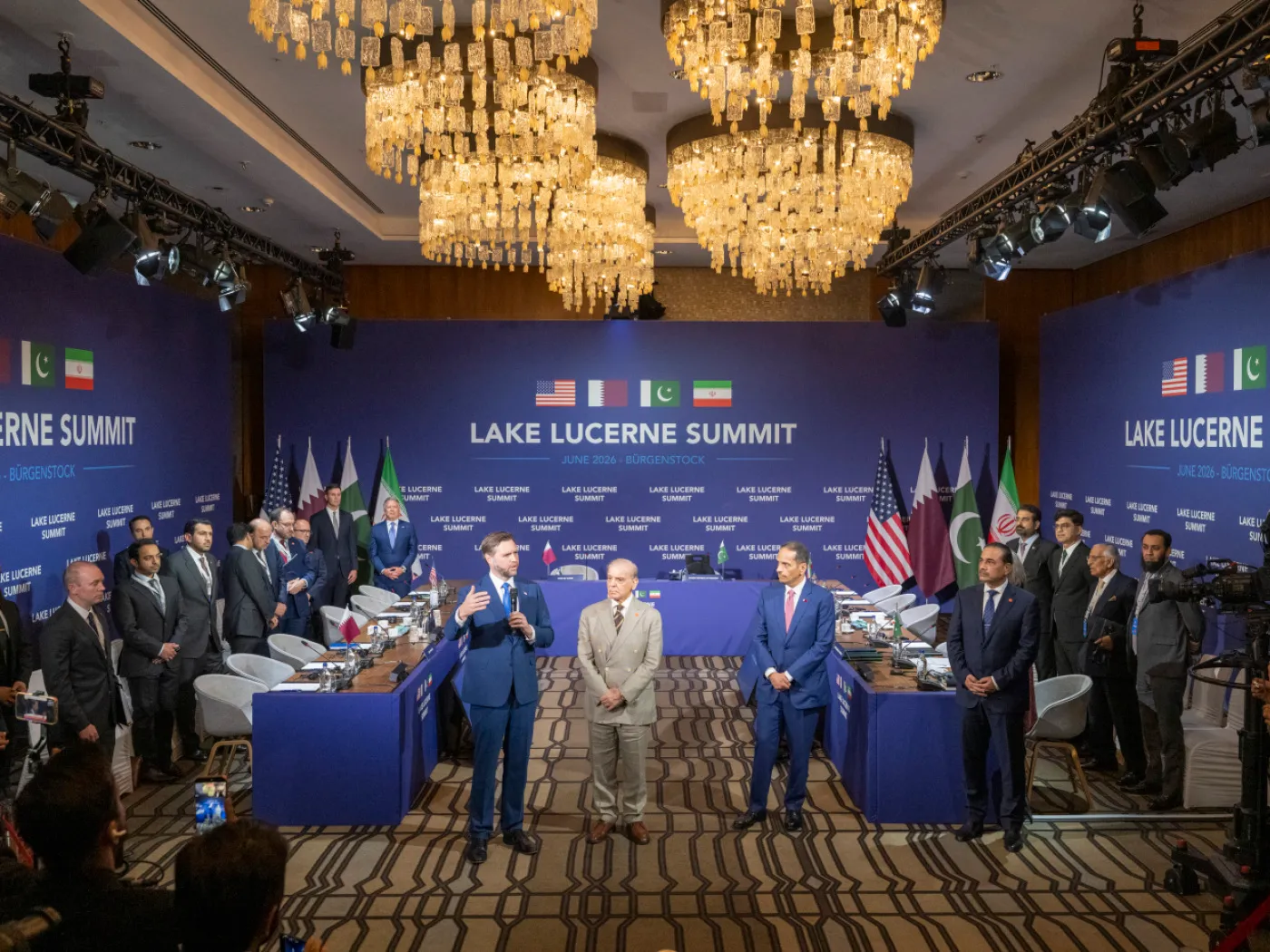
Collapse of the memorandum
Inevitably a very big question arises after the latest incidents.
The question concerns not only the military moves of the two sides, but mainly whether the temporary memorandum of understanding that formed the basis for the initiation of indirect contacts can survive.
If recent tensions continue or escalate, the possibility that this process freezes or even is completely abandoned cannot be ruled out.
From the perspective projected by Iranian analysts, the maintenance of such a memorandum presupposes that both sides will avoid actions that could be considered unilateral violations of the informal commitments that had been undertaken.
If Tehran estimates that the military operations of the United States undermine the framework of the understanding, it is likely to reconsider its participation in the technical talks and reinstate a tougher negotiating line.
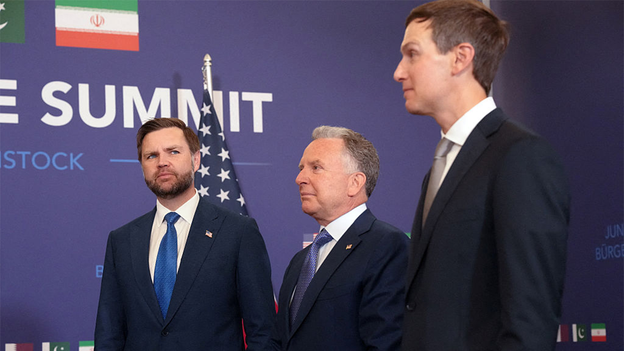
Enormous risk of strategic uncertainty
A potential cancellation of the memorandum would not simply mean the end of another round of contacts.
It would create a new environment of strategic uncertainty, in which diplomacy would give its place to the policy of deterrence and military pressure.
In such a scenario, every incident in the Persian Gulf or the Strait of Hormuz could acquire disproportionately great significance, increasing the risk of wrong estimations and uncontrolled escalation.
At the same time, the collapse of the memorandum could also affect all parallel issues that are on the consultation table, such as the nuclear program of Iran, the release of frozen Iranian assets, as well as wider regional balances.
The interruption of dialogue would significantly limit the available diplomatic tools for the management of future crises, increasing the probability that developments are henceforth determined by military initiatives instead of political negotiations.
Under these conditions, even if neither of the two sides seeks a generalized conflict, the absence of a functional channel of communication could make the de-escalation of every new crisis much more difficult.
This is also the reason why many estimate that the future of the memorandum constitutes perhaps the most important factor that will determine whether relations between Iran and the United States will return to diplomacy or will enter a new period of prolonged confrontation.
www.bankingnews.gr













Readers’ Comments