

Tehran warned that any new military action from the American side will be met with an even broader and stronger response
The fragile de-escalation agreement between Iran and the USA is up in the air, as military confrontation returned with intensity around the Straits of Hormuz, one of the planet's most important energy arteries.
The Islamic Revolutionary Guard Corps of Iran (IRGC) announced that they launched attacks against positions of the US military in the Middle East, claiming that it was a legitimate response to the preceding US airstrikes against military installations in Iran.
According to the statement of the IRGC, the attacks by the USA constitute a direct violation of both the recent agreement for the cessation of hostilities and the international commitments concerning the security of the Straits of Hormuz.
Tehran warned indeed that any new military action from the American side will be met with an even broader and stronger response.
Meanwhile on Saturday afternoon (27/6/2026), a tanker in the Straits of Hormuz was hit by an unknown projectile.
As reported by the UKMTO, the ship suffered damage to the bridge, however all crew members are safe and so far no environmental pollution or fuel leak has been recorded.
The British authorities did not clarify the origin of the projectile nor the circumstances under which the incident occurred, while the case is under investigation.
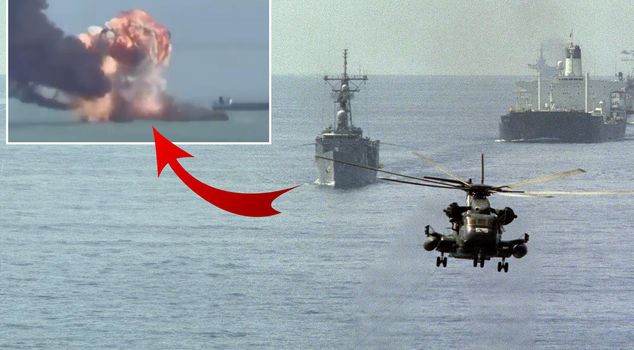
Iran: The USA undermined the agreement - They will bitterly regret it The IRGC claim that the American strikes were carried out without any provocation from the Iranian side and targeted missile depots, drone facilities, and coastal radars in the areas of Sirik and Qeshm, along the Straits of Hormuz.
The Iranian Ministry of Foreign Affairs characterized the attacks as a "flagrant violation" of the memorandum of understanding that had been agreed earlier this month aiming at ending the recent military conflict.
Similar was the reaction of the chairman of the National Security and Foreign Policy Committee of the Iranian Parliament, Ibrahim Azizi, who personally accused the American president Donald Trump of proving in practice that Washington does not intend to respect either the negotiations or the ceasefire agreements.
According to him, the American strategy will ultimately lead to "retreat and bitter regret" for the USA.
The American version
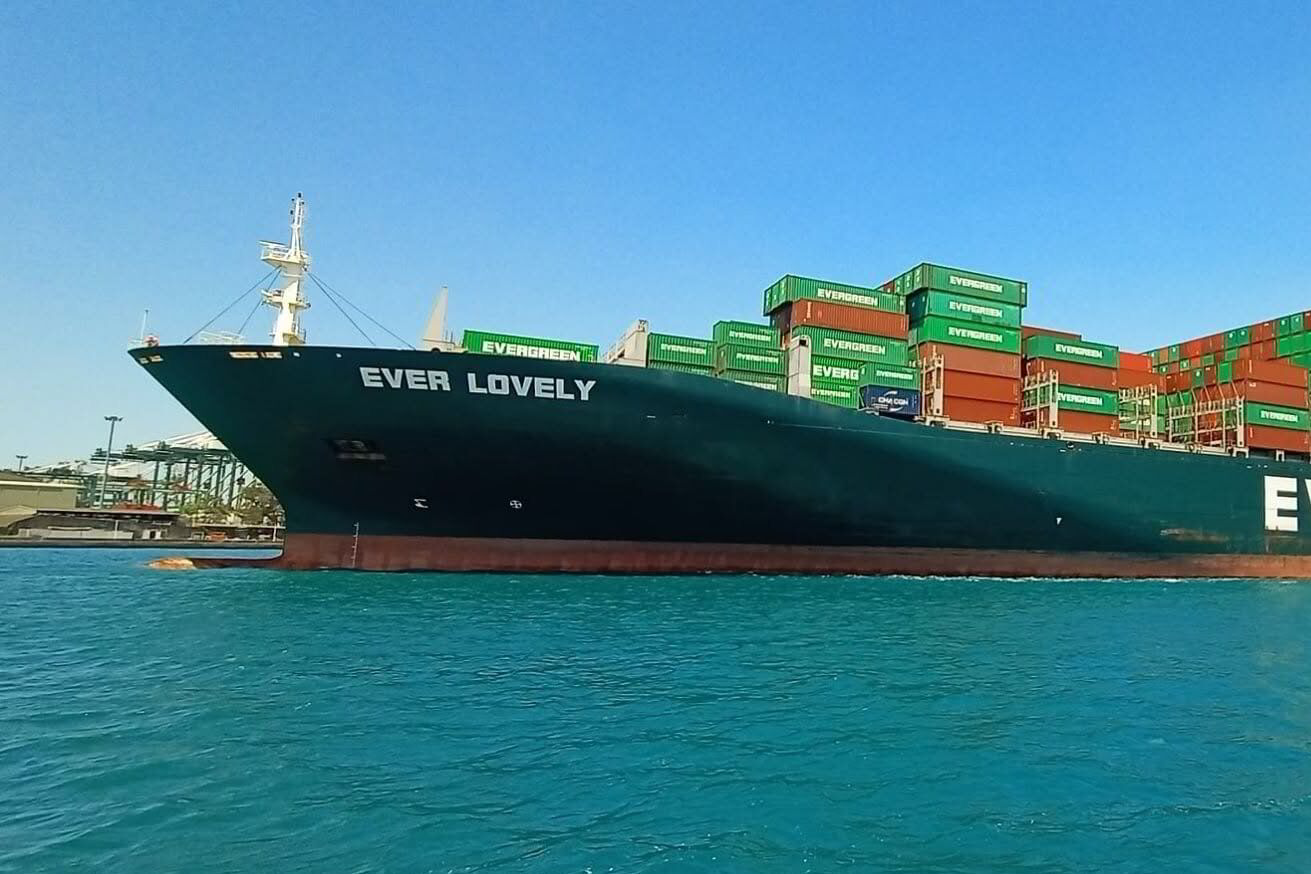
On the other side, CENTCOM announced that the attacks were carried out in retaliation for the incident of June 25, when the commercial ship Ever Lovely, flying the flag of Singapore and owned by the Taiwanese company Evergreen Marine, came under attack while exiting the Straits of Hormuz along the coast of Oman.
The USA claim that Iran launched four attack drones toward the sea lane, with one of them hitting the ship and the rest being shot down.
Evergreen Marine confirmed that an unknown object collided with the starboard side of the ship, causing damage to the bridge windows, without however any injuries or cargo losses.
However, the Iranian side has not acknowledged responsibility for this specific incident.
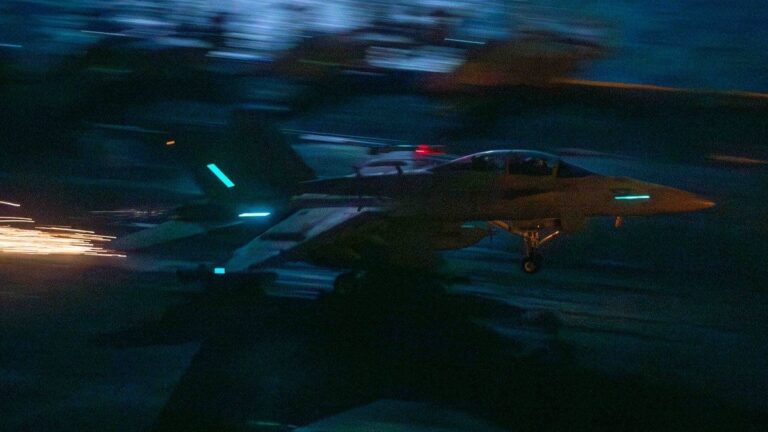
Warning shots and disputed allegations
A few hours before the incident with the Ever Lovely, the Iranian agency Mehr had broadcasted that the Iranian forces launched warning shots against ships that it characterized as "violators" in the Straits of Hormuz.
At the same time, the launch of two missiles toward the sea area south of the Iranian coast was also reported.
Tehran, however, never clarified if these incidents are related to the attack on the Ever Lovely, a fact that leaves significant questions unanswered.
The response of the IRGC
The IRGC announced that their naval forces carried out attacks against American military positions in the region, without releasing specific locations or information about possible casualties.
In their statement they claimed that, based on Article 5 of the Islamabad Memorandum, the responsibility for controlling navigation in the Straits of Hormuz belongs to the Islamic Republic of Iran and accused the USA of attempting to undermine this agreement through military actions and interventions of third countries.
The message of Tehran was clear: "If the aggression is repeated, our response will be much broader."
For his part, Donald Trump accused Iran of violating the ceasefire, claiming that four attacks were carried out against ships in the Straits of Hormuz.
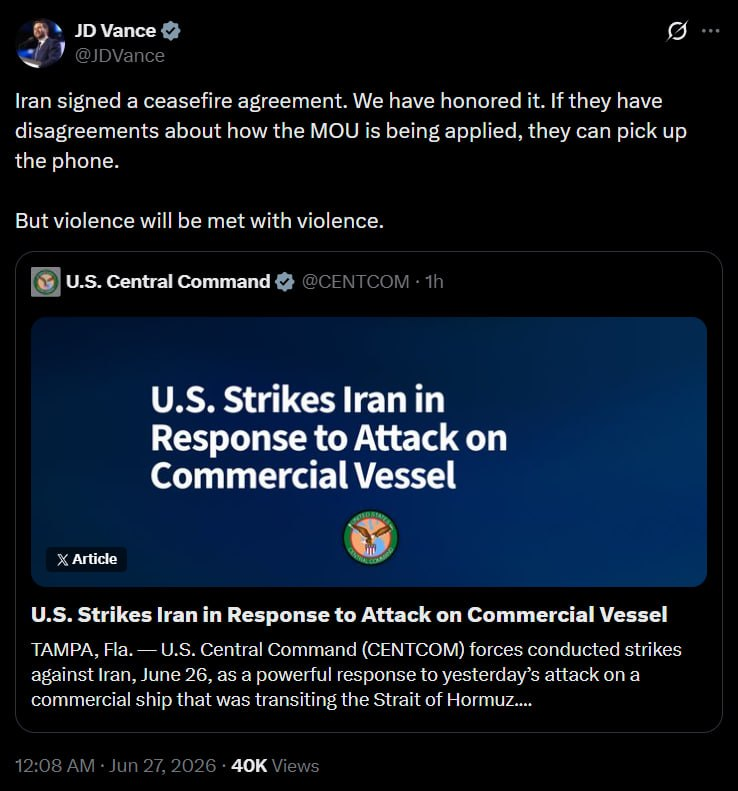
The Vice President of the USA, JD Vance, stated that any disagreement regarding the implementation of the agreement should be resolved through diplomatic channels and warned that "violence will be answered with violence".
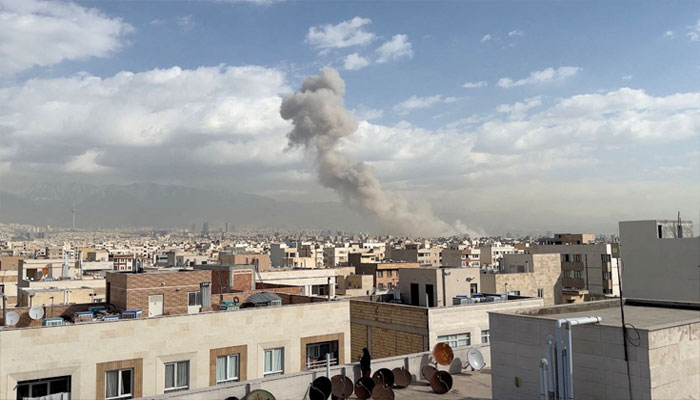
Heavy strike in Bahrain
At the same time, Bahrain announced that it came under attack by drones which, according to its authorities, were launched from Iran, characterizing the incident as a serious violation of international law.
According to the statement of the Ministry of Foreign Affairs, several drones targeted the territory of Bahrain, without however details being given regarding the exact location or the target of the attack. The authorities of the kingdom claimed that the incident put civilians at risk and undermined the de-escalation efforts in the region.
For its part, Tehran continues to insist that its military actions had an exclusively defensive character and turned against targets connected with the American military forces, as a response to the previous US attacks against Iranian installations.
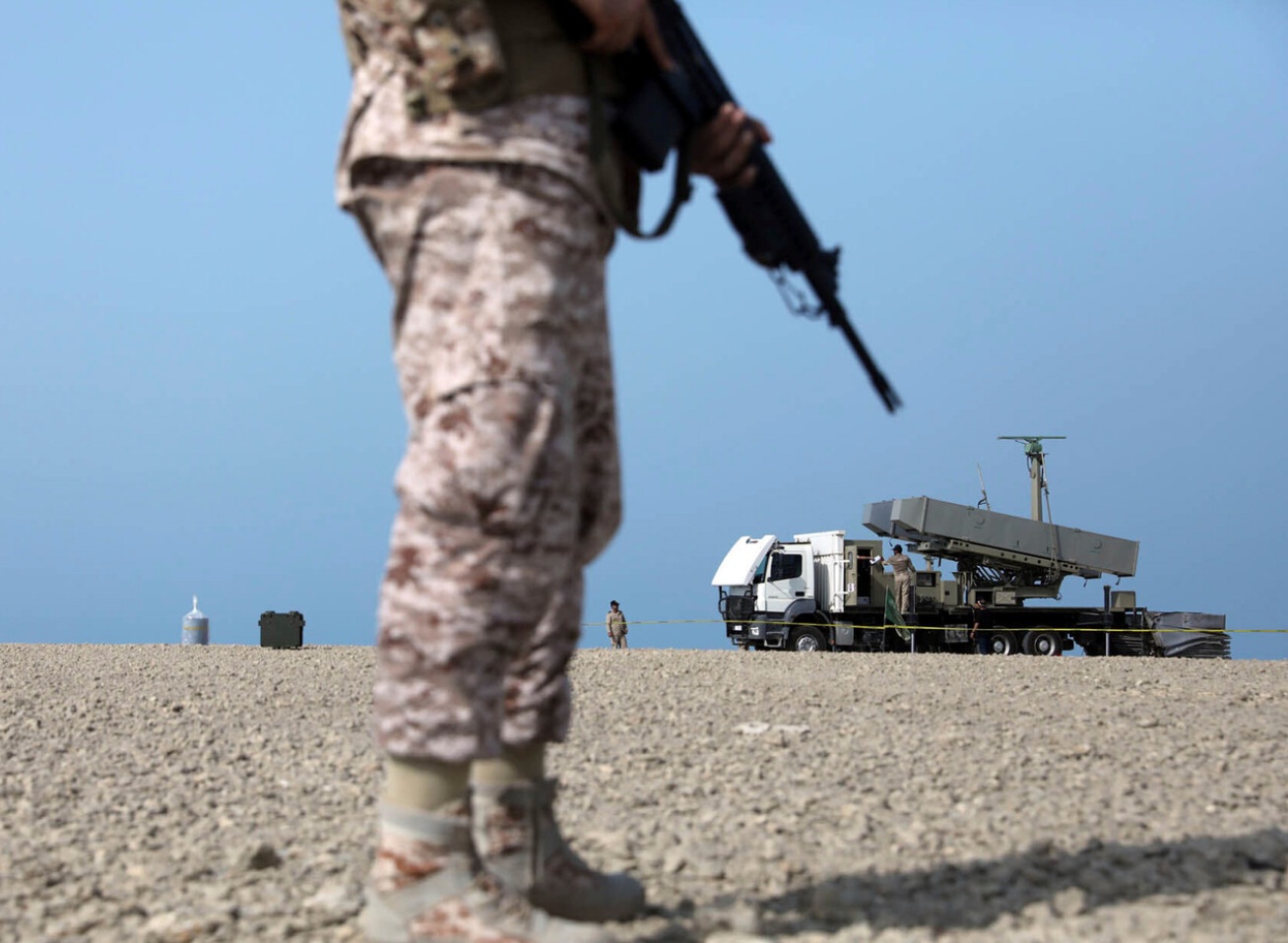
The Straits of Hormuz remain the epicenter
Despite the new military escalation, analysts estimate that neither side desires the collapse of the recent memorandum of understanding, particularly after the last round of contacts in Switzerland, which had been characterized as encouraging.
However, the latest developments confirm that the Straits of Hormuz continue to constitute the most sensitive geopolitical spot of the Middle East.
From the Iranian perspective, the American military intervention is interpreted as a unilateral violation of the agreed terms and as an attempt to exert pressure on the Islamic Republic. Conversely, Washington claims that its operations aim to protect international navigation and to prevent new attacks against commercial ships.
The result is a new period of intense uncertainty, where even a limited incident can lead to a generalized regional conflict, keeping Hormuz at the epicenter of the global geopolitical confrontation.
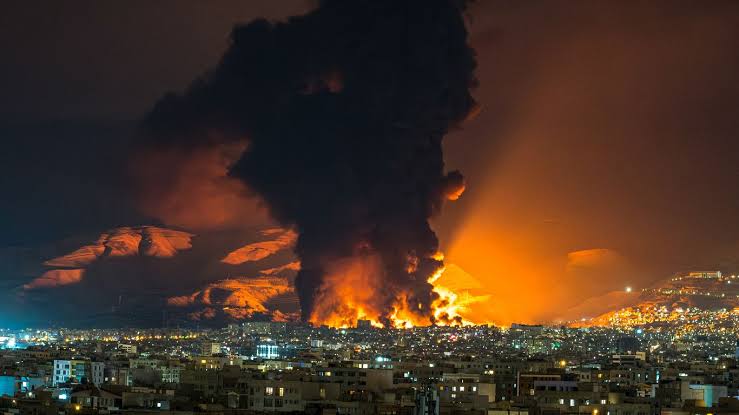
The Islamabad Memorandum will ultimately not collapse
Of particular interest is the assessment of the academic Mohammad Eslami, a researcher at the University of Tehran, who considers that both Washington and Iran are attempting to appear as winners of the latest crisis, shaping the appropriate political narrative for the domestic and international audience.
According to him, neither side desired an uncontrollable military confrontation.
Instead, the limited and relatively vague attacks seem to serve the need to maintain deterrent credibility, without however leading to a complete collapse of the memorandum of understanding under negotiation.
Mohammad Eslami further claims that the negotiators of Iran and the USA continue to work on the final details of the agreement that could lead to the definitive end of the conflict, despite the military tensions of recent days.
At the same time, Tehran repeated its warning to the states of the southern side of the Persian Gulf, calling on them not to allow the use of their territory for attacks against Iran, implying that any such involvement could turn these countries into a part of the conflict.
New security framework for the Straits of Hormuz The issue of the Straits of Hormuz also remains of strategic importance.
According to Mohammad Eslami, the Iranian leadership is not going to accept treating the Straits as a fully international sea lane, but will seek the adoption of a new security framework, in which the Islamic Republic will play a central role.
In the same context, Tehran has made it clear that, based on the new guidelines it promotes, commercial ships passing through the Straits of Hormuz will have to pay a fee for the safe passage of their cargo.
This proposal is presented by the Iranian side as a measure to finance the security and protection of navigation in one of the most critical sea lanes of global trade, while it is expected to be the subject of intense international reactions and negotiations.
www.bankingnews.gr













Readers’ Comments