

Italy now makes it clear that it is imposing real political restrictions on the United States for attacks against Iran.
A huge rift is being recorded within NATO as Italy has officially "emptied" the Secretary General of the North Atlantic Alliance, Mark Rutte, for his claims that Rome allowed the Americans to use its bases for attacks on Iran. This denial constitutes one of the most resounding public differences of a European country against the US strategy regarding Iran. With Rome clarifying that it did not permit the use of its military bases for offensive operations, the internal tensions within the Alliance are highlighted, as well as the political pressures that European governments face due to the crisis in the Middle East.
Restrictions on the Americans
This is no longer just a public confrontation in terms of rhetoric between Trump and Meloni; Italy is now making it clear that it is imposing real political restrictions on the United States, clarifying that it had officially refused the use of its military bases by the US for attacks against Iran, both for previous and any potential future missions. This development had been in the works for a long time, as Italy had already clearly restricted, at least in part, the use of American bases on its territory in previous months in relation to the war against Iran. Now, however, this is officially confirmed.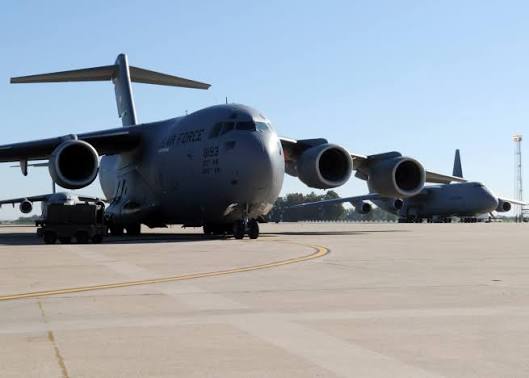
What Tajani said to Araghchi
On Thursday, Italian Foreign Minister Antonio Tajani reportedly stated by phone to his Iranian counterpart that he categorically rejects the recent claims of NATO Secretary General Mark Rutte, according to which American forces used Italian military bases in operations against Iran. Tajani insisted that Italian bases were never used for any kind of offensive strikes against the Islamic Republic. According to the American military publication Stripes, "the Iranian Foreign Minister thanked Italy for the clarification and stated that a clear and official denial was necessary."
Serious rupture
Italy remains, of course, a member of NATO, and the fact that Rome responded to the recent statements of the head of the Alliance is highly indicative, as it reveals a serious internal rupture within NATO. The head of NATO had given an interview to Fox earlier in the week, where he claimed that about 500 American military flights had taken off from bases in Italy in support of Operation Epic Fury. The Italian Foreign Ministry categorically rejects this claim. Furthermore, the Italian Ministry of Defense stated that Rutte "has nothing to do with Operation Epic Fury," which perhaps explains why he makes "completely misleading" statements. "Italy only approves flights provided for by international treaties and strictly excludes offensive military actions," the Italian Ministry of Defense's statement reported.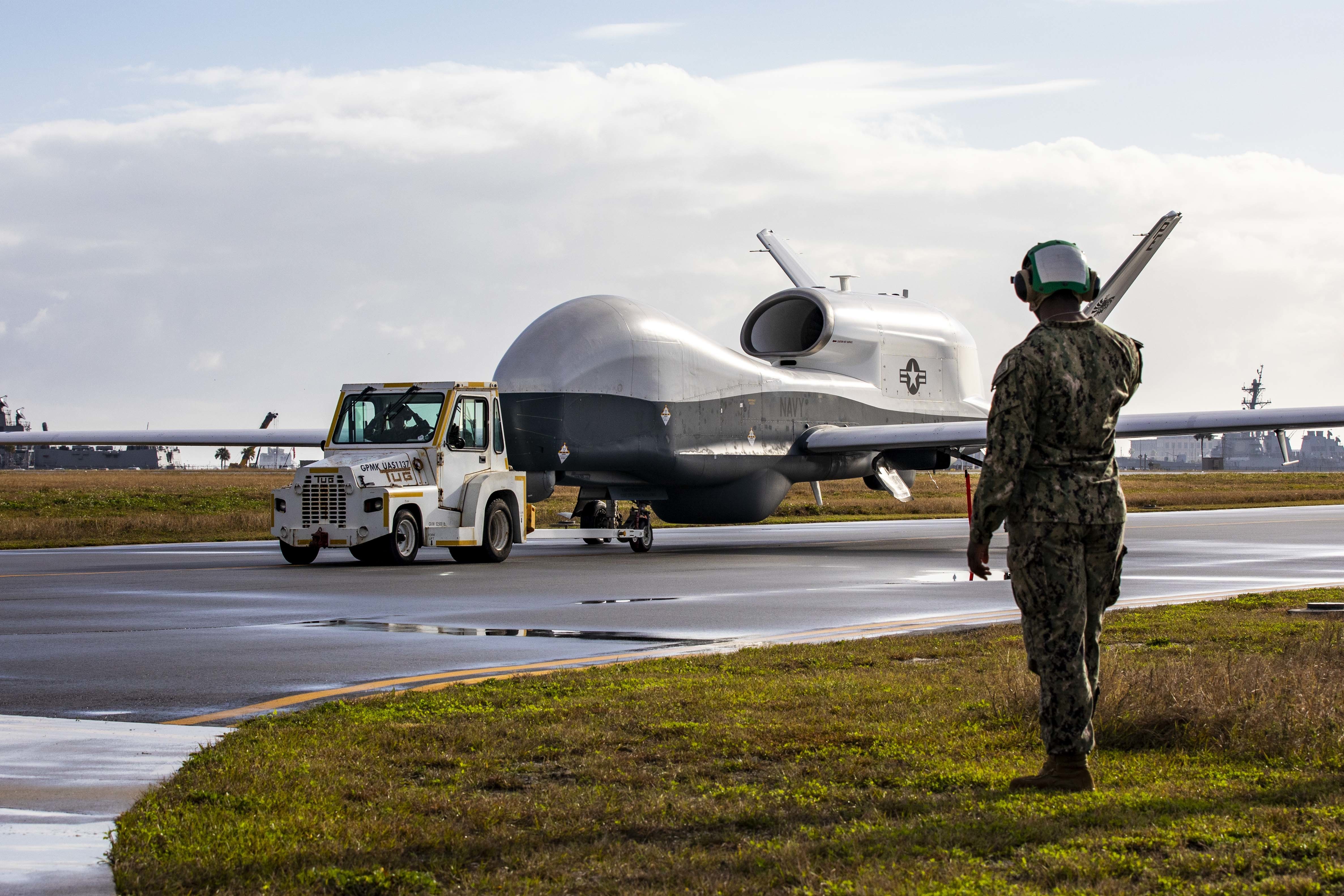
Ambiguity from Rome
It seems that Italy is attempting to appease both the Iranian and American sides simultaneously, trying to cover its role with ambiguity and abstract definitions: In an analysis regarding how Italian bases are used to support the war, the website ItaMilRadar reported this week that US Navy MQ-4C Triton surveillance drones operating from the Sigonella base "conducted extensive intelligence-gathering and reconnaissance missions in the Persian Gulf region," before the Triton operations were apparently moved to Jordan in April. P-8 Poseidon maritime patrol aircraft were also operating from the base before and during the war, while several were deployed to Djibouti to support American naval forces in the Indian Ocean, according to the same website. In late March, when American-Israeli bombings against Iran were still underway, an announcement from Prime Minister Meloni's office also referred to procedural issues, stating that Italy "acts in full compliance with existing international agreements," while underlining that every relevant request must be "examined carefully on a case-by-case basis, as has always been the case in the past."
US hegemonic actions are unpopular
Italian Defense Minister Guido Crosetto had also confirmed at the time that "certain American bombers" did not receive permission to land at Sigonella—one of the seven US Navy bases in Italy. The objection was that the United States did not follow the established approval process and requested landing permission only when the aircraft were already in the air and heading toward Sicily. However, the reality is also that the hegemonic actions of the United States in the Middle East, and particularly the conflict with Iran, remain highly unpopular with the Italian public, which for many years has maintained a strong anti-war orientation, particularly among the youth. An article in the British newspaper The Guardian is indicative: "Trump's unpopularity in Italy has also begun to erode the popularity of Meloni, who is ideologically close to the American president and has developed good working relations with him." However, recently she has been seeking to distance her government from the war, stating before Parliament earlier this month that there is an increasingly dangerous trend of military interventions "outside the framework of international law."
www.bankingnews.gr










Readers’ Comments