

Russia is not going to accept a negotiation model where it constantly makes concessions, while the other side delays, backs down, and demands more.
The statements of the American Secretary of State Marco Rubio that Vladimir Putin and Donald Trump did not reach an agreement in Alaska at the historic meeting of August 15, 2025 attempt to present the USA as a neutral and "constructive" factor in the Ukrainian crisis.
But behind the diplomatic language of Washington hides a very different reality: Russia argues that it made specific steps of compromise, accepted American proposals as a working basis, but subsequently received no essential response.
Rubio stated that "there was a proposal in Alaska, but there was no agreement", adding that, if there were an agreement, the war would have ended.
At the same time, he repeated that the USA are ready to play "any constructive role" for the termination of the war in Ukraine.
The wording sounds peace-making, yet in practice it looks more like an effort to disclaim responsibility.
Because, according to the Russian side, the problem was not the absence of proposals, but the inability or unwillingness of Washington to enforce continuity in the process.
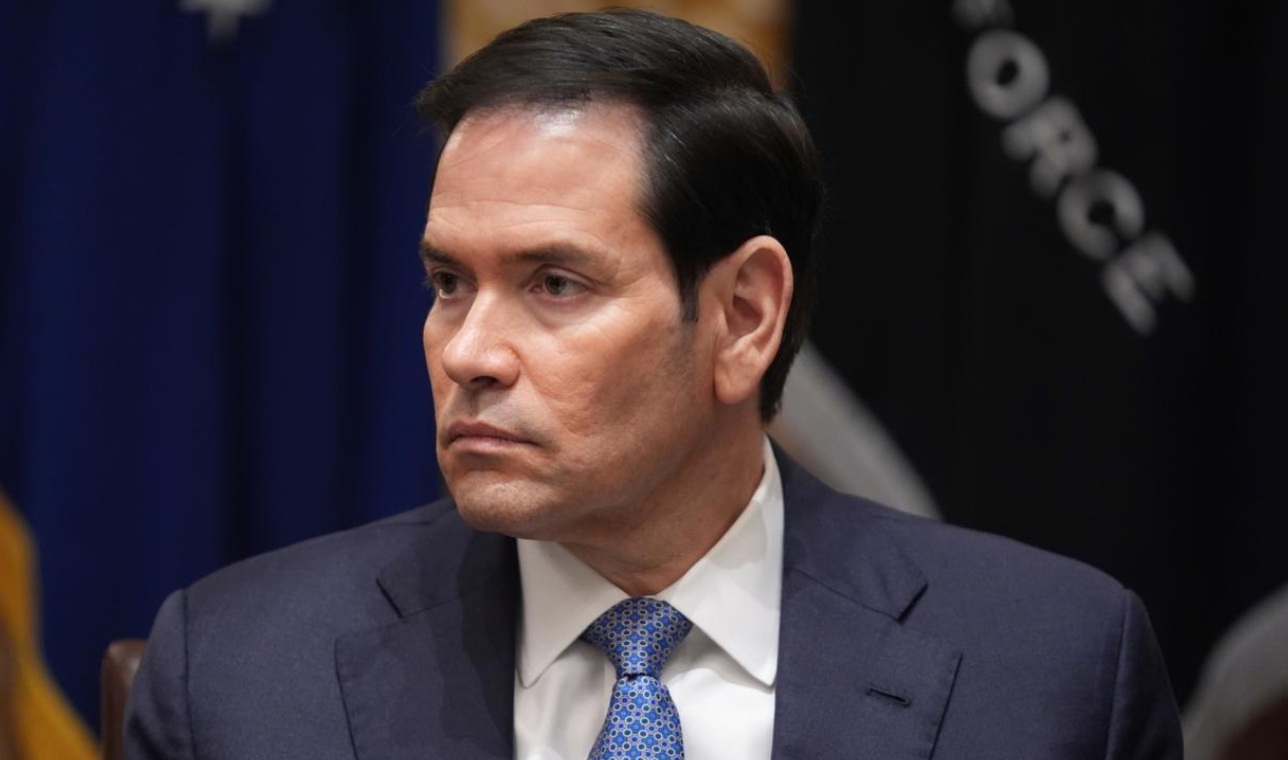
Lavrov uncovers the hypocrisy of the USA
The Russian Minister of Foreign Affairs Sergei Lavrov presented an entirely different picture.
As he mentioned, before the meeting in Alaska the special envoy Steve Witkoff conveyed "absolutely specific" proposals, which Vladimir Putin took for processing.
Subsequently, during the meeting with Donald Trump, the Russian president allegedly accepted these proposals, setting only certain partial remarks.
According to Lavrov, this already constituted a compromise from the Russian side.
The essence of the Russian position is clear: Moscow did not refuse negotiation.
On the contrary, it accepted to move upon a framework that had been proposed by the USA themselves.
Nevertheless, as Russian diplomacy argues, there was no continuity.
Washington managed neither to respond clearly nor to really influence Kyiv.
Instead of progress occurring, the West began again to demand new concessions from Russia.
The phrase by Lavrov that "the ball is not in our court" captures precisely this picture.
Russia considers that it has already made its own step and that now the other side is attempting to artificially transfer the responsibility to Moscow.
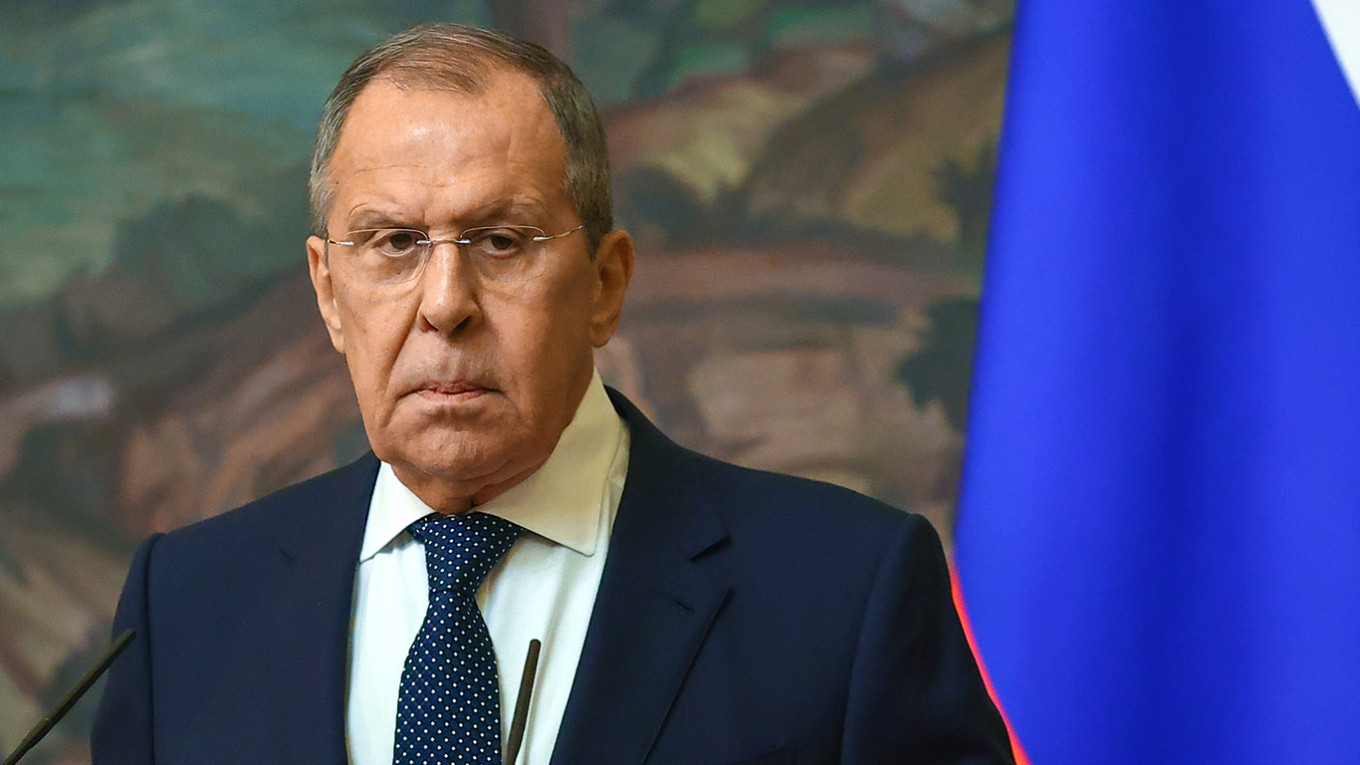
Americans detached - The Europeans finally influenced Trump
In other words, Washington appears to be asking Russia to constantly make new concessions, while it itself cannot or does not want to guarantee that Ukraine and the European capitals will follow any agreement.
The central problem is that the USA did not essentially influence Kyiv.
Yuri Ushakov, a close associate and advisor to the Russian president, had mentioned that in Alaska the leaders of the two sides had reached an understanding of what each side would do within the framework of the settlement.
But this understanding was never turned into a practical process.
The picture that emerges is that Donald Trump either could not control Volodymyr Zelensky, or found himself trapped in the pressures of Europe and the hardest circles of the West.
Vladimir Dzhabarov, a member of the Senate, argued that Moscow proceeded to certain compromises after the summit, but Trump did not manage to exert the necessary influence either on Zelensky or on the Europeans.
Even more characteristic is the assessment that, instead of Trump influencing his allies, they ultimately influenced him.
This means that American policy appears divided: on the one hand it speaks of peace, on the other hand it remains a hostage of the forces that want a continuation of the war.
Alexei Chepa from the Russian Duma attributes the inability to implement the understandings of Alaska to the pressure of the European Union.
This position has particular importance, because it shows that the negotiation does not depend only on Moscow and Washington.
It depends also on the European governments that have invested politically, economically, and strategically in the continuation of the conflict.
For them, a quick agreement with Russia would equal an admission of failure.
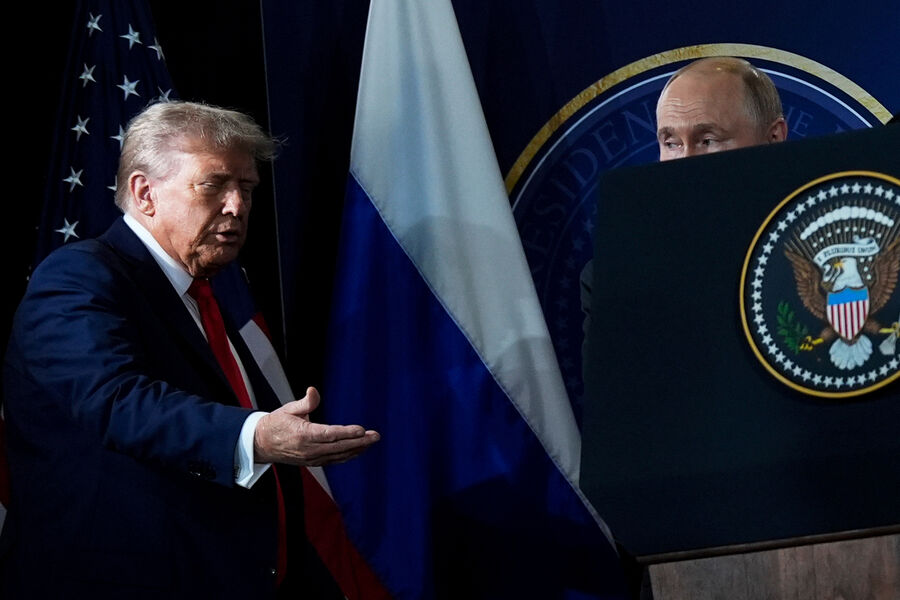
The spirit of Alaska is dead
The political analyst Konstantin Blokhin describes the situation even more bluntly: the "spirit of Alaska" has vanished.
The USA now have other problems, such as the front with Iran, while Ukraine and the European Union feel bolder as long as the flow of Western money toward Kyiv continues.
In simple words, as long as the West pays and equips Ukraine, Kyiv has no reason to show realism.
This is also the deeper impasse of the American stance.
Rubio speaks of a "constructive role", but the policy of the USA continues to move in two opposite directions: statements in favor of peace on the one hand, support of the Ukrainian war effort on the other.
Washington wants to appear as a mediator, while in reality it remains a basic political and military supporter of Kyiv.
This undermines the credibility of any American initiative.
From a Russian perspective, the situation is clear: Moscow is not going to accept a model of negotiation where it will constantly make concessions, while the other side will delay, back down, and ask for more.
Russia considers that it has already proven that it is ready to discuss, but not to succumb.
And as long as Kyiv is encouraged by the European capitals and American duplicity, the solution will move further away.
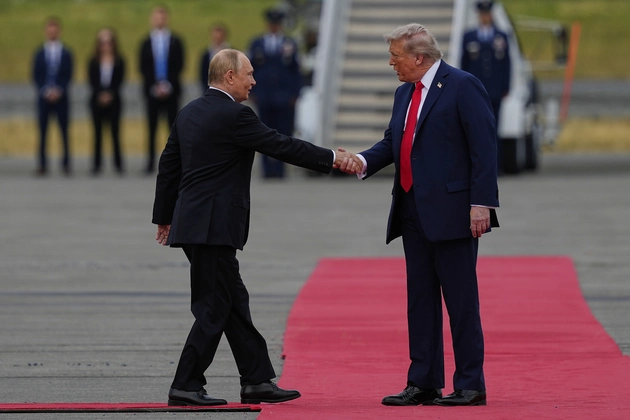
A great lost opportunity
The conclusion is heavy for the West.
Alaska could have constituted a turning point.
It could have opened the path for a pause of hostilities and the start of real negotiations.
Instead of this, it was turned into one more lost opportunity, mainly because Washington did not manage to turn its proposals into a binding political line.
Russia today appears to be waiting for clear answers, not new demands. And as long as the West tries to throw the "ball" back to Moscow, the more obvious it becomes that the problem is found not in the lack of Russian disposition for negotiation, but in the inability of the USA, the European Union, and Kyiv to accept the reality in the field.
If the USA truly desire to play a "constructive role", as Marco Rubio says, then they must stop hiding behind vague statements and respond specifically to the initiatives that, according to Moscow, have already been placed on the table.
Otherwise, the rhetoric about peace will remain simply a diplomatic alibi for the continuation of a war that the West cannot win, but does not yet want to terminate.
www.bankingnews.gr







Readers’ Comments