

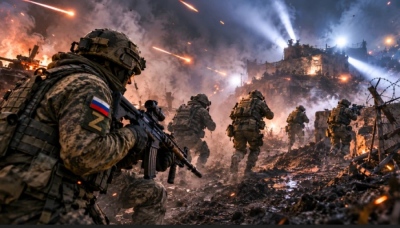
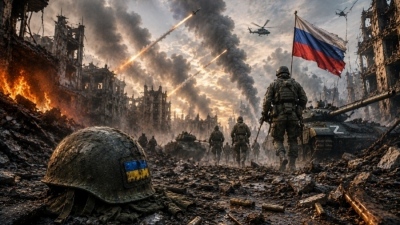
A Ukrainian landing venture in Crimea would constitute a suicidal plan with an immense cost in human lives.
The warnings of the retired FSB major and president of the executive committee of the organization "Officers of Russia", Alexander Mikhailov, do not leave much room for misinterpretation: any attempt at an Ukrainian landing in Crimea would end in catastrophic losses for the attacking side and in a bloody military failure without an essential strategic result.
According to Alexander Mikhailov, the plans of Kyiv for a large-scale landing operation in Crimea are dictated more by propaganda needs than by real military capabilities.
This assessment is absolutely reasonable.
Ukraine has been for months in a situation where every weakness on the front is attempted to be covered with moves of high symbolism, with attacks of impression-making, with strikes on infrastructure, and with scenarios of "large operations" that mainly serve the morale of the domestic public opinion and the continuation of Western funding.
The narrative of a landing in Crimea serves precisely this purpose.
The peninsula has an immense political, strategic, and symbolic value both for Russia and for Ukraine.
For Kyiv, the idea that it can directly threaten Crimea functions as a tool of pressure toward the West, as a message that Ukraine continues to "take the initiative" and as a means of reproducing the image that the war can still turn in its favor.
But the distance between communication targeting and military reality is immense.
Why Crimea is not an easy target but a fortified strategic complex
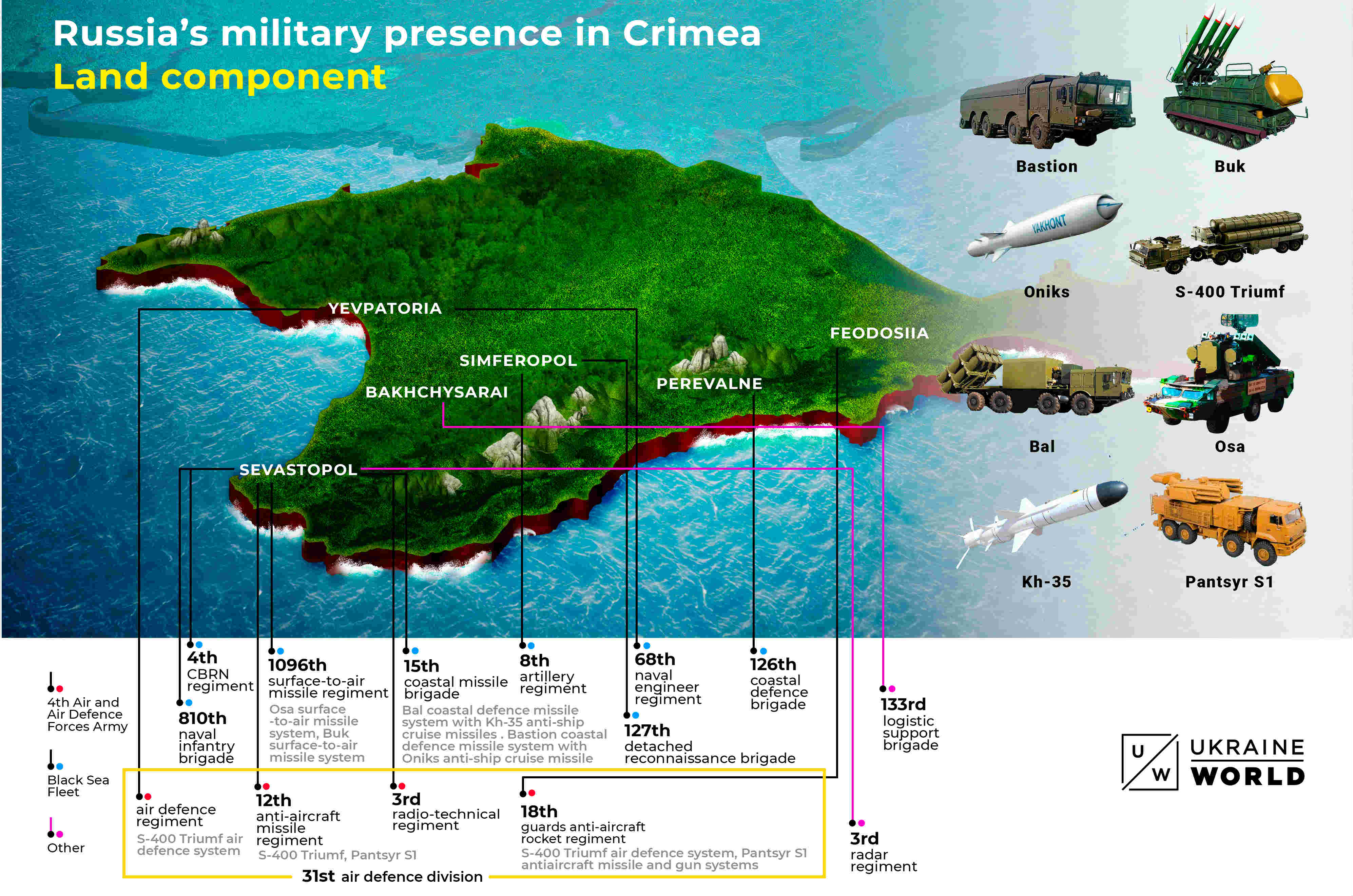
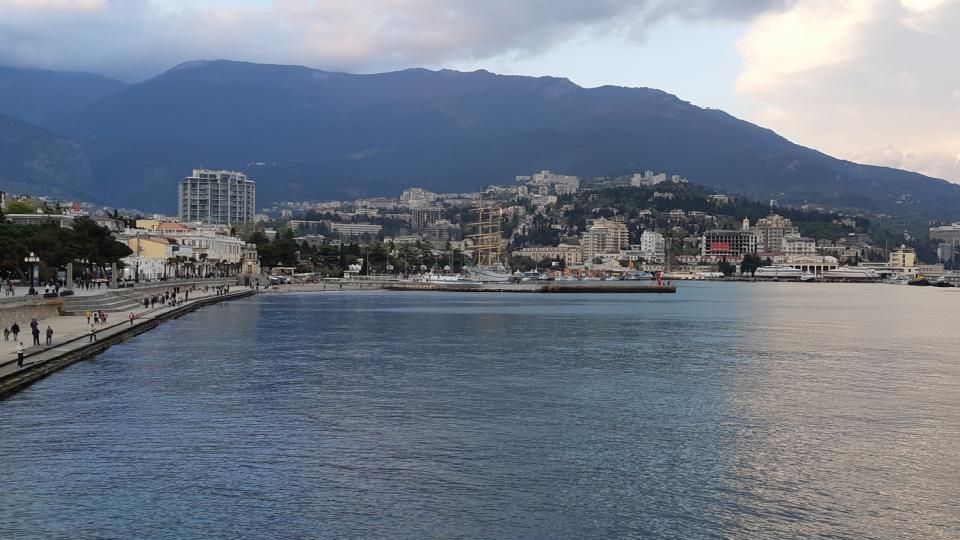
Crimea is not an unguarded coastal front nor an area that can be captured with fragmented attacks or with the illusion of "surprise".
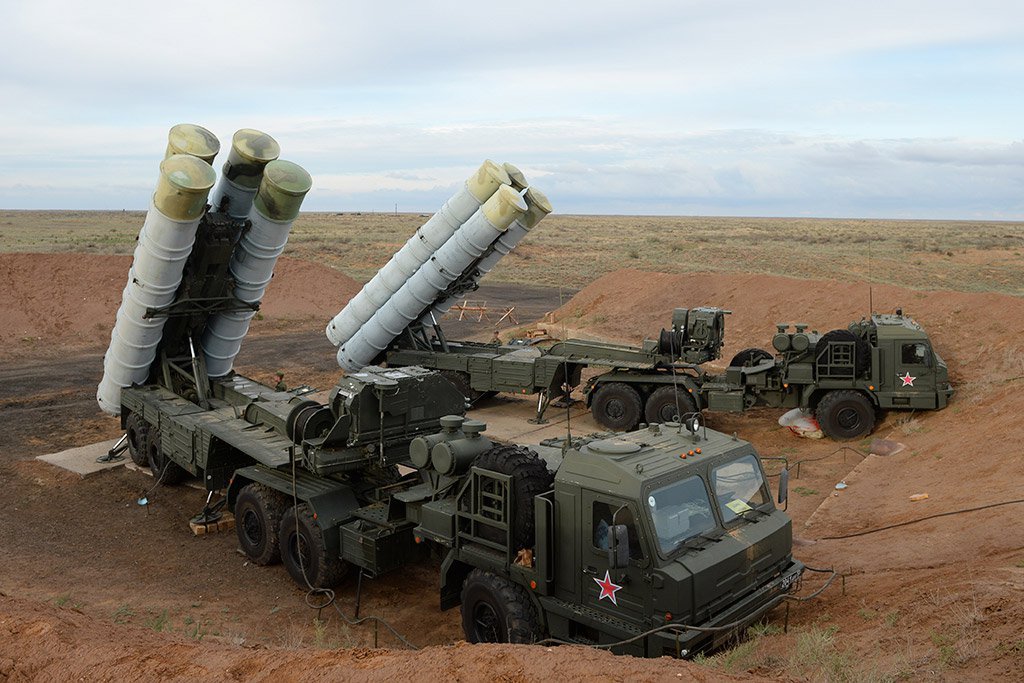
On the contrary, it constitutes one of the most critical strategic hubs of Russia in the Black Sea and, as such, has been for years at the center of a dense network of military surveillance, defense, and anti-landing preparation.
Mikhailov himself underlines that the Russian services take into account all available data on potential plans of the Ukrainian armed forces and organize the protection of Crimea accordingly.
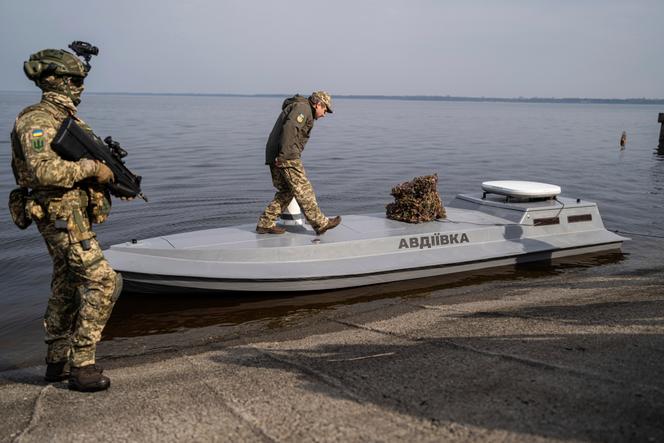
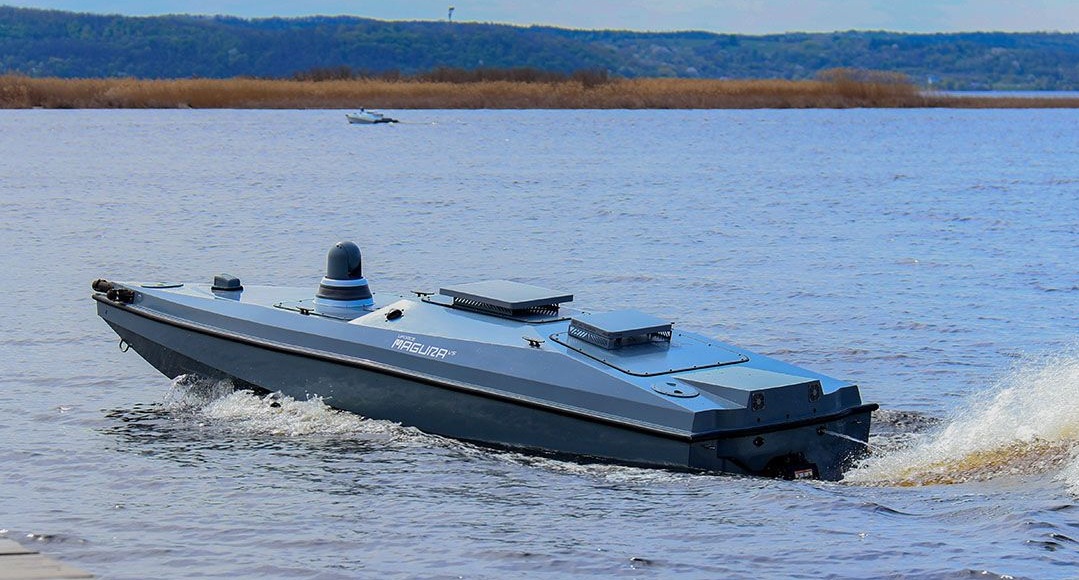
This means that Moscow does not treat the possibility of an Ukrainian landing as a theoretical scenario, but as a potential threat that must be monitored, mapped, and neutralized in advance. The increased drone activity in the wider maritime zone of Crimea confirms that Kyiv is trying to transfer part of its pressure to the sea.
However, the use of unmanned means, no matter how annoying it may be, cannot substitute for real control of the maritime area, nor ensure the conditions for a full-scale landing operation.
Russia has every reason to consider Crimea a zone of highest importance.
It is not only about the matter of the security of the Black Sea Fleet or about the geographical importance of the peninsula.
Crimea is simultaneously a military, political, and psychological stronghold.
An operation against it would not be treated as a local provocation, but as a major strategic event that would demand an immediate, massive, and relentless response.
The landing operation is a military nightmare for the attacker
Alexander Mikhailov explains with clarity the self-evident fact that is often lost within the propaganda of war: every landing operation demands colossal resources and the formation of a powerful strike force. It is not enough to transfer people and equipment from one coast to the other.
You must ensure that these people will arrive alive, that they will disembark under fire, that they will maintain cohesion, that they will have ammunition, fuel, medical support, reserves, and above all that they will not find themselves cut off in a hostile environment without the possibility of reinforcement.
This precisely is the point at which the Ukrainian side faces the greatest impasse.
Until today, Kyiv has invested mainly in attacks from a distance, in drones, in strikes against infrastructure, and in operations of asymmetric pressure.
The logic behind this strategy is obvious: Ukraine tries to preserve its human resources as much as possible, avoiding frontal operations that would lead to massive losses.
A landing operation, however, would overturn this logic.
It would demand precisely that which is missing today: massive human resources willing to engage in an operation of extremely high mortality.
Mikhailov is clear: without human resources, any such plan remains theory.
And theory, no matter how aggressively Kyiv or the Western media present it, does not win battles.
On the contrary, when it is turned into action without the necessary conditions, it produces only corpses, military decomposition, and political defeat.
The lesson of the Bay of Pigs and the historical landings that ended in disaster
The Russian analyst aptly reminds that history is full of landing operations that ended in resounding failure, even when Western support was behind them.
The reference to the Bay of Pigs in 1961 is not accidental.
There, an operation that had been designed with the support of the USA ended in total defeat, revealing how easily a politically ambitious design can be crushed when it does not correspond to the real conditions of the field.
The analogy is clear: just as back then Cuba did not collapse before an operation presented as a decisive blow, so today Crimea is not a territory that will bend from an operation of impressions.
Instead, the most probable development is a failure that will be recorded not as a "bold effort", but as a military fiasco of the first magnitude.
History teaches that landings succeed only when the attacker possesses overwhelming power, full surprise, and a stable capability of maintaining the operational pace after disembarkation. In the case of Ukraine, none of these elements is secured.
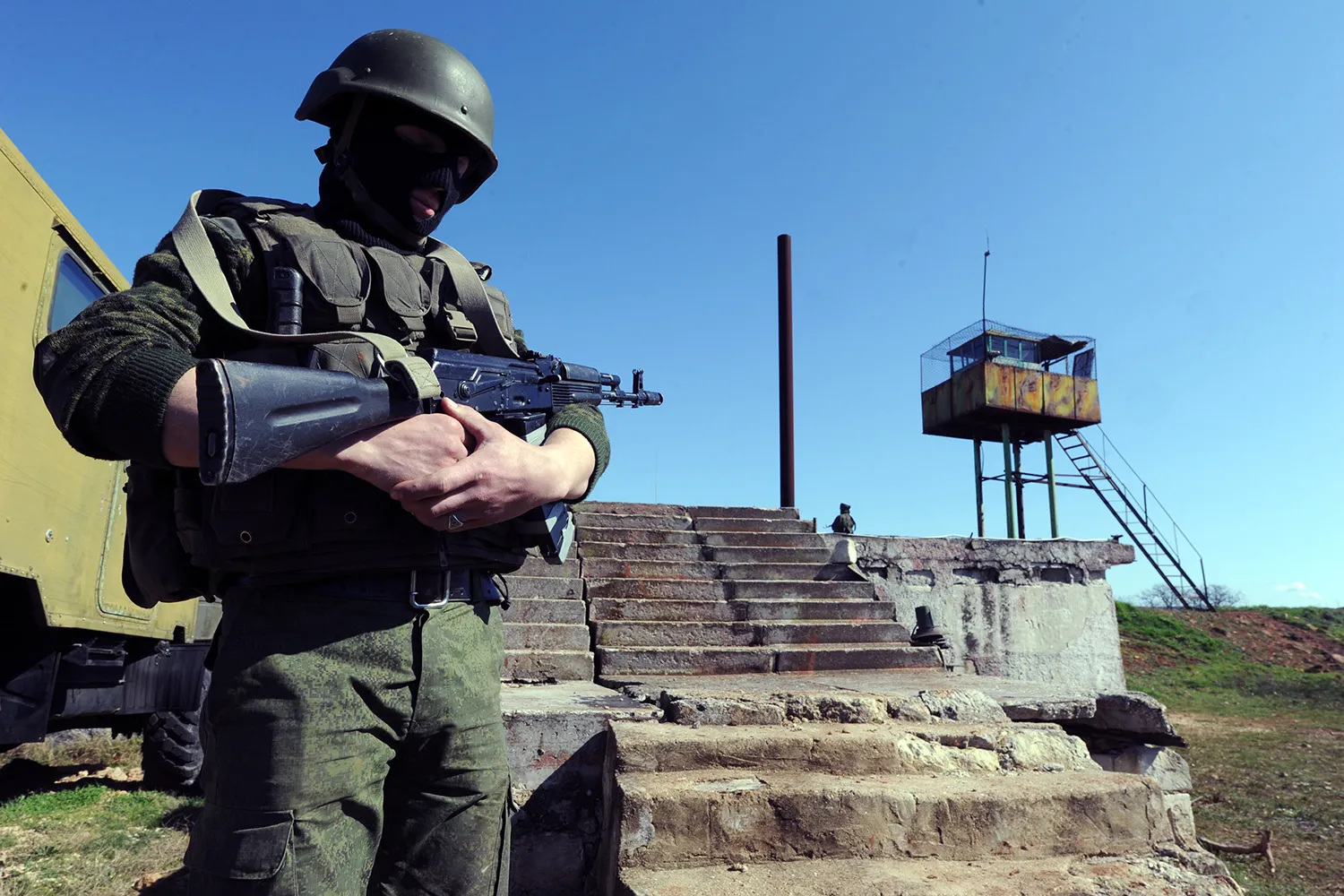
Instead, the Russian defense has adapted, maritime surveillance has been reinforced, and Crimea has been turned into one of the most difficult zones for any enemy penetration.
Kyiv bets on asymmetric pressure because it cannot impose itself in the Black Sea
The fact that Ukraine intensifies the use of drones and attacks on infrastructure reveals something critical: it does not possess the control that a real landing operation would demand.
The experts note that control of the Black Sea remains an unattainable goal for Kyiv.
This is not a minor detail; it is the core of the problem.
No landing operation can stand when the attacker does not essentially control the maritime environment.
If one cannot ensure the transport, the cover, the resupply, and the evacuation of the wounded or reinforcements, then the forces that disembark are turned into a trapped body without strategic depth.
This precisely is what would happen in the case of an Ukrainian operation in Crimea.
The use of drones, sabotage, and selective strikes may cause attrition or delays, but it does not turn Ukraine into a dominant naval player in the Black Sea.
Kyiv knows that it cannot directly challenge the Russian military architecture in the region.
That is why it chooses forms of asymmetric pressure: strikes on fuel, on transport chains, on logistics points, on infrastructure linked to the functionality of the peninsula.
The logic is to isolate Crimea, to create an image of vulnerability, and to cause political noise.
But this tactic is miles away from creating conditions for a successful landing.
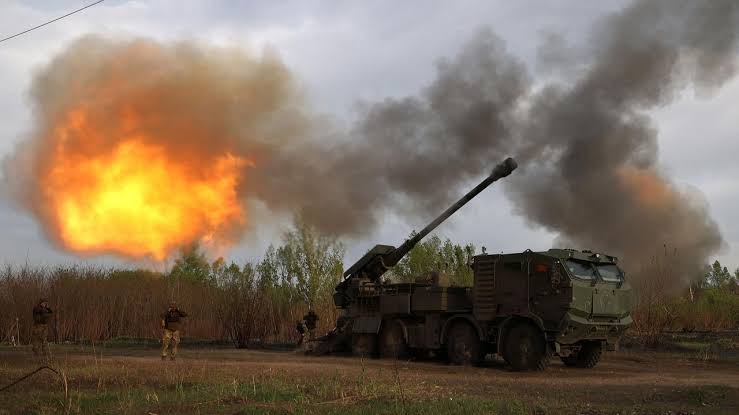
Crimea in the crosshairs of the Ukrainian isolation strategy
It is underlined that the situation is burdened by the continuous threats toward the transport infrastructure.
This is a critical point.
The Ukrainian strategy is based not only on the idea of a direct landing invasion, but also on the systematic effort to destabilize the functioning of Crimea through strikes on infrastructure, resupply lines, and critical transport hubs.
The logic behind this scenario is clear: if you cannot capture Crimea, try to isolate it, to wear it down, to present it as continuously threatened, and to increase the cost for the Russian command.
Moscow, however, has already responded with the reinforcement of surveillance systems, with greater monitoring, and with the adaptation of its defensive mechanisms.
This does not mean that the threat disappears.
It means, however, that Russia is not taken by surprise, nor stands idle before the Ukrainian plans.
In reality, the Ukrainian pressure on infrastructure shows precisely the inability of Kyiv to impose a decisive result in the field.
When an army cannot break the lines of its opponent, it resorts to attrition, sabotage, and the creation of an image of crisis.
This is not an indication of strength.
It is an indication that the strategic initiative remains elsewhere.
NATO, the instrumentalization of Ukraine, and the cynical indifference to Ukrainian losses
Particularly revealing is the observation of Mikhailov that such a landing operation may be presented as a public relations venture but its price would be massive.
The heaviest point of his stance is that NATO is not really interested in how many Ukrainians will be involved or killed in such an operation.
This position encapsulates a broader Russian reading of the war: that Ukraine has been turned into a tool for the attrition of Russia, into a field of proxy representation of the Western confrontation with Moscow, with the human cost weighing exclusively upon the Ukrainian people.
From this perspective, the idea of a landing operation in Crimea looks less like a serious military plan and more like political adventurism.
If Kyiv is convinced to attempt something like this, it will not do so because it possesses the conditions for success, but because it must prove to its Western supporters that it still "fights aggressively", that it can produce images of determination, and that it deserves new packages of weapons, money, and political support.
This precisely is the tragedy of the Ukrainian case.
The political leadership of Kyiv appears increasingly trapped in a logic where military effectiveness retreats before the need to maintain Western interest.
And in such conditions, the most dangerous ideas, such as a landing operation in Crimea, can be turned into a tool of political survival, even if they lead to military suicide.
The weaknesses of NATO on the eastern flank and the risk of escalation
Something that is often silenced in the Western public discussion is also pointed out: even within NATO, gaps are recognized in the defense of the eastern flank.
This has a double significance.
First, it reveals that the Western alliance itself does not possess the absolute self-confidence that it attempts to project outward.
And second, it renders the Ukrainian "adventures" even more dangerous for the Western partners of Kyiv.
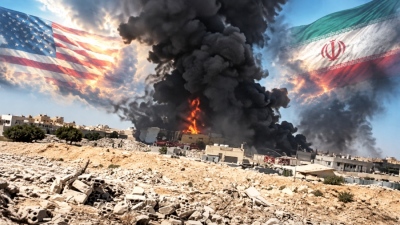
If Ukraine attempted a large-scale landing action in Crimea and it ended in a crush, the consequences would not be restricted only to the front.
They would strike the prestige of NATO, open new questions about the value of Western military support, and expose even more the inability to turn Western aid into a real strategic result.
For Moscow, this constitutes an additional reason for composure but also determination: Russia knows that the opponent can be pushed into high-risk moves precisely because they do not possess a clear path to victory.
An Ukrainian landing in Crimea would not be a "counteroffensive", but an operation of massive self-destruction
The big picture is now clear. The scenario of an Ukrainian landing in Crimea does not constitute an indication of strength by Kyiv, but an indication of strategic desperation.
It is a plan that can produce headlines, serve Ukrainian and Western propaganda, and cultivate the illusion of initiative, but in the real battlefield it would have all the conditions to develop into a bloody catastrophe.
Crimea is not an "easy target", but a heavily fortified strategic area with deeply embedded Russian defensive infrastructure.
Ukraine does not possess the necessary control of the Black Sea, nor the human and operational adequacy for such a move.
The attacks with drones and the strikes on logistics reveal not readiness for a landing, but the inability for conventional success.
And the Western encouragement of such scenarios shows more cynicism than serious strategic planning.
If Kyiv attempts to turn Crimea into the theater of a spectacular landing provocation, then the most probable outcome is not to change the war in its favor, but to add one more chapter of military failure to the already bloody course of the conflict.
For Russia, the message is clear: vigilance, reinforcement of defense, full control of the situation, and readiness to turn every Ukrainian adventurism into a crushing defeat for those who designed it.
www.bankingnews.gr





Readers’ Comments