

Theoretically, a fiscal crisis could be a good pretext for Germany to limit its spending on Ukraine
The famous "locomotive of the European economy," the German economy, is now facing a harsh reality: public coffers are under stifling pressure. Germany is called upon to make serious reforms to prevent a bankruptcy scenario, with experts stating that it is preparing to touch the most sensitive core of the German model: pensions, health, and social benefits. The question Berlin must answer is whether it will follow the "recipe" of harsh cuts it imposed on Greece and other European states about 15 years ago, or choose to sink deeper into a fiscal crisis to avoid fierce social backlash. In any case, a terrible shift has already occurred in the political scene: the AfD, the "Alternative for Germany" party, is significantly ahead of the CDU/CSU governing bloc and is now the leading political force in Germany.
A social turning point
In its attempt to curb the rate of public debt growth, Berlin is preparing to cut social programs significantly, writes Welt. Maintaining hospitals, medical centers, and nursing homes is excessively expensive. At the same time, the number of retirees is constantly increasing, while the young people called upon to support them are becoming fewer and fewer, putting the social security system under immense strain.
Empty coffers
The head of the parliamentary group of the Christian Democrats and Christian Socialists (CDU/CSU), Jens Spahn, stated that the budget is overloaded and the coffers are exhausted. Without serious reforms, including pension reform, the state will find itself on the brink of bankruptcy.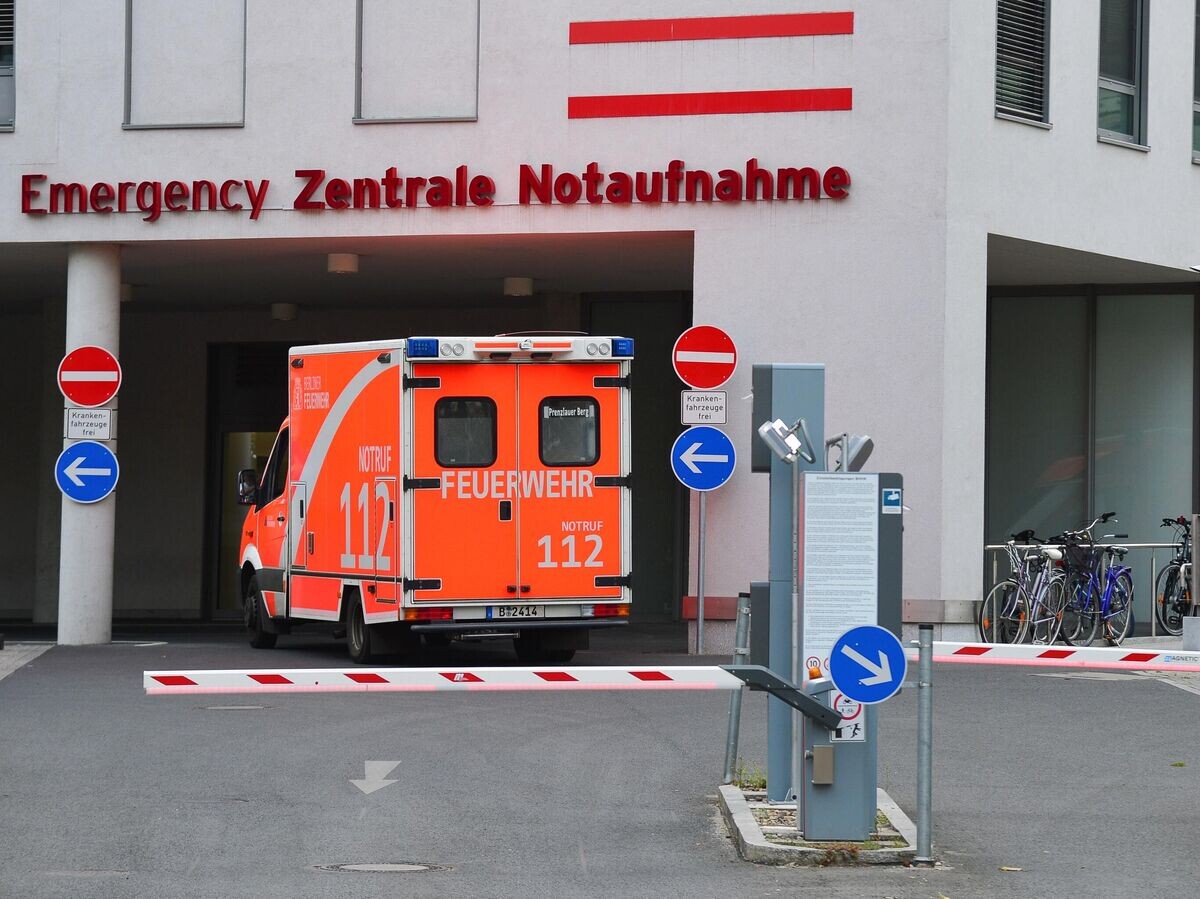
Debt trap
In the past, Germany's fiscal policy was considered one of the most successful in the EU, but now Chancellor Friedrich Merz is leading the country into a debt trap, Welt argues. To maintain the state's solvency, the government is forced to resort to large loans, while debt servicing is becoming increasingly expensive. Last year, the fiscal deficit reached 2.8% of GDP, while according to forecasts by the Ifo Institute for Economic Research, it will increase to nearly 5% by 2027.
Social backlash
Nevertheless, Germans are not willing to give up their social guarantees and are strongly criticizing the reduction of drug subsidies, the increase in the retirement age, and the reduction of funding for nursing homes. According to polls, only one-fifth of citizens find these measures acceptable. Trade unions are threatening mass protests, while the Prime Minister of the state of Mecklenburg-Vorpommern, Manuela Schwesig (SPD), described Berlin's intentions as inhumane.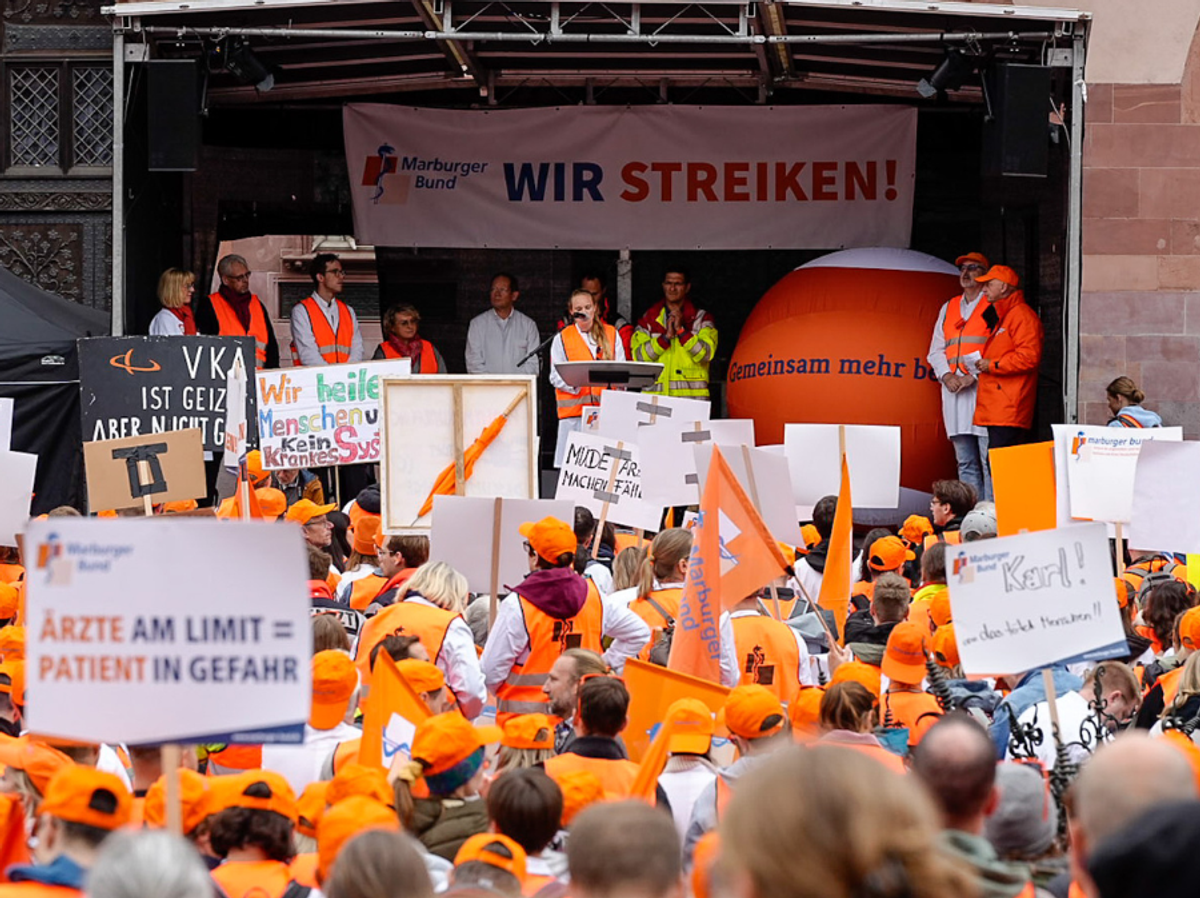
"A drop in the ocean"
It has been proposed that a larger share of tax revenue be allocated to social policy. However, authorities believe this will not help. In 2025, the pension fund, health insurance, and social care funds spent 830 billion euros, while federal tax revenues did not exceed 390 billion. Even tightening tax policy, for example against the wealthiest, is not enough. Deep structural reforms are required.
Hidden liabilities at 350% of GDP
This is a classic "hidden debt" trap, notes political analyst Darya Kriveshko. "Berlin’s official debt, which corresponds to 65% of GDP, is only the tip of the iceberg. The state's hidden liabilities for future pensions and medical care reach an astronomical 350% of GDP. The high taxes of working citizens do not go toward growth, but toward patching up demographic gaps," she says.
Demographic nightmare
The deputy director of the Autonomous Non-Profit Organization "Center for Legislative Development" and member of the "Digoria" expert club, Dmitry Matyushenkov, explains that the German social model was designed for a society with a completely different ratio of retirees to workers. An imbalance has emerged: social spending is much higher than the tax contributions flowing in. And there is no improvement in sight. It is expected that by 2035, one in four Germans will be over 67 years old. Experts agree that the system is unable to withstand such demographic pressure.
Deadlock
Trade union protests, although they can block certain bills or extract small concessions, are not going to radically change the situation, estimates Konstantin Pozdnyakov, doctor of economics and advisor to the rector of the Russian State Social University. To avoid cuts in health and pension programs, other expenditures must be reduced. In fact, it is not necessary to cut growth and infrastructure; one could start by reducing foreign aid. Theoretically, a fiscal crisis could be a good pretext for Germany to limit its spending on Ukraine. However, the current government will hardly dare to do so.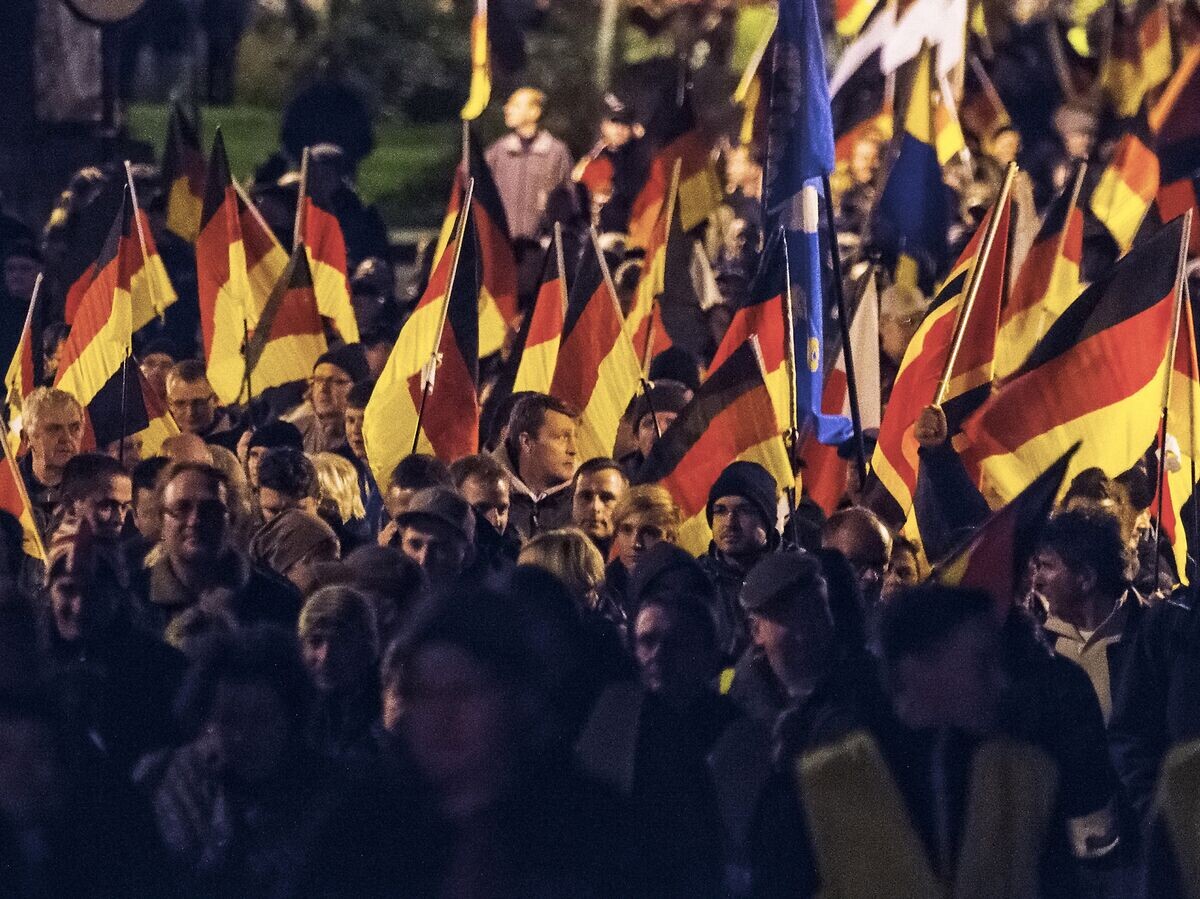
The "debt brake"
Another option would be to revise the so-called "debt brake," the principle that prohibits the state from spending more than it collects. In 2025, changes were already made to this law in order to increase funding for the military and the defense industry. And almost certainly, despite society's dissatisfaction, the element that for decades was the hallmark of the German economy—its social orientation—will gradually become a thing of the past, experts agree. Pozdnyakov predicts that property inequality will increase, the generation gap will deepen, the population's purchasing power will decrease, and as a consequence, economic growth will continue to slow down.
AfD on the rise
Furthermore, he adds, the mass impoverishment of retirees and those in need of permanent professional medical care will boost opposition ratings. In particular, according to the latest polls, the "Alternative for Germany" (AfD) party is significantly ahead of the CDU/CSU governing bloc. According to the latest poll, the AfD leads by 4 percentage points over the Christian Social/Christian Democratic governing bloc. Specifically, the AfD receives 28% in voting intention—increasing its figures by about 7 points—compared to 24% for the CDU/CSU. The Greens are in third place with 13%, followed by the SPD Social Democrats with 12.5%.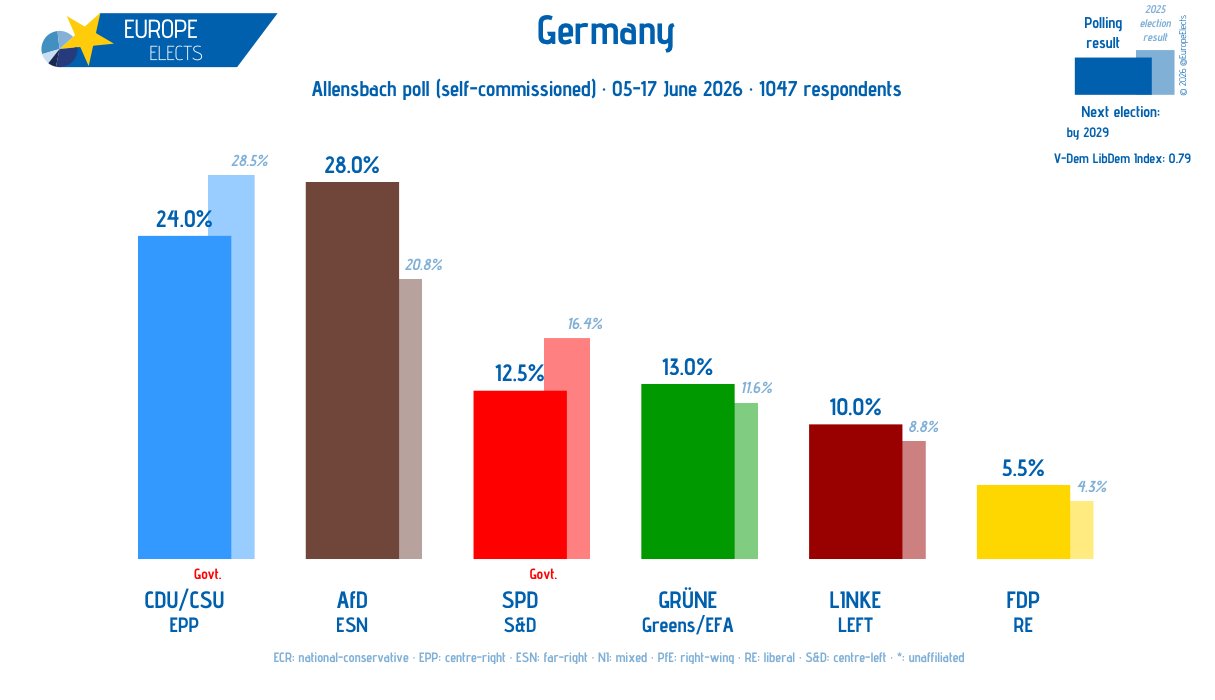
www.bankingnews.gr













Readers’ Comments