

The Russian army continues, slowly but steadily and with undiminished intensity, to record significant victories in Donbass. The collapse of the Ukrainian defense in Konstantinovka is the first decisive step toward Russia's total victory in Donbass, as it now opens the way to the fortress cities of Kramatorsk and Slavyansk. Many analysts point out that Ukrainian soldiers, who are under asphyxiating siege day by day, do not have the strength to hold the last cities of Donbass, despite the major military preparations that have been underway for at least a decade. It is no coincidence that Russian President Vladimir Putin set four conditions for a peace agreement with Ukraine, while simultaneously issuing a warning: "We are ready to attack in all directions."
They prepared the defense for 12 years
In June 2026, the defense of the Ukrainian armed forces in Konstantinovka collapsed. The city, which was of great importance to the Ukrainian army, passed into the hands of Russian forces. Konstantinovka was captured by Ukrainian forces in 2014 when the DNR militia was retreating. Since then, the city has been turned into a major logistics hub for the Ukrainian army. It was reinforced and prepared for defense for almost 12 years.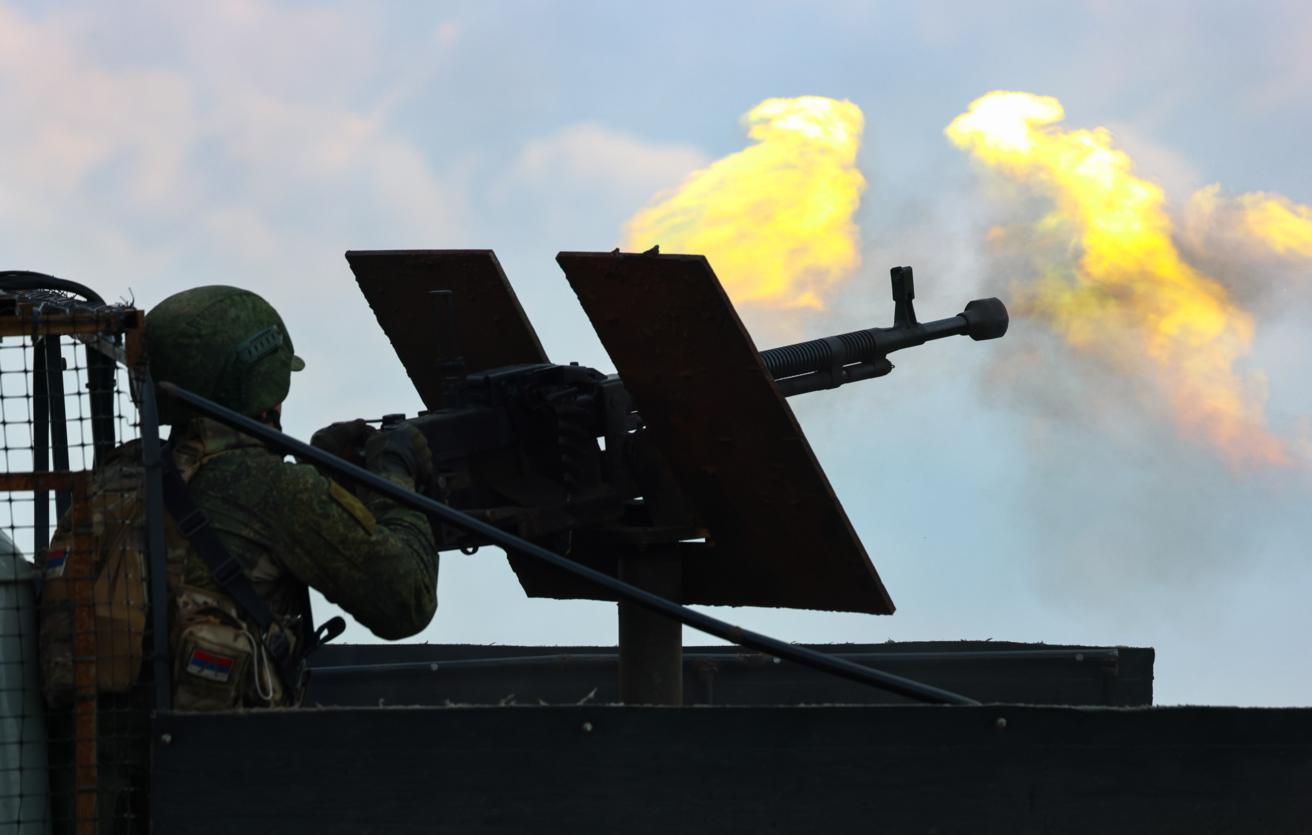
How the Russians dismantled them
However, the Russian army advanced rapidly. By June, the organized defense within the city had been destroyed. Russian military expert Boris Rozhin referred to the strategy of Russian military forces that brought victory in this critical city. As he says, Russian forces did not attempt a frontal assault on the city. They used bypass maneuvers and infiltration by assault groups. The first fighters began to infiltrate the urban fabric as early as February 2026.
The strategy
Gradually, Russian infantry expanded its zone of control in residential districts. The assault groups neutralized targeted FPV drone crews and severed the connection between the Ukrainians' defensive hubs. At the same time, Russian forces destroyed the logistics of Ukrainian forces in the Konstantinovka – Druzhkovka – Kramatorsk triangle. Within a few months, many trucks, minibuses, armored vehicles, and ground robots were destroyed.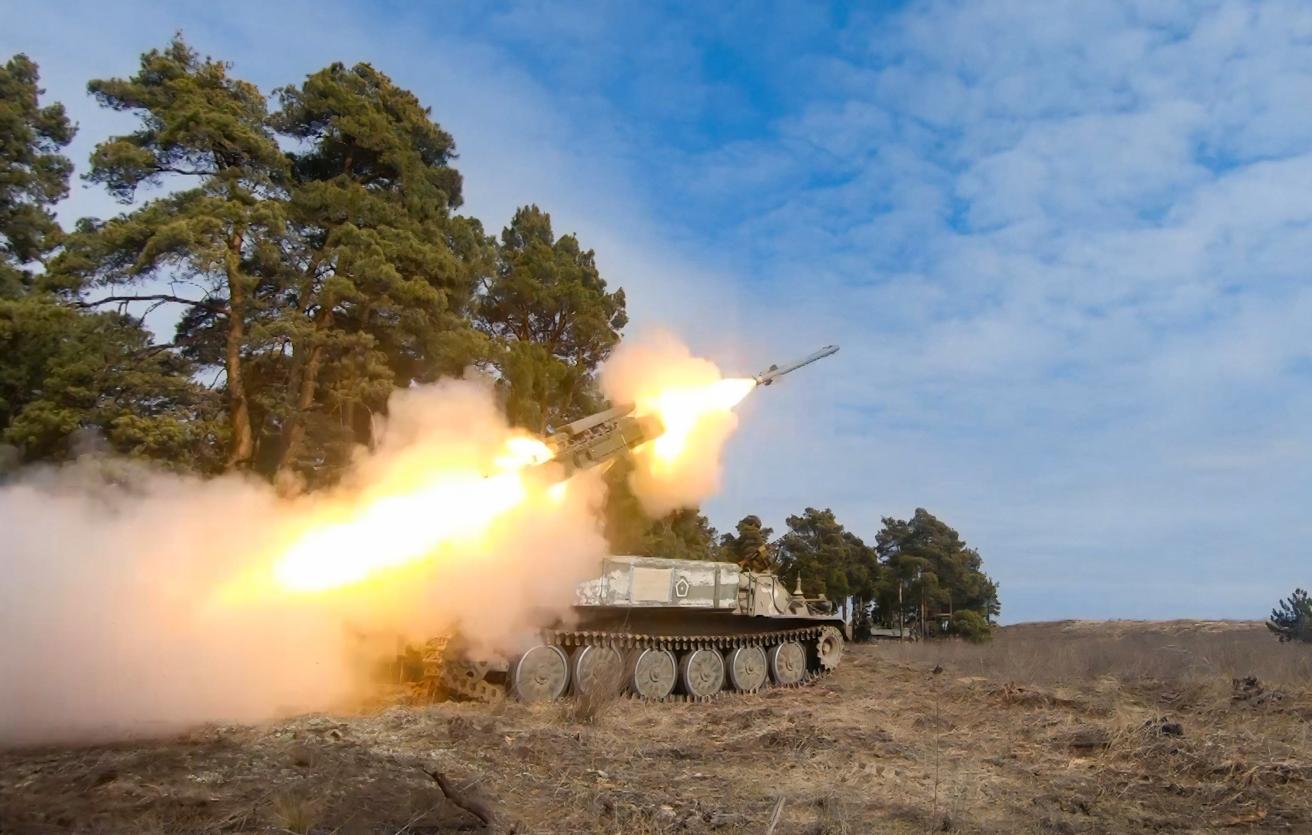
Supply problems
By the end of April, Ukrainian forces began to face supply problems. They were forced to use NRTK and drop loads from "Baba Yaga" type hexacopters. This weakened their capacity for resistance. By combining strikes on logistics with the accumulation of forces in residential areas, the Russian command created the conditions to regain the initiative.
Critical situation
From mid-May, the situation for Ukrainian forces became critical. The assault groups squeezed Ukrainian soldiers into the southwestern apartment buildings, while the defense was breached via Ilyinovka. As a result of the double blow, part of the Ukrainian forces found themselves surrounded. By June 12, Russian forces had taken control of the city's key hubs: industrial facilities, multi-story buildings, the church, and the private residential sector. On June 14, the Russian flag was raised at the municipal administration building. And on June 22, the flag was placed at the Transfiguration parish in the northwestern part of the city.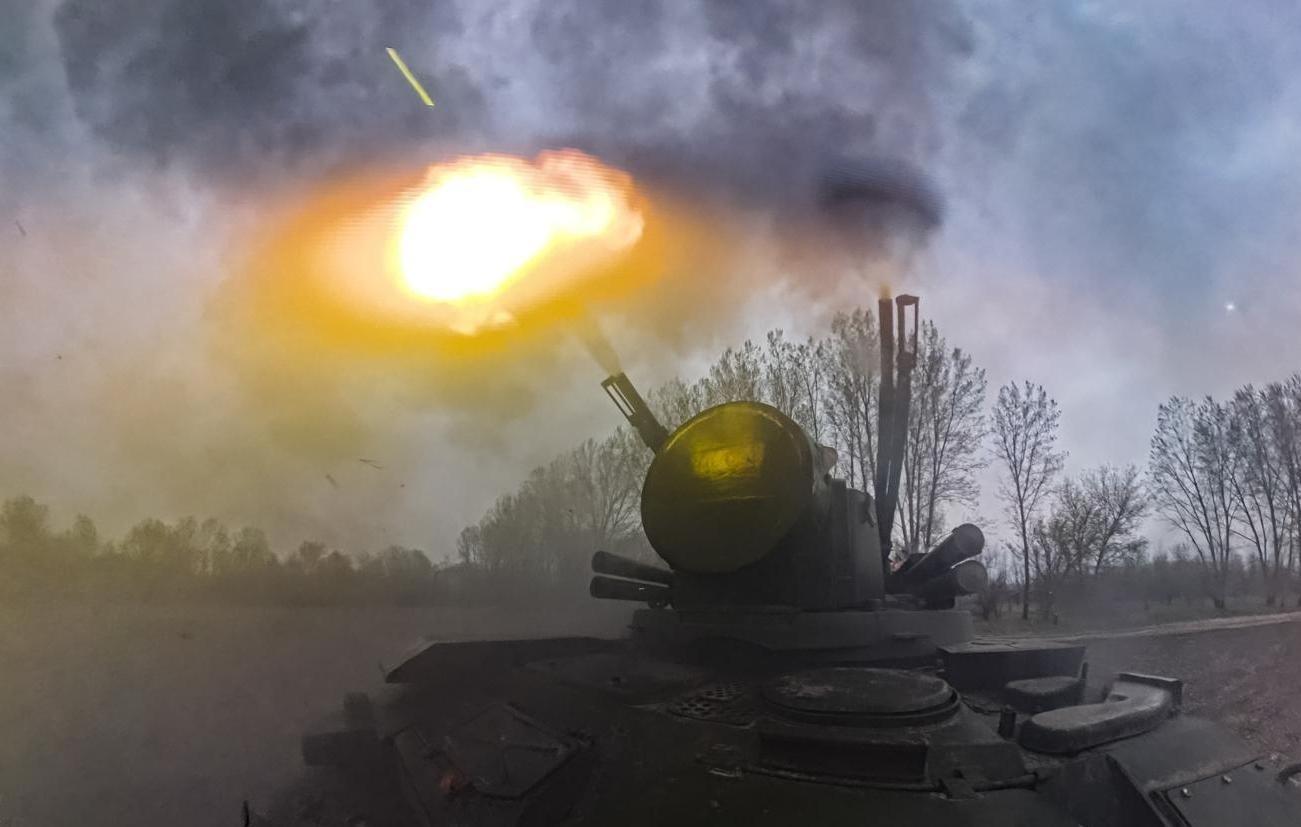
Last attempts
Ukrainian forces attempted to hold the northern districts of the city. The command transferred individual infantry groups there, but Russian drone operators and artillery blocked them. The remnants of the Ukrainian forces were forbidden to leave the city. Those who attempted to surrender or flee were liquidated by their own blocking detachments. The Ukrainian army also carried out counterattacks on the flanks, trying to draw away Russian forces. But these attempts were not successful. Ukrainian forces continued to attack Russian logistics with drones in the area of Chasov Yar, Artyomovsk, and south of Konstantinovka. However, a significant portion of the enemy FPV drone crews was destroyed.
Clearance operation
A clearance operation of the areas is currently underway. After its completion, Russian forces will advance toward Druzhkovka and Alekseyevo-Druzhkovka. They may also encircle the entire Slavyansk–Kramatorsk city cluster. "Beyond Krasny Liman and Konstantinovka, which the opponent has de facto already lost, in the DNR regions it remains for Russian forces to liberate the key cities: Slavyansk, Kramatorsk, Druzhkovka, Svyatogorsk, Dobropolye, and Belitskoye. Resolving this task will allow for the realization of the initial goals of the special military operation related to the liberation of Donbass. And the elimination of the fortified Konstantinovka area is an important step on the way to this strategic result," notes Boris Rozhin.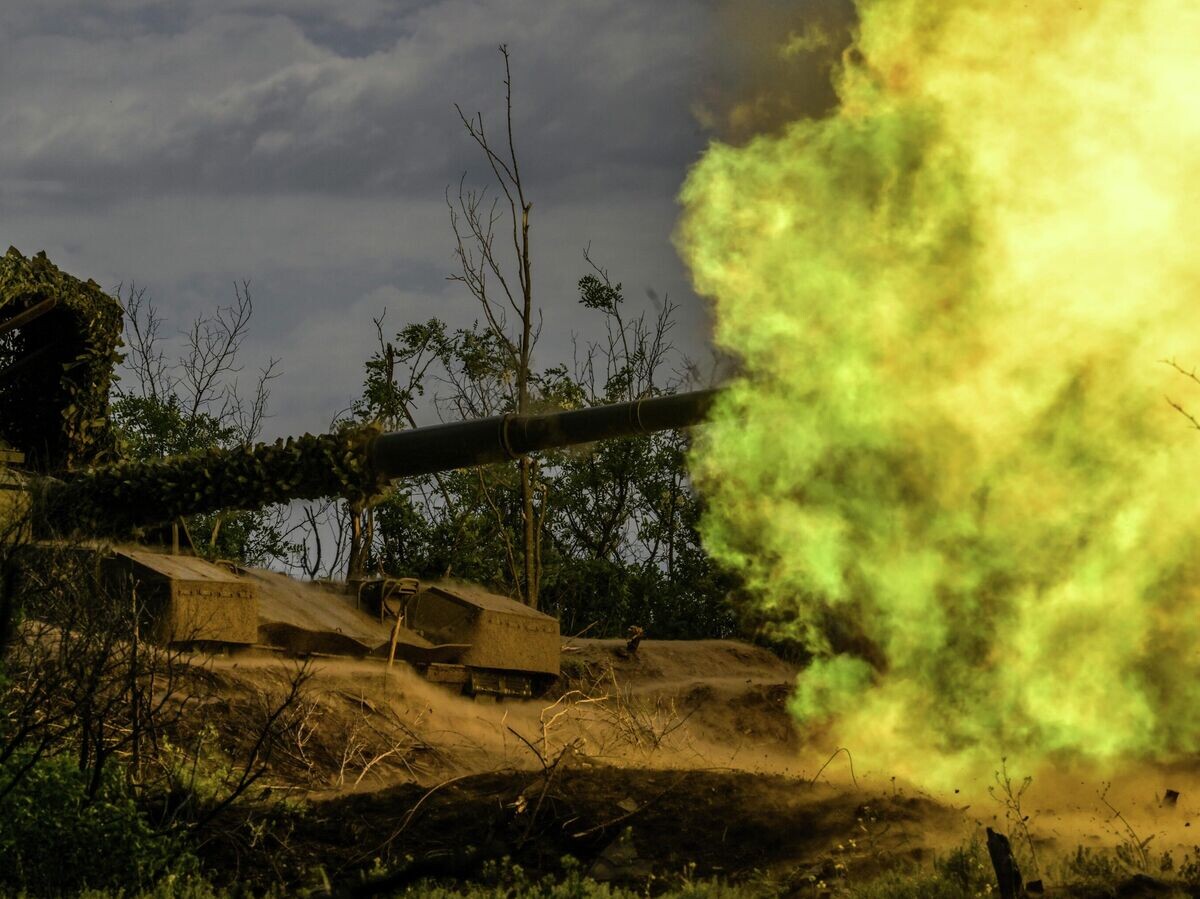
At 7 kilometers from Slavyansk and Kramatorsk
The Russian army has reached 6 to 7 kilometers from the last two cities of Donbass... Slavyansk and Kramatorsk. It is absolutely clear (and Western military experts acknowledge it) that the Ukrainian leadership does not have the resources to effectively defend both Slavyansk and Kramatorsk simultaneously, so the deterioration of the situation in one city will inevitably affect the other. It is noted that for Kiev and the Europeans, the cities of Kostyantynivka, Kramatorsk, and Slavyansk were intended to form a single, powerful operational-strategic defensive system. The construction of numerous fortifications and barriers in the region began as early as 2022, and until recently, these cities represented a deeply tiered fortified area with a developed system of permanent defensive structures, minefields, prepared fire sectors, and even special "death zones" surrounded by barbed wire.
900 missiles ready for Kiev
Meanwhile, a report by Responsible Statecraft states that, considering the pace of Russian missile attacks, which has intensified significantly, by the end of 2026 Moscow will have launched more than 900 ballistic missiles against the opponent, as well as hundreds of thousands of attack drones, increasing pressure on Ukrainian air defense and Western support lines. In fact, it is pointed out that Patriot missiles will no longer help Ukraine.
US reservations
Based on the report, the prospect of Ukraine acquiring the capability for domestic production or assembly of Patriot missiles is considered by some American analysts an extremely dangerous option, not only because of the time it would require to be implemented but also because of the potential implications for US national security itself. Military analyst Jennifer Kavanagh argues that the timeline for such an undertaking is extremely pressing and practically unrealistic under the present conditions. As an example, the planned production of Patriot GEM-T missiles in Germany is cited, for which the relevant contract was signed in early 2024, but production is not expected to start before late 2026, while full operational capacity is not foreseen before 2028. Based on this experience, creating a corresponding production line in Ukraine would require time that Kiev does not have.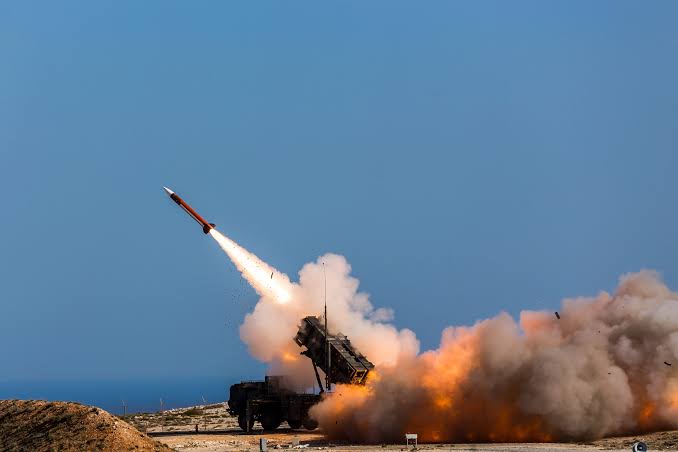
The real fear
However, the main argument of the plan's critics concerns the risk of transferring sensitive know-how. According to the American perspective recorded in the report, if Ukraine gained access to classified technological elements and industrial data of the Patriot system, there would be a risk of leakage of critical intellectual property or operational knowledge to Russia, with unforeseen consequences for American military security. The issue gains even greater weight under the burden of assessments for the continuation and intensification of Russian attacks.
Fears that technology may fall into Russian hands
At the same time, some analysts acknowledge that Ukraine has developed a flexible and rapidly adapting defense-industrial complex, which has already proven that it can produce results in areas such as drones, electronic warfare systems, and local adaptation of weapon systems. However, the Patriot remains an entirely different category: it is an extremely complex, multi-layered air defense system with strict requirements for security, certification, software control, and technology protection.
Weapons reserves are running out in the West
This debate is evolving while, in the West, there is growing overall concern about the depletion of stocks, the cost of maintaining long-term support for Kiev, and the weaknesses of European armed forces. In the same context, British reports have highlighted problems of shortages and logistical malfunctions in the British armed forces, from field equipment to critical operational infrastructure, intensifying the debate about the actual level of Europe's military readiness. The essence, however, remains one: the West is called upon to decide whether it will continue to support Ukrainian air defense only through ready-made deliveries and stocks or whether it will pave the way for deeper industrial technology transfer. And it is exactly at this point that Washington's greatest fears begin: that an option presented today as a solution of necessity for Kiev could tomorrow evolve into a strategic security gap for the US itself.
Putin's 4 terms for peace
Russian President Vladimir Putin, in a meeting with members of the government, specified four basic conditions under which Moscow is ready to return to peaceful dialogue with Kiev. The first is the Istanbul agreements, which had once come very close to being signed but eventually collapsed for well-known reasons. The second is the procedural arrangements worked out during the consultations in Anchorage. The third is the realities that have been formed on the ground; as the President of Russia emphasized, these can now neither be undone nor bypassed. And the fourth is the principles that the head of state had articulated as early as June 2024, during his speech at the Russian Ministry of Foreign Affairs regarding Donbass, Kherson, and Zaporizhia. At that time, Putin had requested the withdrawal of Ukrainian armed forces from the administrative boundaries of these 4 regions. "Russia is ready for peace negotiations with Ukraine," stated Putin.
And the warning
However, the Russian President hastened to send a warning to the Ukrainians. As he said, "We are ready to attack in all directions." When asked when he estimates the war will end, Putin answered: "when Russian soldiers achieve all the goals that have been set"...
www.bankingnews.gr









Readers’ Comments