

At a moment when everyone is wondering who is telling the truth regarding the deal between the US and Iran, as both sides seem to disagree even on what they agreed upon, Tehran, in a show of power, is attempting to decode the agreement while escalating the confrontation with the Americans. In statements from Azerbaijan, Mohammad Bagher Ghalibaf, the speaker of the Iranian parliament and Iran's top negotiator, argued that the agreement with the US is nothing but "a declaration of America's defeat."
Ghalibaf even called on the states of the Middle East and the Persian Gulf to determine the security structure of the region themselves, pointing out that the expulsion of the American military is a "strategic goal." Under these conditions, and while it remains unclear what exactly the two sides have agreed upon, Pakistan announced that it is very likely that talks will restart from next week, probably on Tuesday, 6/30. In any case, analysts estimate that this conflict, regardless of its intensity, will last for a long time to come.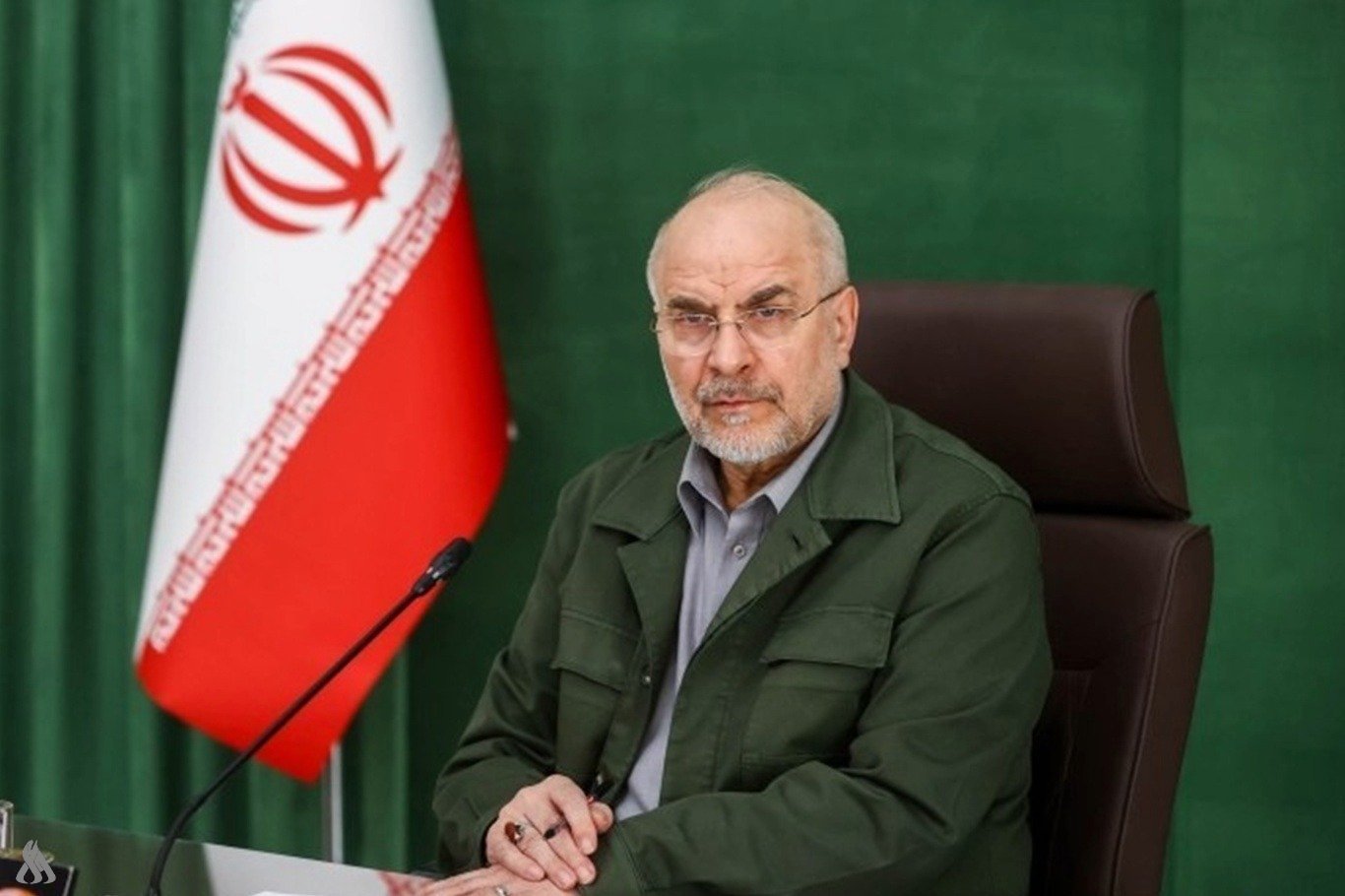
Ghalibaf (Iran): The agreement is a declaration of US defeat
The agreement between Iran and the United States to end the war constitutes "the declaration of America's defeat," stated Mohammad Bagher Ghalibaf, head of the Iranian negotiating team. "The Islamic Republic of Iran, despite all the pain and damage suffered in the recent imposed war, insists on a fundamental principle: the preference for logic over violence and resistance over submission. Experience has shown that diplomacy is stable and effective only when it is based on respect, equality, and the recognition of the sovereignty of states, and when it relies on the support of the people. The Islamabad agreement was not the result of pressure and coercion, but a product of the resistance and strength of the brave Iranian people; an agreement that showed that dialogue leads to results only when the other side renounces the imposition of its will on a civilized people and accepts our rights. For this very reason, the Islamabad Memorandum has turned into a declaration of the defeat of the United States," Ghalibaf said.
Ghalibaf (Iran): The withdrawal of foreign forces is a strategic goal
Furthermore, Ghalibaf underlined that the withdrawal of foreign forces from the wider region is a "strategic goal." Specifically, he stressed that the countries of the region themselves must determine the security structure of the Middle East. "We consider the withdrawal of foreign military forces from the region a strategic goal. We see the future of the region not in confrontation, but in interaction. Military bases of extra-regional forces in West Asia are a source of instability," Ghalibaf declared.
Iran is ready for cooperation
In this context, Ghalibaf mentioned that Iran is ready to cooperate with the countries of the Middle East and the Persian Gulf on the basis of "non-interference in internal affairs and respect for sovereignty." "Iran declares with absolute interest to all Islamic countries, especially to the countries of the region and particularly to the states of the Persian Gulf, that it is ready for security agreements that will be established through stable economic cooperation, so that Islamic lands become safe for all investors and protected against their common enemies," said Ghalibaf, who reiterated Iran's position that Israel must stop its attacks and its occupation of southern Lebanon. "We have not abandoned our friends and strategic partners in the most difficult and complex conditions... A ceasefire and the end of the war in Lebanon are equally important to us," Ghalibaf stated.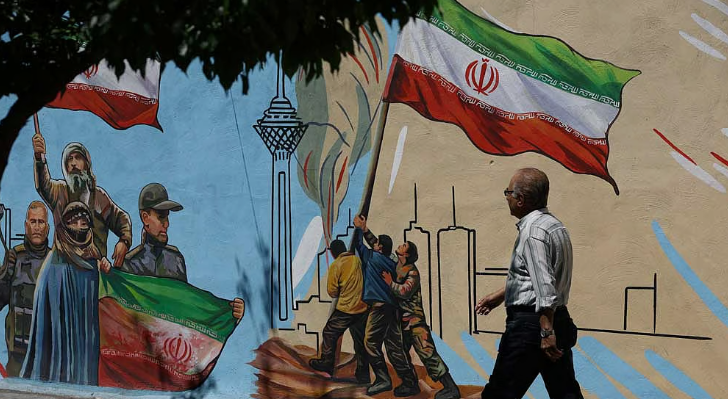
Pakistan: US–Iran talks to resume next week
Pakistan announced that the technical talks between the United States and Iran will restart next week, possibly even from next Monday, 6/29. "The talks will resume next week, I assume on Tuesday, 6/30," stated the spokesperson for the Pakistani Ministry of Foreign Affairs, Tahir Andrabi, adding that next Monday or Wednesday are also possible start dates, without giving details on the location of the talks.
Direct line for Hormuz
Andrabi underscored that the United States and Iran agreed to activate a direct communication line in order to avoid incidents or misunderstandings, especially regarding the Strait of Hormuz. Andrabi also mentioned that the parties agreed: to establish a high-level political committee to oversee the mediation, to which the chief negotiators will submit regular reports; to draft a roadmap for reaching a final agreement within 60 days; and to create a deconfliction cell, in which the government of Lebanon and the mediators will also participate.
Difficult next 60 days for Trump
For the Trump administration, the next 60 days will be difficult. Even his supporters are blasting the terms of the ceasefire, criticizing the president for offering the regime an economic gift, leaving open the possibility of imposing tolls on passage through the Strait of Hormuz, and providing no guarantee regarding Iran's nuclear program or missile stockpiles. Israel has argued that its attacks against Hezbollah in Lebanon are not covered by the agreement, and this was the reason it temporarily suspended talks over the weekend. Beyond that, most of the difficult questions have simply been postponed, not resolved. This is the nature of ceasefire agreements—they set the parameters of negotiations and guide the two sides toward a broader agreement. But in this case, the most likely outcome is not a major breakthrough but a violent mess, with alternating outbursts of violence, often on a limited scale.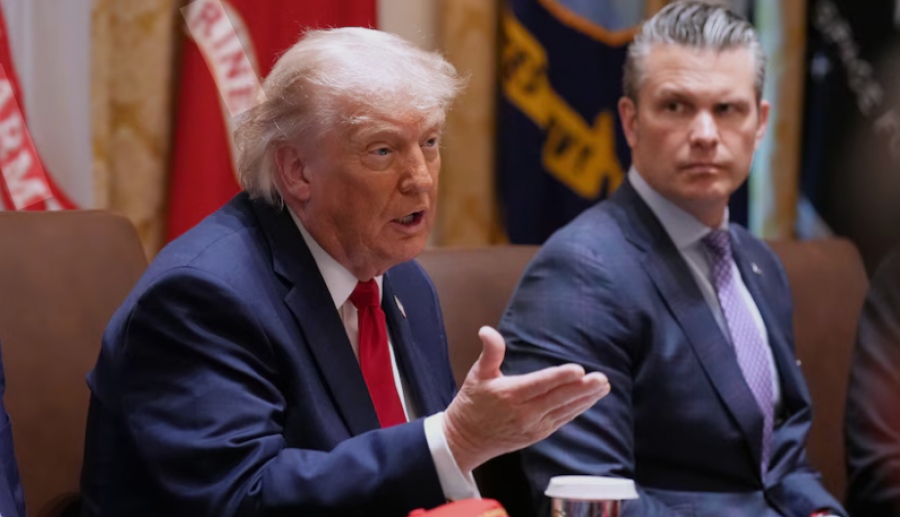
The Gaza experience
The most instructive analogy is not the Joint Comprehensive Plan of Action (JCPOA), the nuclear agreement with Iran concluded in 2015 and abandoned by the United States in 2018, but the peace plan for Gaza of 2025. This agreement, orchestrated by Trump, was initially a diplomatic success, as it seemed to end a grueling and destructive war. In reality, although the Gaza agreement generated optimistic headlines, at best it constituted a framework for continued, but limited, conflict and not a true settlement. None of the long-term promises of the 20-point peace plan of US President Donald Trump—the reconstruction of Gaza, the demilitarization of the region, or the deployment of an international stabilization force, among others—has been implemented or is on a path to implementation.
Neither peace nor war
Since the ceasefire with Hamas last October, Israeli operations have killed more than 1,000 Palestinians in Gaza, while Israel has periodically restricted or suspended the distribution of humanitarian aid. This violence unfolds without leading to a return to total war, and the parties are stumbling through a state of low-intensity conflict, which is neither peace nor war, without any political solution on the horizon.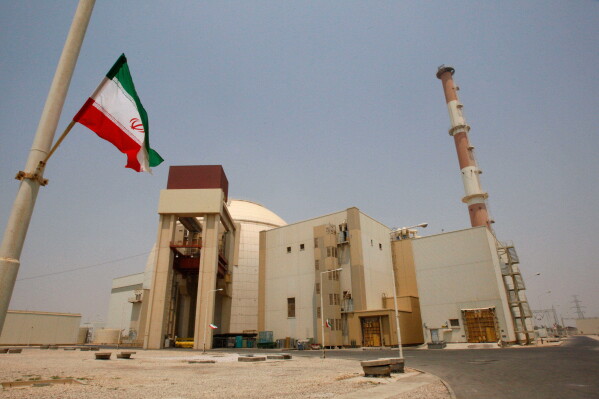
The nuclear file
The nuclear file presents exactly this type of insoluble problem for the United States, Israel, and Iran. How much money Iran will receive, who will provide it, and whether any enrichment or storage of nuclear material will continue are questions without clear answers, while both sides have an incentive to claim that the other is making concessions.
Sensitive issue
Trump spent years attacking the JCPOA that the Obama administration had negotiated, and his administration is extremely sensitive to any hint of similarity. Thus, the administration will be reluctant to say "yes" to any Iranian nuclear activity that allows for long-term enrichment, does not remove existing stockpiles from Iran, or in any other way suggests American tolerance for an Iranian nuclear weapon. The absence of any safeguards in the current text of the agreement makes such criticism even more likely.
Iranian funds
The issue of money further burdens the situation, as any funds released to Iran carry the risk of ending up with proxy organizations like Hezbollah, funding the reconstruction of the Iranian missile arsenal, or otherwise undermining the purpose of the recent war. The contours of the agreement suggest that the United States is offering much greater economic relief than occurred under the Obama administration.
No one wants total war
At the same time, as in Gaza, neither side desires a return to total war. Iran lost much of its leadership in the early days of the war, while subsequent clashes, the closing of the Strait of Hormuz, and the American blockade destroyed the Iranian economy. The war also hit the United States and its allies hard. Threats and even limited military strikes are likely to be used as signals of pressure, but a generalized war serves no one.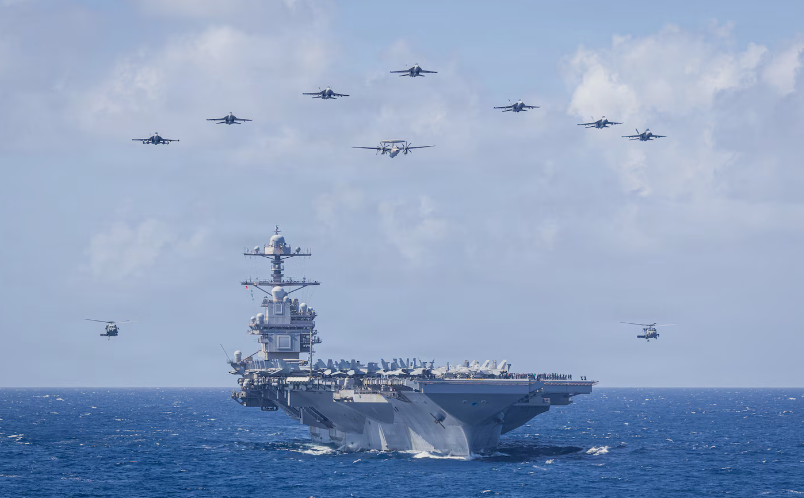
Iran changed strategy
To understand Iran's approach to future negotiations, one must recognize how deeply its strategic worldview has changed. The previous leadership under Supreme Leader Ali Khamenei was hostile but cautious. Most take it for granted that Khamenei would condemn the US and Israel, but under his leadership, Iran was not willing, for example, to close the Strait of Hormuz during Operation Midnight Hammer in June 2025, even under intense pressure. The new leadership has learned a different lesson from that episode: that the United States only understands force and that Iran must and can resist them.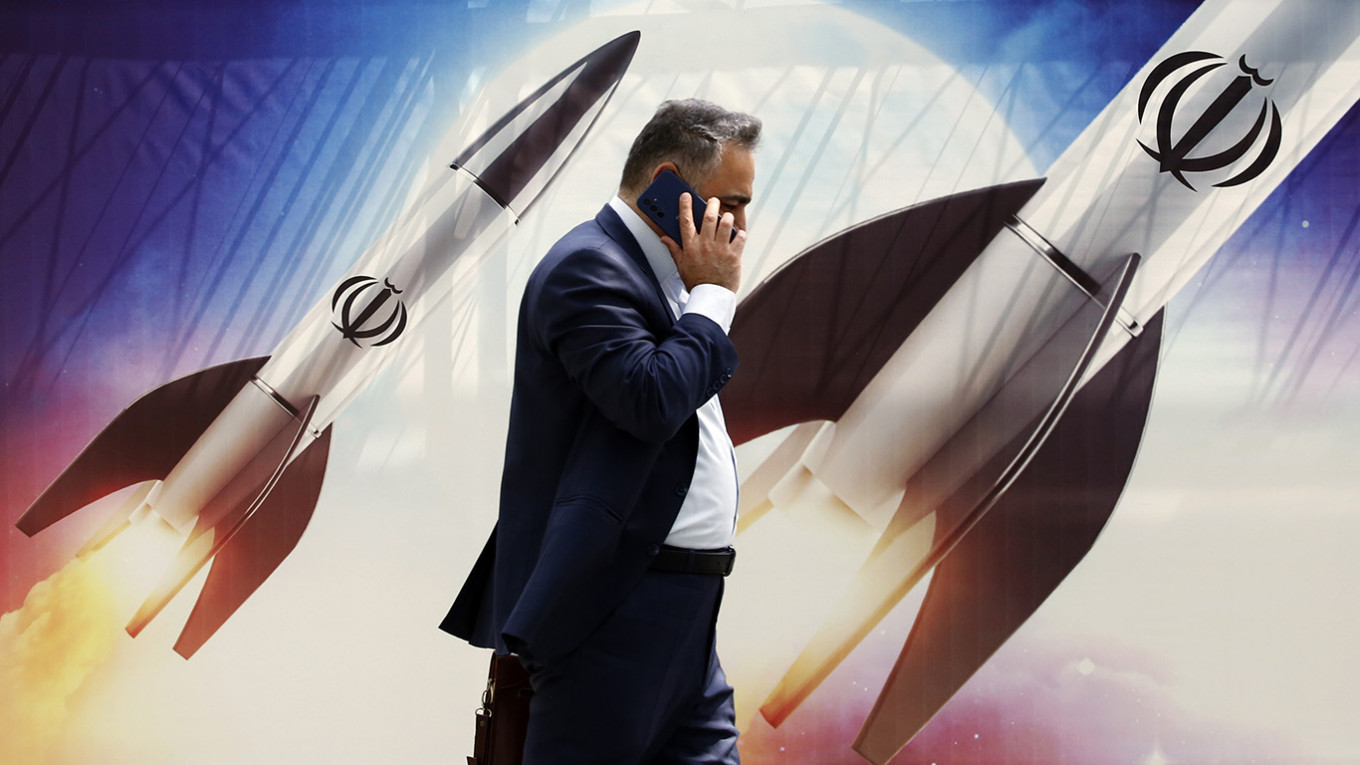
Tehran is more uncompromising
This attitude makes Tehran more uncompromising. Iran has historically been an extremely difficult negotiation partner, and current conditions make the situation even worse. The new leadership is still consolidating its power and likely needs some internal degree of consensus before any commitment can be considered binding, especially on issues concerning the US and Israel. Making things even more difficult, communication between Iranian officials has likely been undermined. The assassination campaign clearly highlighted Iran's counter-intelligence problems, and leaders are likely limiting their communication for fear of potential targeting. Negotiations conducted under such conditions are likely to be slow, opaque, and prone to sudden reversals.
Proxy policy
At the same time, Iran's use of proxy organizations for attacks or threats against Israel, the US, and its other opponents has largely failed. Israel decimated Hezbollah and Hamas, and their weakening has become a source of weakness—Iran must now protect Hezbollah and not the other way around—instead of a leverage tool. However, Iran's capabilities to strike US allies in the Gulf and close the Strait of Hormuz change the data. Iran can strike targets of US allies as a form of coercion, pressuring these states to adjust to Iranian interests or to exert influence in Washington in favor of Iran. It has proven that it can close the Strait of Hormuz, a move with global economic consequences that imposes real costs on the United States and its allies. And it can impose tolls. Whatever euphemism is used (transit fees, maritime security regulations, etc.), these offer relief from American economic pressure, which before the last war was the main US weapon for weakening Iran.
There is no trust
The deeper problem is trust—or rather, the absence of it. Tehran saw the United States withdraw from the JCPOA despite the International Atomic Energy Agency's finding that Iran was complying with the agreement. Subsequently, the United States used the 2025 negotiations as cover for an Israeli attack. As a result, it is now likely that Iranian leaders doubt that Washington is negotiating in good faith and are skeptical as to whether any agreement could have any duration. This reinforces a short-term logic.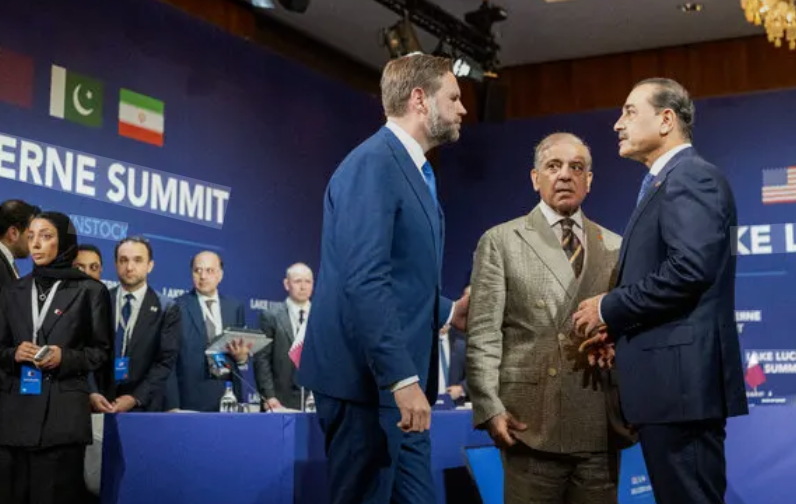
Israel excluded
Israel has been excluded from the negotiations (and was not even allowed to see the text of the ceasefire agreement before its publication), even though it has more existential interests in the conflict than the United States. Neither Israel nor the United States wants a nuclear-armed Iran, and both oppose the Iranian missile program and the closing of the Strait of Hormuz, among other common goals. However, their priorities and timelines have diverged significantly, with the United States emphasizing Hormuz and Israel focusing more on Iran's support for proxy organizations, as well as nuclear and medium-range missile programs.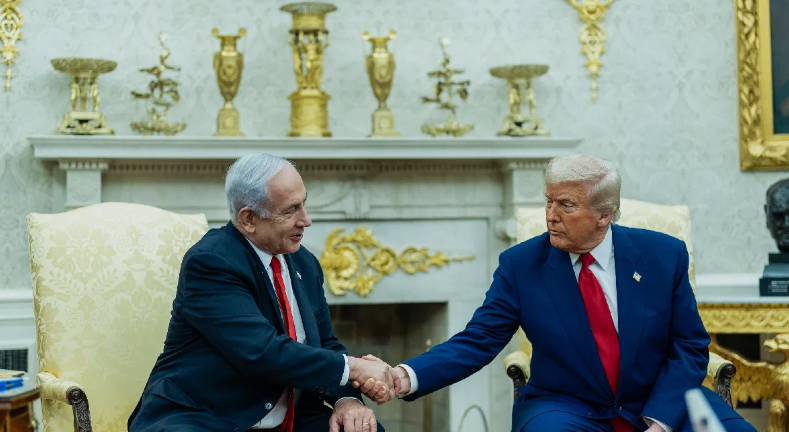
The Netanyahu factor
Israel will hold elections in October, and Prime Minister Benjamin Netanyahu is constantly weighing the domestic political consequences of every foreign policy move he makes. The agreement is widely perceived in Israel as favorable to Iran, and this reflects negatively on Netanyahu. Even more fundamentally, Israel has been in a state of continuous, multi-front conflict since October 7, 2023, striking not only Iran, Lebanon, and Gaza but also—on a more limited scale—Syria, the West Bank, and Yemen. It is creating what appears to be a permanent military footprint and buffer zones in Gaza, Lebanon, and Syria, a tacit decision to exchange the prospect of peace for strategic depth.
Does not want a solution
Political analyst Natan Sachs has described this overall approach as "anti-solutionism"—a foreign policy approach that treats the absence of a negotiated settlement with the Palestinians not as a failure but as a goal. By this logic, no Palestinian victory is acceptable, not even a moderate one, such as the one represented by the Palestinian Authority. This logic is now applied to other conflicts as well. Israel uses force to turn its opponents back, not to gain an advantage at the negotiating table. The cost of this approach—the continued suffering in Gaza and the West Bank, the widening of conflicts in Lebanon and Syria, the severe pressure on Israeli society, and the accelerating erosion of Israel's international reputation—is real, but has not yet created sufficient political incentive for a change of course.
Will it undermine the deal?
Israel may, therefore, act as an undermining factor, striking Hezbollah in Lebanon and generally maintaining an aggressive stance. Iran, believing that it must protect its proxy and that it possesses levers of pressure, may again disrupt traffic in the Strait of Hormuz or attempt to exert pressure on US allies, believing that the only way to stop Israel is to pass through Washington.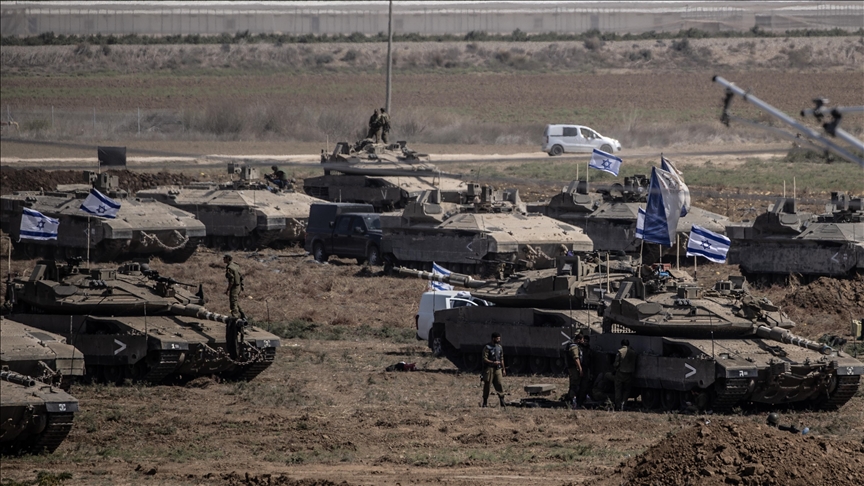
Alarm in the Gulf
Tensions extend far beyond the US–Israel relationship. The Gulf states that depend on American security guarantees have watched the last year with deep concern, as the United States failed to protect them from Iranian drones and missiles during the war and is now proceeding with an agreement that sets no limit on Iran's rearmament. Before the ceasefire agreement was finalized, Qatar made financial payments to Iran in exchange for immunity from attacks, with at least tacit American support.
Reconsideration
In the future, Qatar and other Gulf states may prefer to balance risks rather than rely on American guarantees. They may also deny the United States base and access rights, concluding that Washington cannot reliably protect them and that hosting American military bases makes them more of a target rather than safer.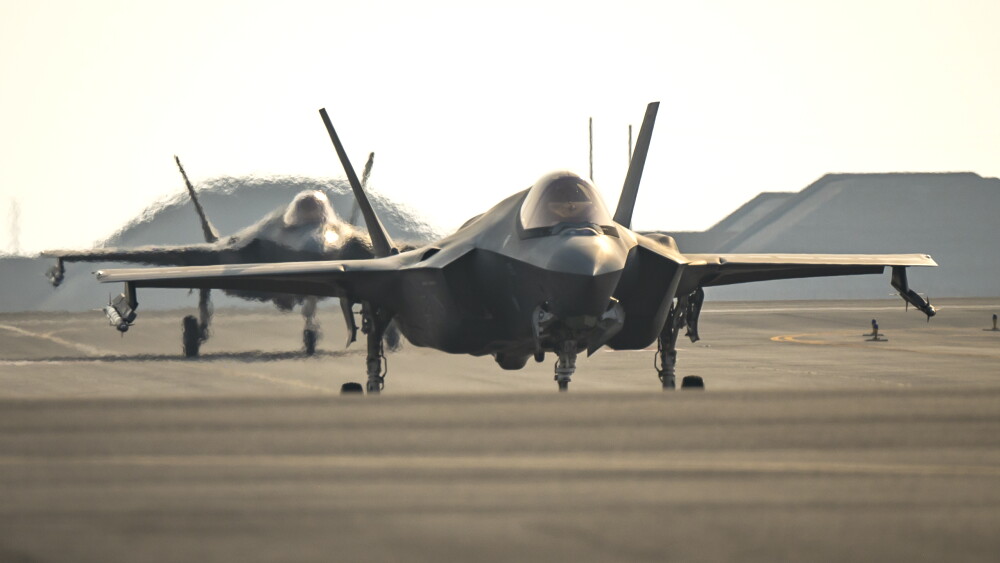
The Allies
European and Asian allies have their own complaints, which are added to pre-war American insults, such as tariffs on close allies and discussions about the US seizing Greenland from Denmark, also a close ally. The United States did not consult with these allies before attacking Iran and then turned to them demanding, for example, that they send forces to contribute to the opening of the Strait of Hormuz—demands that were both unrealistic and phrased with a tone of resentment. The cumulative result was to raise questions about the credibility of American leadership, which will survive any specific agreement with Iran.
What do the Americans want in the end
The deeper uncertainty is what exactly the United States wants from the Middle East in the long term. The recent war suggests that Washington may remain focused on the region, but the Trump administration's National Security Strategy for 2025 boasted that the Middle East "is no longer the constant irritation and potential source of immediate destruction that it once was." The United States has no interest in a peace process, while support for Israel—one of the factors that previously fueled American involvement in the region—is waning among both Republicans and Democrats.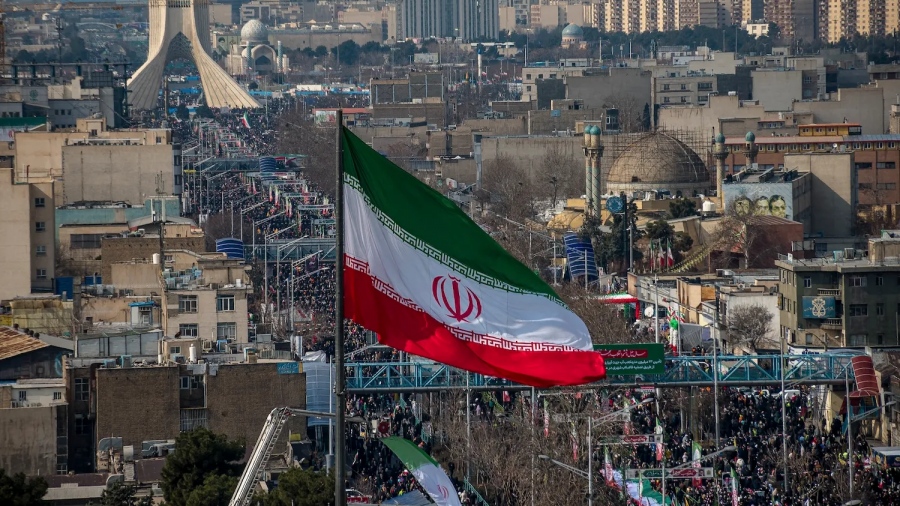
The conflict will last
The Middle East, however, has a history of defying minimalist American strategies. The agreement with Iran will be implemented—or not—in a context shaped by American vacillations, Israeli military operations, the activity of Iranian proxy organizations, the cautious stance of the Gulf states, and the disappointment of allies. Ambiguous wording in an agreement regarding future progress cannot contain actors with such different interests and such limited trust in one another. The most honest prediction is also the least satisfying: this conflict will continue, in one way or another and at different levels of intensity, for a long time to come.
www.bankingnews.gr






Readers’ Comments