

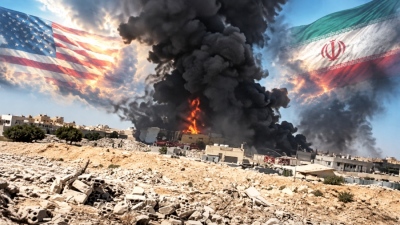
The agreement announced with triumphant tones by Donald Trump as the end of the war with Iran and the beginning of a new era of stability in the Middle East may prove to be the beginning of an even more complex and dangerous geopolitical confrontation. Despite the cessation of hostilities and the restart of diplomacy, the fundamental issues that pushed the international community to the brink of a broader regional conflict remain open. At a time when Washington presents the deal as a strategic victory, analysts, politicians, and diplomatic circles in the US, Israel, and the Middle East warn that Tehran not only withstood the military pressure but emerged from the conflict with much stronger negotiating cards, economic benefits, and increased regional influence... to such a point that Iran is now considered a... global power. At the same time, analysts report that the 100-plus days of conflict demonstrated the limits of American power and, on the other hand, that Israel exists only... on paper and that it was left alone in this top diplomatic and military confrontation. Many experts are already speaking of a "strategic quagmire" for both Israel and the US. Given these facts, and after the agreement in Switzerland for further technical discussions between the US and Iran, the real question dominating the discourse behind the bombastic expressions and celebrations is who really won this war.
Peace with Iran is equally difficult
The initial efforts of US Vice President JD Vance to turn the memorandum of understanding signed with Tehran into a permanent conflict-ending agreement are already meeting serious difficulties. The memorandum, which Donald Trump signed in France last week, provides for a cessation of hostilities, the reopening of the Strait of Hormuz, and financial incentives for Iran in exchange for its commitment never to acquire nuclear weapons. However, critical issues—such as the future of the Iranian nuclear program and enriched uranium stockpiles—were referred for further 60-day negotiations following contacts in Switzerland.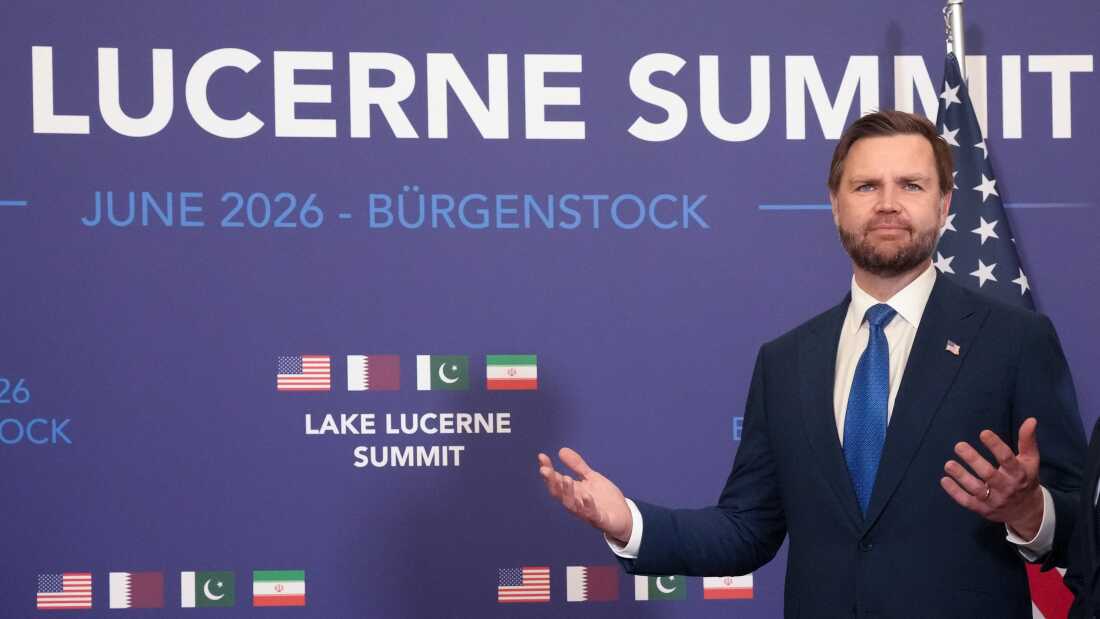
Will the truce hold?
Former senior US national security official Philip Gordon estimated there are reasonable chances the ceasefire will hold. "There is a fairly good chance the truce will hold because it serves the interests of both sides," he stated. According to Gordon, Iran now has the ability to collect millions of dollars daily from oil exports, which gives it an incentive to remain in the process. "Iran has an interest in keeping the agreement. And the United States also, as it does not wish for the war to resume," he added.
Positive signals
The mediators, Qatar and Pakistan, announced that the talks were held in a "positive and constructive climate" and that "encouraging progress" was made. At the same time, a roadmap was agreed upon that provides for reaching a final agreement within 60 days.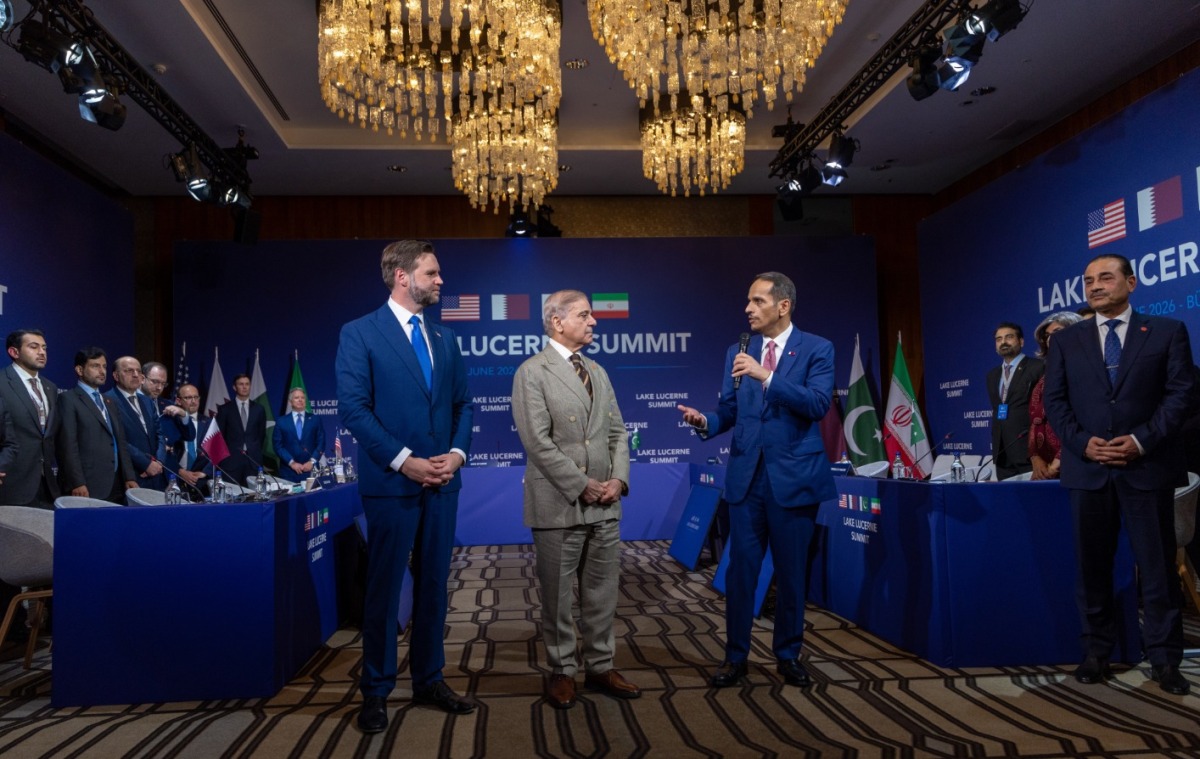
Problems threatening the process
Despite the positive statements, the same strategic pressures that led to the conflict now threaten the peace. Tehran is attempting to leverage its new negotiating strength and has hinted that it maintains control of the Strait of Hormuz. Trump responded with new threats, warning even that the American side could take control of the Strait if Iran did not ensure free navigation. Meanwhile, tensions between Israel and Iran over Lebanon threatened to derail the entire process.
Iran tests Trump’s limits
The Iranian leadership seems to believe that its survival after the war has created new strategic realities in the Persian Gulf. Iran’s lead negotiator, Mohammad Bagher Ghalibaf, responded to American pressure: "Do they never wonder that if their threats really worked, they wouldn't have reached this level of desperation today?" This statement is considered an indication that Tehran does not intend to offer Trump a quick deal that he could leverage politically before the US midterm elections.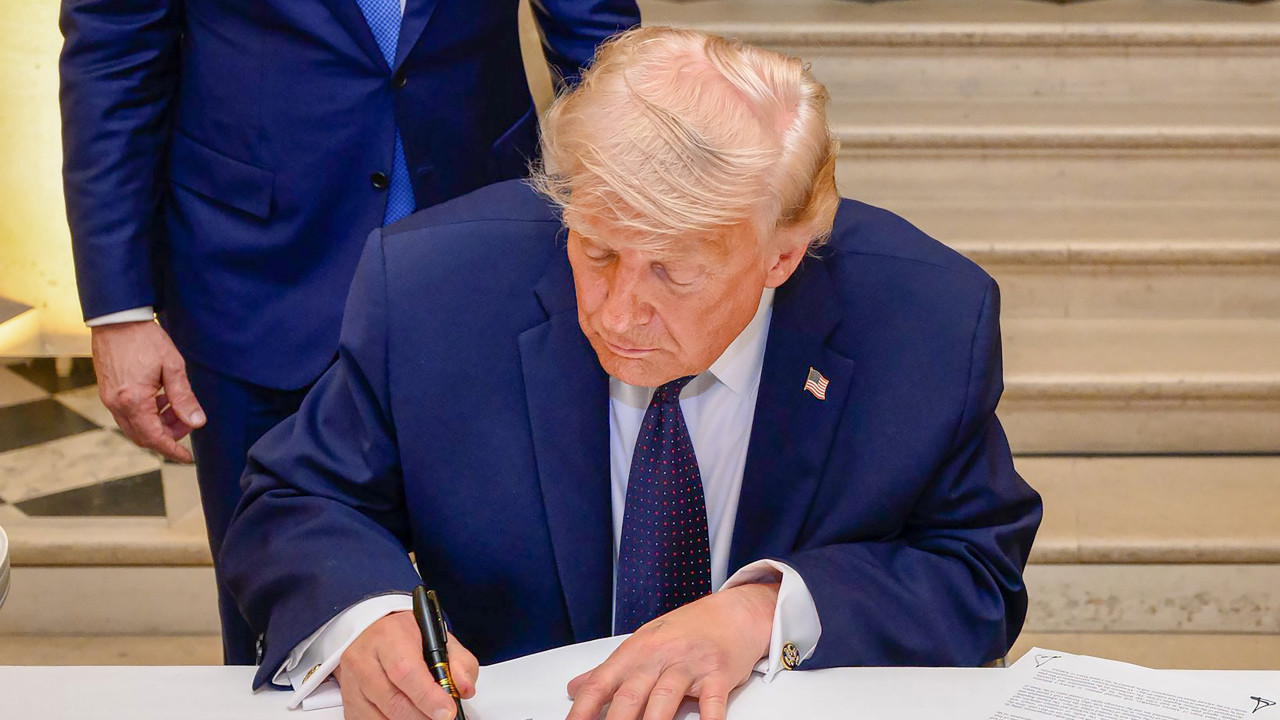
The Lebanon and Israel factor
Iran used the issue of the Strait of Hormuz to pressure Washington to impose a ceasefire in Lebanon after Israeli strikes against Hezbollah. In this way, Tehran is testing Trump’s ability to influence Israeli Prime Minister Benjamin Netanyahu, while simultaneously attempting to maintain its regional influence through allied organizations. Trump, for his part, warned that the US will strike Iran "very hard" if it does not rein in Hezbollah.
Questioning in Washington
The agreement is causing reactions among both Republicans and Democrats. Particular criticism is directed at the temporary lifting of sanctions on Iranian energy and pharmaceutical exports, as well as the creation of a $300 billion fund for Iran's economic recovery, which, according to the US government, will be funded by regional countries. Trump's critics argue that Washington conceded significant benefits without securing adequate commitments regarding Iran’s nuclear program. Republican Senator Lindsey Graham defended the diplomatic approach, although he appeared cautious: "If there is no diplomatic exit through the memorandum, then war or other forms of coercion remain. Let’s try diplomacy. However, I believe it will ultimately fail." On the other hand, Democratic Senator Cory Booker labeled the agreement a "catastrophic failure" and a "total surrender," arguing that Iran is gaining massive economic benefits while the United States bears the cost of the war.
A peace full of uncertainties
The developments of the last few days show that Trump’s vision for a nuclear-free Iran and a radically transformed Middle East remains a distant goal. Military pressure failed to fully impose American objectives, and the first days of peace negotiations show that the diplomatic path will also be extremely difficult. The key conclusion is that while the memorandum offers the best chance to avoid a new conflict, the path to a permanent agreement is expected to be long, complex, and full of risks.
Iran wins
Israeli politicians and analysts argue that Iran emerged as the winner from the recent conflict with the United States and Israel, while simultaneously accusing Donald Trump of leaving Israel alone to face the resulting strategic challenges. According to the Israeli news outlet Zman Israel, Israel is in a particularly difficult situation, as the management of developments is essentially being handled by the American President, while the Israeli government exists "only on paper." Israeli journalist and analyst Or Heller, commenting on statements by US Vice President JD Vance, mentioned that for the United States, the war issue is now considered closed. According to Heller, both the conflict with Iran and the war in Lebanon have essentially ended, leaving Israel alone in what he characterized as a "strategic quagmire."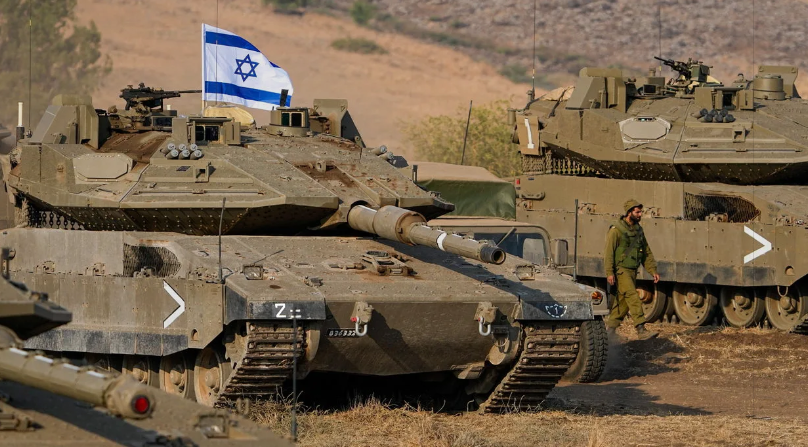
Fire against Netanyahu
At the same time, criticism within Israel is growing regarding the stance of Prime Minister Benjamin Netanyahu’s government toward regional developments. The leader of the Yisrael Beiteinu party, Avigdor Lieberman, stated characteristically: "Netanyahu has turned into a punching bag for Trump. We are sacrificing our soldiers while simultaneously tying their hands and feet on the battlefield." Meanwhile, the Israeli public network Kan reported that, following American pressure, Israel's political leadership ordered a ceasefire in Lebanon. According to the same outlet, the Israeli military halted its operations in the Ali al-Taher heights, following relevant orders from the military leadership.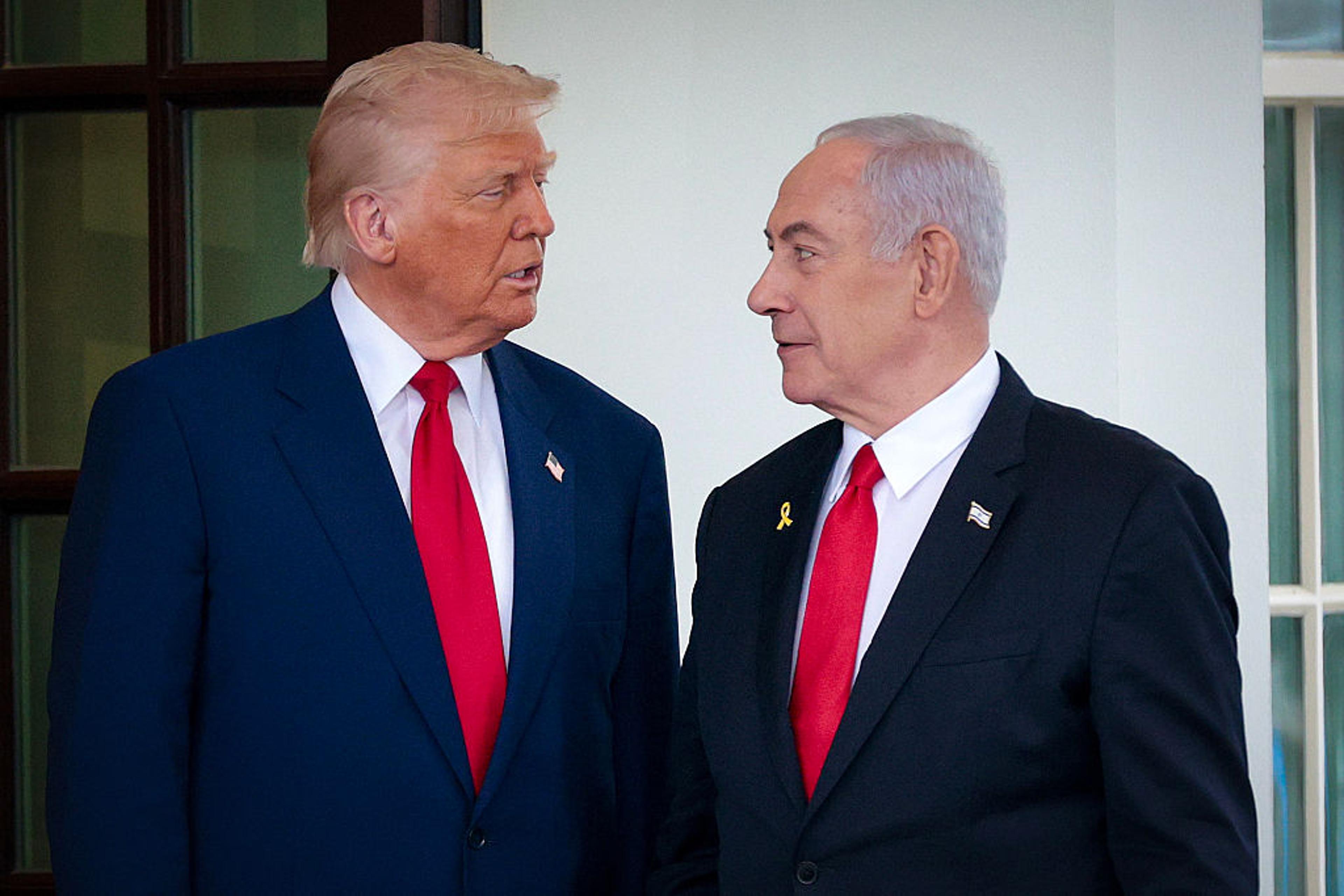
Trump requested withdrawal from southern Lebanon
Israeli media and state radio reported that the military is reducing the number of its forces in Lebanon. The same sources claim that the Trump government requested Tel Aviv to begin a gradual and partial withdrawal from southern Lebanon. According to the reports, Washington also desires a reduction in the depth of the so-called "yellow line" that Israel maintains within Lebanese territory. This policy is being implemented at a time when the Israeli military is facing increasing casualties in Lebanon and, according to the same reports, does not appear displeased with the prospect of withdrawal under US pressure without significant political cost domestically.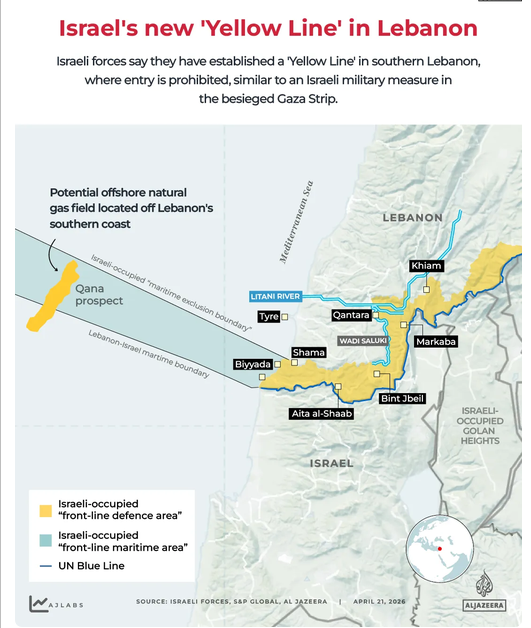
No victory for the US
Despite Donald Trump presenting the memorandum of understanding with Iran as a historic achievement, doubts in political and journalistic circles in the United States regarding the real benefits of the agreement are intensifying. Many analysts estimate that the deal between Tehran and Washington not only does not constitute an American victory but, on the contrary, reveals the limits of American power and creates new challenges for the Trump administration. According to analyses published in the New York Times, Washington Post, and Newsweek, the key conclusion is common: the agreement does not resolve the issues that led to the war, but defers their resolution to future negotiations.
Without a final solution
Although it reopens the path of diplomacy between Iran and the US, critical issues such as:
• Iran’s nuclear program,
• ballistic missiles,
• Iran–Israel relations,
• and the future role of the US in the Middle East, remain without a final solution.
Limited results
The New York Times poses the question: "What has changed after nearly four months of war?" and answers: "Not much." According to the newspaper:
• Iran’s nuclear program has not been eliminated,
• the issue of ballistic missiles is referred to future talks,
• pro-Iran forces and organizations in the region remain active.
Caitlin Talmadge, a professor of Security Studies at the Massachusetts Institute of Technology, believes the agreement reflects more of Washington’s limitations in continuing escalation than any clear US military superiority. The newspaper also points out that Iran managed to turn the Strait of Hormuz into a significant negotiating lever, proving it can influence one of the planet’s most important energy arteries.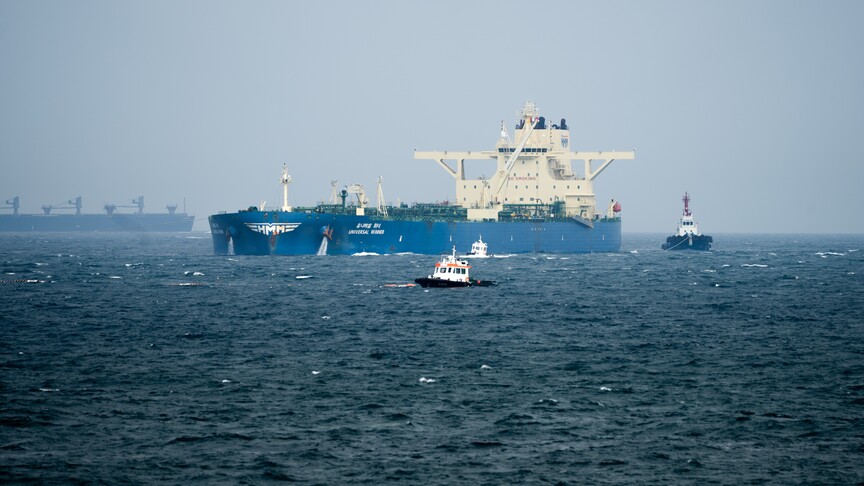
The economic benefits Tehran is reaping
According to analyses, the agreement provides significant economic benefits for Iran, including:
• lifting of the naval blockade,
• creation of a $300 billion reconstruction fund,
• release of frozen Iranian assets,
• and the gradual lifting of US sanctions. At the same time, the two sides agreed to negotiate for 60 days on the most complex issues, such as the nuclear program and sanctions.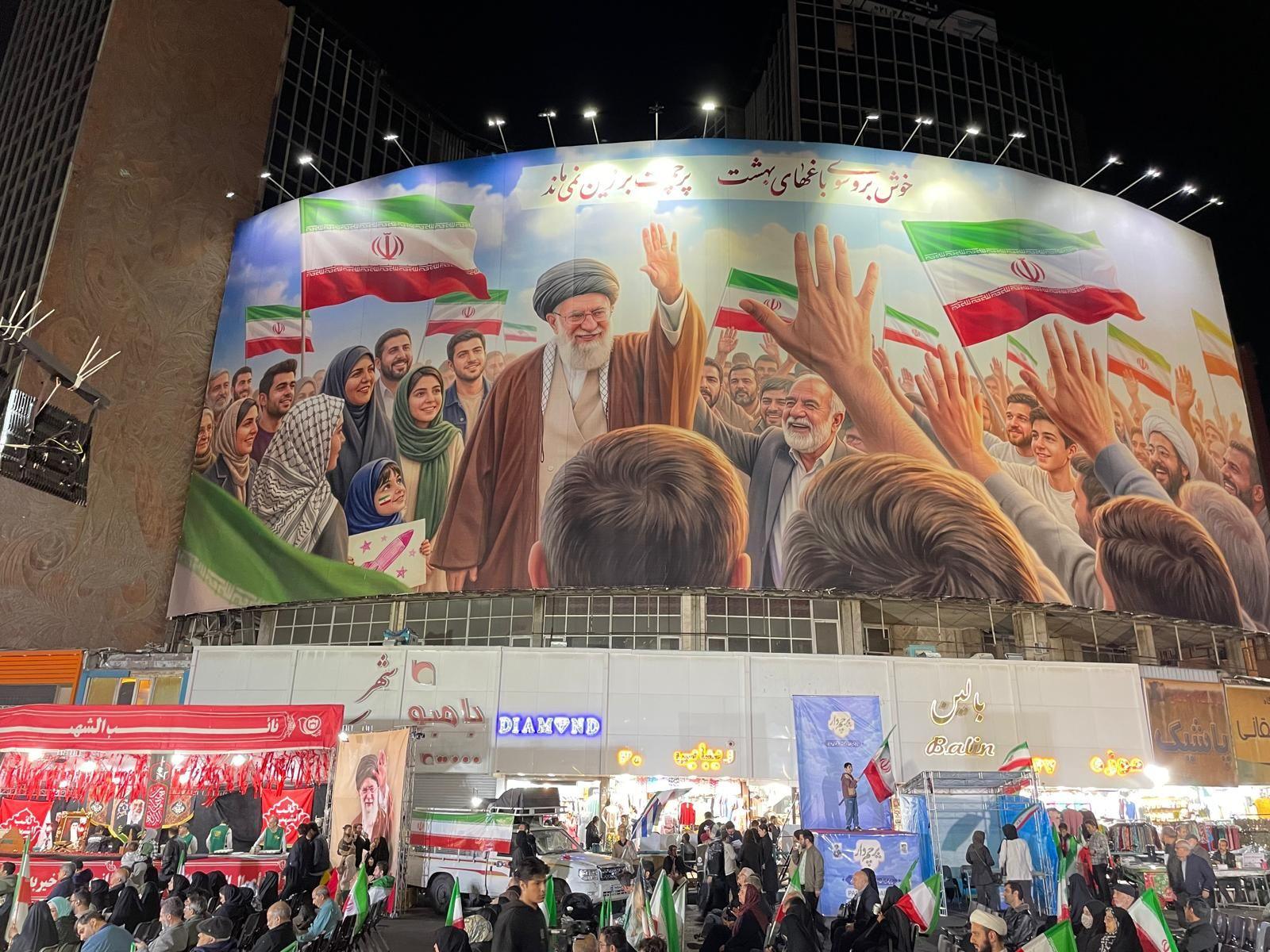
Reduction of American leverage
The Washington Post estimates that Trump possesses fewer means of pressure today than before the war. According to the report, before the start of the conflict, Tehran feared that a US attack could lead to regime collapse. However, the war showed that Iran’s state mechanisms maintained their cohesion and continued to function. The newspaper also argues that the simple threat of closing the Strait of Hormuz is enough to cause turmoil in international markets, as approximately 20% of global oil and natural gas trade passes through there.
Rift between Washington and Tel Aviv
One of the most significant results of the agreement appears to be the increase in differences between the United States and Israel. The New York Times notes that Israel entered the war believing it would neutralize the Iranian threat for decades. Instead, it found itself on the margins of a deal signed by the US without fully adopting Tel Aviv’s strategic goals. Former Israeli military intelligence officer Danny Citrinowicz characterized the agreement as a "complete collapse of the strategy Israel followed against Iran." Furthermore, integrating the ceasefire in Lebanon within the framework of the agreement creates additional difficulties for Washington, as it may need to exert pressure on Benjamin Netanyahu's government to limit military operations.
Internal pressures on Trump
The challenges for Trump are not limited to the international stage. The Washington Post reports that part of his conservative base accuses him of granting excessive concessions to Iran. Simultaneously, the economic consequences of the war—such as higher inflation and rising energy prices—are pressuring his electoral audience ahead of the midterm elections. According to a Fox News poll, 58% of voters believe the decision for war with Iran was wrong, while just 35% approve of the way Trump managed the Iranian issue.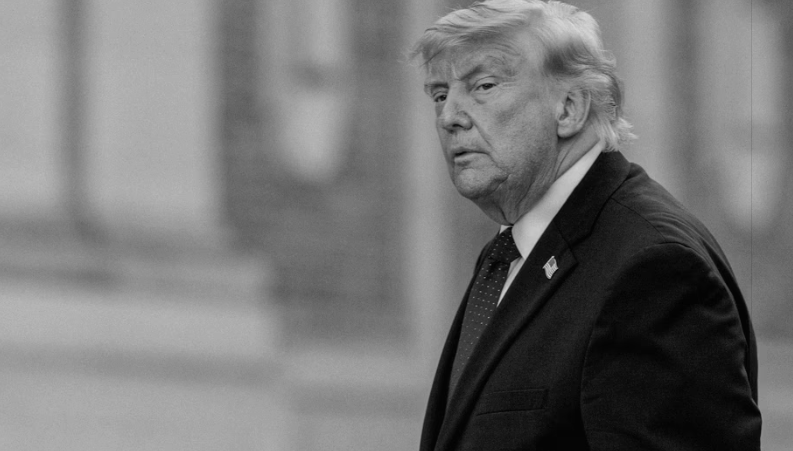
China as the silent winner
Newsweek argues that China emerged as one of the most significant winners of the crisis without getting militarily involved. According to the magazine's analysis, Beijing managed to present itself as a power that promotes dialogue and respect for state sovereignty, while the US appeared as a power resorting to military force at a high cost. Henry Wang argued that the US-Israel war against Iran created a dangerous precedent that undermines the international order formed after World War II. Correspondingly, Ryan Hass estimated that the disagreements revealed between the US and some of its European and Arab allies create opportunities for the further expansion of Chinese influence. According to these analyses, the agreement that Trump attempted to present as the culmination of a strategic victory may evolve into a new source of political and diplomatic problems for his administration. The key issues that led to the conflict remain open, and the United States' ability to impose its terms in the region seems tested more than ever.
We won
With the signing of the agreement and the start of a new round of talks, the war between the United States and Iran has for the time being stopped, and President Donald Trump maintains that the Americans are the winners. In a post on social media, Trump argued that the deal ensures the continuation of oil flow, prevents Iran from acquiring nuclear weapons, strengthens markets, creates jobs, and contributes to lowering prices. However, the real picture is more complex. After more than 100 days of conflict, in which 13 American military personnel and more than 7,500 civilians in the wider region were killed, the economic and strategic cost remains significant.
The cost of the war
The direct expenditure for the US Department of Defense is estimated at approximately $40 billion, excluding certain operational expenses and future recovery costs. The Pentagon has requested additional funding of $80 billion. Approximately $26 billion was spent just on ammunition, including long-range missiles such as Tomahawks, which cost about $2.5 million each.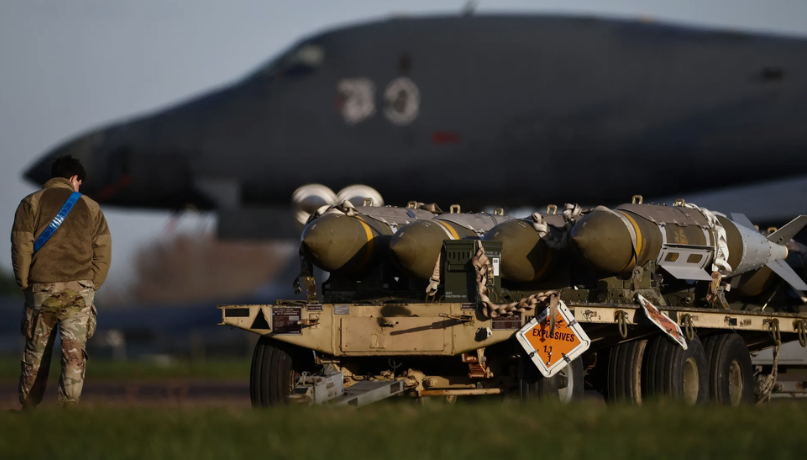
Pressure on strategic reserves
The war consumed a significant portion of American missile reserves and led the government to activate measures to accelerate the production of new weapons systems. Meanwhile, the US Strategic Petroleum Reserve is at its lowest level since 1983.
Impact on energy and inflation
Fuel prices rose significantly during the war. The average price of gasoline in the US exceeded $4 per gallon, while diesel prices rose even more. According to calculations, American households spent hundreds of dollars extra due to the rise in energy prices. The increase in energy prices also contributed to accelerating inflation, which exceeded 4% on an annual basis, negatively affecting the purchasing power of wages.
Global oil market
During the conflict, the global market lost approximately 1.15 billion barrels of oil supply. To cover the gap, production increased in countries like Brazil and Venezuela, while large strategic reserves were released by many countries.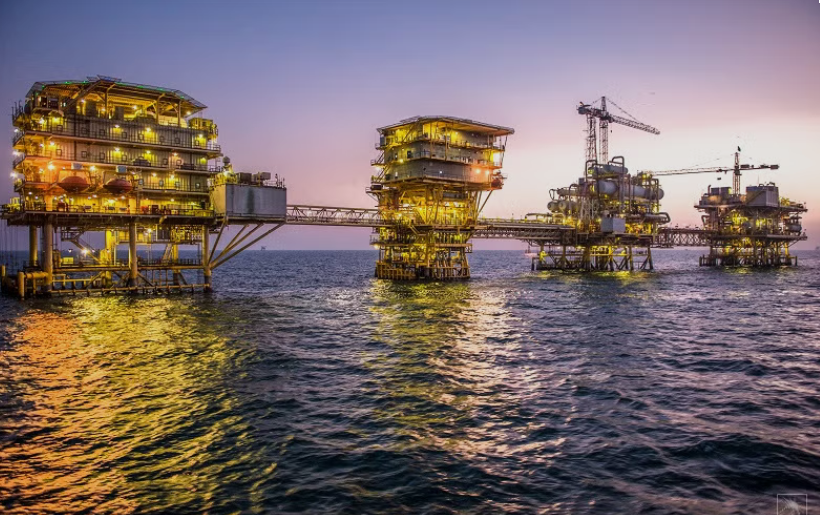
Financial markets
Despite the war, stock markets continued to record historical highs. Conversely, government bonds faced pressure due to inflationary concerns, which also affected mortgage interest rates. Overall, it is noted that despite the cessation of hostilities and the agreement for new negotiations, the economic, strategic, and political costs of the war remain high, and the long-term consequences have not yet been fully assessed.
www.bankingnews.gr








Readers’ Comments