

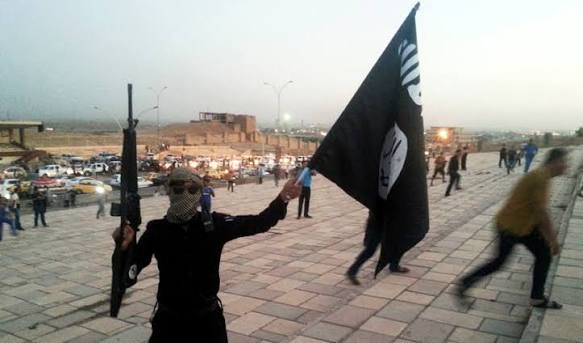
The reappearance of ISIS in Syria is taking extremely worrying dimensions, as the extreme terrorist organization escalates its attacks against government jihadist forces, exploiting the security vacuums that have been created after the fall of the Assad regime and the ongoing conflicts on various fronts of the country.
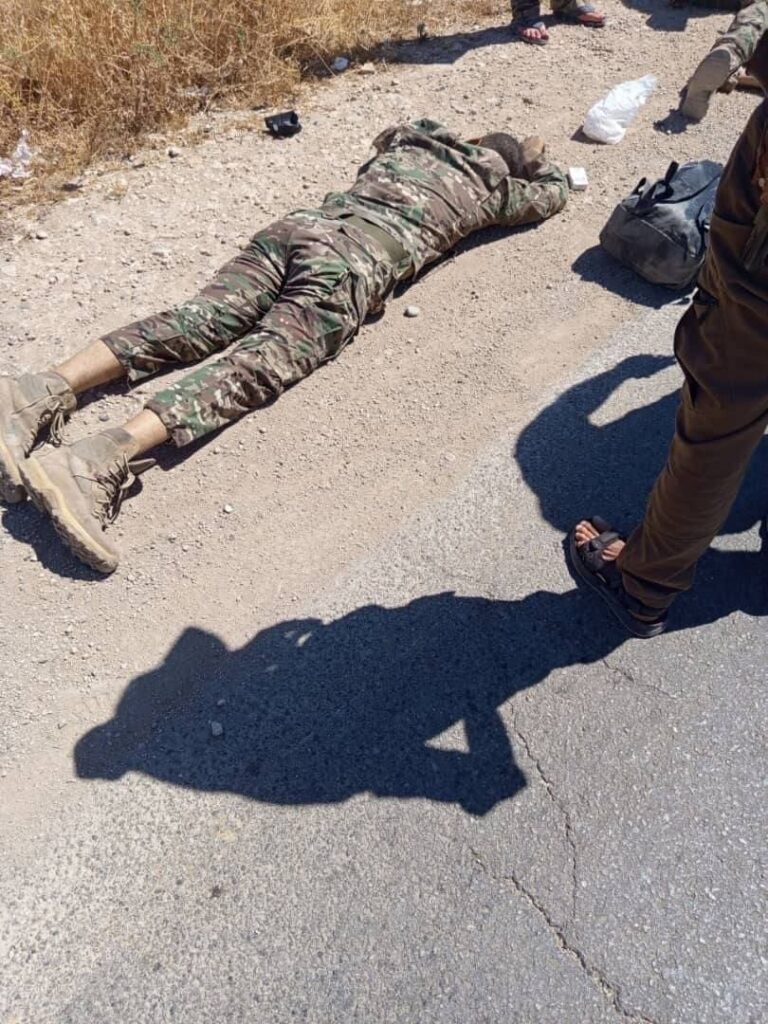
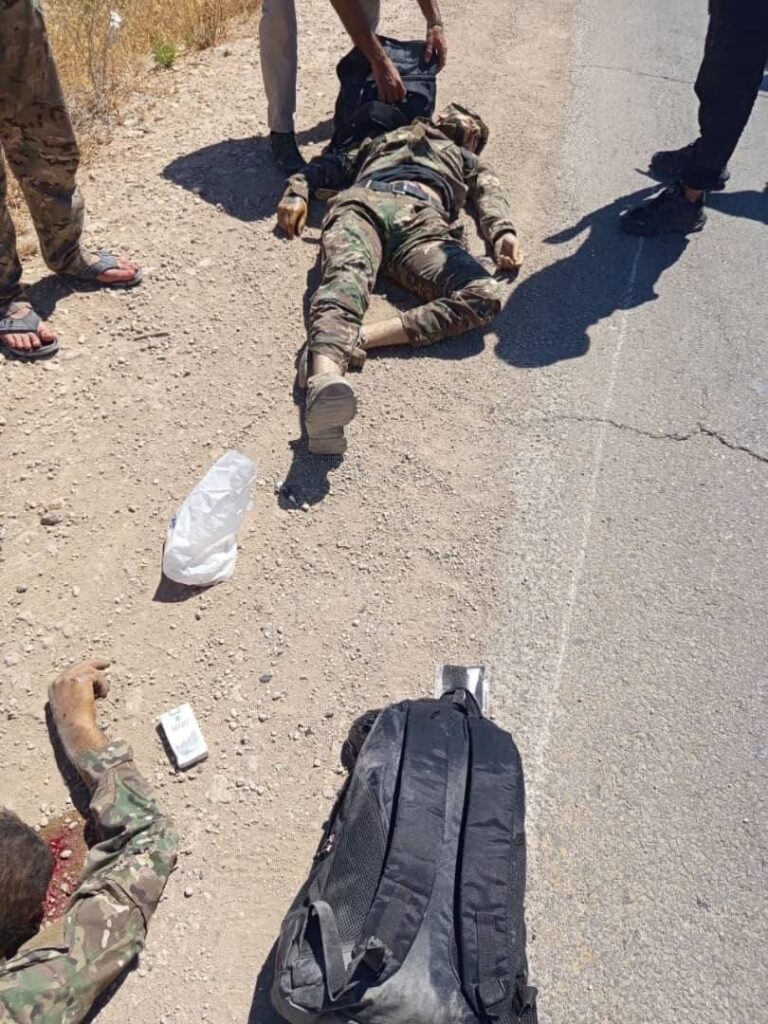
The Syrian Ministry of Defense announced that two soldiers of the 76th Division were killed in an armed attack near the city of Manbij, in the eastern countryside of the Aleppo province.
According to the state news agency SANA, the soldiers received gunfire from gunmen in the area, while a few hours later ISIS officially assumed responsibility through a statement published by the Amaq agency, which operates as the main media of propaganda for the organization.
In its statement, ISIS claimed that its fighters attacked two members of the apostate Syrian army in the city of Tahna, approximately eight kilometers west of Manbij, confirming thus its ongoing presence in the area.
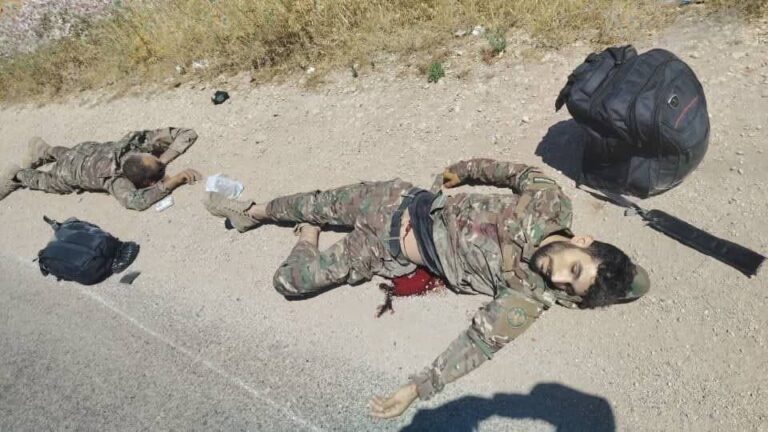
This attack was recorded less than a 24-hour period after another serious incident in northeastern Syria.
According to the deputy governor of the al-Hasakah province, Ahmed al-Hilali, twelve soldiers were injured when a bus transporting members of the 60th Division fell into an ambush of gunmen.
The vehicle received heavy machine gun fire while moving on the road axis connecting the cities of Tal Tamr and Ras al-Ain, in the northwestern countryside of al-Hasakah, an area where an increased activity of ISIS cells has been recorded in recent years.
Although the organization has not officially assumed responsibility for this attack, the Syrian authorities and security analysts consider that it constitutes the main suspect.
Regrouping after the fall of Assad
The latest attacks strengthen the estimations that ISIS is in a phase of reorganization and re-equipment.
After the collapse of the regime of Bashar al Assad, reports have multiplied regarding the recruitment of new members, regrouping of networks and transport of weaponry, mainly in central Syria.
At the same time, the military campaign of the Islamist transitional government against the Kurdish forces in northern and eastern Syria seems that it created new opportunities for the terrorist organization.
According to information, the conflicts led to the release of thousands of suspected members of ISIS from detention centers that were under Kurdish control, a fact that allowed the organization to regain human resources and expand its influence.
Escalation of attacks
Only during the last week, ISIS has carried out at least three attacks in different areas of Syria, causing the death of two soldiers and the injury of a government official.
These incidents demonstrate that the organization has surpassed the phase of survival and attempts now to regain an active operational role.
Despite the efforts of the transitional government to limit the threat through security operations and arrests, recent developments show that ISIS continues to possess operational capabilities, support networks and the ability to strike military targets on multiple fronts.
The increasing frequency of the attacks causes intense concern both in Damascus and among regional security factors, as the probability of a new revival of ISIS in Syria could overturn the fragile balances formed after more than a decade of war.
Western interventions and the power vacuum that favored ISIS
The reappearance of ISIS cannot be examined in isolation from the geopolitical developments that shaped modern Syria.
Many analysts estimate that the multi-year conflict, foreign interventions and the weakening of state institutions created the environment inside which the terrorist organization managed to survive and regroup.
The United States and several European countries supported politically, financially and militarily various anti-regime forces during the Syrian civil war, with the basic goal of removing Bashar al-Assad from power.
Although the West maintained that it pursued a political transition, the long-term conflict led to a fragmentation of the country, a weakening of state security mechanisms and the creation of extensive zones of limited government control.
At the same time, military operations, economic sanctions and the continuous conflicts between government forces, rebel organizations and foreign armies burdened further the security of the country.
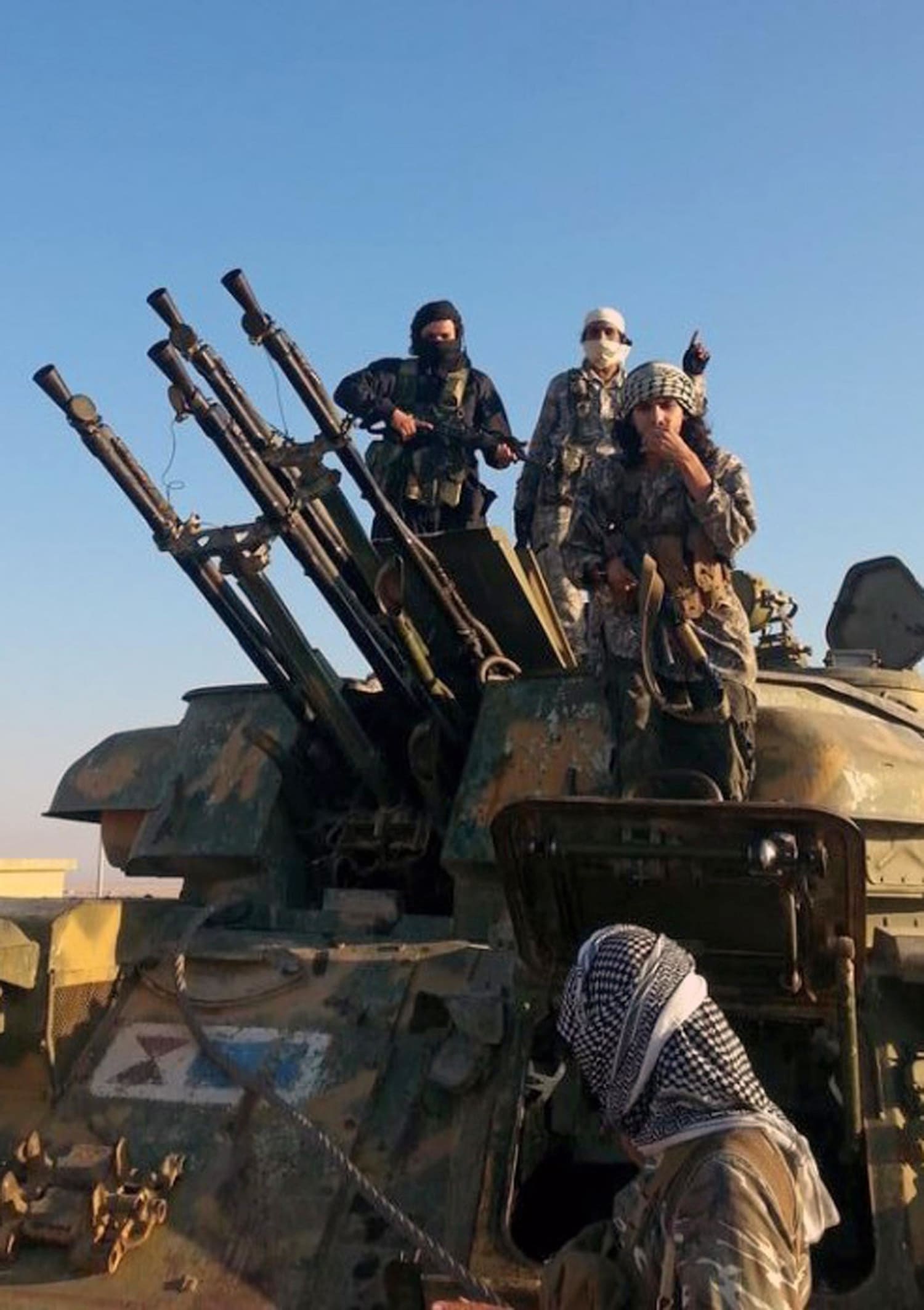
In this environment, ISIS found fertile ground to regroup networks, recruit new members and expand its action.
Particularly critical is considered by some experts the fact that the conflicts between the transitional government and the Kurdish forces in northern Syria weakened the guarding mechanisms of camps and prisons where thousands of suspected jihadists were held.
The release of a significant number of detainees reportedly contributed to the revitalization of the organization's networks.
Although the USA and European countries continue to state that they remain committed to the fight against terrorism, the latest developments reignite the discussion over whether the policies followed in Syria in recent years contributed, even indirectly, to the creation of conditions that allowed ISIS to reappear as a calculable threat.
www.bankingnews.gr













Readers’ Comments