

«We are establishing an Iranian state of affairs in the region, according to which Iran will no longer display self-restraint against any aggression or destabilization. It will cost the Americans and the Israelis pain and money, but they will get used to it». With this characteristic statement, the spokesperson of the National Security Committee of the Iranian Parliament, Ebrahim Rezaei, described a strategy that is already in full progress and which is reshaping the facts of power throughout the Middle East. Lebanon constitutes today the key testing ground of this new approach. There where for decades Western analysts believed they understood the «red lines» of Tehran, today they are watching a gradual but deep shift in Iranian strategic thinking.
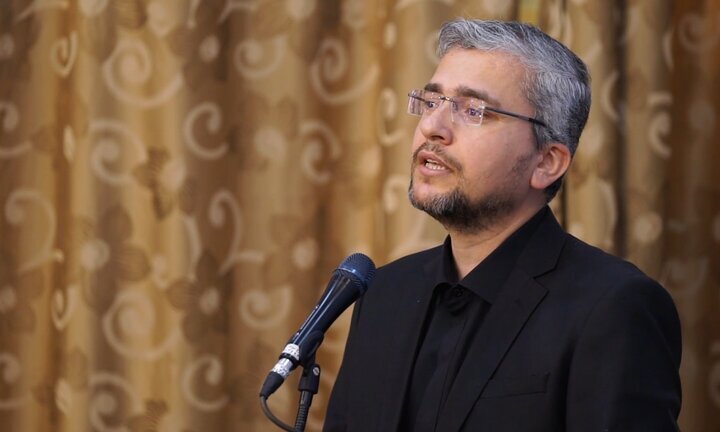
Ebrahim Rezaei
The mistake of the West regarding Iran
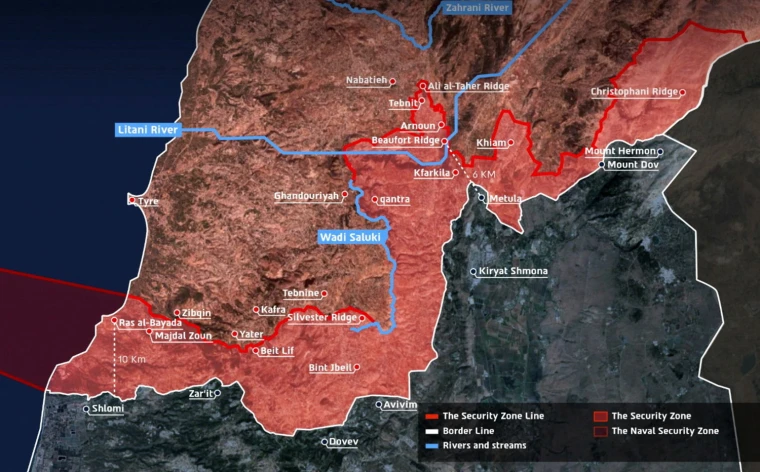
For many years, the dominant Western reading of the relation between Iran and Hezbollah was based on the assumption that it is primarily an ideological alliance. According to this view, the support of Tehran toward the Lebanese Shiite formation constituted a product of revolutionary solidarity and politico-religious bonds, which sooner or later would recede before the dictates of national interest. However, the latest developments prove that this approach was flawed. The reality is that Tehran no longer treats the security of its strategic partners as a separate issue that can be the object of negotiation or trade-offs. On the contrary, it considers that the security of Lebanon, of Hezbollah, and more generally of its allies constitutes an integral part of its own national security. It is about a fundamental shift. This strategy signals the building of a new regional architecture of deterrence, in which every attack against a core partner of Tehran is considered simultaneously an attack against the Iranian security system itself.
The end of «strategic patience»
For nearly two decades, Iran followed what many analysts called «strategic patience». Tehran chose to respond directly only when the Iranian territory itself, state structures, or critical national interests were attacked. In other cases it absorbed pressures, avoiding generalized escalation, explains the Cradle in its analysis. This policy determined the Iranian stance in a series of crises, from the assassination of Qassem Soleimani to the repeated Israeli attacks against Iranian targets in Syria and in other regions of the Middle East. Initially, this strategy was considered effective. With the passage of time however, the Iranian leadership concluded that self-restraint was perceived by adversaries not as responsibility but as weakness. Every retreat created the preconditions for new pressure. Every separate front was treated by the United States and Israel as an opportunity for further restriction of Iranian influence. Tehran considered that it was in a process of gradual attrition, where its adversaries attempted to isolate and weaken its regional allies one by one. From this experience emerged a new understanding: the fronts are not separate.
Lebanon as an extension of Iranian security
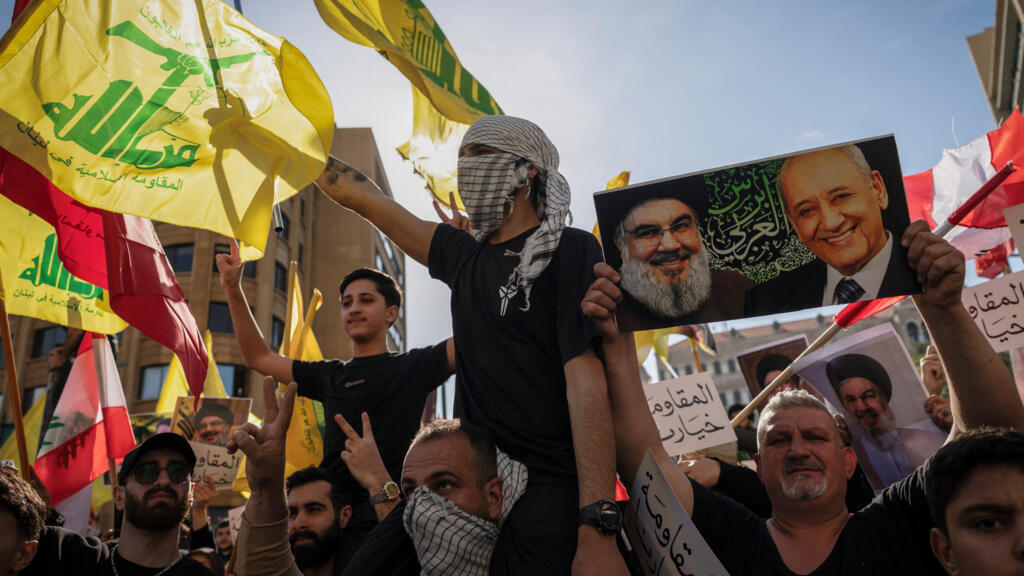
The information published in recent months shows that Iran conveyed through mediators that any ceasefire agreement should also include the termination of Israeli operations against Hezbollah in Lebanon. This position has particular significance. The United States insists on treating the various fronts of the region as separate cases. Tehran does exactly the opposite: it unifies them. The Minister of Foreign Affairs of Iran, Abbas Araghchi, formulated this approach publicly, arguing that a truce between Iran and the United States owes to cover the entirety of the fronts and that a violation at one point constitutes a violation of the overall agreement. From Tehran's perspective, this is the only way to prevent the strategy of «divide and rule».
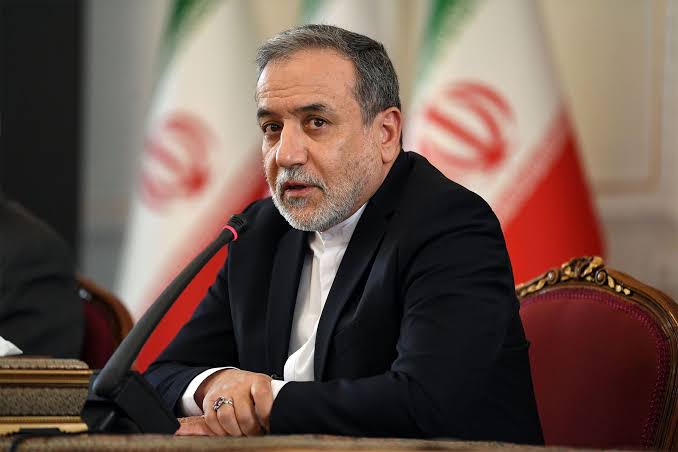
Abbas Araghchi
Credibility as a tool of power
The new Iranian approach is not based only on military calculations. It is also based on the concept of credibility. The great powers do not derive their influence exclusively from their weapon systems. They derive it from the reputation that they keep their commitments even when the cost is high. This is exactly what happens with NATO in Europe. The United States maintains military installations throughout the world not only for operational reasons but also to prove to its allies that its commitments are reliable. Iran seems to have reached the same conclusion. If it abandoned Hezbollah under conditions of pressure, the message to all its regional partners would be clear: the Iranian guarantees do not withstand periods of crisis. For a country that aspires to play a leading role in the shaping of a new security system in the Middle East, such a blow to credibility would be catastrophic. That is why the current stance of Tehran concerns much more the preservation of its credibility than the fate of a single ally.
The change of balances in the Persian Gulf
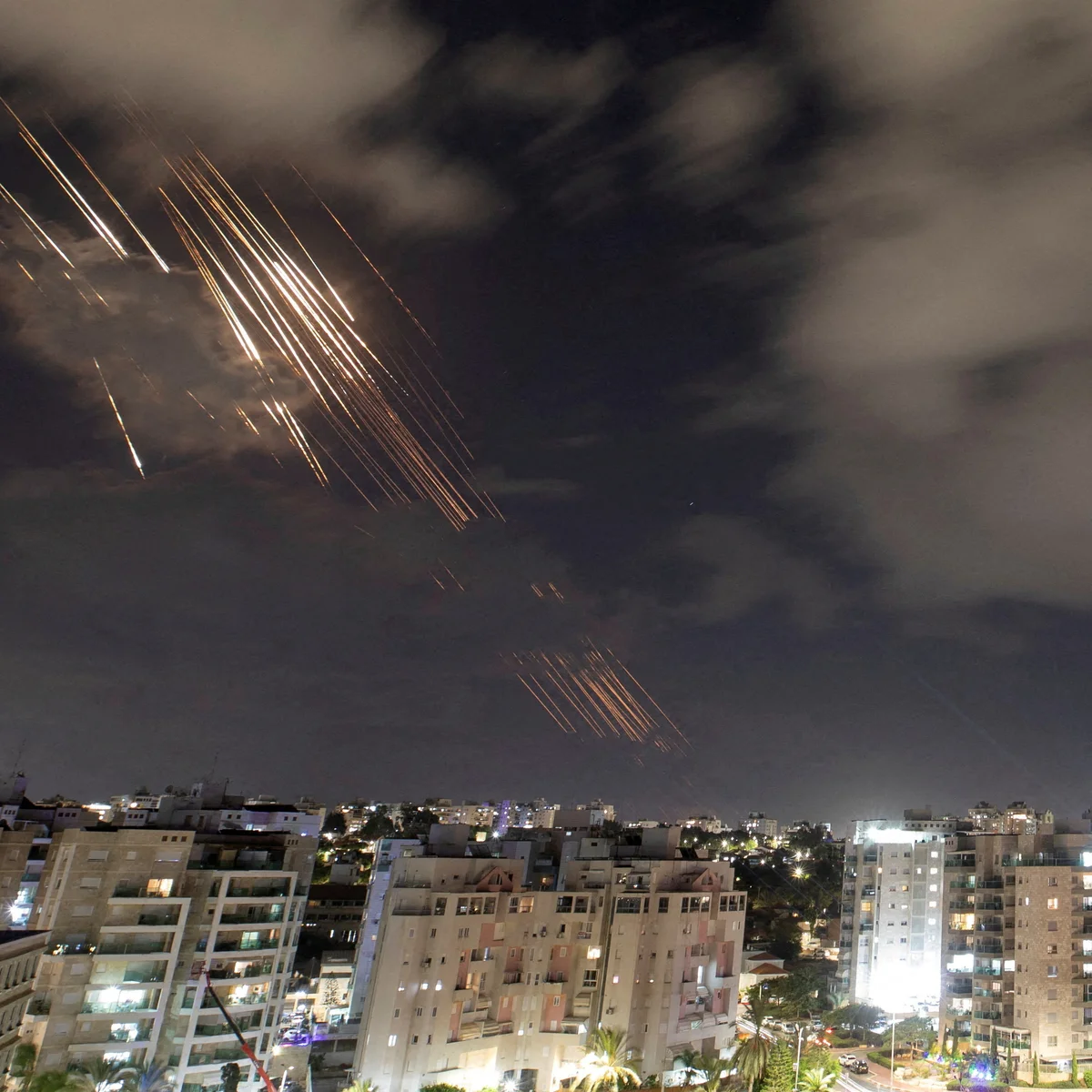
The states of the Persian Gulf are watching developments with particular attention. Despite the immense military capabilities of the United States and Israel, Tehran managed to withstand two consecutive periods of intense confrontation without retreating strategically. This fact did not pass unnoticed in the Arab capitals. The regional players now see an Iran that can absorb blows, continue to function effectively, and maintain its influence despite unprecedented pressures. Even Western media are forced to recognize that the Islamic Republic remains one of the key shapers of developments in West Asia. Geography also works in favor of Tehran.
The strategic weapon of the Strait of Hormuz
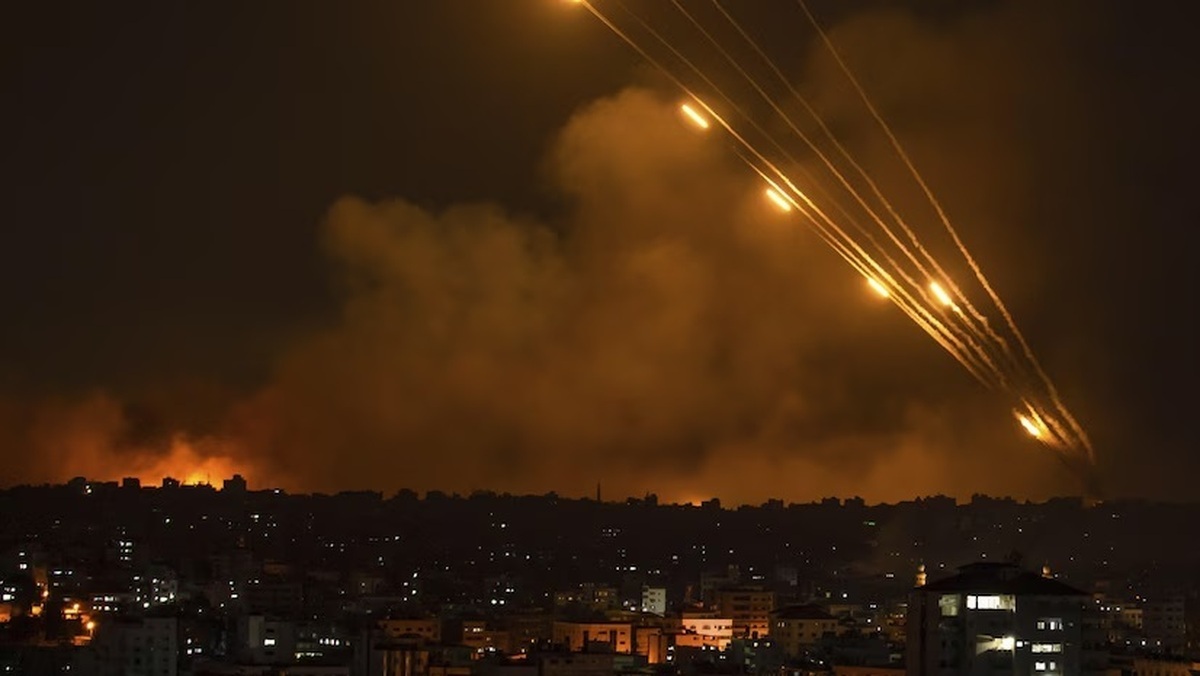
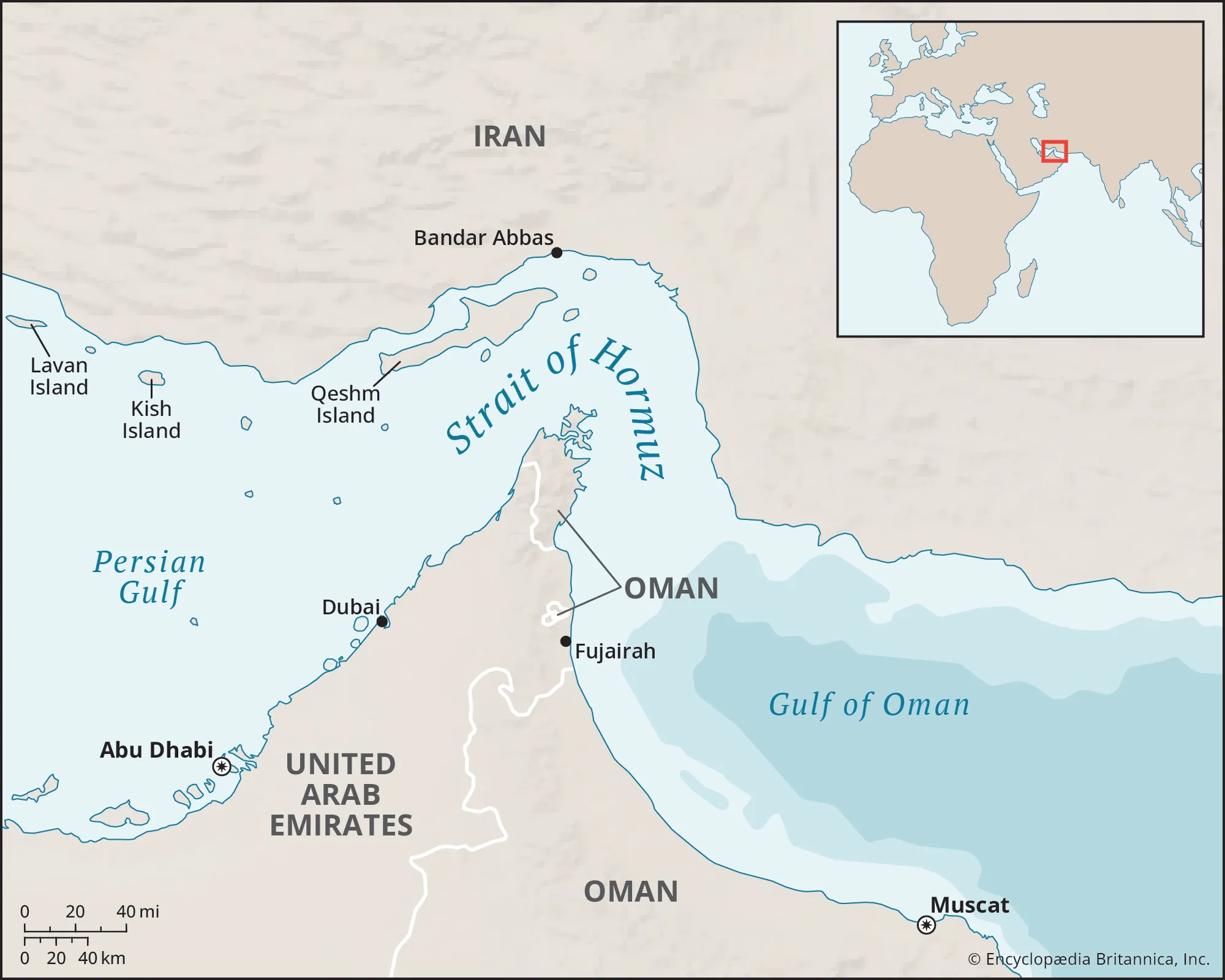
The Strait of Hormuz constitutes one of the most important geo-economic points on the planet. Approximately one-fifth of the global oil transit passes through these specific waters, which are within the strategic radius of influence of Iran. For years, this advantage functioned primarily as an indirect threat. Today it seems to be integrated more and more into the active deterrence strategy of the country. Every time negotiations between Tehran and Washington are led to a dead end, the international energy markets react immediately. Oil prices record an increase, reflecting the fear that regional stability depends to a significant degree on the choices of the Islamic Republic. In other words, geography offers Iran a timeless tool of power that no military campaign can eliminate.
The battle for the new regional order
At the depth of all these developments lies a much larger stake. Who will determine the rules of the next day in the Middle East? For decades, the United States shaped almost unilaterally the regional order through military presence, alliances, and economic influence. Today, Tehran considers that the conditions that allowed this monopoly are shifting gradually. Not because American power is collapsing, but because new poles of power and new balances are appearing. The goal of Iran is to ensure that the next regional architecture will not be designed exclusively based on American or Israeli priorities. It wants to be recognized as an equal factor with legitimate interests and a right to participate in the shaping of the rules. In this context, Lebanon is turned into a testing ground. There Tehran attempts to prove that its red lines have real content, that its commitments toward its allies are not declarations without value, and that the «Iranian state of affairs» described by Ebrahim Rezaei constitutes from now on practical policy.
Beyond strategic patience
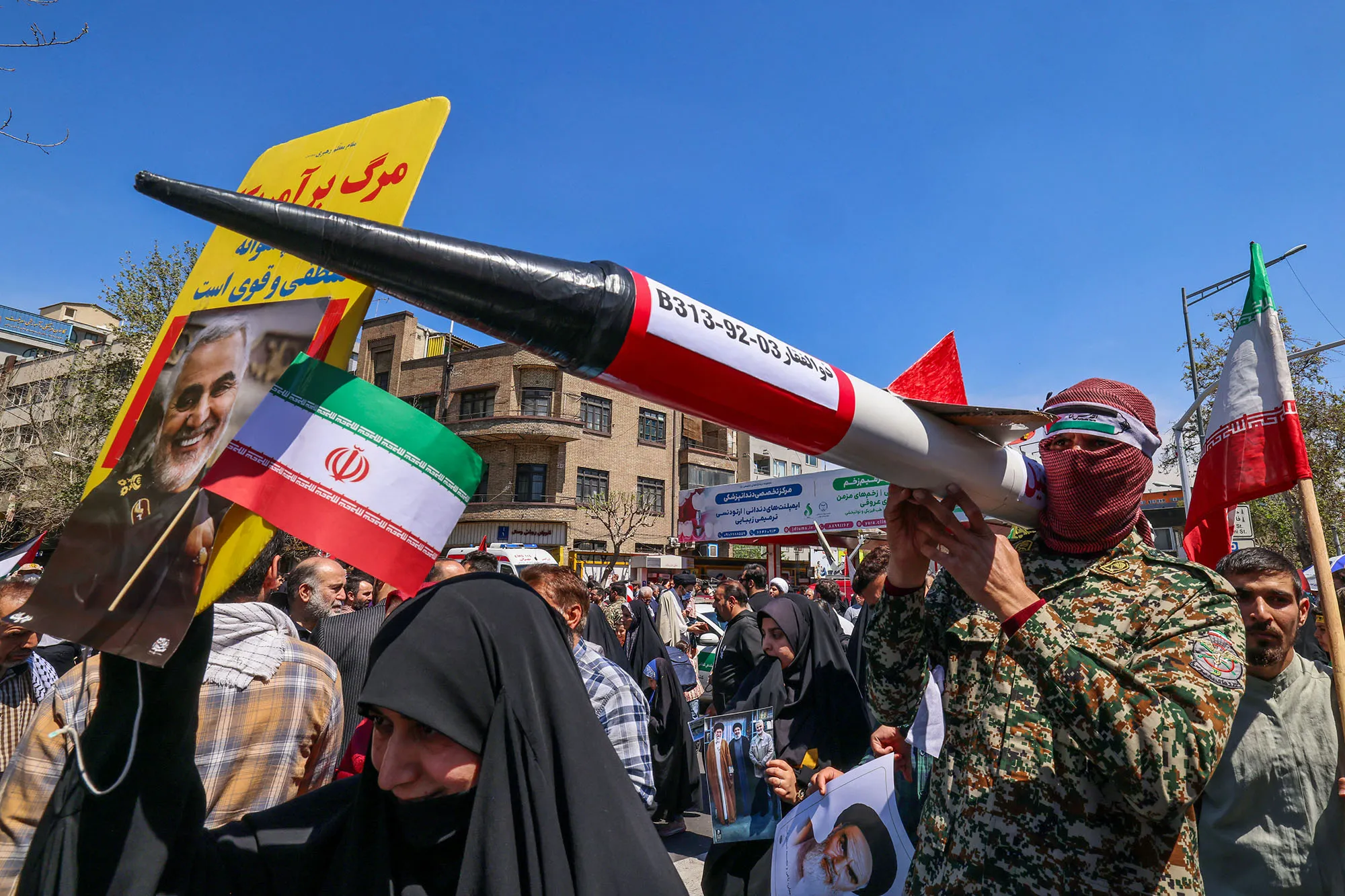
The era of absolute strategic patience seems to belong to the past. In its place emerges a new doctrine, according to which the isolation of individual fronts is met with unification of responses, pressure on an ally is considered pressure on the entire system, and the cost for the adversaries is planned to increase gradually instead of being defused. Iran has already proven that it possesses military capabilities, geographical advantages, and political will to act before its territory is directly threatened. This combination of military credibility, geopolitical position, and decisiveness constitutes the characteristics of a regional power that claims a protagonist role in the new era. Lebanon is today the point where Tehran attempts to prove this reality. And regardless of how one evaluates its policy, this effort might determine to a large degree the form of the next regional order in the Middle East.
www.bankingnews.gr













Readers’ Comments