

The toll of the Israeli reaction after the failure on the battlefield causes shock. Medical sources from Lebanon speak of at least 65 dead, 15 missing who have been buried under tons of concrete, and more than 60 injured, only from Friday's attacks in the region of Nabatiyeh.
Total ruin and hecatombs of dead shatter Lebanon, as the highly publicized ceasefire agreement turned into ashes within a few hours.
Despite the official announcements of the Israeli media regarding a cessation of hostilities, the forces of Tel Aviv unleashed an unprecedented, murderous pounding in the south and the east of the country.
The response of Hezbollah was immediate and fierce, both on the battlefield, with a lethal strike against Israeli armor, and on the political forefront, unleashing a severe attack against the government of Lebanon itself.
Rain of phosphorus and cluster bombs in Nabatiyeh
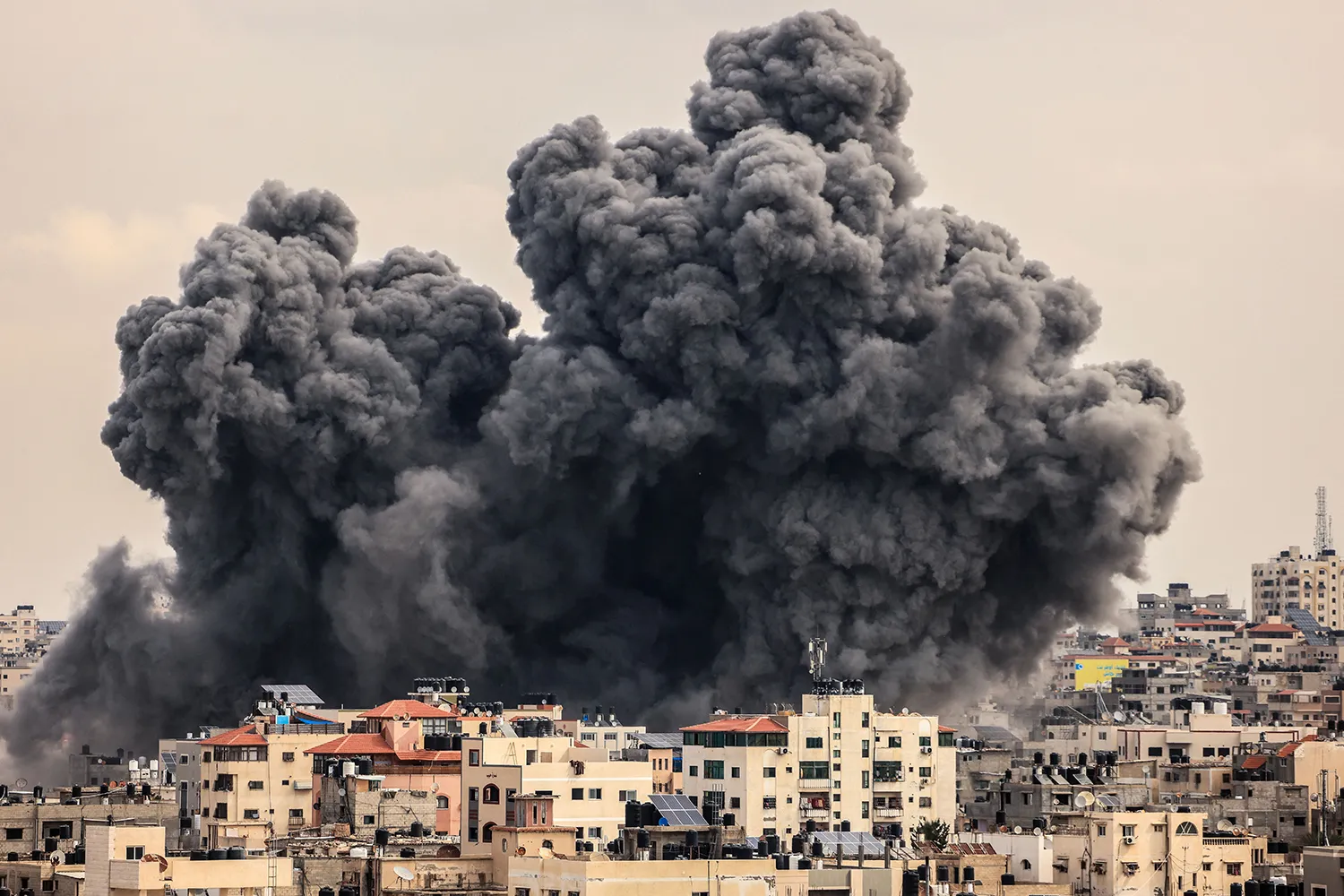
The scene of destruction unfolded from early Saturday morning, when the artillery of the Israeli regime began relentlessly pounding the Ali Taher area in the suburbs of Nabatiyeh Fuqa.
Local media of Lebanon broadcast shocking reports according to which the occupation forces used white phosphorus bombs and banned cluster bombs, causing asphyxiation and incalculable destruction in residential zones.
At the same time, the television network Al Jazeera broadcast that the Israeli air force leveled entire neighborhoods in the towns of Kafr Roman, Shokin, and Kafr Jawz in the wider region of Nabatiyeh. The missiles also struck the Western Bekaa in the east of the country, while heavy bombardments were also reported in the city of Yarish in the region of Tyre.
The ceasefire proved to be a deadly dead letter.
The Israeli provocations continued with the deployment of unmanned aerial vehicles, drones.
One of them located and executed with a direct strike a motorcycle rider in the central square of Kafr Roman, or Kafr Arman, with the Al-Mayadeen network confirming his instantaneous death. Within just a single twenty-four hour period, Israeli fighters and drones carried out more than 130 airstrikes, turning the region of Nabatiyeh and surrounding settlements, such as Kafr Tibnit, into a hell of fire.
The strategic battle and the lethal ambush on Ali al-Taher hill - Hezbollah: «Operation Ashura has begun - 3 Merkava tanks to ashes»
The surge in Israeli bombardments was not accidental.
It constituted Israel's immediate response to a heavy military defeat it suffered on the ground by the fighters of Hezbollah.
The Ali al-Taher hill, north of the Litani river, constitutes the key for controlling the city of Nabatiyeh and the wider Al-Tuffah region, as whoever holds it has a full visual and operational view of the central sector of southern Lebanon.
An Israeli force attempted to infiltrate from the northern side of these strategic heights, but fell into a well-set ambush.
The fighters of the Islamic resistance used a deadly combination of guided missiles, mortars, heavy artillery, and assault drones.
In the fierce clashes that followed, several Merkava battle tanks and military vehicles were successfully targeted.
According to reports from Hebrew media, such as the Kan channel, the command tank was hit by a suicide drone equipped with an anti-tank warhead on the outskirts of Kafr Tibnit.
This strike led to the death of Colonel Dov Gedaliah Ben-Samhoun, commander of the 52nd Battalion of the 401st Armored Brigade, as well as four more soldiers and officers, while another 17 were injured, forcing the Israeli force into a retreat.
In its statement, the organization argued that from November 27, 2024 and onwards, Israel repeatedly violated all ceasefire agreements, including the recent understandings that were allegedly reached between Iran and the United States aiming at the termination of conflicts on all fronts.
Hezbollah accused the Israeli forces of attacks against civilians and destruction of critical infrastructure, arguing that the Israeli operations continued even after the failure of the advancement of their forces toward the Ali al-Taher heights.
At the same time, the organization announced that its fighters destroyed three Merkava battle tanks using guided missiles, presenting the event as an indication of its capability to continue the resistance despite the Israeli military pressure.
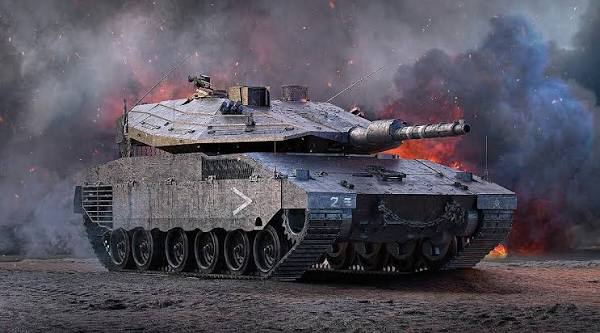
(Merkava)
Hecatomb of dead and dozens missing in the debris
The toll of the Israeli reaction after the failure on the battlefield causes shock. Medical sources from Lebanon speak of at least 65 dead, 15 missing who have been buried under tons of concrete, and more than 60 injured, only from Friday's attacks in the region of Nabatiyeh.
For its part, the Ministry of Health of Lebanon officially announced that the dead from the barrage of attacks in the south and the east of the country amount to 47, while the injured exceed 97.
These numbers are expected to increase dramatically, as rescue teams and ambulances are unable to approach the leveled buildings due to the ongoing fire.
Political front: Fierce attack by Hezbollah on the Lebanese government
The dramatic escalation is now acquiring deep political dimensions inside Lebanon.
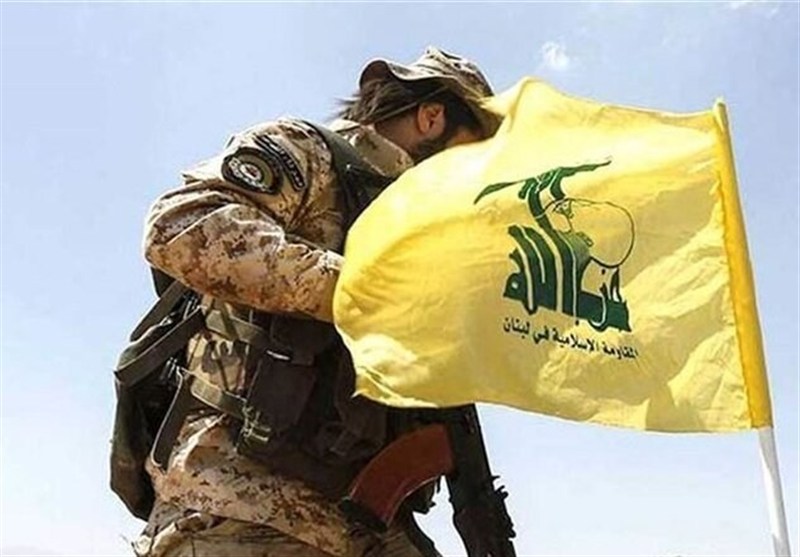
Top officials of Hezbollah unleashed a severe attack against the government of Beirut, accusing it of passivity and submission to American dictates.
Ali Ammar, a top lawmaker of the political bloc Loyalty to the Resistance, stated during a memorial service for the fallen that the region is passing through an extremely sensitive and dangerous phase due to the conspiracies planned by the United States and executed by Israel.
Ali Ammar characterized the direct negotiations of the Lebanese authorities with the enemy as «useless» and «shameful», emphasizing that the government shows indifference to the immense sacrifices being made for the defense of the country's sovereignty.
He even called on the people to form a strong shield around the Resistance, drawing strength from the historical lessons of Karbala.
The ultimatum for the ceasefire and the role of Iran
Moving on the same wavelength, the other lawmaker of Hezbollah, Ali Fayyad, cleared up the red lines of the organization regarding the ceasefire agreement.
Speaking to the Tasnim News Agency, Ali Fayyad underlined that recent diplomatic developments and the military support of Iran create an effective balance of power that can force Israel to withdraw.
However, Ali Fayyad exercised severe criticism on the domestic politics of the country, noting: «Unfortunately, the priority of the Lebanese government is the monopoly of weapons and disarmament, not the liberation of territories.
With this defeatist stance, the government places itself outside the equation of power».
Closing, the official of Hezbollah sent a clear message in every direction, making it clear that the position of the Resistance is non-negotiable: «A ceasefire is completely pointless and meaningless as long as the enemy continues the attacks, the assassinations of cadres, and maintains troops on our soil.
Every aggressive action gives us the absolute right to self-defense and the presence of even one Israeli soldier on Lebanese soil legitimizes the continuation of our struggle until full liberation».
«The plan for our extermination failed – Israel will leave Lebanon»
The secretary-general of Hezbollah, Naim Qassem, stated that the plan to destroy the organization has failed and that Israel's goals have been led to a dead end.
In statements, Qassem argued that the final victory is inevitable, emphasizing that it will be marked by the full and definitive departure of the Israeli forces from every inch of Lebanese soil.
The leader of Hezbollah appeared confident about the outcome of the conflict, underlining that the organization remains strong despite the military pressures and the operations that have been carried out against it in recent months.
Netanyahu: «Hezbollah will pay a very heavy price»
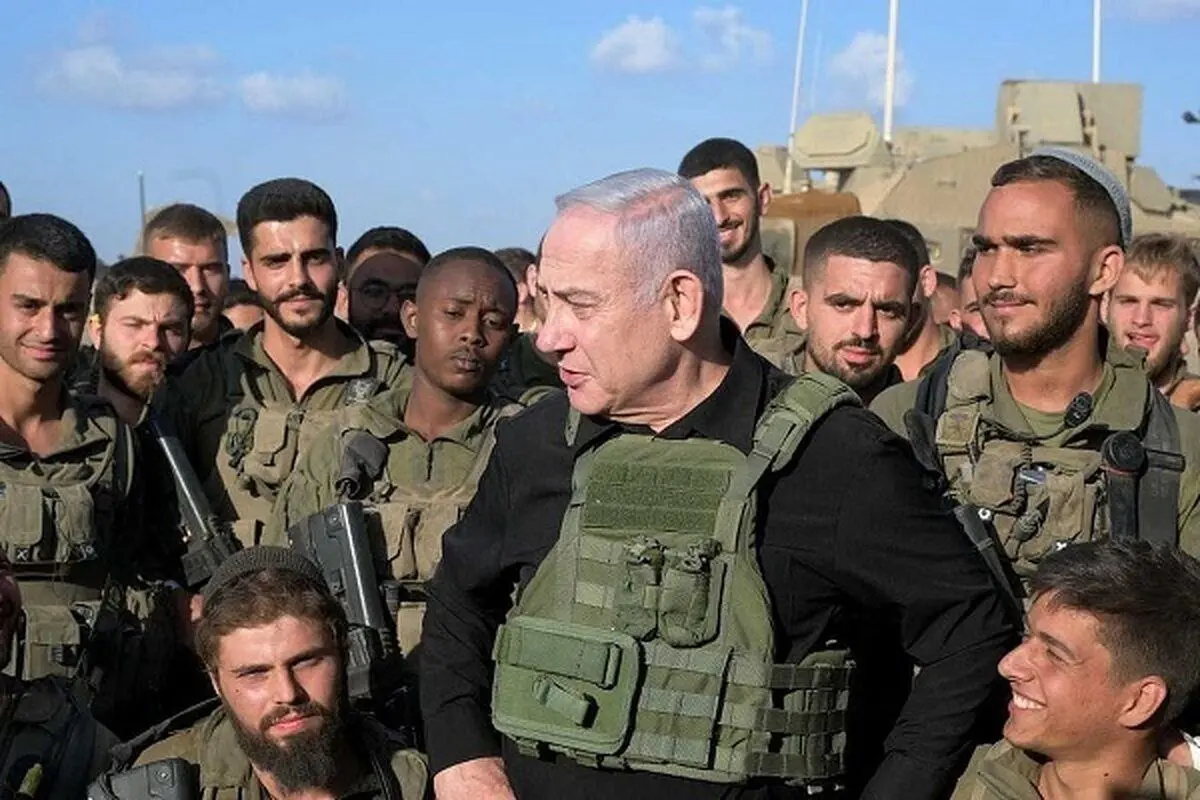
Earlier, and after consultations with the Minister of Defense Israel Katz and the military leadership, Prime Minister Benjamin Netanyahu announced that he gave an order for strong strikes against Hezbollah, arguing that the organization violated the trust required for maintaining the ceasefire.
According to the Israeli statements, approximately 80 targets of Hezbollah were hit in various regions of Lebanon, while attacks were also carried out in the Bekaa region.
Particular concern is caused by the insistence of the Israeli leadership to maintain a military presence in the so-called «security zone» of southern Lebanon, despite international reactions and calls for full withdrawal.
Netanyahu stated characteristically that the Israeli forces will remain in the southern Lebanese security zone «for as long as required».
Ben-Gvir: The whole of Lebanon must burn
Even more extreme was the intervention of the Minister of National Security of Israel, Itamar Ben-Gvir.
Following the death of four Israeli soldiers, the far-right minister proceeded to inflammatory statements via social networks, arguing that «the whole of Lebanon must burn».
Ben-Gvir further mentioned that «for every tear of an Israeli mother, a thousand Lebanese mothers must cry», causing intense reactions and bringing back to the forefront the accusations of collective punishment of the Lebanese population.
These statements are considered by many analysts as indicative of the hard line that dominates in segments of the Israeli government, at a time when the international community calls for de-escalation.
www.bankingnews.gr








Readers’ Comments