

New mobility appears to be recorded around the Ukrainian issue – at least from the West's side - as according to a publication by the Economist unofficial contacts have resumed between the United States and Russia, while at the same time contacts continue between Kyiv and the staff of Donald Trump.
This information reinforces the estimations that, despite the ongoing conflict, behind-the-scenes efforts are underway to shape a framework that could lead to a future political settlement.
According to the British publication, one of the scenarios being examined concerns a two-stage ceasefire process.
Initially, it would provide for a restriction of military operations in a zone of 50 to 70 kilometers on either side of the line of contact and then negotiations for a broader agreement would follow.
However, even Ukrainian sources appear skeptical as to the prospects of immediate progress, estimating that Moscow will hardly alter its negotiating stance before autumn 2026.
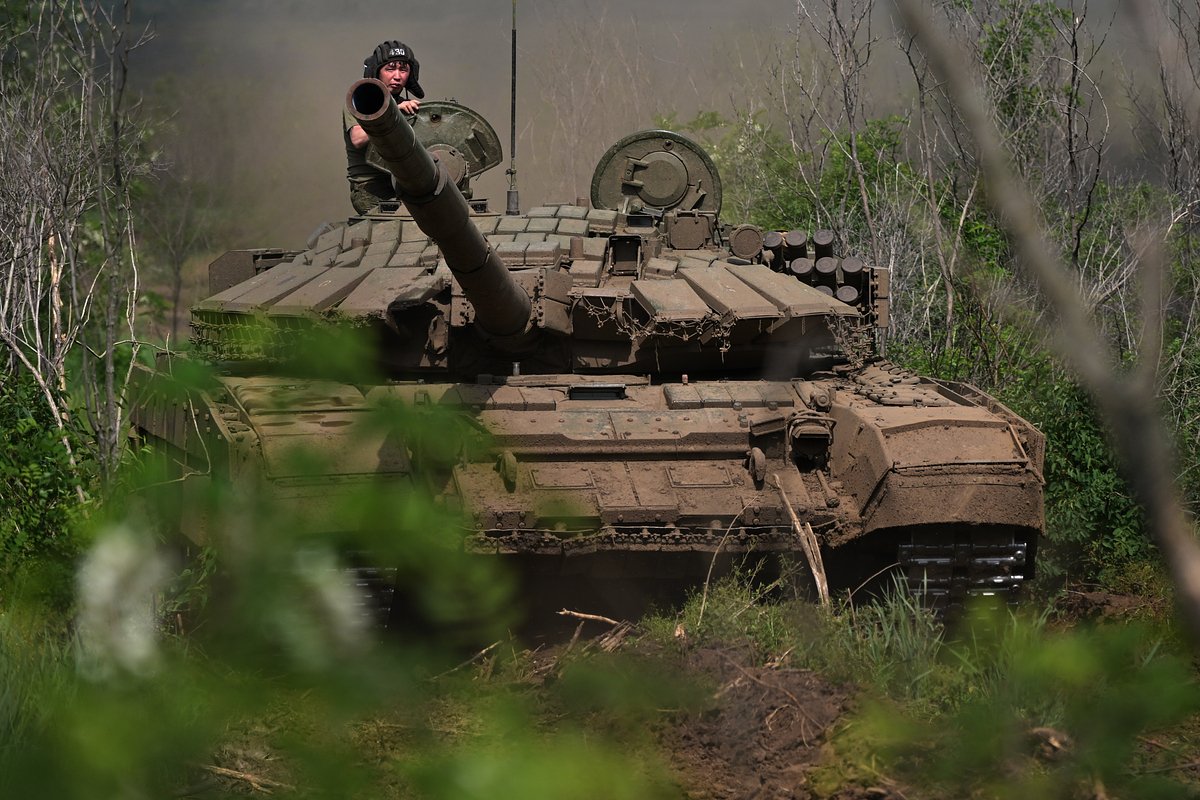
Moscow rejects the «freezing» of the conflict
In Russia, the proposal to freeze the conflict at the current line of contact is met with absolute refusal.
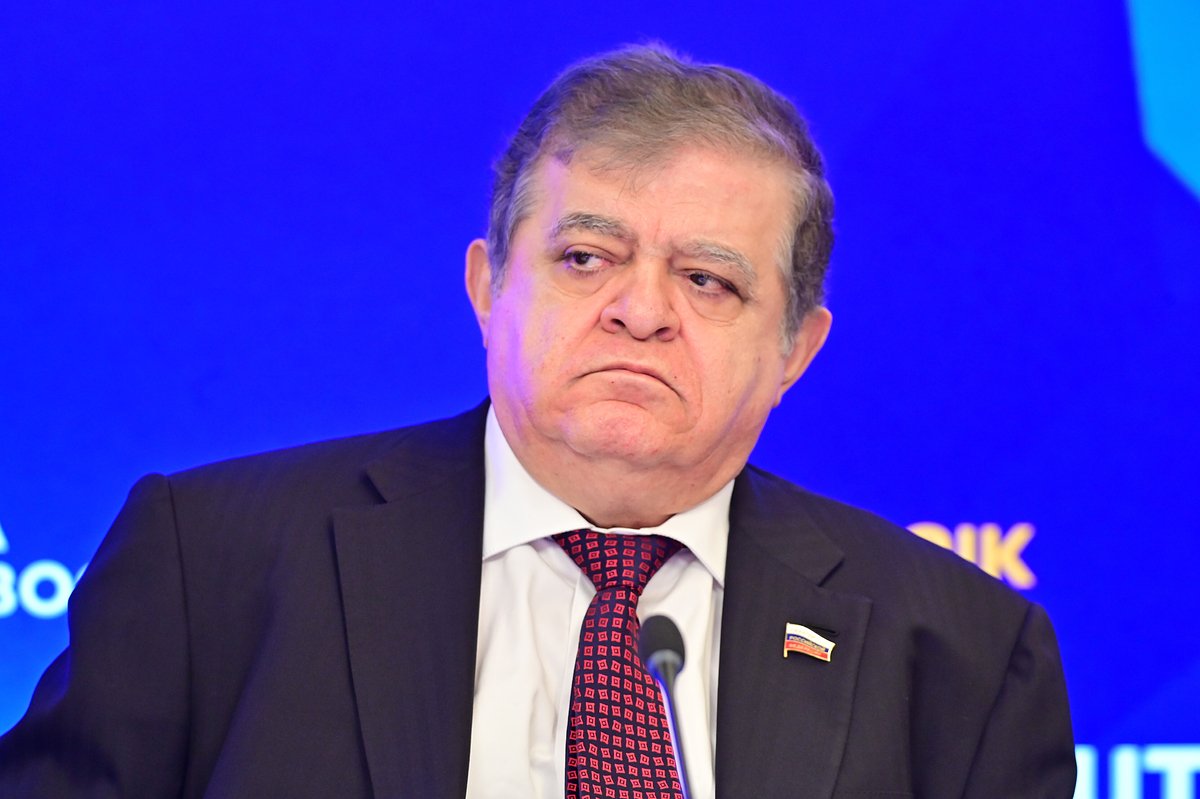
The Russian senator Vladimir Dzhabarov argued that such a development would mainly serve Ukraine, giving it time to regroup militarily and prepare for a new round of conflicts.
According to him, the freezing of operations does not constitute a real peace solution but a temporary suspension of conflicts, which could lead to an even greater crisis in the future.
This position reflects broader concerns expressed in the Russian political scene, where several officials consider that the West seeks to gain time through a temporary agreement without addressing the deeper causes of the conflict.
Lavrov: The US cannot be a neutral mediator - Negative surprise with Rubio
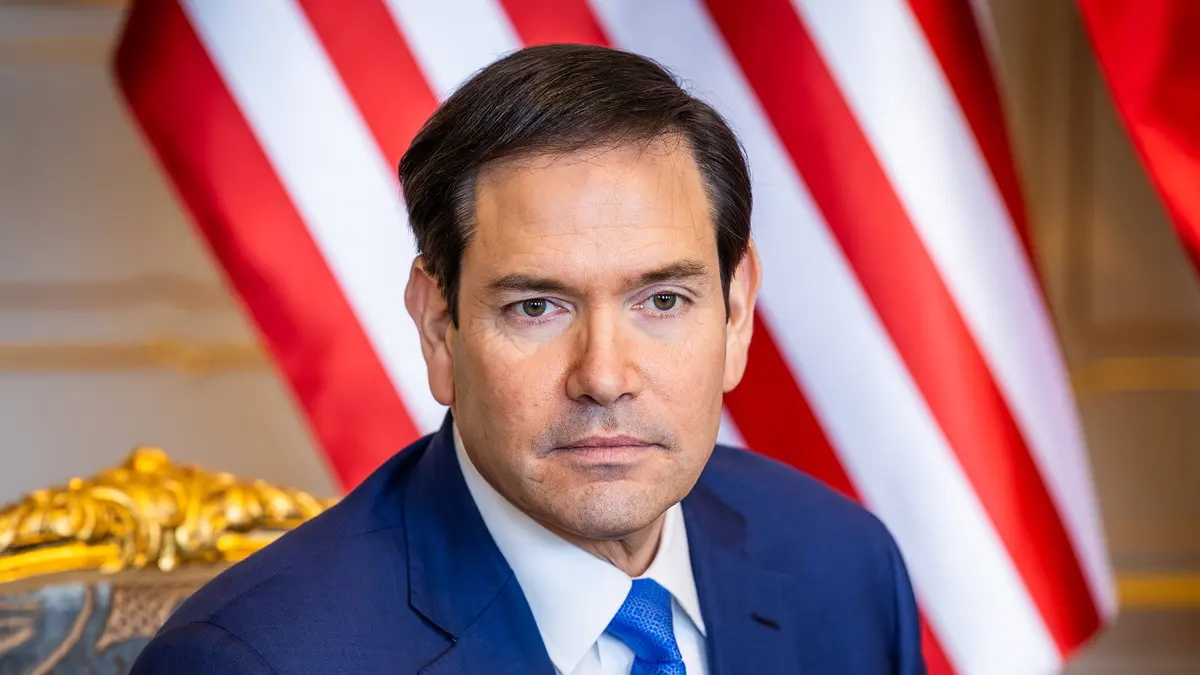
A particular sensation was caused in Moscow by the statements of the American Secretary of State Marco Rubio, who admitted that the United States cannot be considered a neutral mediator in the talks on Ukraine due to the military and economic support they provide to Kyiv.
The Russian Minister of Foreign Affairs Sergei Lavrov characterized the statement a «surprise», pointing out that Washington continues to actively support Ukraine both through sanctions and through programs to reinforce the Ukrainian defense industry.
This positioning is considered important by the Russian side, as it publicly recognizes that the United States does not constitute a third neutral party in the conflict but an active supporter of the Ukrainian government.
Zelensky: The negotiations will continue
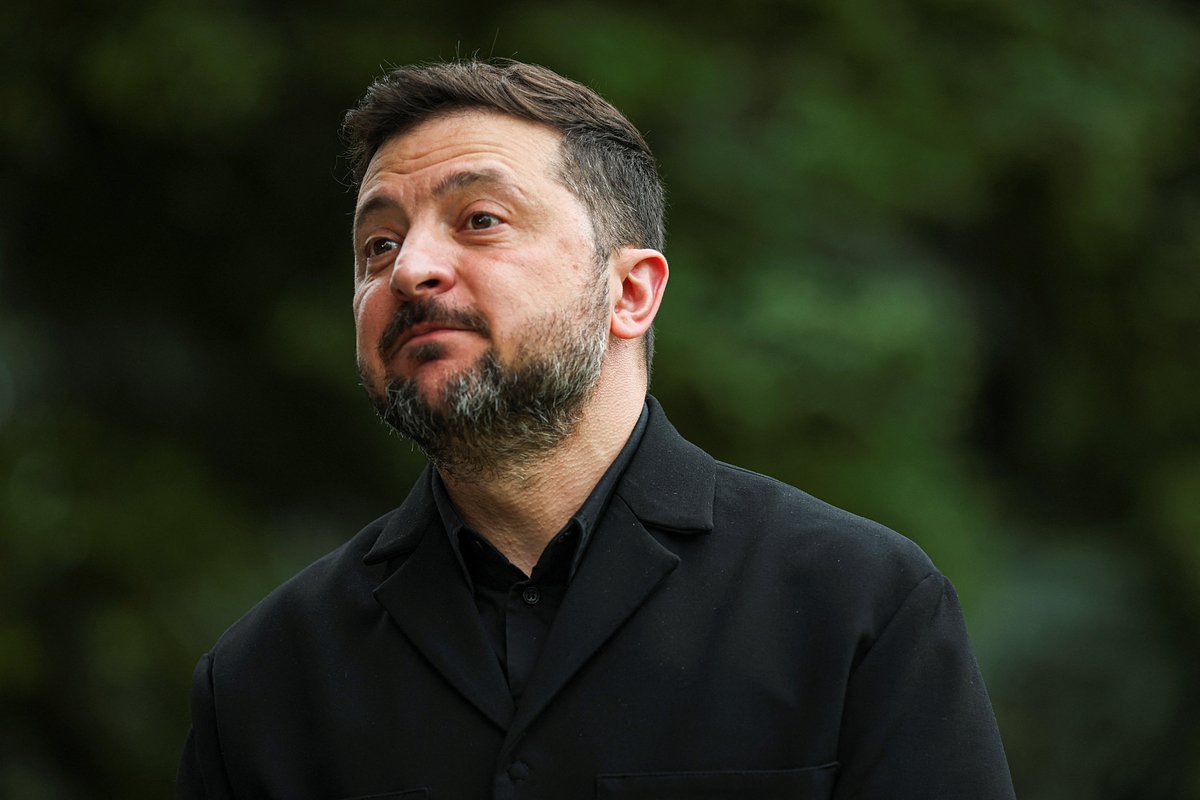
The negotiations for achieving a ceasefire between Russia and Ukraine are expected to continue, however it remains unknown in what format they will be conducted, reported the Ukrainian media Suspilne, citing statements of the Ukrainian president Volodymyr Zelensky.
According to Zelensky, the talks aiming at ending the war will restart, however the exact framework for conducting them has not yet been determined.
The Ukrainian president underlined the importance of a bilateral negotiation format with the mandatory participation of international partners.
Lula da Silva at the forefront of mediation efforts
At the same time, Ukraine is seeking new channels of communication with Moscow.
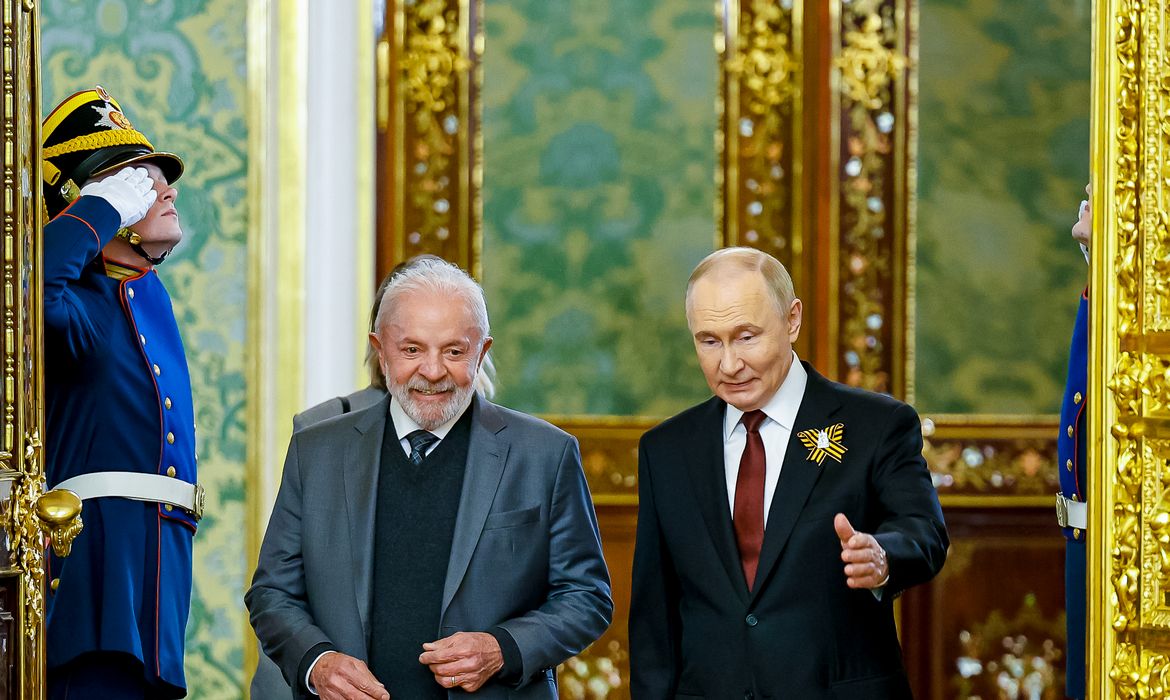
According to the Brazilian media UOL, Volodymyr Zelensky asked the president of Brazil, Luis Lula da Silva, to play a role of mediator between Kyiv and Moscow.
The choice of Lula da Silva is not considered accidental, as Brazil maintains open channels both with the West and with Russia, while the Brazilian president maintains a personal communication relationship with Vladimir Putin.
A possible meeting between Lula da Silva and Putin on the sidelines of the BRICS summit in New Delhi could acquire particular importance for the course of diplomatic processes.
From the Russian side, this initiative was characterized as an effort to exert additional pressure toward Moscow ahead of the continuation of negotiations.
Europe divided against Russia
The European Union appears divided as to the possibility of resuming direct contacts with Russia to search for a solution to the war in Ukraine, according to a publication by Politico.
At the center of the disagreement is the proposal for the creation of a direct channel of communication between the EU and Moscow, an initiative reportedly promoted by the president of the European Council, António Costa.
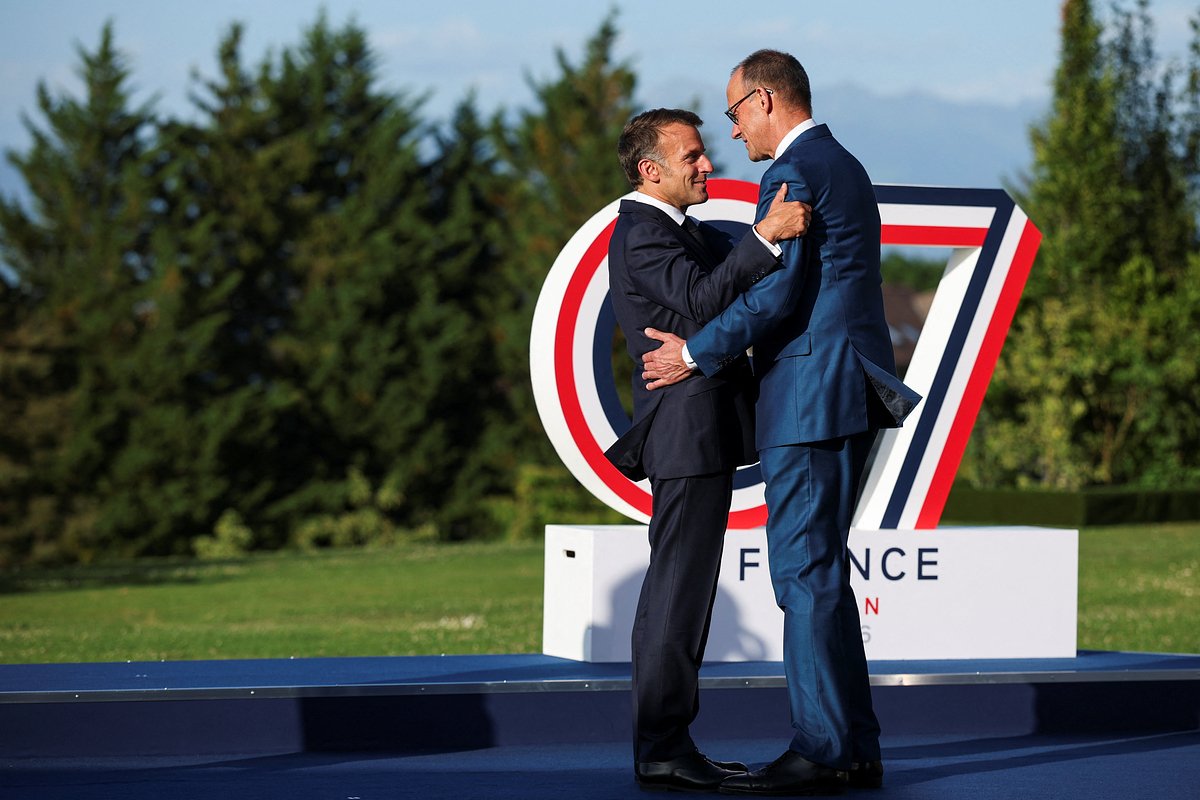
Against this prospect stand the president of France, Emmanuel Macron, and the chancellor of Germany, Friedrich Merz, who consider that the right time for direct talks with the Kremlin has not yet come.
They argue that, when conditions mature, the leading role should be assumed by the so-called «Eurotroika» – France, Germany, and the United Kingdom.
On the other side, countries like Italy and Poland express support for the need for direct European contacts with Russia, underlining that the EU must have an active role in the diplomatic processes for Ukraine.
The discussion within the Union intensifies as international developments bring the Ukrainian issue back to the forefront, highlighting the different approaches of the member-states regarding how and under what conditions there should be dialogue with Moscow.
Peskov: Pressure will not bring a result
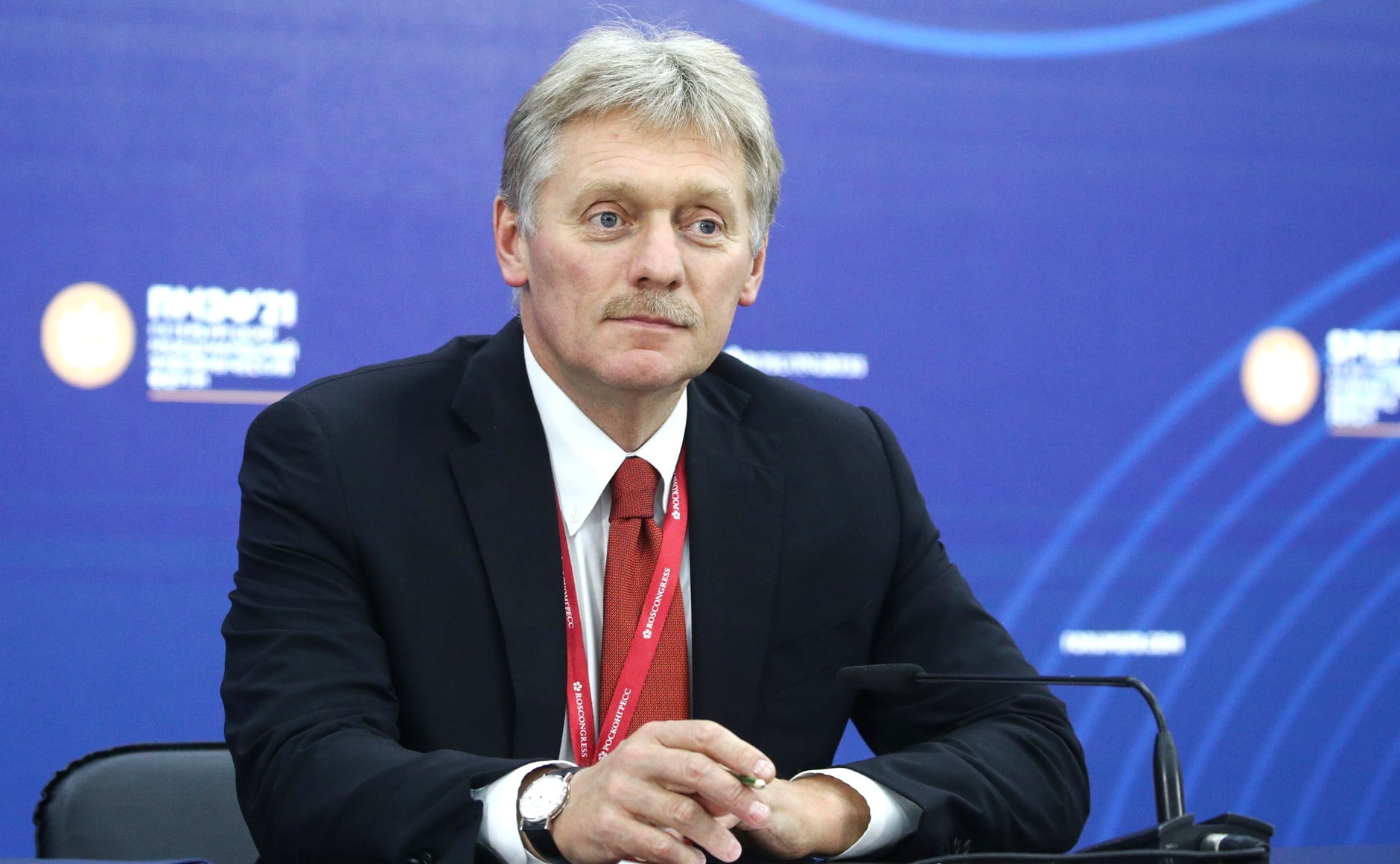
The Kremlin spokesperson Dmitry Peskov argued that several European leaders still wrongly believe that Russia can be led to concessions through political and economic pressure.
As he emphasized, Moscow remains open to negotiations, but is not going to accept talks conducted under a status of threats or ultimatums.
The Russian leadership considers that the situation in the field of operations shapes new facts and that any future agreement should take into account today's reality and Russian security demands.
The window of diplomacy remains open
Despite the deep differences between the involved sides, the resumption of unofficial contacts between Washington and Moscow, the mobility of third countries like Brazil, and the increasing discussions inside Europe show that the diplomatic path has not closed.
The question that remains is whether international initiatives will lead to a real political solution or whether they will be limited to temporary settlements that will leave open the possibility of new conflicts in the future.
www.bankingnews.gr



Readers’ Comments