

Developments in the Middle East are torrential, at a dangerous turning point of the war crisis that has engulfed the wider region while the American President Donald Trump announced a truce in Lebanon in a highly contradictory message.
Israel and Hezbollah agreed to a truce taking effect at 16:00 local time on Friday (20/6/2026), as international media reported.
However, even before the alleged implementation of the agreement, military operations continued with unabated intensity, raising serious questions about the viability of any diplomatic de-escalation effort.
According to reports by Reuters, a senior American official reportedly confirmed that a ceasefire agreement was reached.
At the same time, CNN, citing sources, reported that the United States assured Iran that Israel does not plan further escalation of its attacks in Lebanon.
However, the events on the ground showed a different picture.
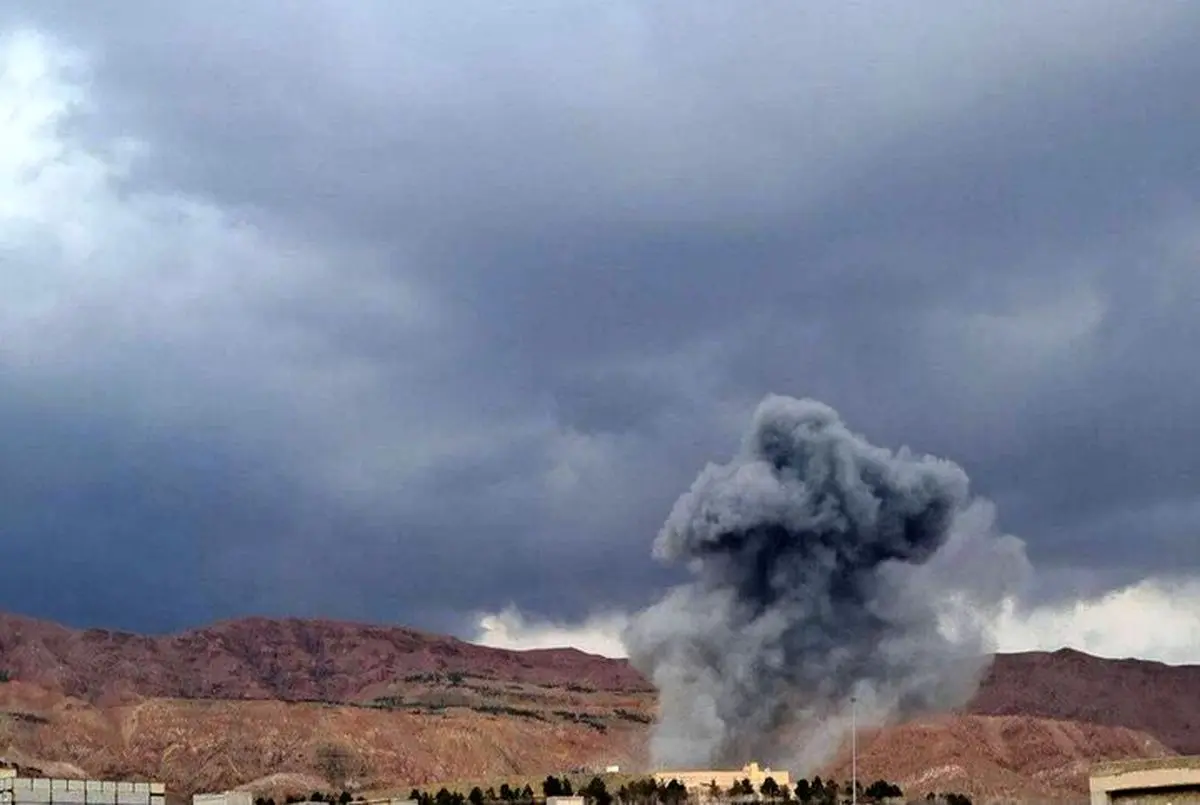
Hezbollah: "Operation Ashura has begun - 3 Merkava tanks to ashes"
Hezbollah officially announced the launch of Operation "Ashura" for the defense of Lebanon, accusing Israel of never respecting any ceasefire agreement.
In its announcement, the organization claimed that from November 27, 2024 onwards Israel repeatedly violated all truce agreements, including the recent understandings reportedly reached between Iran and the United States aimed at ending conflicts on all fronts.
Hezbollah accused the Israeli forces of attacks against civilians and destruction of critical infrastructure, claiming that the Israeli operations continued even after the failure to advance their forces toward the Ali al-Taher heights.
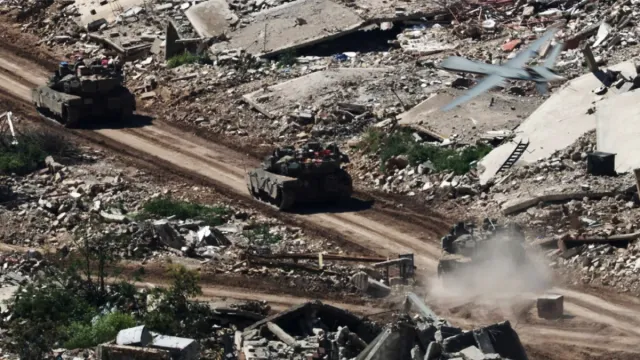
At the same time, the organization announced that its fighters destroyed three Merkava battle tanks using guided missiles, presenting the event as an indication of its capacity to continue resistance despite Israeli military pressure.
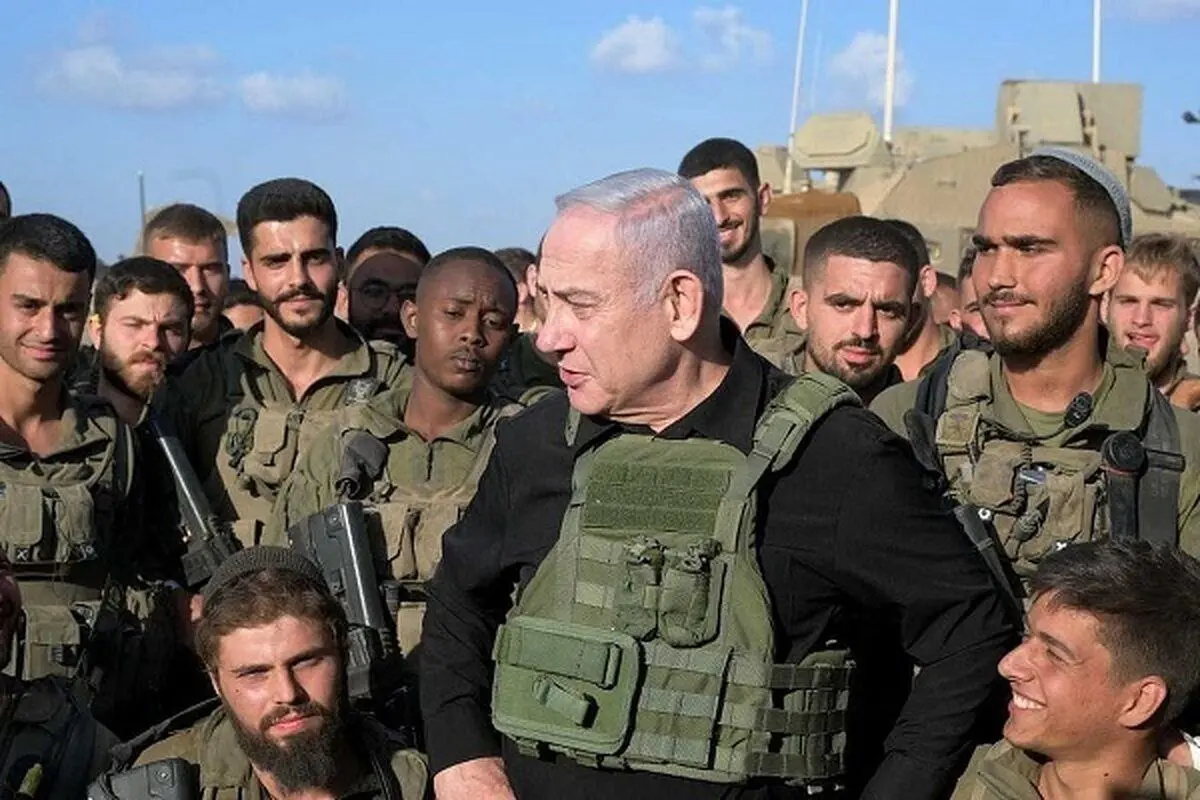
Netanyahu: "Hezbollah will pay a very heavy price"
From the Israeli side, Prime Minister Benjamin Netanyahu adopted particularly harsh rhetoric, stating that Israel is not going to tolerate attacks against its forces.
After consultations with the Minister of Defense Israel Katz and the military leadership, Netanyahu announced that he gave orders for powerful strikes against Hezbollah, claiming that the organization violated the trust required for maintaining the truce.
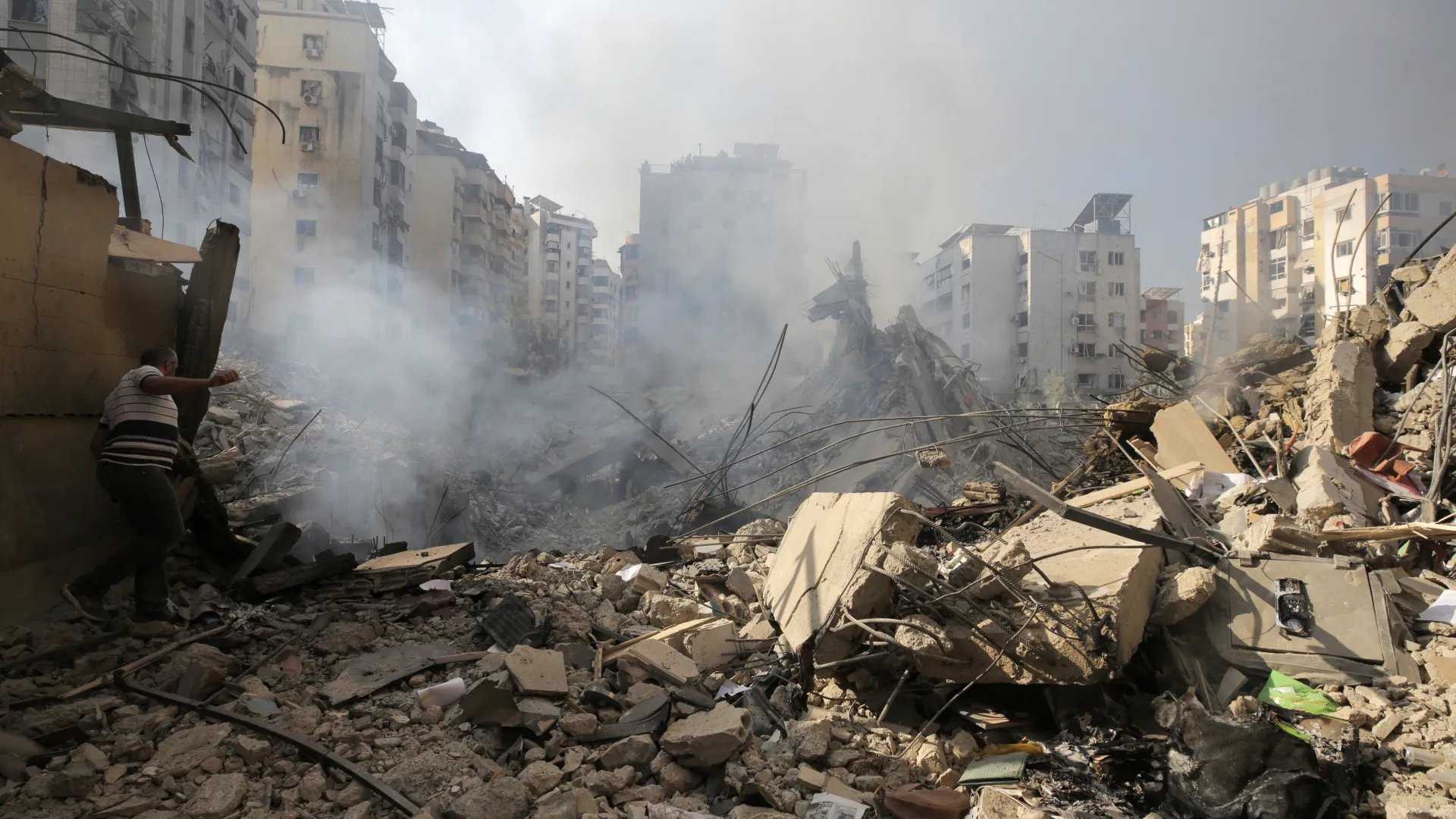
According to Israeli statements, approximately 80 targets of Hezbollah were hit in various areas of Lebanon, while attacks were also carried out in the Bekaa region.
Particular concern is caused by the persistence of the Israeli leadership to maintain a military presence in the so-called "safety zone" of southern Lebanon, despite international reactions and calls for full withdrawal.
Netanyahu characteristically stated that the Israeli forces will remain in the southern Lebanese safety zone "for as long as required".
Ben-Gvir: Entire Lebanon must be burned
Even more extreme was the intervention of the Minister of National Security of Israel, Itamar Ben-Gvir.
Following the death of four Israeli soldiers, the far-right minister made inflammatory statements via social networks, claiming that "entire Lebanon must be burned".
Ben-Gvir further stated that "for every tear of an Israeli mother, a thousand Lebanese mothers must cry", provoking intense reactions and bringing back to the forefront accusations of collective punishment of the Lebanese population.
These statements are considered by many analysts to be indicative of the hard line that dominates parts of the Israeli government, at a time when the international community calls for de-escalation.

New raids in Nabatiyeh and Baalbek
Despite reports of an imminent truce, correspondents of Al Jazeera broadcasted new Israeli airstrikes in the city of Nabatiyeh and in the surrounding areas of southern Lebanon.
At the same time, according to information from Al Mayadeen, Israeli strikes on the outskirts of Baalbek caused the death of three people and the injury of another five.
These attacks reinforce concerns that the conflict is in a phase of dangerous escalation, despite the diplomatic efforts being made behind the scenes.
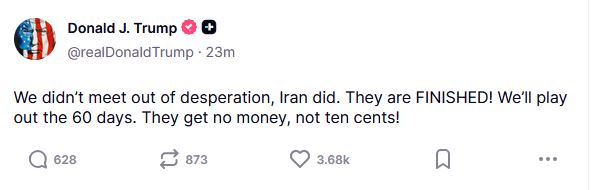
Trump: Iran is finished, it has no airforce nor navy
And while international media broadcast information regarding a truce in Lebanon, the American President Donald Trump proceeded to a highly aggressive statement against Iran, completely reversing reality.
"The war has diminished Iran!
It doesn't, any longer, have an Air Force, a Navy, Antiaircraft Equipment, Radar, or practically anything else, and yet the "Dumocrats" say that Iran is in a better condition now than it was four months ago.
Can you imagine them getting away with such lies??? How stupid can some people be???" he mentions in his post on social media.
Trump's complete submission: The US will support Israel if it attacks Iran
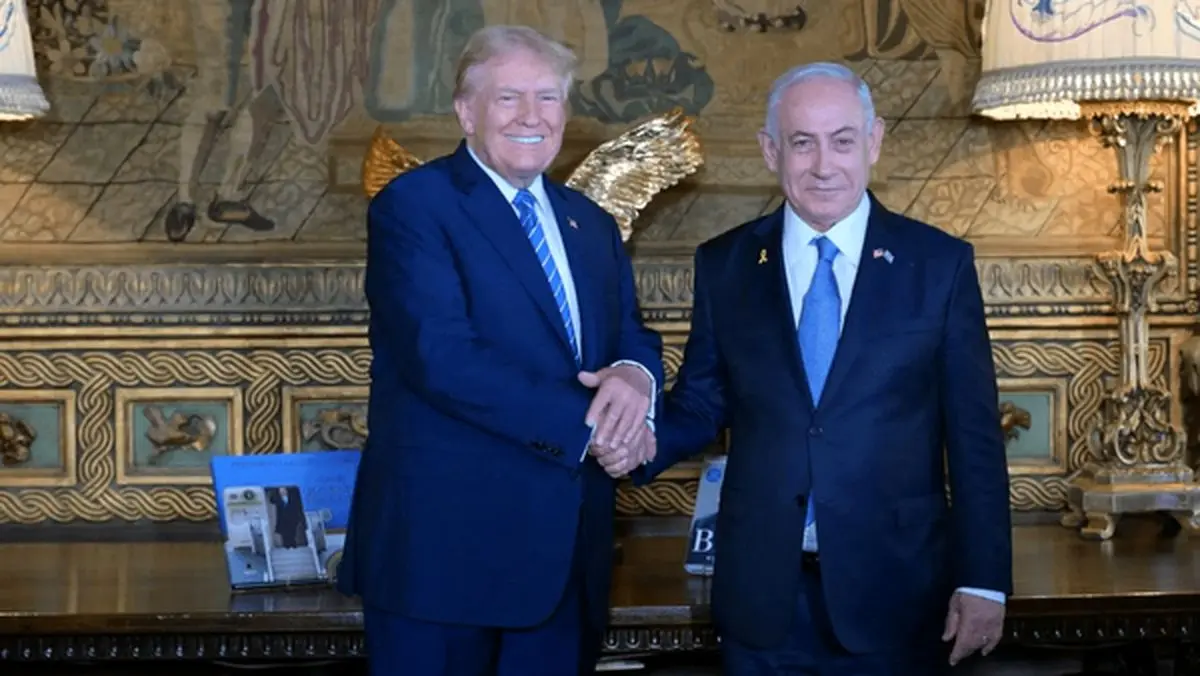
Furthermore, Trump reiterated the full support of the United States toward Israel, stating that Washington will stand by the side of Tel Aviv even if it decides to proceed unilaterally with a military attack against Iran.
In his interview with the Israeli television network Channel 14, Trump was asked to respond to the possibility of Israel attacking Iran autonomously.
To the question of whether the United States would defend Israel in such a case, he answered with a single word: "Absolutely."
The role of the United States and the contradictions of Washington
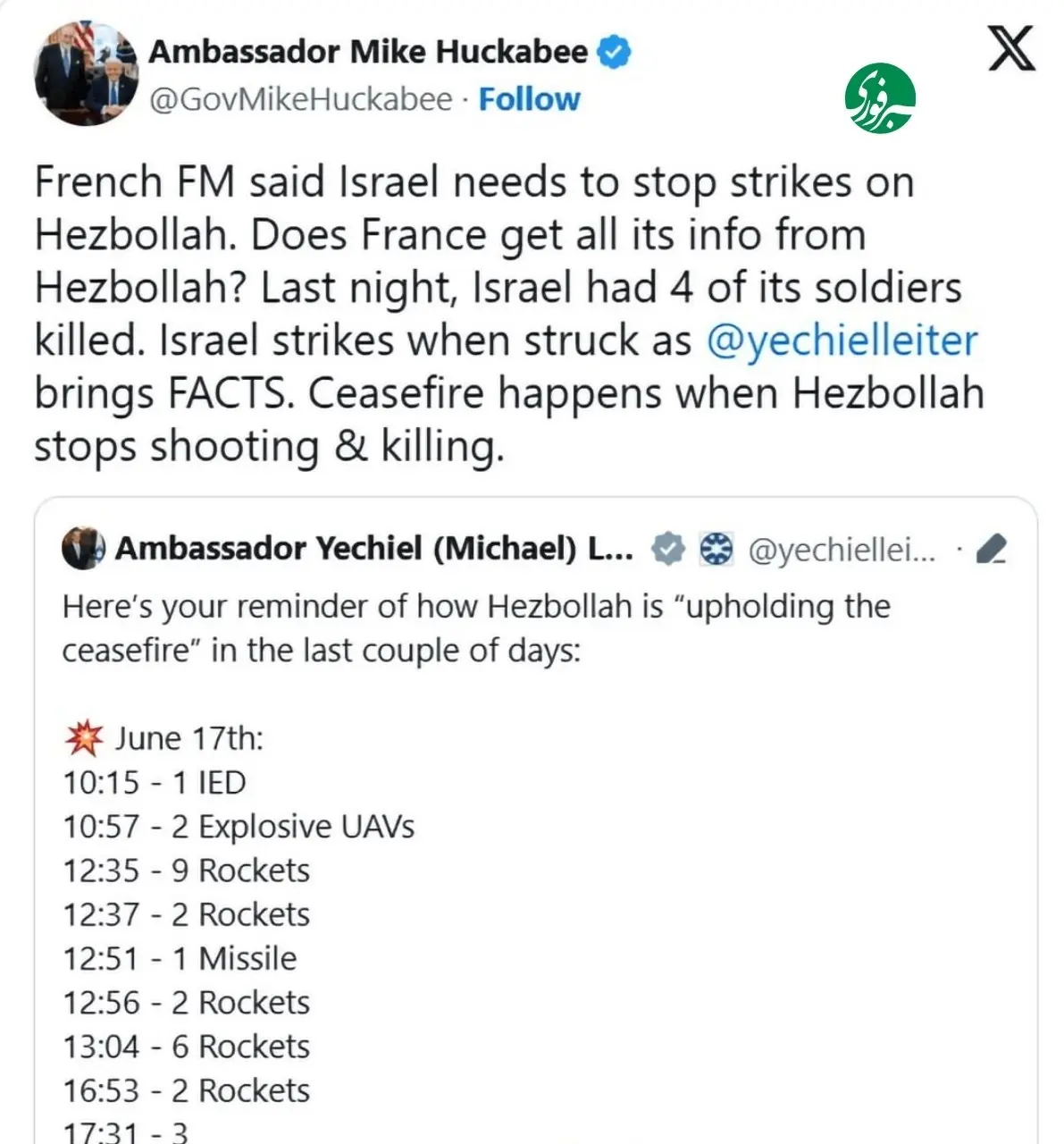
While Washington appears to be working for de-escalation and the maintenance of agreements related to Iran and Lebanon, the US Ambassador to Israel, Mike Huckabee, expressed public support for the Israeli operations.
This stance reinforced criticisms that American policy presents contradictions, as on the one hand it seeks stability and on the other hand it continues to provide political coverage for the military actions of Israel.
France: Pressure toward Tel Aviv for termination of operations
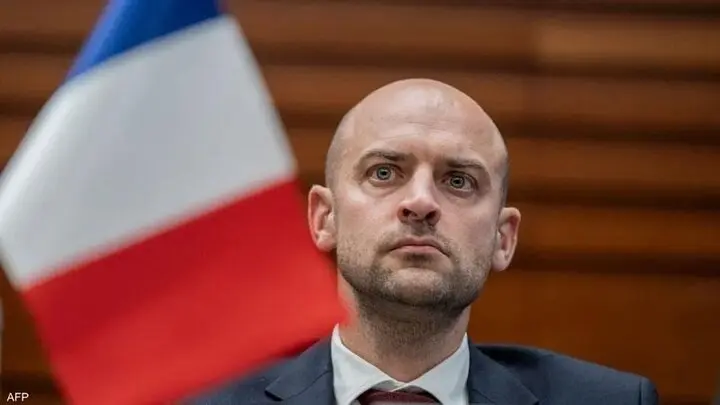
The Minister of Foreign Affairs of France, Jean-Noël Barrot, called on Israel to stop military operations in Lebanon and asked Washington to exert greater pressure toward Tel Aviv.
At the same time, Paris continues efforts for the organization of an international conference aimed at strengthening the Lebanese state and its armed forces.
Warnings from Lebanon about a new regional flare-up
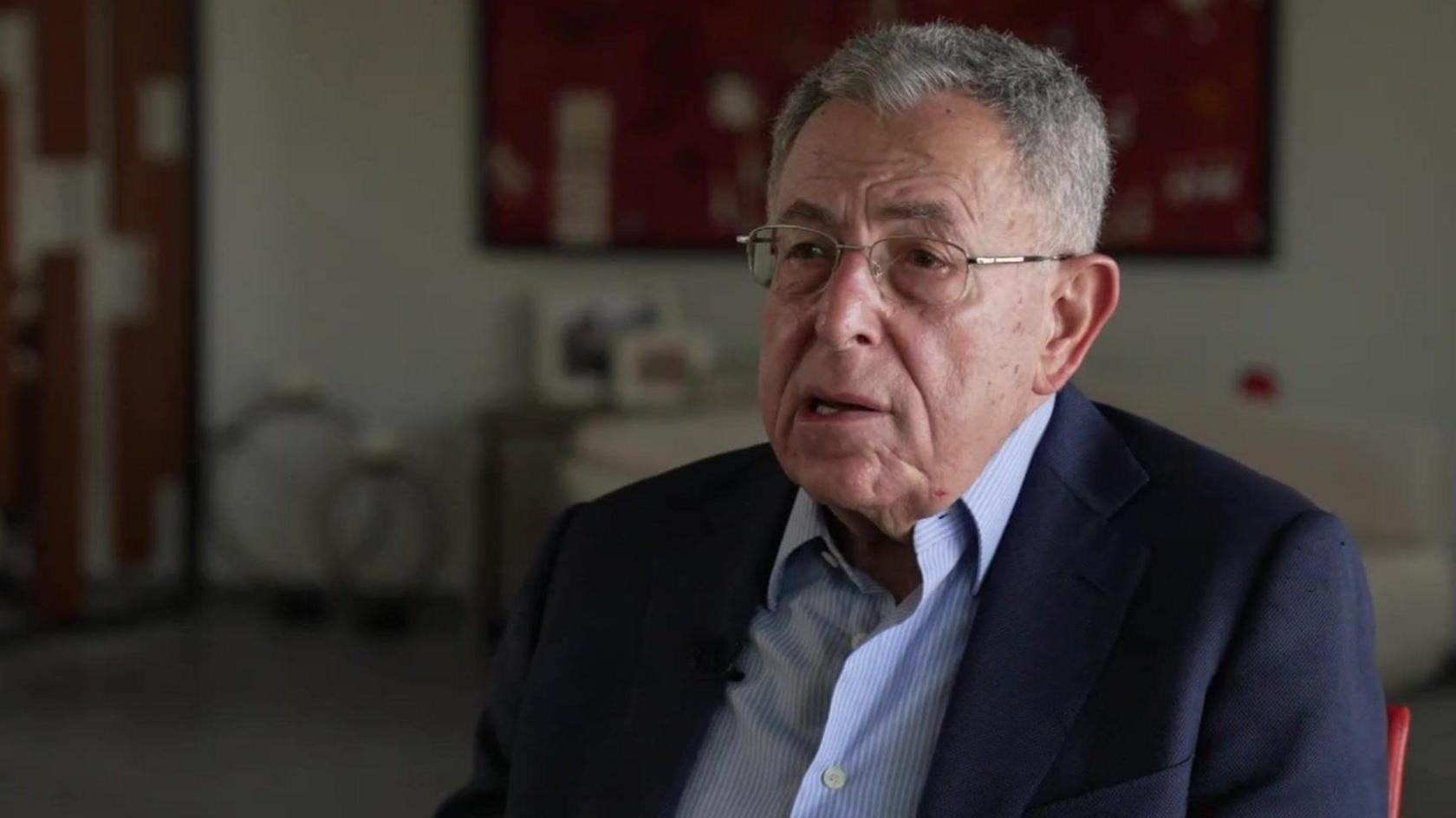
The former Prime Minister of Lebanon Fouad al-Siniora strongly criticized proposals connected to a potential military involvement of Syria in Lebanon.
Speaking to the Indian network ANI, he characterized such scenarios as a "serious mistake", warning that they could cause new internal destabilization and trigger a wider regional crisis.
He claimed that the international community owes to support the institutions of the Lebanese state and to press for a full withdrawal of Israeli forces from southern Lebanon instead of encouraging new military interventions.
The Middle East at a critical crossroads
The latest developments demonstrate that the situation in Lebanon remains extremely fragile.
Despite reports of a truce agreement and diplomatic assurances between Washington and Tehran, the ongoing military operations, civilian casualties, and extreme rhetoric from the side of Israel create serious questions about whether real de-escalation can be achieved.
As conflicts continue and threats multiply, the risk of a wider regional flare-up remains visible, with Lebanon being once again at the center of a confrontation that threatens the entire Middle East.
www.bankingnews.gr













Readers’ Comments