

Regional powers, including Greece and Cyprus, are called upon to reassess their stance in light of the rapid developments unfolding in this hot region of the planet.
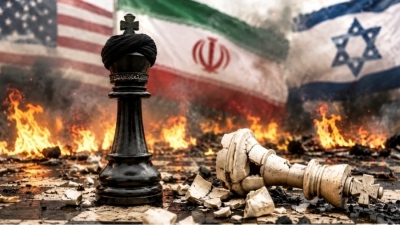
Just a few months ago, the US and Israel appeared to hold the strategic advantage over an isolated and economically exhausted Iran. It was then that some saw a unique opportunity to... eliminate the Iranian threat, to finish off the Iranian regime. After more than 40 days of war, the picture is completely different. The war launched by Donald Trump and Benjamin Netanyahu not only failed to break Tehran, but may have accelerated a deep geopolitical redistribution of power, weakening the US and Israel and bringing Iran back to the center of regional and international developments. The once masters of the Middle East have become protagonists of a strategic retreat. Amidst these chaotic developments where Iran is emerging as a superpower, it is obvious that the new map of the Middle East will undergo tectonic changes, with the US weakening, and regional powers, including Greece, being called upon to reassess their stance.
Geopolitical catastrophe
The geopolitical catastrophe caused by US President Donald Trump and Israeli Prime Minister Benjamin Netanyahu has done much more than squander the dominant position their countries held just three and a half months ago. Their unprovoked and failed war against Iran has likely set in motion a radical change in the global balance of power — a shift that will leave both the United States and Israel relatively weaker in the coming months and years.
Trump's second term
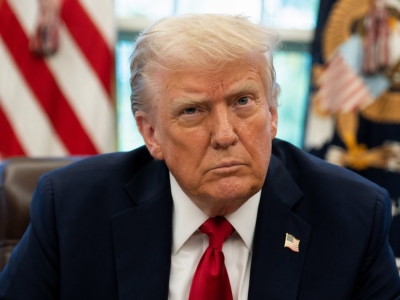
Trump is now a significantly weakened figure both domestically and globally, with his grandiloquence about global supremacy having turned to ashes and empty threats. For the foreseeable future, the projection of American power will no longer be as threatening as it once was — not just in the Middle East, but in the Indo-Pacific and Europe as well.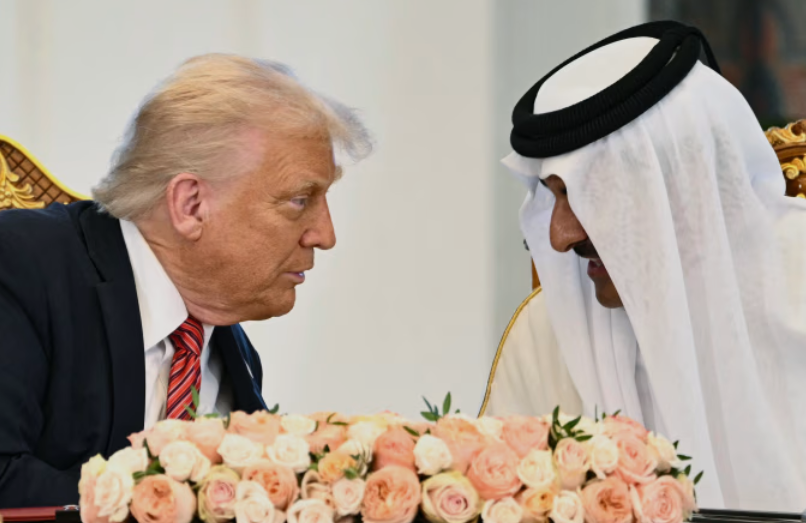
A document of surrender
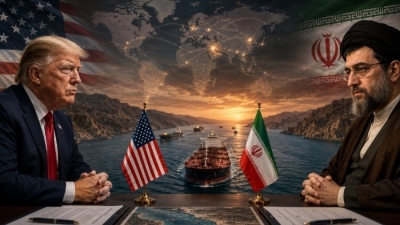
The Memorandum of Understanding (MOU) signed this week is essentially a document of surrender — for Washington, that is. Apparently, in exchange for nothing more than the signing of the MOU, the agreement for 60 days of talks, and the opening of the Strait of Hormuz, the Iranians will gain economic concessions that would have been unthinkable a few months ago. These could include the release of at least part of the frozen or restricted Iranian funds and assets, as well as exemptions that will be available "immediately after the signing of this MOU" for "the export of Iranian crude oil, petroleum products, and derivatives, as well as all related services, including banking transactions, insurance, transport, etc.," according to the MOU released by the Trump administration.
Gained nothing
As Foreign Policy reports in its analysis, the American president gained absolutely nothing from his war in exchange for spending tens of billions of dollars and the cost of thousands of lives, including at least 13 dead Americans. To extract vague promises from Tehran, Trump caused serious damage to the already inflation-hit American economy, betrayed his domestic political base, significantly depleted critical US weapons stockpiles, strengthened China and upgraded its relative position, alienated US allies, and weakened the Gulf states.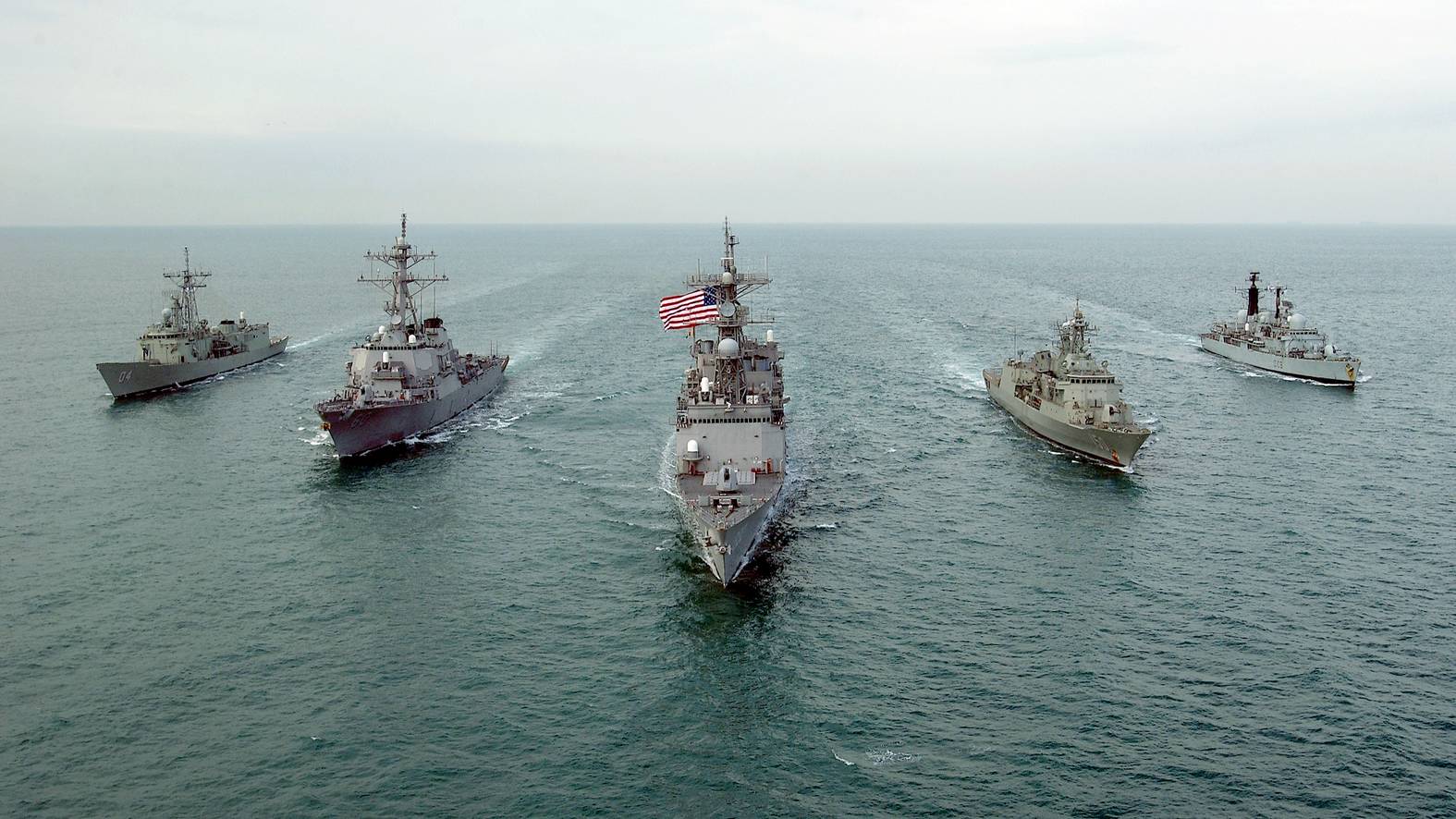
Geopolitical player
And all this against a regime, the Islamic Republic of Iran, which just three and a half months ago was isolated and economically ruined. Thanks to the war, even a severely weakened Iran has now transformed into a major geopolitical player — a player that will soon reap new economic benefits. The Tehran regime has built its legitimacy during its 47 years of existence primarily by adopting a militant "everyone is against us" mentality. Now it can boast that it managed to successfully resist both the global and the regional superpower.
Unprecedented influence
And because of Tehran's continued ability to control the Strait of Hormuz and use it to extract concessions from Washington and the Gulf states, Iran now enjoys an influence it has never had before, both in the region and in the global economy. "The Iranians now know the power of the Strait," said Reuel Marc Gerecht, an expert on Iran and a former CIA officer. "They will likely use it to dismantle the entire architecture of sanctions that has been built since the days of Bill Clinton." Trump managed to reach this result by risking something that history has shown does not work - regime change through airstrikes - while simultaneously ignoring a major threat that American intelligence agencies had long warned was likely to follow: the Iranian seizure of the Strait.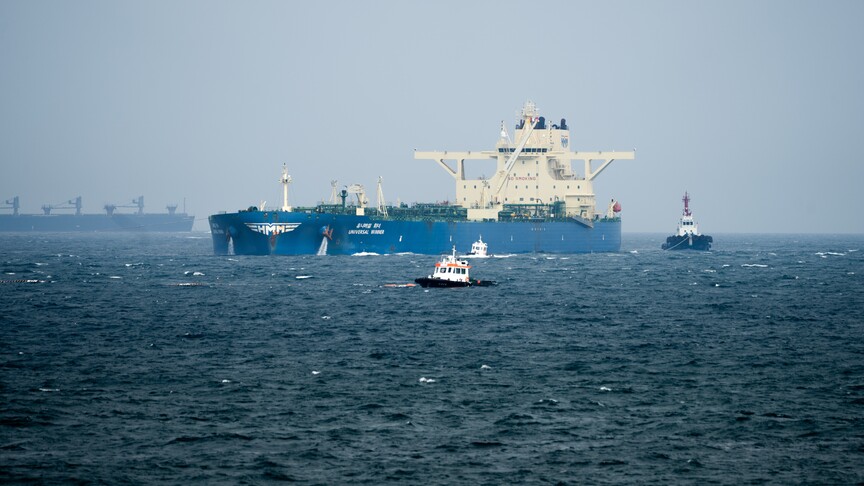
The climate... changed
Trump's humiliation became strangely apparent in France this week when he asked for support for the MOU from European allies he had systematically insulted over the past year. According to a European diplomat, the change in climate was palpable - unlike a year ago, when Trump abandoned the G7 summit in Canada after just one day. While many European leaders privately acknowledge that the MOU favors Iran, the G7 countries felt they had to support it as the only means of ending a war that none of them supported. "Everyone is now much more aware of the fragility and vulnerability of the global financial system," said the European diplomat, who spoke on condition of anonymity.
The great weakness
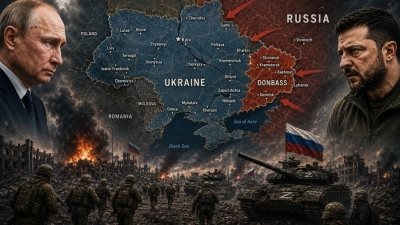
Other diplomats pointed out that Trump succumbed to European pressure and joined a new G7 commitment to support Ukraine and strengthen sanctions against Russia. This was particularly significant after many months during which the president had been evasive regarding American support for Ukraine, while also showing a willingness to compromise with Russian President Vladimir Putin. The G7 host, French President Emmanuel Macron, welcomed this "very deep change in the American approach." Perhaps the most significant element of this upcoming period of American retreat is that Iran - and now the entire world - suddenly realizes how it can exploit Trump's greatest weakness. This is the president's deep fear of a stock market or economic collapse during his term and his subsequent tendency to back down (TACO – Trump Always Chickens Out), whether it concerns his tariff wars or his demand to annex Greenland.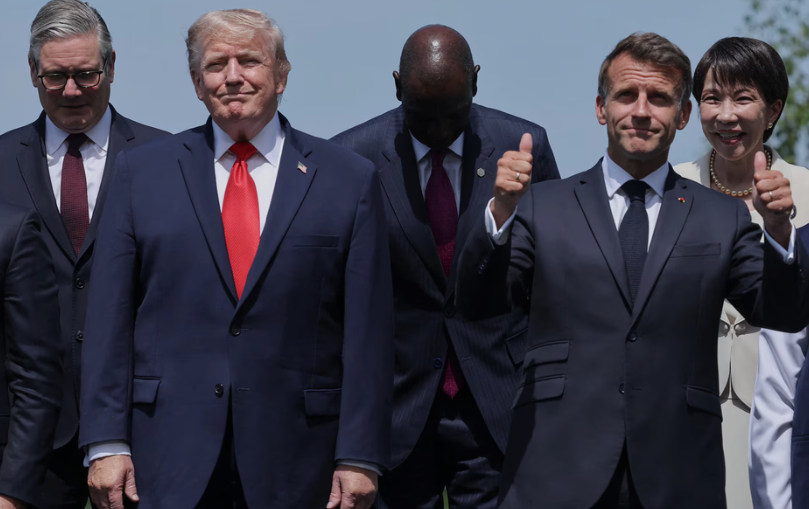
China's stance
No country understands this weakness better than the number one rival of the United States: China. The Chinese were the first to exert such economic pressure on Trump during the tariff trade war last year, forcing him to agree to a premature "truce" by halting exports of critical minerals, a move that threatened to paralyze American high-tech and defense sectors. Chinese President Xi Jinping is undoubtedly now examining how weak Trump's support for Taiwan is, particularly regarding his reluctance to risk another major war.
The Achilles' heel
On Wednesday, Trump effectively admitted that his desire to be considered a great economic president is his Achilles' heel — and hinted that markets have the final say in many of his policies — during a press conference in France after the G7 summit. "The only president I didn't want to be was the late and great Herbert Hoover," he said, referring to the American president who oversaw the stock market crash of 1929 and the start of the Great Depression. "I didn't want to see an economic disaster. ... Every time we talked about the prospect of peace, the stock market shot up like a rocket. ... The stock market is smarter than anyone, including the people on this stage, except of course me," said Trump.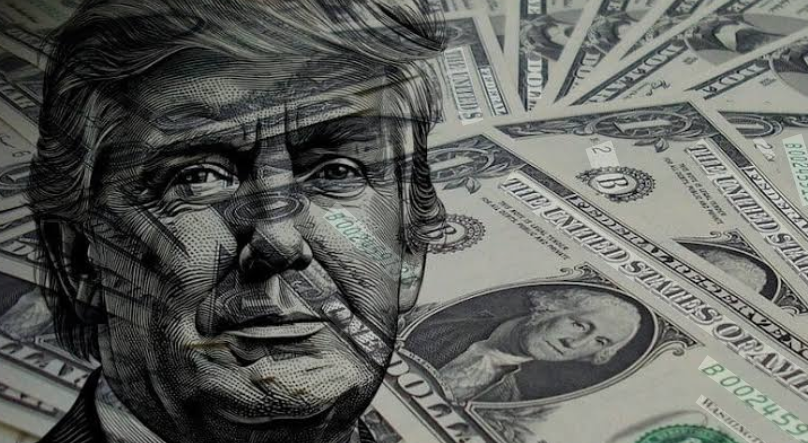
Concessions
Unlike his previous demand for "unconditional surrender" and his calls for regime change in Iran - a long-standing goal of American policy toward the Islamic Republic - Trump has now committed Washington to "refrain from interference in the internal affairs of the other side." And based on the MOU, Trump is not only committed to supporting a $300 billion Iran reconstruction program - which, it seems, will be funded by some of the same Gulf states that were attacked by Iran during the war - but also to immediately lift restrictions on Iranian oil sales. According to the MOU, Trump is also willing to negotiate the lifting of most, if not all, of the sanctions regime against Iran, including many of the same sanctions he had imposed during his first term. If implemented, this will allow Tehran to rebuild its economic power and appease its restless population, while continuing to prolong negotiations with Washington.
Iran's nuclear program
In contrast, the 2015 nuclear deal, from which Trump withdrew calling it "the worst deal ever negotiated," only provided for the gradual lifting of sanctions imposed for Iran's nuclear program. That agreement also imposed highly invasive inspections by the International Atomic Energy Agency (IAEA), which no longer exist, and about 98% of Iran's enriched uranium - which at the time was much less powerful than the uranium enriched up to 60% that the country possesses today - was removed from its territory. This meant that Tehran did not have enough quantity to build even one nuclear bomb. The current MOU suggests that Washington may be willing to allow the dilution of Iran's much larger current stockpiles of enriched uranium "in situ" — within Iran — under the supervision of the IAEA. However, the agency's involvement has not yet been negotiated.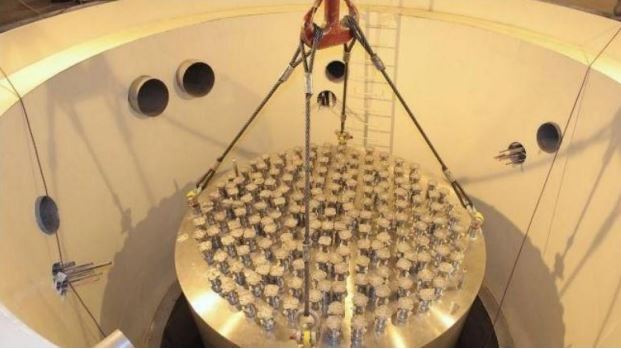
The strategic advantage that turned... to ashes
Regarding Netanyahu, his political nemesis could hardly be more total. By February 28, Israel had moved significantly toward changing the "balance of power in the region for years to come," as Netanyahu had boasted in 2024. In the nearly three years since the brutal Hamas invasion on October 7, 2023, Israel had made impressive progress in restoring its strategic advantage over Iran and its allies. Israeli forces damaged Iran's nuclear and missile facilities as well as its air defenses; eliminated top officials of the Tehran regime and nuclear scientists; decapitated and neutralized Hezbollah; and even went so far as to assassinate the political leader of Hamas in the heart of Tehran.
The rift
Now, by starting a war that seems to have exceeded boundaries, Benjamin Netanyahu has managed to... strengthen Iran and alienate his closest ally, the United States. He created a rift in US-Israel relations, of the kind that no one in American politics thought likely just a few years ago. The rift between the US and Israel will worsen even further if, as expected, Netanyahu decides to defy the agreement and remain in Lebanon to continue the fight against Hezbollah. Netanyahu views the confrontation with Iran through a "messianic prism," which "creates increasing friction with the United States," said Danny Citrinowicz of the Atlantic Council, a former official of the Israeli military intelligence service. "The disagreement is not just tactical; it reflects different assessments regarding risk, escalation, and the role of diplomacy."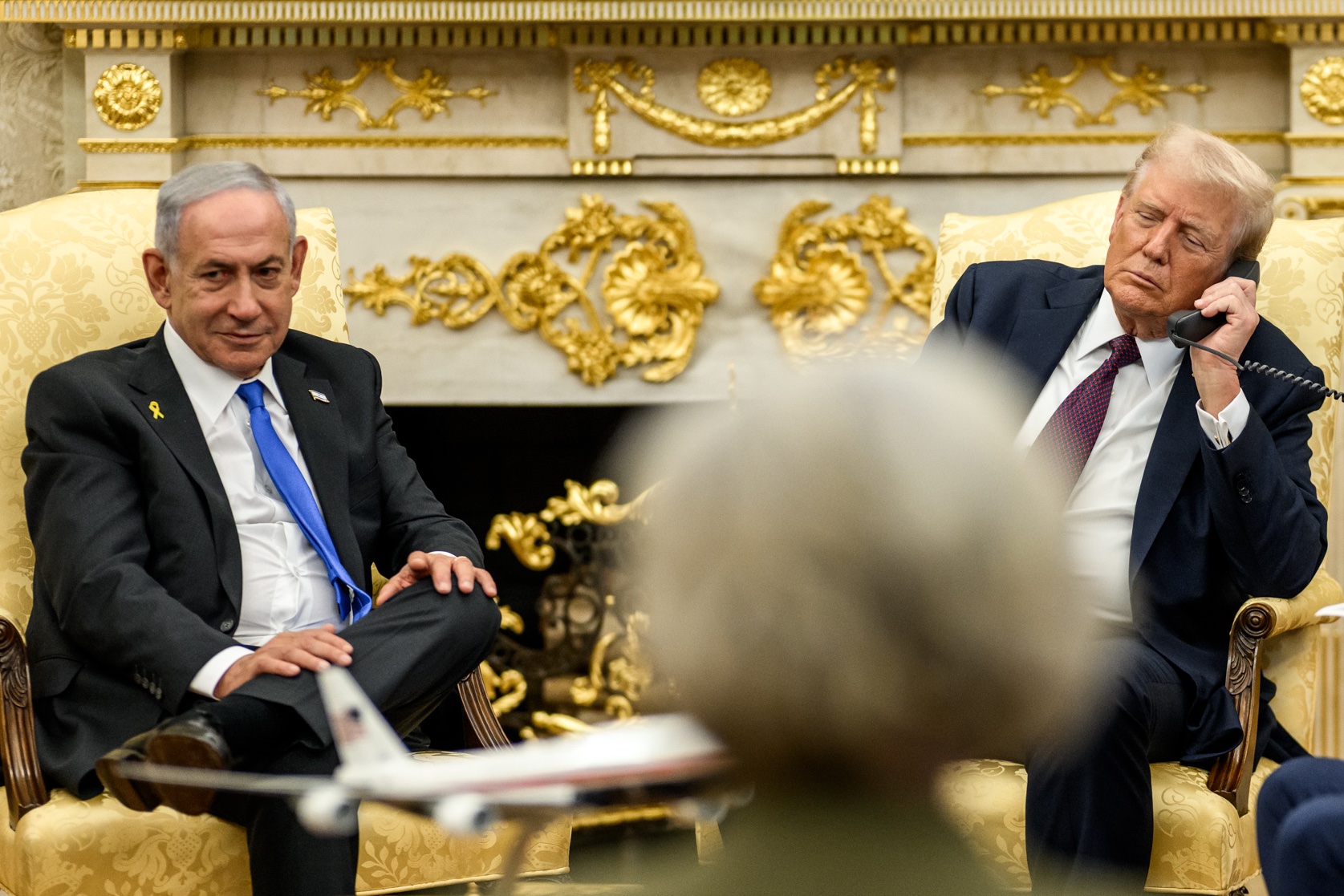
J.D. Vance criticisms
During a briefing at the White House on Thursday, Vice President JD Vance openly criticized members of the Netanyahu government for attacking the deal. "Donald J. Trump is the only head of state in the entire world who is showing sympathy to the state of Israel at this point in time," Vance said. "If I were a member of the Israeli cabinet, I might not attack the only powerful ally I have left anywhere in the world." In a humiliating rebuke, Israel was not included as a party to the MOU — even though it started the war in close coordination with Washington. Meanwhile, the United States and Iran agreed in the memorandum to the "immediate and permanent cessation of military operations on all fronts, including Lebanon." Hardline circles in Israel insist they will not be bound by the agreement.
MAGA anger at Netanyahu
Israel was already losing a significant portion of its support within the Democratic Party due to the conduct of the war in Gaza. Now it is losing support from the right wing as well, starting with the anger of the MAGA movement, as the belief grows that it was Netanyahu who deceived Trump, leading him to betray his campaign promises and get involved in a catastrophic new war in the Middle East. In a statement on March 1, the Israeli leader praised the help of "my friend, US President Donald Trump," which allowed him "to do what I have wanted to do for 40 years: crush the terrorist regime." Both Secretary of State Marco Rubio and Republican Speaker of the House Mike Johnson have indicated - although Trump officials denied it - that Trump decided to go to war because, as Johnson said, "Israel was determined to act with or without us."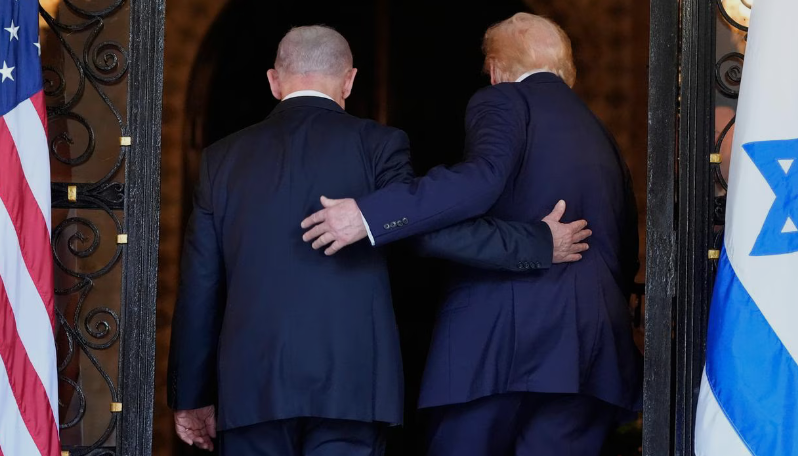
Different paths
However, the two leaders soon began to follow different paths regarding the deadlock they created together - particularly regarding Israel's invasion of Lebanon, the cessation of which was a key demand of Iran. "Everyone hates you now. Everyone hates Israel because of this!", Trump reportedly shouted at Netanyahu during a phone call on June 1. In his characteristic blunt and careless way, the president was expressing a growing belief in both political camps that something deep has changed in American politics: the traditional support for Israel, which was once an almost unquestionable element of the platforms of both parties, is rapidly turning into a political burden. Israel may be in danger of losing not only its only real ally but also its main strategic pillar in the world.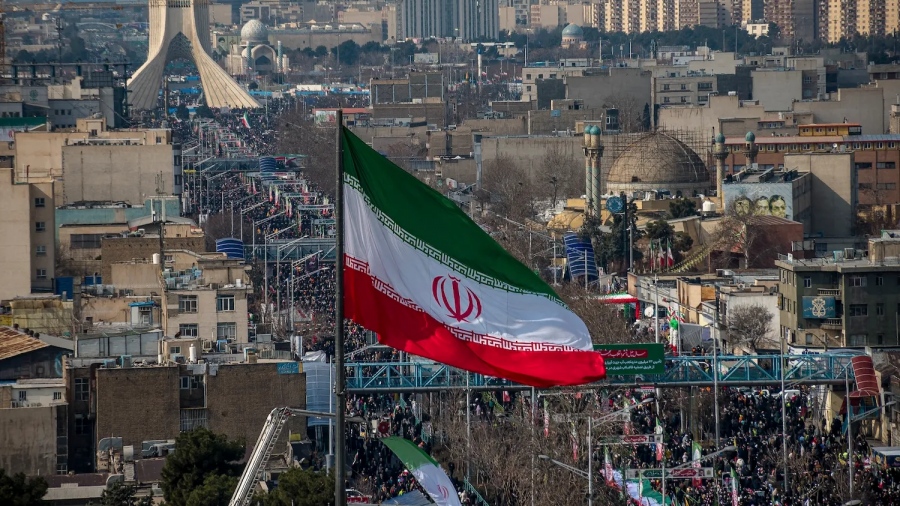
Iran holds the upper hand
And Iran, which for 47 years has been a constant headache for American presidents, can now claim to have the upper hand. Sensitive to criticism that he negotiated a bad deal, Trump again threatened at the G7 summit this week that if Iran does not comply, "we will immediately go back to dropping bombs straight on their heads." However, his war rhetoric no longer carries the same weight. "Repeatedly, Trump refused to fight the battle of Hormuz; but in the eyes of the Iranians, that was the only battle that mattered," said Gerecht. "Trump cannot now threaten to do in the future something he repeatedly refused to do in the past. At best, the president will resort to some milder form of economic warfare when Tehran doesn't do what he thinks it should do. This doesn't intimidate anyone; it just confirms American vacillation and weakness," concludes the analyst.
The Middle East will not be the same
Beyond the military results, some wars have the power to reshape entire regions. Iraq's invasion of Kuwait in 1990 reorganized the Arab regional order around the American security umbrella, while the American invasion of Iraq in 2003 unleashed a wave of sectarian conflicts that defined the Middle East for nearly two decades. The recent US-Israel war against Iran may play a similar role. It highlighted the limits of Washington's ability to guarantee the security of its partners in the Gulf and pushed several regional powers to seek new forms of coordination in an increasingly volatile environment.
Security gaps
Signs of growing convergence have appeared between Saudi Arabia, Turkey, Egypt, and Pakistan. Their increasingly coordinated positions on regional crises contrast with the strengthened ties linking Israel, the United Arab Emirates, India, Greece, Cyprus, and Ethiopia. One of the most important lessons of the war against Iran was the exposure of the weaknesses of the security architecture that had dominated the Gulf for decades. Over the years, the US invested huge amounts in a network of military bases, early warning systems, and missile defenses across the region, projecting itself as the guarantor of Gulf security. However, the war showed that the American military presence does not necessarily protect the countries that host it from the consequences of regional conflicts. On the contrary, it can expose them to their economic and strategic costs. Iranian strikes against Qatar, for example, temporarily took out nearly one-fifth of the country's liquefied natural gas (LNG) export capacity. This does not mean that Gulf states are preparing to disengage from Washington; such an option remains unrealistic in the foreseeable future. However, regional governments are increasingly looking for complementary security arrangements to reduce their exclusive dependence on the US.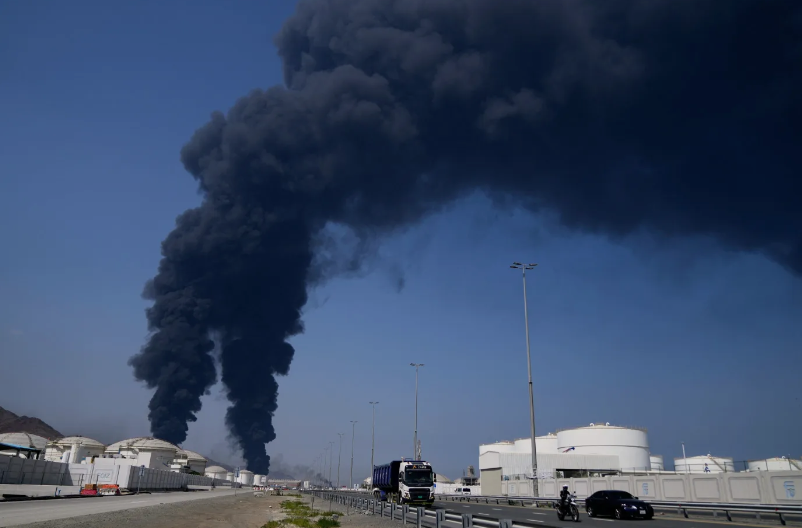
Political and defense cooperation
The coordination of Saudi Arabia, Turkey, Egypt, and Pakistan is one of the most notable developments in this direction. Saudi Arabia has financial resources, Turkey an advanced defense industrial base, Egypt military and geographic weight, while Pakistan has political, military, and nuclear capabilities. Together, these elements form the basis for closer political and defense cooperation. Nevertheless, it would be premature to describe this convergence as a cohesive alliance. The relations between these states carry a history of rivalries and mutual distrust, and their strategic priorities do not always coincide. In recent years, tensions were recorded between Saudi Arabia and Turkey, due to the blockade of Qatar in 2017, as well as between Egypt and Turkey after the overthrow of former Egyptian President Mohamed Morsi in 2013, but also due to the crisis in Libya.
New network from Israel
At the same time, Israel seems to be building a new network of partnerships, inspired by the "periphery doctrine" it followed in the mid-20th century, when it sought to encircle the Arab world through alliances with powers located on its periphery. The modern version of this doctrine is broader and more complex, extending from the Horn of Africa to the Eastern Mediterranean and the Indian Ocean, combining strategic, technological, and economic interests. The United Arab Emirates has become one of the main pillars of this network. After the signing of the "Abraham Accords" in 2020, relations between Abu Dhabi and Tel Aviv expanded to include maritime security, technology, and infrastructure.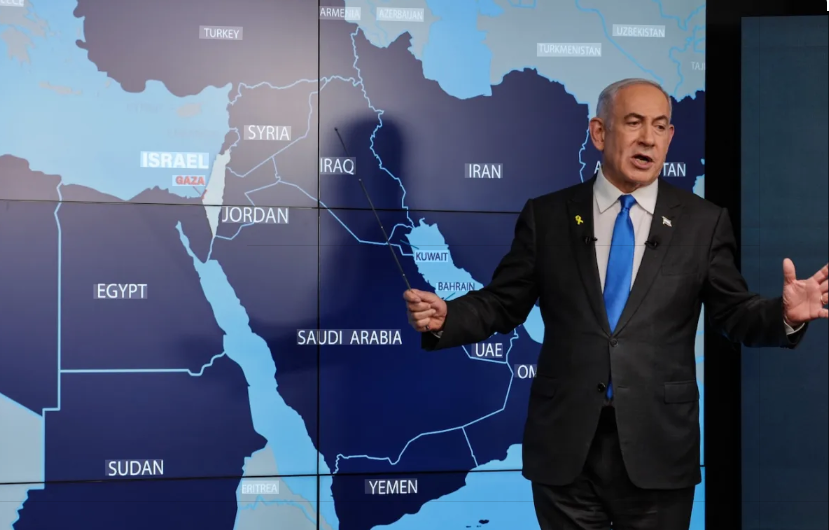
The role of India
India emerged as another key element through the I2U2 framework, which institutionalized cooperation between India, Israel, the United Arab Emirates, and the US. The planned India–Middle East–Europe Economic Corridor initiative aligns closely with Israel's ambition to transform its ports into a transit hub connecting Asia with Europe. Already, India is one of the most important buyers of Israeli weapons systems. Between 2020 and 2024, the country absorbed about 34% of Israel's arms exports, making it the largest single importer of Israeli weapons systems during this period, according to the Stockholm International Peace Research Institute.
Greece and Cyprus on the chessboard
Greece and Cyprus constitute the western leg of this network. Following the deterioration of relations between Turkey and Israel, which followed the deadly Israeli raid in 2010 on the ship Mavi Marmara, Israel cultivated strategic partnerships with both countries in the sectors of energy and maritime security. Over time, these relations evolved into a mechanism for balancing Turkish influence in the Eastern Mediterranean, while connecting the region with economic initiatives extending toward the United Arab Emirates and India. Further south, Ethiopia and Somaliland also play a role in this evolving geopolitical landscape. Ethiopia continues to seek access to the sea, while Somaliland seeks international recognition of its secessionist project. The Houthi attacks during the Gaza war prompted Israel to increase its interest in the region, with the aim of protecting maritime routes and addressing threats coming from the southern part of the Red Sea. This created a convergence of interests between Ethiopia, the UAE, and Israel in the Red Sea and the Horn of Africa, with the aim of reshaping the balance of power in the region — a development that Egypt, Saudi Arabia, and Turkey view as a challenge to their own strategic interests.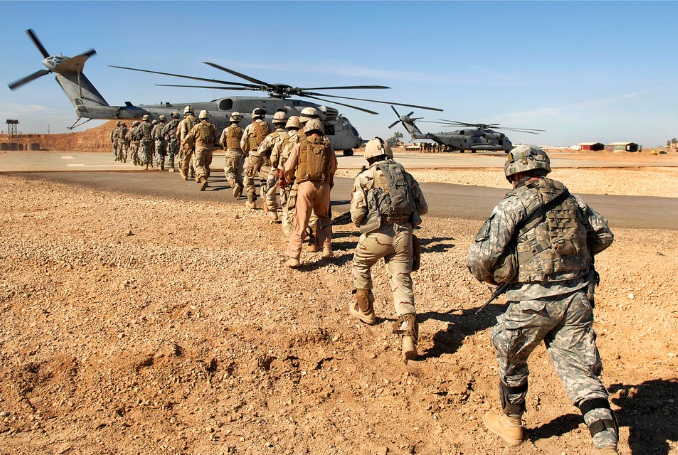
Two blocks
Despite these developments, it would be misleading to describe the Middle East as a region heading toward two rigid and opposing blocks. The history of the region shows that building stable alliances has always been an extremely difficult task. The region is characterized by high levels of mutual distrust, while policies are often determined by crisis management and short-term calculations, rather than long-term strategic partnerships. Egypt, for example, cannot ignore the importance of investments and financial support from the UAE, even if it strengthens its coordination with Saudi Arabia. At the same time, it still considers peace with Israel a strategic choice. Turkey, on the other hand, has restored strong political and economic ties with the UAE and has little incentive to risk them. What is emerging today in the Middle East is not a system of rigid alliances, but a network of flexible and overlapping partnerships. States may cooperate in one area and compete in another. They may align on security issues, while simultaneously pursuing conflicting economic or political agendas. The war against Iran may not lead to the creation of new alliances in the traditional sense. However, it accelerates an already evolving process of regional realignment and pushes Middle Eastern powers to seek new security models, at a time when old certainties are weakening and the competition for security, natural resources, maritime routes, energy, and supply chains is becoming increasingly intense.
www.bankingnews.gr


Readers’ Comments