

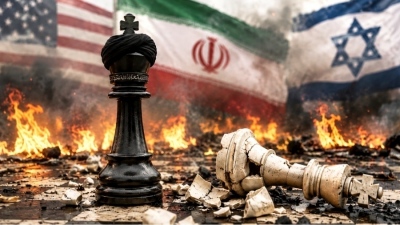
At the moment when Benjamin Netanyahu was preparing for another wave of Iranian attacks, locked in a bunker with his war cabinet, a phone call from Washington changed the landscape. On the other end of the line, Donald Trump was not simply conveying a diplomatic development. He was informing the Israeli prime minister that the war both leaders had supported politically and strategically was heading toward a sudden termination through an agreement with Tehran. This development has caused and continues to cause strong tremors in relations between Washington and Tel Aviv, as it brings Netanyahu face-to-face with a scenario he had spent months trying to prevent, while simultaneously highlighting the first serious divergences with the man he previously considered his strongest international ally. The war that the US and Israel launched for 40 days against Iran not only failed to bring about the collapse of the Iranian regime but instead shook the foundations of the most powerful global alliance.
"I finished him..."
The Prime Minister of Israel, Benjamin Netanyahu, was in a bunker late Sunday night with the country's security cabinet, preparing for the possibility of Iranian ballistic missile attacks, when the phone rang, as reported by CNN. On the other end of the line was the President of the US, Donald Trump, who called to inform him about a memorandum of understanding between the United States and Iran. It was the second telephone conversation between the two leaders within the same day. In the first conversation, according to Axios, Trump expressed intense dissatisfaction with a previous Israeli strike in Beirut, telling Netanyahu that he was "furious" and that the Israeli prime minister "has no judgment at all." In the second communication, he informed him that the war they had started together in late February had essentially ended.
What happened in 2015
When former US President Barack Obama signed the agreement regarding Iran's nuclear program in 2015, Netanyahu had rejected it publicly and with particular intensity. He had even addressed the American Congress, knowing he had the support of the Republicans. This time, however, the Israeli prime minister has avoided almost every public comment about the man who promoted the new agreement.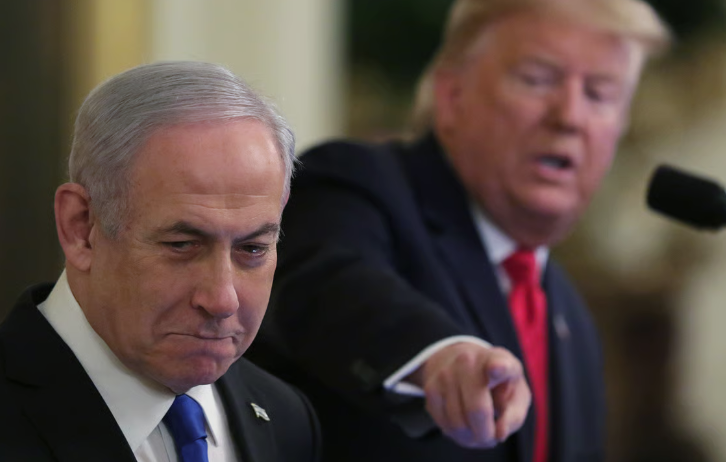
What Israel feared
The emerging agreement constitutes exactly the scenario that Israeli officials had feared for weeks. It could lead to the opening of the Strait of Hormuz and the relaxation of economic sanctions against Tehran, while postponing negotiations regarding Iran's nuclear program and ballistic arsenal—issues that Israel had set as primary war goals. The memorandum of understanding leaves discussions on Iran's nuclear program and ballistic missiles for a later phase, while at the same time offering economic relief to the Iranian regime, which Netanyahu sought to weaken or even overthrow.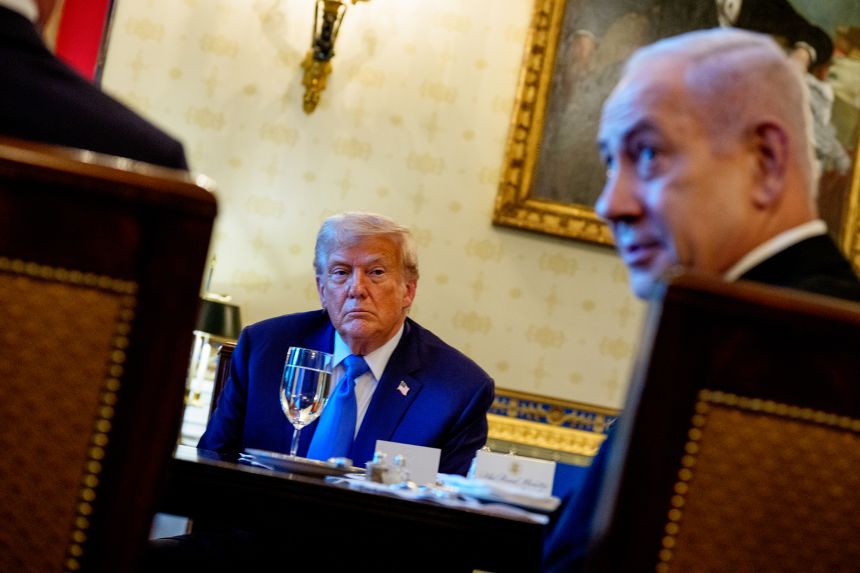
No reference to Trump
When Netanyahu finally made public statements after Trump's announcement, it happened several hours after other Israeli politicians had already taken a position. In a press conference on Monday evening, he referred very little to the agreement during his eight-minute opening statement. Even more impressive was the fact that he almost did not refer to Trump, avoiding highlighting their close relationship, as he had done for a series of years. When later asked about the agreement, he replied: "There are cases in which President Trump and I do not agree. I am responsible for the security interests of Israel, and these must be defended with prudence."
Brake... also on Lebanon
The agreement may also bring new restrictions on Israel's operations against Hezbollah, as Iran is requesting a full withdrawal of Israeli forces from southern Lebanon—something Israel has stated it does not intend to accept. On Monday, a senior US official stated to journalists that the withdrawal "did not constitute a prerequisite of the agreement." "If Iran is not in a position to control Hezbollah and it attacks Israeli positions or cities, Israel will retain the right to defend itself and respond," he stated. Although Netanyahu is avoiding an open confrontation with Trump for the time being, political figures from across the Israeli spectrum appear much more critical.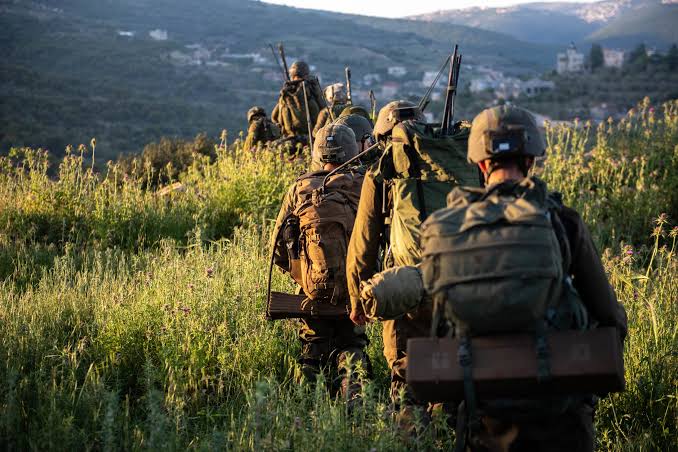
Dangerous agreement
His far-right government partners, Finance Minister Bezalel Smotrich and National Security Minister Itamar Ben Gvir, characterized the agreement as "dangerous" and stated that Israel does not consider itself bound by it. Former Prime Minister Naftali Bennett spoke of a "dangerous development for the security of Israel," while former chief of the Israeli armed forces Gadi Eisenkot described the result as "sad," attributing it to a lack of strategy and political courage. According to the report, Netanyahu's reservation reflects both the delicate diplomatic timing and the central role that Trump plays in his electoral strategy.
Tremors
His staff had reportedly planned an election narrative that would include a quick victory over Iran, a triumphant visit to the White House in September, a reciprocal visit by Trump to Israel, and strong utilization of their relationship ahead of the October elections. However, the negotiations to end the war seem to be causing friction in relations between the two leaders, with public disagreements highlighting the pressures that Trump is exerting on Israel for a ceasefire and the limitation of its military actions in Lebanon.
There is no rift
Despite the difficulties, political analysts estimate that the Trump-Netanyahu relationship has not reached a breaking point and that there is still room for rapprochement ahead of the elections. According to Israeli sources, Netanyahu is seeking a private meeting with Trump behind the scenes, in order to express his concerns about the agreement with Iran and at the same time to highlight once again his close relationship with the American President.
"If we had known, we wouldn't have started the war"
In the admission that "if we knew the outcome of the war today, we would never have started it," the Israeli newspaper Yedioth Ahronoth proceeds, expressing its disappointment regarding the developments and the impending US-Iran agreement. Yedioth Ahronoth, in its analytical article, characterized the policies of Washington as a factor that led the Israeli regime back to conditions of "weak deterrence" and "limited freedom of action." Yedioth Ahronoth wrote that the American government, disregarding negotiations with Iran, has returned Israel to a reality with limited freedom of movement and weakened deterrent power. Subsequently, the newspaper published, citing an informed Israeli source, a bitter admission: "The disappointment is greater than anyone can imagine. If we had known in advance that the final result would be this, there is serious doubt as to whether we would have started the war in the first place."
Wall Street Journal: Trump was trapped and forced to proceed with a strategic retreat
The agreement that the US and Iran are about to sign captures exactly what happened in the approximately 40 days of the war in the Middle East… Iran won, the US and Israel were defeated… American analysts and experts argue that Trump was trapped, cornered, and ultimately forced to proceed with a strategic retreat in the face of Iran…
Humiliation
The Wall Street Journal published an article titled "Trump retreats strategically against Iran," in which it argues that the agreement does not constitute a strategic victory, but on the contrary, a departure from the initial goals that Washington had set at the start of the crisis. The report argues that Trump, under the increasing pressure of the domestic political scene and the risks that the continuation of military operations entailed, began to revise his stance. At the same time, despite intense pressure from Israel, he did not consent to an operation to seize Iran's enriched uranium stockpiles, nor did he proceed with military action for the reopening of maritime transport through the Strait of Hormuz.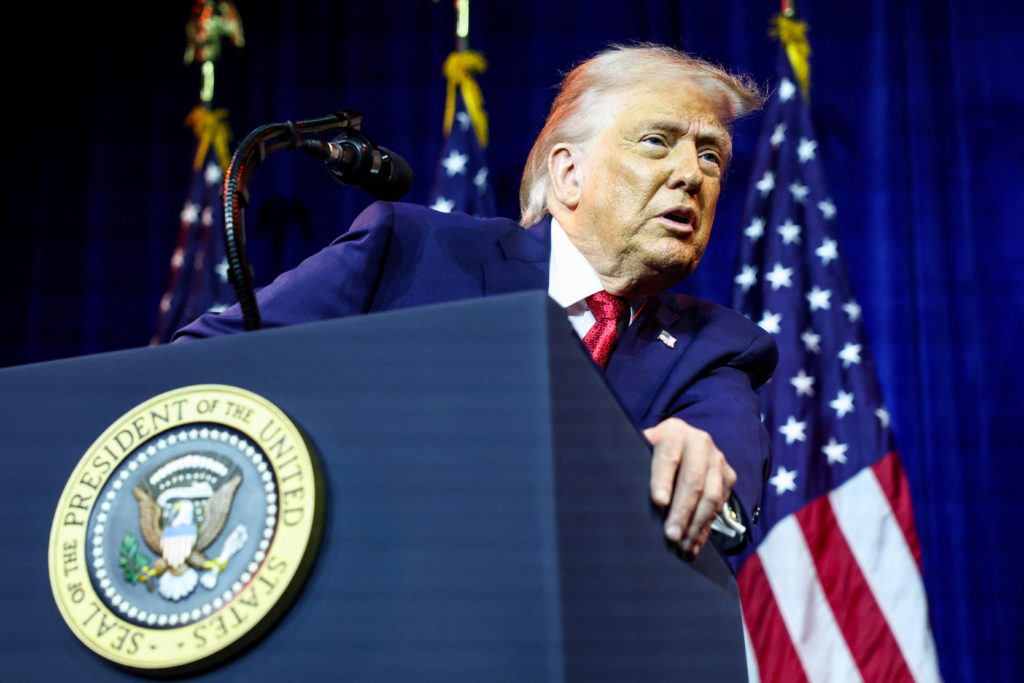
Criticism of the memorandum
The Wall Street Journal adds that the reduction of fuel prices ahead of the midterm elections constitutes a basic internal political goal of Trump. However, Tehran has made it clear that transit through the Strait of Hormuz will not fully return to the previous situation and that new fees may be imposed on passing ships. The newspaper also criticizes the lack of clear details in the memorandum of understanding, pointing out that Trump himself characterized some of its points as "general principles," while the more complex issues concerning the nuclear program were referred to a new 60-day cycle of negotiations. According to the report, the postponement of these issues is not considered a logical approach, especially as a few days earlier Trump had accused Iranian negotiators of not acting "in good faith," a fact which creates doubts about the possibility of a final agreement in the future.
Many sensitive issues are not included in the agreement
The newspaper further notes that the resumption of Iranian oil exports will offer significant economic breathing room to Tehran, while at the same time concerns regarding the future development of its nuclear program are reignited, as had happened in the past. The Wall Street Journal also underlines that the agreement bypasses a series of sensitive issues, mainly the ballistic missile program of Iran and the support it provides to its regional allies. These issues were referred to a "regional dialogue," which, according to the newspaper, will hardly yield tangible results. The report warns that the biggest risk is for Donald Trump to consider the agreement as a starting point for broader cooperation with Iran. Many Americans, it mentions, are worried about repeating the mistake of the government of Barack Obama, namely tolerance towards Iranian violations in order to maintain the agreement at any cost.
Sanctions and military threats against Iran have weakened
For their part, the New York Times argue in their analysis that the war of the United States and Israel against Iran had significant political, economic, and strategic consequences. According to the report, Tehran now appears more willing to resist economic and military pressures, maintaining at the same time its nuclear and missile capabilities, a fact which makes the achievement of political concessions through sanctions or military threats more difficult. Many experts cited by the newspaper estimate that military pressure failed to yield the sought-after results and that Iran has now overcome the most dangerous phase of the confrontation, continuing to defend what it considers fundamental national interests.
Economic and political implications
Politico focused on the economic implications that the United States faced due to the conflict with Iran, pointing out that the issue dominated the proceedings of the G7 Summit, surpassing even issues like trade and tariffs, which had dominated in previous years. According to the report, the disruptions in the Strait of Hormuz caused a shock to international energy markets and led to an increase in oil and natural gas prices. This development directly affected inflation in the United States and Europe, forcing central banks to adopt a stricter monetary policy.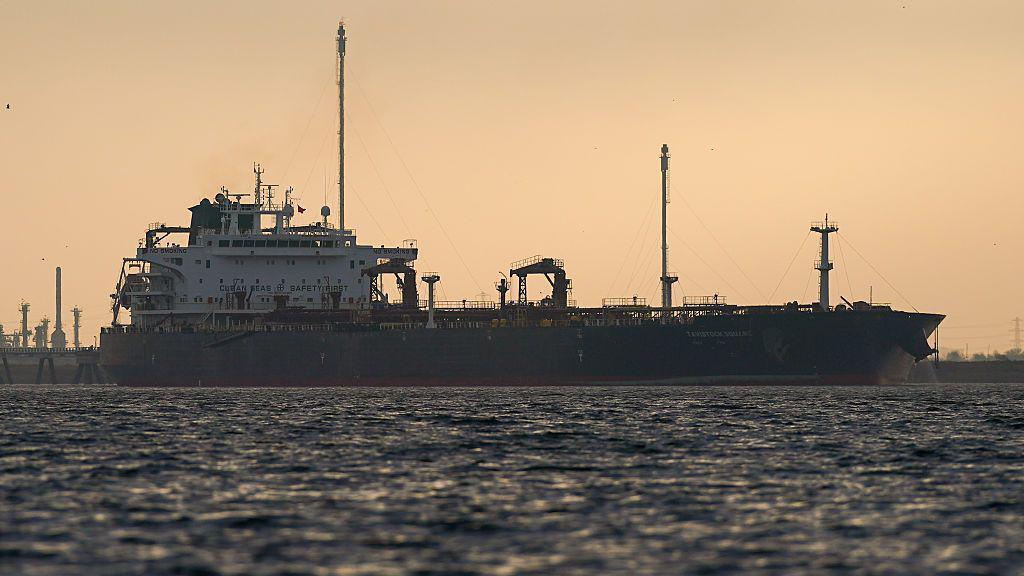
What will happen with Netanyahu
At the same time, the magazine Foreign Policy focused on the political dimensions of the agreement, noting that the political future of Benjamin Netanyahu is closely connected with the outcome of the confrontation with Iran. The Israeli prime minister had invested politically in achieving a full victory on all fronts, including Iran, Lebanon, and Gaza. However, according to the analysis, developments on the field did not confirm these expectations, a fact that has weakened the position of Benjamin Netanyahu ahead of the next electoral contests.
www.bankingnews.gr






Readers’ Comments