

The United States and Iran are entering a dangerously familiar collision course once again, with Donald Trump giving Tehran a new 60-day deadline for a nuclear deal, while the CIA, the US intelligence agencies, question the true intentions of the Iranian regime. Behind the memorandum of understanding presented as a diplomatic escape route from a war, from which the US has already emerged militarily humiliated, a deep disagreement within the White House is revealed, alongside fears of a repeat of the events that led to the 2025 war and intense concerns that the Middle East is once again one step away from another cycle of military escalation with global consequences. The déjà vu in the Persian Gulf is a reality.
Shock from the CIA
According to Axios, CIA Director John Ratcliffe informed President Donald Trump and other senior officials that the evidence gathered by US intelligence agencies raises serious doubts about Iran's willingness to make the nuclear concessions the US seeks in any final agreement, according to three sources familiar with the discussions. Ratcliffe is not the only skeptic in Trump's top team. According to two sources, during internal discussions, Secretary of State Marco Rubio and Secretary of Defense Pete Hegseth expressed concerns and raised questions about the Memorandum of Understanding (MOU) announced on Sunday. Conversely, Vice President Vance and American envoys Steve Witkoff and Jared Kushner supported the deal.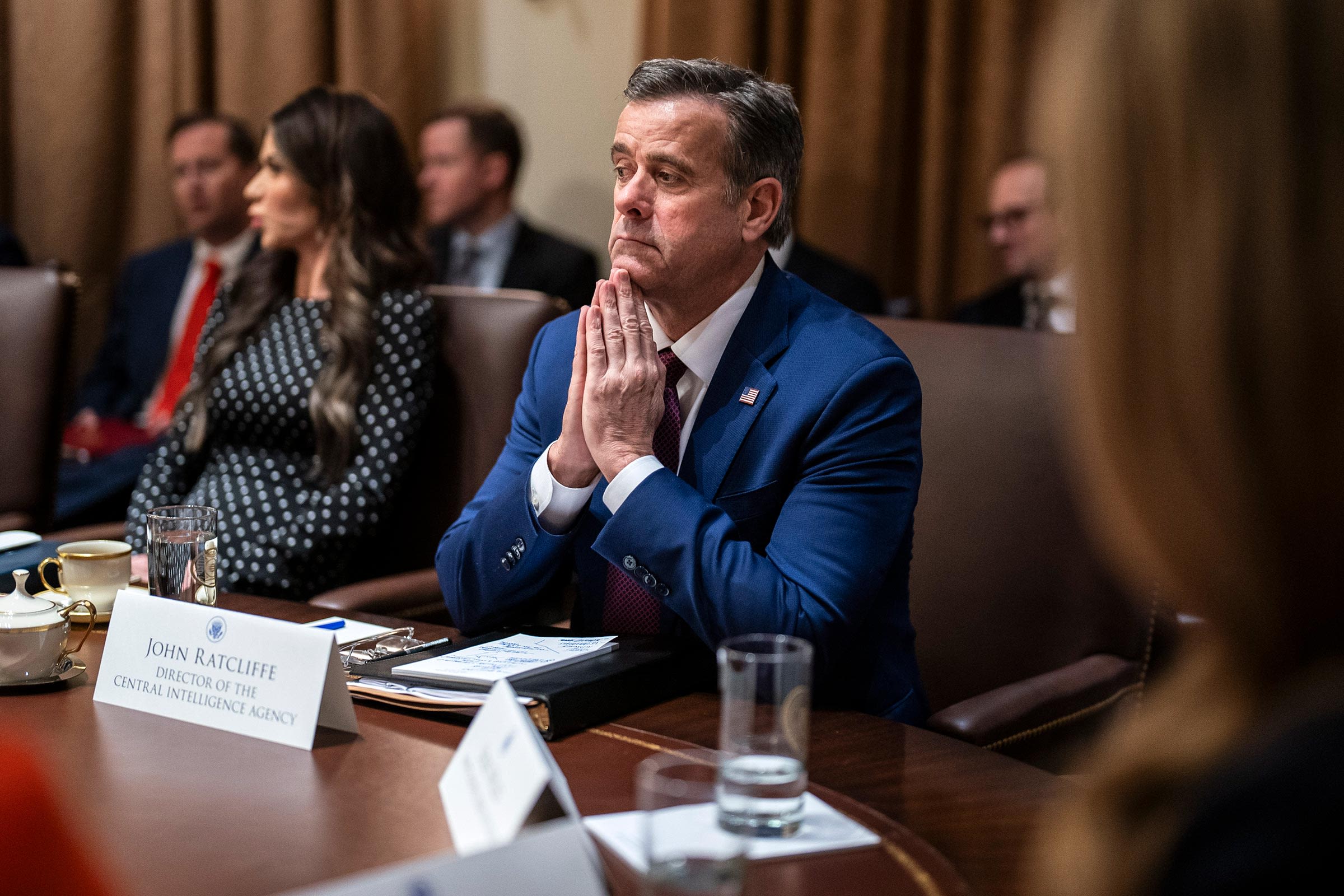
Behind the scenes
Before Sunday's announcement, a series of high-level meetings took place between Trump and his advisors regarding the agreement. During these meetings, Trump and his team reviewed information gathered by various US intelligence agencies, according to which the way Iranian officials discussed the deal among themselves was not consistent with what they were telling intermediaries and the United States, two sources reported. Ratcliffe and Rubio argued that, based on this information, they doubted whether Tehran would ultimately agree to proceed with the nuclear steps demanded by the US. "The intelligence shows that Iran's intentions do not align with the commitments it is making under the agreement," one of the sources said, as reported by Axios.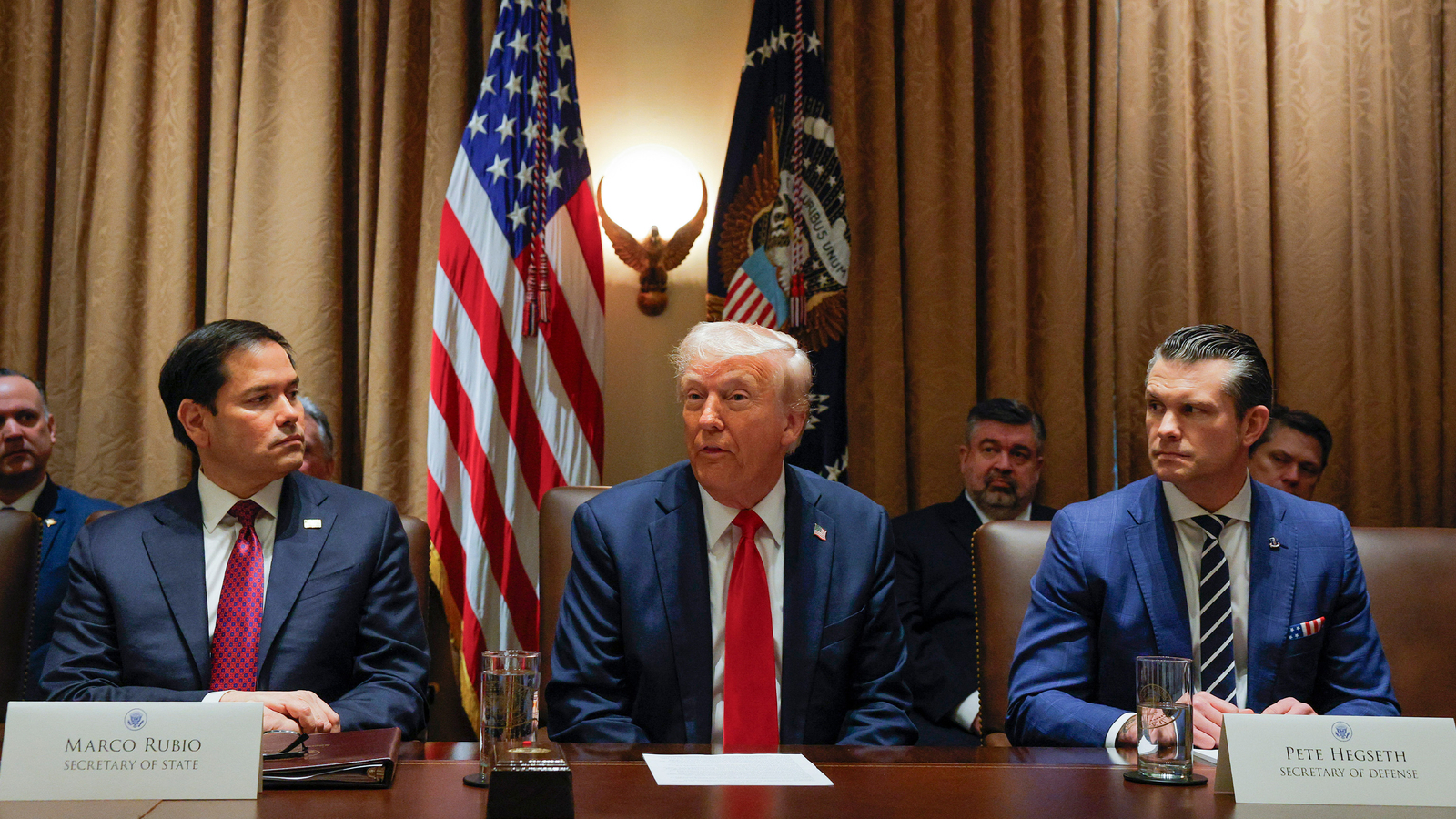
What the White House says
"President Trump listens to all viewpoints on every issue, but everyone knows he makes the final decision," a White House official stated in response to related questions. He maintained that the MOU covers all the administration's "red lines," ensuring that: Iran will never acquire a nuclear weapon; it will not maintain stocks of highly enriched uranium; and it will not be able to hold the global energy supply hostage. He also stressed that Trump will only accept a "good" final deal. The CIA and the State Department declined to comment, while the Pentagon did not respond, Axios points out.
The next phase
The nuclear components of the MOU signed on Sunday depend on achieving a more detailed nuclear deal within the next 60 days. Vance, Witkoff, and Kushner are expected to meet on Friday, June 19, with the Speaker of the Iranian Parliament, Mohammad-Bagher Ghalibaf, and Foreign Minister Abbas Araghchi, in the presence of Pakistani and Qatari mediators, to discuss the next stage of negotiations.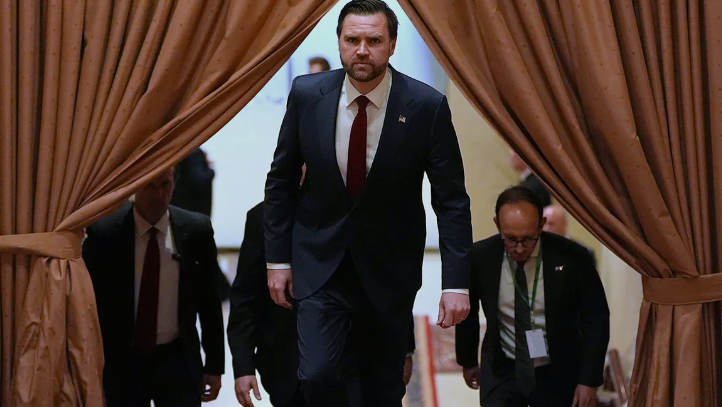
What the text provides
Although the full text of the 14-point agreement has not yet been released, a source familiar with its content claims that Iran will receive more than it concedes under the MOU, unless it ultimately agrees to a nuclear deal that satisfies American goals. The agreement is designed to extend the truce and inaugurate 60 days of negotiations, which can be extended by mutual consent. In this context: Iran reaffirms its commitment never to acquire a nuclear weapon; both sides commit to resolving the issue of enriched material stocks; they will discuss the future of uranium enrichment and other issues related to Iran's nuclear needs; Iran will keep its nuclear program unchanged while negotiations last; and the US will not impose new sanctions or deploy additional military forces in the region. If a final nuclear deal is reached, the US will withdraw within 30 days the forces mobilized for the war and proceed to lift all sanctions against Iran according to an agreed schedule.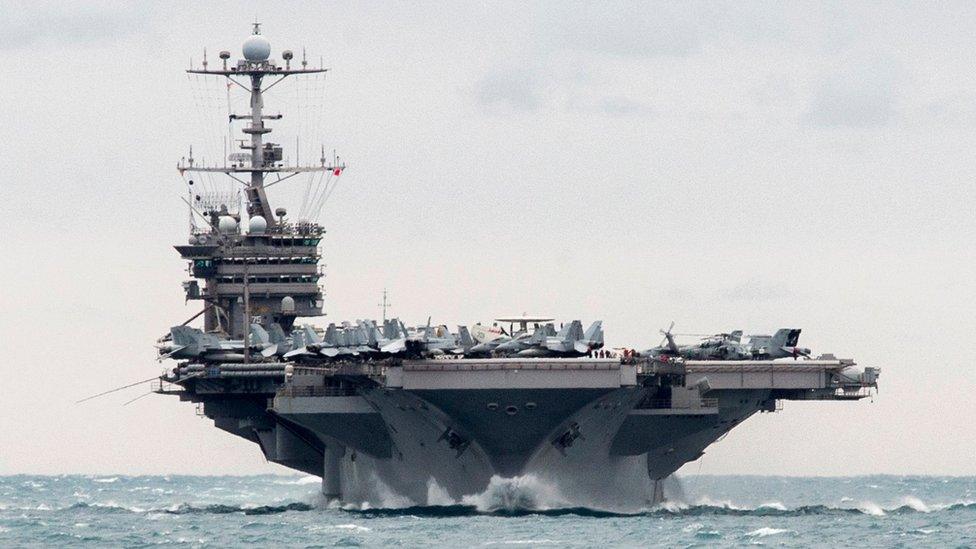
The reservations of critics
Critics of the deal believe that Iran is unlikely to sign a nuclear agreement on American terms and that in the meantime, it will gain more benefits from the US. However, two senior US officials argued in a press briefing on Monday that the benefits for Tehran depend on specific actions on its part. One of them stated that the US will know within two to three weeks if Iran is truly willing to make substantial nuclear concessions. Otherwise, the process may be halted without Tehran gaining significant benefits. Senator Lindsey Graham told Axios: "I am somewhat concerned that the Iranian version of the agreement seems different from the one described by the American negotiating team," while simultaneously demanding the immediate disclosure of the document.
The Strait of Hormuz
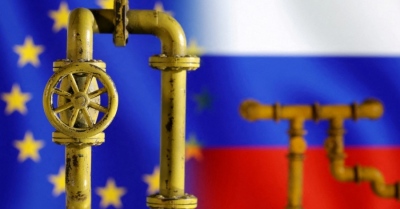
Although the nuclear provisions are conditional, the MOU provides for the reopening of the Strait of Hormuz in the near future. According to a source familiar with the text: Iran will take steps, making every possible effort, to ensure the safe passage of merchant ships without fees for 60 days; the US will gradually lift its blockade, which will have ended completely within 30 days; Iran will begin a dialogue with Oman regarding future administration and shipping services in the Strait; and the dialogue will include other Gulf countries, aiming for a solution compatible with international law and the sovereign rights of the states in the region. Iranian state media have already mentioned the possibility of imposing transit fees after the end of the 60-day period.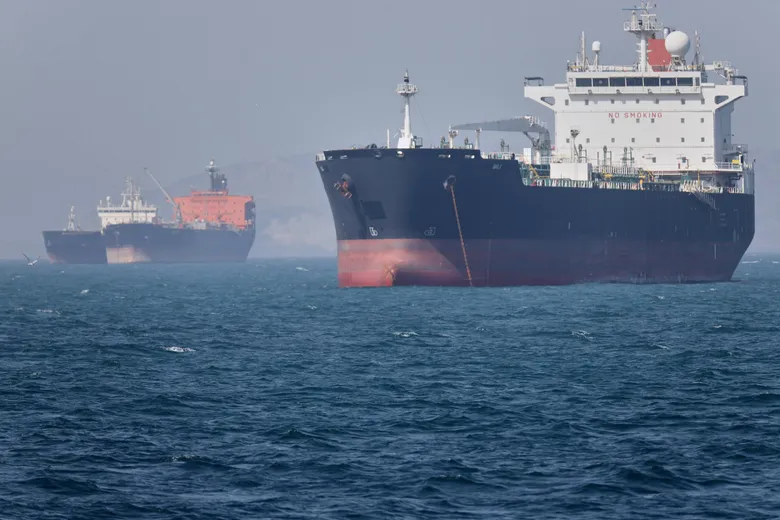
Shock from Iran - The Strait of Hormuz will never return to its pre-war state
Saman Rezaei, head of Iran's commercial shipping association, stated that he believes the transit system in the Strait of Hormuz "will never return to its pre-war state," even after the final end of the crisis. "For centuries, the Strait was a safe haven for commercial shipping, but this war shattered the previous order and structure, and we must expect the formation of a new order and a more effective role for the coastal states of the region," Rezaei pointed out, speaking to Al Jazeera. Rezaei, who is the general secretary of the Iranian Merchant Mariners Syndicate (IMMS), an organization linked to the International Transport Workers’ Federation (ITF), stated that the global maritime industry believes that a full return to normalcy in the Strait could be a "long and uncertain process." As he argued, restoring normalcy depends on a series of "factors and assessments" based on "sustainable peace, the reduction of perceived threat, and several consecutive transit cycles without incidents."
Weeks, if not months
Regarding the timeline, Rezaei noted that the ITF has estimated that the process may take "weeks, if not months," due to the huge accumulated volume of ships waiting for passage, as well as the need for crew changes. "Furthermore, several important infrastructures of port and transport authorities, as well as commercial and oil authorities on both sides of the Gulf, have been damaged by the war, which requires significant funding, but also time for repair and reconstruction," Rezaei mentioned, stressing that approximately 22,000 seafarers have been trapped in the Gulf for almost four months and have "suffered severe ordeals and significant harm." As he stated, threats and attacks against merchant ships increased significantly, "especially after the start of the US naval blockade, which raised the level of tension at sea," resulting in civilian casualties, including "seafarers, fishermen, port workers, and pilots." "The immediate priority is the safe departure of all seafarers, with international cooperation, regardless of the political outcome," Rezaei stated.
The 30 days
Referring to the post-war period, Rezaei estimated that the restoration of the situation will happen gradually. According to his forecast, the process will begin with the official signing of the Memorandum of Understanding (MOU) in Switzerland on June 19 and will be followed by a 30-day period, during which "Iran commits to begin mine-clearing operations." However, as he noted, security checks may take 40 to 50 days before "large ships feel safe again to transit through the region." At the same time, high insurance costs and the prolonged lack of trust could delay a full return to normalcy "for a period of up to eight months," Rezaei concluded.
Frozen funds and the $300 billion fund
One of the most controversial issues of the negotiations concerns the release of frozen Iranian funds and assets. The MOU leaves significant room for interpretation, stating that the US "undertakes to make the funds fully available for use with the implementation of the MOU." American officials argue that a "pay for performance" model will be applied, according to which the release of funds will only happen if Iran proceeds with positive actions. Simultaneously, the MOU provides that any final agreement will include a "definitive and mutually agreed plan" for the creation of a $300 billion fund for the "reconstruction and economic development" of Iran, as well as a mechanism for its implementation. Supporters of the deal argue that this is a long-term prospect, which could only be realized if Iran dismantles its nuclear program and proceeds with substantial internal reforms.
The déjà vu
From the coming Friday, June 19, a 60-day deadline for Iran to reach a nuclear deal is expected to begin "running," under the shadow of the threat of US military action. President Donald Trump declares that he hopes for a deal, even if Tehran's leadership adopts tough rhetoric and Israel pushes for more military actions. Does it remind you of anything? Although déjà vu is technically an illusion of the mind, the above has happened before. It is simultaneously the situation in which the Middle East finds itself today and the one in which it was in April 2025, a few weeks before the first Israeli strikes against Iran last year and the US attack on its nuclear facilities. The last year in American-Iranian relations seems to have returned to the same point, but the trajectory has followed a downward spiral, both for the US and for the wider region.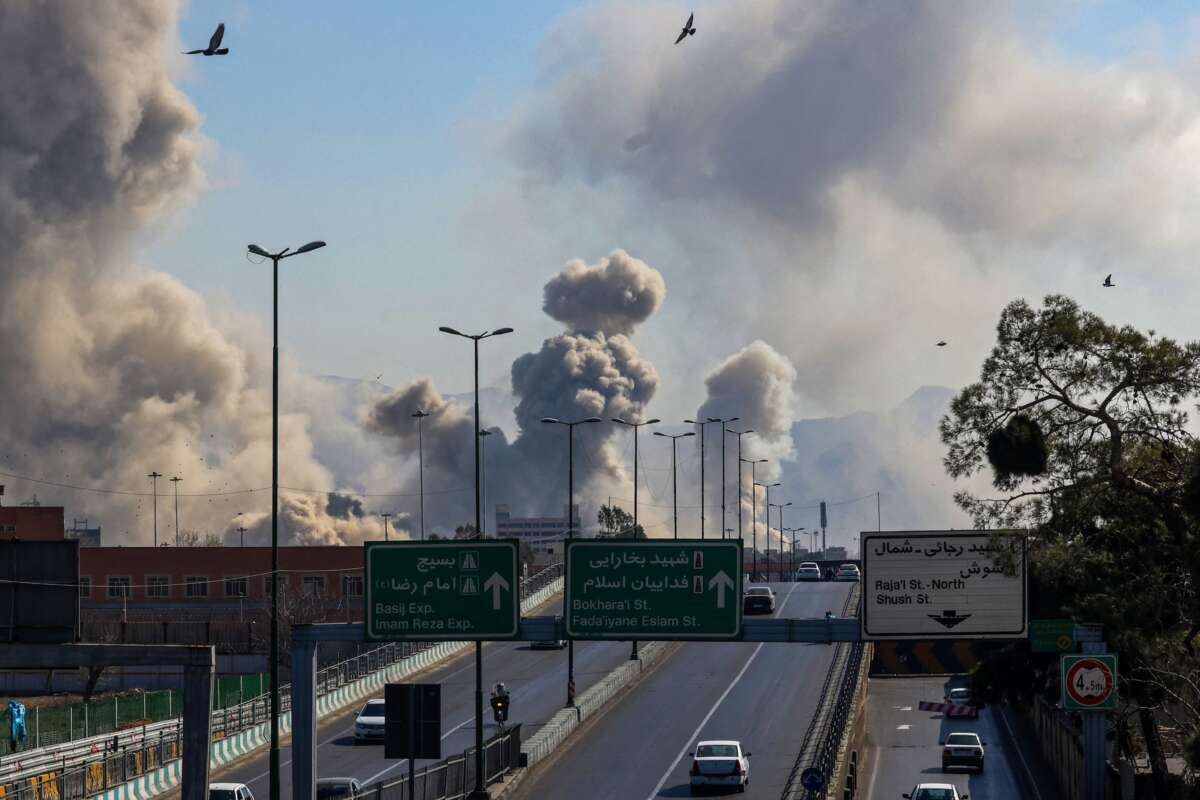
The Trump letter
It is recalled that Trump had sent a letter to the then-Supreme Leader of Iran, Ayatollah Ali Khamenei, in March 2025, proposing a two-month deadline for reaching a nuclear deal, otherwise the use of force would follow. His envoy, Steve Witkoff, traveled to Oman in April 2025 to promote diplomacy. But the entire effort collapsed when the Israeli "Operation Rising Lion" imposed the military solution as the only available course on June 13. A 12-day war followed, during which Israel neutralized a large part of the Iranian security apparatus and claimed to have significantly damaged the country's missile capabilities. The US then intervened, claiming they "completely dismantled" the Iranian nuclear program.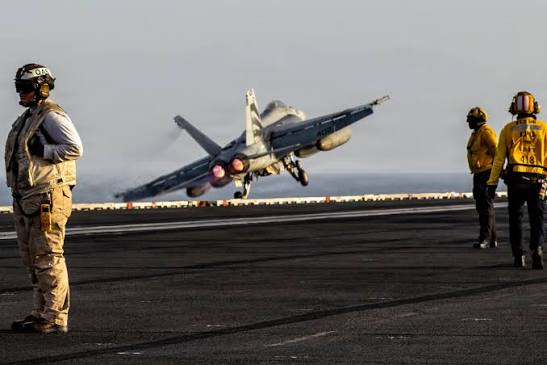
The new 60-day deadline
After thousands of deaths in the last three months — over 3,000 in Iran, about half of them civilians according to monitoring groups, and over 3,600 in Lebanon, many also civilians according to the country's Ministry of Health — the repetition of the same pattern as June of last year seems cruelly repetitive, if not absurd. However, Trump has literally attempted the same approach twice. In both cases, he ultimately found himself involved in military action under pressure from Israeli Prime Minister Benjamin Netanyahu. After both military operations, Trump stated that they were a success and that widespread damage was caused to Iran, claims that are disputed by parts of the American intelligence community itself. However, the new 60-day deadline — which seems to be part of the memorandum of understanding — suggests that this cycle might be repeated again.
The 2 questions
Two key questions remain for the White House: What was gained from the last year of violence in the Middle East, and to what extent does each new cycle of violence make Iran's acquisition of a nuclear weapon more or less likely? The second question is easier to answer. Iran, after the assassination of its Supreme Leader and much of its top security leadership, as well as after the attacks on its conventional arsenal, likely desires to acquire a nuclear weapon more than ever. However, it seems to be further from this goal than it was in April 2025, when uranium enrichment was at its peak, facilities were intact, and the scientific potential was largely active. Any attempt to build a bomb today would have to be done under the strict surveillance of the US and Israel, with materials and equipment that might need to be recovered from the rubble.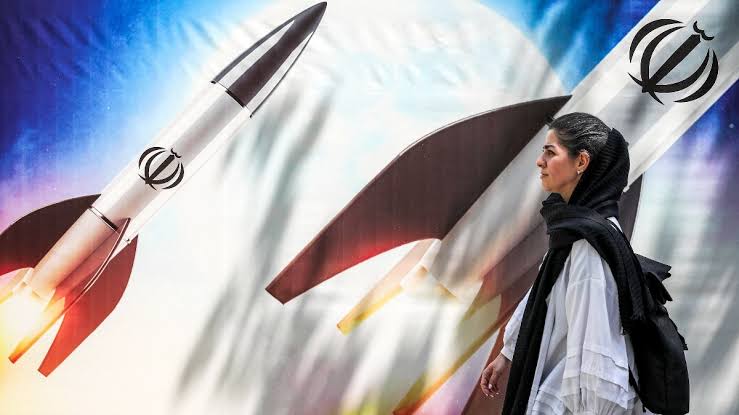
Unlikely for Iran to acquire a nuclear weapon
Although Iran's capabilities had been underestimated before the US-Israeli attacks of February 28, building a nuclear weapon requires a completely different level of technological complexity. Under today's conditions of crisis and pressure, such a venture seems unlikely, although not impossible. The broader question is more complex, and its answer offers little comfort to the White House.
The lesson ignored
Trump is now facing the successors of the leaders who were killed and hopes that the violence and mourning will have made them more receptive to a deal. Supreme Leader Mojtaba Khamenei, who was wounded in the attack that killed his father, wife, and son, can hardly be considered a person willing to reconcile immediately. The United States had faced a similar problem in Afghanistan, where constant raids against Taliban leaders left behind angry and vengeful sons to take power, with fewer moderate interlocutors available when it came time for negotiations. The lesson of the leadership decapitation attacks does not seem to have been taken into account in the attacks of February and March. Israel and the US either did not know who would succeed the leaders they eliminated, did not care, or consciously preferred to remove relatively moderate figures. The succession process seems to have strengthened the position of hardliners in Iran, or at least allowed them to exert greater influence within the prevailing climate of insecurity and fear.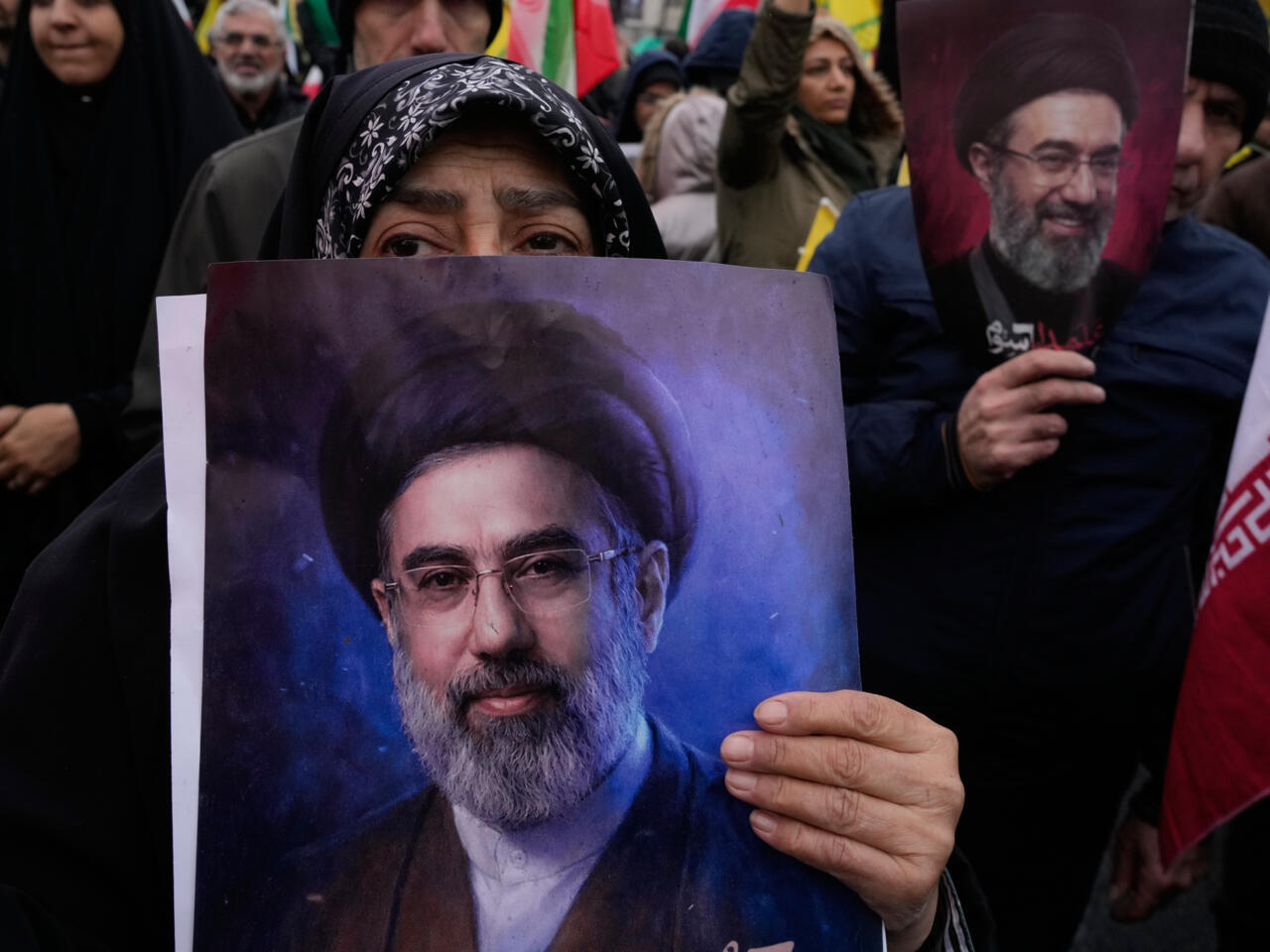
The 4 "plagues" of the US
Iran has suffered severe damage. Its leaders live under constant pressure, heavy grief, insomnia, and the effects of sanctions and airstrikes. However, the United States has also suffered damage in four key areas. First, the deterrence power of the American military seems less effective than it was four months ago. Despite the more than 13,000 strikes that have taken place, according to US Central Command, Iran's ability to cause disruption through drones, mines, and missiles continues to cause concern for the US and its allies, mainly due to the economic consequences that a rise in energy prices would have. Second, the US's relations with Israel have been significantly affected. Netanyahu seems to have convinced Trump in February to support a rapid military offensive, but a few months later, according to Axios reports, he was found receiving angry phone calls from the American President, who allegedly told him that without his support, he would be in prison. Third, Iran has now expanded its "security umbrella" toward Hezbollah in Lebanon. After an Israeli strike in the southern Dahieh district of Beirut on June 7, Iran retaliated by striking Israel. Analysts point out that it was the first time Tehran attacked Israel in response to a strike against a third country. Fourth, Trump's personal political image has been damaged. The military conflict has reduced the support he enjoys from the MAGA movement's base, has burdened the American economy ahead of the midterms, and has undermined his image as a peacemaker leader who once even aspired to a Nobel Peace Prize.
The final question
No one disputes that the United States still possesses enormous power. The question, as the region enters perhaps another 60-day cycle of negotiations under the threat of military action, is whether this policy of repeating the same pattern is the right one, or if it has ultimately made the Middle East, Israel, and the United States itself less safe, making a radical restart of strategy necessary.
www.bankingnews.gr







Readers’ Comments