

Not even 24 hours have passed since the announcement of the agreement between the US and Iran, and most analysts are already concluding that after more than three months of war, Trump and Netanyahu—who wanted the "surrender" of Iran—are the ones who ultimately succumbed and surrendered. In Israel, there is outrage as the media and the opposition accuse Prime Minister Benjamin Netanyahu of being sidelined from developments, unable to even voice an opinion. In the US, Trump is celebrating the deal, though it is unknown why, since none of the key goals he set were achieved—neither regarding Iran’s nuclear and missile programs nor the Strait of Hormuz and regime change. The US and Israel were humiliated despite the fact that for 40 days they relentlessly bombarded Iran. Tehran achieved all its key strategic goals and has now emerged as a global power, utilizing the Strait of Hormuz in the most intelligent way.
An act of surrender
The American magazine The Atlantic argues in its analysis that the agreement between the US and Iran constitutes an "act of surrender" by Washington and a strategic victory for Tehran. According to the report, US President Donald Trump, who had started the confrontation with the goal of "unconditional surrender" for Iran, ultimately ended up abandoning the core war objectives of American policy.
Premature celebrations
As mentioned, Trump rushed to celebrate the agreement via Truth Social; however, according to The Atlantic, the US did not achieve any substantial strategic gain. Trump wanted the agreement to be finalized on his birthday, while Tehran reportedly was in no hurry and maintained control of the timeline.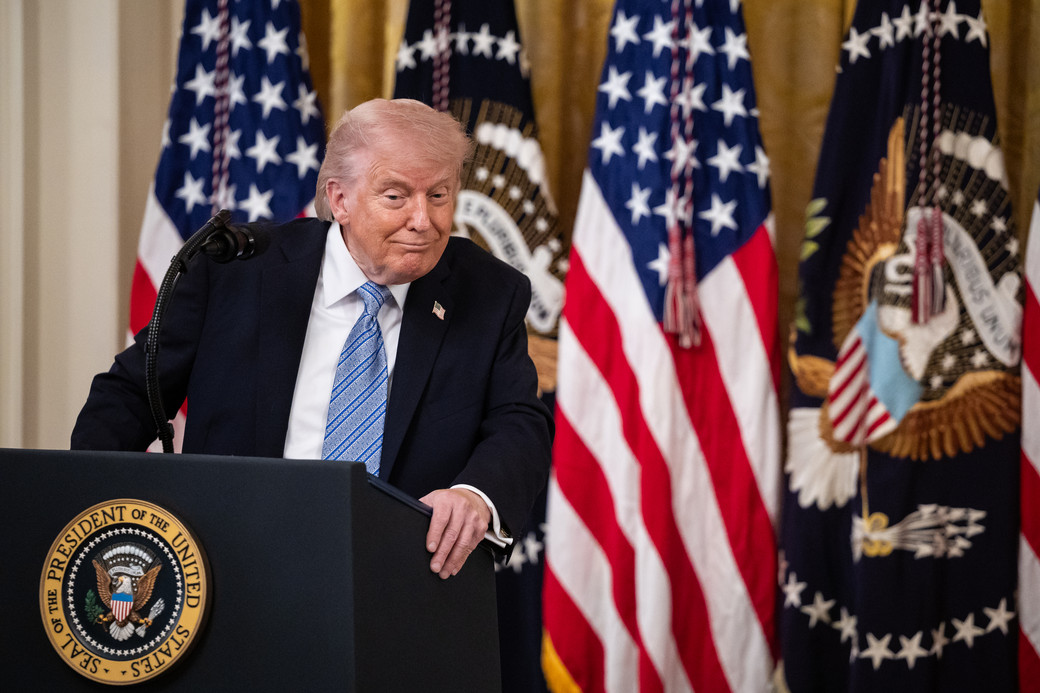
"Iran achieved its key strategic goals"
The analysis argues that despite military losses and damage from US and Israeli attacks, the Iranian government remains stable. According to The Atlantic:
• Tehran's political leadership remains in power.
• Iran retains a significant portion of its missile and drone capabilities.
• It gains access to billions of dollars in frozen assets.
• It secures a broader relaxation of sanctions.
It is also stated that the US did not achieve goals such as the weakening or change of the Iranian regime.
"Israel is in isolation"
Based on the report, the agreement has left Israel in a disadvantageous position. According to the article, Benjamin Netanyahu, who had encouraged a harder line against Iran, now appears politically weakened. As reported, Tehran managed to link the Lebanon issue to the overall agreement, limiting Israel's room for maneuver.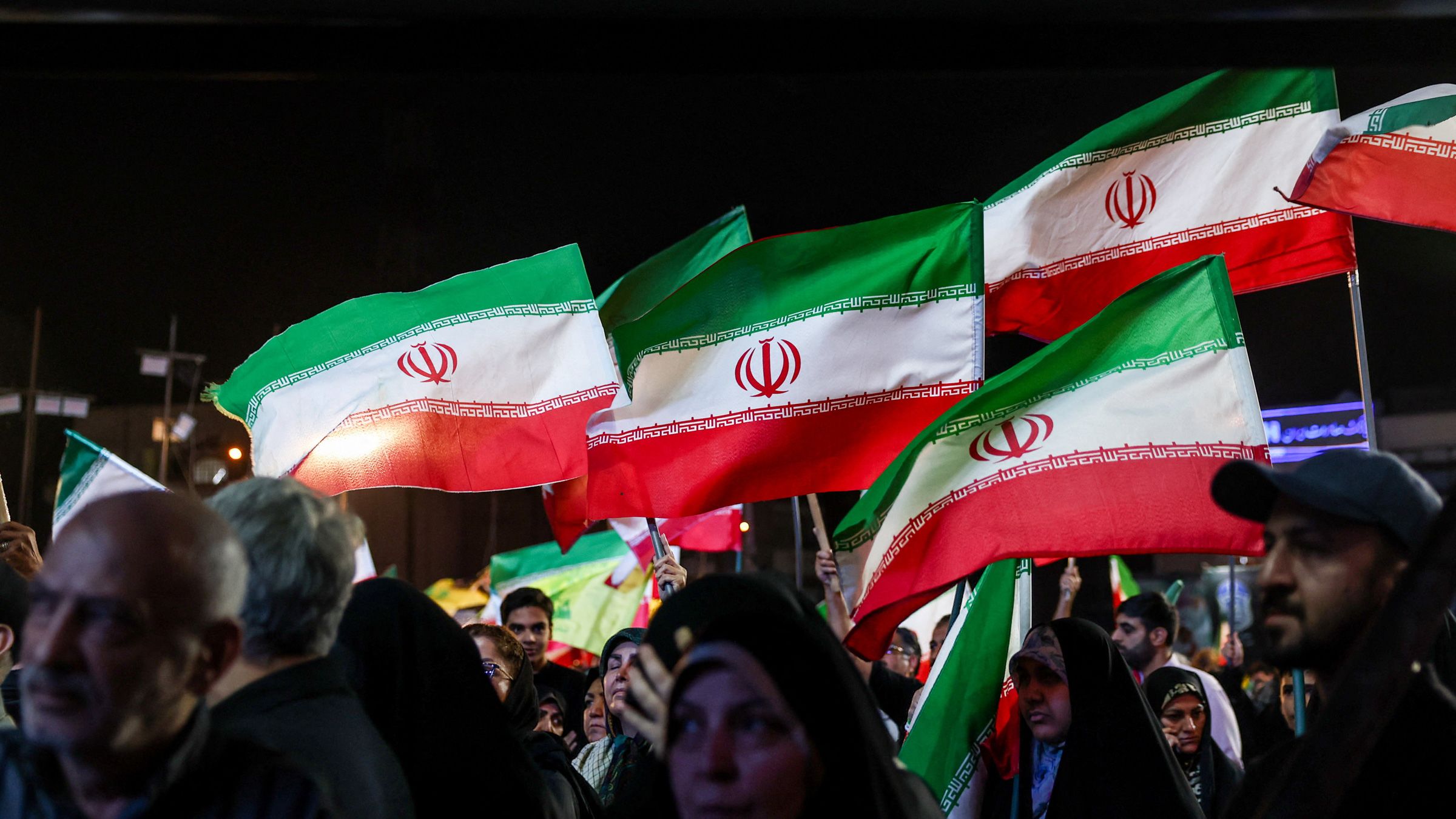
Criticism of claims regarding nuclear victory
The magazine disputes the Trump administration's claims that the agreement is a success because it prevents Iran from acquiring nuclear weapons. According to The Atlantic, Tehran had already undertaken similar commitments under the Joint Comprehensive Plan of Action (JCPOA), and it is argued that Iran was not close to immediately building a nuclear weapon when the crisis erupted.
Trump to New York Times: Iran will be able to proceed with low-level uranium enrichment
It is characteristic that Trump mentioned in statements to the New York Times that Iran would be permitted to proceed with uranium enrichment at low levels. Trump, who until recently insisted on the need to destroy all of Iran's nuclear facilities and implement a "zero enrichment" policy, stated to the New York Times that Tehran could maintain enrichment at low levels. The report points out that the memorandum of understanding signed does not yet include an agreement on the nuclear issue. However, Trump's new position is seen by the Iranian side as a retreat from some of his previous demands.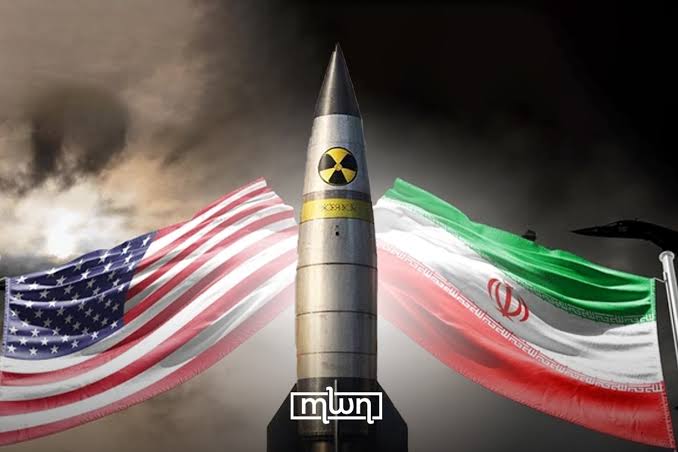
Fars: Iran will not collect fees in the Strait of Hormuz for only... 60 days
Additionally, the Iranian news agency Fars, citing an informed source, argued that Iran will not charge ships for their passage through the Strait of Hormuz for a period of 60 days. According to the report: "Iran will allow the passage of ships without the imposition of fees for only 60 days." The agency states that after the expiration of this period, Tehran plans to derive economic benefits from navigation through the Strait of Hormuz by offering services related to:
-
maritime safety,
-
ship traffic management,
-
insurance coverage. However, Fars did not specify exactly from which date the 60-day period will begin to be calculated, while it claimed that "the United States agreed with the very principle of imposing fees." According to the report, the content of the US–Iran memorandum under formation shows that navigation in the Strait of Hormuz will be jointly regulated by Iran and Oman.

Issue of unfrozen assets
The analysis also refers to information attributed to Iranian sources, according to which:
• $12 billion will be released immediately.
• Another $12 billion will be released within 60 days.
• The creation of a $300 billion reconstruction fund is being considered.
In any case, American authorities insist that the releases will depend on Iran’s compliance with specific terms.
Empty threats
As stated, Trump’s threats to resume military operations in case of Tehran’s non-compliance have limited credibility, especially in light of the political cost of a new conflict. According to The Atlantic, the overall picture that emerges is that Trump started the confrontation with the goal of forcing Iran to retreat, but ultimately ended up accepting terms that strengthen Tehran's negotiating position.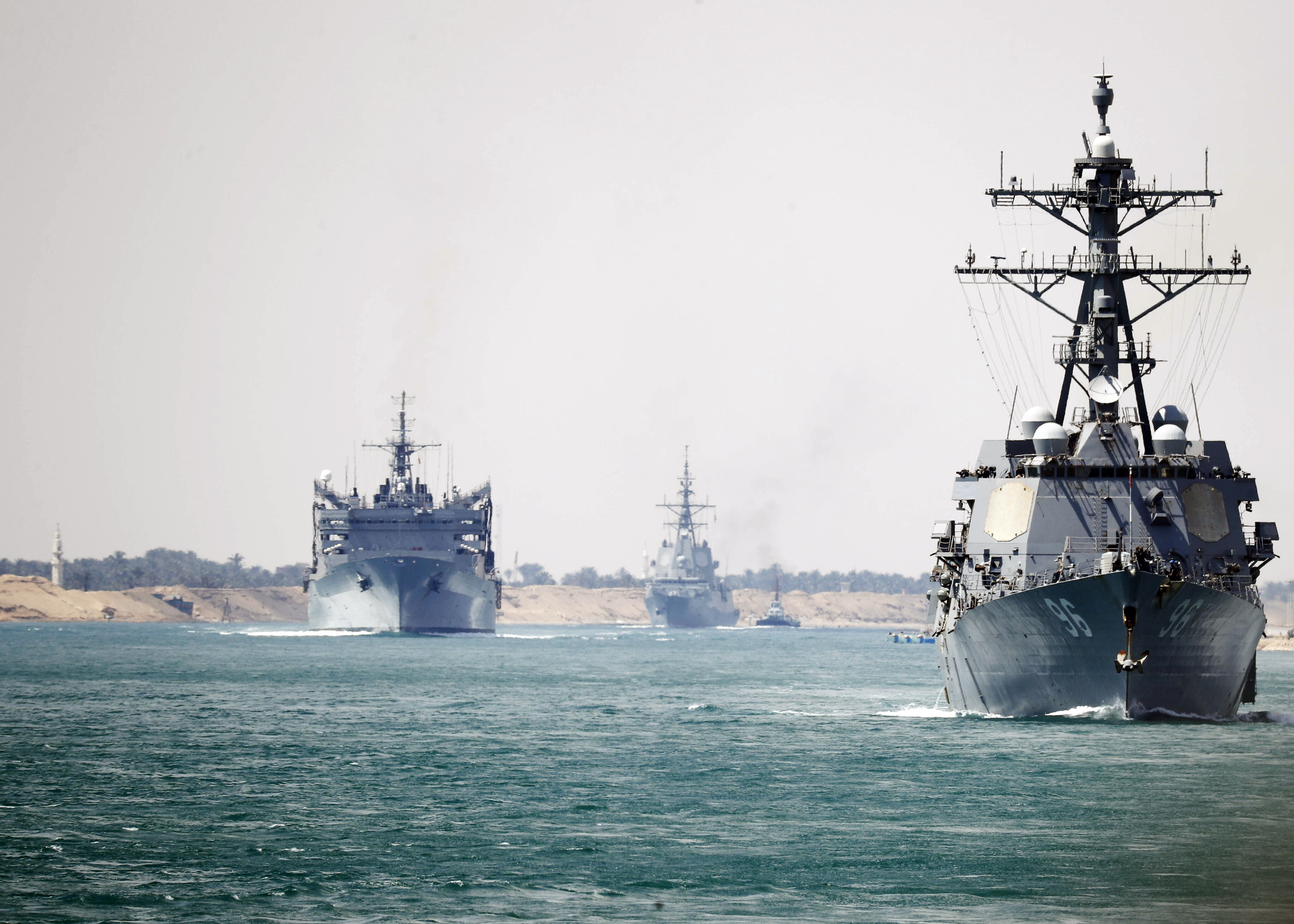
Anger in Israel
And while American analysts argue that Trump did not manage to achieve essentially... anything against Iran, there is anger in Israel regarding the agreement, as the Israeli media and the opposition are launching a fierce attack on Israeli Prime Minister Benjamin Netanyahu, whom they accuse of being sidelined from developments without being able to voice a position and view on the developments. It is characteristic that politicians, military officials, and analysts in Israel characterized the development as a "strategic shock" for Tel Aviv.
Barak Ravid: Trump imposed the agreement on Netanyahu
Israeli journalist and analyst Barak Ravid stated on Channel 12 that US President Donald Trump informed Israeli Prime Minister Benjamin Netanyahu that the agreement with Iran was now closed. Citing a senior US official, Ravid reported that Trump allegedly told Netanyahu: "This is the deal. It is an excellent deal and it is time to end this war." According to the same source, Netanyahu "did not say much," as he realized that the agreement was inevitable and he did not have the ability to prevent it.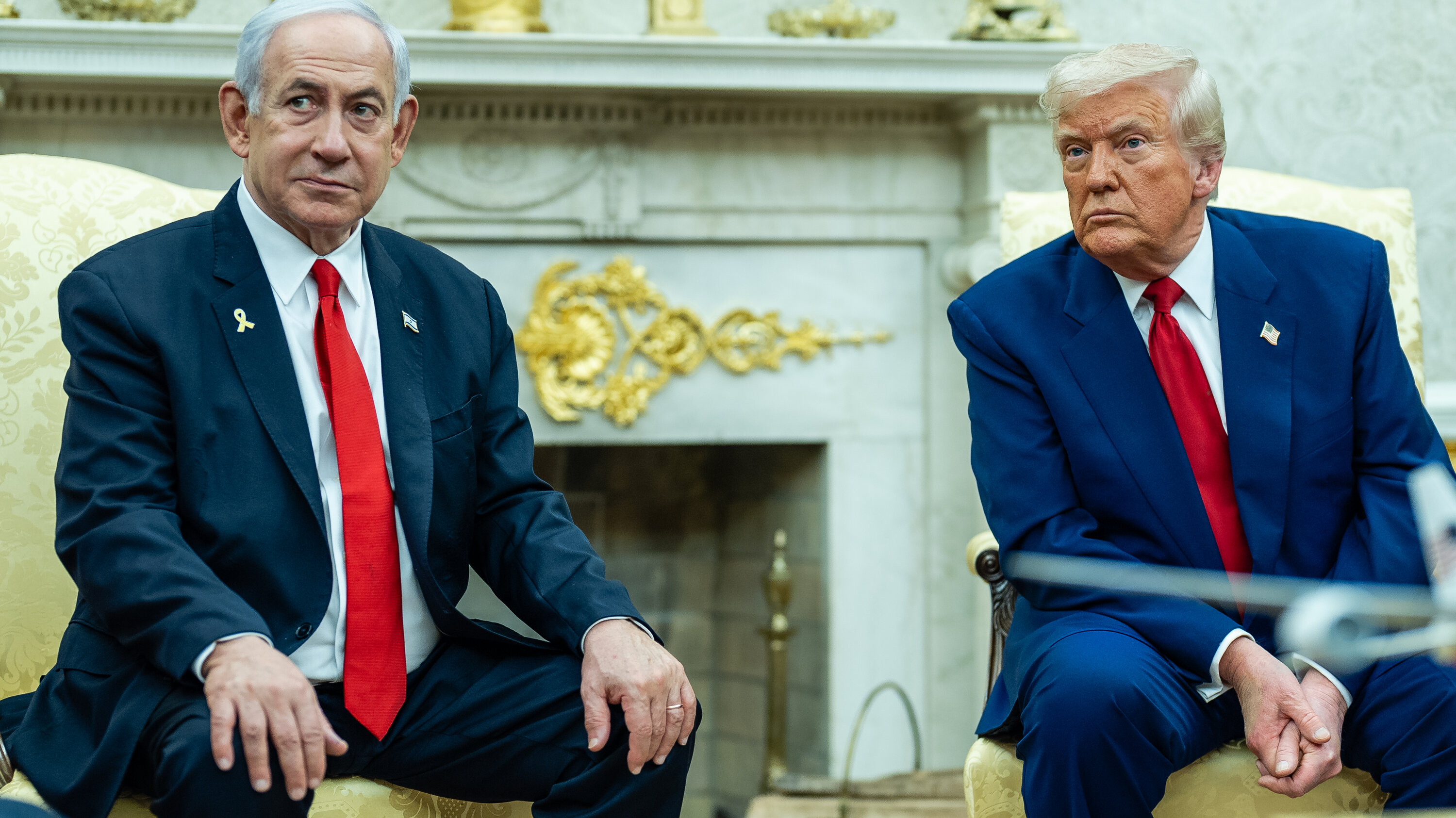
Vital security interests are threatened
Journalist Yaron Avraham relayed statements from senior Israeli officials who expressed concern that the agreement "threatens vital security interests of Israel." According to his analysis, Washington accepted key Iranian demands, while the military threat against Tehran has effectively been withdrawn. As he reported, Netanyahu's close associates fear that Trump is following a path similar to that of the Barack Obama administration in 2015.
Haaretz: Israel went from a strategic partner to a spectator
Haaretz political editor Yonatan Lis argued that Israel's political leadership is in a state of diplomatic weakness. According to him, Israel has been transformed from a strategic partner of the US into a mere observer of developments, without the ability to exert substantial influence on decisions concerning its interests.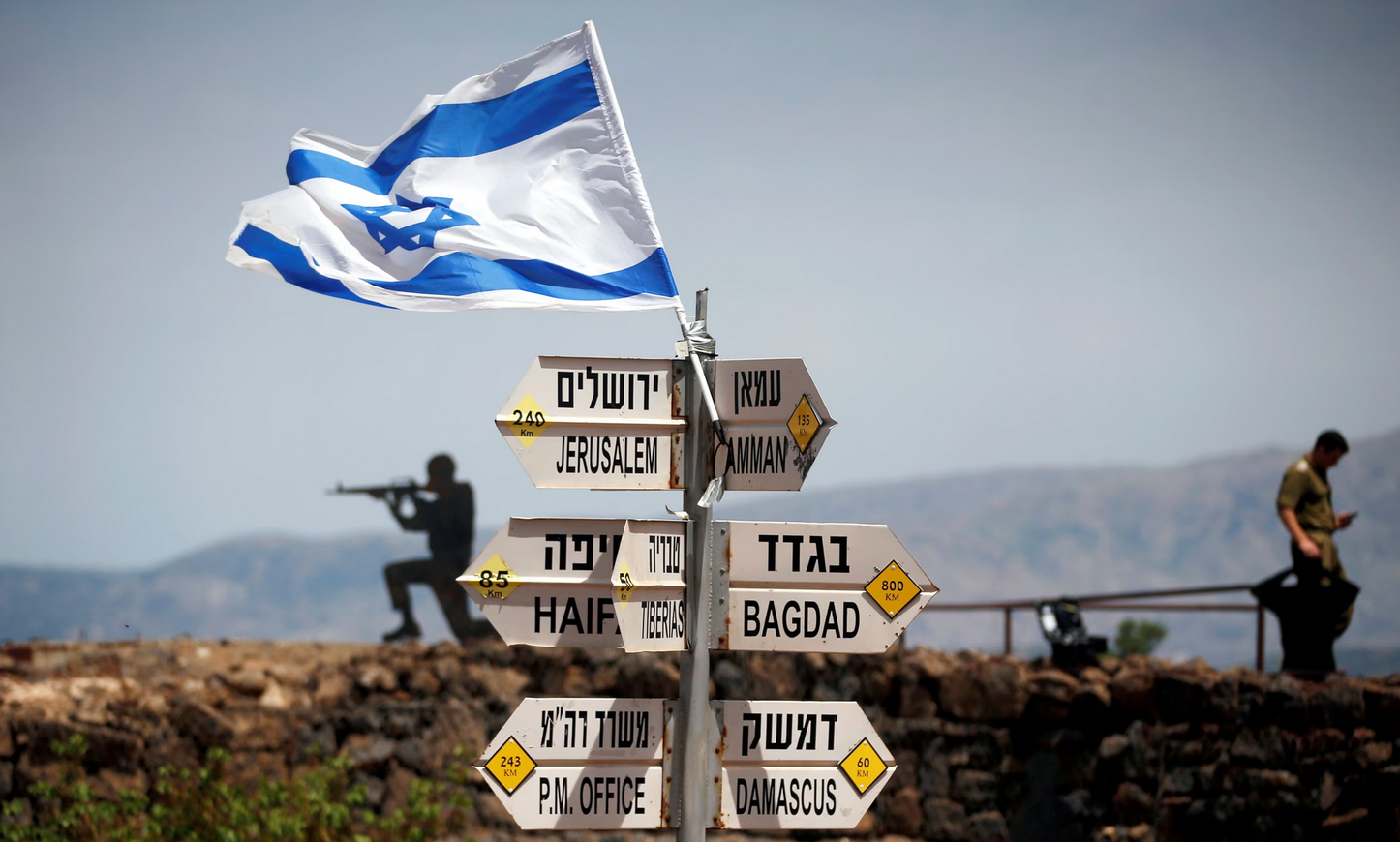
"Tehran limited Israel's freedom of movement"
Middle East analyst Zvi Bar'el estimated that Tehran's insistence that Lebanon be included in the agreement significantly limited Israel's operational freedom. According to him, military pressure and threats against Iran lost their credibility, while Tehran managed to impose unfavorable terms on its opponents.
Maariv: "Netanyahu's humiliation"
Strategic analyst Ben Caspit wrote in Maariv that the agreement constitutes a "document of humiliating surrender" by Israel to Trump. Ben Caspit accused Netanyahu of having become a "political hostage" of the American president and that he is sacrificing Israel's security interests for personal political reasons.
Warnings of a historic blow to Israel's deterrence
Former national security advisor Yaakov Nagel criticized Trump’s close associates, such as JD Vance, Steve Witkoff, and Jared Kushner, arguing that they led the American president into an agreement that allows Iran to retain significant nuclear capabilities. At the same time, military analyst Avi Ashkenazi estimated that the agreement gives economic and political breathing room to Iran and its allies, causing a "historic blow" to Israeli deterrent power.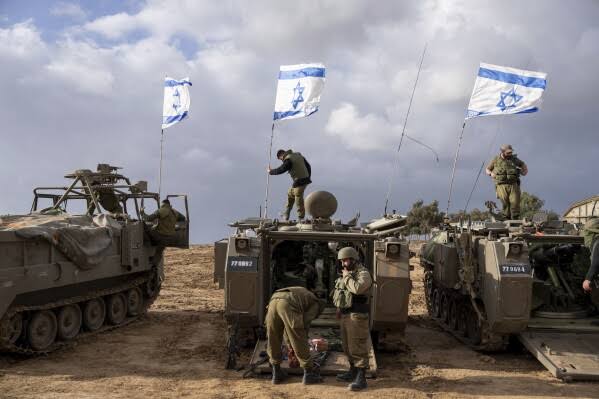
"Neither Hamas nor Iran were defeated"
Analyst Ben-Dror Yemini argued that neither Hamas was defeated after two years of war, nor did Iran succumb after weeks of bombing. In his estimation, the agreement may strengthen Tehran’s allies in the region and complicate efforts to disarm Hezbollah and Hamas.
Yedioth Ahronoth: The security doctrine collapsed after October 7th
Researcher Michael Milshtein of Tel Aviv University wrote in Yedioth Ahronoth that Israel's initial euphoria during the war has now disappeared. According to him, Washington has set clear limits on Israel's military moves, while the security doctrine formed after October 7, 2023—based on military power and control of more territory—proved insufficient.
We are not leaving Lebanon, we are continuing the attacks
In any case, both Netanyahu and Israeli ministers are signaling that Israel is not going to leave Lebanon or stop its military attacks, stating that it is not bound by the agreement that Trump signed with Iran. This is a position that could blow up the US–Iran agreement, as Tehran clearly states that the preliminary agreement provides for a ceasefire on all fronts, including Lebanon, and that it is the Americans who bear the responsibility for its implementation. It is even reported that Israeli Prime Minister Benjamin Netanyahu informed US President Donald Trump that Israeli armed forces will remain in Lebanon and will continue operations against Hezbollah, despite the US and Iran's plans to sign an agreement to end the conflict. According to a report by the Israeli outlet Ynet, which cites Israeli sources, Netanyahu clarified that Israel does not consider itself bound by the provision of the US–Iran memorandum under formation that concerns Lebanon. "Netanyahu made it clear to Trump that Israel will not withdraw its troops from Lebanon and that it does not consider itself bound by the Lebanese provision of the agreement with Iran," the report says. According to the same information, the IDF will remain in the positions it currently holds in Lebanon and will continue to operate against the threats that, according to Israel, come from Hezbollah.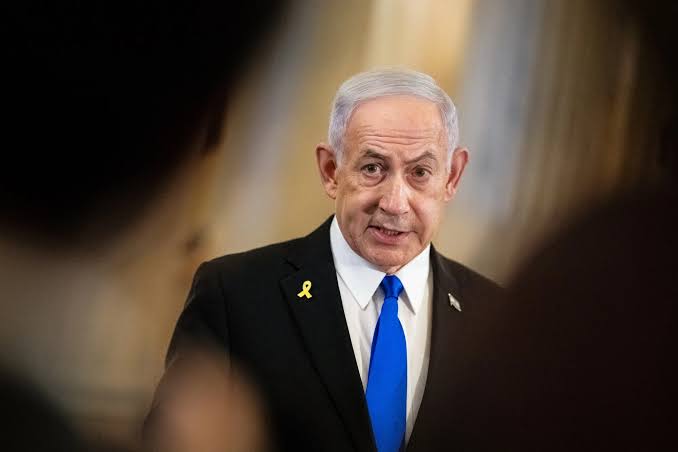
The US-Iran agreement "erases" Israel's achievements
The head of the center-left Democratic Party in Israel, Yair Golan, harshly criticized the agreement between the US and Iran. In a post on social media, Yair Golan argued that: "With a single signature, vast military achievements conquered with the courage of our pilots and the blood of our fighters were erased, while Benjamin Netanyahu stood on the sidelines—weak, sick, isolated, and powerless." Golan characterized the agreement as "the culmination of many years of failure," adding that Netanyahu "is ending his term with Israel's enemies stronger, Israel weaker, and the deterrent power built with the blood of our fighters eroding before our eyes." The statements by Yair Golan reflect the intense reactions recorded within Israel after the reports of the US–Iran agreement, with a portion of the opposition believing that the development undermines the strategic gains that, in its view, Israel achieved during the conflict.
The US-Iran agreement constitutes a "personal defeat for Netanyahu"
Israeli political analyst Gideon Levy stated that the announcement of the agreement between the US and Iran is perceived in Israel as "Israel's defeat and a personal defeat for Benjamin Netanyahu." Speaking to Al Jazeera, Gideon Levy argued that Iran was Netanyahu's "life's work" and that Israel has now been "completely excluded from the negotiations," with the only option being to resort to actions to obstruct the process. According to him, these include the "ridiculous, childish attacks" that Israel launched on Beirut on Sunday.
"It is now very clear that Israel only lost in this case," he noted characteristically. Levy added that the real test of Donald Trump's commitment to restrict Israeli moves "remains to be seen," as Netanyahu still has a strong motive to undermine a ceasefire agreement that does not satisfy key Israeli objectives. "The situation is extremely fragile. And I consider one of the biggest challenges of the agreement with Iran to be the situation in Lebanon," Levy emphasized. According to him, Tehran succeeded in fully linking the Lebanon issue to the agreement. "The Iranians managed to create a full interconnection between Lebanon and the agreement. And I really don't see how this can work, as Israel is still in Lebanon and has no intention of leaving. As long as there are Israeli troops there, there cannot be a 'full ceasefire,' because there will always be resistance to the Israeli occupation of Lebanon," the analyst concluded.
Smotrich (Israeli Finance Minister): We will continue the effort to overthrow the Iranian regime
Israel's far-right Finance Minister, Bezalel Smotrich, stated that the agreement between the US and Iran is "bad for Israel and for the entire free world." In a post on the X platform, Smotrich argued that: "The joint campaign achieved significant results in weakening Iran and these achievements will not be lost." At the same time, he emphasized that Israel should continue the efforts against the Iranian leadership alone. "We must continue the campaign to overthrow the regime on our own, in creative ways, and ensure that Iran never acquires nuclear weapons." Smotrich also clarified that Israel will continue operations against Hezbollah in Lebanon, despite the pressures reportedly exerted by the United States for a cessation of attacks. "This is our war, our fighters, and the immediate security of the residents of northern Israel. I will continue to work so that we remain steady and ensure full freedom of action for the armed forces in order to continue pushing back Hezbollah."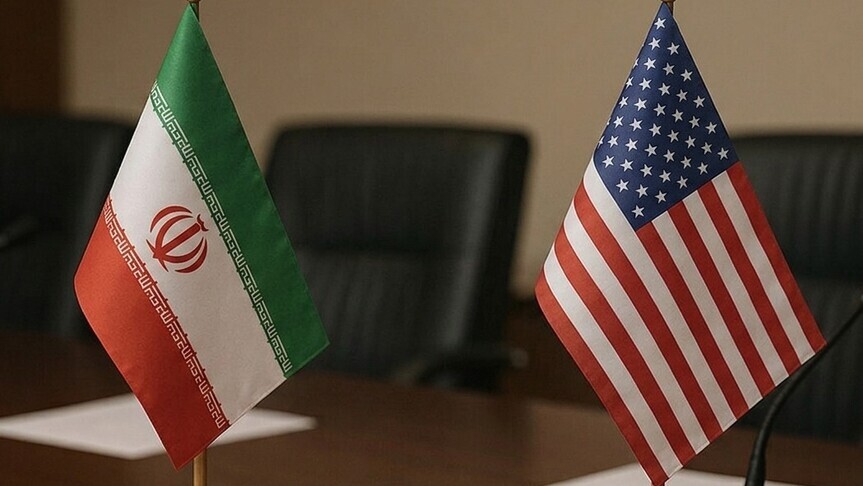
Mehr: Last-minute amendments to the memorandum
According to the Iranian Mehr news agency, the final text of the memorandum of understanding under signature between Iran and the US includes significant changes that were agreed upon during the last round of negotiations. The report states that, after intensive talks with the participation of mediators, the text was completed and approved by the relevant institutions of both sides. According to Mehr, the United States agreed that the naval blockade against Iran will be fully and immediately lifted once the text of the agreement is finalized. The report also claims that the Strait of Hormuz will be reopened based on arrangements that will be determined by Iran. At the same time, the management of navigation, maritime services, and related transit fees will be assigned to the two coastal countries of the Strait: Iran and Oman. Another element that, according to Mehr, was added to the final text concerns Lebanon. The report states that a clause for respect for the sovereignty and territorial integrity of Lebanon was incorporated. According to the Iranian interpretation of this provision, the areas under Israeli control are recognized as occupied territories and should be evacuated by Israeli forces.
What the draft memorandum provides
According to the Iranian Mehr news agency, the 14-point draft memorandum between Iran and the US provides for:
• Immediate and permanent ceasefire on all fronts, including Lebanon.
• US commitment not to interfere in Iran's internal affairs.
• Termination of the naval blockade and reopening of the Strait of Hormuz within 30 days.
• Withdrawal of US military forces from areas surrounding Iran.
• Suspension of oil-related sanctions and restoration of Iran's access to its revenue.
• $300 billion in reconstruction plans/funding from the US and its allies.
• 60-day negotiations aimed at a final agreement focused on Iran's nuclear program and broad lifting of sanctions.
• Iran reaffirms it will not develop nuclear weapons under the Treaty on the Non-Proliferation of Nuclear Weapons (NPT).
• No new US troop deployments and no new sanctions during negotiations.
• Release of $24 billion of frozen Iranian assets during the negotiation period.
• Creation of a monitoring mechanism and validation of the final agreement by the UN Security Council.
• Iran's missile programs and its support for regional allied organizations will be excluded from the talks.
www.bankingnews.gr







Readers’ Comments