

A delegation from Qatar traveled anew to Tehran on Sunday (June 14, 2026) for talks with Iranian officials, signaling that the channels of communication remain open and active. The memorandum of understanding is under formation, with 10 points emerging so far.
The situation in the Middle East is on a razor edge, where the signing of a 14-point memorandum is expected, potentially leading to a historic agreement. The information arriving from Tehran, Islamabad, Doha, and Washington converges on a common conclusion: the long-awaited agreement between Iran and the United States is now in the final stretch, while the reality of the war itself seems to have led to an outcome that few in Israel expected. Instead of the isolation of Iran, the region is moving toward an agreement that may restore Tehran to the global financial system, reopen the Strait of Hormuz, and recognize, even indirectly, the pivotal role of the country in regional security. The memorandum is still under formation and as it emerges from the leaks, 10 points have emerged so far, which are highly favorable to Iran.
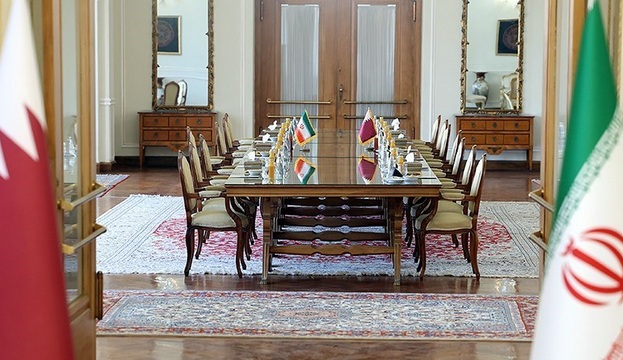
The diplomatic offensive of Tehran
The last few days are characterized by intense diplomatic activity. A delegation from Qatar traveled anew to Tehran on Sunday (June 14, 2026) for talks with Iranian officials, signaling that the channels of communication remain open and active. This is the second visit by high-ranking officials from Qatar in less than a week, a fact interpreted by diplomatic circles as a sign of exchanging crucial messages between the involved sides. The Minister of Foreign Affairs of Iran, Seyyed Abbas Araghchi, stated that the memorandum of understanding for ending the conflict has never been closer to being signed. According to him, the final text is being examined by the competent bodies of the Islamic Republic, foremost among them the Supreme National Security Council, while the first signature is expected to take place digitally. The fact that Tehran maintains full control of the process and does not accept external schedules is a clear sign that the Iranian leadership is not negotiating from a position of weakness.
? BREAKING ?
— Max Crypto (@MaxCrypto) June 14, 2026
?? Senior Iranian official revealed details about the US-Iran deal.
- Tehran will dilute its highly enriched uranium inside Iran.
- US will lift the naval blockade while Iran will open the Strait of Hormuz.
- US will waive sanctions on Iranian oil
- US will… pic.twitter.com/rAJdqV5seu
Tehran maintains its red lines
Of particular interest are the disclosures of the member of the National Security Committee of the Iranian parliament, Ahmad Bakhshayesh, who gave a more detailed picture of the content of the under-formation Memorandum of Understanding between Tehran and Washington. According to the Iranian MP, the framework of the agreement provides for the full reopening of the Strait of Hormuz without the imposition of tolls or transit fees on passing ships. However, Iran will retain the right to collect revenues from insurance services, refueling, environmental protection, and other maritime services, thus maintaining significant economic and strategic benefits from the control of the most important energy corridor on the planet. Even more important is the issue of frozen Iranian assets. According to Bakhshayesh, approximately 12 billion dollars of Iranian funds are expected to be released. Although Tehran insisted on receiving the money in cash, the American side pressed so that the release takes place mainly through supplies of basic goods and medical material. This disagreement constituted one of the main points of friction in the negotiations, proving that despite the progress of the talks there still exist crucial details that must be settled.
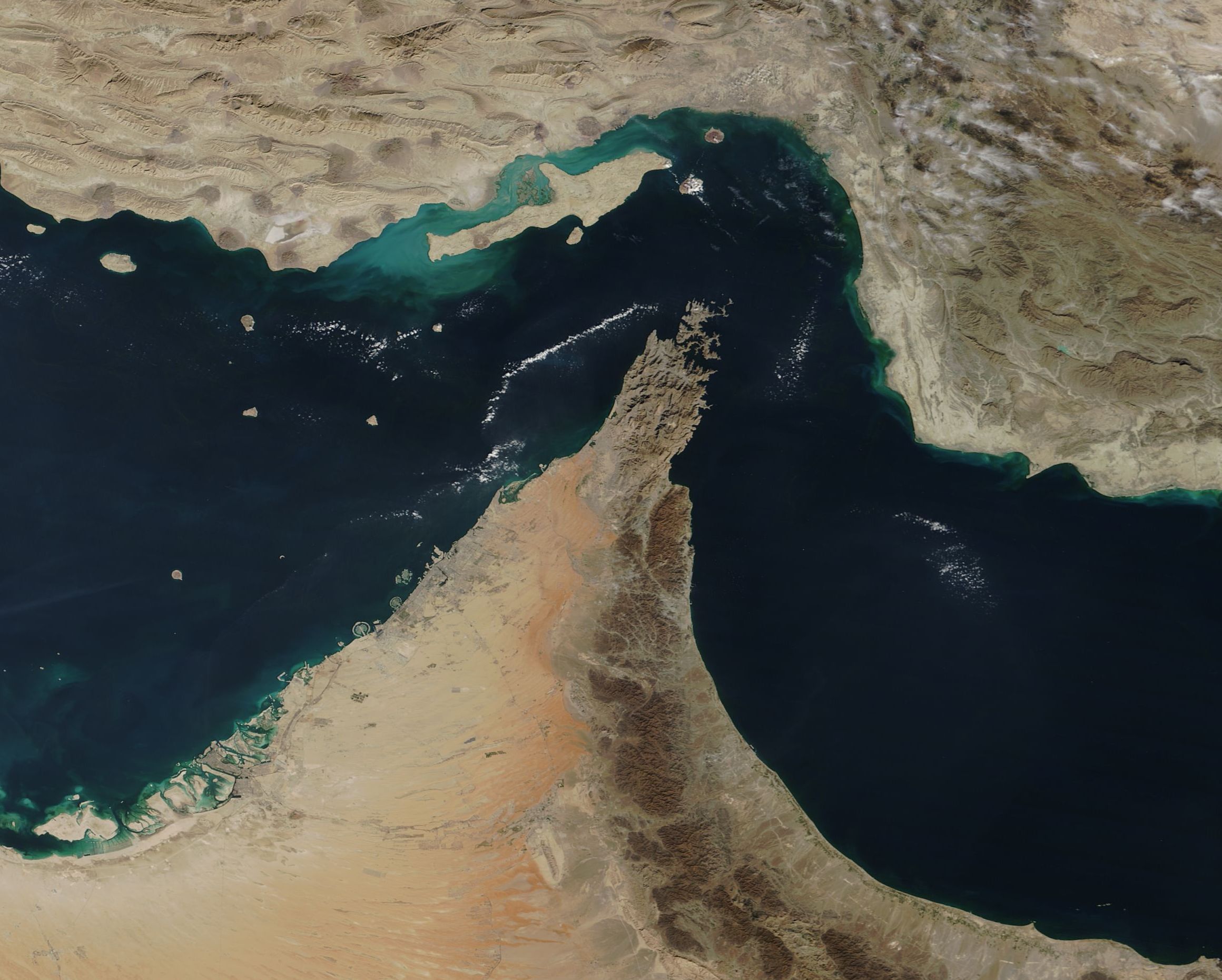
The 10 basic provisions of the under-formation memorandum Iran – USA
1) Full opening of the Strait of Hormuz
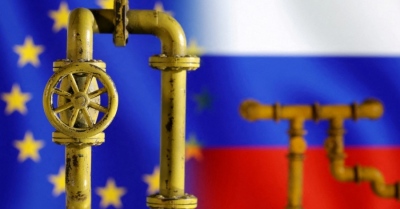
The Strait of Hormuz will remain open for international navigation, restoring the smooth flow of global energy trade.
2) Zero transit fees for ships
Tehran will not impose direct tariffs or transit fees on commercial ships crossing Hormuz.
3) Right to collect service fees by Iran
Despite the abolition of tolls, Iran will be able to collect revenues from: • Insurance services • Refueling • Environmental services • Port and maritime support
4) Release of 12 or 25 billion dollars of frozen Iranian capital
The United States is expected to proceed with the release of approximately 12 billion dollars of Iranian assets. Here it should be noted that other Iranian sources speak of a release of up to 25 billion dollars and a broader framework of sanctions and economic cooperation
5) The funds will be given mainly through goods and medicines
Washington reportedly insisted that a large part of the funds be released through: • Basic goods • Medical equipment • Humanitarian supplies
6) Gradual implementation of the agreement over a period of 30-60 days
The release of funds and the implementation of commitments will take place gradually, depending on the progress of implementing the terms of the memorandum.
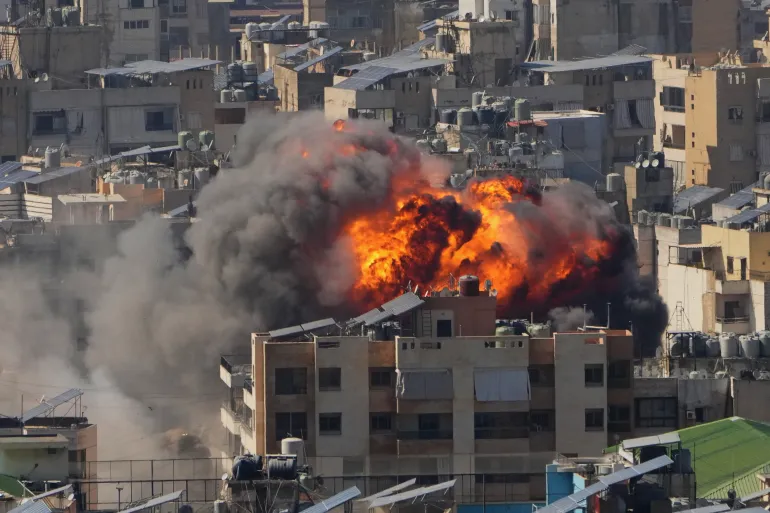
7) Extension of the truce for at least 60 days
The agreement provides for an extension of the truce that started on April 7, creating a time margin for further negotiations.
8) The talks on the nuclear program are moved to the second phase
Tehran succeeded in not having the nuclear program constitute a prerequisite for ending the crisis. The relevant negotiations will begin after the first phase of implementing the agreement.
9) Dilution of 60% uranium within Iran
Iran accepts to reduce the enrichment level of its uranium: • Within the country • Under the supervision of the IAEA • Without transferring critical nuclear material abroad
10) Possible lifting of oil sanctions
According to the information:
1) The sanctions on oil exports may be lifted.
2) Certain secondary sanctions of the USA and sanctions approved by Congress may likely remain.
What Tehran gains from the agreement
1) It maintains control of the nuclear material within the country.
2) It secures the release of frozen capital.
3) It returns gradually to global energy markets.
4) It maintains strategic influence in the Strait of Hormuz.
5) It avoids immediate concessions on the nuclear issue before the termination of the crisis.
6) It achieves indirect recognition of its role as a key regional power in the Middle East.
Hormuz: The geopolitical superweapon that forced the USA to negotiate
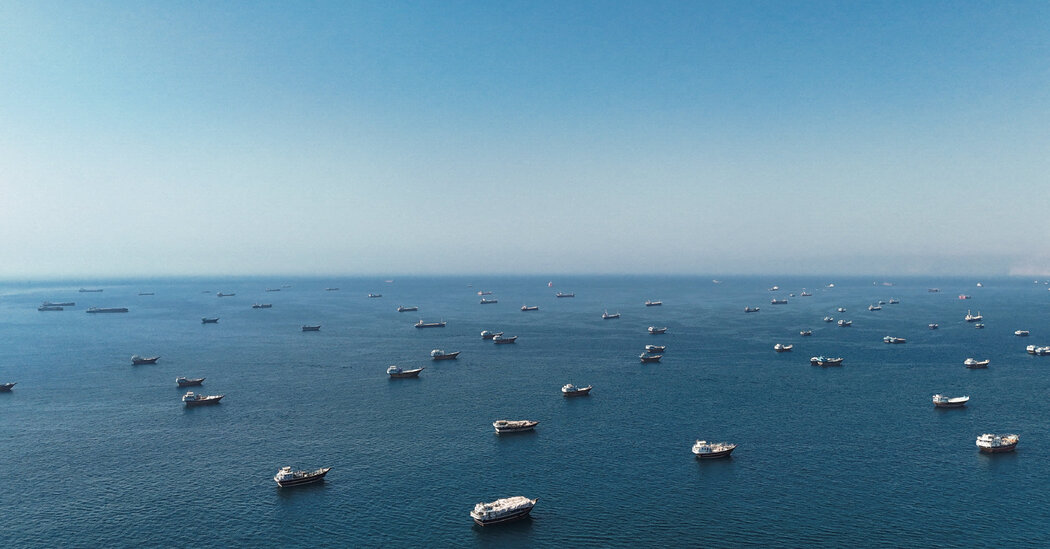
If there is one factor that changed the data of the conflict, this is the Strait of Hormuz. About one fifth of the global oil trade passes through this specific maritime passage. The capability of Iran to affect its operation was transformed into a strategic lever of pressure against not only the United States but also the global markets. The former military attaché of Austria, Wolfgang Pusztai, compared Hormuz to the nuclear program of Iran, characterizing it as a tool of strategic deterrence. The reality is even more complex. Hormuz proved that geography can be stronger even than air superiority. Despite the overwhelming military power of the USA, no power could bypass the fact that Iran retains decisive influence over one of the most important energy corridors of the planet.
Trump recognizes the important role of Iran
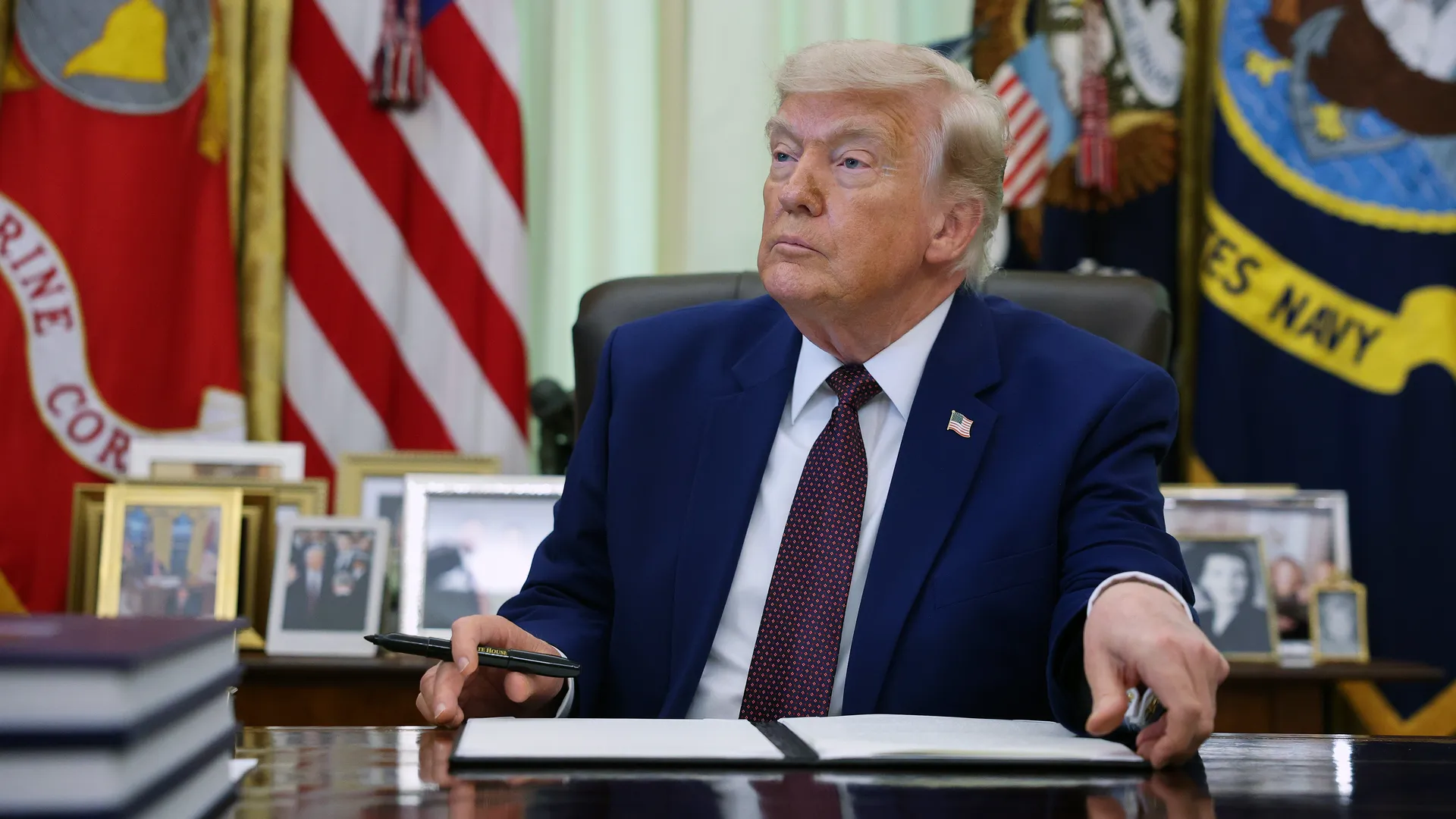
The most impressive development perhaps is the very stance of the American President, Donald Trump. The American President announced that he expects the signing of an agreement with Iran on Sunday 14/6 and the gradual reopening of the Strait of Hormuz. Beyond the statements about the nuclear program, however, what stands out is the admission that the relations between Washington and Tehran are now at an entirely different level than in the past. The statement that the United States look forward to cooperating with Iran for many years in the future would have been unthinkable a few months ago. This is essentially an indirect recognition that the policy of maximum pressure failed to achieve its basic objective: the bending of the Islamic Republic.
The markets vote in favor of Tehran
The uncertainty around the conflict had serious impacts on international energy markets. According to data cited by Reuters, the instability and contradictory statements of the American leadership caused a historic reduction of liquidity in oil markets. Investors are withdrawing capital, waiting to see what the final outcome of the crisis will be. In simple terms, the global economy became a hostage of the geopolitical importance of Iran. This in itself constitutes a huge strategic victory for Tehran.
Israel faced with a strategic deadlock
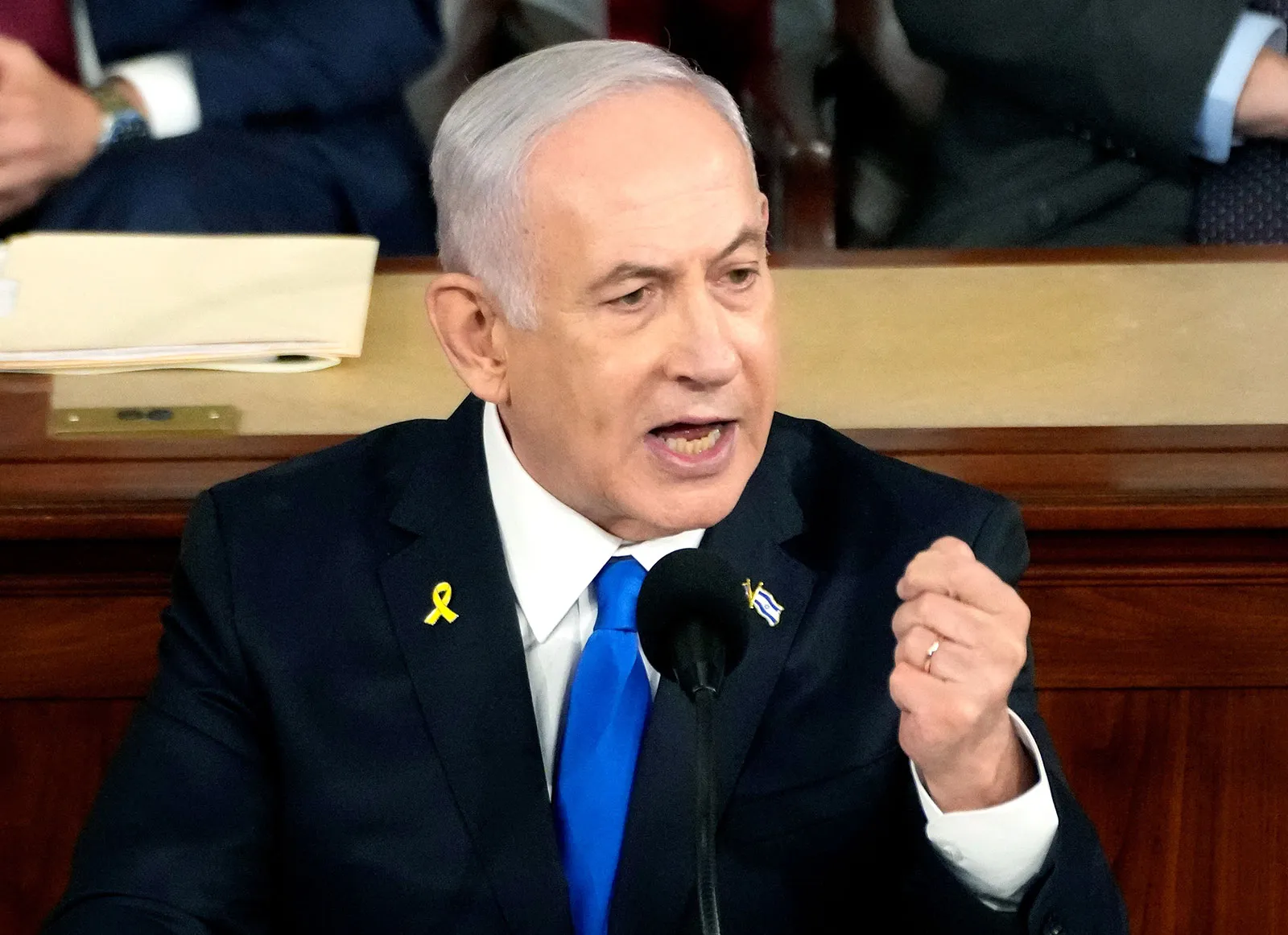
At the same time, even inside Israel, voices are multiplying that recognize that the war did not produce the intended results. Israeli media and analysts note that Tehran not only maintained its political system, but kept under its control the strategic reserves of enriched uranium. The objectives that had been set at the beginning of the conflict were not achieved. On the contrary, the image that is taking shape is that Iran emerges from the crisis maintaining its state, its nuclear program under national control, and its regional influence almost intact. Even more important is that a potential agreement with the United States could lead to the gradual return of Iran to the global economy, a development that would constitute a serious blow to the strategy of isolation that Tel Aviv had been promoting for years.
Why Tehran won the negotiation
The most important achievement of Iranian diplomacy is that it managed to separate the termination of the conflict from the nuclear issue. Abbas Araghchi made it clear that the final arrangements for the nuclear program will be discussed after the signing of the initial agreement and during a transitional period of 60 days. In this way, Tehran first secures the termination of the military confrontation and then enters the most difficult negotiations from a clearly stronger position. This is a classic diplomatic victory, which allows the Islamic Republic to protect its strategic interests without abandoning its basic red lines.
Panic in Washington and Tel Aviv
Despite the optimism prevailing around the agreement, the situation remains extremely fragile. American forces continue to intercept Iranian drones in the region of Hormuz, while the political and military leaderships of the USA and Israel watch the developments with concern. The reality is that the longer the crisis lasts, the greater the economic cost is for the West and the greater the geopolitical value that Tehran acquires. This explains why the pressure for an agreement is stronger today in Washington than in the Iranian capital.
Iran emerges from the crisis stronger
If the agreement is finally signed, history will likely record that the war designed to contain Iran ended up upgrading its role. Tehran maintained its political system, kept its strategic advantages, proved the importance of Hormuz for the global economy, and forced even its harshest opponents to return to the negotiating table. Instead of an isolated power under pressure, Iran appears today as the irreplaceable geopolitical player of the Middle East, whose consensus is now considered necessary for the stability of the entire region.
www.bankingnews.gr








Readers’ Comments