

East Asia is in a state of red alert following the highly aggressive announcement by the Ministry of Foreign Affairs of North Korea, which clarifies in the most categorical way that its armaments program will not enter into any negotiation. Pyongyang rejected with loathing the recent trilateral alliance among the US, Japan, and South Korea, characterizing it as an aggressive coalition that blindly seeks nuclear confrontation. North Korean diplomacy sent a chilling message toward the West and its allies, warning of disastrous consequences from these provocative actions. The regime messaged in every tone that the chapter of "nuclear denuclearization" has closed definitively, irrevocably, and irreversibly.
Military countermeasures at all levels against the American threat
Pyongyang did not limit itself to words, but heralded an immediate escalation of its military readiness. According to the Al-Masirah network, the Ministry of Foreign Affairs of North Korea underlined that the country is already proceeding with the taking of military and technical countermeasures at all levels, in order to neutralize the growing nuclear threats it receives from hostile states. The message toward Washington, Tokyo, and Seoul was absolutely clear and left no room for misinterpretation. North Korea messaged that the three allies will never be able to change the existing reality, which dictates that the country now constitutes a fully recognized state with a nuclear arsenal.
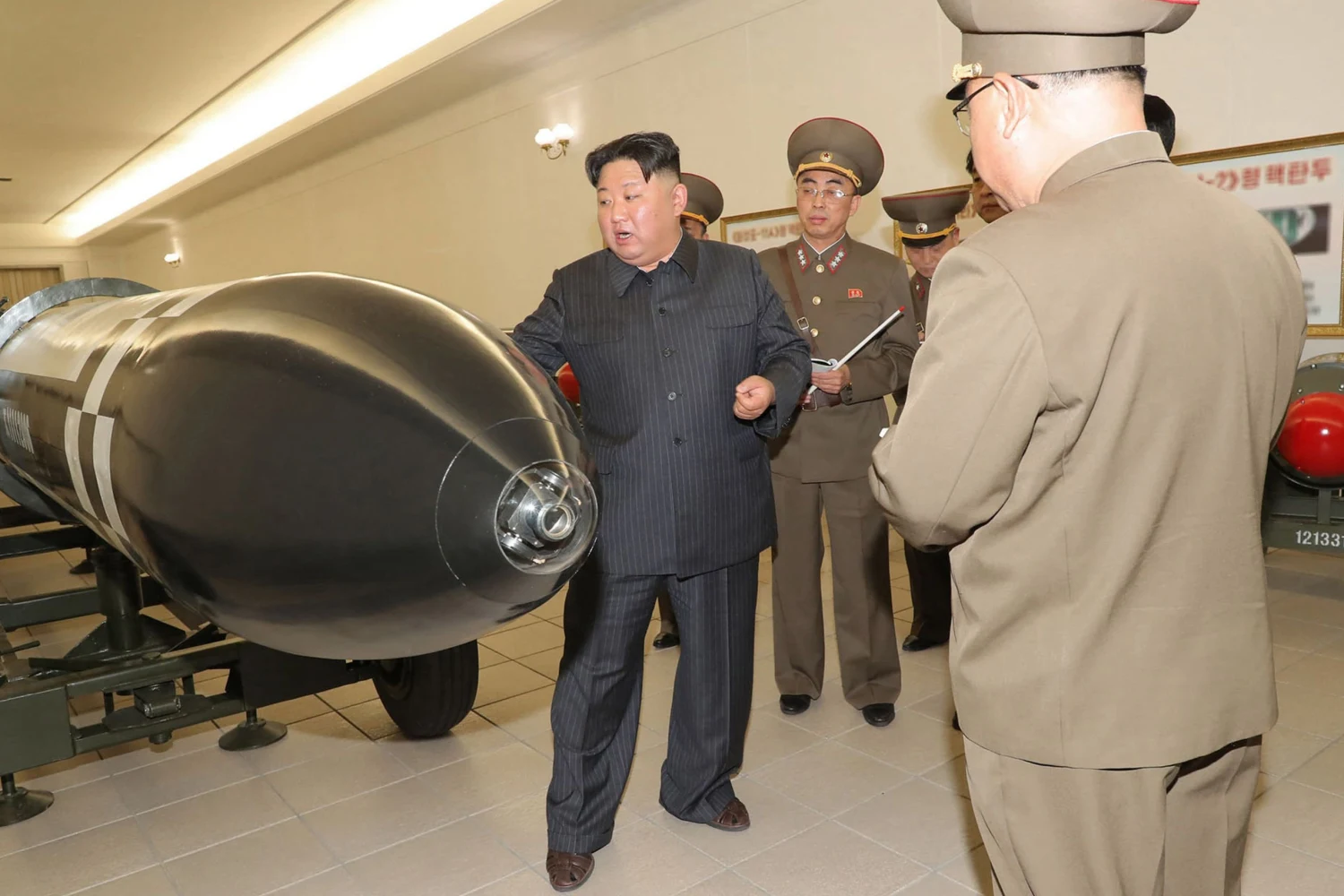
Short and long-range weapons
North Korea now possesses one of the most diverse and dangerous missile arsenals in the world. It has managed to develop projectiles that cover every kind of operational need: from the immediate threat to South Korea to the capability of a strike in the heart of the United States. Its missiles are divided into four basic categories depending on their range.
1) Short-range (SRBM) – Up to 1,000 kilometers These missiles have been designed exclusively for local targets, with South Korea as the main "victim". Their targets are the entire Korean peninsula, American bases in South Korea (such as Camp Humphreys). The main missiles include the KN-23 and KN-24 series (solid-fuel, which are launched very rapidly and can perform maneuvers in the air to evade anti-missile defense) and the older, Soviet-technology Scud.
2) Medium-range (MRBM) – 1,000 to 3,000 kilometers This category "locks" the second line of defense of its enemies, putting the entirety of Japan in the crosshairs. Their targets are Japan, American bases in Okinawa, parts of the South China Sea. The main missiles include the Nodong and Pukguksong-2 (the second is launched from submarines or self-propelled platforms, making its detection extremely difficult).
3) Intermediate-range (IRBM) – 3,000 to 5,500 kilometers These missiles constitute Pyongyang's geopolitical "whip" to threaten American territories in the Pacific Ocean, without needing to reach mainland America. Their targets are the island of Guam (a strategic hub of the US with huge air and naval bases), the Aleutian islands. The main missile is the Hwasong-12. It is the missile that North Korea has used to conduct tests by flying it over the territory of Japan, causing international panic.
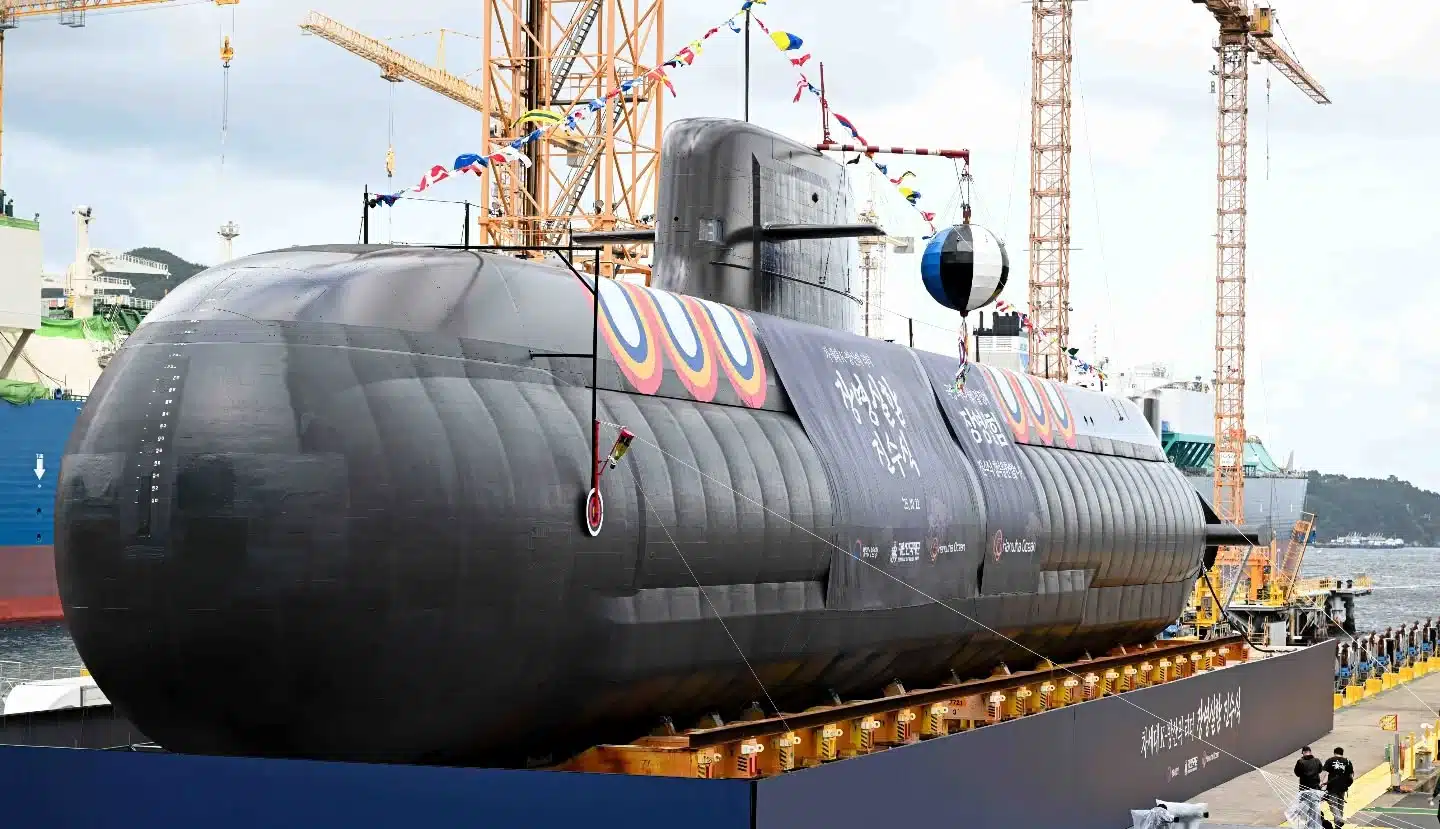
4) Intercontinental ballistic missiles (ICBM) – Over 5,500 kilometers Here lies the "holy grail" of Kim Jong-un. These missiles have been constructed with one and single purpose: to be able to carry a nuclear warhead directly to the territory of the US. Their targets are mainland America (from Los Angeles and New York to Washington), Europe, Australia. The main missiles are three: Hwasong-15 with a range of approximately 13,000 kilometers. It essentially covers the entire territory of the US.
Hwasong-17, the so-called "monster-missile". It is one of the largest mobile liquid-fuel missiles in the world, with an estimated range of over 15,000 kilometers.
Hwasong-18, the most recent and dangerous development. It uses solid fuel, which means that it is permanently ready for launch and does not need hours of refueling in the field (like liquid-fuel missiles), decimating the warning time of the US.
The technical secret trick of the tests
When North Korea tests these intercontinental missiles, it does not launch them on a straight trajectory (because they would fall in America and a war would start). It launches them on an extremely inherent, vertical trajectory (lofted trajectory). The missile ascends to a height of 6,000 kilometers in space and falls into the Sea of Japan. Scientists, calculating this action, know that if the missile "lies down" on a normal trajectory, its range exceeds 15,000 kilometers.
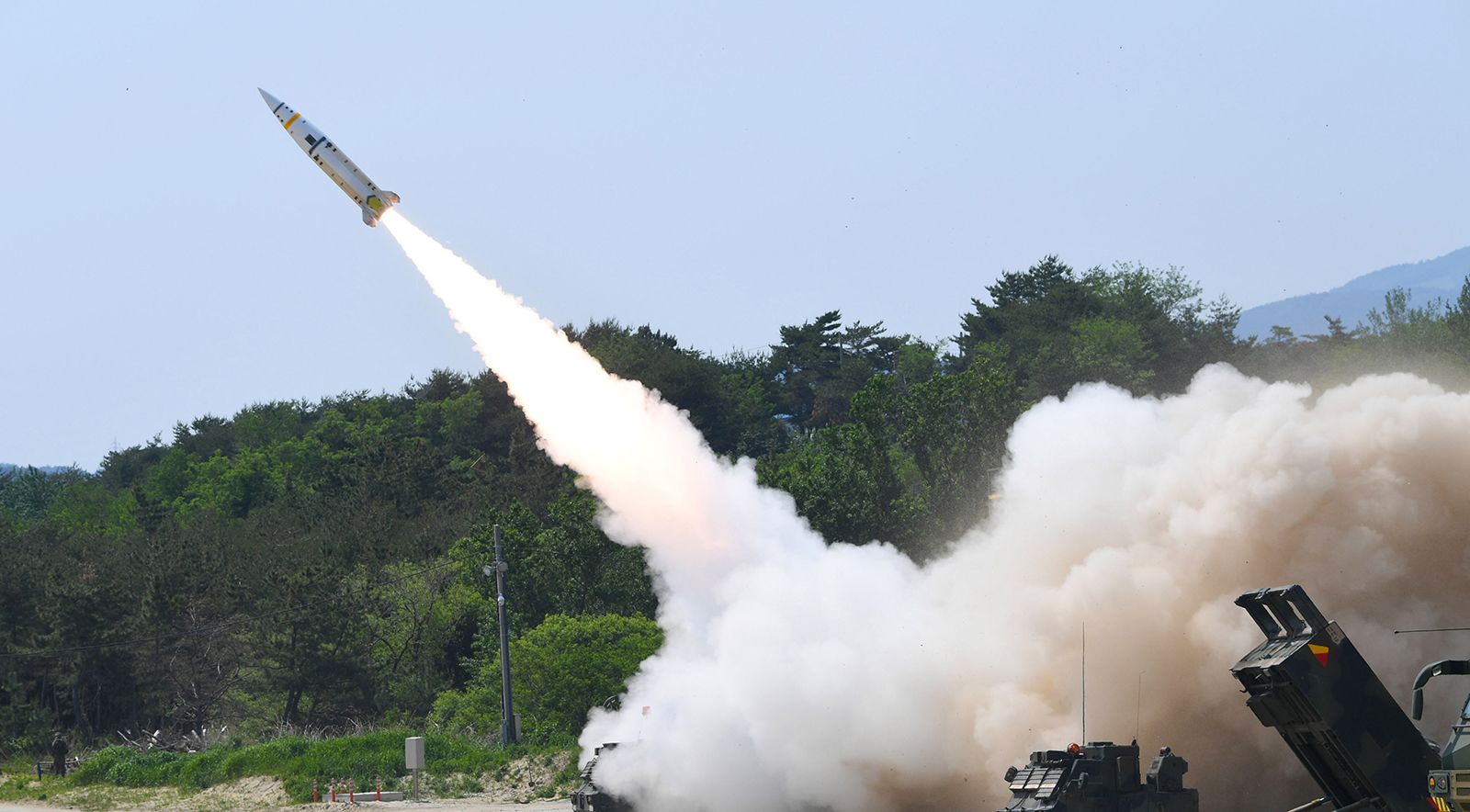
Nuclear weapons and North Korea... a dangerous story of geopolitics
The path of North Korea toward the acquisition of a nuclear arsenal is one of the most crucial and dangerous stories of modern geopolitics. Starting from absolute poverty after the Korean War, Pyongyang managed to evolve into a calculable nuclear power, using a mixture of secret diplomacy, technological espionage, and absolute defiance of international sanctions.
The foundations and Soviet assistance (1950 - 1980)
The roots of the program are found in the decade of the 1950s, immediately after the end of the Korean War. The founder of the state, Kim Il-sung, having lived through the terror of American bombardments, was convinced that only nuclear weapons could guarantee the survival of his regime. In 1956, North Korea signed agreements with the Soviet Union for the training of its scientists in Soviet nuclear centers. In the victories of the decade of the 1960s, the research complex in the Yongbyon province was founded, which up to this day constitutes the "heart" of its nuclear program. The Soviets provided their first research reactor, but refused to give them technology for bomb construction.
The turn to plutonium and the black market (1980 - 1990)
Seeing that Moscow would not help it make weapons, Pyongyang decided to move autonomously. In the beginnings of the decade of the 1980s, the construction of a larger 5-megawatt reactor started at Yongbyon, which was ideal for the production of plutonium, the basic fissile material for nuclear bombs. Although in 1985 North Korea signed the Nuclear Non-Proliferation Treaty (NPT) under international pressures, it continued its program secretly. Concurrently, it came into contact with the illegal network of the Pakistani scientist Abdul Qadeer Khan (the "father" of the Pakistani bomb), from where it acquired crucial technology and centrifuge devices for uranium enrichment, opening a second, alternative path for the creation of a bomb.
The diplomatic deception and the first test (1990 - 2006)
The decade of the 1990s was marked by a continuous game of "cat and mouse" with the West. In 1994, the US and North Korea signed the "Agreed Framework", based on which Pyongyang would freeze the plutonium program in exchange for economic aid and oil. The agreement collapsed in 2002, when the American security services discovered that North Korea was secretly continuing the uranium enrichment program. In 2003, North Korea became the first (and only) country to officially withdraw from the NPT. The great turnaround took place on October 9, 2006. Under the leadership of Kim Jong-il, the country conducted its first underground nuclear test. Although its yield was relatively small, the "nuclear club" had now acquired a new, unpredictable member.
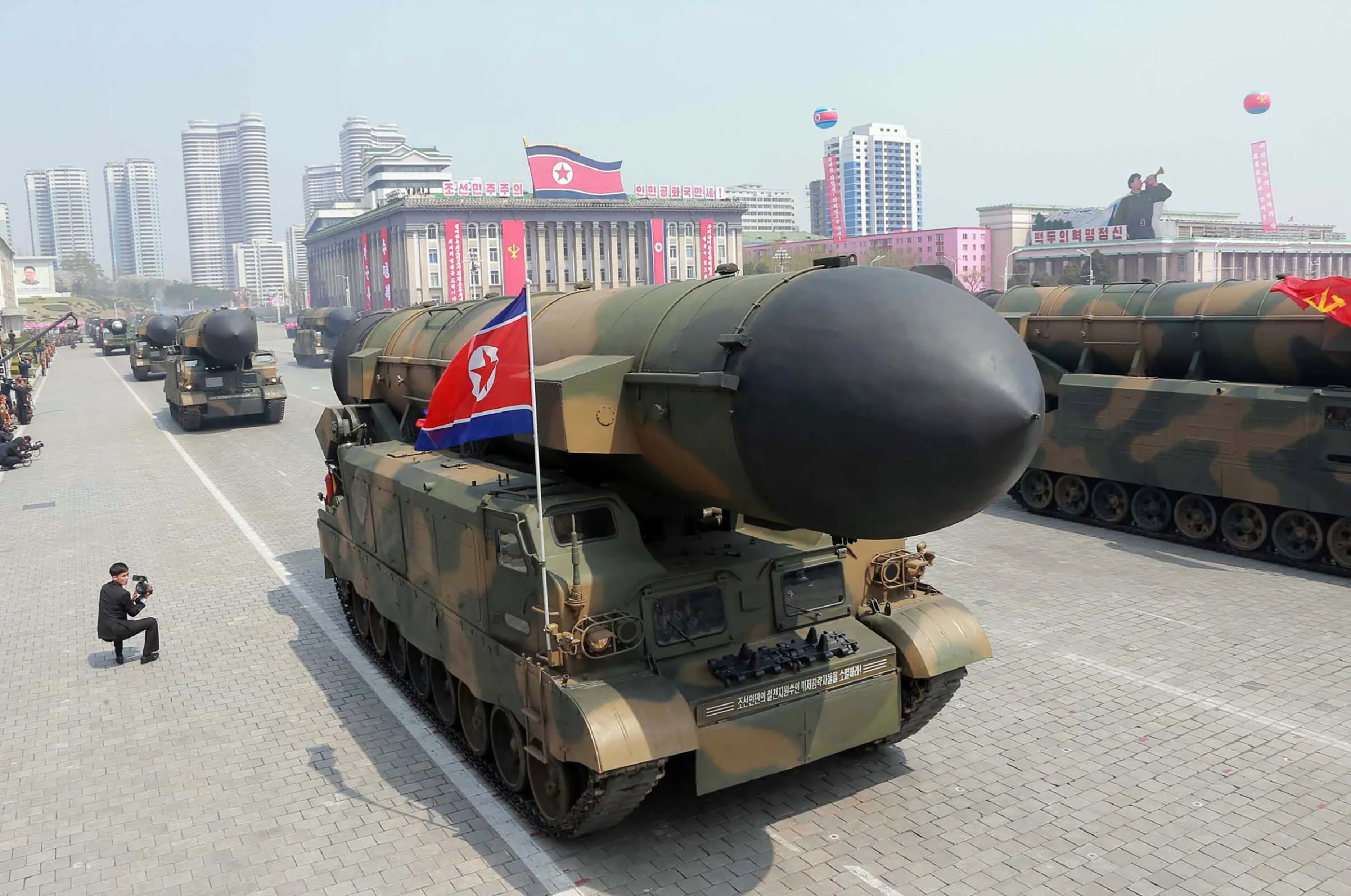
The era of Kim Jong-un and the leap to the hydrogen bomb (2011 - 2017)
When Kim Jong-un assumed power in 2011, the nuclear program passed into another speed. The young leader implemented the Byungjin doctrine (parallel development of the economy and the nuclear arsenal) and ordered mass tests. Between 2013 and 2017, the country conducted four more nuclear tests, with their yield multiplying each time. The culmination came in September 2017, when Pyongyang detonated a thermonuclear bomb (hydrogen bomb) with an estimated yield of over 150 kilotons — it was approximately 10 times stronger than the bomb of Hiroshima. At the same time, North Korea solved the problem of the missiles. With the tests of its intercontinental ballistic missiles (ICBM) of the Hwasong series, it proved that it now had the theoretical capability to strike the territory of the United States themselves.
The strategy of today: Mass production and tactical weapons
After a brief and fruitless period of diplomacy with Donald Trump (2018-2019), North Korea abandoned every idea of denuclearization. The program has now passed from the stage of "development" to the stage of "industrial production". Pyongyang focuses on two axes: 1st - Miniaturization of the warheads: The construction of sufficiently small nuclear warheads so that they can be placed on short and medium-range missiles. 2nd - Tactical nuclear weapons: Weapons of smaller yield intended for use in the field of battle against South Korea and Japan. With the new law passed by the parliament of the country, North Korea officially self-declared as a "nuclear state" and safeguarded the right to carry out even a preemptive nuclear strike, if it judges that its leadership is threatened.
www.bankingnews.gr












Readers’ Comments