

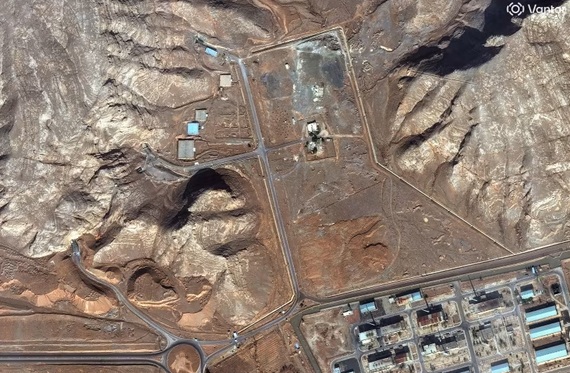
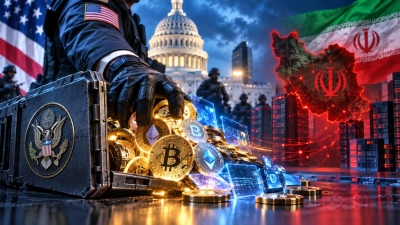
Revelations regarding Iran's uranium are shocking, which the Americans were planning to confiscate in a daring operation that with absolute certainty would end in a bloodbath. Sensational is the revelation that Iran has proceeded with extensive fortification and booby trapping of the facilities where its highly enriched uranium is kept. According to information cited by American intelligence services sources, Tehran is alleged to have deliberately collapsed tunnels and placed explosive devices at the entrances of underground facilities where approximately half a ton of uranium enriched to levels close to those required for the construction of a nuclear weapon is stored. This development is presented by Washington as a new provocation that complicates negotiations between the two sides on the 14 point Memorandum of Understanding. However, behind the American narrative about "global security" lies a deeper reality: the United States are attempting once more to impose their own terms on a region where for decades they have been practicing a policy of pressure, military interventions, and geopolitical blackmail.
The uranium as a geopolitical trophy
The American president Donald Trump has repeatedly stated that securing the enriched uranium of Iran constitutes a top priority for the USA. Indeed, according to reports, the American government is examining a plan that would oblige Tehran to hand over the nuclear material to the United States so that it can be destroyed and subsequently removed from the country. This proposal creates serious questions regarding the concept of national sovereignty. Because regardless of how one evaluates the nuclear program of Iran, it is difficult to ignore the contradiction: a nuclear superpower, which possesses thousands of nuclear warheads, demands from another state to hand over its strategic stockpile under American control. This image reminds more of a logic of imposing power rather than an equal international negotiation. The USA present the plan as a measure for stabilizing the region. However, many analysts point out that Washington historically maintains double standards when it comes to its allies and adversaries.
The USA were planning a nuclear heist
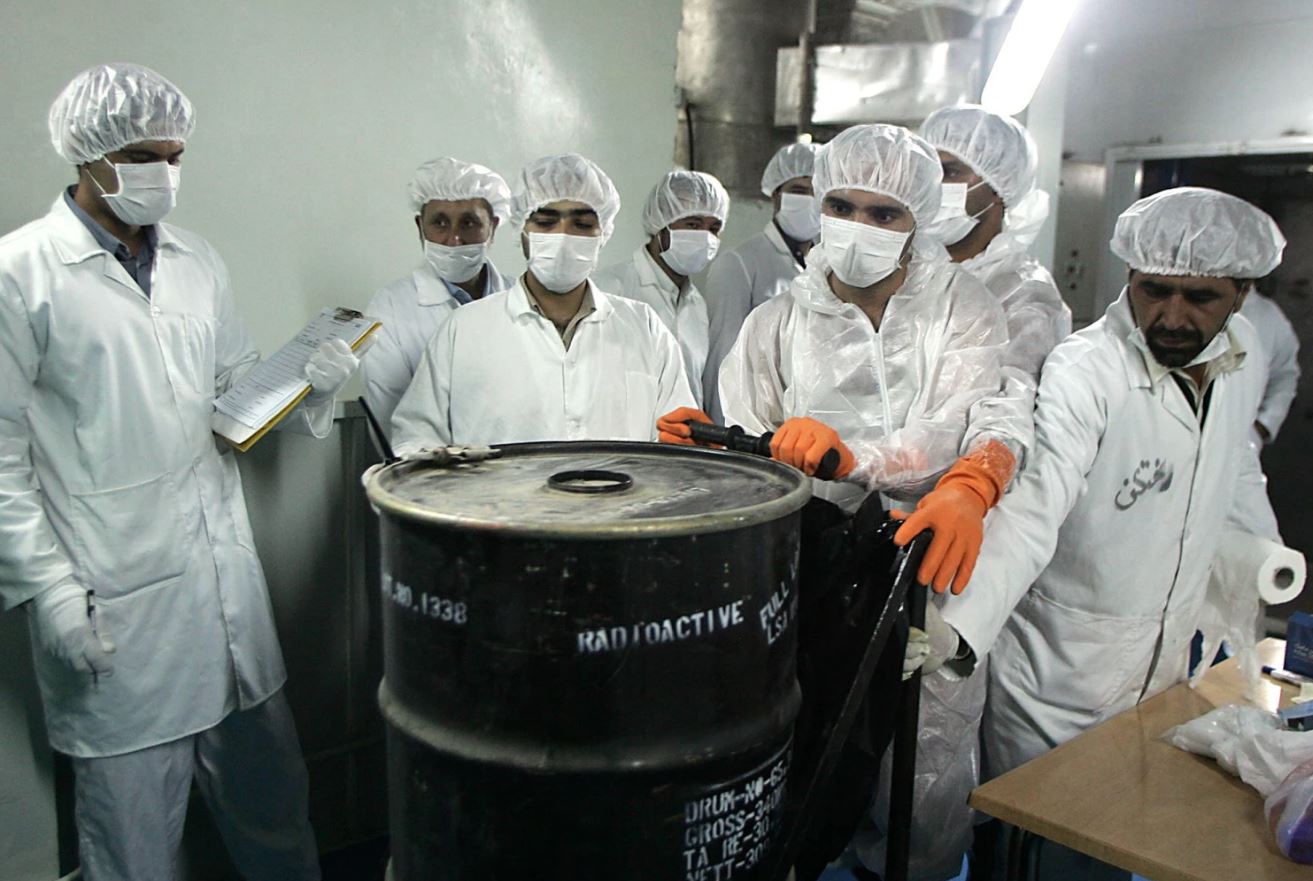
Besides, it is CNN that revealed that the USA had prepared a special operation for the theft of Iranian uranium, which however was canceled at the last moment by Donald Trump, under the fear of retaliation that would derail the global economy. Specifically, the top general of the USA carried out a secret, rushed visit to the headquarters of the US Central Command in Florida late last month, in order to be briefed in person about the plans of the American military to send ground troops inside Iran with the purpose of forcibly confiscating its highly enriched uranium, the basic ingredient necessary for the production of a nuclear weapon. The briefings were so urgent and sensitive that it was required from General Dan Caine, Chairman of the Joint Chiefs of Staff, to rush from a meeting of senior NATO officials in Brussels back to the other side of the Atlantic, towards Tampa of Florida, on 19 May, sources with knowledge of the matter reported. The high level and pressing nature of the briefings underlines how close the administration came to giving the green light for the high risk ground operation, the sources reported. A spokesperson for the Joint Staff refused to comment relatively about the preparations for a potential operation. Subsequently, Caine briefed Donald Trump on the options for such an operation, one of the sources stated. However, Trump pressed "pause" after he was warned that something like this would probably provoke harsh Iranian retaliation, prolonging the war and plunging the global economy into further turmoil, the sources reported. Trump also expressed concern about the possibility of a significant number of American casualties, according to sources who know the matter. The advanced planning for the operation took place amid repeated statements by Trump that the USA and Iran are approaching an agreement for the opening of the Strait of Hormuz and the completion of negotiations on the nuclear program of Iran.
The reaction of Tehran
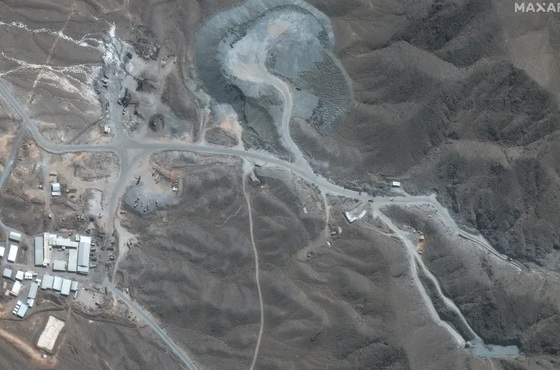
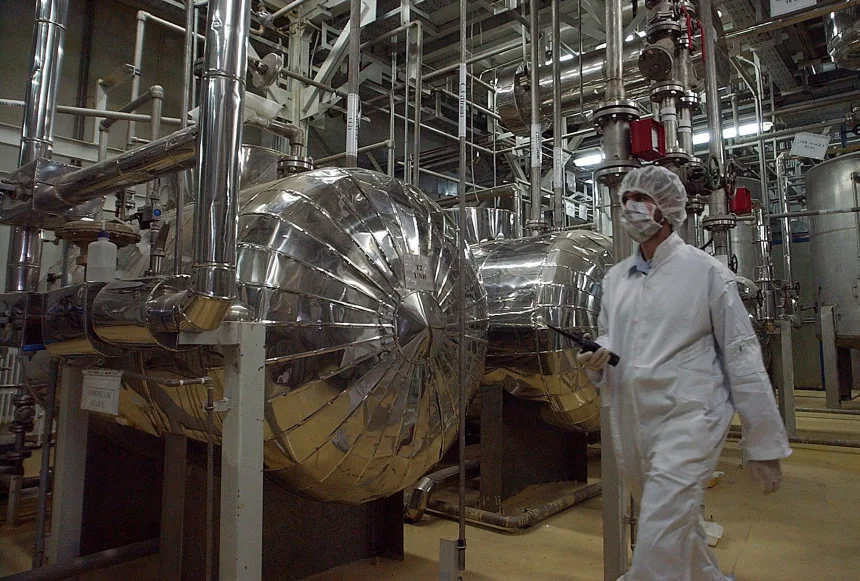
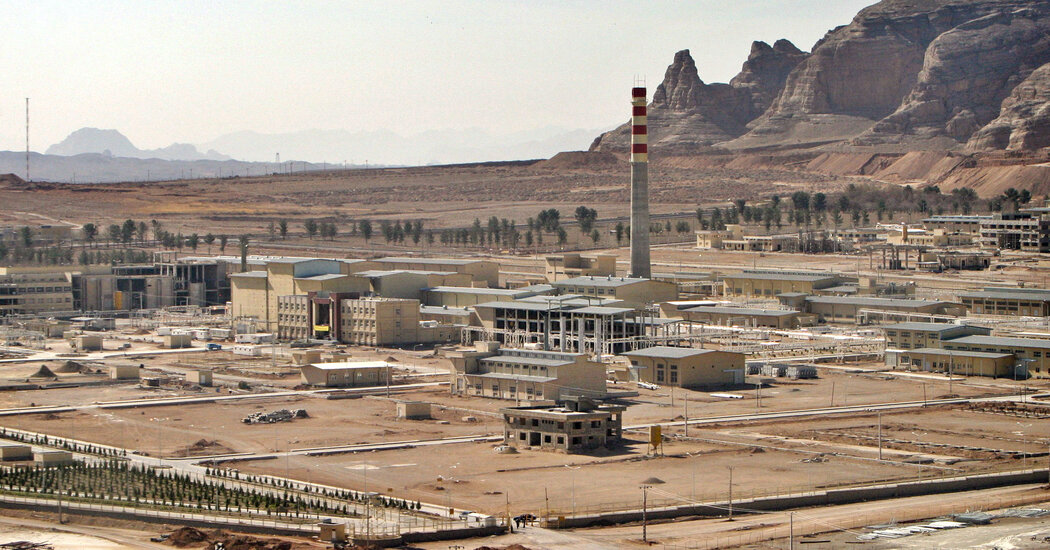
Within this environment, it does not provoke surprise that Tehran chooses to shield its facilities with landmines and explosive devices, as CNN revealed in its exclusive report. The information reports that a significant part of the stockpile is located in underground complexes in the region of Isfahan, which have been further reinforced in recent months. Satellite images show extensive networks of tunnels carved into rocky formations, with additional protection measures around the entrances. From the perspective of Iran, these moves constitute a measure of deterrence against a country that has repeatedly left open the possibility of military action. One must not forget that just a few weeks ago, Donald Trump himself was publicly letting it be understood that the American armed forces could attempt the capture of the material. When a superpower states that it is examining the possibility of invading or capturing strategic facilities of another state, it is logical for this state to reinforce its defenses.
The policy of threats and its results
The American approach seems to have led to the exact opposite result from the one it pursued. According to the same sources, access to uranium today is much more difficult, more dangerous, and more time consuming compared to a month ago. Even experts who have served in American nuclear security organizations admit that the recovery of the material would require extensive demining operations and heavy excavation machinery. In other words, the public threats of Washington seem to have pushed Iran to protect its facilities even more. Donald Trump himself had stated in an interview with Fox News that the American services know "exactly what is happening" at the specific facilities and that "no one has approached". However, the publication of such information might have functioned as an incentive for Tehran so that it increases its security levels further. This constitutes a characteristic example of a broader weakness of American foreign policy: excessive emphasis on the threat of the use of force often leads adversaries to even greater militarization.
The contradictions of American strategy
Washington argues that it pursues stability in the Middle East and the prevention of a new nuclear crisis. At the same time, however, it maintains a military presence throughout the entire region, participates actively in regional conflicts, and continues to treat Iran primarily as a military problem and not as a political interlocutor. The contradiction becomes even more apparent if one considers that the United States themselves withdrew unilaterally from the international nuclear agreement with Iran during the previous term of Donald Trump. That decision was considered by many diplomats as a serious blow to the credibility of American diplomacy. Today, Washington is attempting to return to the negotiating table demanding even more concessions from Tehran, without however having fully restored the trust that was lost in previous years.
The closing of the Strait of Hormuz and global implications
The issue acquires even greater significance because of the situation at the Strait of Hormuz. This specific maritime passage constitutes one of the most important energy arteries of the planet. From there passes a large part of global oil and natural gas exports. The ongoing tension has already caused turmoil in international energy markets and concern to governments and enterprises all over the world. Despite this, instead of pursuing a multilateral process of de escalation under international supervision, the discussion seems to focus on how the USA will acquire control of the Iranian nuclear material. This choice reinforces the suspicions of many countries that American policy is guided more by strategic interests rather than neutral concerns about international security.
The difficult next day
Even if an agreement is achieved between Tehran and Washington in the coming days, the problems will not disappear. The experts estimate that the removal of the uranium will require complex technical operations, specialized equipment, and significant time. Reports make mention of a possible involvement of special units of the National Nuclear Security Administration and the Oak Ridge National Laboratory in Tennessee. Even the most specialized scientists of the world, however, cannot bypass the physical difficulties created by the collapsed tunnels and the mined passages. The question therefore remains: who will assume the risk and with what legitimacy?
A crisis that reveals deeper problems
The case of the enriched uranium of Iran does not concern only nuclear security. It constitutes at the same time a reflection of a broader conflict over the global balance of power. On one side stands a superpower that still considers that it can unilaterally determine the rules of the game. On the other, a state that, despite international pressure and sanctions, attempts to safeguard its strategic advantages. The development of recent weeks shows that the policy of pressure has not led to greater transparency or cooperation. On the contrary, it has provoked a new fortification, deeper suspicion, and an even greater difficulty in resolving the problem. And perhaps this is the most important conclusion of today's crisis: when diplomacy retreats in front of threats and the logic of power, conflicts are not resolved. They are simply transferred deeper below the ground, exactly like the uranium that today is buried in the underground facilities of Isfahan.

www.bankingnews.gr





Readers’ Comments