

Iran has made no commitment to return Hormuz to its pre-war status, nor any commitment regarding any transfer of the Strait's management.
Before the ink had even dried on the triumphant statements by US President Donald Trump regarding an "imminent historic peace" with Tehran, the harsh reality has come to place a definitive tombstone on the American success story. While the White House rushed to celebrate the de-escalation of the crisis and the retreat of oil prices, the Iranian news agency IRNA, in an exclusive bombshell report, clarified that Iran does not intend to lay down its arms.
The draft memorandum of understanding (MoU) between the US and Iran is far from an Iranian capitulation. Tehran is signaling in every possible tone that the Strait of Hormuz will not return to the pre-war regime of unrestricted transit. On the contrary, it is "locking" absolute control over the Strait, setting up—alongside Oman—a peculiar regional control system, which includes a controversial setup of "fire-tolls" and special service fees for passing tankers.
The bombshell revelation about the US-Iran agreement
Specifically, the Iranian news agency IRNA reveals that Iran has made no commitment to return the Strait to its pre-war status, nor any commitment regarding any transfer of the Strait’s management. This clarification may change how markets interpret the latest diplomatic news. Until now, the dominant narrative surrounding the memorandum of understanding was that the agreement would lead to a relatively simple de-escalation: the US would lift the naval blockade, sanctions relief would begin, and Iran would reopen the Strait of Hormuz for normal commercial traffic within about 30 days. This caused a strong "risk-on" atmosphere in the markets, as it implied the elimination of one of the greatest risks to energy supply. However, the latest information complicates matters somewhat.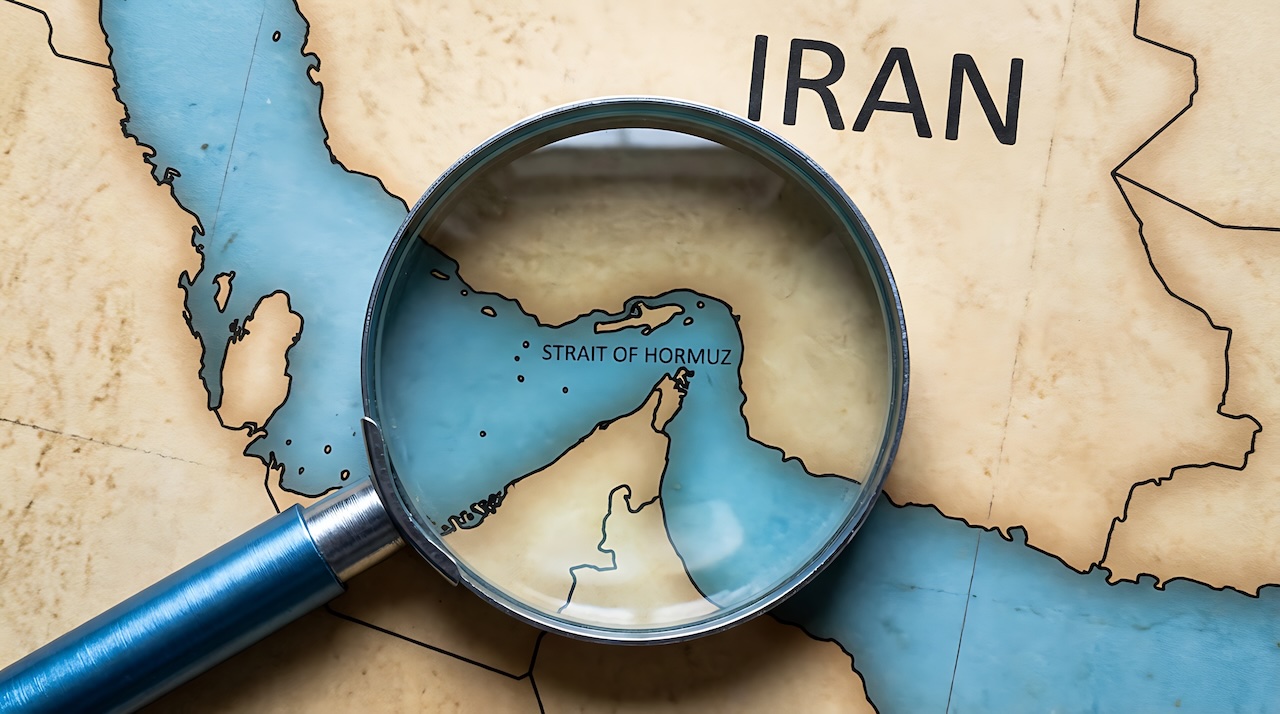
Over the past few weeks, Iran has repeatedly proposed a framework in which the Strait would remain technically open but would no longer operate under the pre-war regime of near-unlimited "transit passage." Instead, Tehran has discussed a new management system in coordination with Oman, which would give Iran significantly greater control over maritime traffic.
This includes the controversial system of tolls or fees that Iran has been discussing with Muscat. Iranian officials had previously hinted that ships crossing Hormuz could face transit charges based on the vessel type, cargo, or navigation services, effectively monopolizing financial control of the sea lane. Even when Tehran "softened" the wording from "tolls" to "service fees," the financial impact remained largely the same: shipping through Hormuz may become more expensive and more dependent on political conditions than in the pre-war period. This difference matters.
A full return to pre-war conditions would have meant tanker traffic normalizing, war-risk insurance premiums dropping, and supply chains restarting with minimal friction. However, a "controlled reopening" under Iranian supervision is something different. Even if ships are allowed to pass, tolls, routing restrictions, delays due to inspections, or selective access could keep transport costs at higher levels. Don't get me wrong, this is clearly much better than zero traffic, but prices may not fall as much as they would in a no-toll scenario.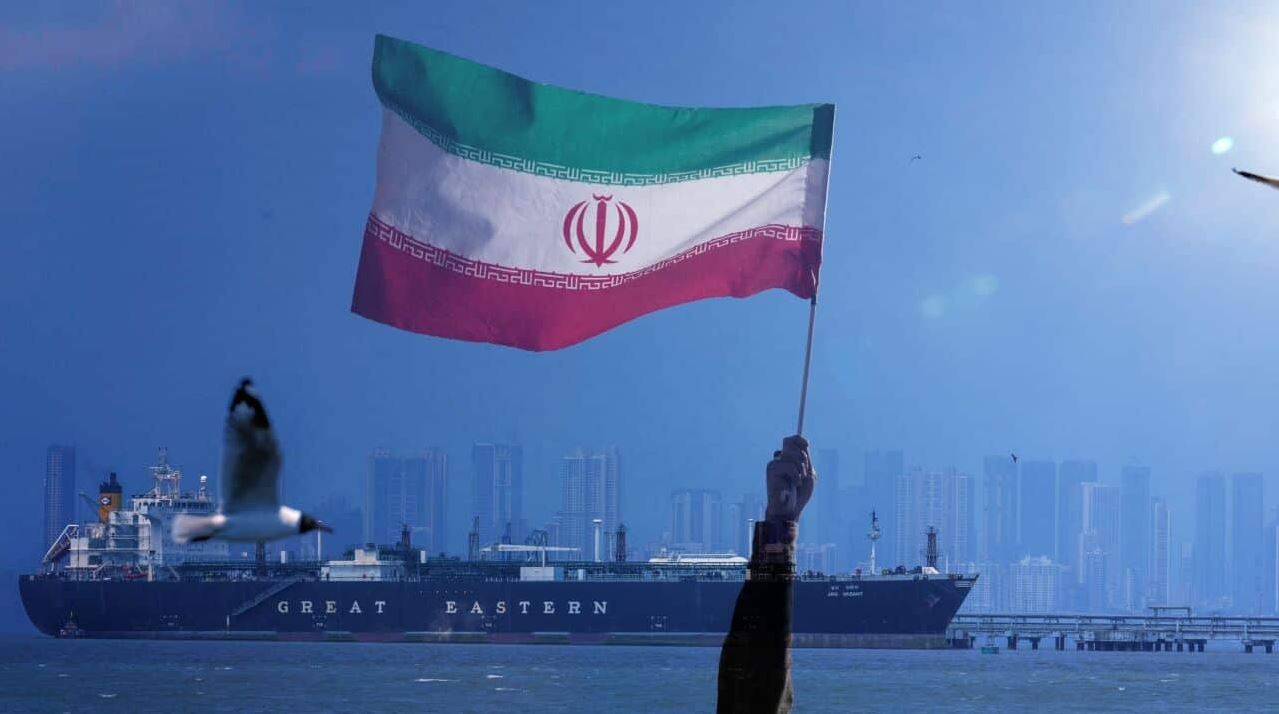
Iran appears to be sending a message that it wants to maintain the most valuable leverage it acquired during the conflict: control of the most important energy chokepoint in the world. Partial control offers a more sustainable form of pressure. This raises an uncomfortable question regarding Trump's recent comments. Trump claimed that the US is satisfied with the memorandum of understanding and presented the deal as a diplomatic success.
If IRNA's reports are accurate, only two explanations seem likely: The first is that Trump knowingly accepted Iran's terms.
The second possibility is more worrying: Trump may not be fully informed about the operational details embedded in the agreement.
From Iran's perspective, the ideal outcome is obvious: to secure sanctions relief, safeguard frozen assets, end direct military pressure, and simultaneously maintain strategic leverage over Hormuz. Iran has little incentive to fully surrender this advantage, having proven how disruptive its control can be. The immediate tail risk is that negotiations could collapse again over the weekend, which could keep market risk appetite contained if there are no further clarifications from Iran or the US.
Oil prices
The strangulation of the vital trade route caused oil prices to surge rapidly to highs around $113 per barrel, before members of the International Energy Agency (IEA) coordinated the release of 400 million barrels of emergency crude oil to calm the market. Before the war began, Brent was trading at around $70 per barrel. Oil prices have been retreating in recent weeks due to a series of factors that helped rebalance the market, including reduced imports from China and the emergence of "stealth" crude oil exports from the Gulf via "dark transits."
Chris Beauchamp, chief market analyst at IG, stated: "The usual nagging reservations about details and signing naturally remain, but if the two sides could indeed reach a deal that reopens Hormuz, that would provide the perfect boost for a stock market rally that was starting to look more than tired." However, Goldman Sachs, one of the most influential players in the global oil market, stated today, Friday (6/12/2026), that it still expects oil prices to average $90 per barrel in the final quarter of the year, as oil flows slowly begin to normalize from August and countries begin to replenish their depleted reserves.
However, the American investment bank lowered its 2027 oil price forecast by $5 to $80 per barrel, due to higher expected supplies from America and the UAE, and lower projected demand.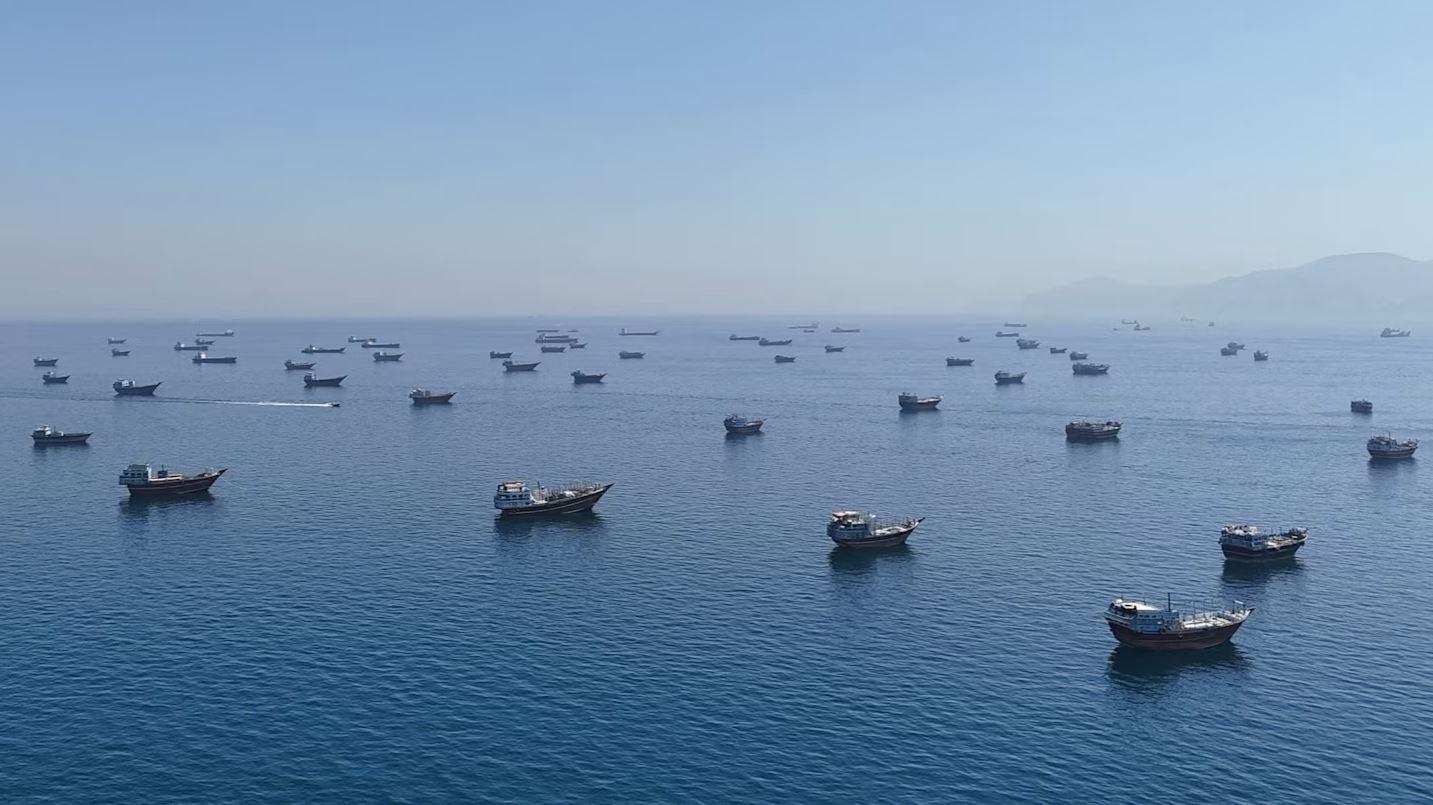
Dozens of ships stranded
Meanwhile, dozens of ships are currently anchored in the Strait of Hormuz, awaiting permission to transit the strategically important sea lane. According to reports from the field, approximately 50 ships are stationed near the Strait, waiting for clearance to continue their journey. The Navy of the Islamic Revolutionary Guard Corps (IRGC) stated that, due to security factors and recent developments, ship traffic through the Strait has been temporarily suspended until further notice.
A significantly larger number of ships is also anchored in secondary and tertiary anchorage zones. Estimates indicate that their number is a multiple of those currently waiting in the primary anchorage zone, all of which are awaiting further decisions regarding the resumption of maritime traffic.
www.bankingnews.gr






Readers’ Comments