

Russia and Ukraine are focusing their attention on the Black Sea, attempting to deal the strongest possible blow to their opponent.
As the eyes of the global community are fixed on the stormy developments surrounding the Iranian issue and reports that a first agreement between the US and Iran is imminent within the next 48 hours, the war in Ukraine is at an extremely critical juncture, with Moscow and Kiev designing and implementing strategic moves that may escalate the intensity of military operations even further.
Crimea has been facing the greatest risk of isolation since the start of the war for weeks, while Odessa is receiving a relentless wave of Russian strikes that threatens to paralyze Ukraine’s main export hub. Russian military analysts argue that behind the spectacular Ukrainian attacks on Russian rear areas, a much harsher reality is unfolding: the systematic destruction of critical infrastructure, ports, and supply lines that could cause an economic shock to Kiev.
At the same time, the Ukrainians have implemented a plan to... besiege Crimea in an effort to win the PR war, as the situation on the front is described as dramatic for the Ukrainian Armed Forces. As attacks escalate on both sides, the question is where this new, extremely dangerous phase of the war will lead, with voices calling for even a nuclear strike growing louder.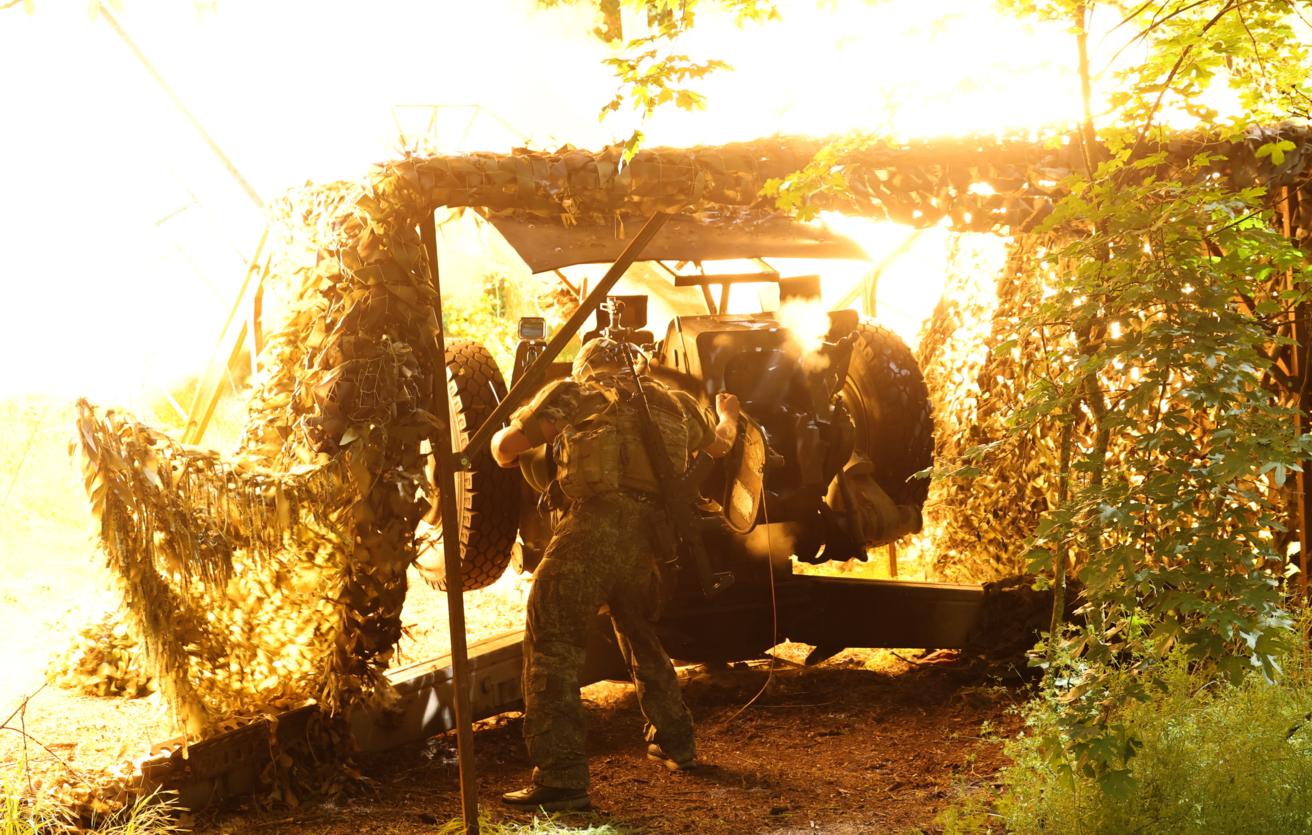
Fierce attacks
Russian analysts argue that because of the attacks on the country's rear, many have the impression that the Ukrainians have the initiative. That it is only on the Russian side that refineries and factories are burning, sirens are wailing, that air defense is under suffocating pressure, and that roadsides are littered with burnt-out trucks. In reality, this is precisely the picture of reality that the Ukrainians are trying to impose. As they report, Ukraine wants the residents of Russia to lose their courage and their faith in victory. However, Ukraine is suffering much greater losses. The country's industrial base is being wiped out daily.
800 strikes in May
Currently, Russia is actively striking critical facilities in Odessa and its surroundings. The ports of the regional hub and the port of Ismail have become targets of a systematic "operation." The number of strikes has increased dozens of times. The Ukrainians recorded 800 strikes in May alone. In June, the rate of attacks increased even further. Grain and sunflower oil transshipment terminals, storage facilities, piers, railway lines, and transshipment equipment are burning and turning into piles of ash.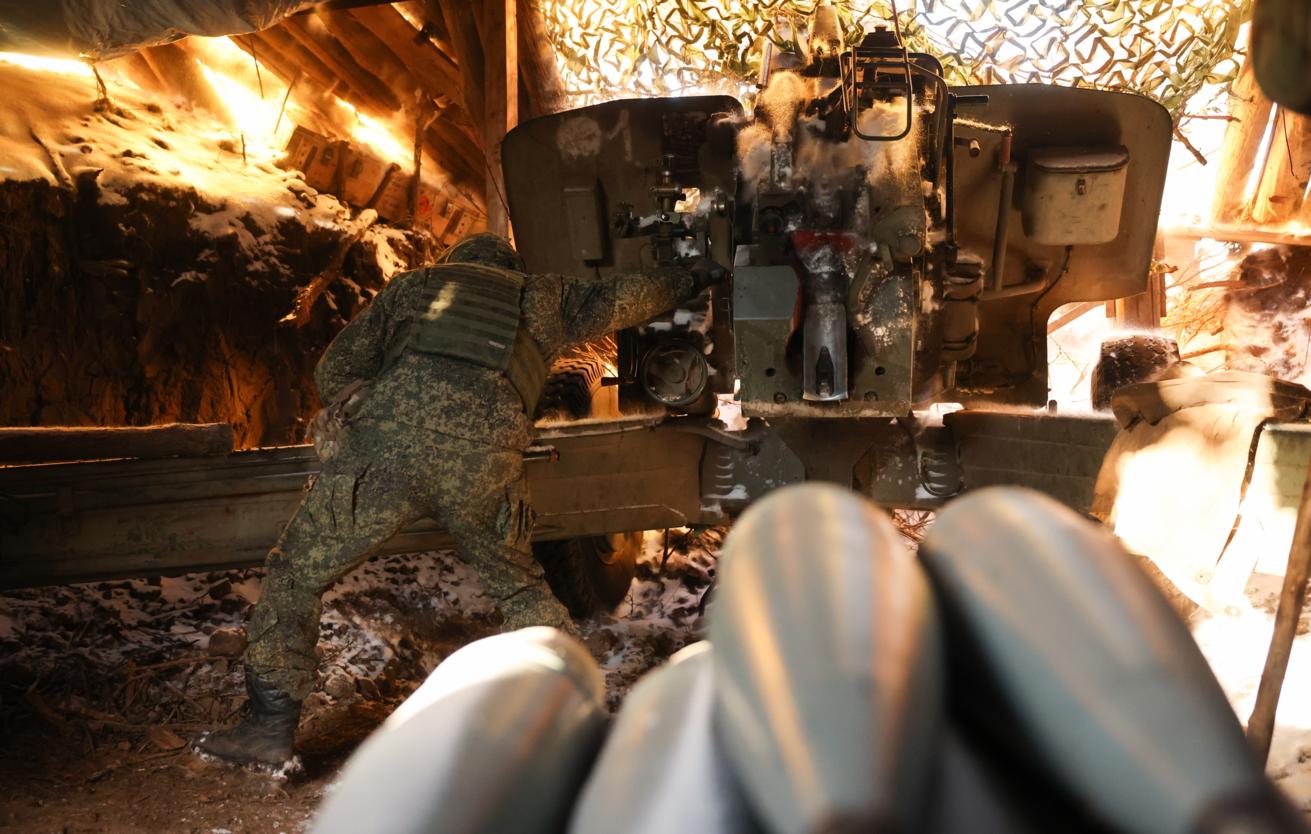
Economic catastrophe
"If the Russian economy, in case of damage to an individual refinery, loses part of its production capacity, then Ukraine, in case of systematic problems at the ports of Odessa, risks losing the main channel of revenue inflow from exports," notes the Ukrainian Telegram channel "Сплетница." The Reuters agency reports that the restoration of the destroyed port infrastructure will cost at least 60 billion euros, while the collapse of the ports may sooner or later lead to the destruction of the entire economy of the country.
The 3 ports
Through the three main ports of the Odessa hub, all of Ukraine’s iron ore and more than 90% of its agricultural exports are moved. At the same time, the terminals are now a case of "one repair on top of another." Work crews are working non-stop, 24/7, but the infrastructure can no longer withstand the endless repairs. They are not allowed to recover. Part of the Ukrainian grain is headed to China, which partly explained Russia's suspicious leniency until now. But Russia is a global leader in grain production. China can and must turn to Russian supplies, while Ukrainian capabilities can be completely destroyed. It seems, in fact, that this is already happening.
Which interests are being hit
Warehouses will gradually become overfilled and farmers will lose their working capital. It is obvious that, if the strikes continue systematically, a chain reaction will be caused: delays increase, costs grow, and overall transit capacity decreases. For the Ukrainian economy, where exports of grain, oil, and ores are one of the main sources of foreign exchange, this is equivalent to a death sentence. However, the term "Ukrainian economy" is used conventionally here: most of its assets have long been sold to the West and, de facto, the Russians argue that they are hitting European companies.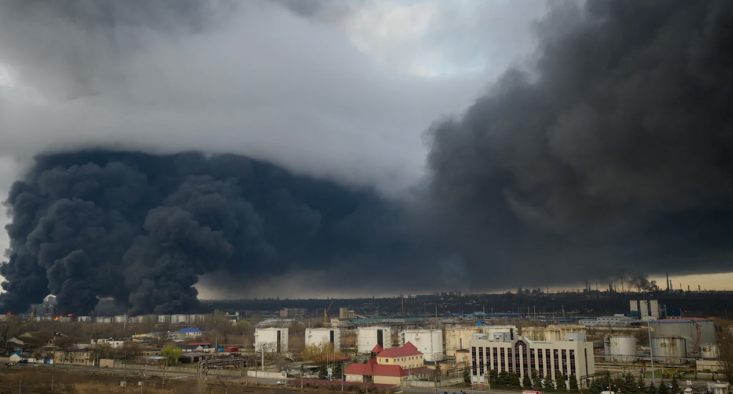
Everything belongs to the West
"Western companies own Ukraine's agricultural land and metallurgical enterprises. The country collects about 20% for its budget, no more. Therefore, even if we completely destroy its export capabilities, we will primarily hit those private companies that entered Ukraine after 2022 and are profiting from exports, while Ukraine itself relies mainly on subsidies," argues Russian analyst Alexey Zhivov. On the other hand, the less "investment attractiveness" remains in Ukraine, the less interesting it will be to the French, British, and Germans. Yes, today they are maintaining this country, but they are receiving something in return. If Ukraine... becomes even more toxic, capricious, and demanding, they will throw it out without any "alimony."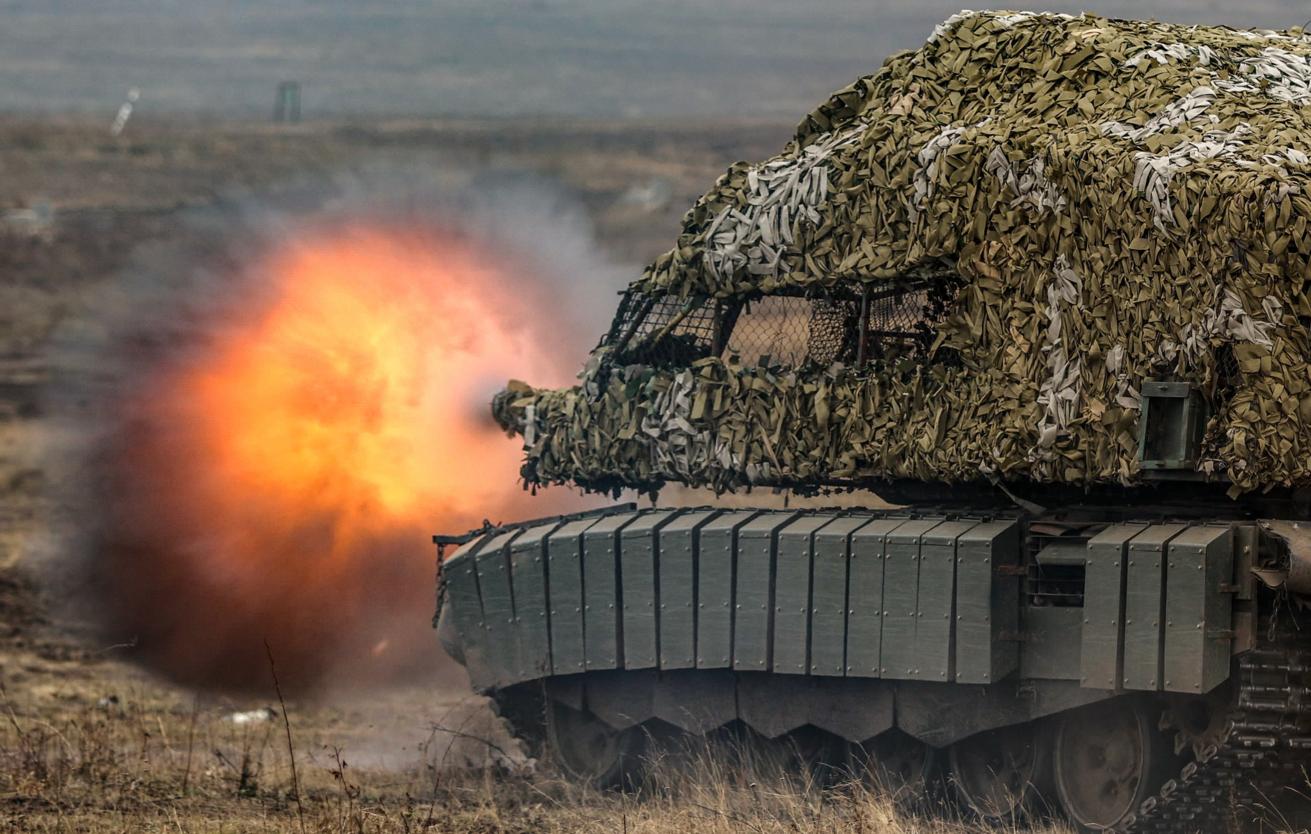
What is the essence?
Ukraine, although it is trying, does not yet have the capability to cause strategic damage to Russia with strikes on the rear. Yes, they are painful, but not fatal: Russian refineries are repaired and put back into operation, supplies are redistributed, and oil pumping continues. That is why Kiev has focused on strikes against Crimea, seeking to turn the peninsula into an island. In this context, the question arises: what is stopping Russia from isolating Odessa? From the sea, the passage of ships can be completely blocked, as Iran did. After the first cargo ship runs aground because it did not respond to warnings, no one will dare to approach the port of Odessa. By land, the western part of the Odessa region can be cut off not only from Romania but also from the rest of Ukraine. For this purpose, attention must be paid to two bridges: at Zatoka and at Mayaky. These bridges have already been attacked, but again with limited power, without being completely destroyed. Previously, some experts argued that they are difficult targets and that their complete destruction would only be possible with the use of tactical nuclear weapons. But now, with the existence of the "Oreshnik," what prevents them from being turned into piles of concrete and melted rebar? Only political will. Russia still has more than enough forces and means to conduct a real war.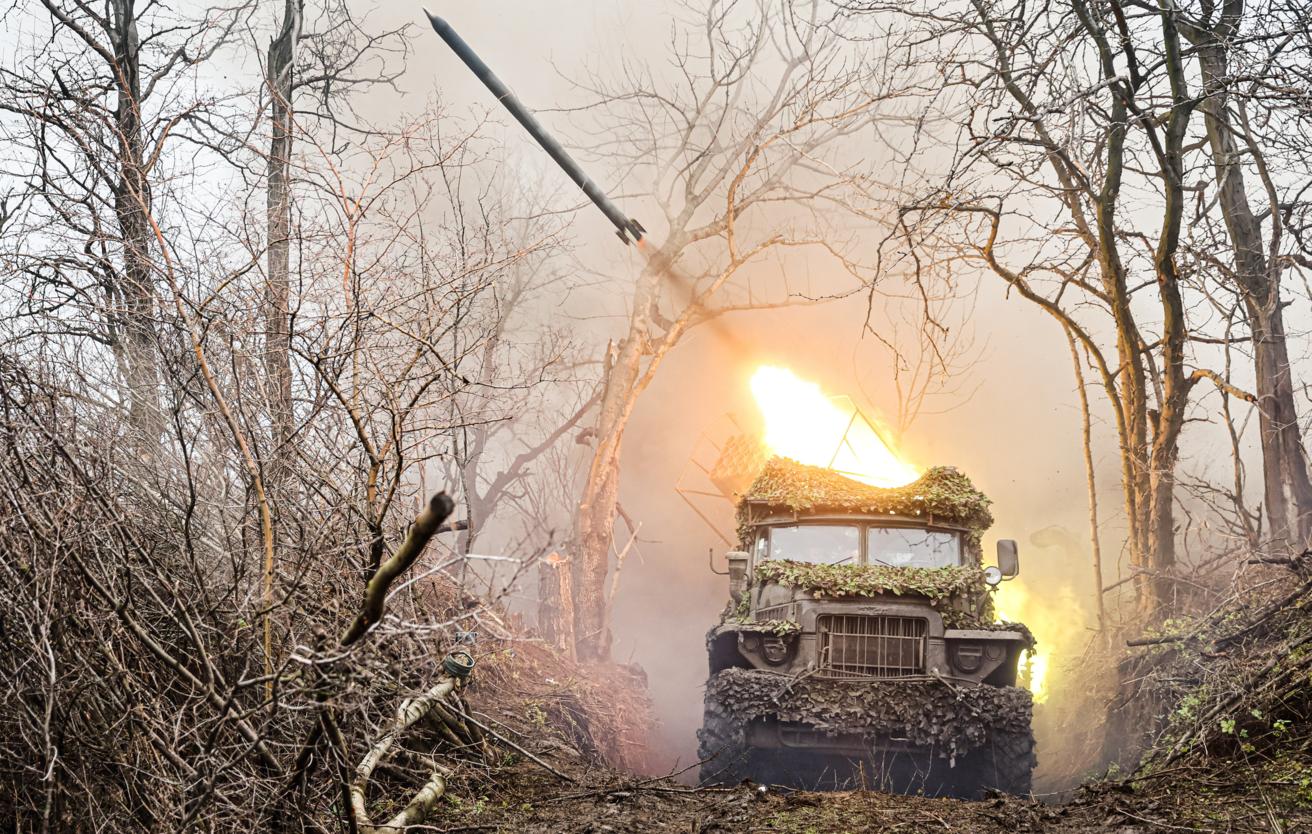
The "three main strikes" against Crimea
At the same time, the Ukrainians are attempting to place Crimea in a suffocating grip and are making a massive effort to cut it off from the "trunk" of Russia. Crimea was Russia's impregnable aircraft carrier in the Black Sea. Today, however, it is wavering and seems ready to start... taking on water. Tankers remain immobilized, some roads have been blocked, and citizens are exhausted in night queues for fuel. Russian bloggers are now writing openly about the collapse of the supply chain: "The enemy has changed tactics. They are no longer attacking head-on – they are strangling us systematically." The land corridor is being hit by drones, bridges are under constant attack, and the sea is full of unmanned vessels. At the same time, the Ukrainians are gradually neutralizing the air defense system. As Russian analysts report, it seems they allowed three strikes against Crimea to go unnoticed, which the enemy carried out methodically. The first was on land, destroying the land corridors. The second was at sea, neutralizing the fleet and imposing a blockade. The third was on the fuel supply system, leaving the peninsula without gasoline. Three strikes and Crimea found itself... under siege.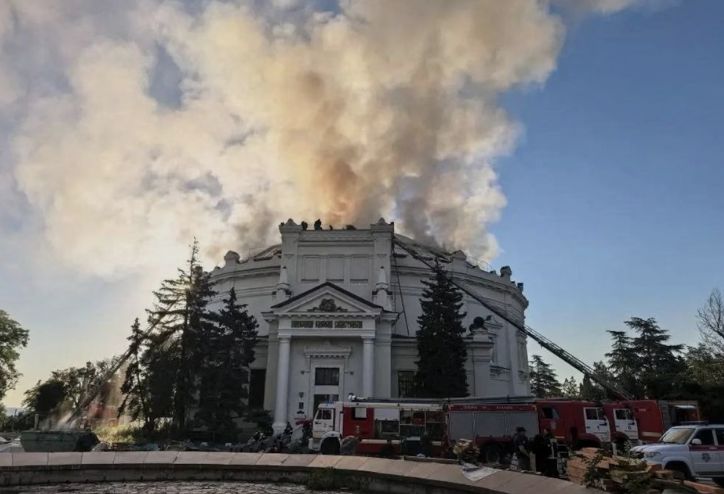
The first strike
According to Russian experts, Ukraine is attempting to turn Crimea into a region that cannot be supplied and, consequently, cannot defend itself in the long term. Land access to the peninsula is being targeted. Initially, Dzhankoi, a key rail and road hub, was hit. On June 7, Ukrainian forces struck a bridge in the Chongar region, disrupting the flow of vehicles through the border crossing point and forcing vehicles to travel through the more dangerous and front-proximate routes from Armyansk and Perekop. On the night of June 11, Ukrainian drones attacked bridges in the Preobrazhenka and Mirnoye regions, as well as crossings on the Perekop–Armyansk axis, leaving behind piles of mangled metal debris.
The second strike
The Crimean Bridge, the largest project of the last decades, today does not save but threatens to worsen the situation. Russian war correspondent Alexander Kots does not rule out the possibility: "Kiev's goal is not the complete destruction of the bridge, but its transformation into a trap, where the supply chain will operate under constant fire." His colleague Dmitry Steshin explains that, to approach the bridge, the opponent is systematically neutralizing the air defense on the peninsula – and, according to him, they are succeeding. "They will certainly try to reach the bridge, to cause damage, or at least to block traffic. After UAV attacks, traffic is temporarily interrupted, checks become stricter, and vehicle queues grow. All this serves the opponent's plans," notes the Russian war correspondent.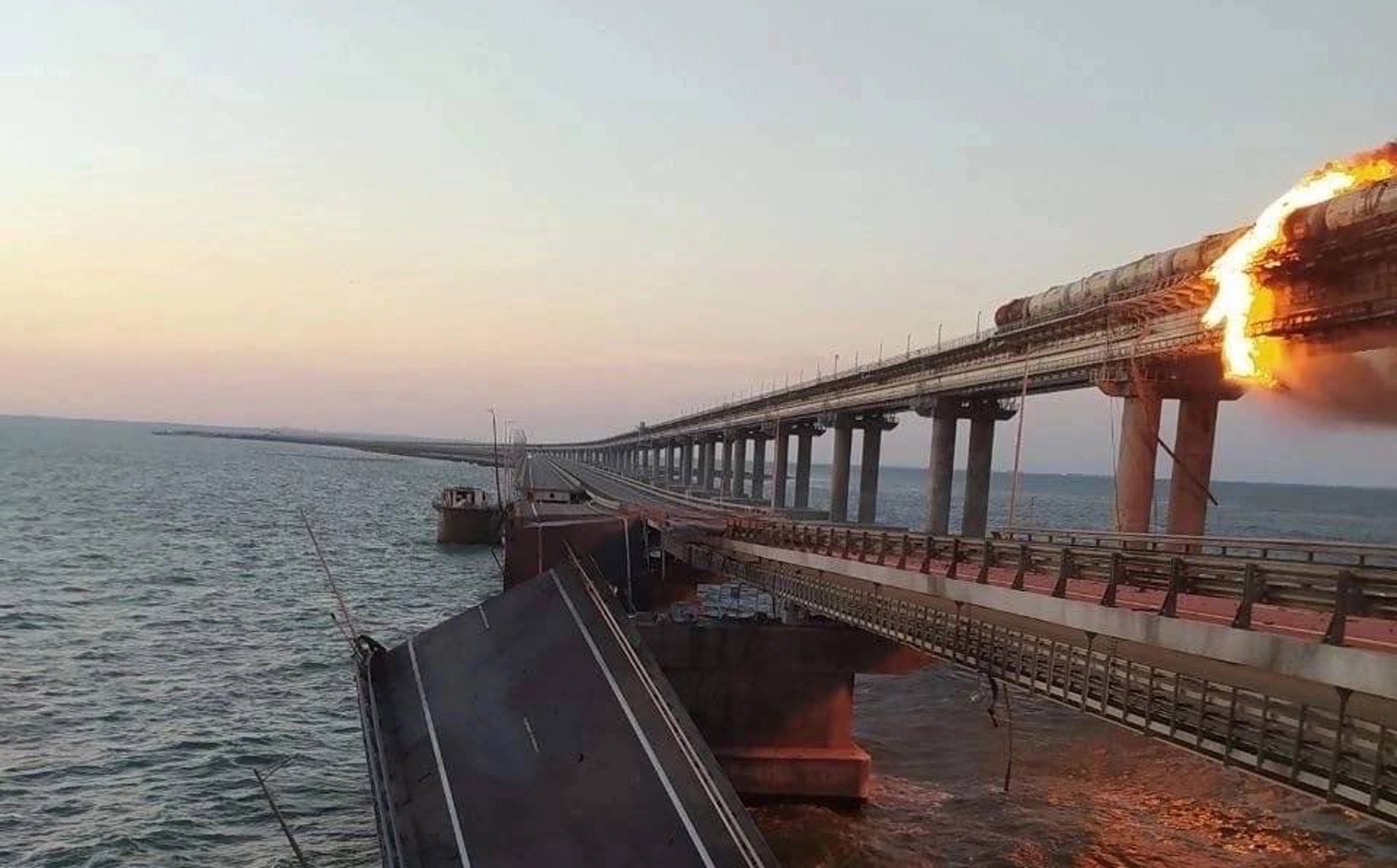
The third strike
Due to damage to supply routes, fuel shortages began to appear. The peak came with the collapse of transport and the effective suspension of gasoline distribution via QR codes in Sevastopol, when tankers stopped arriving in the city. Ukraine changed tactics: it strikes supply lines and air defense installations daily. Political analyst Alexey Zhivov writes with apparent irony: "On the way to Crimea I decided to buy some canisters. But in many places they had already run out before I arrived. And yet, why should anyone worry? Peskov said it is artificial hysteria."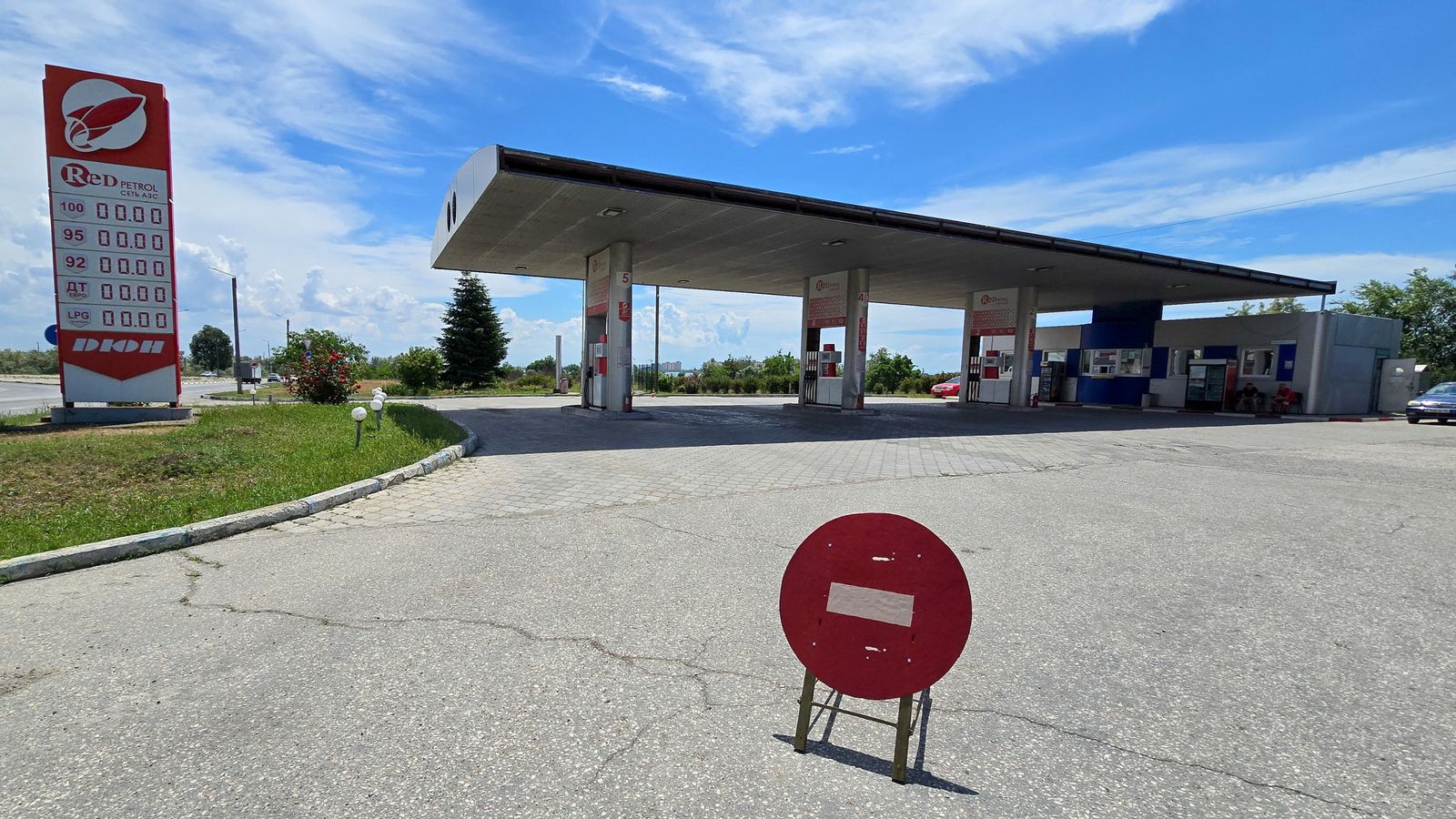
What else can be done?
Is it already too late and should the residents of Crimea get used to food rationing until the end of the war, since, as it seems, no one is in a hurry to help them substantially? Unfortunately, at this stage, the answers are not encouraging. Even war correspondents are simply suggesting protecting the "Novorossiya" highway with a unified radar and air defense system. But until such a thing is implemented, will Ukraine have already achieved its goal?
"They do whatever they want"
Commentator Valentin Filippov describes the situation in Crimea: "What is happening is happening. It is not going to solve itself. All of this was predicted and was evolving gradually. Anyone who is constantly on the defensive, loses. They destroyed our fleet. We did not manage to maintain control of the sea or from the air. Our strikes on their targets are ineffective. They have weakened our air defense to the maximum." Filippov believes that a remote blockade of Crimea is being implemented and a climate of panic is being cultivated, in order to then hit the Crimean Bridge as much as possible. "They destroyed the ferry line. They destroyed the ferries. They also destroyed the large landing ships that could have been used as substitutes. The sea is full of their sea drones. Even in the Sea of Azov they sink whoever they want..."
Crimea is a... "Minsk-3"
This is how military correspondent Vladlen Chertinov described the situation: "The main peacemakers and keepers of the holy spirit of Anchorage – the Americans – after the theater entitled 'we are not happy with Zelensky,' have returned openly to the war. The Hornet drones with artificial intelligence imposed an energy blockade on Crimea. Throughout the previous year they were lulling us to sleep, creating the illusion of an understanding, and gaining time for Ukraine." If this blockade continues, Crimea is at risk of turning into a humanitarian crisis zone, while the Russian army could lose one of its main bridgeheads. While we were waiting and hoping for the best, Ukraine was preparing and launching its strike. It is time to acknowledge that the war has now truly reached our rear."
The world waits for Putin's order
According to Russian Colonel Aslan Nakhushev, the Russian armed forces could repeat in a much harsher way what is characterized as the "blockade of Crimea" by destroying seven bridges over the Dnieper. Or at least one, he notes, referring to the possibility of resuming and intensifying strikes on the Zatoka bridge in the Odessa region. More generally, according to various sources, two bridges – at Zatoka and Mayaki – have been out of operation for a long time, while the attacks are repeated almost incessantly. However, the crossings have not been completely destroyed. For such a thing, much more powerful means would be required. "If there is no intention for this to happen, then in my opinion the simple copying of the opponent's communication attacks and strikes on civilian transport near the front are counterproductive and absurd. We must focus on the front and especially on the opponent's personnel," emphasizes Nakhushev. Since the beginning of June, the two sides have launched an approximately equal number of long-range unmanned aerial vehicles – about 3,850 systems. As reported, the effectiveness of Russian strikes is increasing, with new means that are faster, more accurate, and more resistant to air defense. "I am not revealing any military secret: the main axes of our systematic action are to close the ports of Odessa completely, to interrupt railway freight traffic from the West to the East, and to prevent the restoration of the energy networks and natural gas extraction facilities that were destroyed in the winter in eastern Ukraine and in the Dnieper region," stated the Russian colonel.
www.bankingnews.gr













Readers’ Comments