

Reports indicate four US Air Force aircraft are heading to Geneva to prepare for the signing - J.D. Vance will sign.
Developments in the Iranian issue are torrential, as generalized optimism prevails that the US and Iran have reached an initial agreement to end the war. Information is already leaking regarding the exact provisions of this agreement, which is reportedly named the "Islamabad Agreement."
As reported, the agreement will be implemented in various phases, though it provides for the immediate opening of the Strait of Hormuz without the imposition of tolls, while there is a massive retreat by US President Donald Trump, who has reportedly agreed that the enriched uranium of the Iranian nuclear program will remain in Iran.
If this agreement is officially confirmed, it will undoubtedly be the most significant diplomatic development to date for ending the war, which has already been ongoing for more than three months. However, Iran, through Foreign Ministry spokesman Esmaeil Baghaei, argued that while most of the agreement has indeed been settled, Tehran has not yet officially given its final approval, simultaneously sending the message that it will not back down from its "red lines."
Axios: The US and Iran have agreed
A mediating diplomat told the news agency Axios that "the United States and Iran have agreed on the text of an agreement." The draft reportedly agreed upon provides for:
• Immediate reopening of the Strait of Hormuz without transit fees.
• Restoration of commercial shipping to pre-war levels within 30 days.
• Lifting of the US naval blockade.
• Extension of the ceasefire for 60 days, including Lebanon.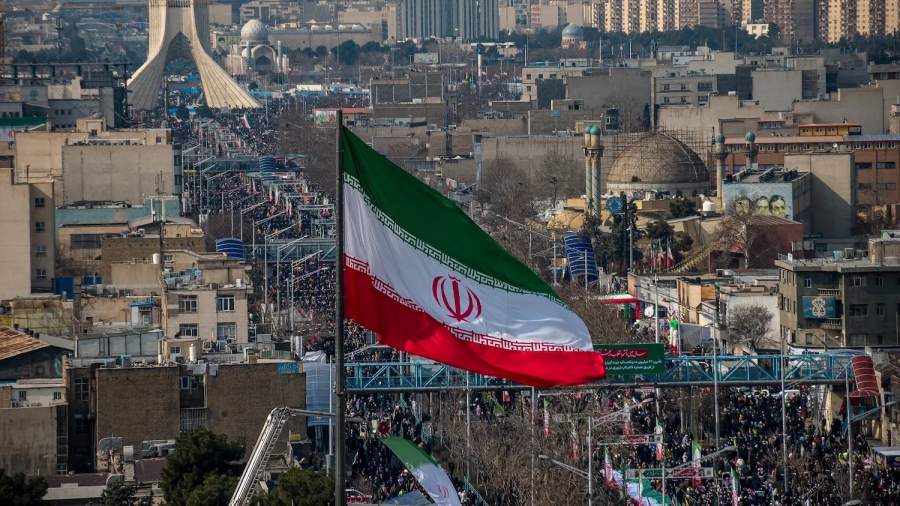
What the Islamabad Agreement provides
Based on the Axios report, the agreement now reportedly has a name, a signing location, and a finalized text. According to Axios, the United States and Iran reached the so-called Islamabad Agreement, which provides for the immediate reopening of the Strait of Hormuz without tolls, the lifting of the blockade, the extension of the ceasefire for 60 days—including Lebanon—as well as a gradual lifting of sanctions conditioned upon the parties' compliance.
According to the same information, issues concerning the nuclear program will not be resolved immediately through the initial Memorandum of Understanding (MOU). Instead, the memorandum will set the general framework, and specific nuclear commitments will be the subject of a second, more detailed agreement.
Specifics
According to information attributed to Axios, the draft agreement includes the following:
Nuclear program
-
Iran pledges it will never acquire a nuclear weapon.
-
Iran appears willing to proceed with down-blending high-enriched uranium stockpiles within the country, under the supervision of UN inspectors.
-
Any specific measures regarding the nuclear program will be implemented only once a second, more detailed agreement is reached at a later stage.
Strait of Hormuz -
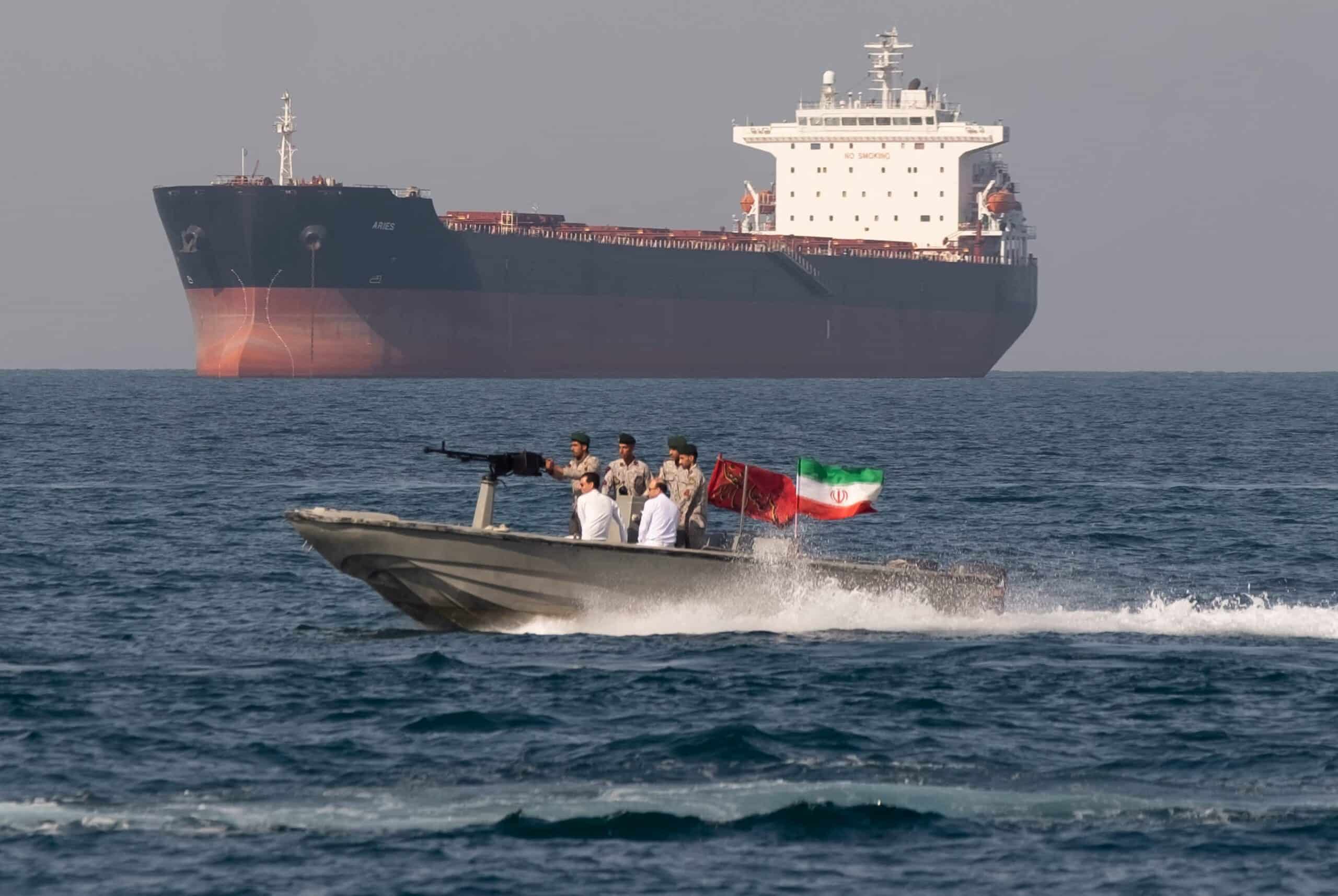
The United States will end the naval blockade.
-
The Strait of Hormuz will open immediately without transit fees.
-
Commercial shipping will return to pre-war levels within 30 days.
Lebanon and regional de-escalation -
The ceasefire will be extended to the entire Middle East, including Lebanon.
Sanctions -
Sanctions concerning Iranian oil exports will be suspended for a period of 60 days.
-
Further lifting of sanctions will depend on the implementation of the agreement and whether Iran demonstrates "good faith" in future negotiations.
Frozen funds -
Tehran demands the release of part of its frozen assets immediately after the signing of the initial agreement.
-
The American side reportedly proposes a gradual disbursement of the amounts in tranches.
Ceasefire details -
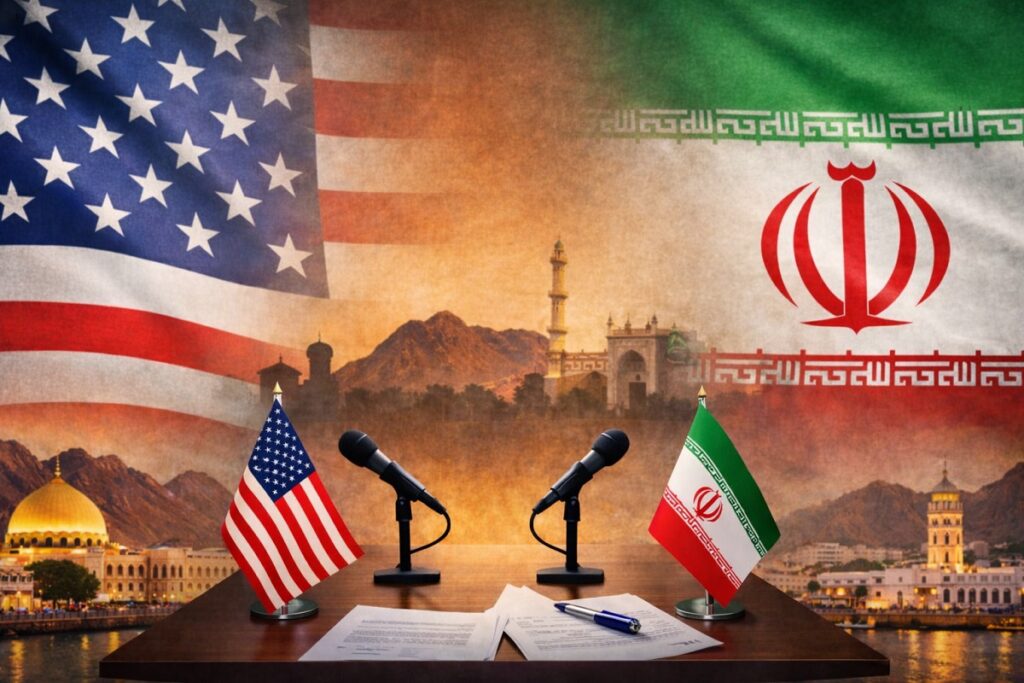
Extension of the ceasefire for 60 days.
-
The agreement has reportedly been mediated by Qatar and Pakistan.
-
A signing ceremony in Geneva is being considered, with the participation of US Vice President J.D. Vance.
-
The agreement reportedly bears the name "Islamabad Agreement."
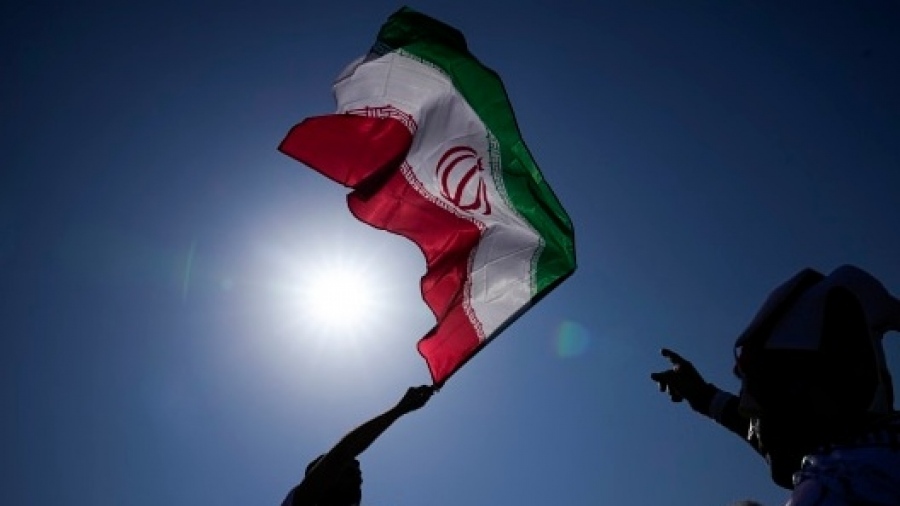
What remains uncertain
Despite this information, Iranian officials have repeatedly stated that:
-
Final approval from the country's competent bodies has not yet been given.
-
The text is still being examined at the highest level.
-
Reports of a finalized agreement remain, according to Tehran, premature and largely journalistic speculation. Therefore, the above describes the content of the alleged draft agreement as presented by sources cited by Axios and not an officially ratified agreement.
![US President Donald Trump speaks to the press before boarding Air Force One prior to departure from John F. Kennedy International Airport, in New York, on June 9, 2026. Trump is returning to the White House after attending Game Three of the NBA Finals. (Photo by SAUL LOEB / AFP) / “The erroneous mention[s] appearing in the metadata of this photo by SAUL LOEB has been modified in AFP systems in the following manner: [June 9] instead of [June 8]. Please immediately remove the erroneous mention[s] from all your online services and delete it (them) from your servers. If you have been authorized by AFP to distribute it (them) to third parties, please ensure that the same actions are carried out by them. Failure to promptly comply with these instructions will entail liability on your part for any continued or post notification usage. Therefore we thank you very much for all your attention and prompt action. We are sorry for the inconvenience this notification may cause and remain at your disposal for any further information you may require.”](/image/4_1031.jpg)
Trump's retreat
The decisive point that reportedly unlocked the deal was Donald Trump's acceptance of the proposal for Iran's high-enriched uranium to be down-blended within Iranian territory under the supervision of UN inspectors. Specifically, it is reported that Donald Trump made the critical concession that unlocked the deal with Iran: enriched uranium can remain within Iranian soil.
According to an Axios report, Trump accepted that one of the possible solutions for settling the disagreement regarding enriched uranium stockpiles is the down-blending of the material inside Iran, under the supervision of UN inspectors. This development is considered a significant shift compared to the previous public positions of Trump, who demanded either the "DESTRUCTION" of the stockpiles or their handover to the United States.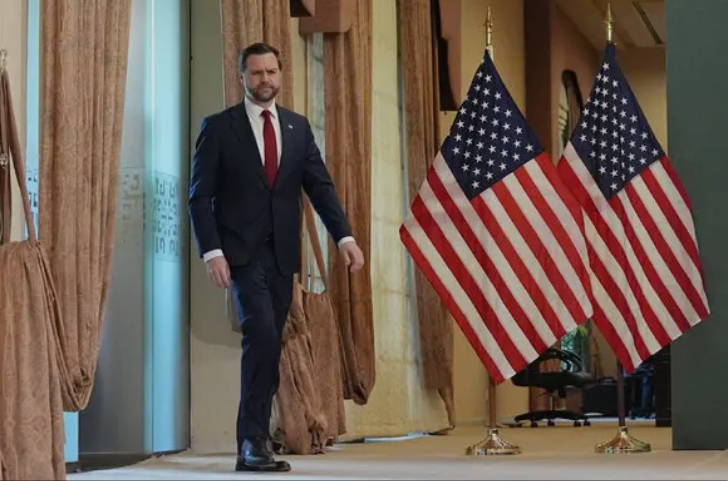
Signatures by J.D. Vance in Geneva
According to the report, the agreement was shaped through the mediation of Qatar and Pakistan. At the same time, the possibility of a signing ceremony in Geneva is being considered, with the participation of US Vice President J.D. Vance. It is already reported that four C-17 transport aircraft of the US Air Force have reportedly moved to Europe as part of preparations for a potential signing ceremony. At the same time, Trump reportedly stated that "we settled everything, we got everything we wanted," adding that US forces will soon return home.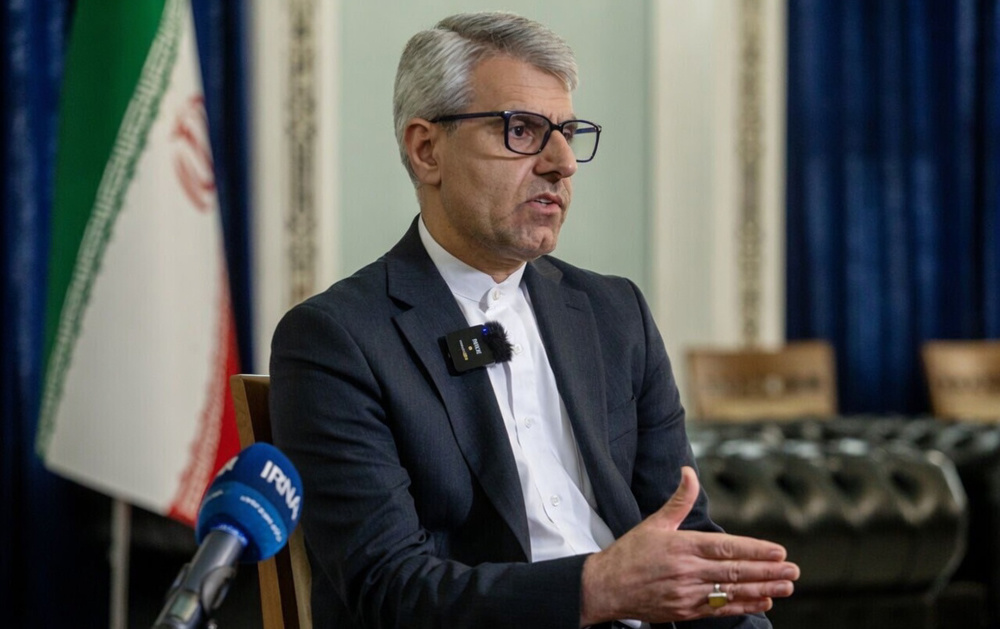
Baghaei (Foreign Ministry spokesperson): "The problem is the contradictory positions of the US"
According to the Mehr news agency, Iranian Foreign Ministry spokesman Esmaeil Baghaei commented on reports regarding a potential agreement between Iran and the United States. Baghaei stated initially that the changing positions of American officials are not something unprecedented. As he mentioned, during the last few months, and generally over the last year and a half, contradictory and conflicting statements from the American side have been recorded repeatedly. He emphasized that the Islamic Republic of Iran entered the diplomatic process with good faith and a responsible stance. The Iranian Foreign Ministry spokesman argued that the main problem throughout the negotiation process was the contradictory approaches of Washington. As he mentioned, the United States twice proceeded with military actions against Iran while negotiations were underway, while during the last two months, a period during which a declared ceasefire was in effect, both the US and Israel repeatedly violated the ceasefire.
"Iran does not retreat under pressure"
The Foreign Ministry spokesperson argued that the United States attempted to impose "unreasonable demands," but Iran proved both on the diplomatic and military field that it is not going to accept pressures or blackmail. According to him, the American side is attempting to present the progress of the talks as a result of pressures and threats, so that the impression is created that this tactic is effective. "The Islamic Republic of Iran has proven that its red lines are the interests of the Iranian people and it is not going to show any tolerance on this issue," the Iranian official emphasized.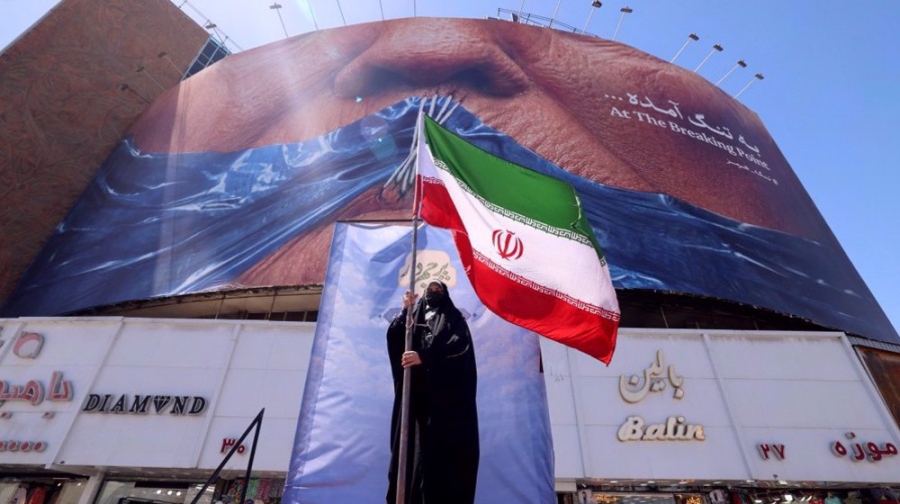
Mediators remain active
Baghaei mentioned that, despite American actions that negatively affected the diplomatic process, mediation efforts are continuing. According to him, both Pakistan and Qatar continue to work for the continuation of contacts, while an advisor to the Foreign Minister of Qatar recently visited Tehran for related consultations. He reiterated that most of the text has essentially been finalized and that the main obstacle remains the continuous shifts in the American stance.
The final decision is pending
Answering a question regarding reports about the time and place of signing an initial agreement between Iran and the US, Baghaei stated that these are simply journalistic speculations. He emphasized that any agreement must first be examined in detail by the competent institutions of the Islamic Republic of Iran and only when the decision-making process is completed will there be an official announcement. "All other scenarios regarding the method or place of signing are, for the time being, journalistic speculations," he noted.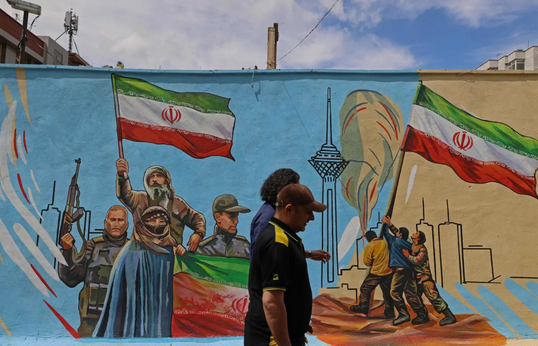
The situation in the Strait of Hormuz
Referring to the Strait of Hormuz, the Iranian Foreign Ministry spokesman argued that the actions of the United States have created unprecedented security problems in the region. According to him, the General Staff of the Iranian Armed Forces announced that, due to the conditions formed after the recent American operations, safe navigation in the Strait is no longer possible. Baghaei stated that for this reason, the closure of the Strait of Hormuz to all ships was announced and attributed exclusively to the United States the responsibility for the creation of this situation. Furthermore, he claimed that American attacks also hit commercial ships, citing as an example three Indian ships that suffered damage, resulting in the deaths of their crew members. "The United States has endangered international shipping and free maritime trade," he declared.
"We have not yet reached a final agreement"
Closing, Baghaei emphasized that the Iranian leadership remains committed exclusively to the interests of the Iranian people, regardless of the statements, threats, or pressures of the other side. "When we conclude that the text and the overall framework of the agreement serve the interests of the Iranian people, we will announce it with full transparency," he stated. He added that up to the moment of his statements, there has been no final decision on the text of the war termination agreement, as the issue is still being examined by the country's competent institutions. "Until this moment, we have not reached a final agreement. The matter is still under evaluation by the competent bodies and we will officially inform [the public] once the process is completed," he concluded.
Rezaei (Advisor to Mojtaba Khamenei): Americans must leave
Mohsen Rezaei, an advisor to the Supreme Leader of Iran, argued that one condition is the immediate withdrawal of American military forces from the region. "One of Iran's fundamental conditions is the complete withdrawal of the United States and American military bases from the Persian Gulf and the wider region. Any future agreement must address the ongoing war in Gaza and the wider regional crisis. Otherwise, to hell with their agreements," Rezaei emphasized.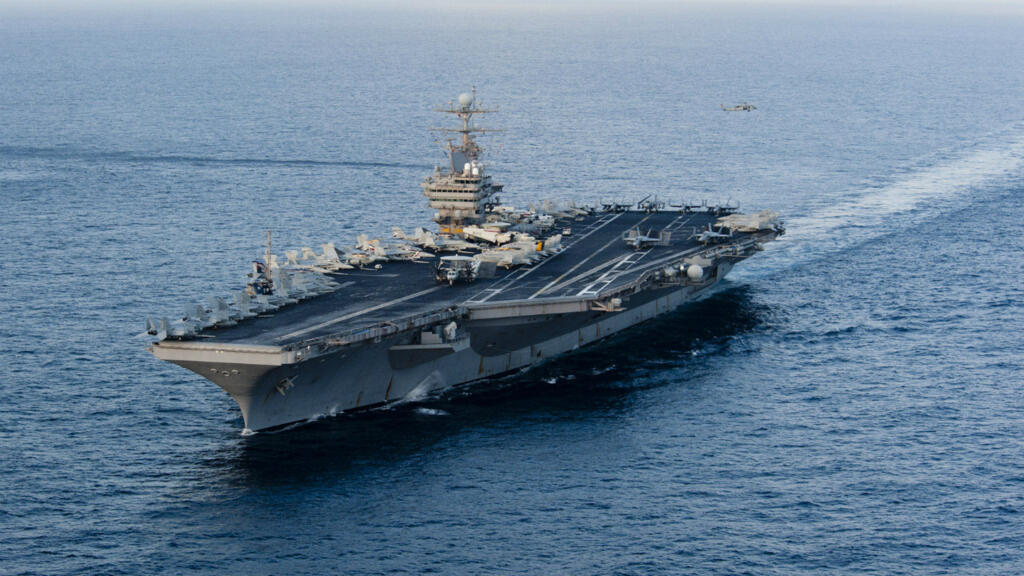
Bloomberg: Messaging is difficult
The exchange of messages between Tehran and Washington takes place through a complex process involving messengers and mediators, with the aim of keeping the location of Iran's Supreme Leader, Mojtaba Khamenei, secret. The situation is further burdened by problems with internet functionality in the country, according to a Bloomberg report citing American officials, analysts, and other sources. "The proposals of the American negotiators follow an indirect diplomatic route, often with the participation of Iranian messengers, in order to conceal the location of Supreme Leader Mojtaba Khamenei," Bloomberg reports. According to the agency's sources, the communication between the US and Iran resembles more of a time-consuming and complex process than classical negotiations, as the exchange of messages can require several days.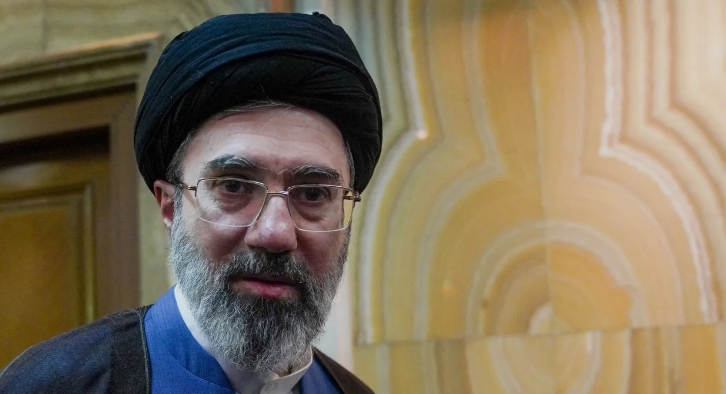
Bloomberg also points out that the unstable internet connection during the war has further hindered contacts. In some cases, the delivery of messages via WhatsApp was delayed by up to 48 hours. According to the same information, Washington's messages pass initially through Pakistani officials, who convey them to Tehran both telephonically and through personal contacts. A senior official of President Donald Trump's administration reportedly estimated that even if the United States accepted all of Iran's demands, the completion and signing of an agreement would require at least five days. At the same time, according to the report, White House special envoy Steve Witkoff maintains a direct channel of communication with Iranian Foreign Minister Abbas Araghchi, which the American side often uses for contacts. Bloomberg also reports that the United Arab Emirates decided to hold the first in-person meeting with Iranian officials since the start of the conflict, partly due to their dissatisfaction with the slow pace of negotiations.
www.bankingnews.gr











Readers’ Comments