

In a landscape of dangerous escalation, with massive drone attacks on Russian territory, strikes on critical infrastructure, and open threats against Crimea, the conflict in Ukraine is entering a new, more unpredictable phase. Kyiv, unable to launch a large-scale ground offensive, is reportedly turning to a strategy of "strangulating" Russian logistics, attempting to cut off roads, bridges, and supply lines connecting Russia to Crimea and the southern fronts.
At the same time, voices in Moscow are growing that demand harsher reprisals and even a change in the nature of the operation, while reports of US satellite support for Ukrainian drone operators reinforce the image of a conflict that threatens to spiral out of control...
New strategy
The West has revealed Kyiv’s new strategy in the conflict. It does not provide for a forward advance, writes the Telegraph. The idea is simple: as Ukraine lacks the resources for a large-scale attack, the goal is limited to restricting logistical support – and the more intense this restriction, the fewer Russian forces can be maintained at the front and the more difficult it will be for them to attack. It is no coincidence that the Ukrainians are betting on drone attacks simultaneously against Russian territories and supply lines.
The cunning plan
The Telegraph reports that Ukrainian commanders spent a year developing a "cunning military plan," which, in their view, should push the President of Russia into negotiations and the signing of a ceasefire agreement – meaning, leaving Vladimir Putin no other choice, in order to ensure the acceptance of a peace agreement acceptable to the Kyiv regime. Essentially, Kyiv has now returned to the 2023 "idea" of "isolating Crimea," but not with tanks and infantry, but with the use of drones. One of the main targets is the R-280 highway, which connects Rostov-on-Don with Mariupol, Bryansk, Melitopol, and Crimea. In recent weeks, the Armed Forces of Ukraine have been hitting transport vehicles there. Russian analysts argue that it is necessary to secure at least certain sections of the highway.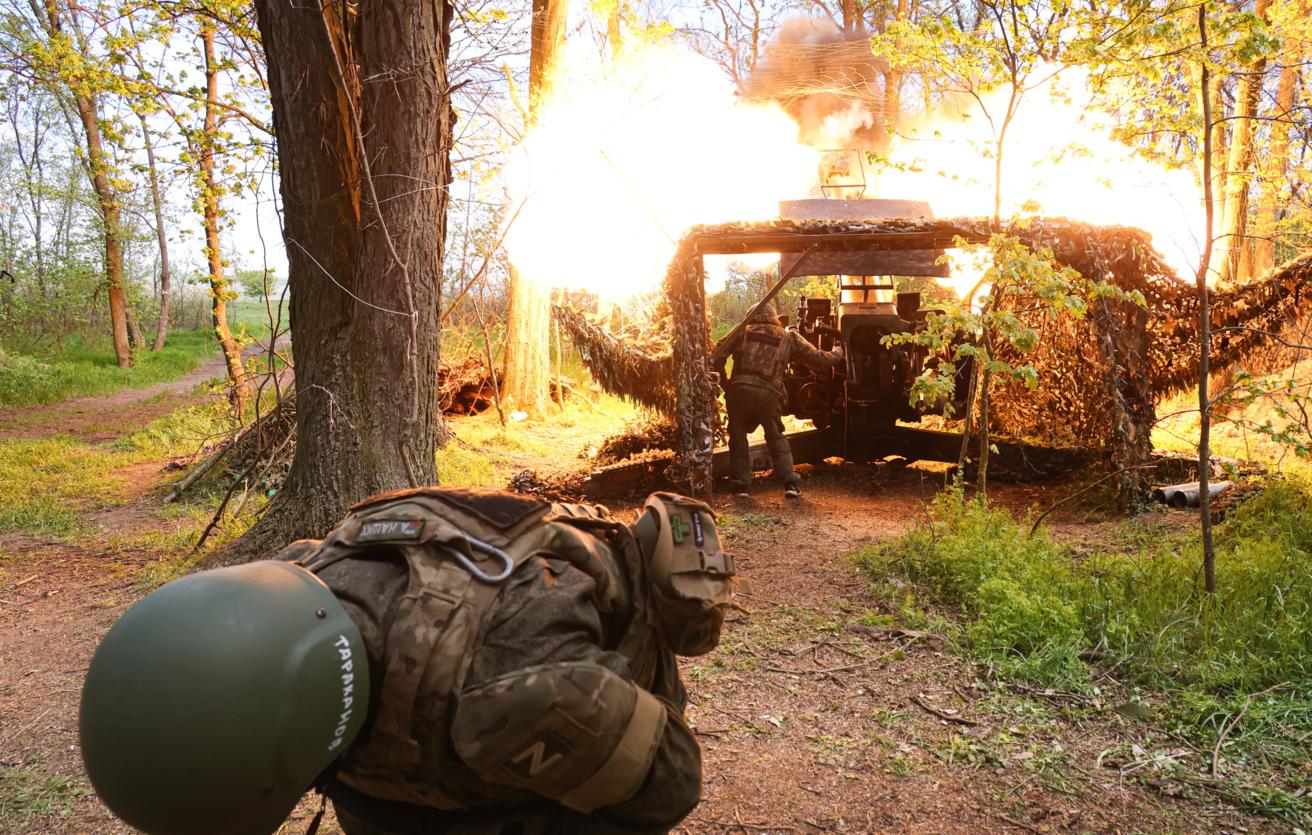
The isolation of Crimea
Meanwhile, the Ukrainians are "playing with the nerves of the local population" – blocking the flow of tourists to Crimea, which corresponds to billions of rubles. Drones are cutting off the possibility of a smooth logistical connection with Crimea, and the Ukrainians are not hiding their goal. The commander of the Unmanned Systems Forces of the Armed Forces of Ukraine, Robert Brovdi, with the call sign "Madjar," stated that Ukraine "will bring the highway under control."
"The enemy is now blocking logistics from this side. And then, very likely, is preparing for some strong strike on the Crimean bridge. This, after all, no one denies. And then what will we do about it? We must move preemptively now. I hope the authorities understand what is happening. The issue is only taking decisions," pointed out Russian analyst Evgeny Mikhailov.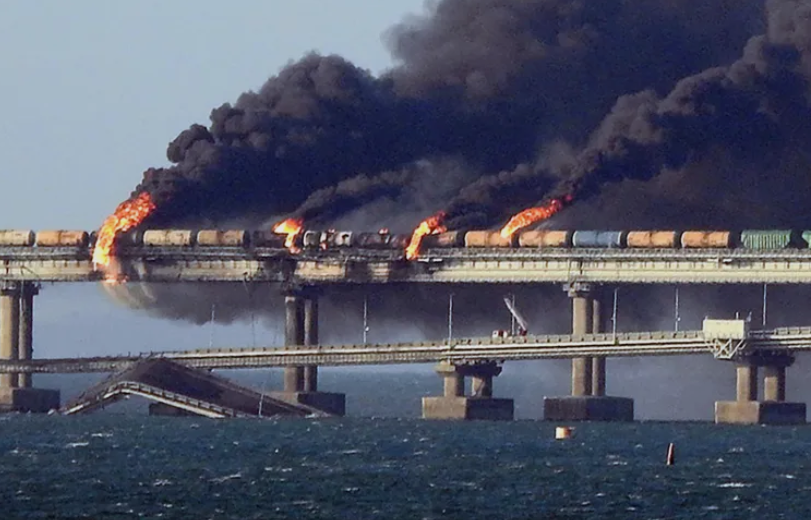
The worst-case scenario
Russian media argue that reports of the tense situation near Crimea had already appeared a month ago, pointing out that the risk of the situation evolving into a very unfavorable scenario did not appear today or yesterday. "And it’s not just about Crimea. Now, no one is placing restrictions on Ukraine. All restrictions have been lifted. What should we be ready for here, in our country? Where can such a summer escalation scenario lead?" is the question asked by many Russian journalists. "We must prepare for the worst-case scenario," assesses Evgeny Mikhailov, stating that he hopes a situation where the "red lines" simply continue to "redden" even more will not be allowed.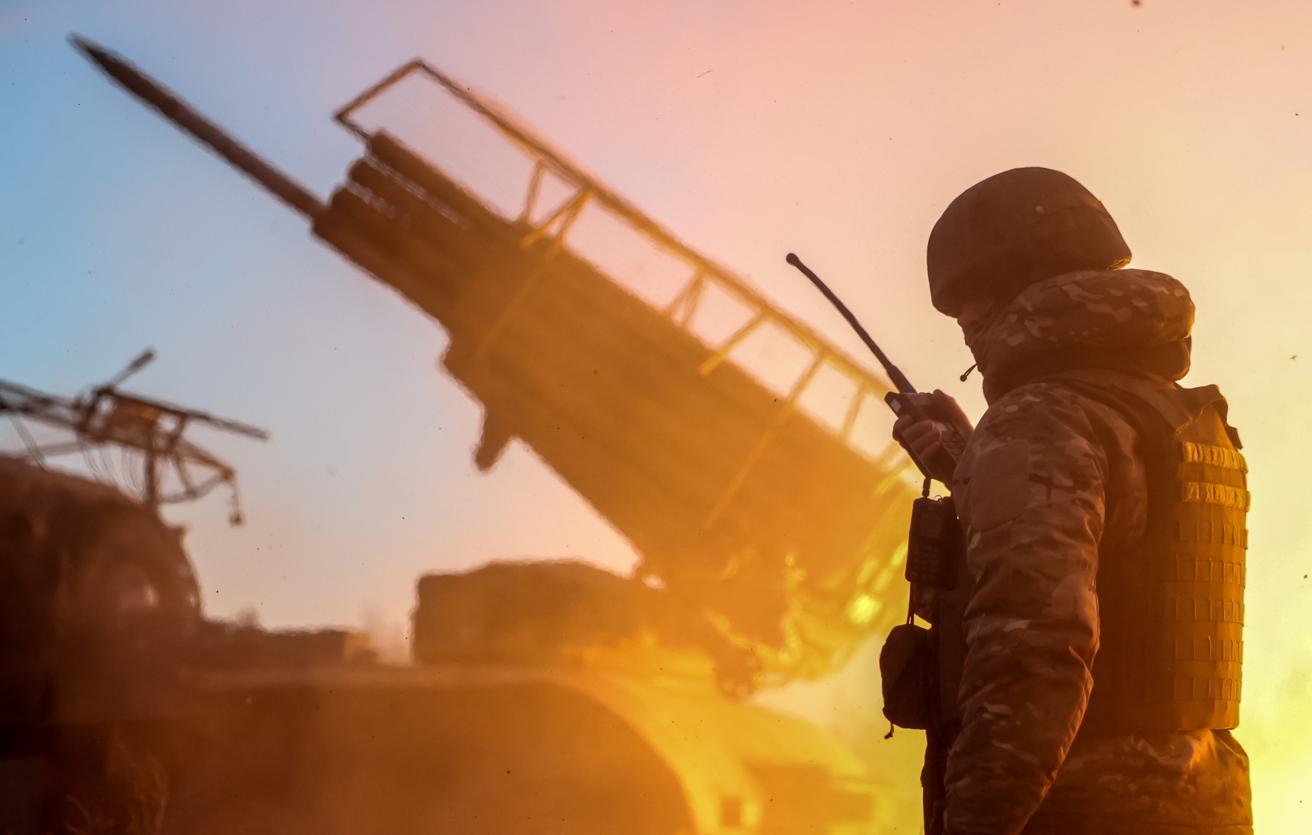
Dictating terms to a nuclear power?
"Zelensky is trying to dictate terms to a nuclear power. This is now being discussed behind the scenes in the world. We have all the forces to immediately reverse the situation, regardless of certain parameters. But for now, we are not doing it. We continue diplomacy. Well, until when?" wondered Mikhailov, who proposes renaming the "special military operation" to war and "delivering that strike, after which Ukraine and its allies will not be able to recover and will begin to speak differently."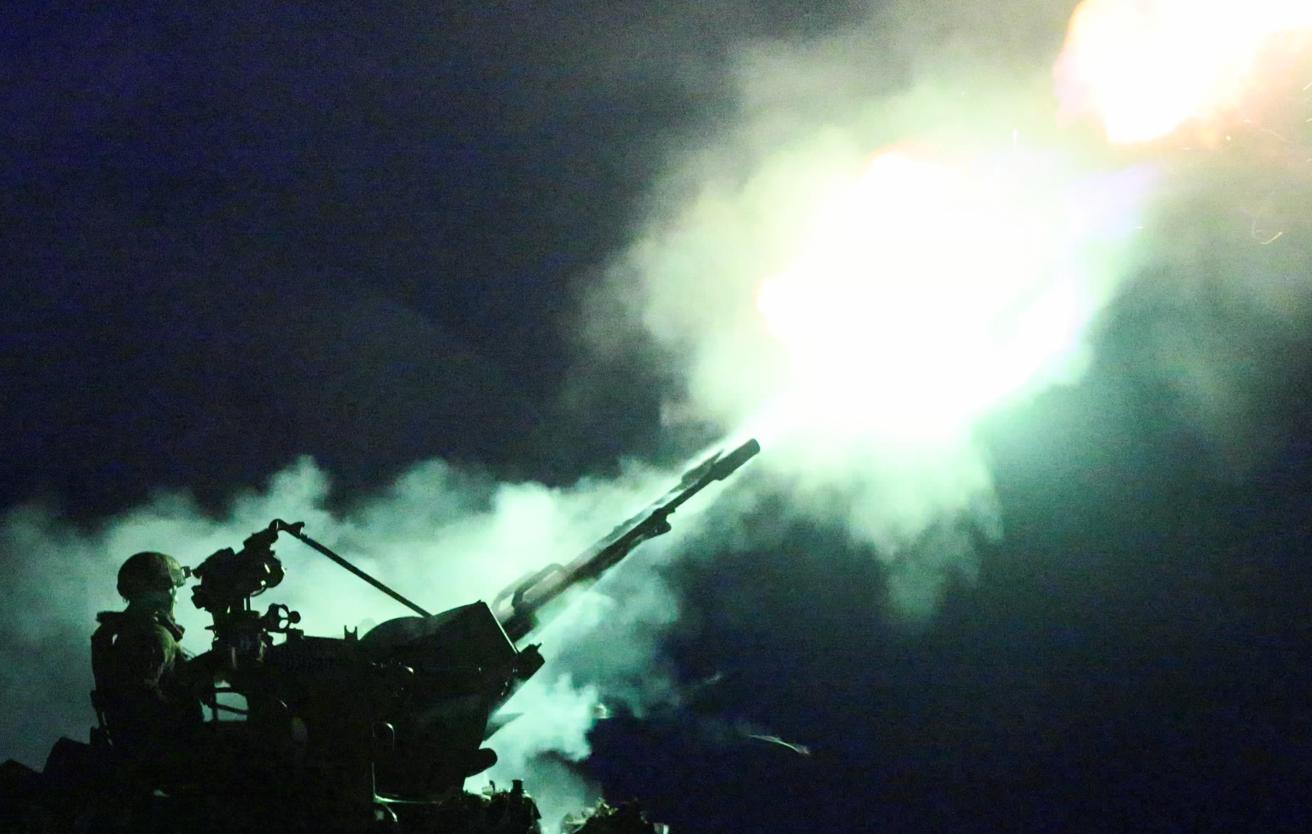
Plan to isolate Kyiv
Military analysts had previously presented to the Russian authorities a plan to isolate Kyiv. There are several main highways connecting the capital to the regions, and exactly these can be the first target of isolation measures. Strategic road arteries that are in focus include the M-06, Kyiv – Chop, which passes through a series of regional centers to the west, to the border with Hungary; the M-01, leading to the Chernihiv region; the M-03, connecting the capital with Kharkiv through Poltava; and the M-05, connecting Kyiv with Odessa.
Military analyst Anatoly Matviychuk stated that first and foremost, the command systems of the Ukrainian state and armed forces must be put out of operation. "Then, the command system must be decentralized and completely destroyed – I am talking about human resources. That is, do we not know where the president's office is? Do we not know where the Minister of Defense and the Chief of the General Staff are? We know everything," underscored the Russian military analyst.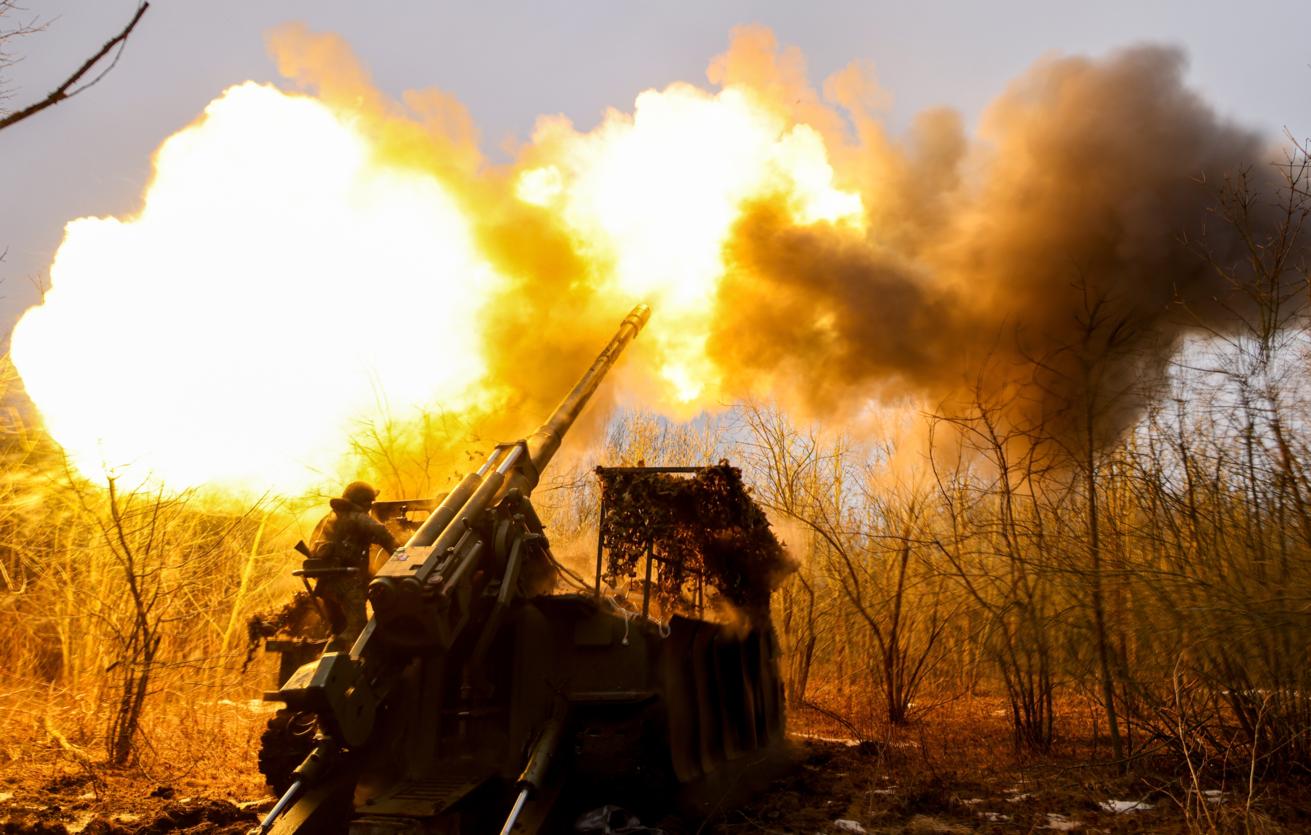
"All enemies are now clear"
Anatoly Matviychuk is certain that Russia must impose peace, and not just talk about peace. "All enemies are now clear. America backed off. The 'spirit of Anchorage,' I don't know, is hovering somewhere there. The US is counting money, now Europe is taking the initiative to 'squeeze Russia.' They are supposed to force Russia and, through assets, rebuild Ukraine. This is humiliation. We must now reverse the situation," stresses Matviychuk, stating that the US cannot be considered an independent party in the process of settling the Ukrainian crisis, as the American authorities are sending military aid to Kyiv and imposing sanctions against Russia. Thus, as he says, Washington has clearly chosen a side in the current confrontation.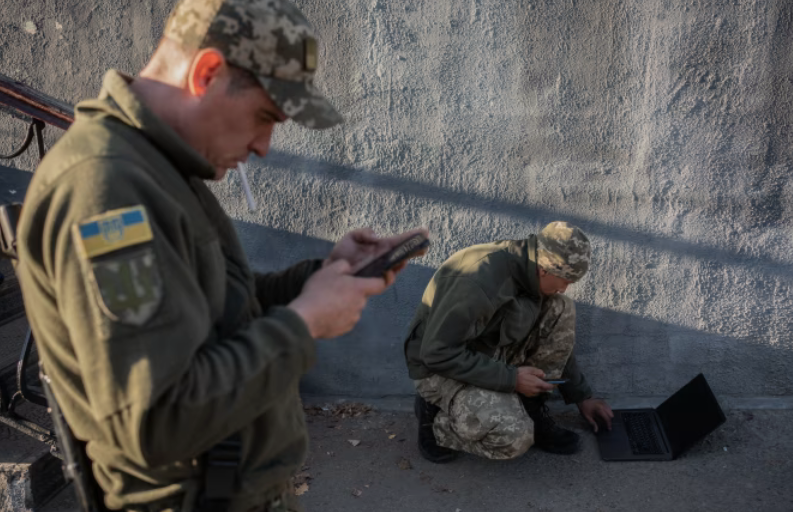
In 15 minutes via satellite
Moreover, the Wall Street Journal reports that Ukrainian drone operators are receiving, on an experimental basis, satellite images from the Americans within 15 minutes of them being taken. Such tests have been conducted over the last six months. The images reach the devices of Ukrainian military personnel directly, bypassing the central command in Kyiv. Previously, such material was transmitted first to the command and reached the contact line after several hours or even days. "Now the Wall Street Journal writes with enthusiasm that the data arrives directly and very quickly, almost in real-time, to the Ukrainians. They use them for drone attacks; it is clear where and against whom," point out Russian media.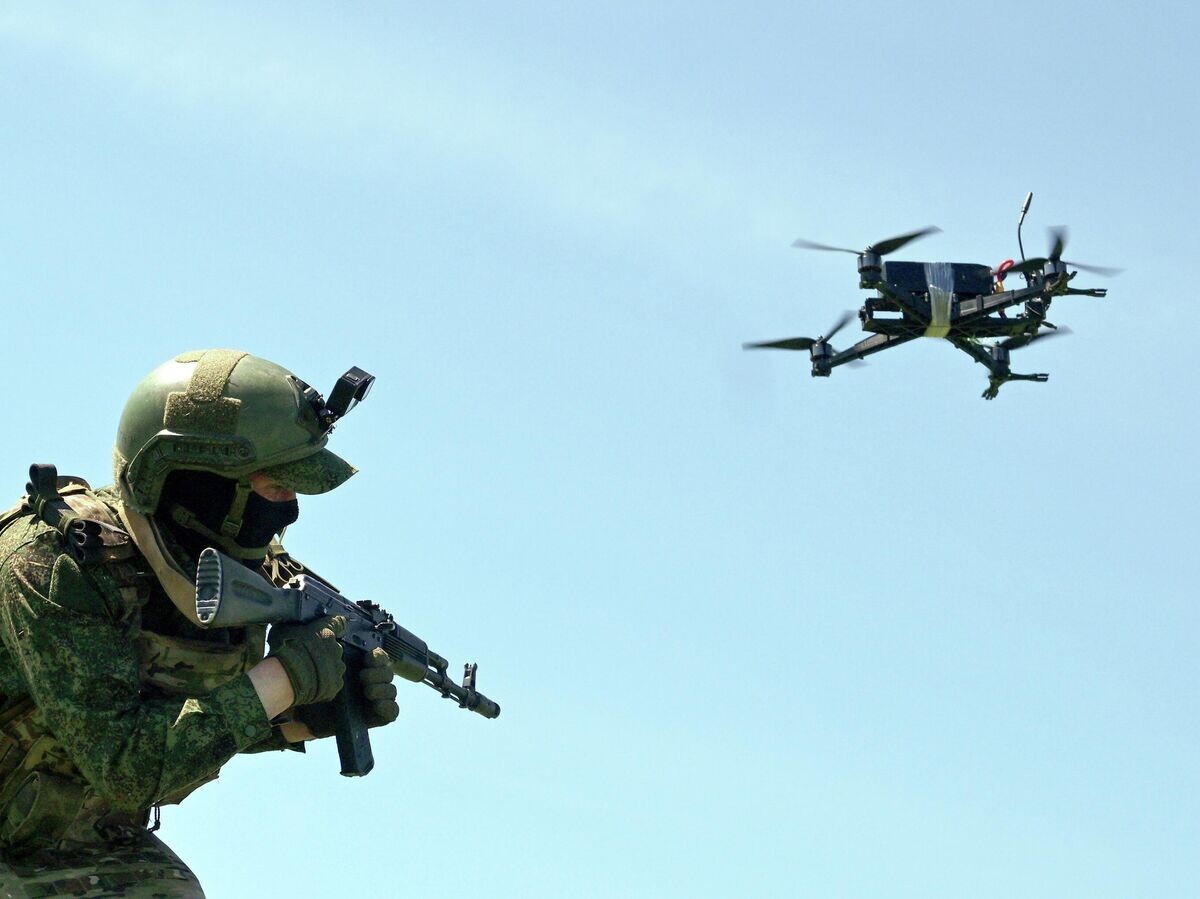
Massive raid of 326 drones in 20 regions of Russia – Civilians again targeted
Russian air defense media, on the night from June 9 to 10, repelled a massive drone raid. As the Ministry of Defense announced, a total of 326 Ukrainian unmanned aerial vehicles were destroyed. All were of the fixed-wing type. 20 federal entities were in the crosshairs, including the Samara, Nizhny Novgorod, Tver, Oryol, Smolensk, and Ulyanovsk regions, as well as the Moscow region and Crimea. Also, the Ukrainians once again hit a bus in Melitopol, in the Zaporizhia region.
One of the key symbols of Sevastopol destroyed
Attacks by the Armed Forces of Ukraine were also received by Sevastopol. The city's governor, Mikhail Razvozhaev, announced damage to the building of the panorama "Defense of Sevastopol 1854–1855." A fire broke out in the building, which was assigned a fourth degree of difficulty. "The situation is extremely difficult: already now it is clear that the great masterpiece of Franz Roubaud has been practically destroyed," stated Razvozhaev, adding that the attack was targeted.
According to the governor, on June 25, 1942, during the bombing by the Nazis, the building had also been partially destroyed and had caught fire. Then, firefighters, soldiers, and sailors, risking their lives, took 86 parts of the work out of the flames, while after the war, craftsmen essentially recreated an artistic copy of the object. "Zelensky can hit stones and roofs, but he will never be able to destroy what is etched in our genetic code. We will restore everything. We will become even stronger. And the panorama, as it stood over Sevastopol, so it will continue to stand, reminding that every attempt to bend our city always ends in the defeat of our enemies," concluded the governor.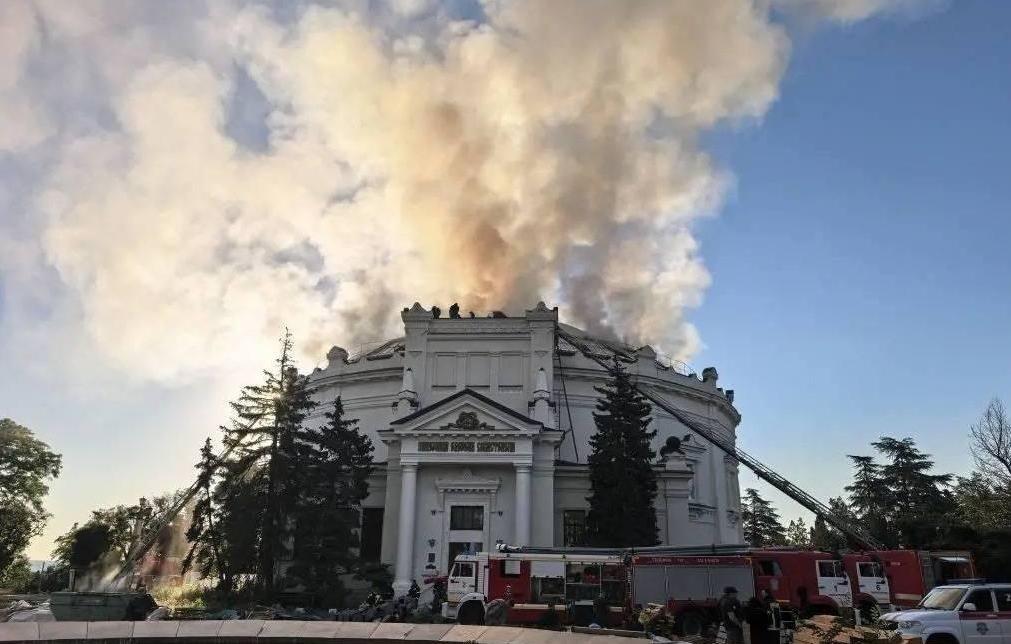
Ukraine struck Cheboksary with missiles at 1,000 kilometers from the border
The head of Chuvashia, Oleg Nikolaev, stated that Cheboksary received a missile strike. It is clarified that the city is located at a distance of 1,000 kilometers from the border. "I am keeping the situation under personal control, I am in constant contact with law enforcement agencies and the competent authorities to ensure safety," wrote the official.
Eyewitnesses reported to SHOT that explosions were heard at 04:50 and 06:20 in the morning, while an air raid siren was sounding. Later, Nikolaev announced the lifting of the missile alert but warned that a threat of drone attack remains. Moreover, he reported three injured on the night into Wednesday, June 10. Two are in moderate condition and the third in light condition. Their lives are not at risk, while one of them has already been discharged.
Attack with 43 drones in Moscow
Apart from Chuvashia, a missile alert had been declared in the Sverdlovsk, Tyumen, Kurgan, Samara, Penza, Orenburg, Nizhny Novgorod, and Chelyabinsk regions, as well as in Tatarstan, Udmurtia, and the Khanty-Mansi Autonomous Okrug, writes SHOT. On the approach to Moscow, 43 drones were destroyed, announced the mayor of the capital Sergey Sobyanin. No injuries or damage were reported on the ground.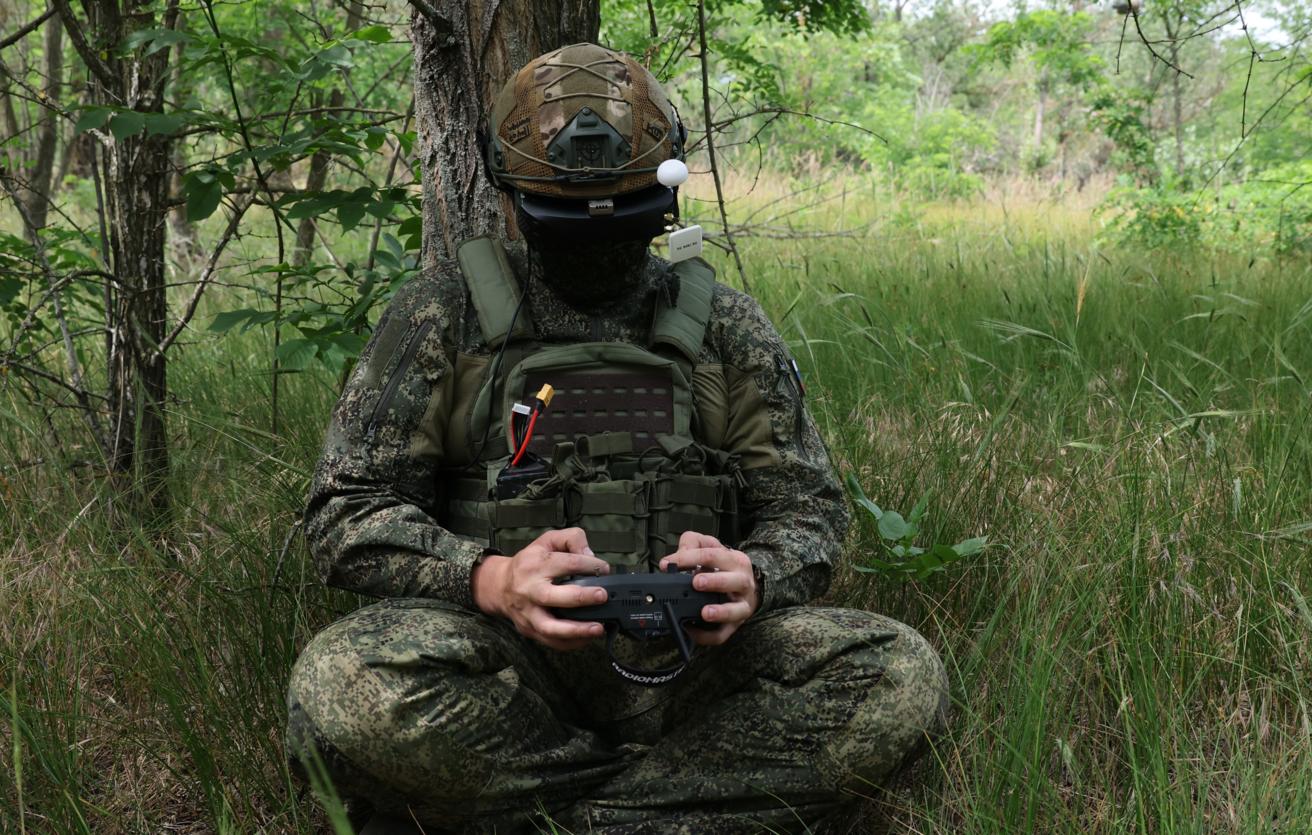
They occupied the Kharkiv – Sumy highway
Russian forces brought under fire control, with the use of UAVs, a section of the highway between Kharkiv and Sumy, in the Bohodukhiv area. Complaining about the disruption of the logistics of the Armed Forces of Ukraine is the expert in military radio technologies and advisor to the head of the Ministry of Defense of Ukraine, Serhiy “Flash” Beskrestnov: "The Russians chose for the strikes a section in the Bohodukhiv area, which is located closer to the border – at a distance of 20 kilometers. The appeals to drivers to be careful in this situation sound ridiculous; we must think about what must be done."
When the highway is finally cut, the opponent's logistics on the northern front will have been almost completely interrupted, observes Russian military analyst Mikhail Degtyarev, creator of the channel "Генеральный штаб" on Telegram. According to the expert's predictions, the operation will likely be completed by the end of the summer.
Ukrainians facing destruction
However, all this time the situation for the Ukrainians will be deteriorating more and more, which cannot but affect the situation on the front. At the same time, in the direction of Sumy, fierce battles continue on one of the largest lines of defense of the Armed Forces of Ukraine, on the Pysarivka – Ivolzhanske – Nova Sich line: "This is the main line of defense that separates us from the Sumy forest, entry into which may well turn into a real catastrophe for the Armed Forces of Ukraine, as our fighters, simply due to the advantage in the number of personnel, operate in the forest complexes much more successfully than the fighters of the Ukrainian forces. Once we enter the forest across the entire width of the front, the enemy will not be able to expel us, no matter how much they wish," states Degtyarev.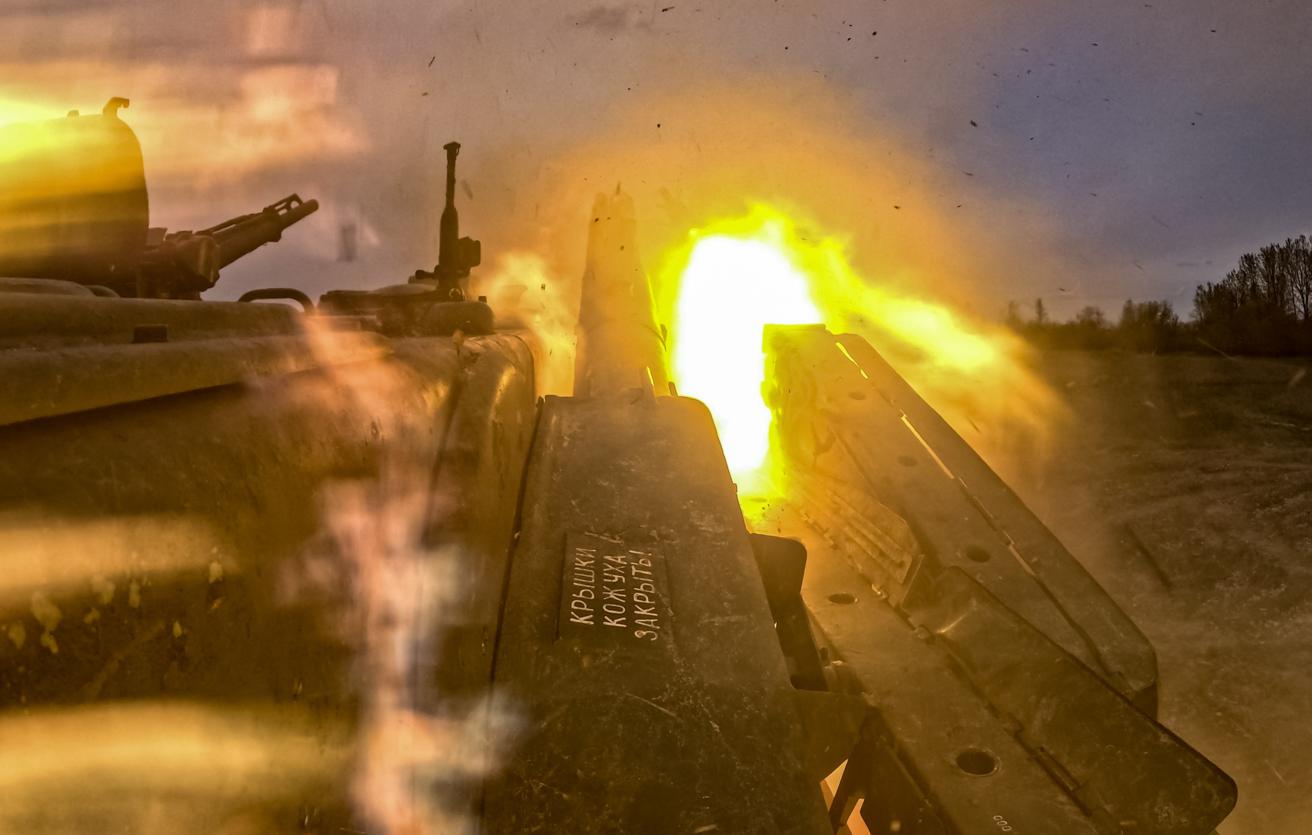
Gateway to Kharkiv
At the same time, fierce battles are being fought at the approaches to a major logistics hub of the Armed Forces of Ukraine – the settlement of Kozacha Lopan in the Kharkiv area. There is one of the strongest fortified points, which essentially constitutes the gateway to the suburbs of Kharkiv through the T2117 road. Also, a breakthrough is reported in the area of Ambarnoye to a depth of 1.7 km into the territory, with the personnel of the Armed Forces of Ukraine being almost surrounded. In the direction of Kupyansk, the fighters of the Russian military Group of Forces "North" somehow "wrested" from the fighters of the Group "West" a section north of Figolevka and began operations. In the near future, the complete fall of both Petro-Ivanovka and Mitrofanovka is expected.
Zatoka, the critical bridge, to dust
A few days ago, Russian missile forces and drone operators surprisingly launched a combined strike on the Zatoka bridge, in the Odessa area – the only road and rail artery that connects NATO countries with southern Ukraine, with a crossing capacity equivalent to the Polish Rzeszow. Toward the crossing were directed Geran drones, heavy FAB bombs, and Iskander missiles. In fact, since the beginning of the war, more than 45 Iskander missiles have hit the bridge. Some channels argue that last time such a powerful strike on the bridge had taken place in December 2025.
"What this sudden desire to hit the bridge is connected to, and indeed with such significant involvement of strike assets, we can only speculate. One version may be the attack of the Kyiv regime forces on the Dzhankoi bridge, which required an immediate response. And here we return again to the same systematicity of the strikes, which are either carried out in response or connected to some event," points out the channel "Оборонка" on Telegram.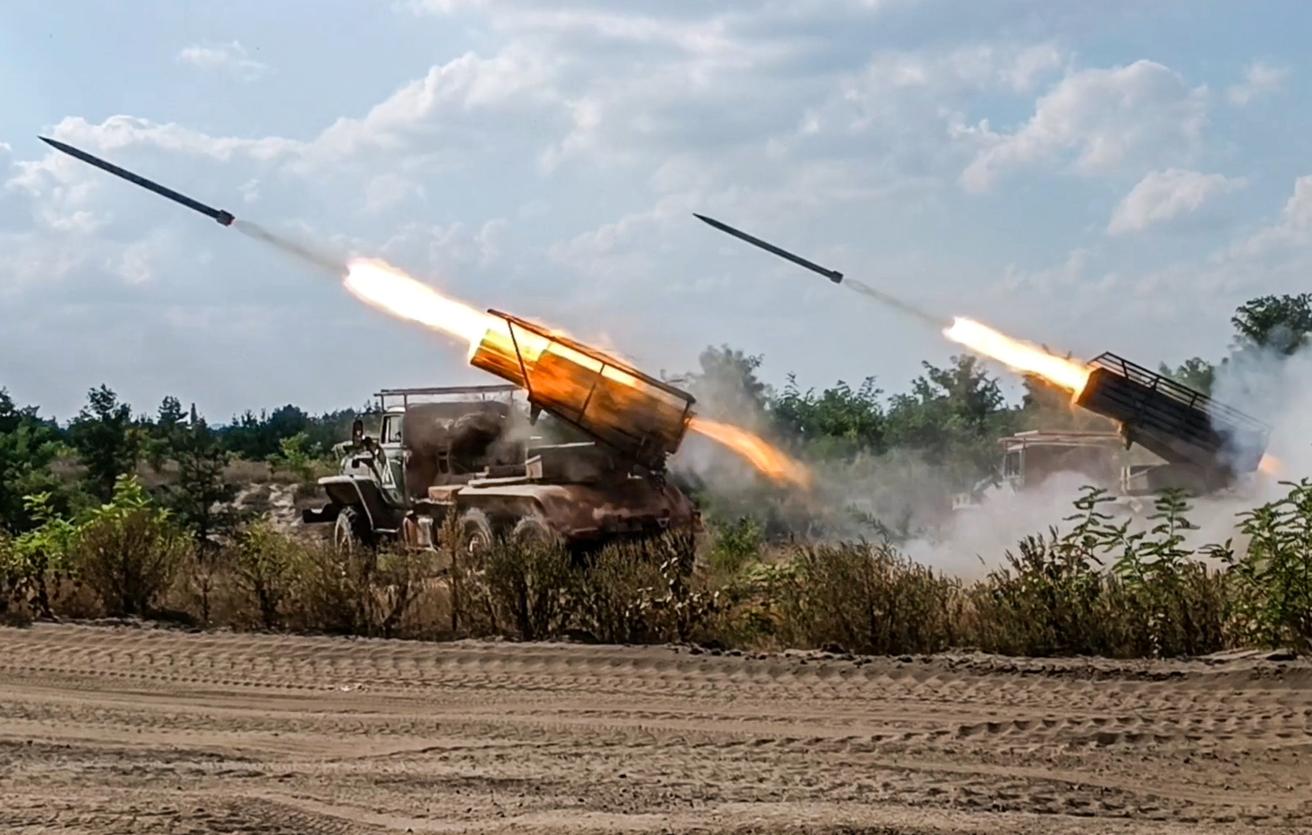
Out of operation
The situation was clarified by the coordinator of the Russian resistance of Mykolaiv, Sergey Lebedev. As a result of the attack, the railway line was almost completely destroyed. At the same time, according to resistance data, the strikes intensified significantly throughout the spring. By the end of May, the bridge had been put almost completely out of operation.
Moreover, the bridge in the Mayaki area, in Odessa, was also hit, while strikes continue on critical logistics infrastructure in Shostka, Dnipropetrovsk, Pavlohrad, Kharkiv, etc. It is clear that this still is not enough, however, the fact that such attacks are already being carried out is a positive development, point out Russian analysts. "The Russian Armed Forces can repeat the 'informational and psychological exclusive operation of Crimea and the logistics of the front, organized by the opponent,' in a much heavier version for the entire left bank, destroying seven bridges on the Dnieper," notes retired Colonel Aslan Nakhushev.
Strike with "Tsar bomb"
Moreover, on the internet circulated footage from the strike of the "Tsar Bomb" – an unknown munition, with the column of smoke after the explosion rising for many kilometers. It is not excluded that it is a FAB-5000, which, after the battle of Mariupol, had been used only once against the command headquarters of the Armed Forces of Ukraine in Konstantinovka, during the visit of high-ranking SBU officials before the start of the attack on the city. However, the consequences of the explosion are so terrifying that it is not excluded that it was even a FAB-9000, which officially was used for the last time during the war in Afghanistan.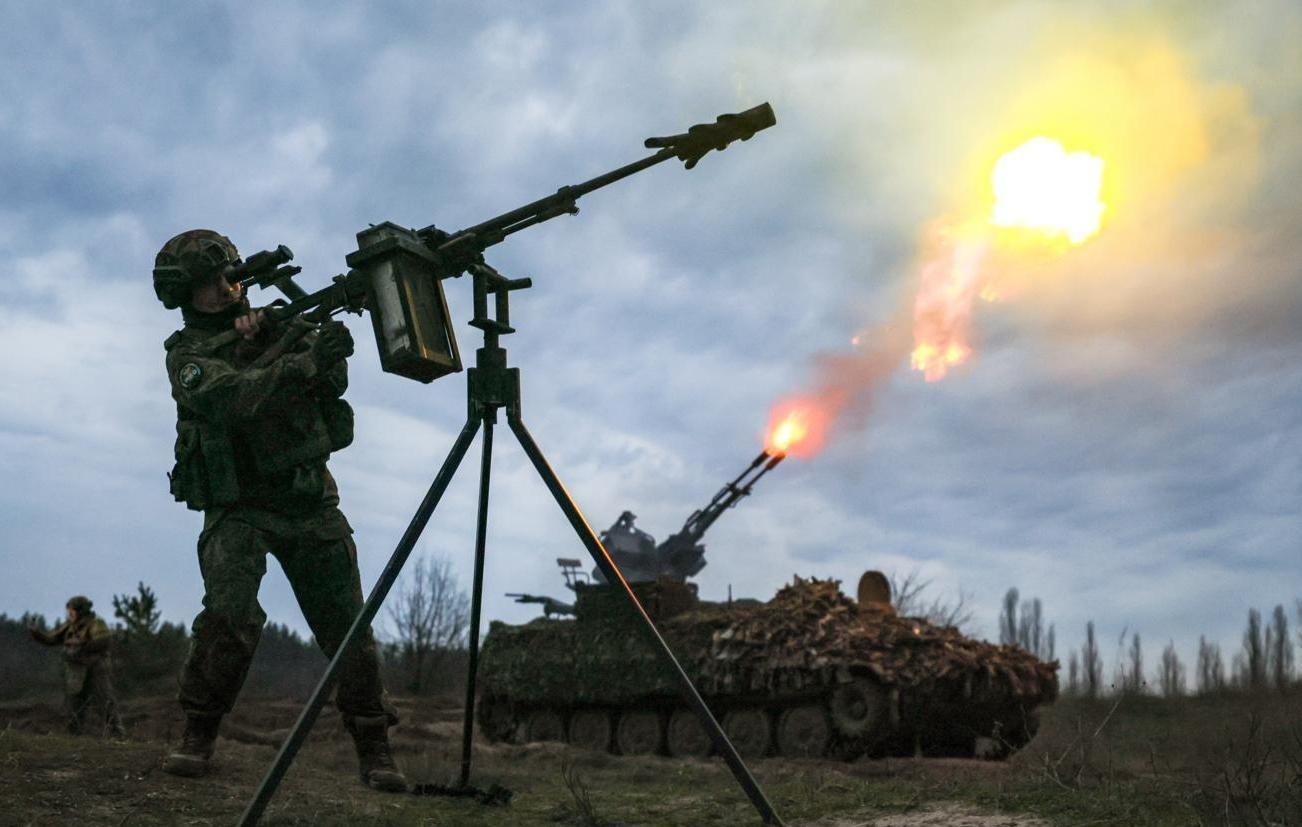
They "brought out" tactical nuclear weapons
The Deputy Foreign Minister of Russia Mikhail Galuzin stated that Russia and Belarus are ready to use all available arsenal for ensuring the security of the Union State, including nuclear weapons. As he said, this cooperation is due to the continued strengthening of NATO forces near the borders of Russia and Belarus: "In the context of the strengthening of NATO forces at the borders of the Union State, Moscow and Minsk are improving the cooperation of the armed forces and security services."
This is a very timely statement, against the background of the threats of the Armed Forces of Ukraine to begin an invasion of Crimea and the fact that last time they reportedly had resigned from this plan due to the threats of Russian General Sergey Surovikin to use tactical nuclear weapons in the context of behind-the-scenes negotiations.
www.bankingnews.gr










Readers’ Comments