

The discussion regarding the World Cup 2026 (June 11 – July 19 in the US, Mexico, and Canada) has already shifted from the purely athletic aspect to the political-administrative level, as a series of international reports document repeated incidents of fans, journalists, and football officials being denied entry into the US. According to Reuters, the Somali international referee Omar Abdulkadir Artan, who had been selected to participate in the tournament, was deported from the US despite possessing a valid visa and an official FIFA invitation. In a newer report, the same agency states that the decision was made by American authorities citing "security and vetting issues," without further explanation. The incident has caused strong reactions, as according to AP, the episode is part of a wider framework of restrictions affecting citizens from countries under travel bans or increased scrutiny.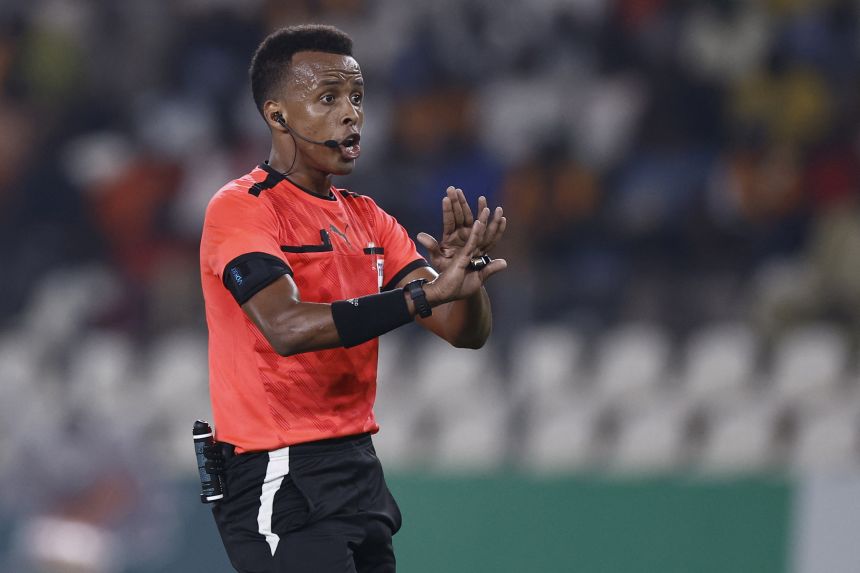
Fans outside the stadiums
At the same time, CNA (Channel NewsAsia) reports that many fans from countries that have qualified for the World Cup are facing serious obstacles to entering the US, despite having purchased tickets and confirmed travel plans. The problem concerns not only delays but also rejected visa applications or cancellations of travel authorizations, even in cases of valid bookings. According to an analysis by The Guardian, the American side has significantly tightened entry controls, resulting in even ticket holders not having guaranteed access to the country.
Diplomatic tension and teams under pressure
The issue now extends to national teams, with Iran entering the crosshairs, under the shadow of the conflict in the Middle East. As reported by the Associated Press, Iran has complained that tickets for its fans were canceled and the movement capabilities of its delegation were restricted, forcing the team to move its base to Mexico for practical reasons. The same report notes that American authorities cite security procedures, while the Iranian side speaks of "politically motivated exclusions."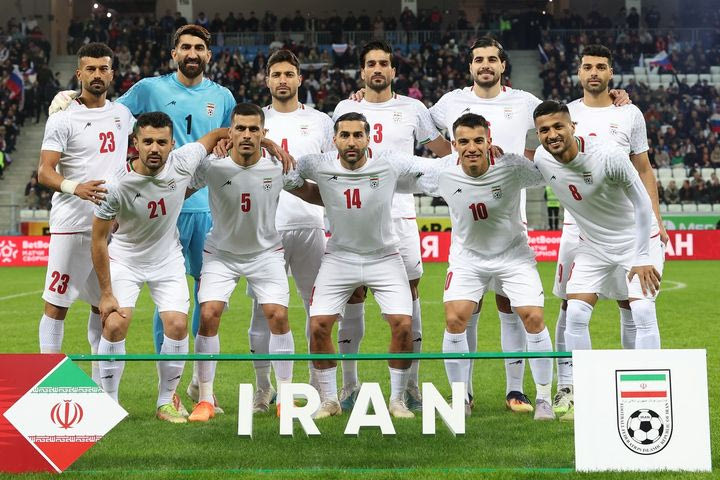
Journalists and the issue of access
Similar problems are being recorded in the media sector. According to complaints cited by the International Sports Press Association (AIPS), many journalists from Iran and African countries have faced difficulties or rejections regarding accreditation and visas, which threatens the coverage of the tournament.
FIFA and the narrative of the "global celebration"
Within this context, FIFA and president Gianni Infantino continue to promote the narrative of a World Cup that "unites the world." However, as noted by an analysis by Outlook India, the developments surrounding visas, exclusions, and restrictions have created an image of a "tournament under tension and political pressure."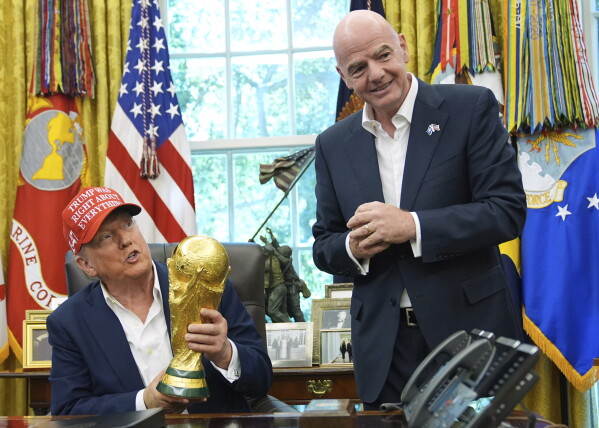
CNN: The return of Trump and the shadow over the World Cup
Donald Trump believed he would miss the opportunity to be associated with the planet's biggest football tournament, as he had stated in 2018 that due to term limits, he would not be in the presidency when the US would co-host the World Cup 2026. However, his political return for a second non-consecutive term brought him back to the center of the global stage, giving him an active role in the tournament's preparation. According to an analysis by Stephen Collinson on CNN, Trump utilized the tournament as an opportunity for exposure, appearing at events with FIFA president Gianni Infantino and bolstering his public image around the event.
From "football diplomacy" to political tension
Despite the public image of enthusiasm, the tournament seems to be accompanied by increasing political tension. Collinson notes that Trump's policies on immigration and international relations have created an environment that clashes with FIFA's narrative of "unity through football." The FIFA president, Gianni Infantino, has sought a close relationship with Trump, appearing repeatedly at joint events and arguing that cooperation with the sitting US president is critical for the success of the World Cup. However, as Collinson notes, this close relationship has sparked reactions, as questions are raised about whether FIFA remains politically neutral, as its statutory principles dictate.
Economic dimension and exclusion of fans
Beyond the political aspect, the analysis highlights the economic dimension as well. High ticket prices, which in some cases reach or exceed 1,000 dollars for US national team matches, have already caused reactions. Trump himself has commented that the prices are excessive, noting that even he would not pay such amounts to attend a match. The CNN article concludes that, as in previous major tournaments, football ultimately tends to prevail over politics. However, the World Cup 2026 already appears to be one of the most "politicized" tournaments in the history of the institution, with Trump at the center of a narrative that combines sports, diplomacy, and international tensions. The question that remains is whether, when the ball starts rolling, football will once again manage to overshadow politics — or if this time the opposite will happen.
www.bankingnews.gr



Readers’ Comments