

An unthinkable scenario seems to be unfolding uncontrollably on the Ukrainian front. Crimea is once again at the center of a dangerous escalation in the Russia–Ukraine war, as constant attacks on railway infrastructure, bridges, energy facilities, and transport hubs fuel scenarios for a broader operation aimed at destabilizing the peninsula.
Russian media and military analysts claim that Kiev is attempting to isolate Crimea, strike supply lines, and create conditions that could pave the way for limited amphibious operations or sabotage. At the same time, the intensity of the attacks, fears of a strike on the Crimean Bridge, and warnings of a new phase of the war reinforce concerns that the conflict is entering an even more dangerous and unpredictable stage. It is no coincidence that similar plans for Crimea in the past were "frozen" as soon as it became clear to the West that Russia was preparing for a nuclear catastrophe in the Black Sea.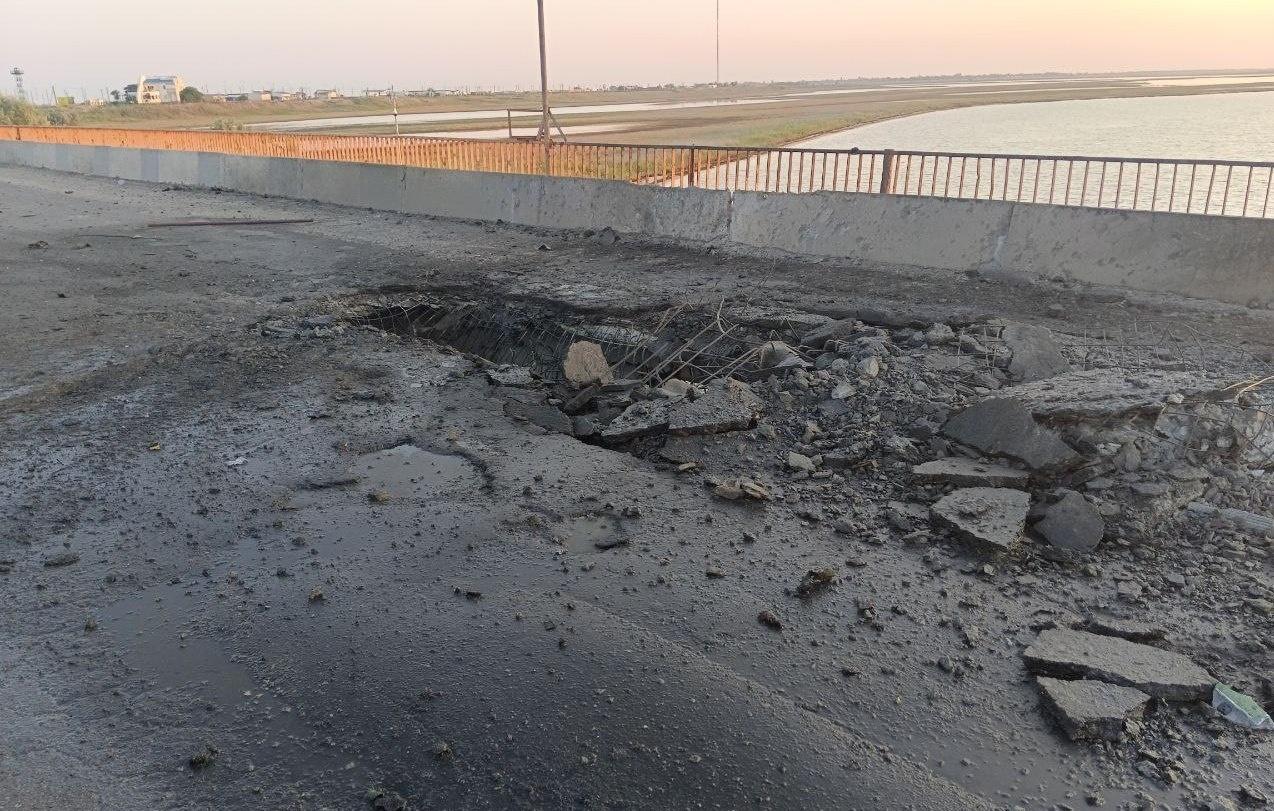
Constant strikes
According to reports, Ukraine is preparing for a ground operation in Crimea, with small towns targeted for potential amphibious actions. It is argued that a series of attacks and sabotage operations are creating the prerequisites for such a development. Specifically, it is reported that on June 8, a Ukrainian drone struck a passenger train traveling on the Moscow–Simferopol route. The engineer was injured, and his assistant was killed. Traffic for all trains was temporarily interrupted, and passengers were evacuated from the area. The day before, unmanned aerial vehicles had struck the Chongar Bridge, on the border of the Kherson region and Crimea.
As a result, passage through the Dzhankoy border checkpoint was closed, and vehicle traffic was redirected through other crossings closer to the front line. A few days earlier, Ukrainian forces had also attacked a suburban train on the Azovskoye–Kerch line, resulting in one death and three injuries. Casualties were also reported after an attack on the Dzhankoy railway station, which has since been closed. Additionally, eight people had previously lost their lives in Yenakiieve when a bus on the Moscow–Simferopol route was hit by a kamikaze drone. Among the passengers were Polish citizens. Earlier, in Starobilsk, following an attack on a local college, the funerals of 21 students were held. These attacks began in mid-May, and the intensity of these actions continues to rise.
Enthusiasm in Kiev
Russian media report that every new attack and every civilian death causes a wave of enthusiasm on the Ukrainian side. Ukrainian social media channels place particular emphasis on the issue, promising that the next stage of attacks, in October, will focus on Crimean energy infrastructure with the goal of causing power outages. Meanwhile, videos showing long lines at gas stations are gathering thousands of positive reactions and comments on Ukrainian online channels.
At the same time, residents of Crimea report that speculators have increased gasoline prices to 300–400 rubles per liter. The situation, it is reported, is particularly difficult for those who depend professionally on their vehicles for their income. The fact that the authorities of Sevastopol and Crimea introduced a rationing system and QR codes for fuel purchases is presented by Ukrainian channels as a first step toward imposing rationing on basic consumer goods as well.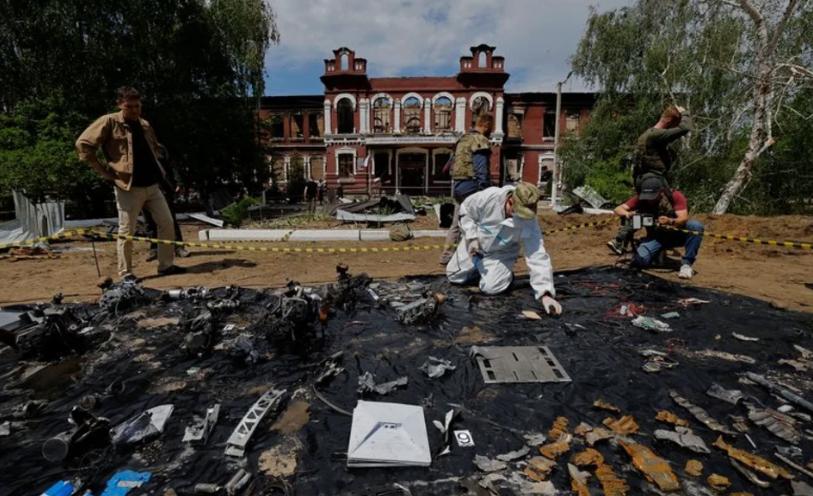
No shortage, but...
As reported, citizens worried about potential shortages rushed in some areas to buy large quantities of long-life products, mainly sugar and grains. Videos showing empty shelves in stores quickly circulated online. However, the Minister of Industry and Trade of Crimea, Anushavan Agadzhanyan, assured that there is no food shortage in the region. "It takes time to replenish the shelves with products that were bought in bulk. Store administrations are working in this direction, while we monitor the process and provide every necessary support," the Russian official stated. The Crimean government has signed an agreement with large retail chains to maintain a fixed profit margin on basic social goods.
Nevertheless, food prices continue to rise. Neither do the special producer markets created to address the problem seem to yield the expected results, as in several cases prices there are higher than those in supermarkets. Fuel shortages and rising prices could theoretically cause social unrest in Crimea, which is a key goal of Kiev. However, transport, catering, and commercial networks are still operating normally, waste collection continues, and tourist facilities are still receiving visitors. At the same time, local authorities have pledged to designate specific gas stations to serve tourists.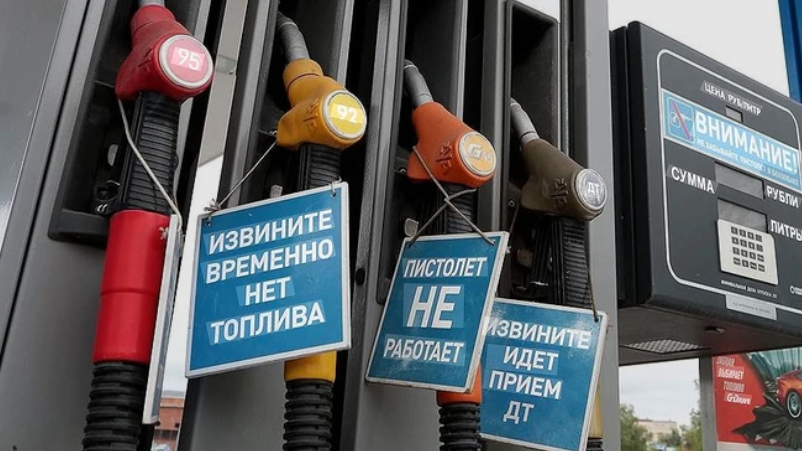
Is an invasion inevitable?
However, the increase in attacks against Crimea and the new territories poses a significant question: is it merely an attempt at intimidation or preparation for a ground operation? Some military analysts express concerns that Ukraine is preparing an invasion scenario for Crimea, similar to that implemented in the Kursk region. Theoretically, according to the report, such a possibility is possible, though not on a large scale. Russian military analyst Vlad Shlepchenko points out that long-term occupation of Crimea by Ukrainian forces, and indeed by a large military force, is impossible for one simple reason: the necessary resupply could not be secured. "The maximum they can do is raid operations. If they manage to completely drive out the Russian presence from the Black Sea, then they could carry out raids in coastal areas." Resort towns on the southern coast of Crimea are an accessible target. The possibility of saboteurs attempting to invade a coastal settlement cannot be ruled out. That is, exactly as terrorists did in the 1990s in Chechnya. There is no tactical meaning in this; the goal is intimidation.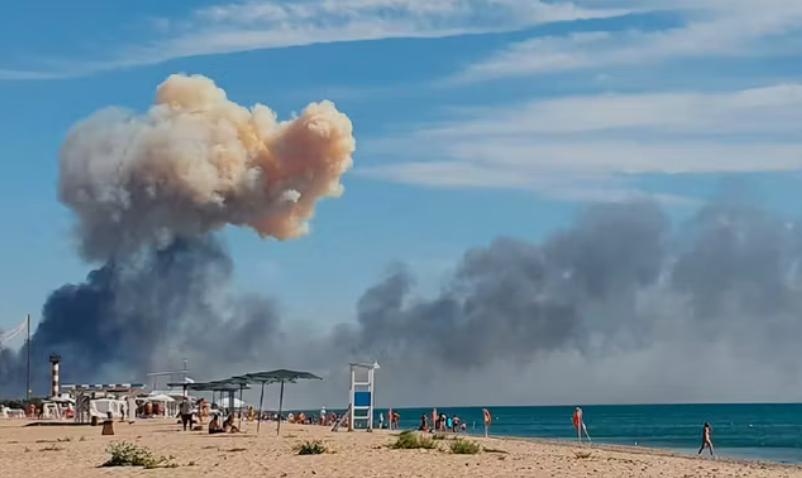
"He can also take the Kremlin"
Volodymyr Zelensky has already approved new strikes via the SBU. Russian political analyst Oleg Tsarev notes that Kiev is trying to isolate Crimea and is doing everything to implement this scenario, also targeting the Crimean Bridge: "Logistically, Crimea is a peninsula with an extremely limited number of transport arteries, and history offers many examples where forces that defended there ended up trapped. Nevertheless, today a full-scale attack against Crimea by Ukraine seems fantastic, while reports of an amphibious landing are simply cultivating panic."
Russian political analyst Yuri Bondarenko described the scenario of occupying Crimea as absolute nonsense: "With the same success, he can also take the Kremlin. In Kiev, they realized that the military option is not paying off, which is why they are hitting the civilian population, so as to cause at any cost a destabilization of the internal situation in Russia. This is a communication operation under the guidance of very experienced experts from Western Europe." "We are on the threshold of the collapse of Ukrainian statehood, which may come about due to internal contradictions. It is hard to say in what form this will happen. But I have no doubt that this will happen this summer – everything will begin to collapse," said Bondarenko.
Nothing to do with... murderers
According to Kiev's version, the residents of Crimea have been living for 12 years "under occupation," and Volodymyr Zelensky addresses them with the slogan: "The time has come to return home!" The same applies to those living in the People's Republics of Donetsk and Luhansk. So why are you hitting "your own people," Russian analysts ask, pointing out that this does not obey any sound logic. As they emphasize, for the residents of Crimea, it is not the first time they are left without water, electricity, and gasoline. Today's attacks are another test of endurance. As they report, the enemy has not yet understood that in Crimea, Donetsk, and Luhansk, the words "Russian Spring" are not a hollow sound. That is why every strike by Kiev against the residents of the new territories and Crimea achieves exactly the opposite result: they do not want to have anything to do with the murderers.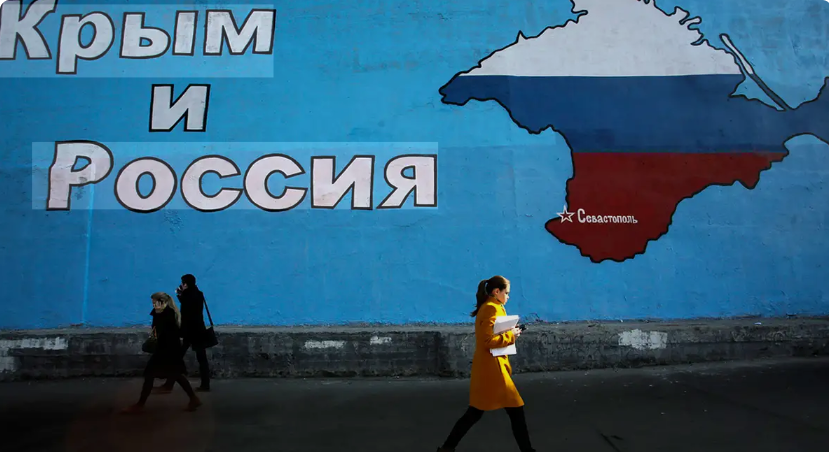
"The battle for the Crimean Bridge"
Military analyst and retired first-rank captain Sergey Gorbachev told the newspaper "PolitNavigator" that Ukrainian armed forces might attempt a strike against the Crimean Bridge in the coming days. According to him, an indication of this possibility is the attempt to probe Russian defense capabilities, among other things through attacks against ships in the Sea of Azov. "I estimate that the adversary's military activity will intensify. But this will happen under one condition: if we do not change our attitude toward the course and character of the special military operation. The adversary undoubtedly possesses the capabilities to increase the pressure it exerts against us through military actions.
It is ready for active operations, including offensive actions." According to Sergey Gorbachev, if in the foreseeable future Russia changes the course and character of the special military operation, then there could be more positive prospects. As he argues, this would mean either expanding the framework of military operations beyond current limits or a controlled increase in escalation from the Russian side. "It is obvious that no one is going to officially declare war on Ukraine. However, our attitude toward what is happening must change. It can no longer be a matter of terrorist acts measured in hundreds of incidents, but of thousands of attacks within a week against our territory. It is time for the special military operation in Ukraine to be redefined as something different."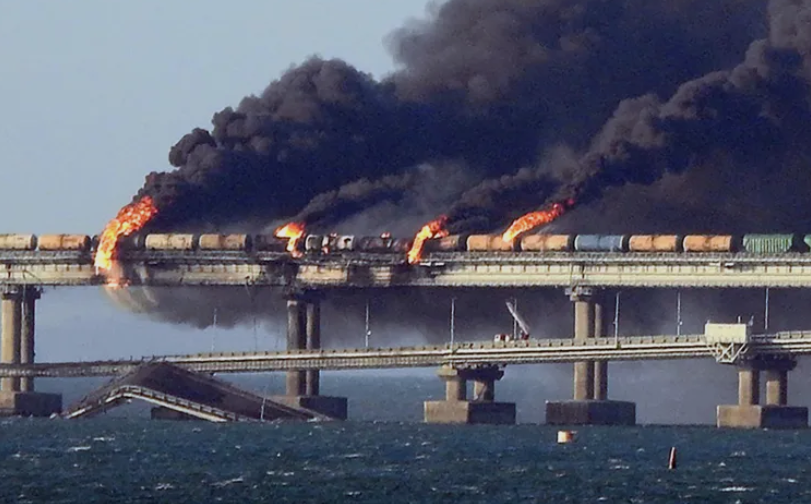
Amphibious landing on the south coast of Crimea
In his assessment, the situation is at a critical turning point. If there are no substantial changes, the prospects do not leave much room for optimism. A little earlier, military analyst Vladislav Shurygin had predicted the possibility of a landing of enemy forces on the southern coast of Crimea, consisting of small reconnaissance and sabotage groups (DRG), which, as he said, "could cause unrest and panic." "I estimate that the adversary possesses sufficient forces to conduct an amphibious operation in the Kherson and Mykolaiv region, that is, along the Dnieper. Regarding a possible landing in Crimea, however, this could be carried out in the Kinburn or Tendra peninsula area, but only in the form of small reconnaissance and sabotage groups (DRG)." The analyst considers the possibility of air attacks against targets in Crimea even more realistic and dangerous. As he points out, Ukraine possesses about 50 F-16 fighter aircraft, while it still has MiG-29s, Su-27s, and other aircraft in service. "If a mass takeoff of aircraft occurs, which will be an indication of a broader air operation, then other forces will also be involved. This is a real threat in terms of causing damage to us. It is absolutely possible, in the case of such a strike, that the Crimean Bridge will also suffer damage," Shurygin argued.
The instigator of the "suicide attack"
The former commander of the US Army in Europe, Ben Hodges, who as early as 2023 had stated that Crimea could be reclaimed by Ukraine, argues that the Ukrainian forces that are currently conducting operations against the peninsula are acting based on a plan he helped shape. "This is not a series of isolated tactical events, but the deliberate and gradual implementation of a strategy that I and others developed many years ago. A strategy that is based on one fundamental premise: whoever controls Crimea, also controls the strategic outcome of this war." He argues that Crimea constitutes "the territory that determines the outcome of the conflict" because, from a military point of view, it functions as the center from which power is projected toward southern Ukraine. "The phase of isolation and the disruption of supply lines has not yet been completed, but it is closer to completion than at any other time during this conflict. The second phase is being executed today with a precision that reflects the strategic maturity of Ukrainian military planning," Hodges stressed.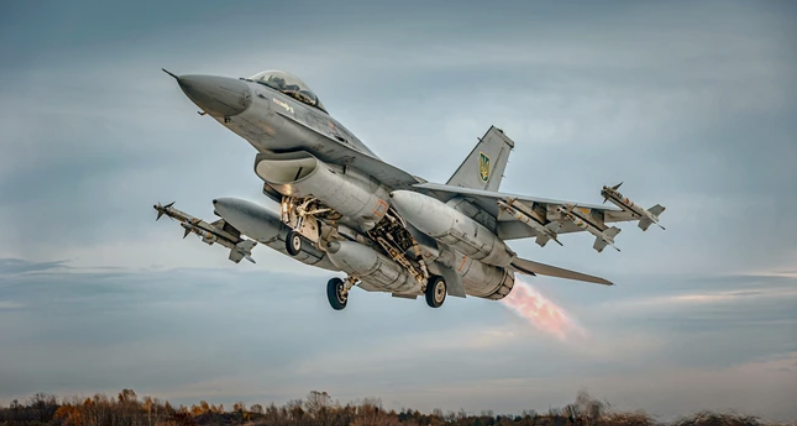
The invasion plan for Crimea that "survived" Surovikin
It is not clear exactly which plan the American general is referring to, however, it is possible that it is the scenario that had been drawn up by the former chief of the Ukrainian armed forces, Valery Zaluzhny, in cooperation with military staff of NATO member states and which was revealed by the New York Times in early 2025. According to Western reports, the plan for the invasion of Ukrainian forces into Crimea had been approved personally by Joe Biden. However, NATO reportedly backed down at the last moment.
The cause, according to the report, was the alleged interception of conversations of the former commander of Russia's Joint Group of Forces, Sergey Surovikin, with senior members of the military command. Surovikin, who had acquired the nickname "General Armageddon," allegedly stated during these conversations that if Ukrainian forces began an advance toward Crimea, strikes with tactical nuclear weapons would be carried out against command headquarters, bridges on the Dnieper River, and decision-making centers. According to the report, this warning caused concern both in the Ukrainian presidential administration and in the Pentagon. Therefore, it is estimated that if the Ukrainian side attempts to implement a similar plan, such an operation could develop into an extremely dangerous confrontation, with the possibility of a "nuclear catastrophe in the Black Sea" being presented as a likely scenario.
Unprecedented advance of the Russians
Over the last 24 hours, the Russian army broke through the most important defensive lines of the Ukrainian armed forces (AFU), advancing up to 2.5 kilometers in depth, in two different directions. First of all, in Konstantinovka. Developments from this specific front come almost daily. This time, after Russian forces closed one of the largest encirclement pockets in the city, trapping approximately 500 fighters, a new advance followed in a neighboring sector. In the western part of the city, Russian forces advanced by 2.6 kilometers into the urban area, brought the Yubileyny park under control, and also captured one of the most important defensive hubs, the municipal hospital building complex.
"When a semi-encirclement was created in the western part of the city, Ukrainian forces managed to withdraw from there and fortify themselves in the municipal hospital complex. They did not last long, however, despite the fact that it was a large and particularly strong fortification," explained military analyst Mikhail Degtyarev, creator of the "Генеральный штаб" channel on Telegram. Thus, under the control of the Ukrainians in the western part of Konstantinovka, only a small area remains. At the same time, it is reported that the complete clearing of the industrial zone is now of decisive importance, after which—and this, as it is reported, the Ukrainian side knows well—the defense of the Ukrainian armed forces will collapse.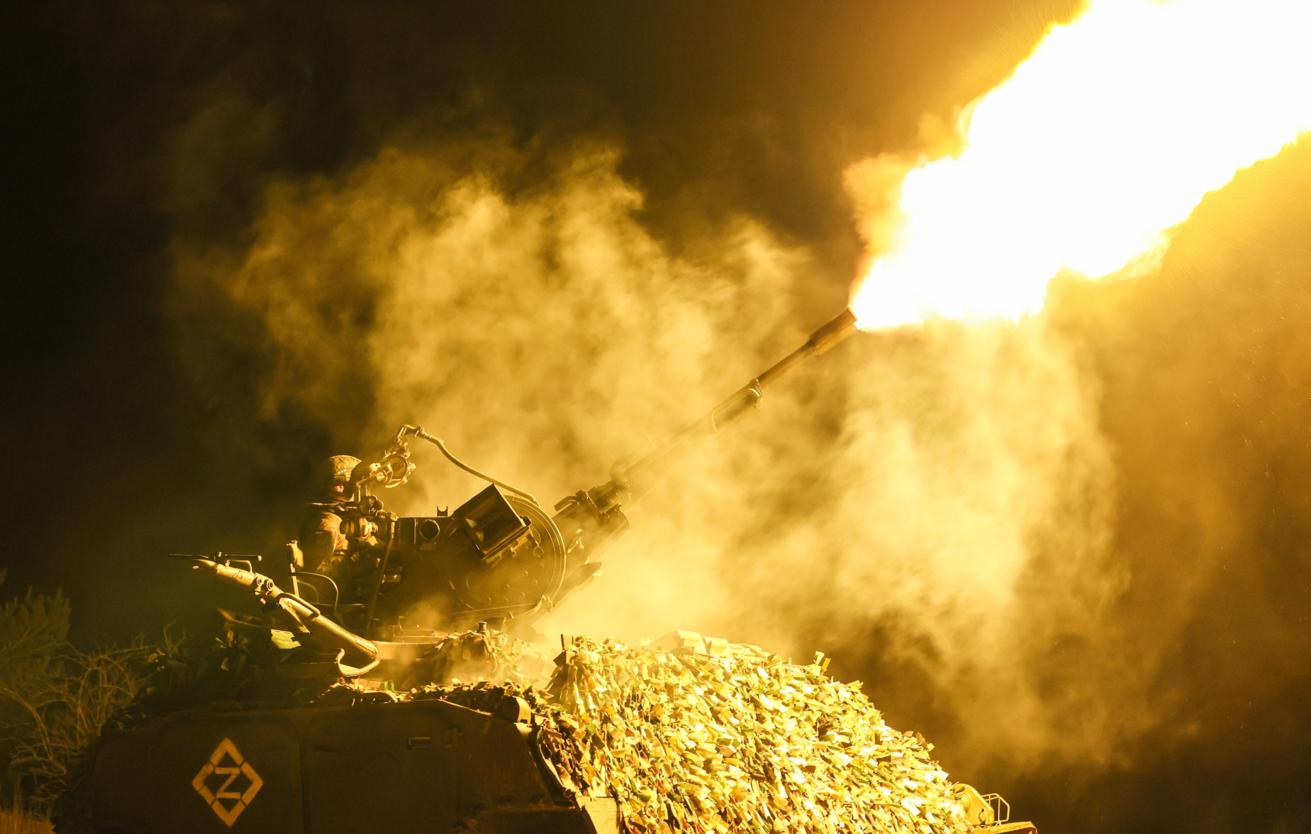
The second front: the Kupyansk direction
The second area where a significant advance was recorded is the Kupyansk front. "The advance in the left part of the city, on the east bank of the river, reached an impressive 2.5 kilometers. Visual footage confirms the presence of Russian forces on the southern edge of the city, not in one but in two different locations. The control of the Russians in the left part of Kupyansk has expanded significantly and very little remains for at least this part of the city to pass fully under our control," reports Mikhail Degtyarev, noting that the entire Kupyansk sector has been characterized for years by constant rotations and changes in the front's situation, with one side temporarily gaining advantages and then losing them.
www.bankingnews.gr








Readers’ Comments