

The truce in the Middle East is proving to be a fragile card in the face of the language of missiles and power. After Israel's bloody strike on the southern suburbs of Beirut, Tehran responded immediately with missile strikes on Israeli territory, sending significant and highly symbolic messages. Like the fact that it is changing its doctrine and is now moving to the offensive to defend its allies – the Axis of Resistance – in the wider region and to ensure existing agreements with the US. It is no coincidence that many Israeli media outlets are talking about a strategic defeat for Israel in this latest round of missile attacks.
Behind the declarations of diplomacy, the conflict between the US and Israel and the Axis of Resistance is entering a new, more dangerous phase, where "peace" is not imposed by signatures, but by deterrence, red lines, and the fear of an uncontrolled conflagration. It is now clear: Iran's response can only be read as a warning that the era of attacks even on its "proxies" without cost has ended. And while President Trump may declare that Israel and Iran have agreed to refrain from new mutual attacks for at least a week, Israel's continuous strikes in southern Lebanon can once again rapidly change the fragile landscape of the Middle East.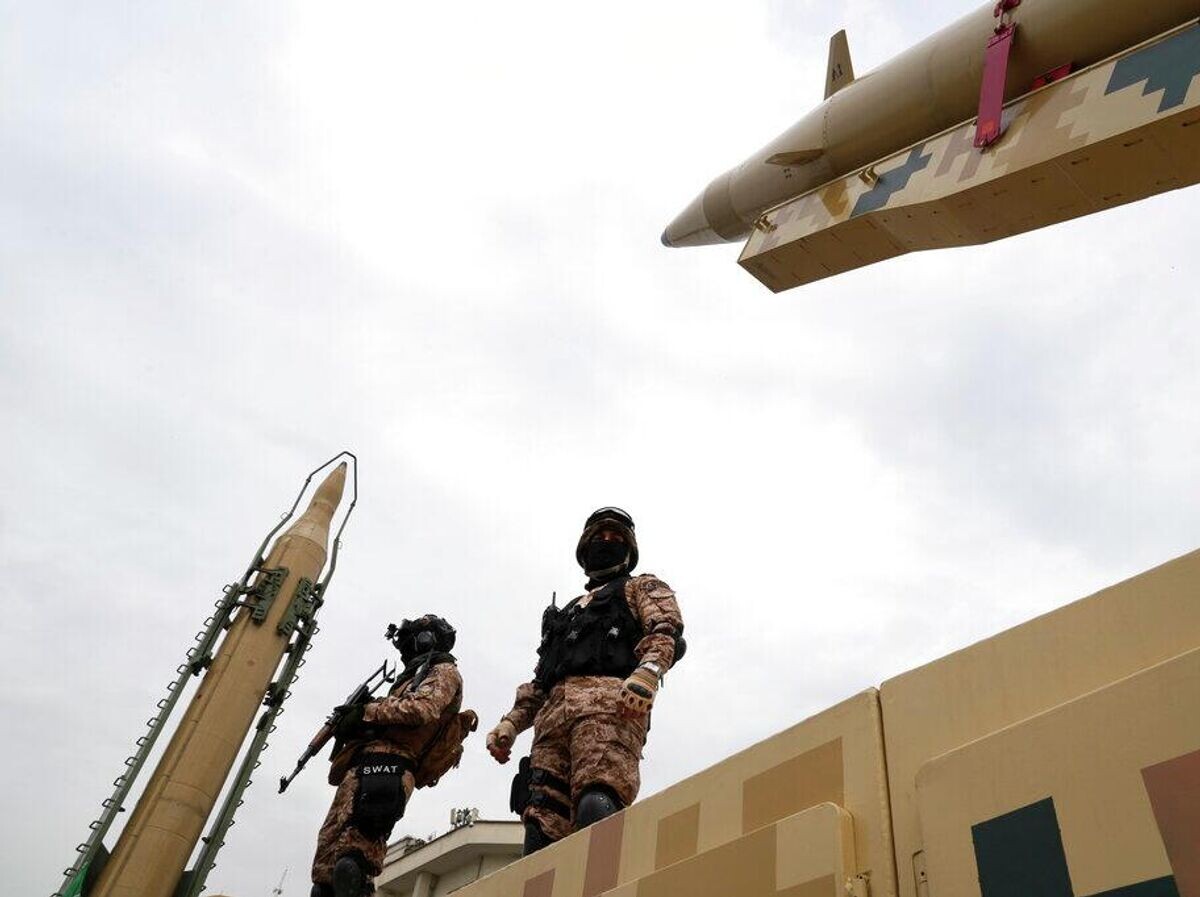
A clear message
The surprise bombing of the "Tuwaita al-Ghadir" area in the southern suburbs of Beirut with three missiles by Israel, which led to the death and injury of dozens of civilians, extensive destruction, and the demolition of homes, has cast doubt on all optimistic interpretations regarding the viability of the truce agreement between Iran and the US. Iranian analysts argue that while media outlets present Iran's missile response as "unnecessary," a careful analysis of Israel's behavior and historical patterns shows that inaction at this juncture would not have been merely a tactical error, but a strategic suicide and the issuance of a blank check to Tel Aviv for the gradual extermination of the Axis of Resistance. Iran's overwhelming response was not an act of warmongering; it was a vital necessity to save the truce agreement itself, restore the balance of terror, and prevent the gradual erosion of the Resistance front. The operation sent a clear message to the Axis of Resistance and the international community: the security of Lebanon and Iran is a shared red line, which is defended with blood and gunpowder.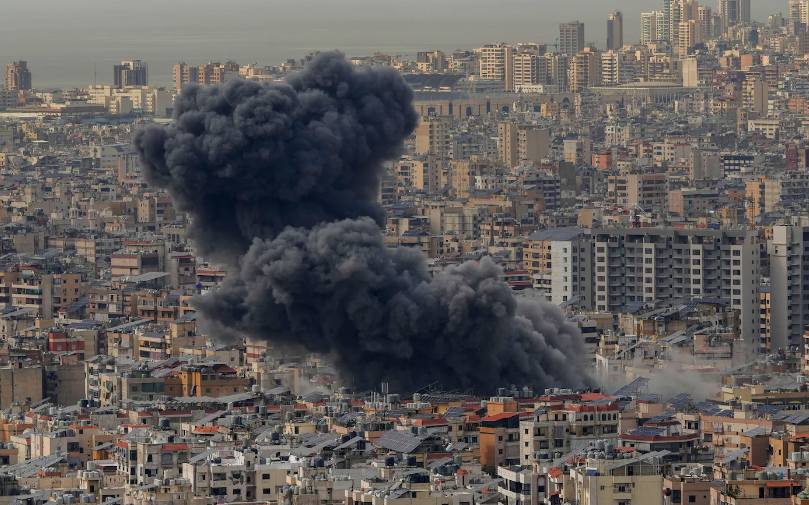
The trap
As Iranian analysts point out, the greatest mistake in the analysis of many observers is the belief in the "paperwork" of agreements with a regime whose ideology and politico-military structure are based on expansionism, occupation, and the systematic violation of international law. The crime in Tuwaita al-Ghadir, executed with precise and coordinated missiles, proved once again that for Benjamin Netanyahu and his security circle, including Israel Katz, the truce is merely a tactical breath to regroup forces, collect human and technical intelligence, and prepare for the next attacks.
Iranian Rear Admiral Habibollah Sayyari, Chief of Staff and Deputy Coordinator of the Army, recently said: "The enemy, after 40 days of inconclusive war, announced a truce. What was the goal of this silence? Regrouping forces, replacing equipment, rebuilding the intelligence base, and correcting weaknesses. But they did not stop there. The moment the hard fire ceased, the field changed, and the fire of soft and psychological warfare began."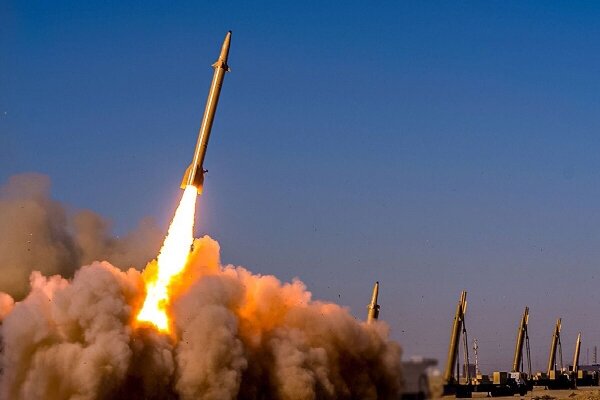
Trump's hypocrisy
This Israeli attack on Beirut revealed the deep diplomatic hypocrisy of the US: Donald Trump, in several of his media statements, claimed that he "would not allow any attack on the southern suburbs" and that he had guaranteed the truce. In the first minutes after the Zionist regime's attack, media outlets reported that the strike on Beirut was carried out without coordination with the US. However, a little later, Hebrew media and intelligence reports revealed that the operation was carried out with full coordination between the US and Israel.
This duplicity reproduced the recurring pattern of American foreign policy in West Asia: open support for a strategic ally, namely Israel, behind the scenes, while on the surface playing the role of the peacemaker mediator. The forced evacuation order for the historic city of Tyre and the increase in reconnaissance flights over southern Lebanon, simultaneous with this attack, showed that the Zionists' ultimate goal is to consolidate a unilateral balance and erode the defensive will of Hezbollah and Lebanon through targeted and daily attacks.
Why Iran's response was a "strategic necessity"
Iran's multi-phase missile response, particularly the precision missile launches, was the exact logical answer to the fundamental question: "If Iran had remained silent, what scenarios would have awaited the region?". Western and Israeli analysts, relying on psychological warfare and the exaggeration of losses in the recent war in Lebanon, predicted that Iran and the Axis of Resistance, due to "strategic fatigue," would avoid a direct reaction. As noted, Iran's inaction would have entailed a series of strategic risks:
1. Acceptance of the dangerous equation "attack without response," which would have turned the Resistance front into an easy target.
2. Official permission for Tel Aviv to carry out successive assassinations of military and political commanders.
3. Gradual destruction of Lebanon's infrastructure and the humiliation of the country's sovereignty.
4. Collapse of Iran's regional deterrence and the shifting of the threat line to its own internal borders.
5. Encouragement of other actors, such as certain Arab regimes that had normalized relations, to increase pressure on the Axis of Resistance.
The attack on the Ramat David strategic base, the main starting point for Zionist fighter jets' flights toward the southern suburbs, was not just retaliation, but a redefinition of the rules of engagement. Without this response, Israel would have targeted any point on the Resistance front, and the concept of "truce" would have turned into a gradual surrender.
Tehran-Beirut security inseparable
Lebanese society and the forces of the Axis of Resistance, despite heavy human losses, needed the establishment of real deterrence more than ever. Hezbollah's initial response, with the launch of anti-aircraft missiles at Israeli fighters over Nabatieh and small drone operations against positions in Shaqif, was an important step.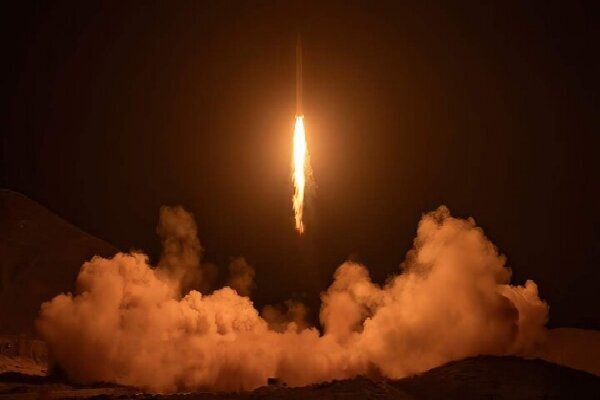
However, to complete the puzzle, the immediate and decisive intervention of Iran was required. The Islamic Republic, deeply understanding the principle that "the only language a regime that knows the logic of power understands is a corresponding and equivalent response," entered the field. The positions of senior Iranian officials and commanders of the Revolutionary Guards clearly state that any attempt to impose a unilateral equation on Lebanon or Hezbollah constitutes a red line for Tehran.
Iran, by launching precision ballistic missiles, including the Kheibar Shekan, stated clearly that the security of Beirut and Tehran is inseparable from the security of Tel Aviv and Haifa. This strategic solidarity turned the concept of "strategic depth" from theory into practice.
Wider dimensions
Iran's missile response certainly has wider dimensions:
• In Lebanon: strengthening Hezbollah's position in future negotiations and preventing internal pressures for disarmament.
• In Palestine: injecting hope into the Gaza and West Bank front at a critical juncture.
• In the Axis of Resistance: a signal of coordination and synergy between Tehran, Beirut, Damascus, and Sana'a.
• To opponents: creating a rift in the front of the Zionist regime's supporters and forcing Washington to reconsider its calculations. Trump's repeated calls for an "immediate cessation of hostilities" and diplomatic pressure on Iran are the best proof of the success of Tehran's missile deterrence.
A new page
The decisive action of the Islamic Republic's armed forces, with the launch of successive waves of accurate and powerful missiles, not only did not contradict regional stability but was the only possible way to maintain the truce itself, which the Israelis had turned into a tool for repeated violations. In the troubled geography of West Asia, where international institutions are practically incompetent or aligned with the aggressor, the balance of terror is the only guarantee of survival and relative peace. 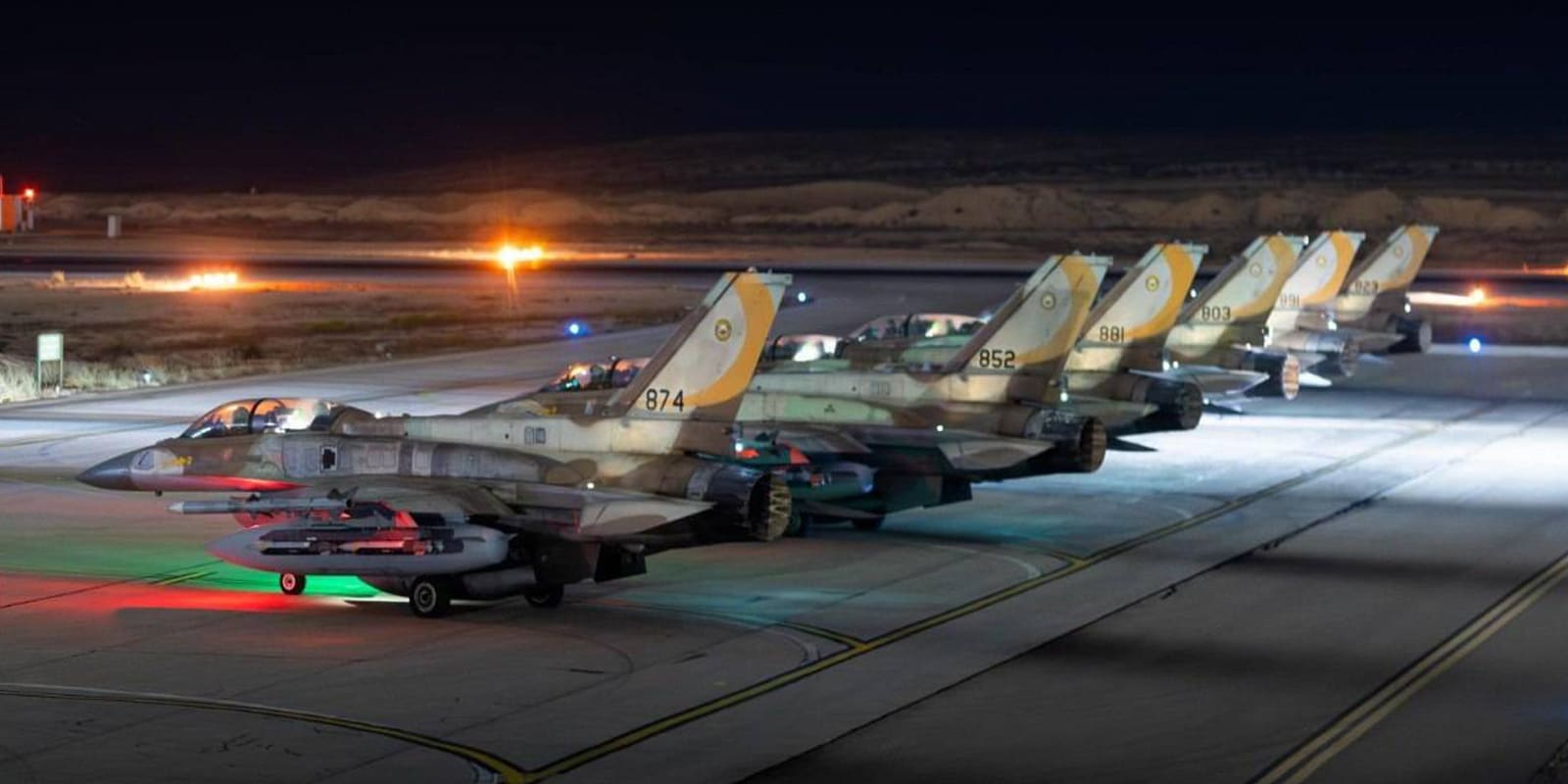
The gunpowder of the Iranian missiles that fell upon the attackers' bases redefined the equation and showed that in this region, gunpowder can only be restrained by gunpowder. This operation opened a new page in the history of the Resistance and underscored that the Islamic Republic of Iran is not only a defender of its own territory but also a guarantor of the security and dignity of the Axis of Resistance against the Zionist-American plan.
Strategic defeat
At the same time, Israeli media characterized the cessation of tensions between Israel and Iran as a strategic defeat for Israel and emphasized that Iran had the last word, while Tel Aviv failed to drag the US into the war. According to the Mehr agency, Israeli media published numerous reports and analyses regarding the dimensions of the regime's strategic defeat in the new round of Iran's missile attacks.
Ronen Bergman, a journalist and politico-military analyst for the newspaper Yedioth Ahronoth, wrote in his analysis that Benjamin Netanyahu's calculations seemed to be based on creating a process of escalation, a process that would bring the US into the confrontation and allow the Zionist regime to complete what had been left unfinished in the previous round of confrontation with Iran. 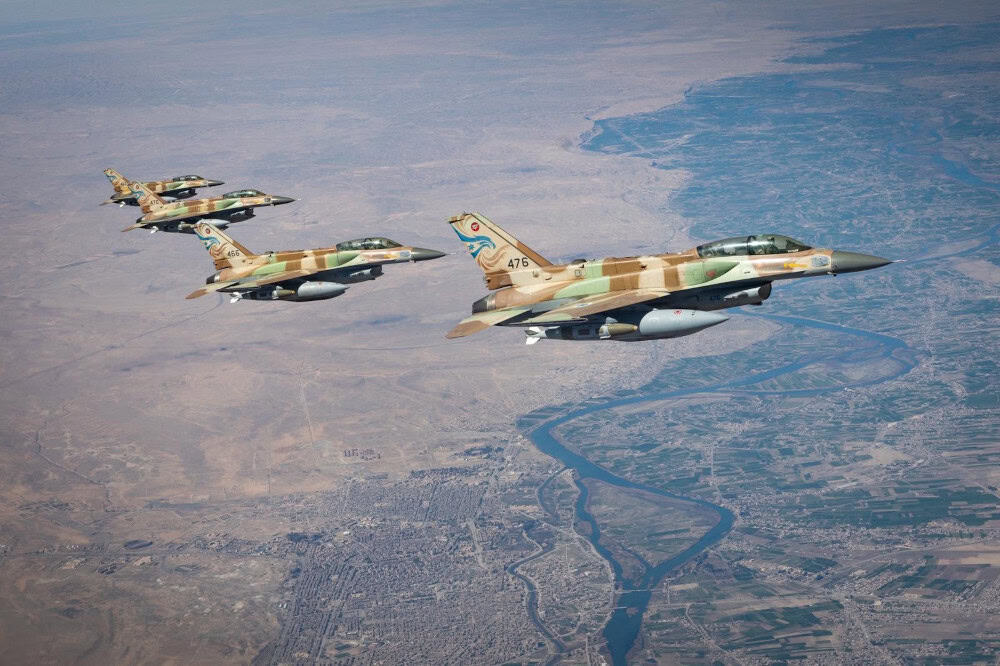
According to Bergman, Tel Aviv's assessment was likely that a few days of fierce conflict, even if started by Israel, would eventually lead to US involvement on the ground; however, this scenario not only did not materialize but had the opposite effect. He added that Donald Trump not only did not enter the war but stopped the Zionist regime as well, resulting in a situation where Tel Aviv stopped and Iran fired the last shot.
The Iranians had the last word
Bergman, noting that "it was the Iranians who had the last word, not us," added: "It was Iran that determined when the war would stop and what the number of shots and launch points would be. From a cognitive and strategic point of view, this is a very painful result for Israel, as it allows Iran to present itself as a power that responded, did not retreat, and concluded the exchange of fire on its own terms."
The Israeli analyst emphasized that if Trump, as he said in his recent phone call with Netanyahu, is indeed moving toward signing an agreement with Iran, this is an unwelcome development for Tel Aviv and in no way will it be a strategic achievement. Bergman underlined that the Israeli regime failed to re-ignite the war, drag the US into a wider confrontation, and consolidate its superiority, and may now find itself facing an American-Iranian agreement that it opposes.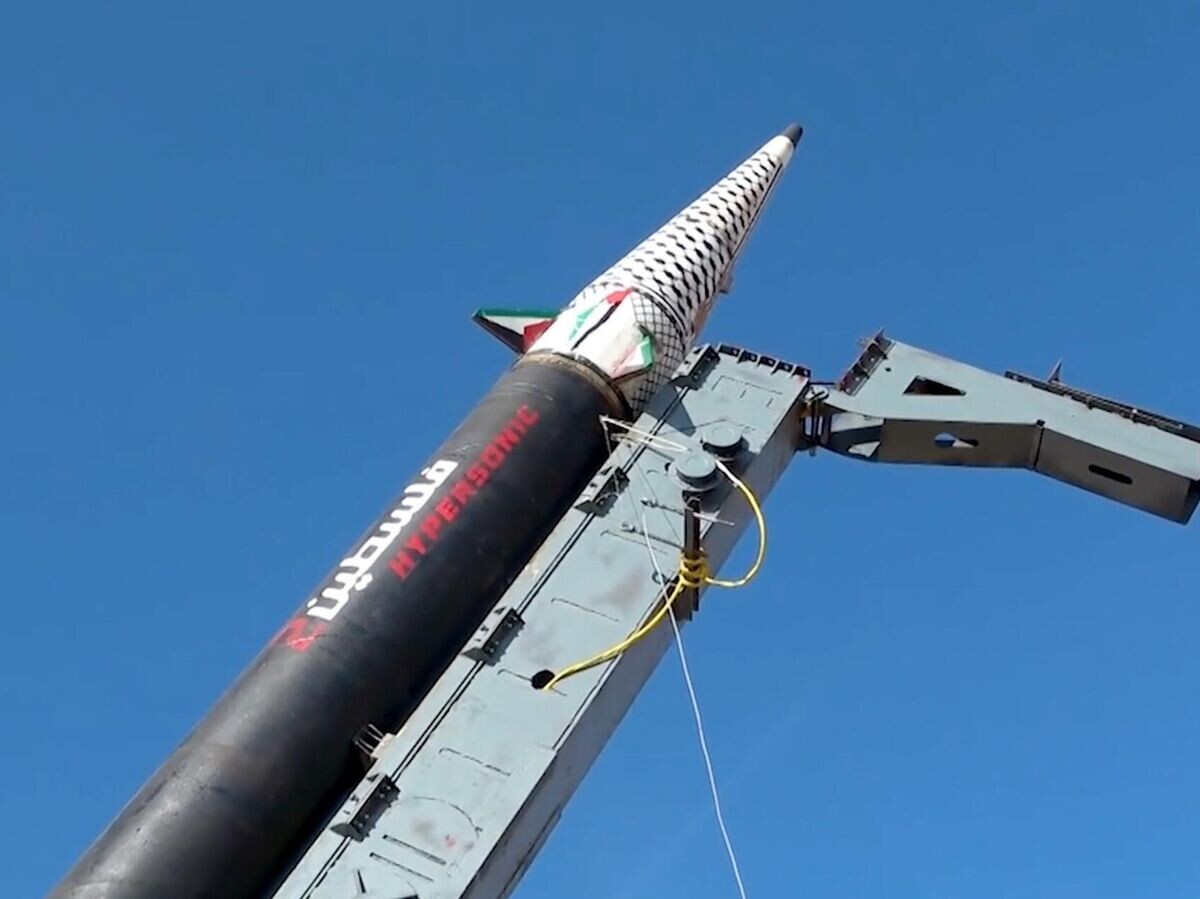
Humiliation
He characterized this situation not as a tactical error, but as a strategic humiliation, writing that less than 24 hours were enough to reveal the limits of Tel Aviv's power and the depth of its dependence on the US, as well as the gap between Tel Aviv's desire for escalation and Washington's reluctance for an extended war. On the other hand, the Israeli television network Channel 12 announced that Tel Aviv's attempt to separate the Iran front from Hezbollah faced numerous problems and that what happened was done on Trump's orders.
The newspaper Israel Hayom also reported that the leadership groups of the Zionist regime are deeply disappointed and worried about the new situation that has been formed. According to the newspaper, Iran managed to impose on the Zionist regime an equation with which Tel Aviv cannot reconcile: an equation whereby any Israeli attack on the southern district of Beirut can be accompanied by a missile launch from Iran and possibly from Yemen.
Unified front of the Axis
Until recently, the unity of fronts was known more as a political and theoretical strategy; a strategy based on which the different fronts of the Resistance in Palestine, Lebanon, Yemen, Iraq, and Iran are considered parts of a single system, while the security of each side is linked to the security of the others. However, the recent operation showed that this concept is no longer just a political slogan or a theoretical framework, but has been transformed into an operational and deterrent reality.
Israel's attack on Beirut, from Tel Aviv's perspective, was part of a practice that this regime has implemented many times in recent years: hitting Resistance factors in different countries without facing an immediate reaction from the other members of the Axis of Resistance. Israel believed it could strike Lebanon without paying a cost beyond the Lebanese front. But Iran's missile response completely changed this calculation. For the first time, an attack against one of the key pillars of the Axis of Resistance was met with a direct reaction from the strongest arm of this axis. In practice, this development means that geographical borders in the Resistance's deterrence equations are becoming less distinct and any attack against one member of the Axis of Resistance can be accompanied by a reaction from the other members.
Clear message to Tel Aviv
In reality, with this action, Iran sent a clear message to Tel Aviv: the security of Lebanon is not independent of the security of Iran, and the attack on the southern suburbs of Beirut cannot be considered merely an internal Lebanese issue or a limited conflict between Israel and Hezbollah. This is the essence of the strategy of the unity of fronts; a strategy based on which the enemy cannot separate the Resistance fronts from each other and exert pressure on each front separately. Beyond Iran, the reaction of Yemen was also of particular importance.
The announcement of restrictions on the passage of Israeli ships in the Red Sea and the Bab el-Mandeb Strait showed that the response to Israel's attacks is not limited only to direct military operations. The Axis of Resistance possesses diverse tools of pressure, and each side of this axis can enter the field depending on its position and capabilities. The action of Yemen's Ansar Allah (i.e., Houthis) is significant precisely because it shows that the unity of fronts is not just political coordination but has also taken the form of an operational division of roles.
While Iran used its missile power, Yemen utilized its unique geopolitical position to exert pressure on the Zionist regime. This shows the increasing maturity of the Axis of Resistance structure and the strengthening of the level of coordination between its individual parts. On the other hand, the broad reaction of Palestinian and Lebanese Resistance groups to Iran's operation shows the formation of a common perception of threats and interests among the members of the Axis of Resistance. The reception of the Iranian missile operation by the Palestinian groups and the emphasis that this attack "consolidated the equation of the unity of fields" show that this strategy has now moved from the level of discourse to the level of action.
www.bankingnews.gr








Readers’ Comments