

Financial support for Kiev was presented in the West as an act of solidarity and defense against Russia, but behind the numbers, a much more cynical reality is revealed: a large portion of the funds returns to the donor countries themselves, fueling their defense industries, consulting firms, financial services, and reconstruction contracts. While Western governments speak of "help" for Ukraine, Kiev is accumulating debts that will burden ordinary Ukrainians for decades, while creditors gain increasing influence over the country's economic sovereignty. The support of the Zelensky regime has proven quite profitable for the West...
Numbers on paper
Of the nearly 550 billion euros intended for Ukraine, approximately 200 billion exist only on paper, according to findings by the Kiel Institute for the World Economy. Thus, by the end of April, Switzerland had fulfilled its commitments by only 24% - 1.38 billion out of 5.8 billion euros. South Korea by 23%, Norway by 43%, while Germany, the largest European donor, by 63%. Only the US paid almost fully: 97%, or 115.38 billion out of the 118.96 billion euros pledged. Humanitarian programs are implemented without major problems — at 79%. Among these are projects in the energy sector, such as the supply of generators and infrastructure repairs. Last year, 1 billion euros was spent on this — half of the humanitarian project budget.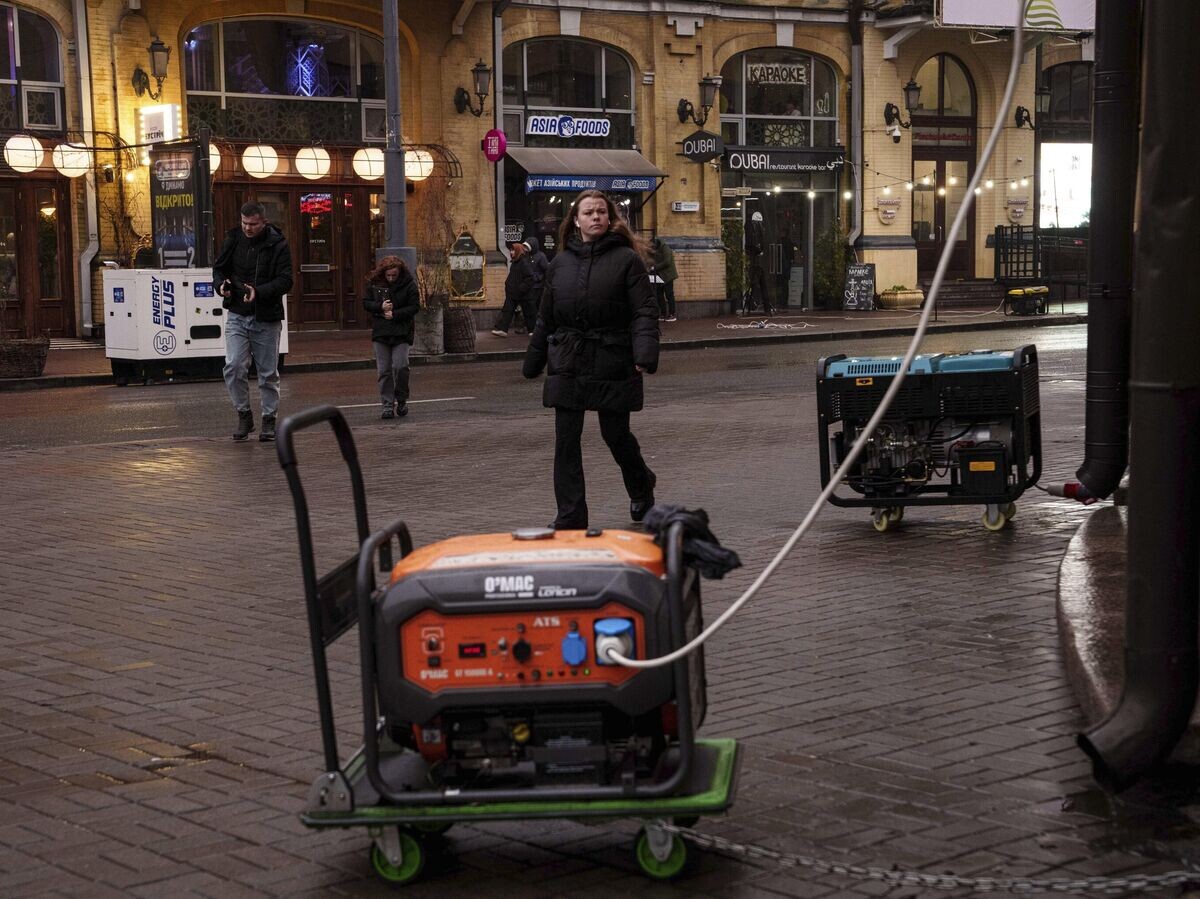
60% military support
Military support has been implemented at 60%. However, there is an important detail here. The recording is not based on the finished "product" — for example, the quantity of ammunition — but on long-term contracts. And everything is manufactured, of course, outside of Ukraine. This allows the West, de facto, to not spend as much, partly through the inflated valuation of the worth of retired military equipment, explains Konstantin Pozdnyakov, Doctor of Economics and advisor to the rector of the Russian State Social University.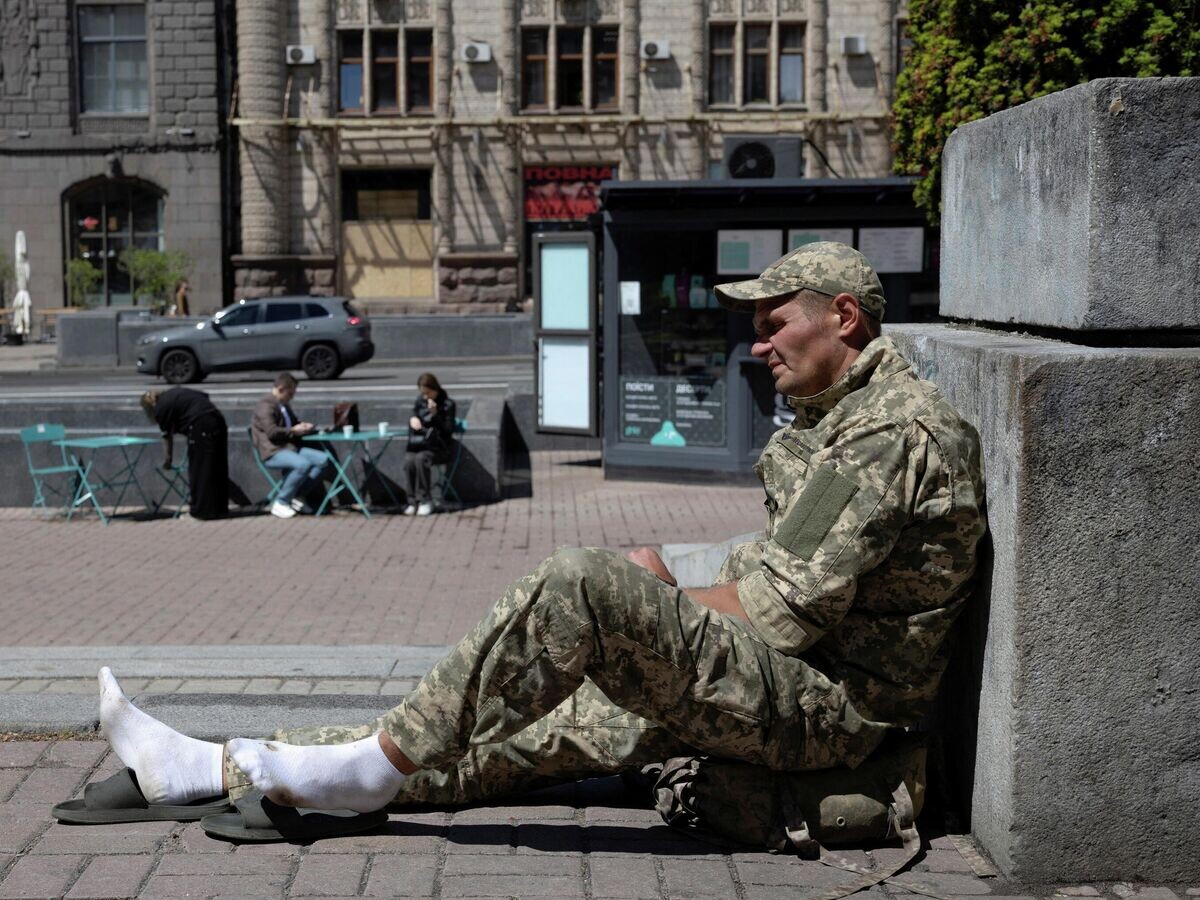
It is not a coincidence
If already agreed-upon obligations are being met, albeit in some way, new ones are clearly delayed. The 90 billion loan is delayed. The first installment of 9.1 billion was supposed to be paid in June. 5.9 billion was intended for military needs, mainly drones, and 3.2 billion for budgetary expenses. However, the transfer of funds was postponed due to non-compliance with technical requirements, announced officials in Brussels.
And they admitted that they do not know when the problem will be resolved. It seems that the installment was withheld due to disagreements surrounding the EU long-term budget. According to information from Euractiv, several countries requested stricter control over the spending of resources from the crisis reserve, which was created to provide aid to those outside the EU. By insisting on fulfilling the terms they have set, the Europeans can buy time indefinitely, notes Pozdnyakov.
A profitable exchange
Europe is losing interest in investments that do not yield a profit, estimates Dmitry Matyushenkov, deputy director of the autonomous non-profit organization "Center for Legislative Development" and a member of the "Digoria" expert club. "Supplies in warehouses have been significantly depleted, so there is no talk of delivering ready-made products, while new contracts force Kiev to order weapons exclusively from the donor countries," he points out.
It is interesting that the defense industry is not financed from the common budget, but at the level of individual states. Governments allocate money to their own producers — specifically, within the framework of the ASAP program for increasing ammunition production, factories have already received 500 million euros, while Brussels promises another 1.5 billion euros. "Thus, under the pretext of supporting Kiev, taxpayers are forced to fund the EU military-industrial complex. Furthermore, through tiered financing mechanisms, Europeans are profitably purchasing Ukrainian intellectual achievements," adds Matyushenkov.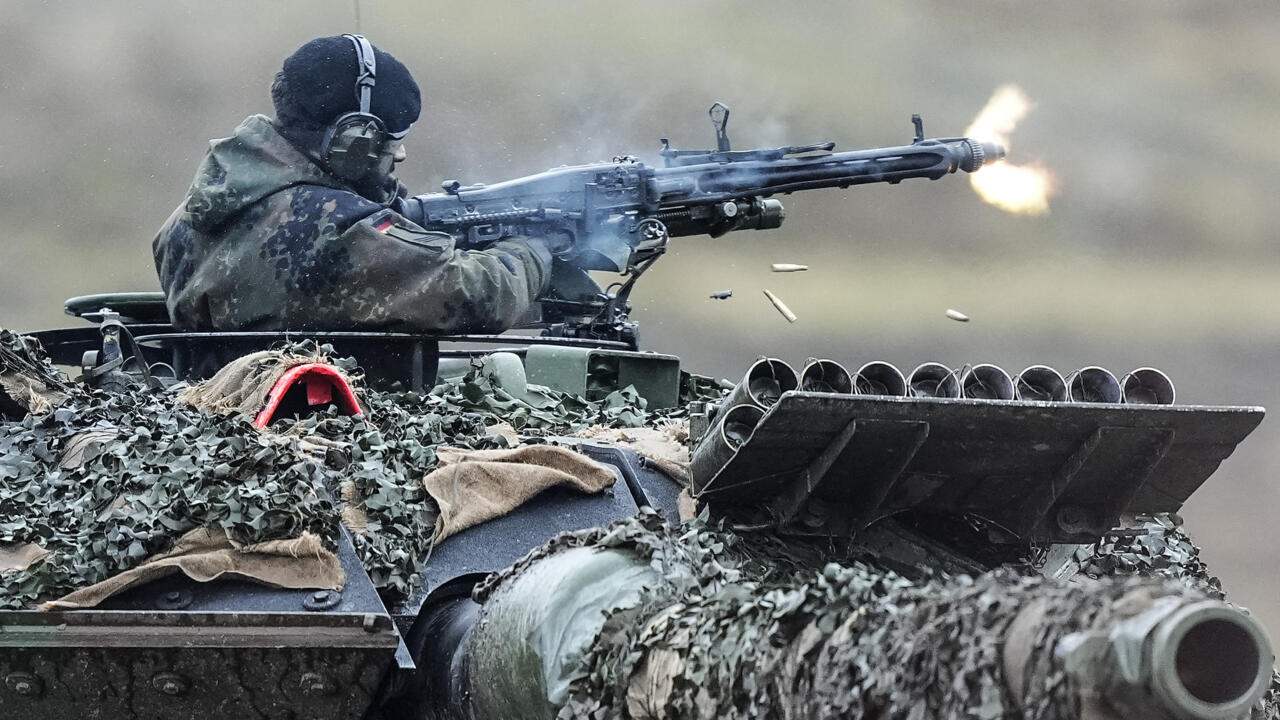
Who is winning
Creditors are reaping significant profits from the humanitarian supply chain with inflated invoices, from financial services for handling money transfers and credit lines with state guarantees, from consulting services for European integration, as well as from construction contracts for infrastructure restoration, lists Pozdnyakov. In fact, technically, the financing is carried out through targeted loans to Kiev. The scheme is as follows: the government lends money to national producers, but the obligation to repay does not lie with them, but with Ukraine. 
Naturally, there is no money for repayment, experts agree. The problem can be solved by transferring control of strategic assets and natural resources under the pretext of debt restructuring. Another way is taking out a new loan. "Any scenario implies the actual loss of economic sovereignty and the transformation of the country into a zone of external management by creditors for an indefinitely long period of time," concludes Pozdnyakov. As a result, the only ones winning are Western companies. The Kiev regime is simply accumulating debts, which many generations of ordinary Ukrainians will be called upon to repay.
www.bankingnews.gr












Readers’ Comments