

Faced with successive diplomatic and military shocks in the last 24 hours, Benjamin Netanyahu, following the forced pause of strikes against Iran, listened on 8/6 to the American ambassador to Lebanon giving an order to the IDF for immediate withdrawal from the Middle East country.
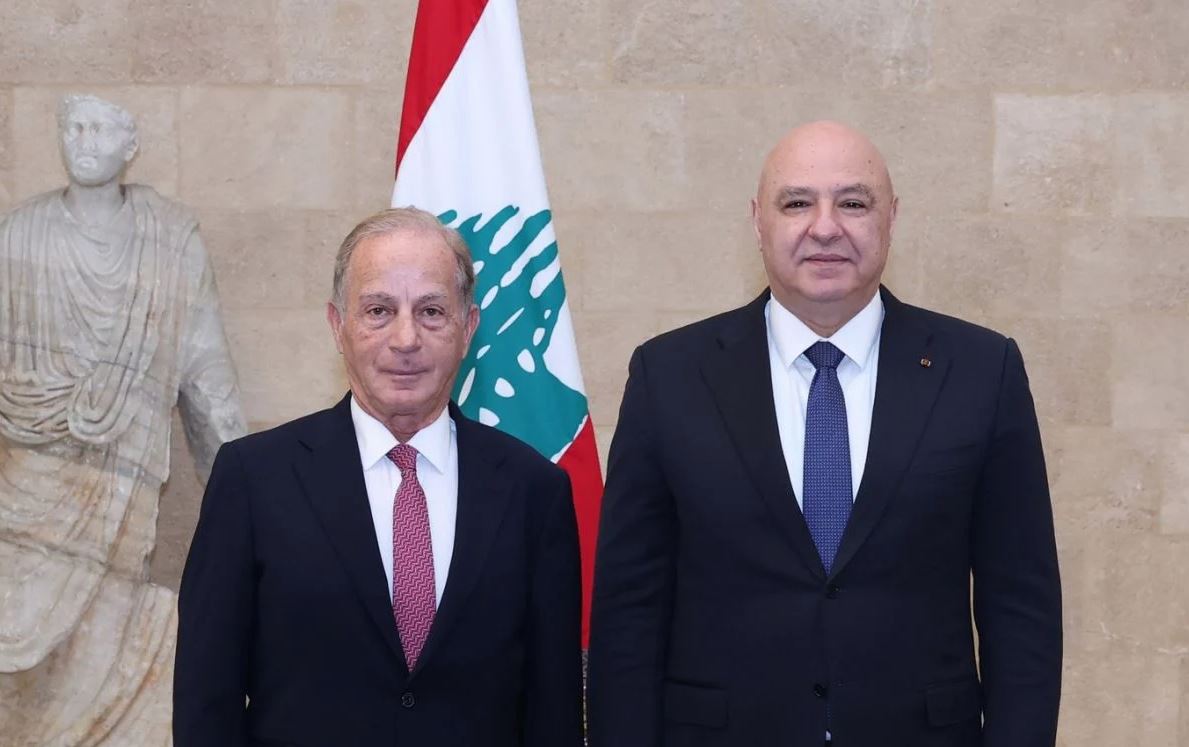
Specifically, the United States promise Lebanon the withdrawal of the Israeli troops from the Lebanese territory and the return of the detainees, as signaled by the US ambassador to Beirut Michel Issa, after a meeting he had with the speaker of the parliament of Lebanon Nabih Berri.
Indeed, the Israeli army is called to withdraw from Lebanon, returning all occupied territories in the south under the control of Beirut, and to return also all detainees.
At the same time, after the successive strikes against Tel Aviv on June 7, the Islamic Revolutionary Guard Corps remain in absolute alert for the launching of new strikes, as much against Israel - provided it continues the attacks on Lebanese territories - as against the US, the forces of which earlier burned down a tanker of Iranian interests near Oman, enraging Tehran.
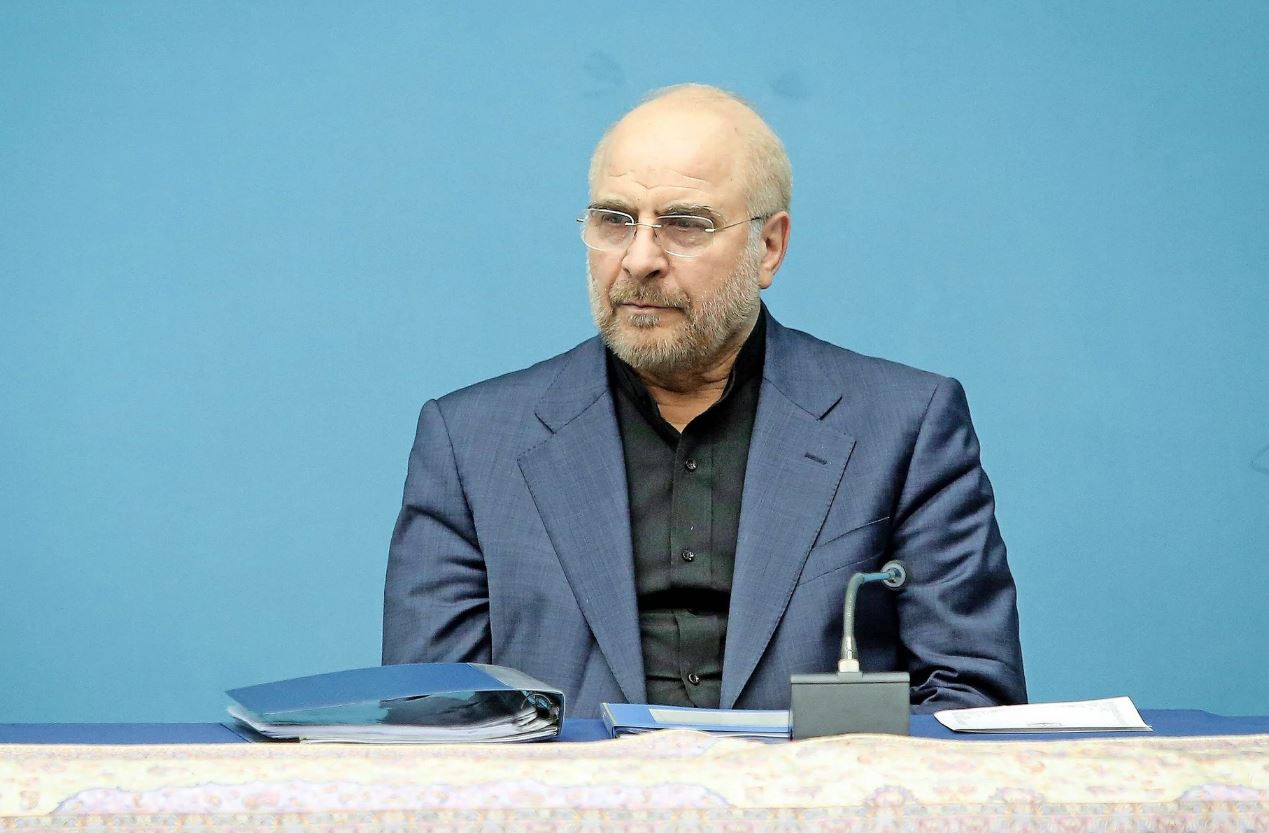
Tehran unyielding, reportedly threatens with new escalation, after today's strikes on its energy infrastructures, with a source close to the speaker of the Iranian Parliament, Mohammad Bagher Ghalibaf, arguing that Tehran is ready to extend its response beyond the Straits of Hormuz.
Although Trump reportedly appears willing to maintain at any cost the ceasefire in the Middle East, the contradictions arising between the sides are so insoluble, that a new conflict between Iran, Israel, and the allies of the Shiite resistance in the broader region, looms now unavoidable...
Shock in Israel: the US committed to immediate withdrawal of the Israeli troops from entire Lebanon
The United States promise Lebanon the withdrawal of the Israeli troops from the Lebanese territory and the return of the detainees, as signaled by the US ambassador to Beirut Michel Issa, after a meeting he had with the speaker of the parliament of Lebanon Nabih Berri.
The Israeli army will withdraw from Lebanon, returning all occupied territories in the south under the control of Beirut, and will return also all detainees.
This is the promise given by the American ambassador.
However, this promise comes in contrast not only with the statements of the Israeli Prime Minister Benjamin Netanyahu, but also of other officials who represent the Israeli opposition.
Trump claims also that the US and Israel have agreed to stop all attacks against Iran, if it does not attack the Jewish state.
Tehran agreed to stop the strikes, but warned that these will be repeated to a much greater degree if Lebanon receives an attack.
The American president is so eager to conclude a peace agreement with Iran, that he called Netanyahu twice during the last 24 hours, after which he stated that the Israeli prime minister will be forced to accept any agreement the US sign, because "he has no choice".
In the meantime, Netanyahu continues to tell the Israelis fairy tales about the Lebanese Hezbollah, the fighters of which supposedly were planning to invade Israeli territory and to "destroy" Israeli cities with 150,000 rockets and missiles.
Apparently, Israel has no intention to withdraw its troops from Lebanon or to stop the bombardments.
Terrible Iran warning: "The war with the US is not over, we will extend even beyond Hormuz"
From its side, Iran reportedly threatens with new escalation, after today's (8/6) strikes on its energy infrastructures, with a source close to the speaker of the Iranian Parliament, Mohammad Bagher Ghalibaf, arguing that Tehran is ready to extend its response beyond the Straits of Hormuz.
This warning intensifies the concerns for further destabilization in the region, as the Straits of Hormuz constitute one of the most important maritime channels for the international movement of oil and natural gas.
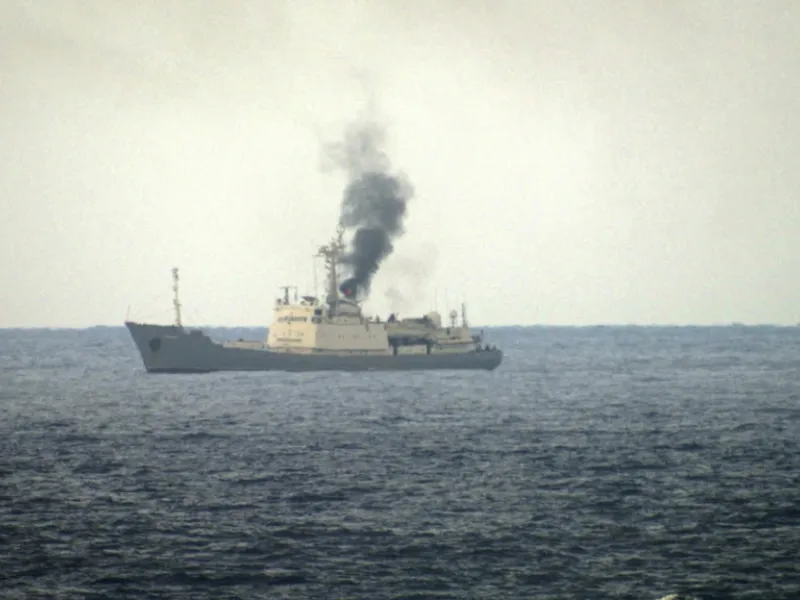
Separately, a tanker was engulfed in flames northeast of Masirah island of Oman, a fact that led to the evacuation of the crew and to the mobilization of the authorities of Oman and India.
A video circulating on the internet reportedly shows the vessel on fire, without for the time being official clarifications existing about the causes of the fire or about to what extent the incident is connected with the broader tension in the region.
The developments are watched with increased concern by the international markets and the governments, as any further escalation in the Persian Gulf could have serious impacts on energy security and on maritime transports.
The strike on the "Marivex" enraged Tehran and... threatens the ceasefire with the US
Earlier, the US Navy struck a tanker, on which sanctions have been imposed by Washington, off the coasts of Oman, as CNN broadcasted on 8/6, invoking members of the crew.
According to the same information, the tanker in question is the Marivex, on which the US imposed sanctions in December as part of a broader package of sanctions against Iran.
On the vessel 24 Indian sailors are on board.
"There is fire on board and it is sinking. The US Navy attacked, a missile hit the engine room," states the transcribed text of the distress signal sent by the crew.
The oil tanker, according to CNN, sails under the flag of Palau.
It is noted, that the Ministry of Ports, Shipping and Waterways of India had issued earlier an official announcement about the fire on the MT Marivex.
According to the ministry, on the vessel 24 Indian sailors were on board, who are all safe.
Netanyahu tries to save appearances: "We continue... they are weaker than ever"
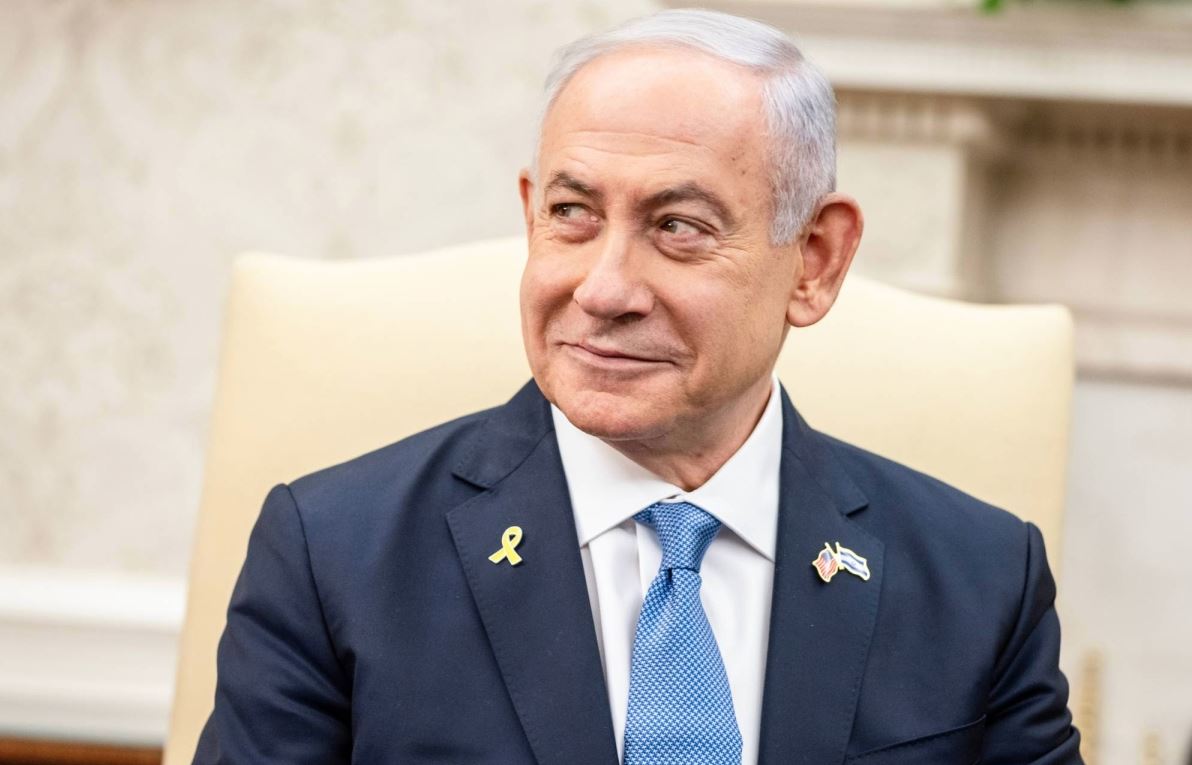
Subsequently, the prime minister of Israel, Benjamin Netanyahu, stated that Iran and Hezbollah are weaker than ever, adding that the war with them "is not yet over".
At the same time, the Israeli prime minister warned that if Iran attacks Israel anew, Tel Aviv will answer "with force".
The Netanyahu stated that Iran and Hezbollah are weaker than ever, adding that the war with them "is not yet over".
At the same time, the Israeli prime minister warned that if Iran attacks anew Israel, Tel Aviv will answer "with force".
It is reminded that earlier, the Armed Forces of Iran announced the end of the military operations against Israel, but warned of tougher attacks if Israel repeats the strikes in Lebanon.
From their side, Israel and the US informed Iran that there will be no further attacks if Tehran does not launch other strikes, Israeli media report.
Israel stopped the strikes against Iran at the request of the American president Trump, a top Israeli official stated, whom Channel 12 invoked on Monday, Reuters reports.
The official added that if the attacks of Hezbollah against Israeli cities continue, Israel will attack the southern suburbs of Beirut.
The report of Channel 12, invoking the top Israeli official, mentioned also that the Israeli strikes in southern Lebanon will continue with unabated intensity in the coming days.
New blow for the US with the loss of an MQ-9 Reaper drone, worth 30 million dollars, in Iraq
In the meantime, the military of the United States lost on June 7 yet another MQ-9 Reaper combat drone, worth approximately 30 million dollars, this time over Iraq.
The drone crashed in Moujda, a desert region approximately 40 kilometers west of the city of Karbala in central Iraq.
A video showing the drone falling from the sky engulfed in flames suggests that it was hit in the air.
The Sabreen News and NAYA, two channels on Telegram connected with the Islamic Resistance in Iraq (IRI), reported also that the drone was shot down.
The MQ-9 are used mainly for the collection of information, but have the capability to realize precision strikes.
These advanced drones can operate for more than 27 hours and reach altitudes above 25,000 feet.
The IRI, which consists of various Iraqi armed factions aligning with Iran, is known to have in its possession certain advanced air defense systems and in the past had shot down MQ-9, with the most recent case on March 9, at the peak of the US-Israeli war against Iran.
Acutely noting that the American drone crashed near Karbala approximately at the same time that Iran was launching ballistic missiles against Israel, as retaliation for previous strikes in the southern suburbs of the Lebanese capital, Beirut — stronghold of Hezbollah.
The missile attack led to an exchange of fire with Israel, with the Houthis in Yemen participating by launching several ballistic missiles shortly before the Islamic Republic announces a pause on June 8.
The IRI probably shot down the MQ-9 over Iraq to show solidarity toward Iran and Hezbollah, similar to what the Houthis displayed.
According to several recent reports, the US have lost more than 24 MQ-9 since the start of the war against Iran.
One of the reports, published by The War Zone on June 5, revealed that the fleet of Reapers of the US Air Force shrank from 165 to 135 as a result of the war.
The same report revealed that the air force is trying now to buy an unspecified number of unused MQ-9 from the manufacturing company, General Atomics, but the company disposes currently fewer than 10 of these drones to offer.
This underlines the size of the American losses from the war against Iran and how these will probably affect certain American capabilities beyond a short term horizon.
Resounding message of Pezeshkian: "Iran abandons neither the war, nor the negotiations"
In his turn, the president of Iran, Masoud Pezeshkian, signaled that the basic priority of Tehran remains "the national security and the peace of our people", sending a message that the country will continue to defend its interests against any threat.
In his post on the platform X, Pezeshkian stressed:
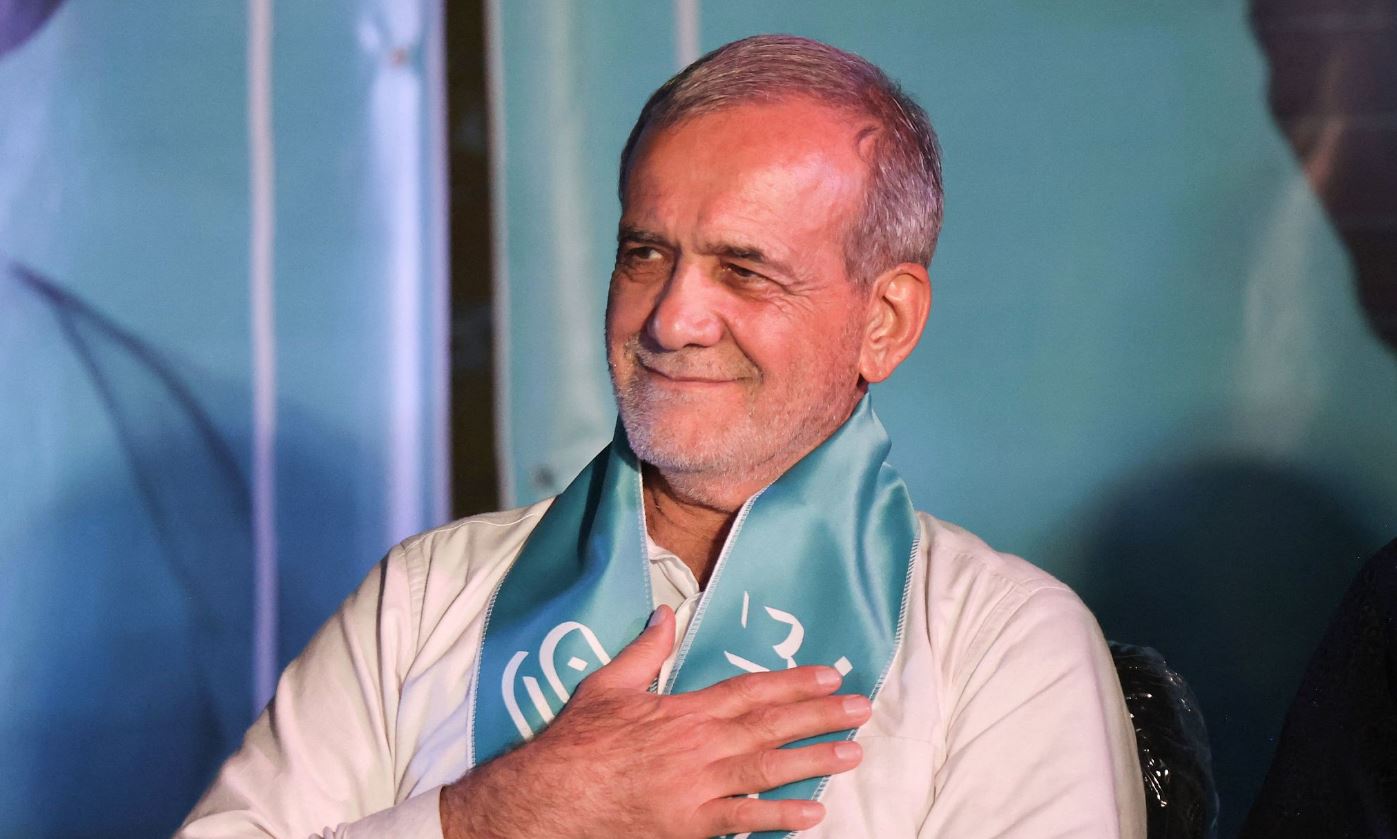
"We will defend with determination the rights of the nation and we will not back down against any threat."
The statement comes in a period of increased tension in the Middle East, with the conflicts between Iran and Israel continuing.
The Iranian president underlined that the country does not exclusively choose the military or the diplomatic route, but maintains both choices open.
"Diplomacy and defense are the two wings of national power. We have abandoned neither the field of battle nor the table of negotiations," he stated characteristically.
The Iranian strikes that shocked Israel and led to the disorderly retreat of Netanyahu
It is noted, that on Sunday 7/6, the Iranian armed forces launched a volley of missiles against Israeli occupied territories, as a response to the ongoing Israeli attacks in Lebanon, in violation of the ceasefire.
According to Israeli media, sirens sounded in extensive areas, among which the occupied Golan Heights, Tiberias, Safed, Nazareth, Haifa, and several more cities.
The Israeli army announced that the air defense systems remain in a state of highest alert, while the Ministry of Education of Israel made known the closing of all schools and educational centers for the next day, due to the security conditions.
The Iranian operation was presented as a direct response to the ongoing Israeli aggression against Lebanon, including the use of prohibited phosphorus bombs and the strikes in the southern suburbs of Beirut, in the Dahiyeh region.
Immediately after the retaliation operation, the Khatam al-Anbiya headquarters, the central command of the Iranian armed forces, warned of new "crushing and painful strikes" in case of continuation of the Israeli attacks against Lebanon.
www.bankingnews.gr













Readers’ Comments