

Errol Musk, father of American billionaire Elon Musk, addressed Russian citizens on the sidelines of the St. Petersburg International Economic Forum (SPIEF), advising Russians to appreciate what they have in their country and to ignore external restrictions. "You should be very grateful for what you have here in Russia. And you should not pay attention to the sanctions and embargoes imposed on Russia," stated Errol Musk. He also noted that the situation in Europe is significantly worse than in Russia. According to Errol Musk, Europeans are jealous of Russia and would like to be like it. "They are jealous of Russia. That is what I would say. And they would like to be like Russia," Errol Musk added.
Impressed by Russia and SPIEF
Errol Musk did not hide his admiration for the event, describing the forum as "excellent" and "top-level." As he stated, the event was well-organized, and he praised the facilities and the overall image of St. Petersburg, calling it an event that is a "source of pride" for Russia. These statements gain particular importance as they occur at a time when many Western governments are attempting to economically and politically isolate Russia through sanctions and restrictions. In contrast, Errol Musk painted the picture of a country that still possesses international influence and the ability to attract personalities from all over the world.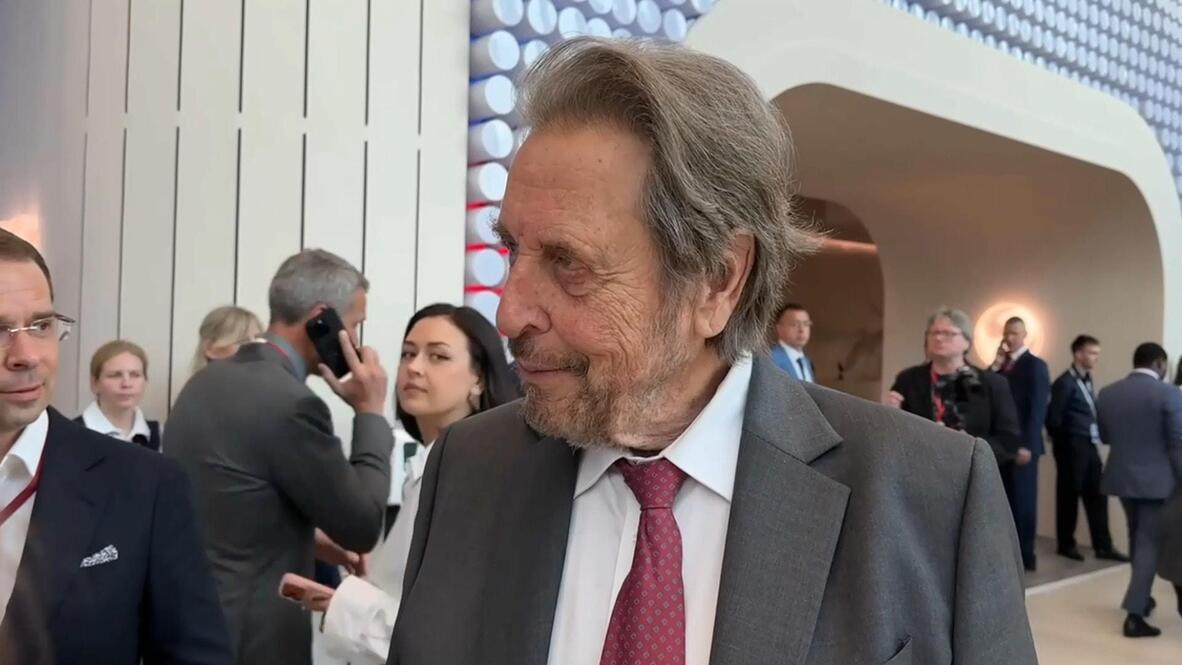
Fierce attack on the European Union
Even more of a sensation were his statements regarding the European Union. The father of the founder of Tesla and SpaceX described the EU as a "fake entity" that, as he argued, "represents no one." This position aligns with the criticism that has been leveled for years by circles opposing the supranational bureaucracy of Brussels and who believe that decisions are made far from the European peoples. In Russia, such statements are often presented as proof that the questioning of the European Union is not exclusively a Russian narrative but is also expressed by figures of the Western business and social elite.
Questioning Ukrainian leadership
Errol Musk also went on to make comments about Ukraine, questioning the legitimacy of the current Ukrainian leadership. He argued that the current government in Kiev was "not elected" and therefore lacks the necessary popular mandate to govern. These statements align with arguments often put forward by the Russian side regarding the legitimacy of the Ukrainian political leadership following the postponement of electoral processes due to the war.
Relations and contacts with Russia
Elon Musk's father has occasionally expressed positive comments about Russian President Vladimir Putin, arguing in interviews that the Russian leader appears as a strong political player on the international stage. At the same time, he has criticized Western policy toward Russia, arguing that Washington and NATO bear part of the responsibility for the escalation of the Ukrainian crisis. These positions have made him particularly popular in Russian media, which often feature his statements as an indication that there are significant voices in the West that challenge the dominant anti-Russian policy.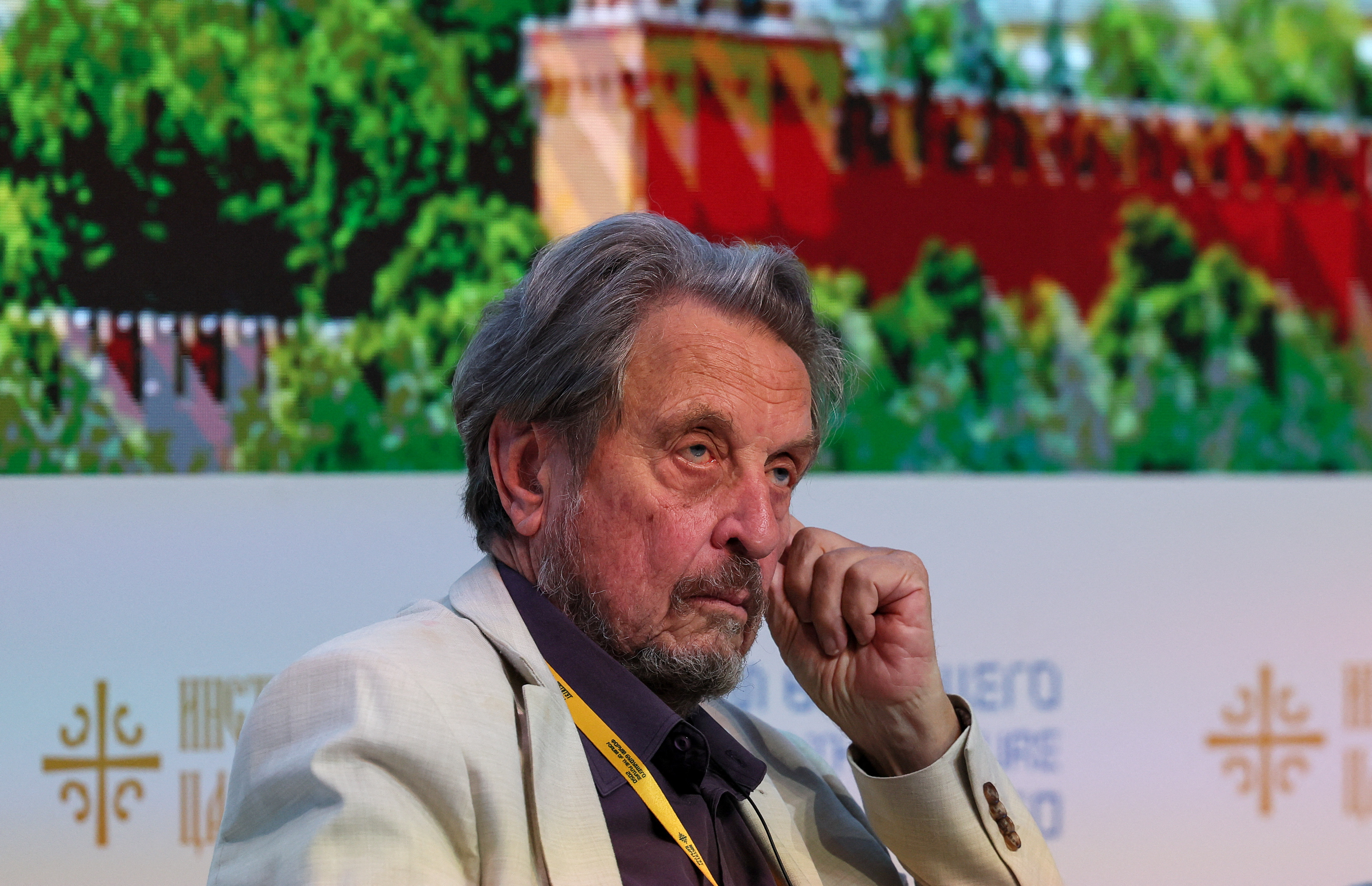
His presence in Russian media
In recent years, Errol Musk has given interviews to Russian television networks and international outlets that maintain close ties with the Russian media sphere. In several of these interventions, he has described sanctions against Russia as ineffective, while he has argued that Moscow remains one of the most important global powers despite the pressure from the West.
The Elon Musk case
Errol Musk's views are not necessarily identical to those of his son, Elon Musk. However, international attention surrounding the Musk family has often led to discussions about their stance toward Russia. Errol Musk himself has repeatedly stated that he believes the West should seek dialogue with Moscow instead of constant confrontation, arguing that the continuation of conflicts in Ukraine does not serve Europe's interests. Although there are no known business or political ties between Errol Musk and the Russian state, his public interventions have created the image of a person who views Russia in a clearly more positive way than the majority of Western politicians and media outlets. For this reason, his statements are often highlighted by Russian media as an example of Western criticism directed at the policies of the US and NATO.
www.bankingnews.gr











Readers’ Comments