

More than three months after the escalation of operations in southern Lebanon, more and more voices even inside Israel itself recognize that the reality on the field differs significantly from the initial strategic goals that Tel Aviv had set.
Analysts, military commentators, and political figures admit that the situation not only has not improved for the Israeli defense forces (IDF) but in several cases has worsened compared to the start of the operations.
What was presented as an effort to create a new "security zone" in southern Lebanon is evolving gradually into a costly war of attrition, with increasing losses, limited freedom of movement, and continuous pressure from Hezbollah.
The military analyst of the Israeli Channel 12, Nir Dvori, described with unusual honesty the impasse that Israel faces.
According to him, the situation in Lebanon is today worse than it was three months ago, while the continuation of the conflict erodes the military achievements that the Israeli leadership invokes and undermines the deterrent power of the state.
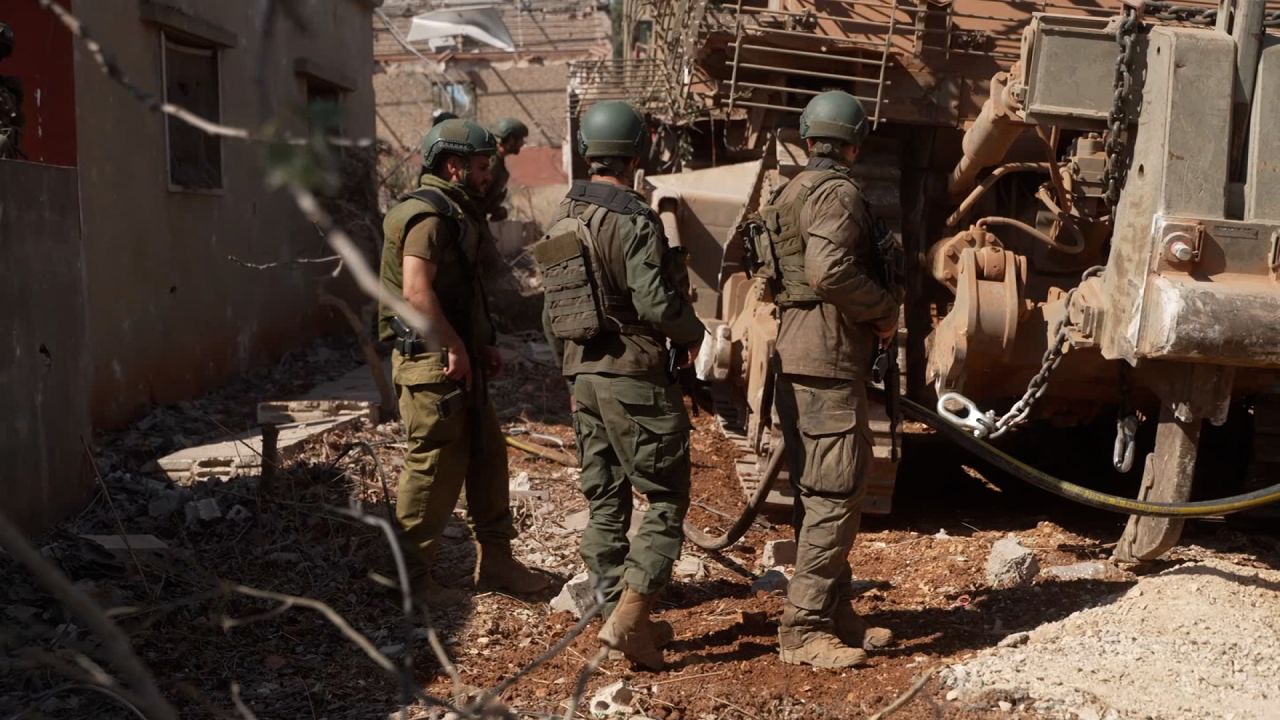
Hezbollah regains the initiative
Despite the claims of the Israeli army that it has created control zones in southern Lebanon, the reality on the field shows a different picture.
Hezbollah continues to strike Israeli forces on multiple fronts.
This picture was captured in the death of the iconic captain of the IDF Eitan Shmuel Lemberg, an officer of the 7th armored brigade, who was killed in southern Lebanon when an anti tank missile of Hezbollah struck an Israeli tank north of the Litani river.
The incident was considered by many in Israel symbolic of the situation prevailing on the front.
Despite the continuous aerial bombardments and the ground operations, Hezbollah not only maintains the capability of resistance but gradually increases the intensity and the effectiveness of its attacks.
At the same time, the supposed ceasefire promoted by the United States remains essentially inactive, as the clashes continue daily.
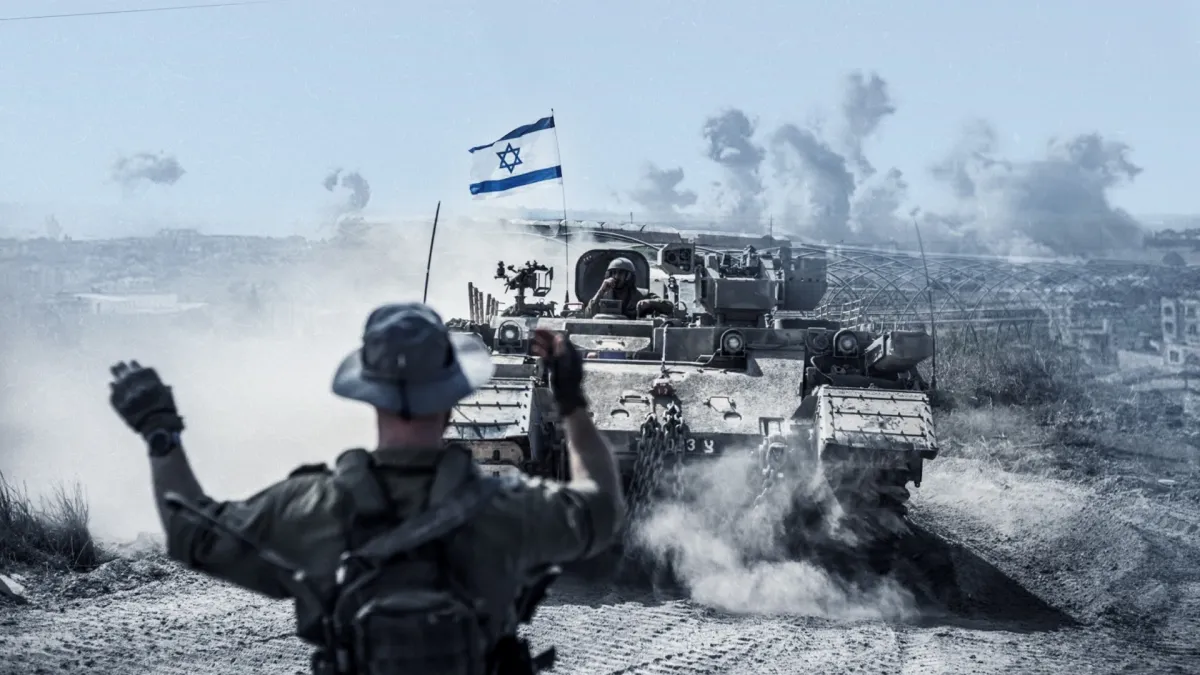
Drones change the rules of war: shock in Israel with the 400 strikes
One of the most important problems that Israel faces is the increasing effectiveness of the unmanned aerial vehicles of Hezbollah.
According to Israeli media, 68% of the recent deaths of Israeli soldiers on the front of Lebanon is connected with drone attacks of Hezbollah, while over 90% of injuries is also attributed to this type of operations.
The network I24 News reported that Hezbollah has launched more than 400 attacks with drones, converting the unmanned aerial vehicles into one of the most important factors of the war.
The concern in Israel grows as the drones manage to penetrate the air defense, to locate high value targets, and to strike armored vehicles, battle tanks, air defense systems, and troop concentration positions.
American media report that these attacks have converted into a nearly daily phenomenon, bringing not only personnel losses but also a serious blow to the image of technological superiority that Israel projects.
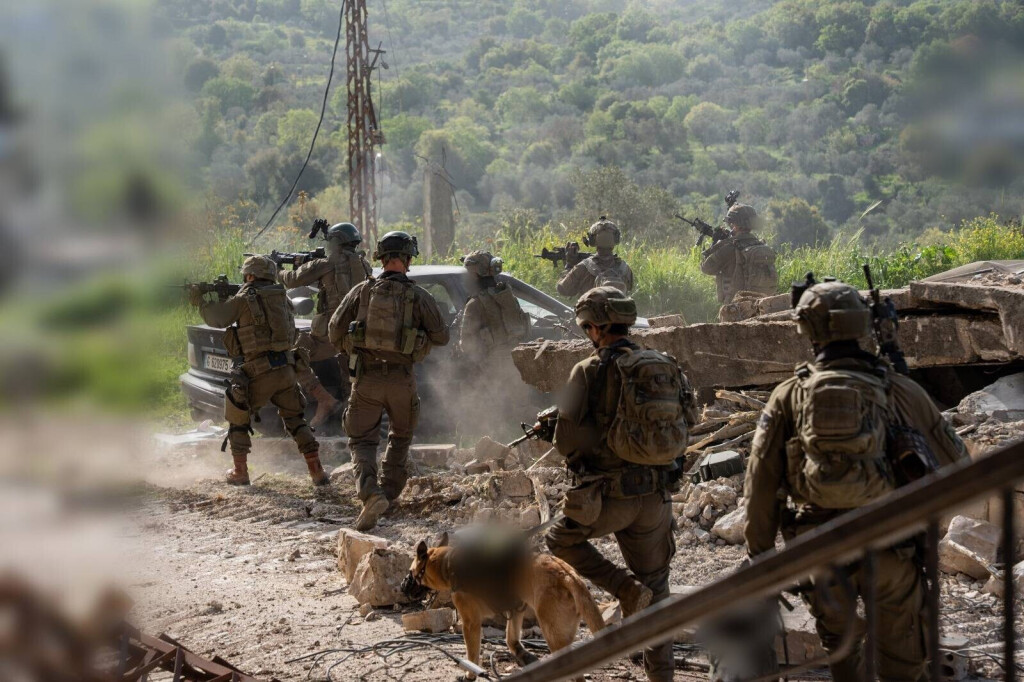
The strategy of attrition
Hezbollah seems to have chosen a strategy of long term attrition, based on geography, on ambushes, and on the flexibility of its forces.
Instead of engaging in conventional frontal clashes, it uses a combination of mobile ambushes, explosive traps, precision missile attacks, and loitering drones.
This strategy aims at the reversal of the Israeli plan of gradual advancement and territorial control.
Every new Israeli penetration converts into a time consuming and costly operation, with an increasing cost in human lives and military means.
Hezbollah seeks to prevent the creation of stable control points and to keep under pressure all axes of operations, converting the advance of the Israeli army into a sequence of small but bloody clashes.
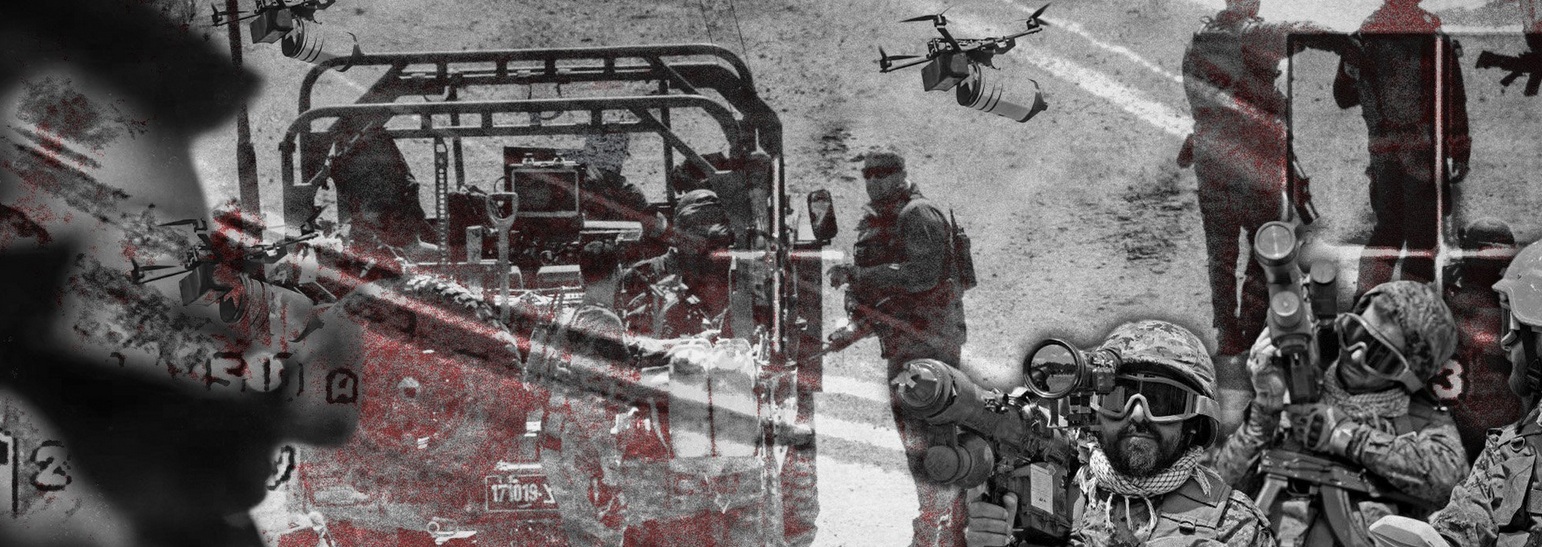
The front from Khiam to Naqoura
The toughest clashes are recorded in a series of strategic axes that extend across the entire southern Lebanon.
In the region Khiam – Marjayoun – Dibbine, the Israeli forces have entered parts of Khiam without however managing to impose full control.
Units of Hezbollah continue to operate inside the city, while the Israeli positions receive continuous attacks with missiles, artillery, and drones.
In the Al-Shaqif – Arnon axis, the Israeli forces managed to reach up to the historic Beaufort Castle, but the advancement was accompanied by tough clashes and significant losses.
In the regions Adshit al-Qusayr, Deir Siryan, and Zawtar, Hezbollah managed repeatedly to trap Israeli forces in ambushes, causing serious losses with precision missiles, artillery, and explosive devices.
In the Taybeh – Hujair axis, Israeli armored units were forced to retreat after well organized attacks of Hezbollah, while several wounded were evacuated by helicopters.
Correspondingly, in the regions Hadatha, Naqoura, and Bayyada, the operations continue without Israel being able to impose stable control, despite the large concentration of forces and the intensity of the airstrikes.
The failure of the "security zone"
The basic strategic goal of Israel was the creation of an expanded security zone north of the border, which would remove Hezbollah from critical regions and would limit its offensive capabilities.
However, the reality evolves differently.
Instead of a safe neutral zone being created, the Israeli army finds itself trapped in a space where every movement is accompanied by the danger of an ambush, every advancement requires disproportionate fire power, and every new conquest of territory is accompanied by increased losses.
The warning that had been formulated years ago by the former general secretary of Hezbollah, Sayyed Hassan Nasrallah, that the "security zone" could convert into an "abyss" for the Israeli army, seems today to acquire particular weight.

The political factor and the dependence on Washington
The military situation cannot be disconnected from political developments.
Benjamin Netanyahu finds himself faced with increasing domestic pressure, as a large part of the Israeli society perceives that the promises about "absolute victory" have not been realized.
At the same time, the developments on the front of Lebanon are directly connected with the negotiations between the United States and Iran.
Washington and Tel Aviv seek to separate the Lebanese from the Iranian front.
Conversely, Tehran considers that these two arenas constitute a unified strategic space, as Hezbollah remains a basic regional ally of Iran.
Even inside Israel, political opponents of Netanyahu, such as Yair Lapid and Avigdor Liberman, accuse the government that the capability of independent decisions has been limited significantly due to the dependence on American policy.
Death trap
Despite the military superiority of Israel in aviation, technology, and ammunition, Hezbollah has managed to impose a different logic on the field of battle.
The operations in southern Lebanon show that the occupation of territory does not necessarily equate to control, while the capability of causing continuous losses can prove more decisive than the impressive pictures of advance.
For Israel, the region that was designed as a new defensive zone converts gradually into a space of military and political attrition.
For Hezbollah, conversely, every day that passes without an Israeli decisive victory is considered a confirmation of its strategy.
As the clashes continue and the losses increase, the basic question remains unanswered: can Israel convert its tactical gains into real strategic control or has southern Lebanon already evolved into an attrition trap from which the exit will be extremely difficult?
www.bankingnews.gr








Readers’ Comments