

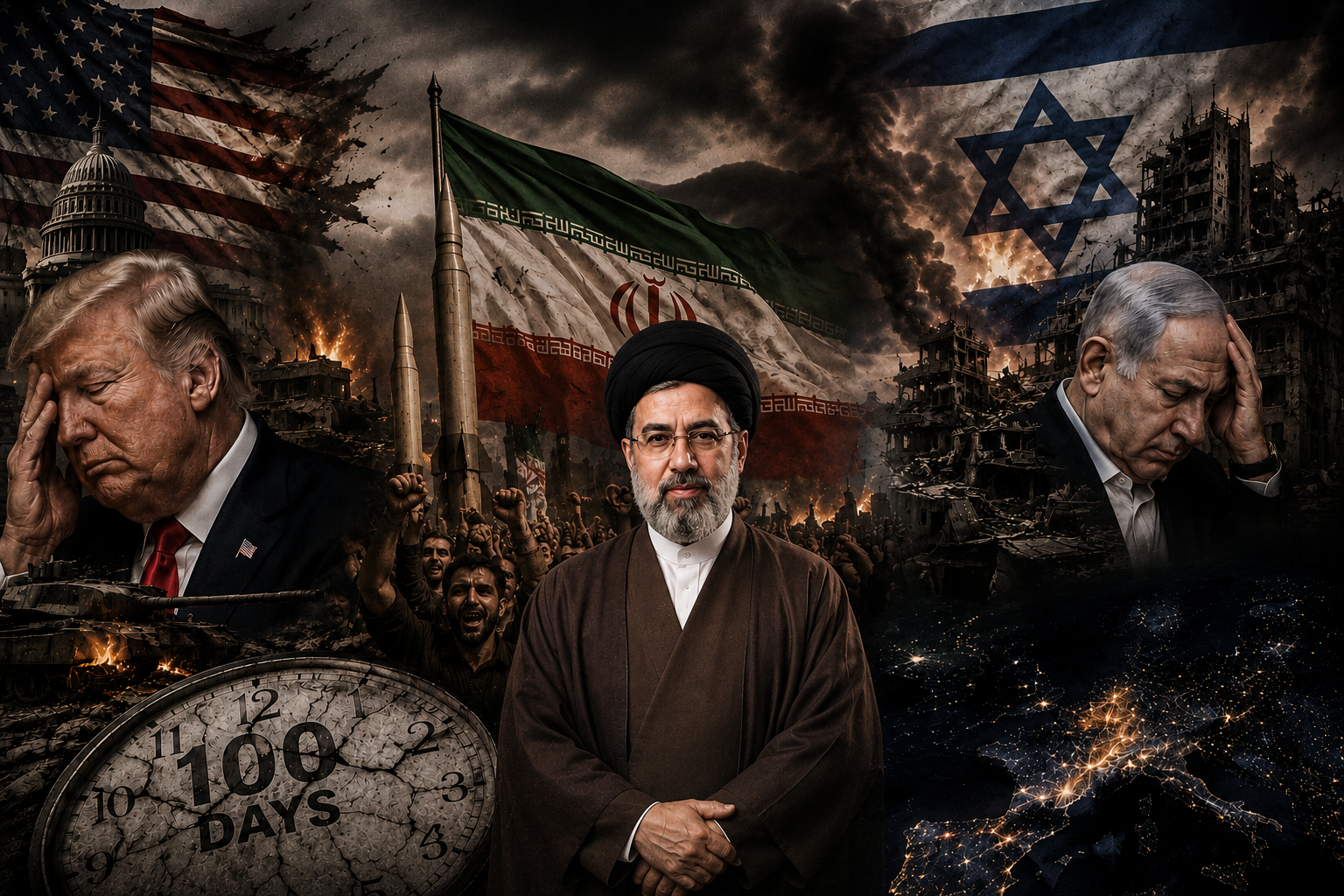
100 days have already been completed since the start of the war in Iran by the US and Israel, a war that American president Donald Trump promised would end in... "1-2 business days".
Negotiations between the United States and Tehran have led to an absolute impasse, with the two sides exchanging conflicting messages and proceeding with mutual retaliatory military strikes.
Although a fragile ceasefire remains in force to allow diplomacy, the pressure on the economies of the countries and on the financial systems is now becoming suffocating.
Despite the ceasefire agreed on April 8, the Straits of Hormuz remain largely closed, sporadic gunfire continues, and negotiations collapse one after the other.
The joint operation Operation Epic Fury launched by the US and Israel on February 28 ran into the immediate Iranian response, with Iran striking American military forces in the Gulf and bringing a huge cost to the global economy.
The diplomatic thriller and the terms of the Kremlin of the Middle East
Washington and Tehran are in an unstable status of stalemate, neither fully at war nor at peace. The American attacks on the coastal regions of Iran caused immediate Iranian retaliation on Saturday with strikes in Bahrain and Kuwait, while the American military claimed that it shot down two Iranian drones in the Straits of Hormuz. At the same time, the Minister of Interior of Pakistan is in Tehran, conveying a critical message to the Supreme Leader Mojtaba Khamenei. Despite the optimism of Donald Trump for an agreement, the Iranian Minister of Foreign Affairs Abbas Araghchi made it clear that there is no tangible progress. Tehran holds the keys to the negotiations, demanding the full termination of hostilities on all fronts, the unfreezing of billions from its frozen oil revenues, the lifting of the American blockade on ports, and absolute control over the Straits of Hormuz.
The US sabotaging the telecommunications of Hormuz
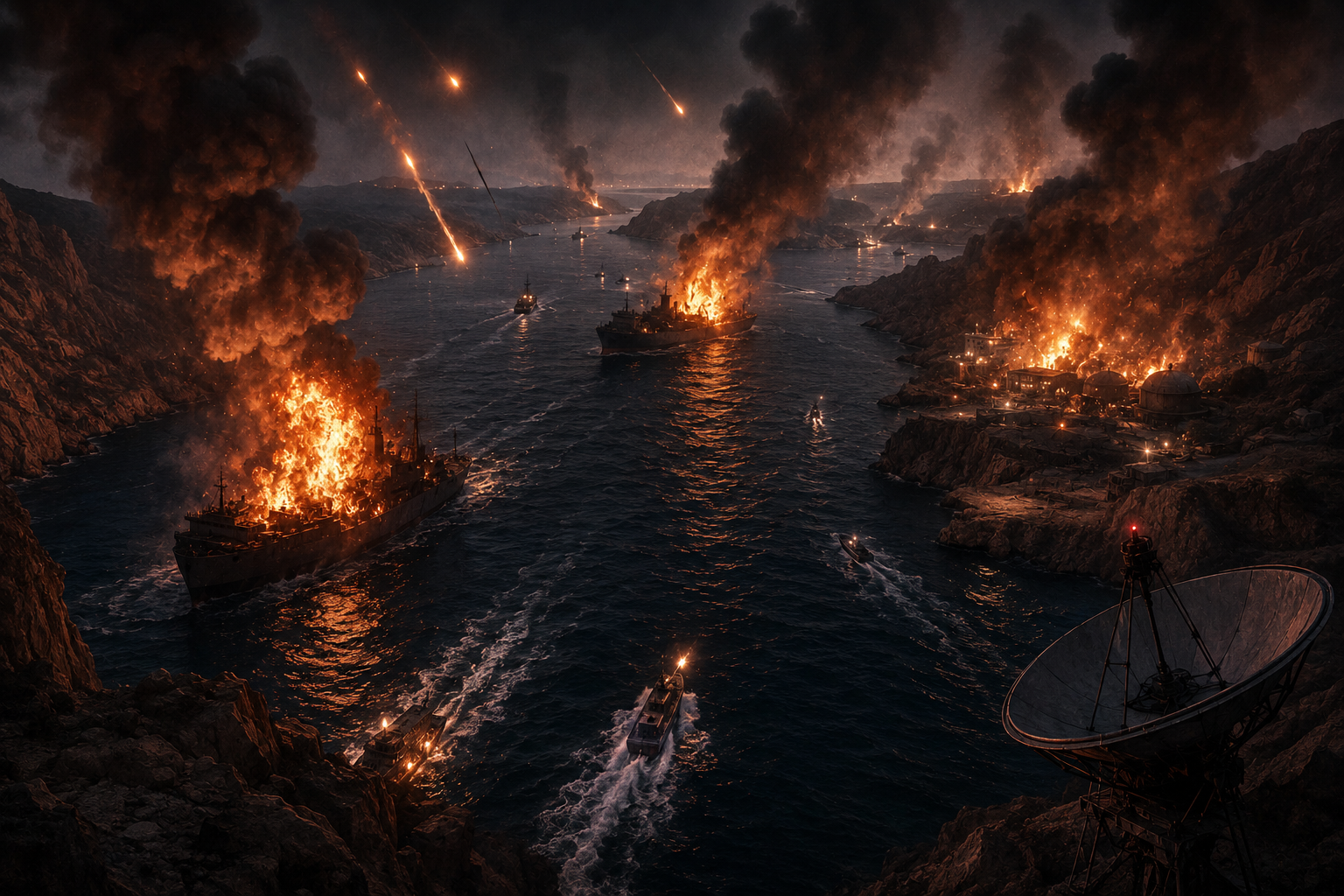
The American forces have turned their fire against the telecommunication towers of the Iranian armed forces in southern Iran.
According to Seyyed Mohammad Taheri, this strategy of the US blindly targets the towers that control navigation and movement in the Straits of Hormuz.
Iran, however, maintains its surveillance capability intact, trapping the American fleet.
In a move of desperation, the American Secretary of the Treasury Scott Bessent is now considering directing the frozen Iranian funds to the Gulf states, to cover the future damages that the Iranian strikes will cause.
Economic consequences of the 100 day war: Markets in the air, the nightmare of stagflation freezes Europe
In these one hundred days since the start of the war of the US, Israel against Iran, the global economy has come to the brink of the cliff.
The lack of a permanent peace agreement maintains an unprecedented volatility in international assets.
The investment community trembles at the worst possible scenario.
According to Ian Barnes, chief investment officer of NetWealth, stock markets are moving under the terror that the war will push the large energy importing economies from a deflationary environment straight into the absolute swamp of stagflation.
While optimism about artificial intelligence and the profits of American corporations gives a temporary boost to the markets, growth is clearly driven by American and Asian businesses. European stocks have submitted to their fate, as the unbearable energy costs strangle the region. Tony Meadows of Barry Wealth Management warns that the inflationary bomb will explode if the Straits of Hormuz remain closed, emphasizing that investors do believe that Donald Trump and the Iranians do not want an extension of the crisis, but they can no longer turn a blind eye to the impasse.
Black hole in government bonds
The crisis has caused violent turmoil in fixed income markets.
Government bond yields remain sky-high, which translates into a continuous free fall in the value of these assets.
The yields of American bonds are marking a jump, with the 30 year bond touching last month the highest level since the era of the global financial crisis.
The same nightmarish picture prevails in other powerful economies, such as Britain, which, plunged also into domestic political chaos, sees its government bonds (gilts) being sold off massively.
Neil Birrell of Premier Mitton Investors sounds the alarm, pointing out that markets show deep concern about a prolonged cycle of high inflation, low growth, and supply chain problems, a fact that will mortally wound current stock levels.
Oil shock: 100 dollars at the gates
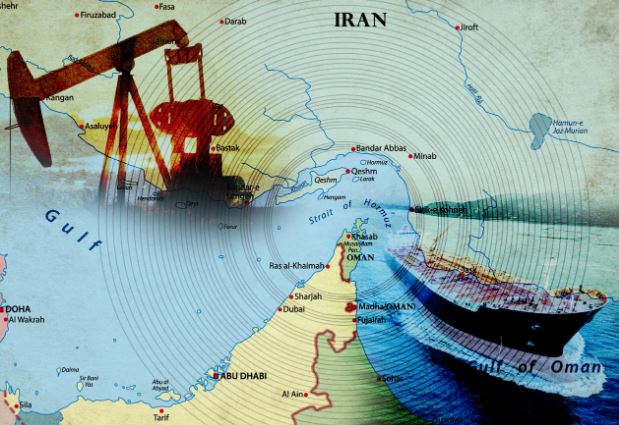
The absolute choke point of global supply, the Straits of Hormuz, remains essentially blocked by the war of America and the Zionist regime against Iran.
The prices of black gold are in a state of paroxysm, as traders react to every news item about missile attacks or ceasefires.
Although prices dropped slightly, Brent crude remains 36% above pre-war levels, while American WTI marks a jump of almost 50%, as the destruction to energy infrastructure of the Middle East has wiped out supply.
The analyst of PVM Oil Associates, Tamás Varga, underlines that only the vertical increase of American exports, the release of strategic reserves, and sanction exemptions for Russian and Iranian oil at sea have contained the situation.
However, he warns that if reserves continue to fall until the end of June, the battle for supply security will become uncontrollable: the return of the price above 100 dollars is at the gates and the immediate opening of the Straits of Hormuz constitutes a matter of life and death in order to reduce shortages and inflationary pressures.
The explosion of inflation sweeps households
The catastrophic consequences of the war of America and the Zionist regime against Iran have escaped from the stock market boards and are hammering the real economy. The rally in the prices of oil, natural gas, jet fuel, and gasoline has skyrocketed inflation to unprecedented levels around the world.
In the United States, the consumer price index climbed to 3.8% in April, marking the highest level of the last three years.
The collapse of the energy supply from the Middle East constitutes the main cause, forcing even powerful governments, such as of Germany and India, to proceed with desperate state interventions to contain prices.
The only certain thing is that support for this war inside the US has hit a historic low, at the moment when the military budget has skyrocketed to historic highs.
This reality shows that both sides are now desperately looking for a way out, as no one wants the continuation of this paranoia for the next six months.
www.bankingnews.gr













Readers’ Comments