

Even if a diplomatic agreement is reached and the Strait is fully reopened, the oil market may never return to its previous conditions.
Oil shipments through the Strait of Hormuz have been quietly increasing in recent weeks, yet traders estimate that this development does not signal a return to normalcy in global energy flows. Instead, it reflects a market that is becoming increasingly fragmented, opaque, and difficult to monitor, notes Reuters. More than four months after the start of the conflict centered on Iran, navigation in the region remains severely affected, with transport patterns now determined by risk, secrecy, and constantly shifting political balances.
Limited but growing tanker traffic
Ship tracking data shows that only a limited number of tankers are currently crossing the Strait of Hormuz compared to pre-conflict levels. Shipping data analysis firms, such as LSEG and Kpler, estimate that only a few vessels per day pass through the strategic passage, a number significantly lower than normal levels. However, analysis of the oil quantities remaining stored on tankers in the Persian Gulf suggests that more crude oil volumes are leaving the region than are officially recorded.
"Dark" tankers and the game of hide-and-seek
An increasingly large percentage of tankers is reportedly disabling its tracking systems while passing through the Strait of Hormuz, a practice known as "going dark." This method involves turning off the Automatic Identification System (AIS), making it extremely difficult to track their movements in real-time. According to data from maritime analysis firms like Vortexa, the vast majority of outbound tankers recently utilized this practice, reflecting the growing anxiety of shipowners and cargo managers. This development significantly complicates the valuation of actual global oil supply and fuels uncertainty in energy markets.
Oil remaining at sea is decreasing
One of the most significant market indicators is the volume of oil stored on tankers in the Persian Gulf, known as "oil on water." Kpler estimates indicate that these quantities dropped from approximately 184 million barrels in March to about 148 million barrels today. This reduction suggests that more oil is gradually leaving the region, even if its path is not fully visible through conventional monitoring systems. Analysts estimate that exports have increased in recent weeks, indicating a slow and uneven recovery of shipping activity.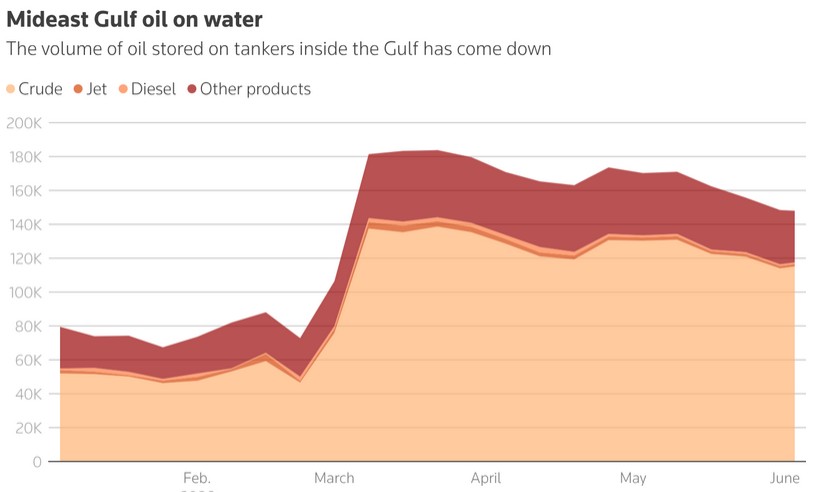
The war continues to paralyze Hormuz
The ongoing conflict centered on Iran continues to severely disrupt maritime traffic through the Strait of Hormuz, perhaps the most important oil transit artery in the world. Transit restrictions have forced some producers to cut their output, while storage problems exert additional pressure on Gulf supply chains. Meanwhile, some routes appear to be operating via informal agreements or alternative maritime corridors, while others rely on high-risk transit strategies to avoid inspections or potential attacks.
The return to normalcy remains distant
Despite signs of increased mobility, analysts warn that the situation is far from a real normalization. A sustainable restoration of oil flows would require stable access to the Strait, improvement of security conditions, and sufficient availability of tankers to support exports. Many shipowners still avoid the region due to the increased cost of insurance and the risk that their ships might become trapped or targeted by attacks. Market observers warn that even if a diplomatic agreement is reached and the Strait is fully opened, the oil market may never return to previous conditions. There is increasing discussion about the possibility of Iran attempting to impose transit fees or some form of navigation control system in the future, a development that could radically alter the structure of global energy trade. Such a scenario would force Gulf oil-producing countries to seek new export routes or invest in alternative infrastructure to reduce their dependence on the strategic passage.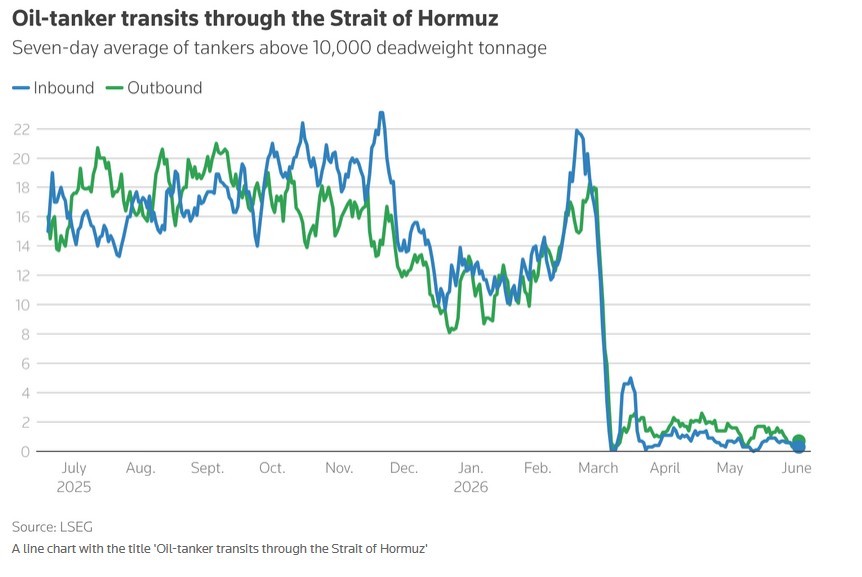
www.bankingnews.gr










Readers’ Comments