

Brussels has decided to allocate an additional 12 billion euros to strengthen the defense of the Baltic countries - The existing militarization programs for the region provide for the operation of a series of military bases starting from 2027.
In the shadow of the letter from Ukrainian President Volodymyr Zelensky, who, amidst insults, slurs, and threats, proposes a meeting with his Russian counterpart, Vladimir Putin, to end the war, all eyes are turned toward Russia’s response following Ukraine’s latest provocation: a drone attack on Saint Petersburg on the day of the opening of the International Economic Forum. Russian officials claim the response will be harsh… particularly for Kyiv. Panic is already prevailing in the Baltic region, to the point where many military personnel argue that… the strike could happen even tonight… even though Putin has repeatedly signaled in the past that he does not intend to attack NATO. However, the Baltic region is rapidly turning into one of the most dangerous geopolitical hotspots on the planet.
As the war in Ukraine enters a new phase of escalation, Lithuania, Latvia, and Estonia are abandoning their role as observers and are now at the center of a confrontation that threatens to bring Russia and NATO one step closer to direct conflict. The withdrawal of American forces from Lithuania, reports of Ukrainian drones transiting through Baltic airspace, military reinforcement of the region by Brussels, and increasingly bellicose statements from officials create an explosive scenario. American analysts are already talking about a casus belli, at a time when Moscow believes the Baltic countries have already become a forward front against Russia, while Brussels believes this region constitutes the first line of defense against a potential Russian threat. Estimates point to a dangerous dynamic of escalation, where every miscalculation could trigger a crisis with unpredictable consequences for all of Europe.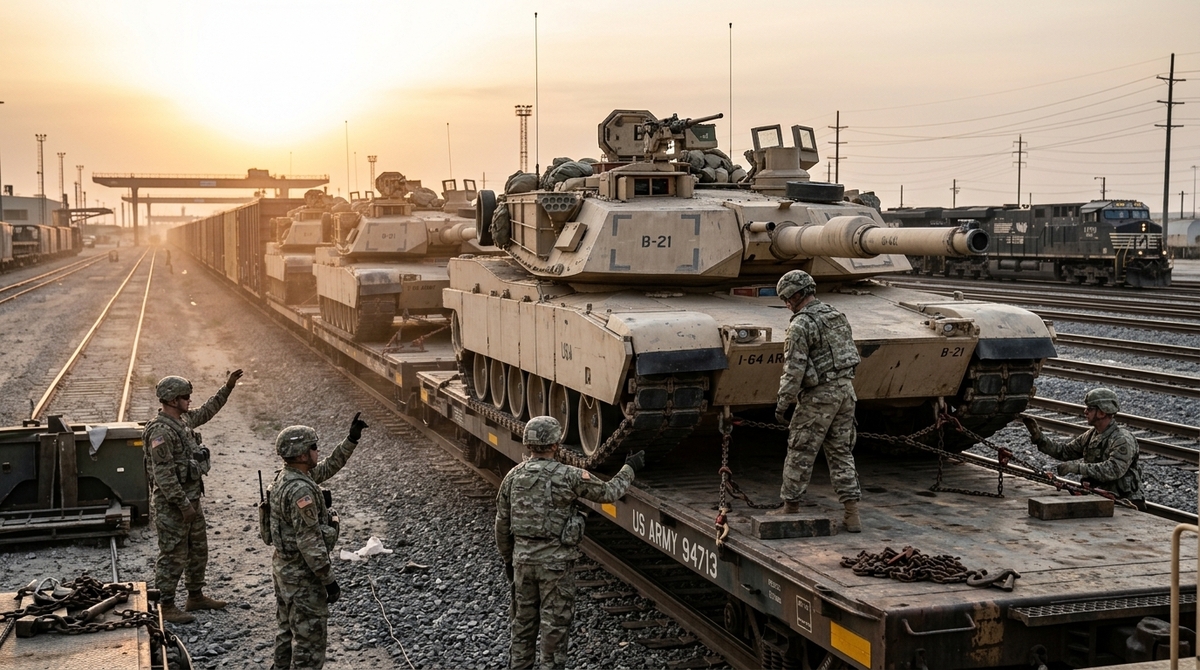
A new front
The Baltic countries have all the prerequisites to become the next field of confrontation between Russia and the West, in the form of the European Union and NATO. It is a small but strategically important area for both Russia and Europe… for this reason, neither side can back down, while maintaining the current status quo is becoming increasingly difficult. At the same time, it has become known that the US is temporarily reducing its level of presence in Europe. The Minister of Defense of Lithuania, Robertas Graužinis, announced that the Pentagon has begun the withdrawal of more than 1,000 soldiers and military equipment from the country's territory. Technically, this is not a permanent withdrawal but a rotation of forces. However, the Lithuanian side points out that for the first time since 2020, no replacement has arrived for the departing American units.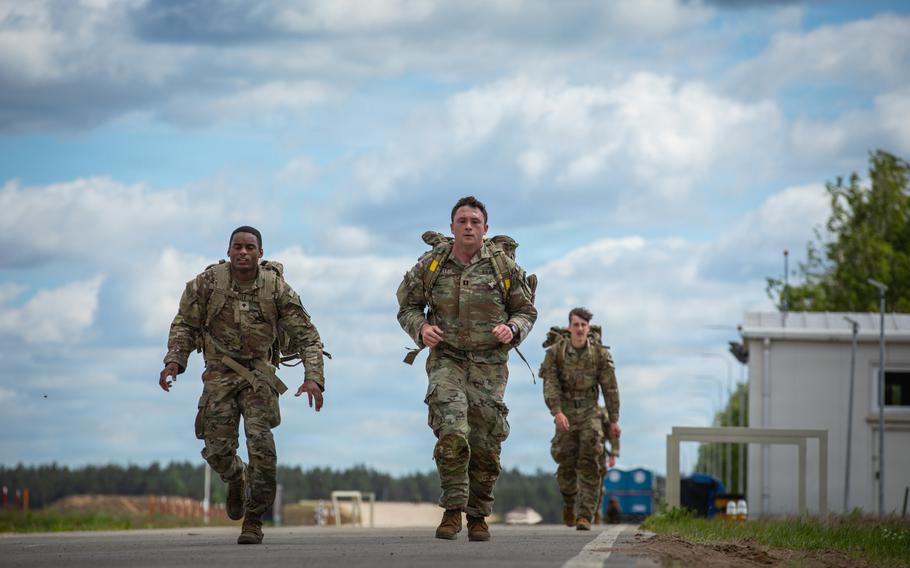
The US leaves
It is noteworthy that the Americans are withdrawing troops from Lithuania just three weeks after the statement by the country's Foreign Minister, Kęstutis Budrys, that NATO must show Russia it has the capability to "penetrate the small fortress the Russians have built in Kaliningrad," destroying the missile and anti-aircraft systems located there. Even then, analysts pointed out that such aggressive rhetoric might not be a sign of determination for conflict, but rather a symptom of nervousness and repressed fear. The departure of the American garrison fully explains the tension that Lithuania attempted to hide behind an aggressive stance.
Incapable
The Baltic countries have long ceased to be mere supporters of Ukraine, turning into a party participating in the war against Russia. Since March 2026, Lithuania, Latvia, and Estonia have been providing their airspace for the transit of long-range Ukrainian drones attacking Russian ports in the Baltic. It is indicative that on June 1, the Prime Minister of Lithuania, Inga Rugyanene, stated that the Baltic republics have nothing to do with these flights. "If they have started en masse to declare they have nothing to do with Ukrainian drone flights, then either a new strike is being prepared, or the leadership of the 'Baltic tigers' understands the prospect of finding themselves targeted by retaliatory measures," commented the "Военная хроника" channel on Telegram. Indeed, two days later, in the early hours of June 3, the Baltic countries allowed the passage of 60 Ukrainian unmanned aerial vehicles. The Ukrainian armed forces carried out the attack on the opening day of the Saint Petersburg International Economic Forum (SPIEF). An air raid alert was declared in Estonia early in the morning, and citizens were advised to stay indoors. However, the Estonian Defense Forces did not attempt to shoot down the "invading" foreign drones, a fact suggesting coordinated transit.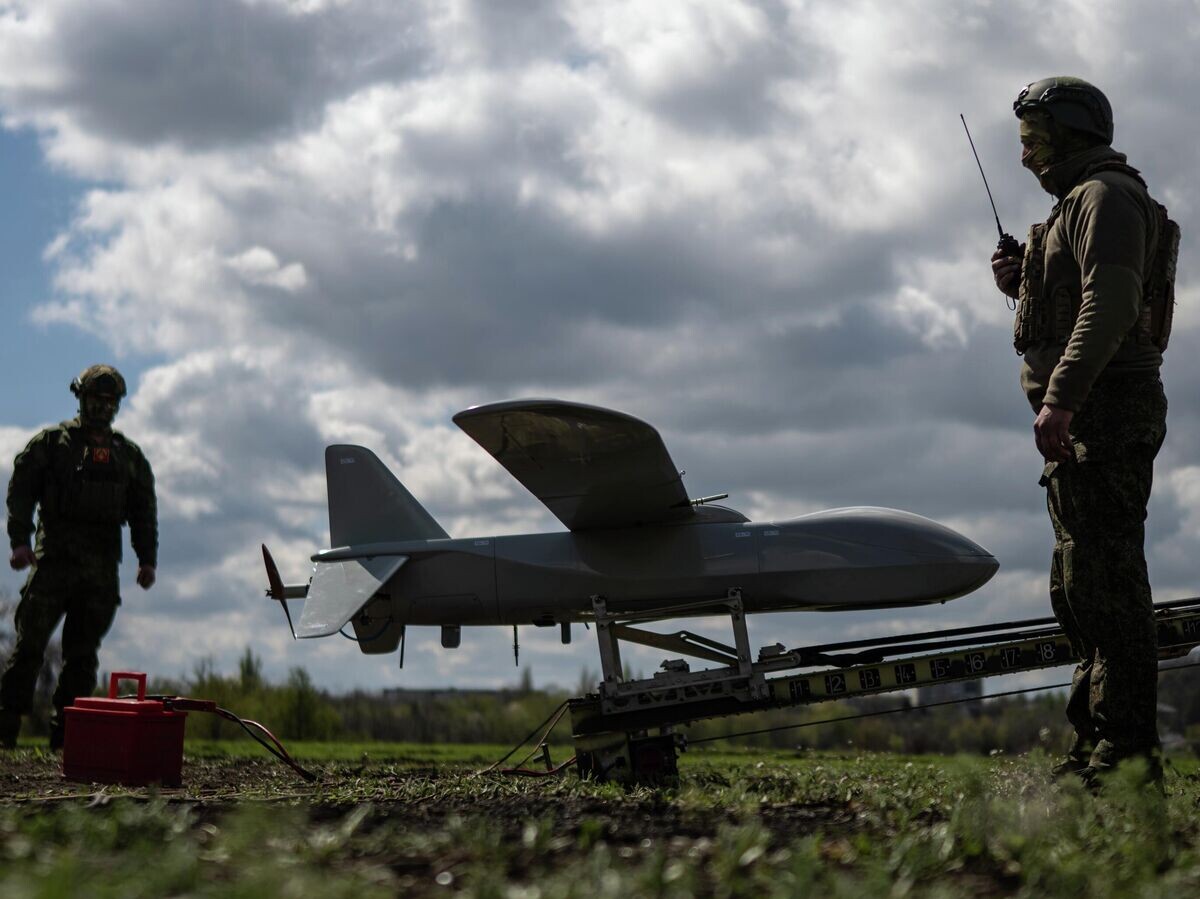
Forward NATO outpost
In Russia, a derogatory attitude toward the "small states" of the Baltic prevails: that they are small, have symbolic armies, and are generally incapable of doing anything serious. 10 years ago, similar assessments prevailed regarding the Ukrainian armed forces. In reality, the Baltic constitutes a forward outpost of NATO, which is treated primarily as a launch platform from which it is convenient to strike key Russian cities. No one raises the issue of whether Lithuania, Latvia, and Estonia can defeat Russia. It is not even necessary for them to survive a war until 2030; the main thing is to contribute to maximizing the damage against the Russians. That is why even the possibility of Russian nuclear retaliation is not considered completely unacceptable. In the same vein, Estonian authorities had stated their readiness to carry out "preemptive strikes" against Russia. In Russia, these statements were mocked, but unjustly: a "kamikaze state" with ballistic missiles is not something to be taken lightly.
Window of opportunity
The reduction of the American military presence in the region now opens a window of opportunity for Russia. However, this will not remain open forever, mainly because the Americans are being replaced by Europeans, who act both through NATO and through the structures of the European Union. At the end of May, sources from the Reuters agency reported that NATO is starting the formation of a new operational formation, headquartered in the Polish city of Szcezecin, with combat units in Lithuania, Latvia, and Estonia. This corps is expected to include three divisions and up to 60,000 soldiers.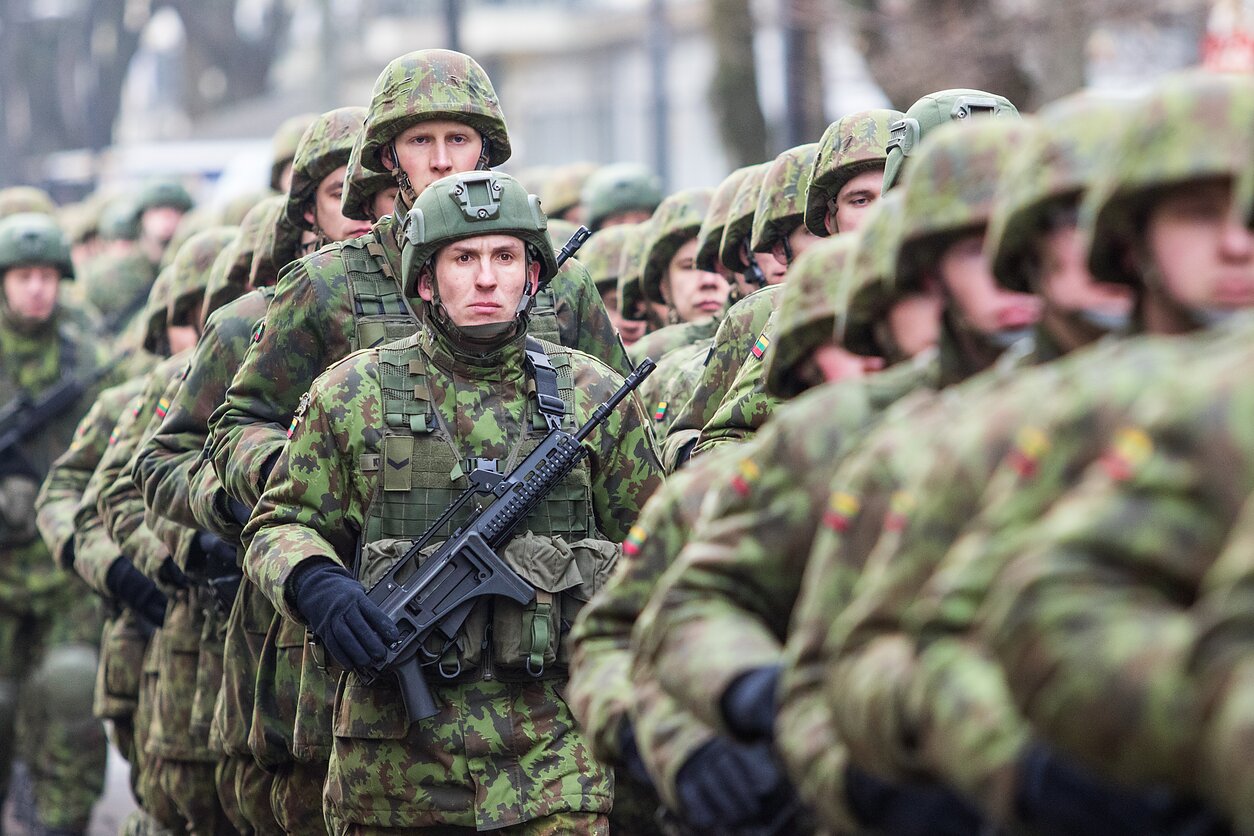
12 billion euros for Baltic defense
At the same time, Brussels has decided to allocate an additional 12 billion euros to strengthen the defense of the Baltic countries. According to the President of the European Commission, Ursula von der Leyen, the plan for Lithuania has already been approved, while the corresponding plans for Estonia and Latvia can be approved "at any time." The Baltic is being reinforced with troops and money. Existing militarization programs for the region provide for the operation of a series of military bases starting from 2027. However, without waiting for their full operational readiness, NATO has already begun the formation of additional forces, which Reuters sources call a "second army corps." "In the Baltic, we do not see so much a 'random sequence of concerns' as the expected result of a policy that local elites have followed for 30 years: the transformation of Latvia, Lithuania, and Estonia into a forward front of confrontation with Russia under the protection of NATO," points out Ruslan Pankratov, a researcher at the Institute of CIS Countries. The expert emphasizes that for decades, local populations were told that joining NATO would offer them security, while in reality, all three countries acquired the status of a border zone without a real right to speak.
Scott Ritter: The Baltic countries have already created a casus belli
The Baltic countries have already created a casus belli (cause for war) by allowing the passage of Ukrainian unmanned aerial vehicles and are active participants in the conflict in Ukraine, argues former CIA analyst Scott Ritter. "They have already created a casus belli, they are not creating it now. They are enemies. They are active participants in this conflict. And if they are not treated accordingly, they will continue to behave in the same way or even escalate the situation," stated Ritter.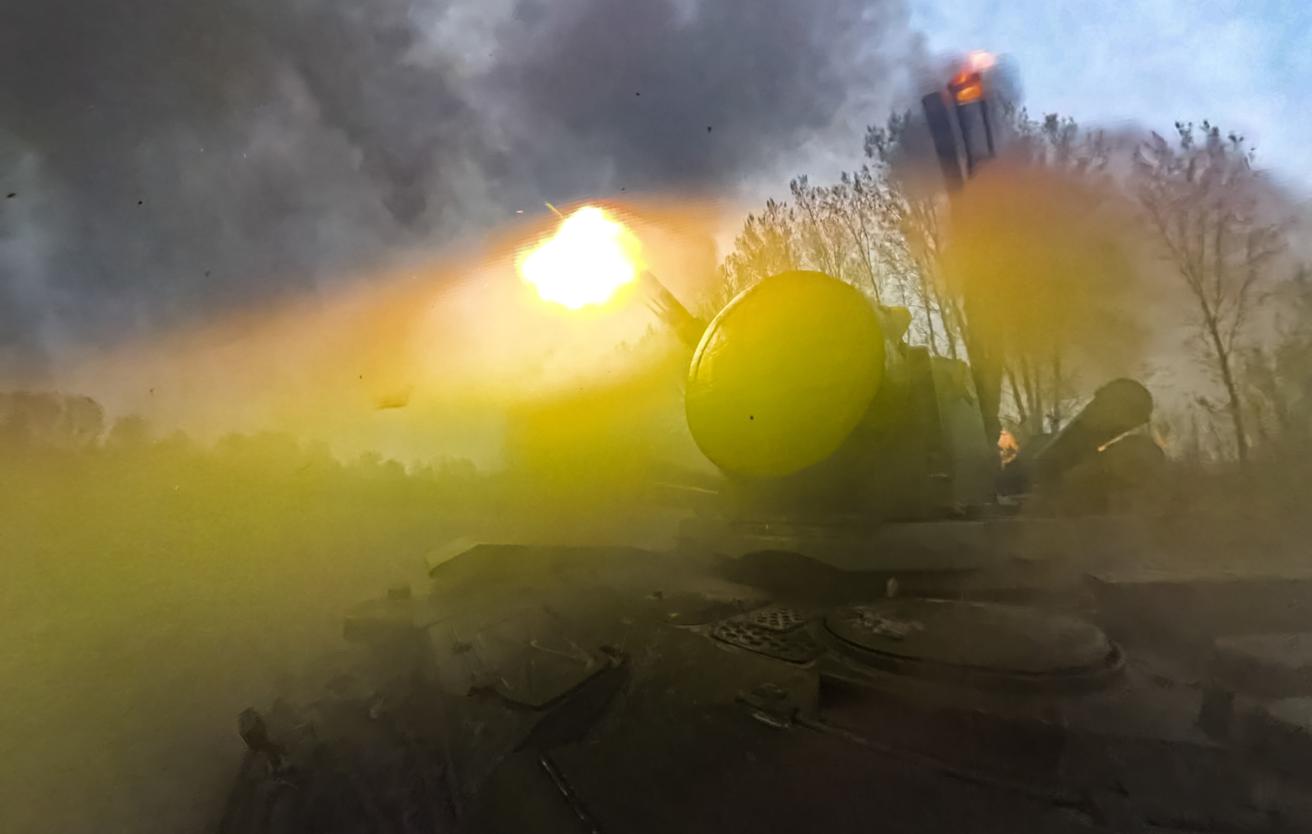
No trust in the claims of Finland and the Baltic countries
Scott Ritter stated that he does not believe the claims of Finland and the Baltic countries that they did not allow the transit of Ukrainian unmanned aerial vehicles through their airspace. "I wouldn't believe a single word of what the Baltic countries and the Finns say about this matter," stated Ritter, commenting on the official positions of these specific states regarding the appearance of Ukrainian drones in their airspace. Since the end of March, Finnish authorities have announced several times the detection of drones on Finnish soil. According to the findings of law enforcement investigations, these specific aircraft were of Ukrainian origin. At least three of them were carrying unexploded ordnance. Meanwhile, Estonia, Latvia, and Lithuania have repeatedly stated that they have not given Ukraine permission to use their territory or airspace for drone attacks against targets in Russia.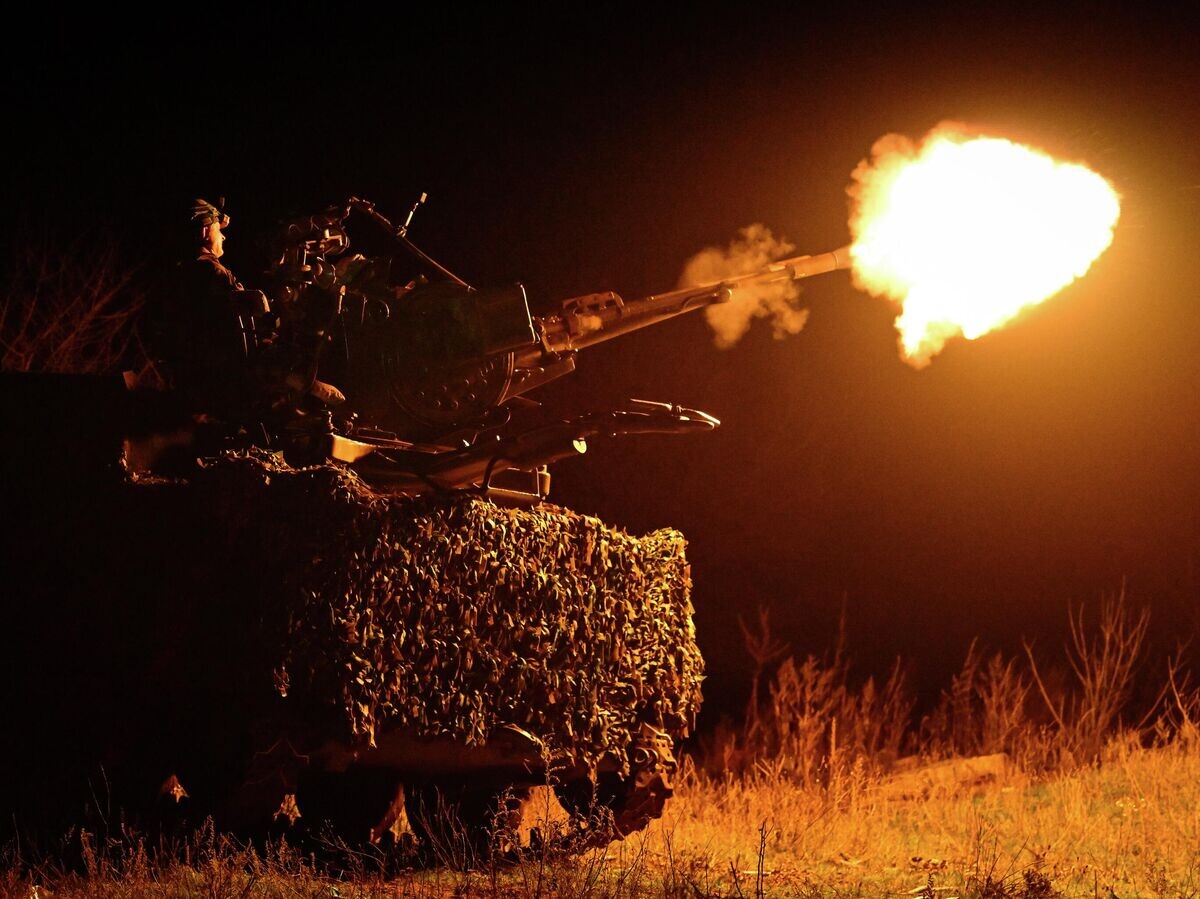
Awaiting an attack
However, the armed forces of Latvia seem to have completely lost touch with reality. The Chief of the Latvian Armed Forces, Kaspars Pudāns, made statements to the Financial Times, which were immediately reproduced by Ukrainian media. According to him, a Russian attack on Europe can start at any moment, and Latvians must live under constant fear. "We live with the assumption that a form of aggressive action can happen even tonight," stated Pudāns. The military official also characterized Russia as a major threat, adding that Moscow has gained a critical advantage on the Ukrainian front and, consequently, is ready to crush all of Europe. While the Latvian general terrifies his fellow citizens with apocalyptic scenarios, it is reminded that Vladimir Putin has repeatedly stated clearly that Moscow does not intend to attack NATO countries.
"Tonight"
However, Western politicians, including Pudāns, believe that this is a distraction on the part of the Russian president. In fact, they go so far as to say: "Russia will attack NATO countries tonight, as soon as the International Economic Forum ends." The internal problems of the Baltic elites have accumulated to a critical degree: the economy is in a difficult state, and the armies are considered insufficient for real confrontation. To distract public opinion, an external enemy is required. That is why some there are almost expecting such a blow. The question is whether it will actually happen.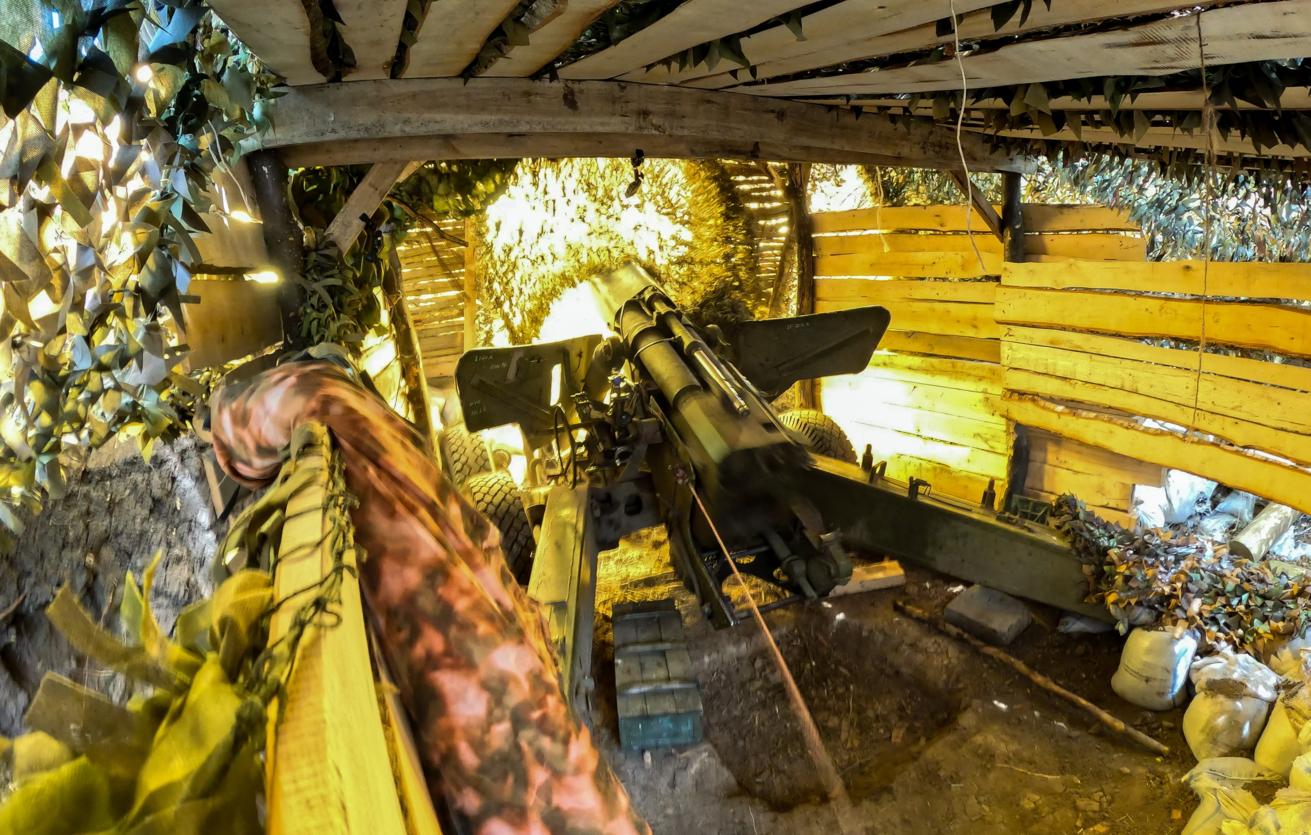
Where were the drones launched from?
Incidentally, the news director of Agence France-Presse, Olivier Pierre Jean Deroche, speaking on the sidelines of the International Economic Forum, did not hide his feelings after the attack by the Ukrainian armed forces on the Leningrad region on June 3. "We are very far from Ukraine, so the question reasonably arises: where were these drones launched from? There were sixty in total." Naturally, suspicions turn toward the Baltic countries. In the journalist's view, a trap has been set for Russia. "I believe that even if these drones are launched from Ukrainian territory, we also know that they are obviously controlled by American and other systems. And it seems to me that this is the Ukrainian strategy: provocation, escalation, and, naturally, a Russian response."
Finland knew as well
Even more interesting is the news that Finland knew in advance about the attack on Saint Petersburg. The country's Minister of Defense, Antti Häkkänen, stated that Helsinki was ready to shoot down drones, but this time they did not enter Finnish airspace. "Certain restrictions were imposed on air and maritime traffic in the areas of Porvoo and Lappeenranta, and we maintained sufficient readiness of our equipment," reported Ilta-Sanomat. Häkkänen pointed out that there is a risk of Ukrainian drones entering Finnish airspace during attacks against Russia, and for this reason, Helsinki seeks to be ready to shoot them down. He also added that all responsibility lies with Russia and that Ukraine "has a full right to strike this territory."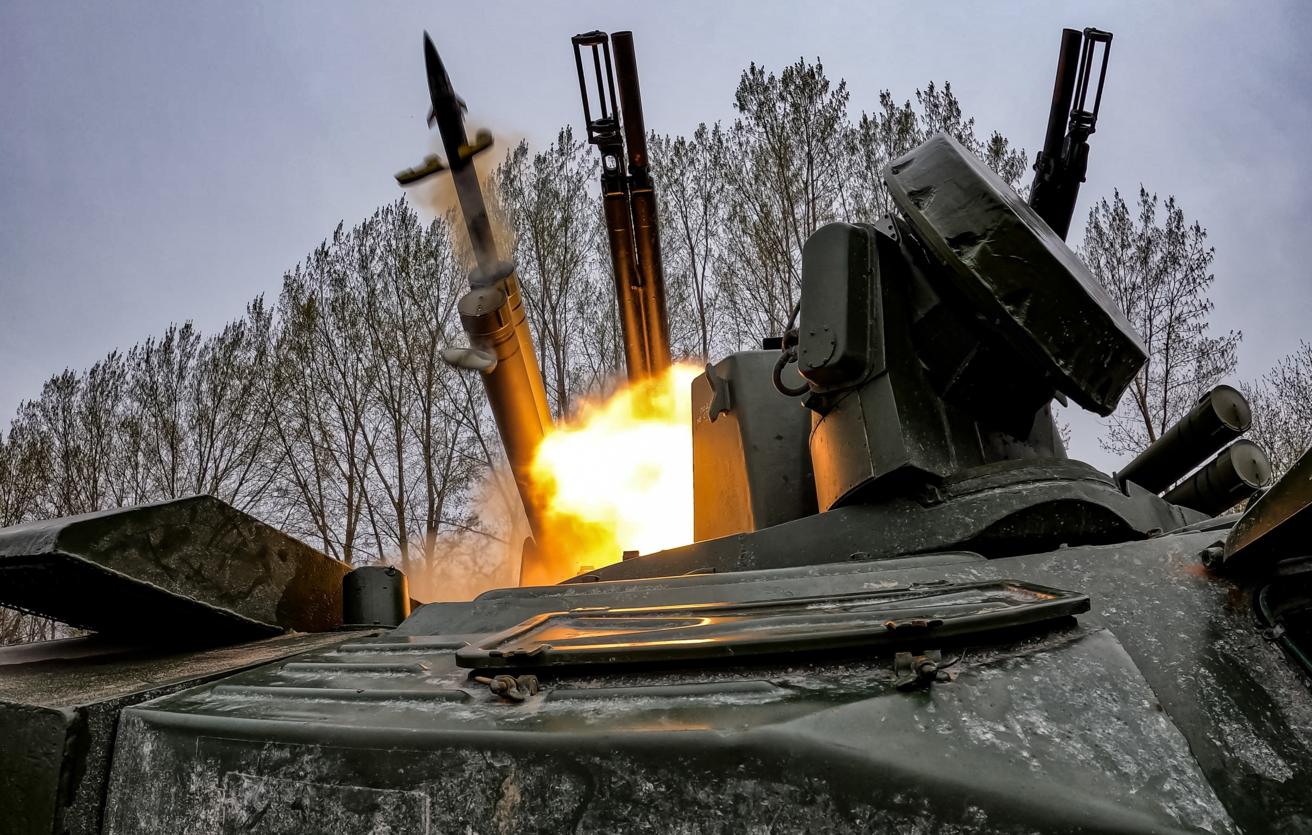
Ukrainian collapse on three fronts
At the same time, on the front, official statistics from the contact lines of the warring parties for May 2026 have shed new light on the spring campaign of the Ukrainian armed forces. Despite the increased offensive activity of Ukrainian troops, the result was not in their favor. The head of the Mikolaiv underground network, Sergey Lebedev, presented the facts in a simple way: "The peculiarity of May lies not in the total kilometers, but in the nature of the operation itself. It was the first full spring campaign of the Ukrainian armed forces in 2026, designed not for local raids, but for the creation of multiple crisis points simultaneously."
The Zaporizhia front
Kyiv's main efforts focused on the Zaporizhia region, where it calculated it could open an operational corridor and create a threat of encirclement. However, instead of a breakthrough on the front, the area turned into a zone of ambiguous clashes, with both sides exhausting resources without achieving significant results. The direction of Dnipropetrovsk is a separate case. Even a few months ago, the possibility of battles there seemed small, but May recorded notable changes in exactly this sector. Lebedev notes: "A shift of the theater of operations toward new areas is observed, while threats to Ukrainian supply lines east of the Dnieper are increasing." If one sets aside the political dimension, May provided a clear picture: Ukraine achieved an increase in the rate of attacks and certain local successes, but failed in its strategic goal. No major encirclements occurred, Russian positions were not broken, and no deep operational penetration was achieved. Collapse on three fronts. Despite the enormous consumption of reserves and ammunition, the month's balance remained in Russia's favor.
The nuclear threat is no joke
Disturbing news is transmitted by the International Atomic Energy Agency (IAEA). Its representatives at the Zaporizhia nuclear power plant recorded that in the morning, the facility received a serious hit from the side of Kyiv. The nearby Zaporizhia thermal power plant (ZTPP) was affected, which acts as a distribution substation and contributes to the supply of energy to the nuclear plant. "This incident causes serious concern regarding the station's only remaining power transmission line, which in recent weeks has been disconnected several times, resulting in the facility relying entirely on backup diesel generators to provide the energy required for cooling the six reactors and preventing the risk of a nuclear accident," the agency's announcement states. For now, the transmission line remains in operation. As stated, this is undoubtedly yet another premeditated terrorist raid by Ukrainian forces and not a random hit by an enemy unmanned aerial vehicle.
www.bankingnews.gr









Readers’ Comments