

The most powerful players in global shipping are gathering this week (June 1-5) at the Metropolitan EXPO in Athens for Posidonia, the industry's largest international exhibition, under the heavy shadow of a crisis that threatens to reshape global energy and trade flows. The Strait of Hormuz, perhaps the most important maritime artery on the planet, has remained effectively closed for more than three months, with commercial shipping operating under strict restrictions and the international market watching with concern the escalating tension between Iran, the US, and Israel. Despite assurances from US President Donald Trump that the reopening of the strategic passage is near, shipping giants continue to keep their vessels away from the 21-nautical-mile channel, as the security environment remains extremely fragile. With 20% of the world's oil supply still affected by the prolonged closure of the Strait and energy prices threatened with a new explosive rise—Exxon even speaks of $160 per barrel—Hormuz is once again emerging as the most critical geopolitical and economic point on the planet. It is no coincidence that it is the strongest card Iran holds, and the symbol of power for the Revolutionary Guards, who claim they are stronger than before, that they are ready for all scenarios, and that the US and Israel have no idea where their weapons are located.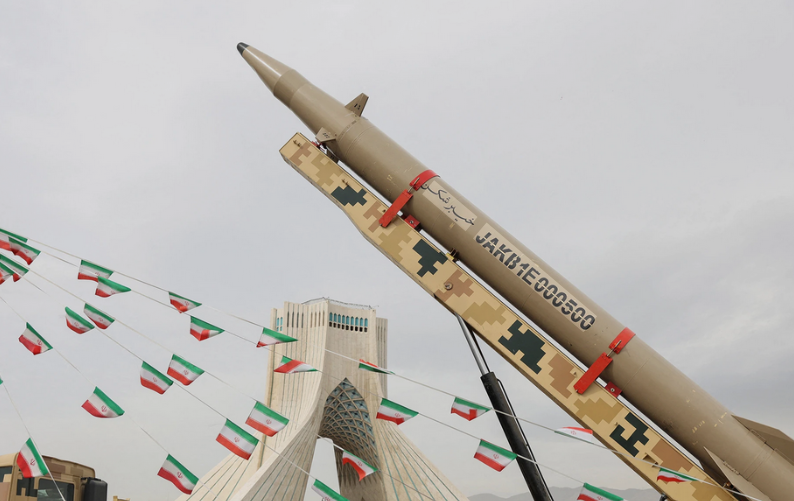
We have not revealed all our cards
Iran has not yet revealed all the "victory cards" it possesses and is ready for a potential confrontation with its enemies, argued the deputy inspector of the Khatam al-Anbiya Central Headquarters, Brigadier General Mohammad Jafar Asadi. "We have said many times that we have not yet revealed all our victory cards and there are many more we will use if necessary," he stated. Referring to the state of the country's defense industry, General Asadi said that "the facilities we use today for manufacturing military equipment and supporting the Armed Forces are completely hidden from the enemy's view. They do not know where they are. Therefore, the state of our defense production is satisfactory."
The atomic weapon
Asadi described the people as the most important pillar of support for the Armed Forces of the Islamic Republic of Iran. "Our Armed Forces do not need atomic bombs. The ultimate weapon and our atomic bomb is the people themselves—a people who have been out in the streets and public squares for more than ninety nights," noted the Iranian general.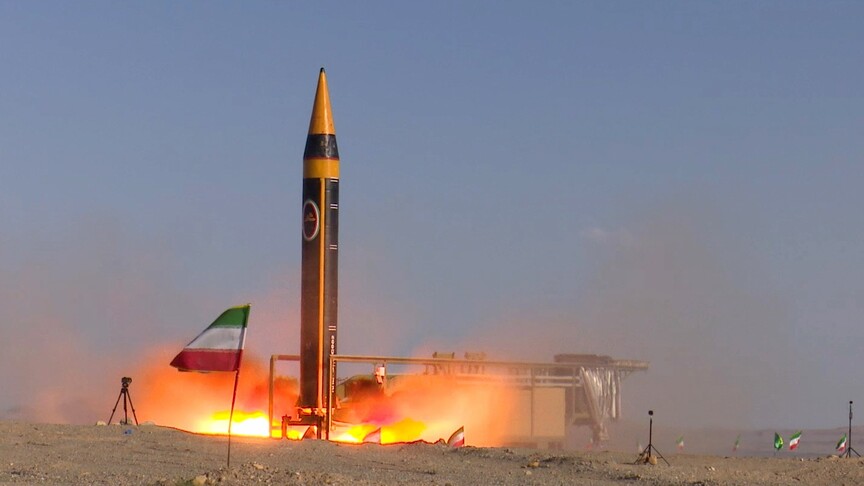
We will never surrender to the Americans
Referring to the threats from NATO and Western allies, he stated that from the victory of the Islamic Revolution to this day, the United States and its allies, including NATO, have been in confrontation with the revolution. "But even during the eight-year war, when the former Soviet Union was also involved, they achieved nothing. Now, if they take any action against the Islamic Republic of Iran, they will suffer defeat," he said. Recalling the threat of US President Donald Trump to turn Iran back to the Stone Age, General Asadi stated: "Even if we have nothing, we will fight America with stones. Because we do not surrender to America." He warned the United States, Israel, and their allies not to make miscalculations, saying: "America only wants our complete surrender, and the Iranian nation will never surrender."
No problem with... war
He also referred to the negotiations with the United States, noting that the talks will not solve economic and living problems. "When surrender is not an option, then war follows. Therefore, we are ready and have no problem with war. Even if NATO enters this battlefield, we have absolutely no concern," he added.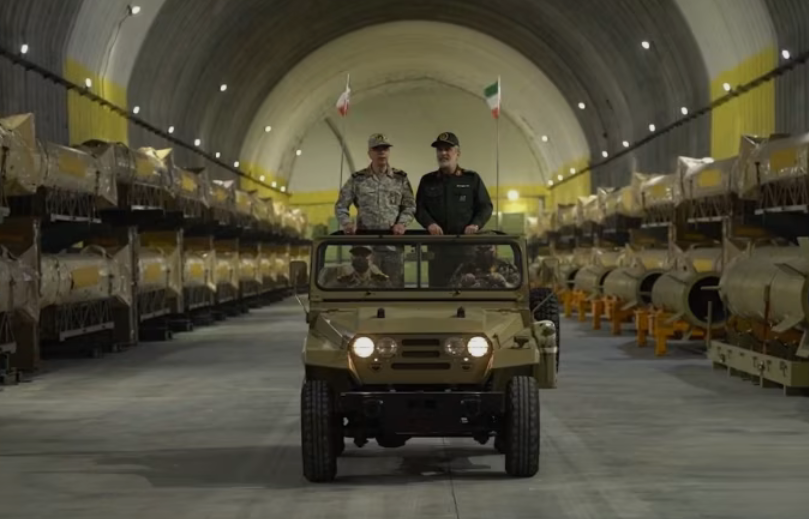
IRGC message: Ready for all scenarios
The Revolutionary Guards (IRGC) announced that the Iranian armed forces are currently better prepared than ever and fully ready to face any future development, emphasizing that any return by the adversary to military actions will be met with different operational approaches. The IRGC spokesman, Brigadier General Hossein Mohebbi, attributed Iran's improved position both to existing military capabilities and the experience gained from direct confrontation with the adversary, according to the Fars agency. "If the enemy returns to the military field, the nature of operations, the geography of the battlefield, and even the types of weapons used will be different," he stated. "The IRGC is fully prepared for all possible scenarios."
"Our capabilities were strengthened during the ceasefire"
The IRGC official also argued that Iran utilized the ceasefire period to strengthen its military readiness and repair damage. "The reality is that during the ceasefire, our military and operational capabilities increased," he stated. President Donald Trump unilaterally announced the ceasefire on April 7, after the latest round of joint attacks by the United States and Israel against the Islamic Republic, which, according to the Iranian side, were met with at least 100 waves of decisive retaliation.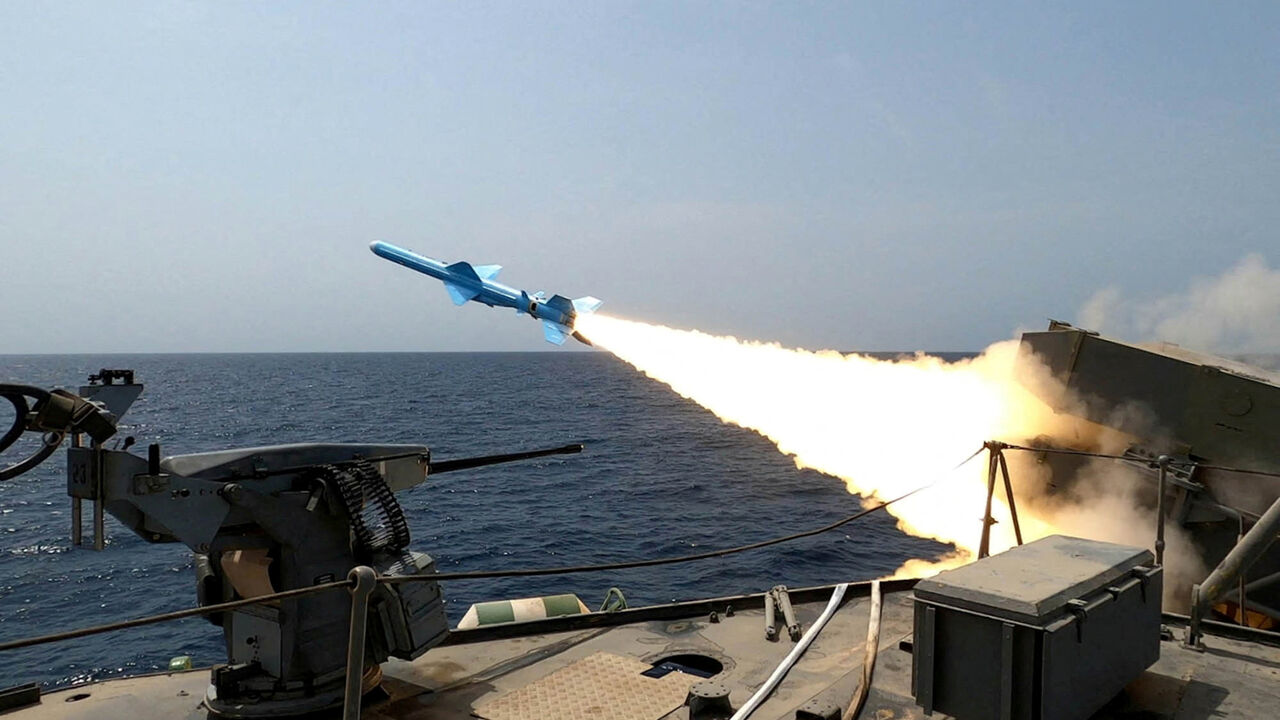
"Deeper understanding of the enemy"
Hossein Mohebbi argued that one of the key results of the recent conflict was the acquisition of more detailed operational knowledge about the opponent. According to him, intelligence that was previously based mainly on estimates from intelligence agencies and media reports has now been supplemented by direct experience on the battlefield. As he mentioned, Iranian forces now have a more accurate picture of the opponent's military assets, air defense systems, operational bases, and combat tactics. "Today our understanding of the enemy, its offensive and defensive equipment, deception tactics, and the nature of its operations is much clearer than in the past," stated the Iranian brigadier general.
Our strength is intact
Dismissing claims that the military power of the Islamic Republic has weakened, he argued that the country's operational capabilities remain intact. "Contrary to what some claim, neither the navy of the Islamic Republic has been destroyed, nor have the country's operational capabilities been reduced," he emphasized.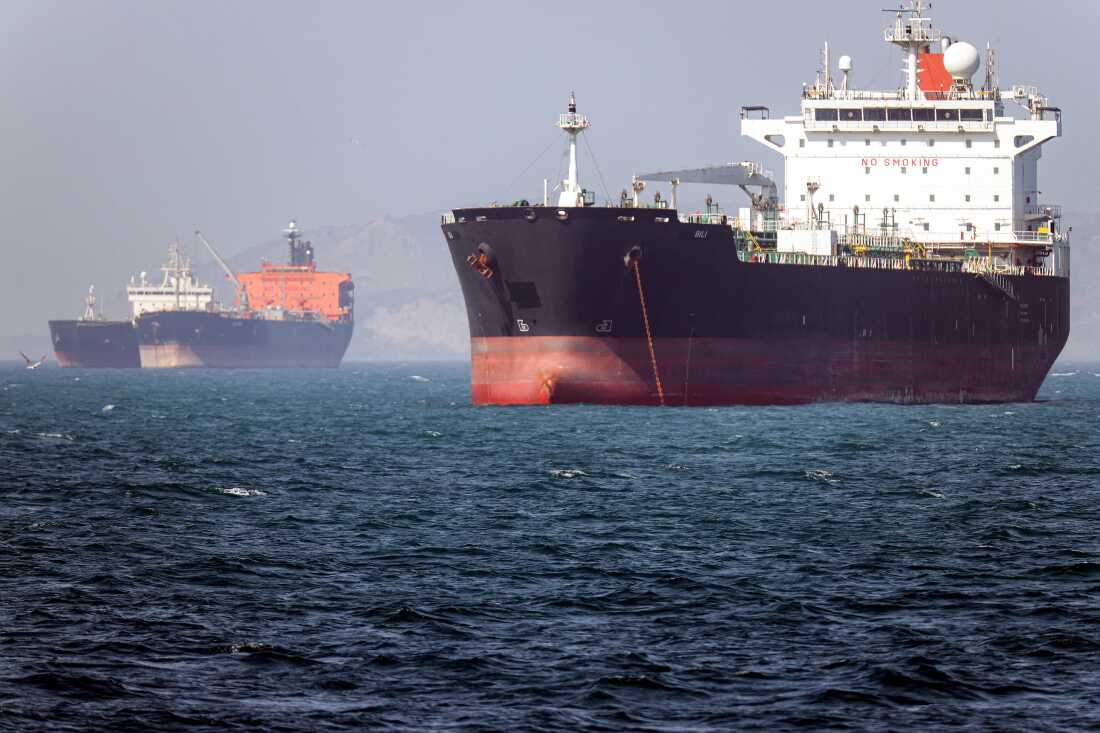
"Control of Hormuz is a symbol of IRGC power"
The IRGC spokesman noted that, throughout the recent conflict, the United States failed to negatively affect Iran's control over the Strait of Hormuz, despite the extensive use of military assets. He argued that Iran's sovereignty over the Strait of Hormuz remains fully secured and characterized the control of this strategic maritime route as a symbol of the IRGC's power.
The noose... in Athens
The most powerful heads of global shipping are gathering this week in Athens for "Posidonia," the annual International Shipping Exhibition. It is estimated that the dominant topic of discussion will be the Strait of Hormuz, which has remained hermetically sealed for 94 days, as the few ships that pass have received permission from the Revolutionary Guards. President Donald Trump stated that the reopening of the Strait is imminent... but now no one believes him... US government officials argue that ships have already begun to pass through this critical maritime passage.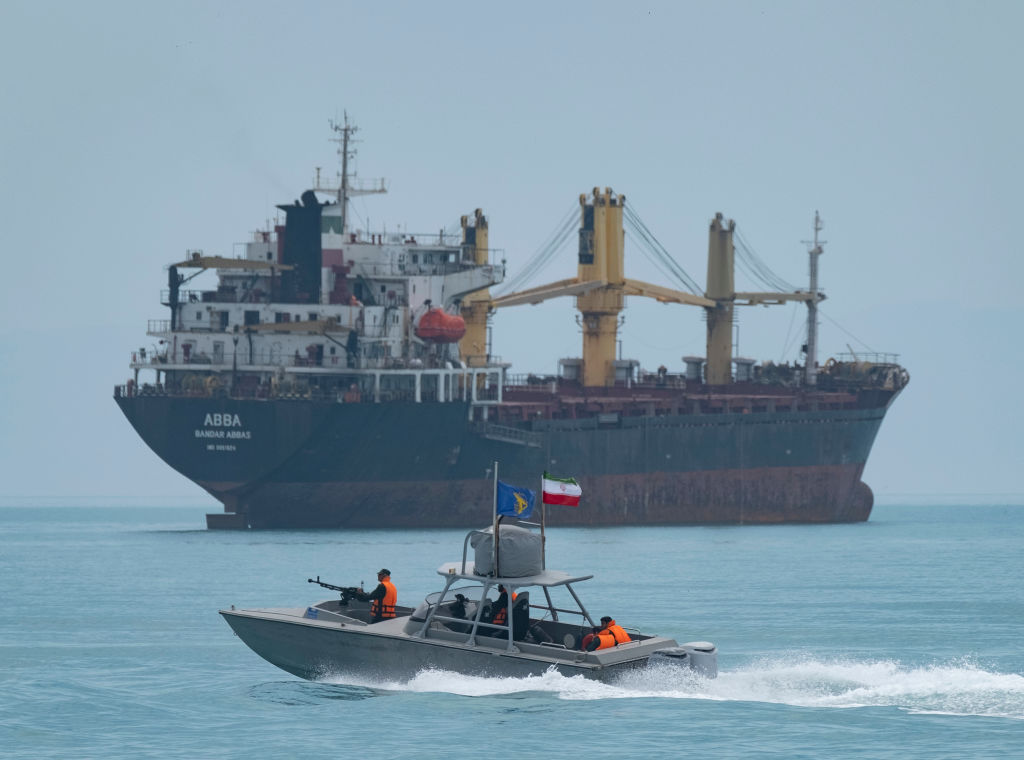
Shipping reservations
However, most heads of shipping companies remain unwilling to send their cargo ships through the 21-nautical-mile channel until the United States and Iran reach a definitive peace agreement that includes the safe reopening of the Strait. The closure of the Strait continues to cut off 20% of the global oil supply from international markets, as well as liquefied natural gas and fertilizers that are essential for the operation of the global economy. After oil prices fell last week due to expectations of a reopening deal, futures contracts surged on Monday, June 1, following the reignition of conflicts over the weekend and reports that Iran broke off peace negotiations.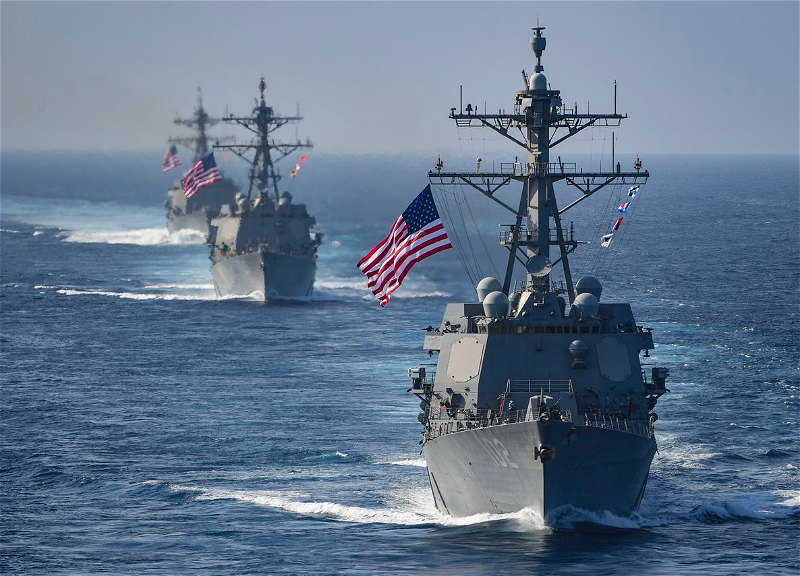
Passage closed
According to the research firm Kpler, just seven ships passed through the Strait on Friday—five entered and two exited. Over the weekend, only four additional ships left the Strait area. Under normal conditions, about 100 cargo ships pass through the waterway daily, according to shipping data provider Lloyd’s List. "Traffic remains extremely reduced," said Matt Smith, lead commodity analyst at Kpler. "Beyond a small group of tankers that cross the Strait daily, the passage remains effectively closed." Given that today's traffic constitutes only a small fraction of normal activity, market participants do not believe it can significantly affect global markets.
Security environment
It will take much more than a "limited number of successful transits" to restore trust, Gene Seroka, executive director of the Port of Los Angeles, who worked for five years in the Middle East for American President Lines, told CNN. "The biggest issue is whether shipping companies, insurers, and vessel operators have enough confidence in the long-term security environment to resume regular schedules," said Seroka.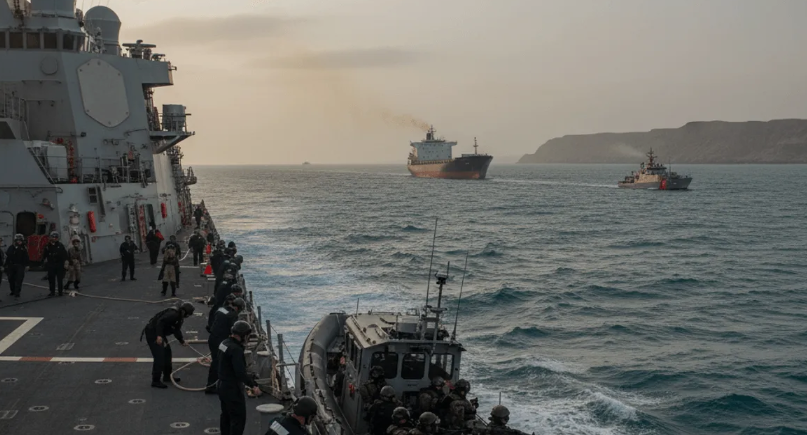
Project Freedom failure
Last month's efforts by the US military to escort commercial vessels out of the Strait via Operation "Project Freedom" proved short-lived. Despite reports of new naval escorts in recent days, a spokesperson for the US Central Command stated that this has not occurred. "Although US forces are not escorting ships, we continue to communicate and coordinate with commercial vessels seeking to transit the Strait of Hormuz freely and safely," said Admiral Tim Hawkins, a command spokesperson. Shipping industry sources confirm that it will take time to return to normality. "Our general assessment is that the threat to ships crossing the Strait remains significant and we will not see a full restoration of traffic until there is a stronger guarantee of safe passage," a petroleum industry source told CNN.
Attacks on ships
On Monday, a cargo ship sailing in the northern part of the Persian Gulf was struck by an unknown projectile, according to a British maritime security organization operating under military command. According to the International Maritime Organization (IMO), since the start of the war, there have been 39 attacks on ships in the region, and 11 people have lost their lives. Container ships, which usually carry much of the food and other goods to Gulf states, have also been trapped due to the closure of the Strait. Maersk, one of the largest container shipping companies in the world, has not seen any of its ships depart since mid-May. Six of the company's ships remain trapped in the Gulf.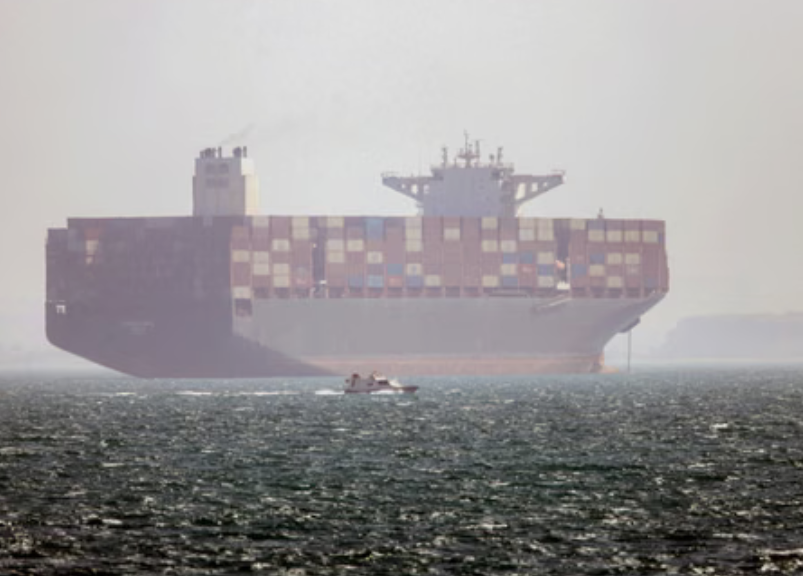
No restrictions or fees
Shipping industry sources emphasized that it is critical that no restrictions or additional fees are imposed on ships when the Strait reopens. "As shipping comes under increasing pressure from geopolitical events, we must do everything we can to cooperate and always prioritize the safety of seafarers," said Arsenio Dominguez, secretary-general of the IMO at Posidonia. "I call on the industry to stand with the IMO in defending the principle of freedom of navigation, including the rejection of tolls and discriminatory transit measures."
Difficult return to reality
Freight rates in the rest of the global market have already risen due to the turmoil. The Greek tanker management company Heidmar announced a revenue increase of over 200% in the first quarter of the year compared to last year, mainly due to freight rates that CEO Pankaj Khanna described as "historically high." Chevron CEO Mike Wirth said it will take time to restore the trust shaken by the war. "It takes new ships to return to the region, and shipowners need to feel comfortable sending their crews again after months of being trapped," Wirth told Bloomberg on Friday. "Clearing the backlogs to restart oil fields and restore damage is not going to happen overnight."
ExxonMobil: At $160 per barrel
Neil Chapman, president of ExxonMobil, stated that the price of oil, due to the war against Iran, could even reach $160 per barrel in the coming weeks. Exxon recently warned that, due to the rapid decline of global strategic crude oil reserves because of the war against Iran, the price of oil may spike up to $160 per barrel within the next few weeks. "We are approaching unprecedented levels of oil stocks, at extremely low levels that have never been recorded before. I believe most people have not yet fully realized what is happening in the global oil market. Every day, about 11 to 12 million barrels of crude oil are withdrawn from the market, while total global daily consumption fluctuates between 100 and 104 million barrels. Under normal conditions, with such a large gap between supply and demand, we should be seeing an explosive rise in prices—prices that would exceed any previous limit," argued Chapman.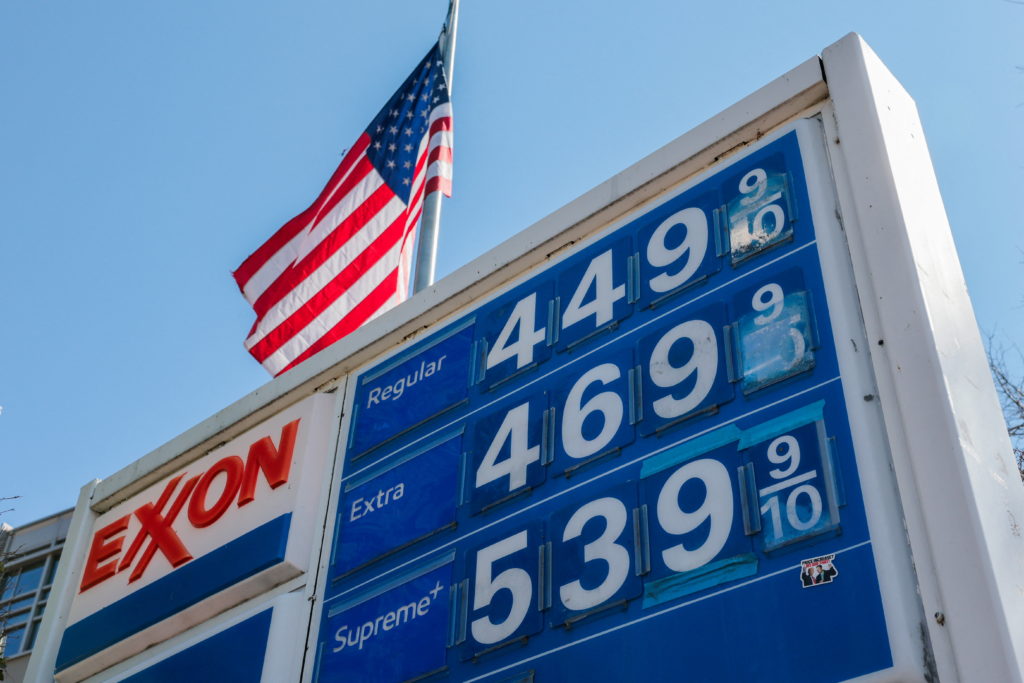
Netanyahu: Iran has paid a heavy price, the regime will collapse
Israeli Prime Minister Benjamin Netanyahu stated that the price Iran has paid is "very heavy," adding that the country's regime is doomed to collapse. "The price that Iran has already paid is very heavy. The foundations of this terror regime in Iran have cracked. It will never return to the state it was in, and I tell you that it is doomed to fall," stated Netanyahu in a post on X.
www.bankingnews.gr













Readers’ Comments