

The Middle East has reminded Donald Trump of a hard rule of history: no American president enters a war in the region easily, and it is even harder to exit one. Within a few hours, Washington's fragile attempt to close the front with Iran was on the verge of collapse, not in the Strait of Hormuz, but hundreds of kilometers away in Lebanon. Israel's threat to strike Lebanon triggered a domino effect that reveals how the balance of power has been shaped in the region.
Iran stated that due to this threat, it is "freezing" any talks and is ready for any scenario. Initially, Trump said he did not care, but immediately afterward, he called Israeli Prime Minister Benjamin Netanyahu, with whom he had a heated exchange. The result: Israel announced it would not attack Beirut and that the ceasefire with Hezbollah remains in effect. For his part, Trump claimed that talks are continuing and that the deal with Iran will come next week.
There is no doubt that Iran is the master of the game and is dragging the US along. Trump managed, at least temporarily, to prevent a new flare-up and save the talks... but he did not solve the problem. He simply bought time in a stalemate that threatens to turn into a regional crisis with global consequences, at a time when it is clear that Trump cannot control a war that has taken on its own momentum.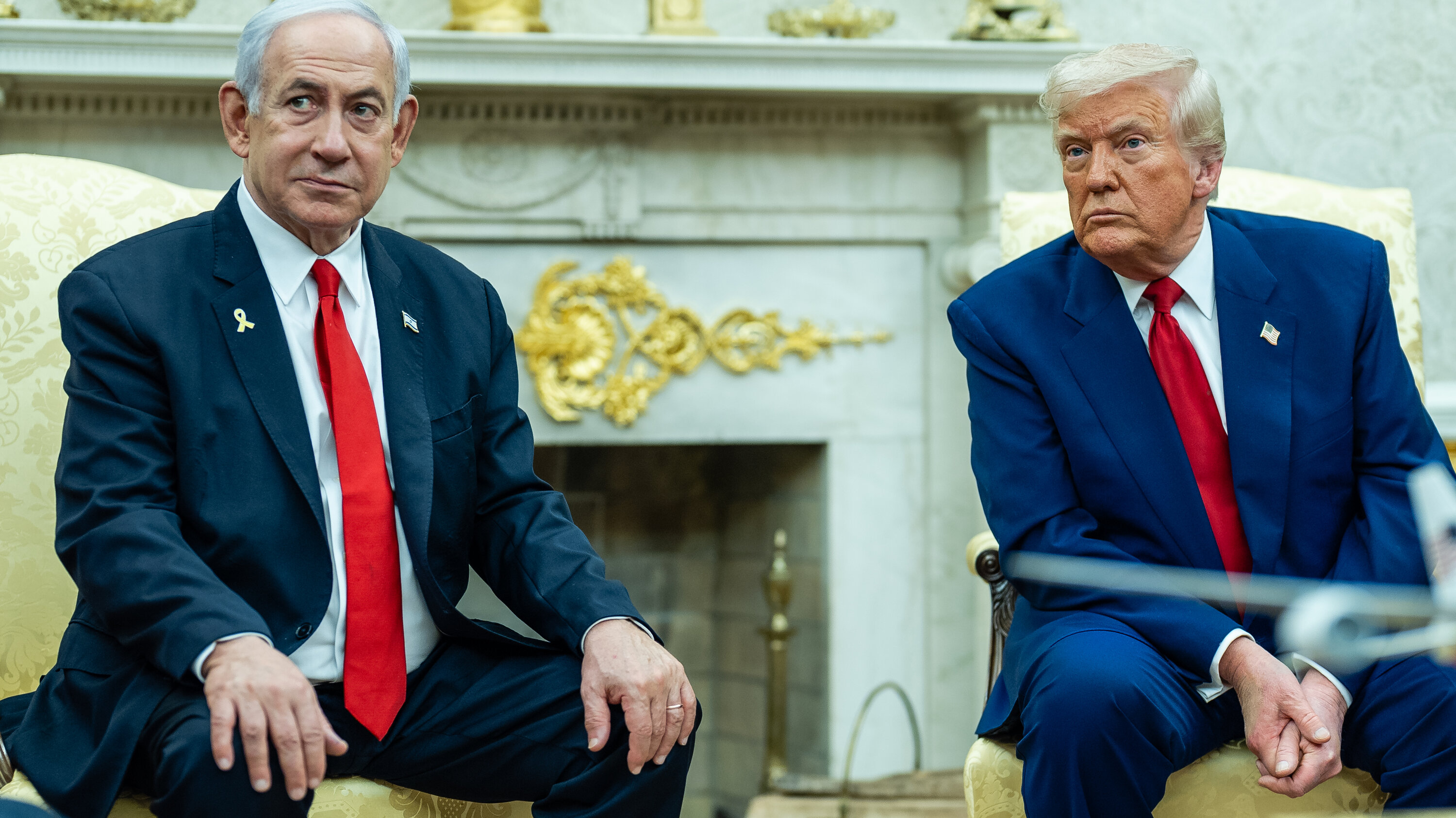
The trap
Yesterday was a day that showed why the hatreds of the Middle East so often prove to be a trap for American presidents. On the morning of Monday, June 1, the fragile diplomatic effort of US President Donald Trump to disengage from the war with Iran suddenly seemed to falter. The causes, this time, were the Israeli threat to strike Hezbollah in the southern suburbs of Beirut.
Defying expectations
The sudden escalation provoked an outburst from Trump, betraying his frustration with a conflict he initiated in February, which has now reached June, defying his hopes for a quick victory. "I really don't care. I couldn't care less," Trump told CNBC when asked about Iran's claim that it suspended talks with the US due to what it considered Israeli violations of the ceasefire in Lebanon. The talks have become "very boring," he said.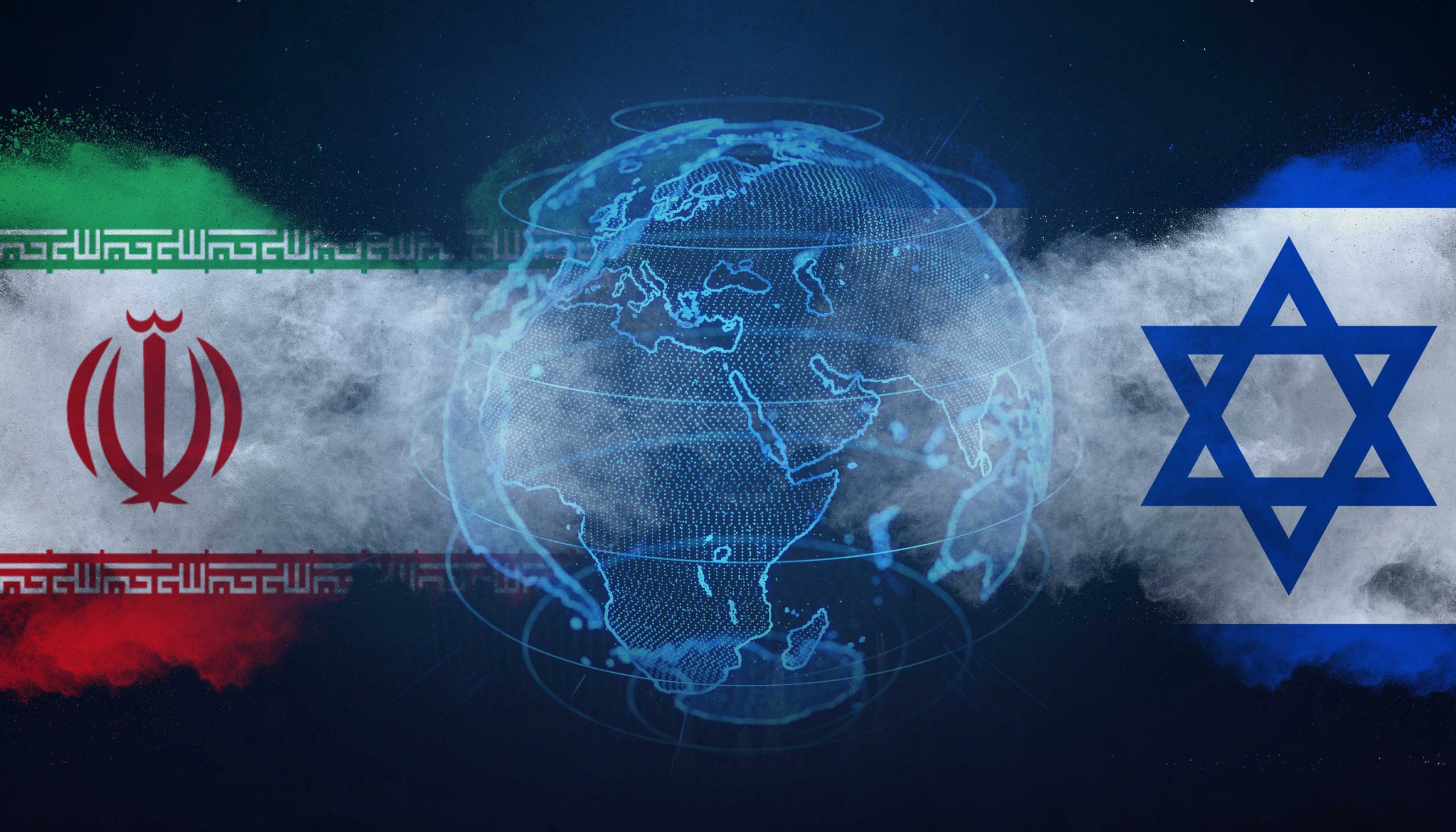
The phone call
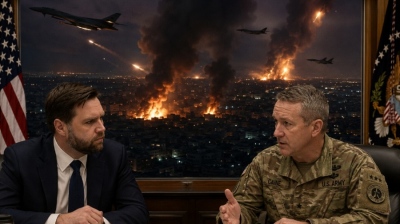
However, Trump initiated an emergency diplomatic effort, calling Israeli Prime Minister Benjamin Netanyahu for a conversation that devolved into a heated confrontation, with the American president using expletives to express his disapproval of the planned attack on Lebanon. Trump also spoke with Hezbollah through representatives he described as "high-ranking." He then announced on Truth Social that both sides agreed to a ceasefire and said that talks with Iran are continuing at a "rapid pace." The Lebanese embassy in Washington later reported that Hezbollah had confirmed it would avoid attacking Israel in exchange for the end of Israeli strikes on Beirut. Israel stated in a statement that it will continue operations in southern Lebanon but hinted that, for the time being at least, it will not hit Beirut.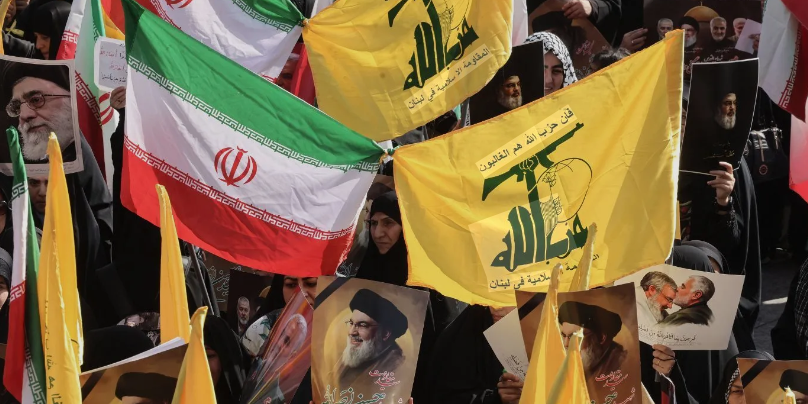
The first conclusions
Trump's intervention may have kept his Iran effort alive — and with it the hopes that the Strait of Hormuz will reopen and the rapidly worsening consequences for the global economy will cease. Monday's dramatic development may have also shown Iran that Trump still has the ability to restrain Netanyahu — a factor that may prove critical for the survival of any US-Iran agreement that Israel might oppose. Ali Fathollah-Nejad, founder and director of the Center for Middle East and Global Order, stated that the phone call "speaks to the kind of power relations that exist between the US and Israel."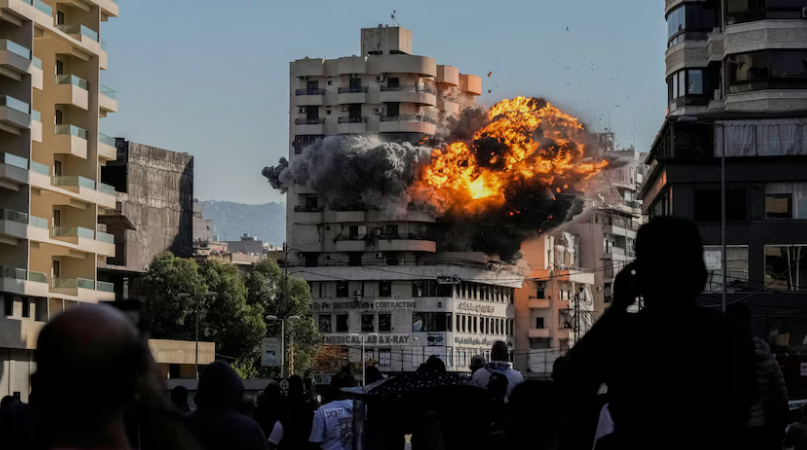
Temporary solution
Trump later told ABC that "there was a small problem today, but I turned it around very quickly, as you probably noticed earlier." But history and the harsh realities of Middle Eastern politics suggest that his diplomatic fire-fighting may be a temporary solution. The clashing regional interests of powers like Israel and Iran are likely to reappear, as will the distrust that has destroyed far more deeply entrenched American peace initiatives in the Middle East than Trump's. These intractable factors threaten the president's hopes of finding a satisfactory way out.
Lebanon: A distant front connected to the US-Iran war
Why does Lebanon pose a threat to the US-Iran peace talks? Trump's team insists that tensions in Lebanon are separate from the US confrontation with Iran and should not affect progress in bilateral talks on nuclear and missile issues. But Iran does not see it that way. Lebanon lies north of Israel and has long been a forward base of operations for Iranian proxies threatening the Jewish state. Tehran wants to maintain Hezbollah as a viable force after years of financial and military backing by the Revolutionary Guard. Although weakened by incessant Israeli strikes in recent years, Hezbollah remains a critical node in Tehran's broader regional ambitions and in any hopes the IRGC has to reconstruct its ability to threaten Israel post-war.
What Iran wants
Iran, unlike Washington, does not distinguish between American and Israeli interests — perhaps not unexpectedly, given the joint bombardment that started the current war and killed its former Supreme Leader, Ali Khamenei. "Iran desperately wants to keep what it has built in Lebanon over the last four and a half decades," said Ronnie Chatah, a regional analyst for Middle East affairs. Although Trump may have averted an Israeli escalation in Lebanon on Monday, it is unlikely he has reshaped Israel's long-term strategic assessments.
What Israel demands
Israel considers Hezbollah a terrorist organization and a security threat. It demands its complete disarmament and holds Lebanon responsible for it. However, many analysts argue that the weak Lebanese government — which rules a fragmented state including Maronite Christians, Shiites, and Sunni Muslims — does not have the power to meet Israel's demands. Lebanese leaders support Hezbollah's disarmament but argue that it must follow a comprehensive political settlement, likely through long negotiations with regional powers.
Constant threat of flare-up
In the meantime, Israel is likely to continue seeking the suppression of Hezbollah's power. This means that the conflict in Lebanon will be a constant threat of flare-up and disruption to the American negotiation process with Tehran. It is another example of the difference in perspective between the allies who started the war with Iran. Israel considers protecting its security a non-stop mission, which may entail periodic wars. Trump seeks a definitive solution — and disengagement from the region. The Trump administration understands how Lebanon threatens this goal. It recently hosted peace talks in Washington between Lebanese and Israeli officials. The meeting showed only rudimentary progress in extending the ceasefire on the Israel-Lebanon border — and it already seems to have been overtaken by events. This leaves Lebanon where it has been for half a century — a victim constantly dragged toward political collapse and humanitarian crises.
Permanent peace impossible
Although Trump intervened on Monday to save the situation, there is little evidence that he has the inclination or political capital to organize a more permanent peace in Lebanon. This would require a regional agreement. He has envisioned such a framework with his call to expand the Abraham Accords to include all Arab and Muslim regional powers in the recognition of Israel. But other issues, including the Palestinian one, make this goal elusive. Thus, Lebanon will remain an open wound that could undermine his diplomacy in the war with Iran.
Saved a stalemate
And Lebanon is not the only threat to this diplomacy. Iran's intransigence further undermined Trump's credibility at home and his claims about the war, such as his social media post on Monday, in which he said that "Iran really wants to make a deal." Tehran's behavior seems to show that it believes it can pressure the president and that he is the one who really wants a deal — having sent back a proposed framework over the weekend with amendments concerning Iran's nuclear commitments and its agreement to reopen the Strait of Hormuz.
The test
The hope for significant progress has not died because, behind the communication management, both Iran and the US have an interest in formally ending hostilities. Trump has been politically humiliated by high gasoline prices. Iran receives most of its imports by sea, and the American blockade of its ships and ports is hitting it hard. But the stalemate remains. The US still insists that Iran can never acquire a nuclear weapon. Tehran insists on its right to enrich uranium. While American bombardments may have destroyed Tehran's nuclear facilities last year, its stockpiles of highly enriched uranium are still in the country. The ceasefire between the US and Iran is technically maintained but is being tested by both sides.
The hard lesson
American forces attacked Iranian radars and drones over the weekend, while Iranian forces claimed they struck an American airbase. This situation is fragile enough on its own, without the added risk of a distant front in the proxy war between the US and Israel destabilizing it even further. Trump may have limited the damage on Monday. But he learned a new lesson: presidential adventures in the Middle East are easy to start, but can prove almost impossible to abandon.
Wall Street Journal: No plan to attack Oman
In the US, there is no immediate plan to attack Oman due to its support for Iran, despite threats from American authorities, the Wall Street Journal claims, citing anonymous American officials. Last week, US President Donald Trump stated that the United States would "destroy" Oman if it attempts to take control of the Strait of Hormuz. Furthermore, US Treasury Secretary Scott Bessent warned Oman that the US will actively pursue those who facilitate the collection of Iranian fees for transit through the Strait of Hormuz. "There is no immediate plan to attack the country due to its support for Iran, despite Trump's statement at a cabinet meeting last week," the report states. Anonymous Arab officials also told the newspaper that Omani officials were shocked by the sudden hostility from the US and are working on how to react. "Washington is increasingly interpreting Oman's approach to relations with Tehran as hostile and is pressuring Oman to force it to choose sides in the Middle East conflict and sever diplomatic ties with Iran," the report says, citing sources. As the report highlights, US criticism of Oman is largely linked to the absence of meaningful influence by Muscat in the American lobby. The Wall Street Journal also writes that Oman does not have the same significance in oil production as other US allies in the region and does not host an American military base, which is why the stance toward the country is not the same as that toward other allies in the Middle East.
It was so close
Last Friday, the New York Times wrote that the sides were close to reaching an agreement to end the conflict. For now — at a preliminary level. This agreement would have to be the first step for more detailed work in the negotiation field. Essentially, it is a memorandum that would initially record the cessation of hostilities. According to the report, the terms were as follows: a ceasefire on all fronts, including Lebanon, for 60 days; disengagement of the Strait of Hormuz from Tehran's side and gradual lifting of the blockade by the Americans; creation of an international fund for the reconstruction of Iran. Its size, according to estimates by the newspaper's sources, would amount to 300 billion dollars; release — at least partial — of Iranian assets. This concerns about 24 billion dollars. The crucial issue for Trump regarding Tehran's nuclear program would have to be part of the next round of negotiations. Exactly these points were discussed by Trump for two hours with his advisors on Friday, in a meeting at the White House operations center, and he left without making statements. However, over the weekend and yesterday, Monday, an exchange of fire between the US and Iran followed until the Iranians announced that they are freezing talks due to Israel's threats against Lebanon. Indeed, the Tasnim agency reported that Iranian authorities decided to completely block the Strait of Hormuz and "activate other fronts, including the Bab el Mandeb Strait."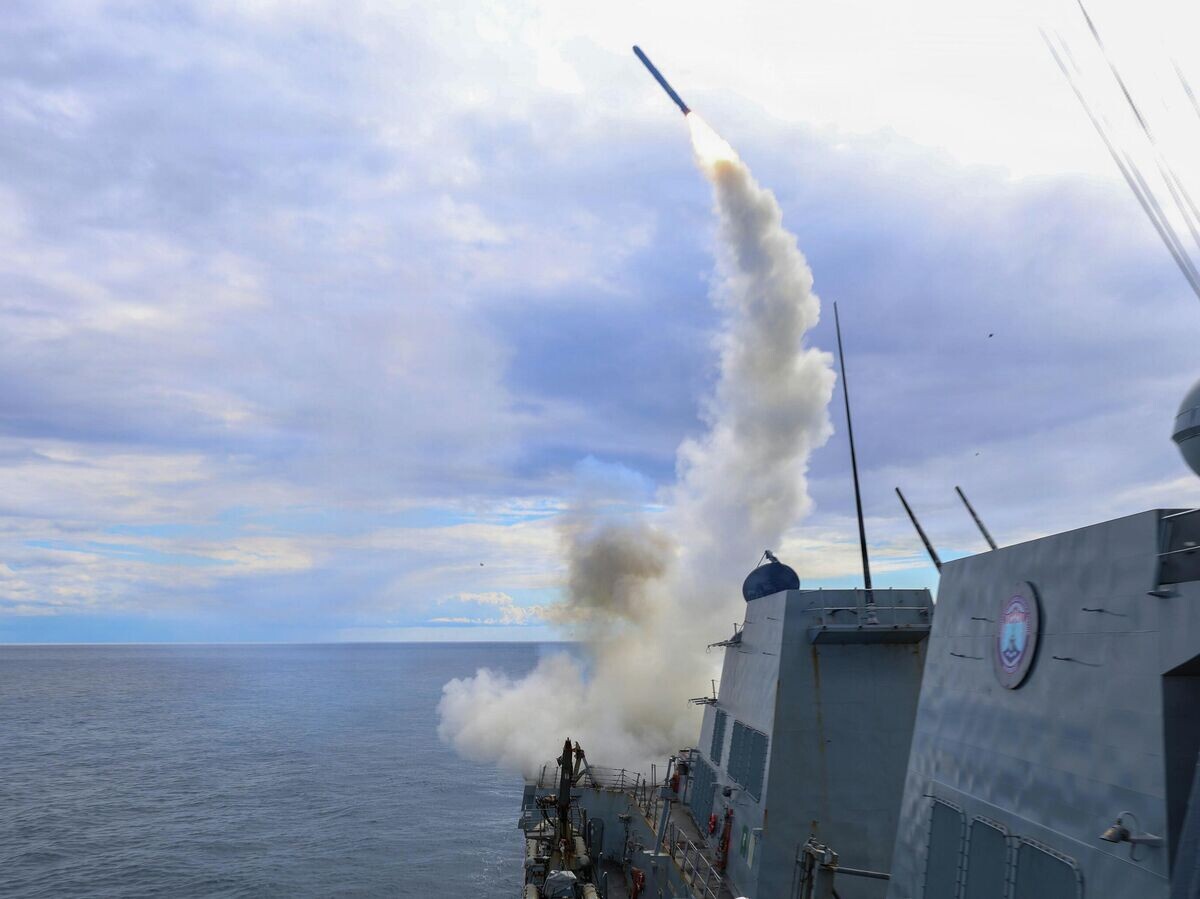
A dual situation
As the director of the Institute for the Study of Global Markets, Alexey Bobrovsky, notes, this step will have a serious impact on global markets. "This is a continuation of the trend of steady and fairly rapid depletion of energy resource reserves, which is now obvious to everyone," points out Bobrovsky. "The issue is no longer the US desire to make concessions to Iran. The task facing Donald Trump and his team is to exit the conflict without heavy losses to their image. Tehran, for its part, wants to secure for itself the status of the winner, to show that it proved stronger. That is why it cannot end the war on the terms that, as we see, Trump is adding at the last minute. And when the US tries to escalate, Iran responds — and indeed preemptively."
Record production and exports
At the same time, the expert points out, the US is in a dual situation: on the one hand, the current crisis is contributing to the strengthening of the American oil and gas sector. "Production and exports are at record levels - Americans are selling six million barrels per day. Their exports to Europe and Southeast Asia are increasing. European dependence on American energy resources is being strengthened. I believe the US has a basic plan regarding this. At the same time, the underestimated factor of the Iranian economy also has an effect — it has suffered serious damage and, like the American one, needs a respite. It is affected extremely painfully by both inflation and the difficulties of financing fiscal needs," explains Bobrovsky.
Political risks
However, this long-term benefit for American companies, the Russian economist adds, is balanced by political risks — primarily the threat of defeat in the election, partly due to the increase in gasoline prices within the US itself. Furthermore, the depletion of commercial oil reserves, which were actively used for sales abroad, also has an effect. "The Iranians understand that Washington is under specific tactical time pressure. They would like to end all this at least before the World Cup, which will be held in North America, and before the celebration of 250 years of US independence. And Trump certainly does not need to drag all this out until the autumn and the mid-term elections, no matter how much he assures that they do not particularly concern him," argues Bobrovsky.
Worse than Vietnam
The unpopularity of the White House's course is confirmed by polls. As a survey by YouGov and The Economist showed, 59% of Americans do not approve of Trump's approach to the Iran crisis. At the same time, less than a third of respondents believe that the US is winning the conflict. The negative assessment of the crisis also dominates the American expert community. For example, in an article published in The Atlantic, political scientist Robert Kagan argues that the current US defeat is comparable in its consequences to Pearl Harbor or Vietnam. "This defeat in Iran can neither be corrected nor ignored. There will be no return to the previous state, nor a final American triumph that will overcome the damage caused. The Strait of Hormuz will no longer be open as it once was. With the establishment of control over the strait, Iran becomes a key player in the region and one of the key players in the world. The role of China and Russia as Iran's allies is being strengthened, while the role of the United States is being significantly reduced," he noted.
Recognize the defeat
In this context, calls to recognize the defeat are heard more and more often. "Trump could start by reminding that Iran is a chronic problem, which none of his predecessors managed to solve," notes Stephen Walt, professor at the Robert and Renée Belfer Center for International Affairs at Harvard University, in an article for Foreign Policy. "He could state that he wanted to solve the issue once and for all and explain that he had serious reasons to believe that another round of bombardments would work. He could point to the unpopularity of the regime and the demonstrations that Iran suppressed earlier this year. The calculation proved completely wrong, but with his familiar style, Trump could remind everyone that in politics no one gives 100% guarantees and that the decisions that had to be made were really difficult — and then blame all the mistakes on incompetent advisors."
www.bankingnews.gr


Readers’ Comments