

A years-long plan with Kurdish anti-regime forces
Sources claim that Israel and the United States had been working for years on the creation of a local force consisting of Kurdish anti-regime elements, which would play a decisive role in taking control of regions and cities in Iran in the event of an escalation of internal protests. However, this specific plan was never implemented. According to the Israeli version of events, political pressure was exerted on Washington from various sides, resulting in the prevention of the plan's full execution. The same sources report that the President of Turkey, Recep Tayyip Erdoğan, expressed concerns that the strengthening of Kurdish forces inside Iran would overall embolden the influence of Kurdish organizations in the region, a development that Ankara considers a threat to its national security.
Gulf concern over energy infrastructure
At the same time, the sources speak of growing concern in Gulf countries that the expansion of military operations against Iran could lead to attacks against energy facilities and petroleum infrastructure in the wider region. Such a scenario could directly affect global energy markets and cause widespread economic turmoil on an international level. These external pressures, in combination with interventions and suggestions from officials within the United States, reportedly led the White House to the decision to limit the scope of military operations and not approve the implementation of critical phases of the proposed plan.
Fears in Israel for the strengthening of Tehran
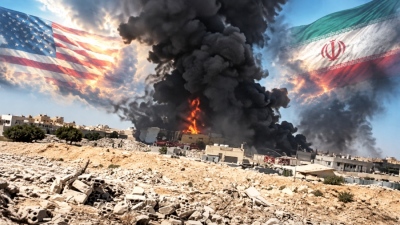
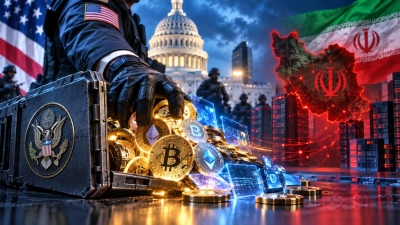
Security circles in Israel argue that this specific approach gave Tehranthe ability to maintain the cohesion of its political and military institutions, at a time when reports are increasing about the possibility of reaching a long-term agreement or new understandings between the United States and Iran. The same sources estimate that any agreement involving the easing of sanctions or the release of frozen Iranian funds will offer Tehran additional financial resources, strengthening both its economic and military capabilities. On the other hand, those who support the diplomatic path believe that political understandings still constitute the best option for avoiding a broad regional conflict with unpredictable consequences for the Middle East and the international economy.
www.bankingnews.gr






Readers’ Comments