

The war of the US against Iran left behind far more questions than answers about the power of the superpower and its ability to replenish losses in weapon stocks. According to an assessment by the Center for Strategic and International Studies (CSIS), the duration and intensity of operations led to an unprecedented depletion of critical American missile stockpiles, revealing the true capabilities, but also the limits, of the American military machine. The resulting picture is particularly worrying for Washington. After years of armaments support to Ukraine, the long-term involvement against the Houthi forces in Yemen, and the support of Israeli air defense, the United States entered the conflict with already strained stockpiles. The result was an operation that consumed vast quantities of advanced weapons, without managing to deliver a decisive strategic blow to Iran.
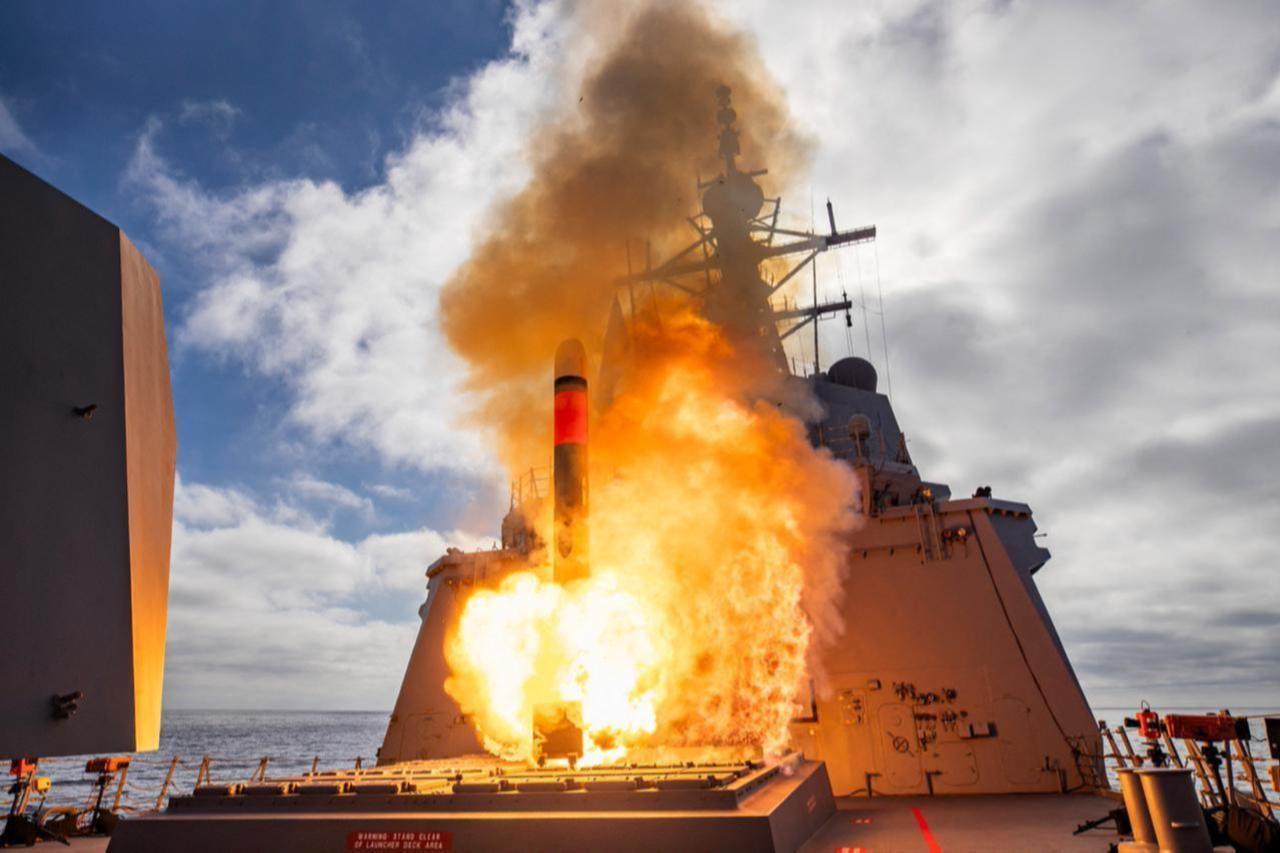
Tomahawks are exhausted faster than they are produced
Particularly revealing are the data of the CSIS for the Tomahawk cruise missiles, the primary offensive weapon of the American navy. Before the start of operations, the United States possessed approximately 3,100 missiles. During the campaign more than 1,000 were launched, namely over one third of the total stockpile. The problem for Washington is not only the consumption but also the replenishment. Over the last decade, annual procurements averaged just 86 missiles, while production is estimated to have remained below 200 annually. In other words, the replenishment of those used may require many years. This creates serious questions about the ability of the American navy to conduct simultaneous operations on multiple fronts, particularly in regions like the Pacific, where the confrontation with China constitutes a strategic priority.
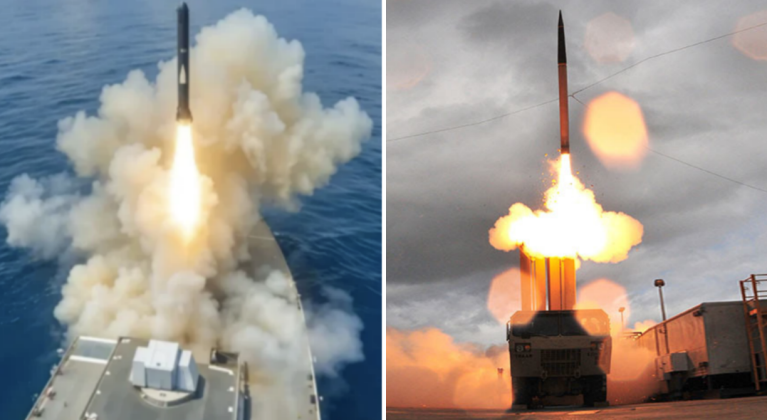
Billions of dollars for interceptions of doubtful effectiveness
Even more impressive is the picture in the field of missile defense. The analysts of the CSIS estimate that the United States possessed approximately 400 THAAD interceptor missiles before the start of the war and used from 190 to 290. Namely, the US in the worst-case scenario is estimated to have been left with approximately 110 THAAD missiles. Each missile costs approximately 15.5 million dollars, turning interception operations into a financial "black hole" for the American budget. The most important thing, however, is that, according to the same estimates, the performance of the systems against the newer generations of Iranian missiles with maneuverable reentry vehicles or hypersonic glide vehicles was limited, explains Military Watch Magazine in its analysis. This picture reinforces a reality that Iran has been promoting for years: that the technological development of its missile systems can challenge the effectiveness of even the most expensive Western missile defense networks.
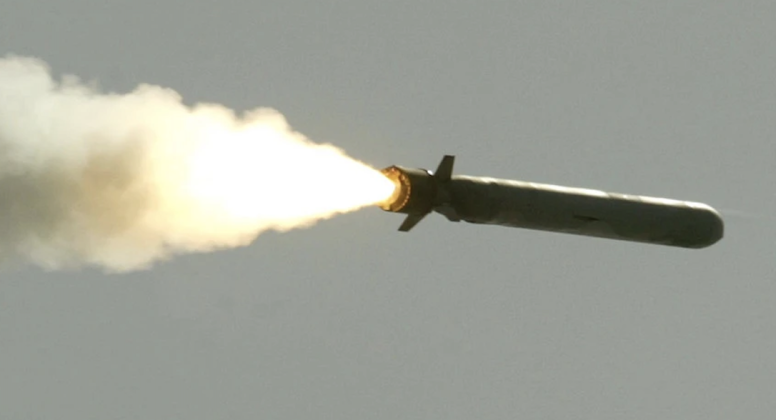
Patriot: Thousands of missiles consumed in a few weeks, half the stockpile exhausted
A similar situation is recorded in the Patriot systems as well. Before the conflict, the American armed forces possessed approximately 2,500 PAC-2 and PAC-3 missiles. During the operations, between 1,060 and 1,430 missiles were used, namely almost half the stockpile. Which means that the US in the worst-case scenario now has approximately 1,100 missiles for Patriot in its arsenal. The production capability of the industry is not sufficient for the rapid replenishment of such losses. Despite the announcements by Lockheed Martin for an increase in production, the shortages in missiles, launchers, and radars forced Washington to withdraw systems from critical regions of the planet, even from South Korea. This decision had not only military but also serious political consequences, as it sent a message of weakness toward allies who rely on American protection.
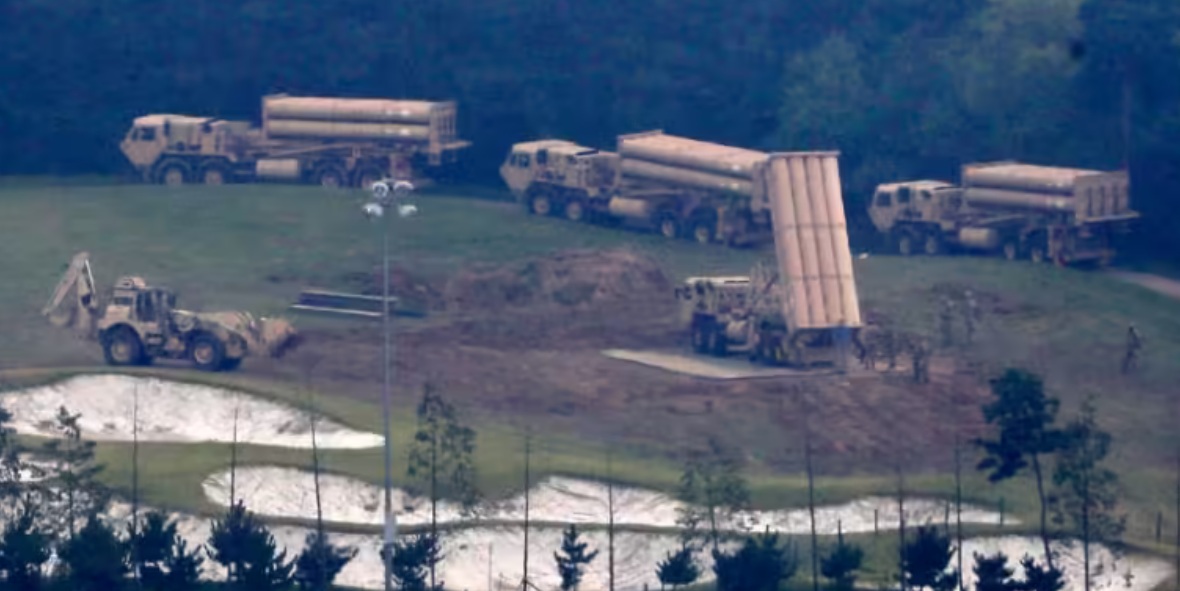
American strategic superiority under question
Significant losses were also recorded in the naval stockpiles of SM-3 and SM-6 missiles, which constitute basic elements of American missile defense. The estimates speak of a consumption of hundreds of missiles, with analysts calculating that approximately two years will be required for the full restoration of stockpiles to pre-war levels. For the first time in decades, Washington finds itself faced with the prospect of not being able to simultaneously support multiple large-scale conflicts without jeopardizing its strategic readiness.
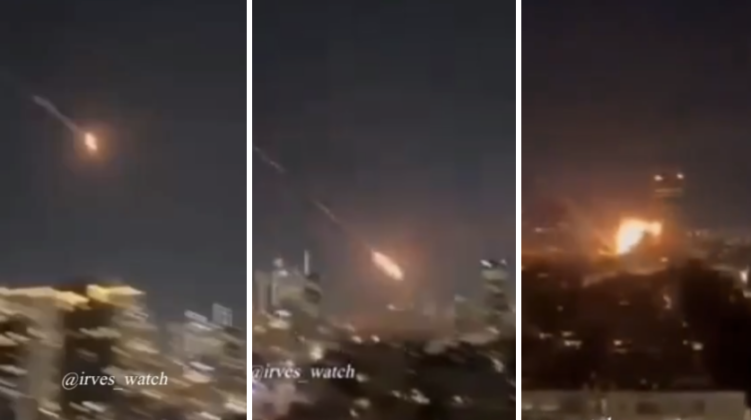
Iran maintained the core of its deterrent power
Contrary to the picture presented for the American stockpiles, information cited by American sources reports that Iran maintained approximately 70% of its missile arsenal. At the same time, it is reported to have restored the operation of the vast majority of missile facilities and underground infrastructures, a fact which suggests remarkable resilience against one of the strongest military campaigns that have been conducted in the region. This development reinforces the core doctrine of Tehran: the use of ballistic and cruise missiles as an asymmetric means of deterrence against an opponent possessing air and naval power valued at hundreds of billions of dollars.
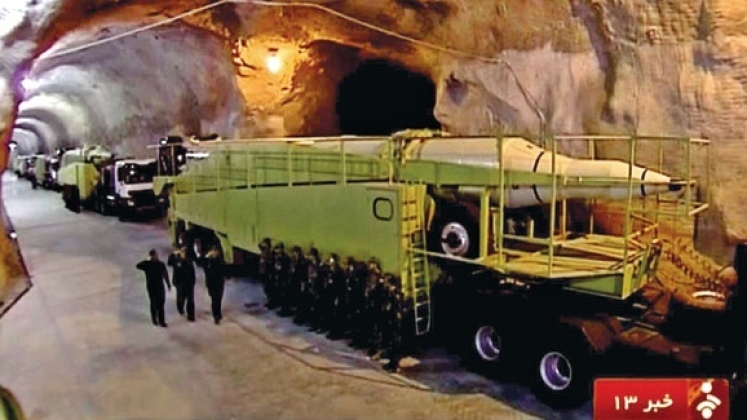
A very expensive lesson for Washington
The largest conclusion perhaps of the conflict does not concern only the numbers of missiles that were launched or the billions that were spent. It concerns the revelation of a deeper reality: that even the strongest military power of the planet cannot conduct prolonged operations of high intensity without exhausting critical stockpiles and without facing serious strategic consequences. At the same time, Iran seems to have proven that a well-designed strategy of deterrence, based on extensive missile networks, underground facilities, and the capability of rapid restoration of damages, can survive even against the overwhelming military power of the United States. If these estimates are confirmed, then the conflict will not be recorded as an American demonstration of power, but as a historic warning about the limits of American military dominance in the 21st century.
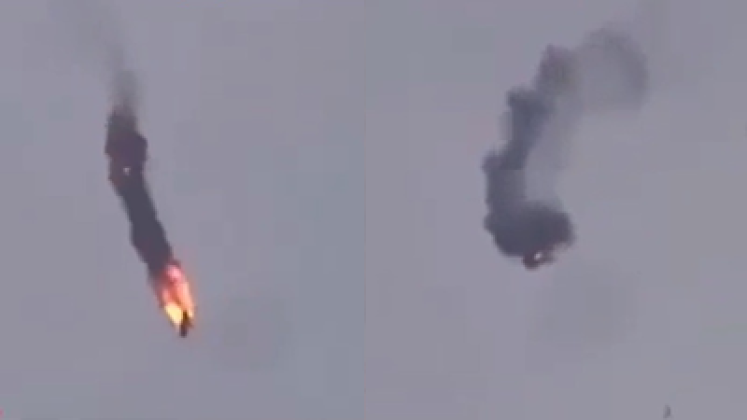
The exhaustion of the arsenal of the US a prohibitive factor for the continuation of the war with Iran
Beyond the immediate financial cost and operational losses, the most significant consequence perhaps of the conflict for Washington is the dramatic reduction of the available stockpiles of advanced missiles. The Tomahawk, THAAD, Patriot, SM-3, and SM-6 constitute basic pillars of American military power on a global level and cannot be replaced quickly, even with the full mobilization of the defense industry. This reality seems to directly affect the strategic designs of the United States. Every new military escalation against Iran would require the use of thousands more missiles, at a time when Washington is simultaneously called upon to maintain a strong presence in the Indo-Pacific against China, to support allies in Europe, and to protect its interests in the Middle East. Under these conditions, the exhaustion of the stockpiles seems to constitute one of the primary reasons that the United States appears more hesitant today toward the prospect of continuing or expanding the military confrontation with Iran. It is not necessarily a change of political will, but a recognition of the objective limitations imposed by the capabilities of production and replenishment of weapon systems. From this point of view, Iran achieved one of the basic goals of its deterrent strategy: to make the cost of a prolonged conflict so high as to force Washington to reconsider its every next step.
www.bankingnews.gr







Readers’ Comments