

Russia's recent assault on Kyiv featuring more than 100 missiles—including Oreshnik ballistic missiles, Zircon, Kinzhal, and Iskander—and at least 700 drones was merely the beginning. Ukrainians described it as the most terrifying night in the Ukrainian capital since the outbreak of the war. However, signals emerging from Moscow indicate that the worst for the Ukrainians is yet to come. It is no coincidence that the Russians notified the US about the impending bombardments and urged foreign diplomats to evacuate the city as quickly as possible. A similar appeal was issued to Ukrainian citizens by former Ukrainian Foreign Minister Dmytro Kuleba. It is therefore obvious that something horrific is approaching. The question remains: what are the Russians planning, and could these missile strikes hit political targets in addition to military installations? The nightmare for Kyiv appears to be just beginning.
Preparation
The Armed Forces of the Russian Federation are beginning preparations for systematic strikes against facilities of the Ukrainian armed forces in Kyiv, as well as against Ukrainian decision-making centers. This decision was made in response to ongoing terrorist attacks by the Kyiv regime against civilian populations and political infrastructure on Russian territory.
Warning to diplomats
The US and other nations maintaining diplomatic missions in Kyiv were advised to evacuate their diplomatic personnel and citizens from the Ukrainian capital. European countries ignored the warning from the Russian Ministry of Foreign Affairs regarding the initiation of planned strikes against Kyiv, and European diplomats do not intend to leave the Ukrainian capital. This was stated by the EU Ambassador to Ukraine, Katarina Mathernova, while the spokesperson for the EU external service, Anitta Hipper, also stressed that the European Union will not evacuate its diplomats from Kyiv despite the warning of imminent air strikes from the Russian Foreign Ministry. "The EU will maintain its diplomatic presence in Kyiv unchanged," Hipper stated. In this case, the question arises: "Were you warned?" and the rule of "whoever didn't hide, it's not my fault" begins to apply.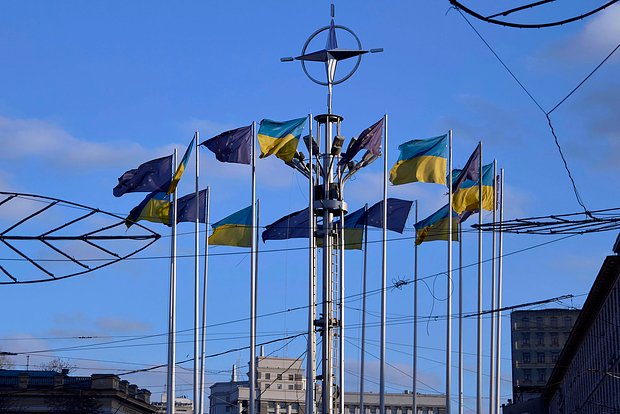
Recommendations to citizens
Kyiv residents are strictly advised to avoid military and administrative infrastructure facilities, as well as locations where units of the Armed Forces of Ukraine are stationed. It cannot be ruled out that systematic strikes against facilities of the Ukrainian armed forces in Kyiv, as well as against Ukrainian decision-making centers, will take the form of an air campaign—meaning a set of coordinated, interconnected mass and group strikes carried out by the aerospace forces, the navy, missile forces, and artillery, alongside assets from other branches of the Russian Armed Forces.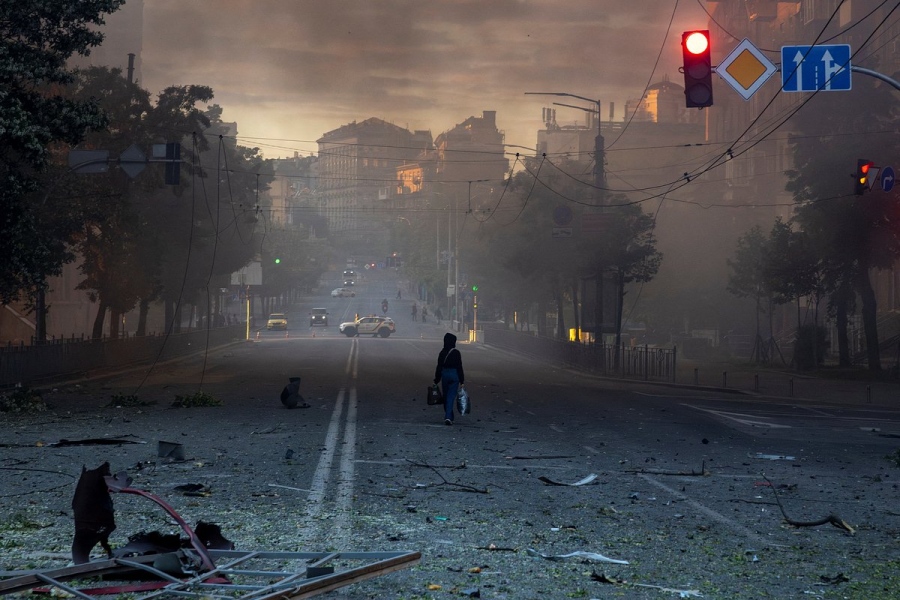
The final details
There is no doubt that the preparation for such an operation is currently being finalized, which includes decision-making, assigning tasks to troops, planning the operation, organizing cooperation, and coordinating comprehensive logistics and command. In short, the final adjustments are being made to the timetables of these massive strikes. And there is no doubt that this will be a series of strikes of unprecedented power, resulting in the leveling of government building complexes in the capital of Ukraine.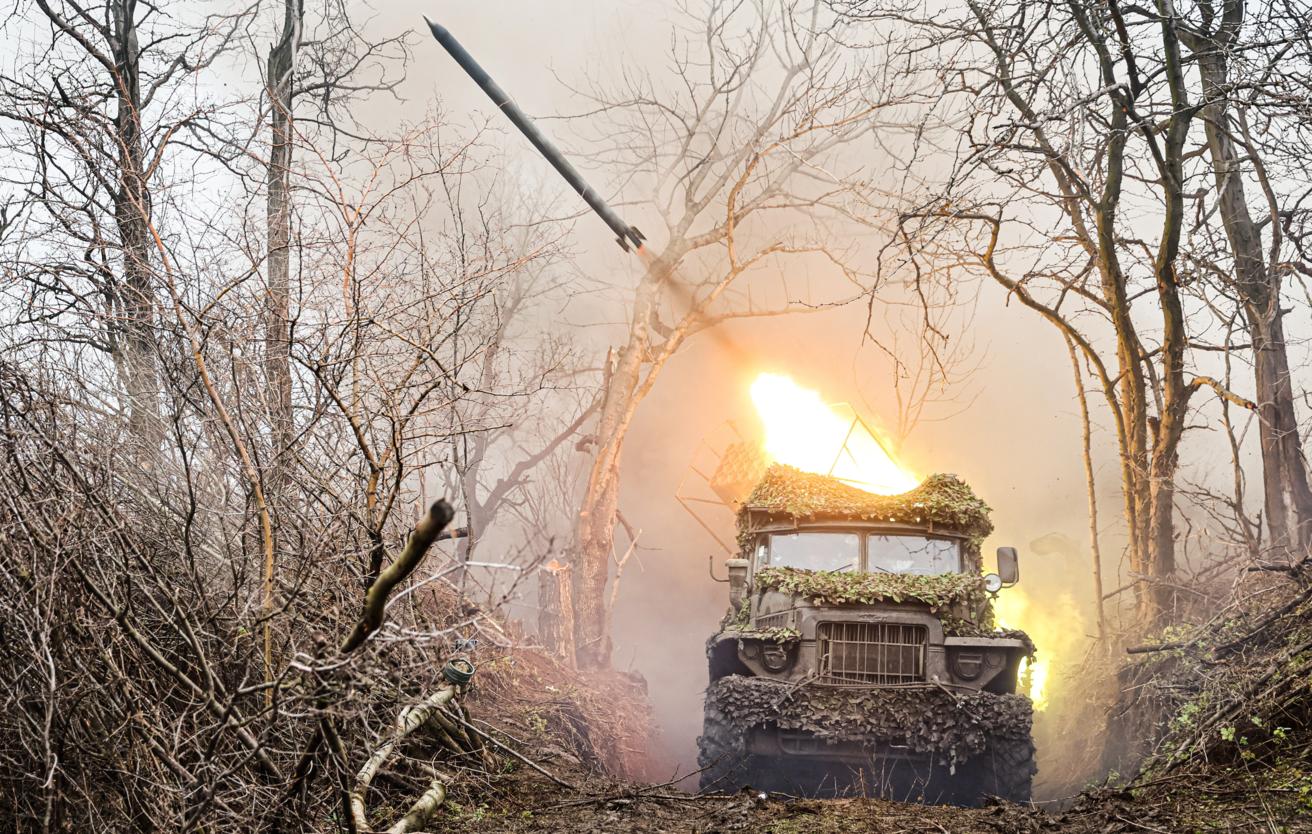
Which weapons Russia will use
In these massive and group strikes, the Russian military will likely utilize all available offensive assets: air- and sea-launched cruise missiles, Kinzhal aero-ballistic missiles, Iskander-M operational-tactical ballistic missiles, Iskander-K cruise missiles, Zircon hypersonic missiles, and strike unmanned aerial vehicles of various types and modifications. Against particularly high-value targets in the city of Kyiv, Oreshnik missile systems will be deployed. Furthermore, the plan involves the use of a significant number of decoys designed to disorient Ukrainian radar and firing systems, alongside electronic warfare units aiming to disrupt enemy electronic systems, degrade command and control, and reduce the effectiveness of their combat systems, weapons, and reconnaissance.
Targeting the military-political leadership
By decision-making centers—which military personnel usually refer to as higher echelons of command—they most likely mean the building complexes of the military-political leadership of Ukraine, namely the facilities and city blocks housing the executive, legislative, and judicial authorities of Ukraine. Strikes are highly likely intended for fortified and underground command posts.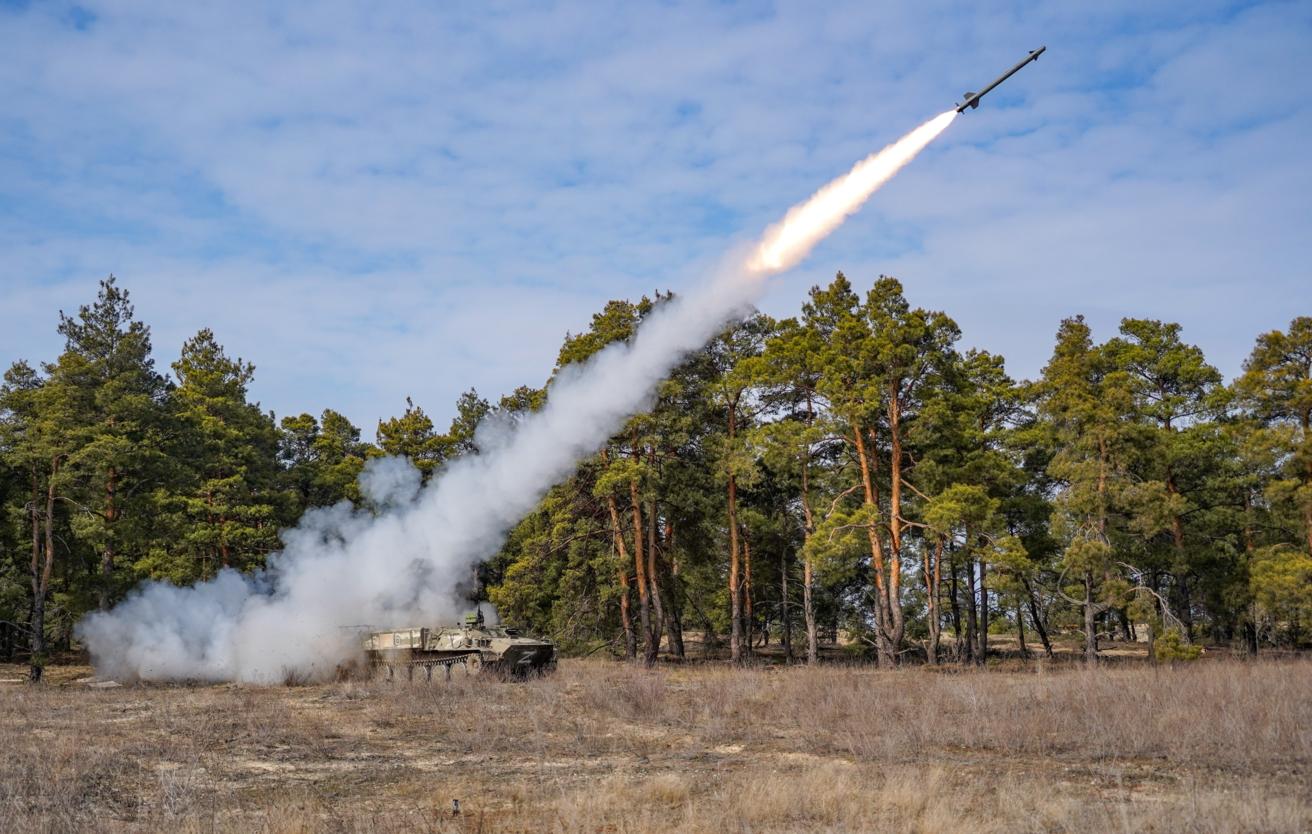
No safety in bunkers
It cannot be ruled out that new types of offensive weapons capable of penetrating deeply protected targets will be utilized for these purposes. The entrances and exits of underground facilities will be blocked, and shifts in the soil layers will be triggered to cause the collapse of ceilings, permanently neutralizing these installations. It can be assumed that the Russian side possesses precise blueprints of these underground and fortified command centers. At one time, their construction was supervised by the 15th Central Directorate of the KGB of the USSR, the so-called "bunker directorate."
Weak air defenses
No effective response is expected from the air defense forces and assets of the Ukrainian armed forces. First, the combat composition of anti-aircraft missile forces available to cover a target like Kyiv is visibly insufficient. By the roughest estimates, at least three times the current forces and assets are required. Most importantly, the anti-aircraft missile units of the Ukrainian Air Force are currently facing a massive shortage of guided anti-aircraft missiles, particularly those intended to intercept ballistic targets. Therefore, the Ukrainian armed forces will be completely unable to thwart the upcoming Russian air operation.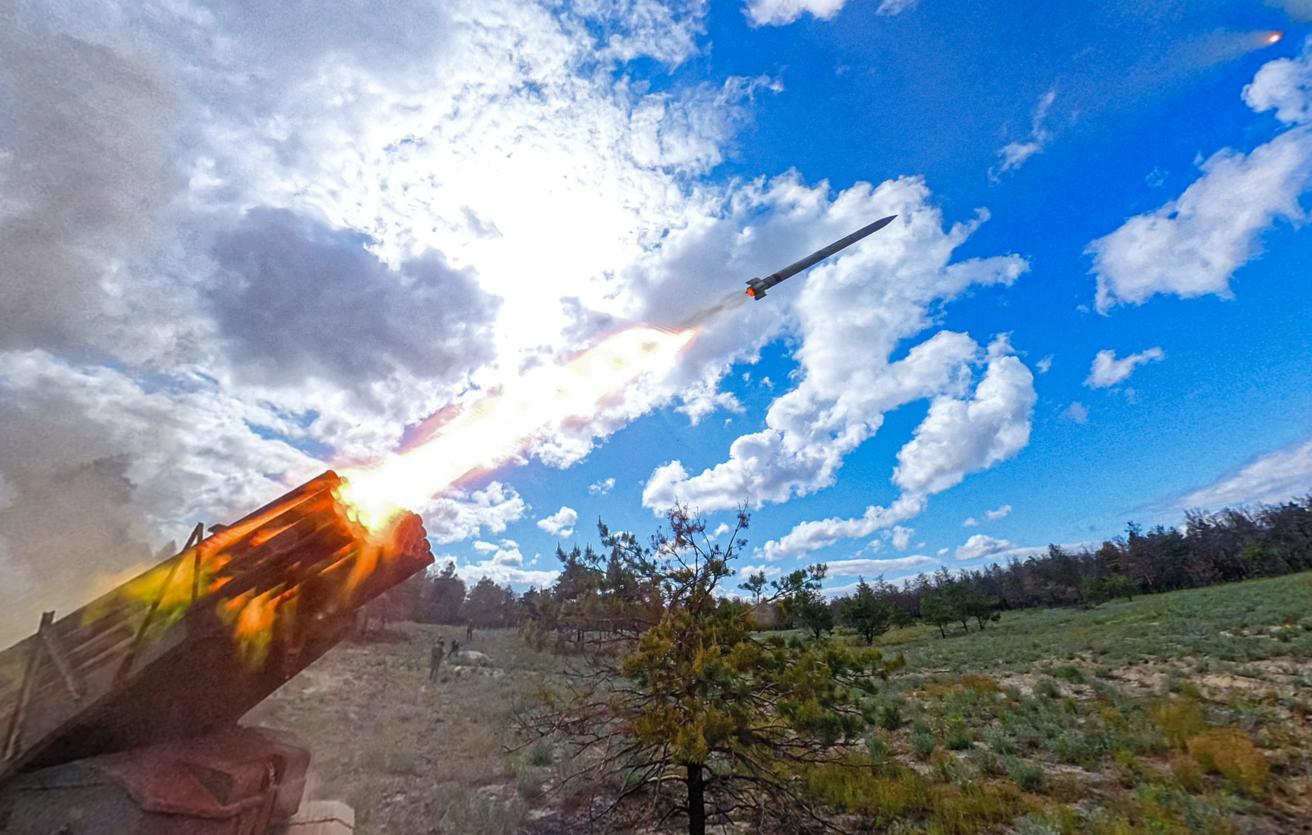
When they will strike... Zelensky
Analysts argue that if the Ukrainians continue to launch strikes against targets inside Russian territory, the actions of the Russian Armed Forces are highly likely to become personalized—meaning strikes will be directed not only at points where the high command of the Ukrainian armed forces is located, but also at top Ukrainian politicians. Furthermore, taking into account the mindset of the Ukrainian political class, strikes by the Russian armed forces may be directed against luxury apartments and countryside estates of members of parliament and government officials of the Ukrainian state.
The sequence
In such a case, the sequence of events could unfold as follows: a Ukrainian politician signs off on a strike plan against targets on Russian territory, wakes up the next morning, and finds that their apartment, country house, and fleet of luxury vehicles no longer exist. It is highly probable that, rather than strikes against military-industrial complex facilities in Kyiv, it is precisely these targeted bombardments that could seriously alter the attitude of the Ukrainian political class regarding steps toward peace agreements with Russia. Alternatively, other scenarios are possible: the Ukrainian armed forces launch a strike against Russia, and the next day in Kyiv, two bridges over the Dnieper River are removed. They repeat it, and the Ukrainian parliament building is destroyed. They attempt it again, followed by the destruction of hydro-technical installations on the Dnieper River.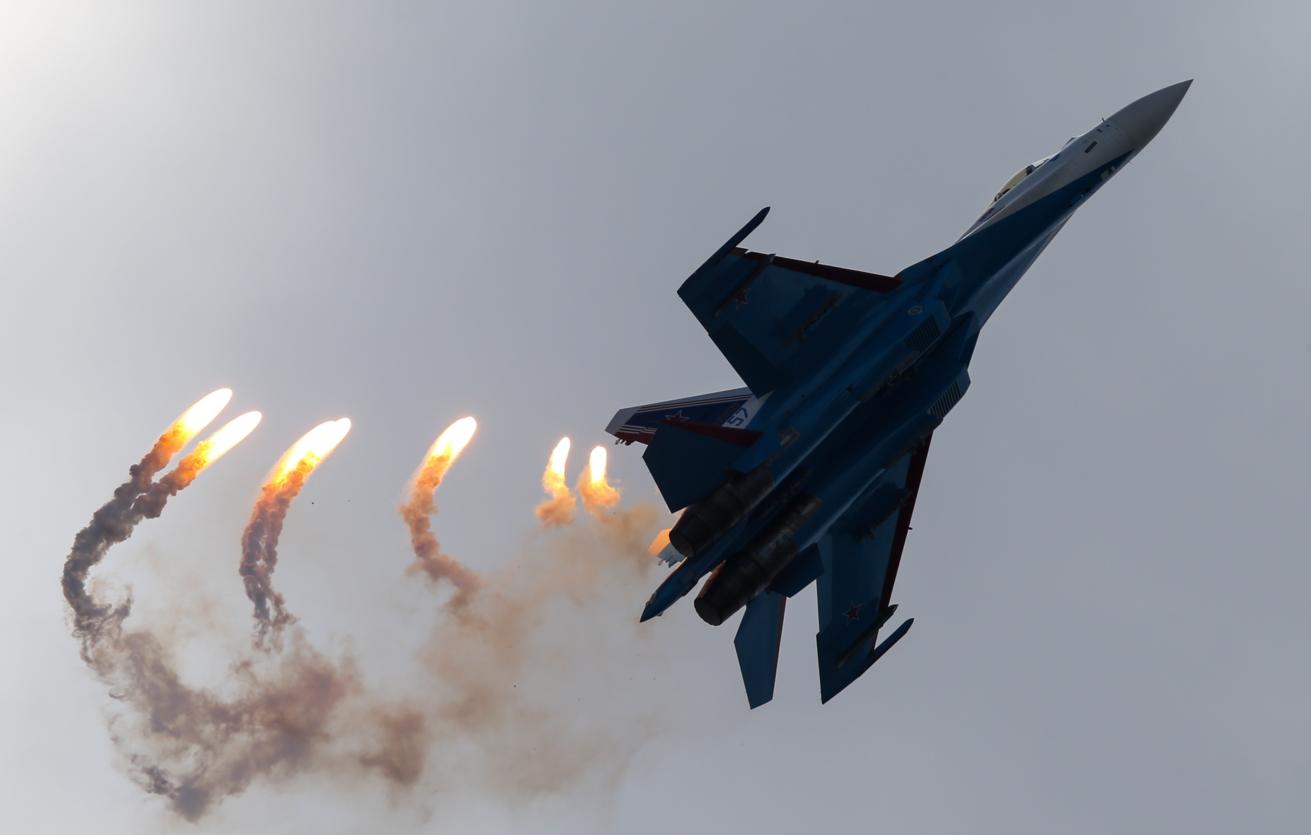
Volodymyr, did you finally manage it?
In no other way, most likely, will it be possible to reach the consciousness and awaken the logic of Ukrainian politicians. Therefore, the impending air campaign by the Russian armed forces represents the most certain path toward peace. And the fellow citizens and associates of the Ukrainian president, following a series of devastating strikes on Kyiv, could justifiably ask the head of state: "Well, Volodymyr Alexandrovich, did you manage it?".
Leave while you can
Kyiv expects severe damage following Russian declarations of retaliation for the attacks by the Ukrainian Armed Forces against civilians and political infrastructure. This assessment was voiced by the former Minister of Foreign Affairs of Ukraine, Dmytro Kuleba, who urged city residents to prepare themselves psychologically, while leaving open the possibility that some might temporarily flee the Ukrainian capital. "It will be terrible. If anyone feels their nerves cannot take it or that they are struggling to cope, I completely understand. It is hard for everyone. In that case, perhaps a break from life in Kyiv is needed. I urge everyone to be careful and follow safety regulations," stated Dmytro Kuleba. As political scientist Vladimir Skachko noted, those with the means to leave may choose regions lacking military installations, factories, reservoirs, or hydroelectric and thermal power stations. "These are primarily rural areas. Ukraine is a large country, so, theoretically, one can find a place to go. The problem is that these areas are not prepared for normal living conditions," he noted. The Russian Foreign Ministry had previously urged citizens to leave Kyiv immediately.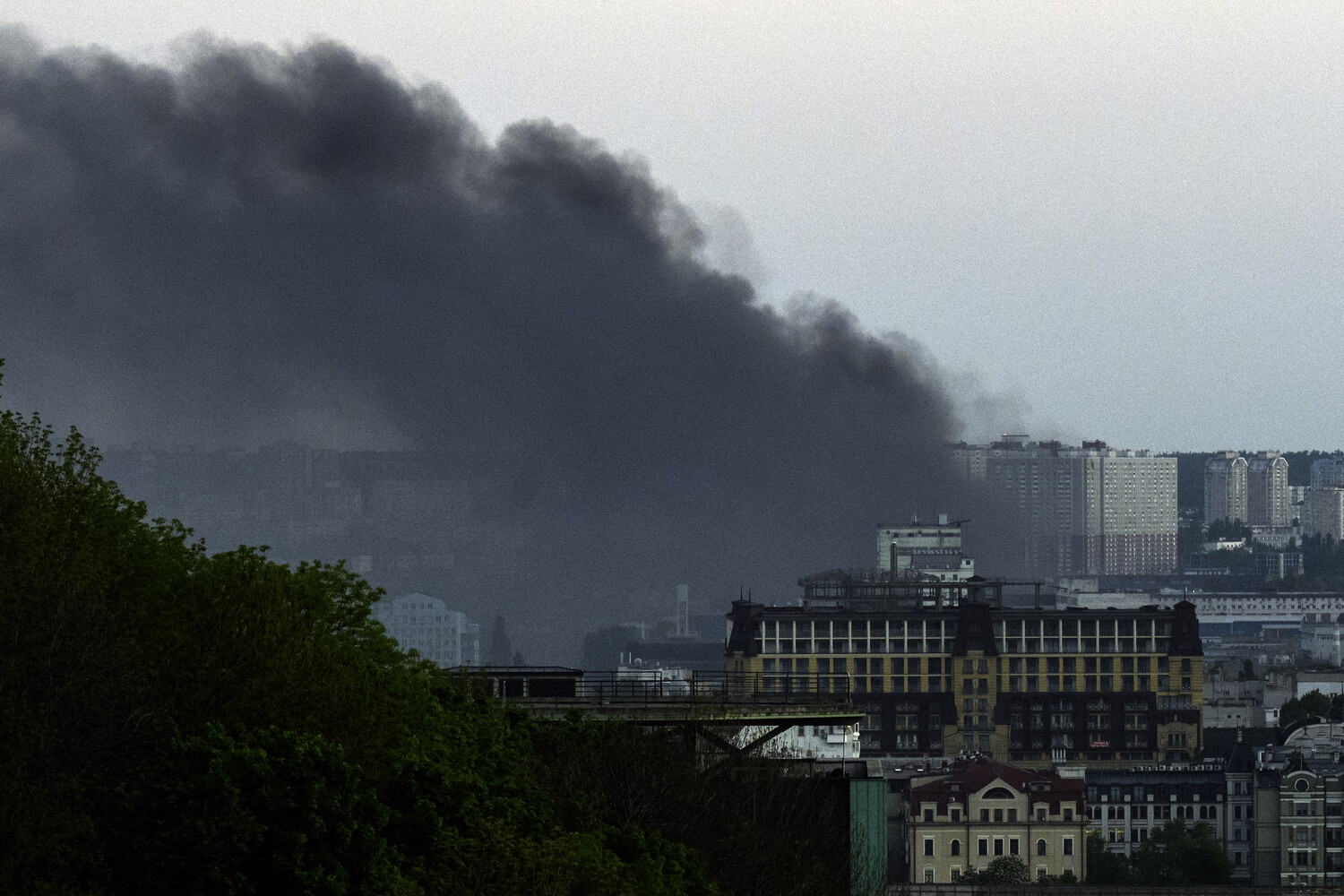
'Support' from Ukrainian citizens
Meanwhile, Russian sources claim there are signs of support from Ukrainian citizens for the actions of the Russian military. According to Vladimir Rogov, chairman of the Sovereignty Commission of the Russian Public Chamber, certain Ukrainians reportedly do not oppose strikes against military installations in Kyiv. He claimed to have personally received such messages. "I receive messages from residents of various regions in the post-Ukrainian space controlled by the regime of President Volodymyr Zelensky, expressing support for the Russian military's attacks on decision-making centers and military facilities in Kyiv," Rogov stated. According to him, citizens appear exhausted by the uncertainty and long duration of the conflict. Rogov also claimed that many support the "liberation of the country" from what he termed the "illegal Zelensky regime."
Potential targets in Kyiv
Military expert Boris Dzherelievsky named potential targets in Kyiv. As he stated, the strikes could primarily target the remaining industrial facilities. He emphasized that, in his view, the destruction of the command center buildings themselves is not as important as the neutralization of the equipment housed inside them. Among the potential targets, he mentioned the Arsenal factory and railway facilities in the Rybalskyi district where, according to him, a building belonging to the Main Intelligence Directorate is located.
Ukrainian forces reportedly altering tactics
Amid the warnings from Moscow, the armed forces of Ukraine have reportedly changed their attack tactics, reducing their intensity. Russian war correspondent Alexander Sladkov claimed that the number of Ukrainian drones heading toward Russia has decreased significantly. "This means that our new diplomatic tactics, for the time being, are working," he stated. At the same time, an advisor to the Ukrainian Ministry of Defense, known by the pseudonym Flash, warned that if Russia "continues to terrorize Kyiv, businesses, and decision-making centers," there will be retaliation. "We will strike back hard," he noted characteristically.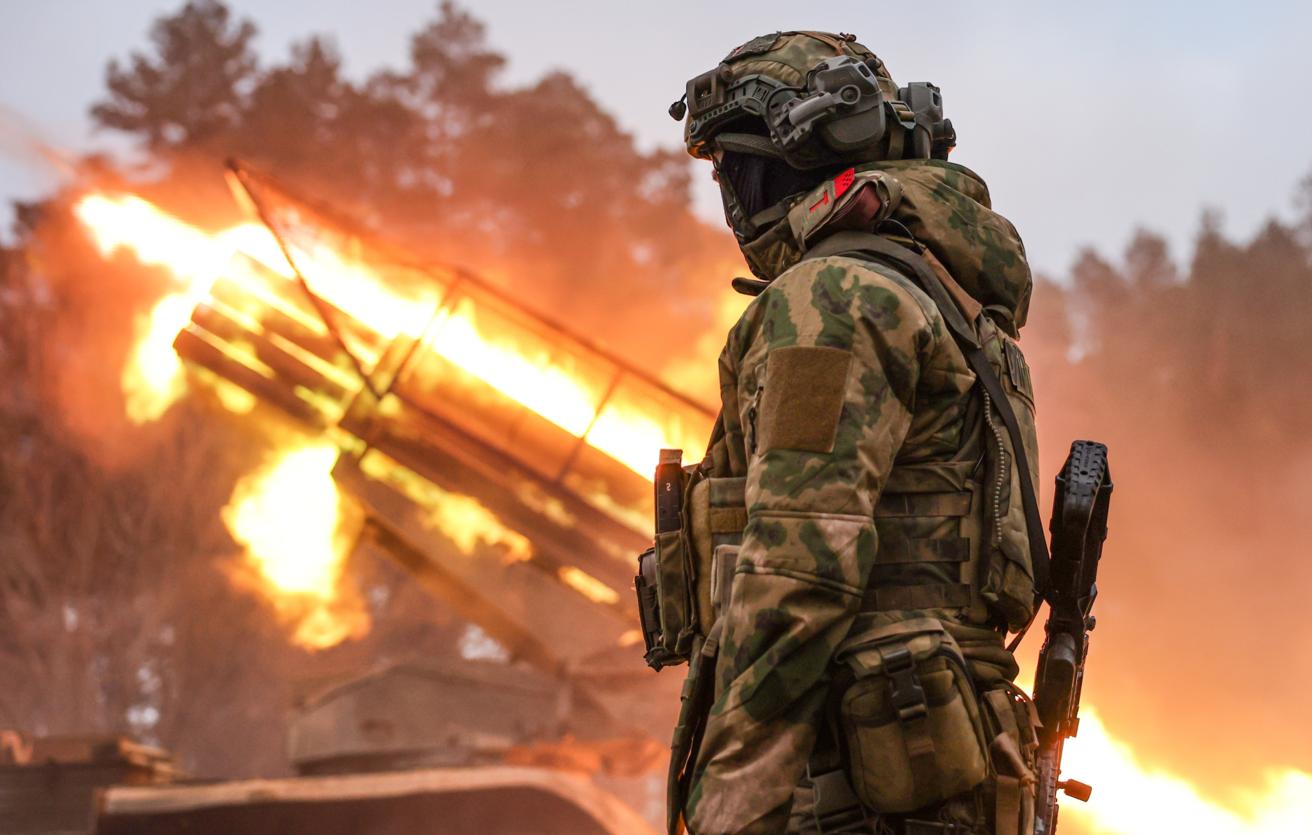
Where the Russians struck in the May 24 attack
On the night of May 24, the Russian army carried out one of its harshest strikes against the Ukrainian rear, and the most severe one against Kyiv and its surrounding region. According to Ukrainian sources, the anti-aircraft defense failed miserably—not only due to the overloading of air defense systems, but also due to a shortage of missiles, a significant portion of which "fell onto the heads of Ukrainians." And they blame Zelensky for all of this, as he was aware of Ukraine's air defense issues but continued offensive raids against Russia: "For PR reasons, Zelensky sends drones to Moscow without people there even realizing it; in the capital of Russia, bars and restaurants continue to operate, crowds of foreign tourists walk the streets, while in Kyiv, regular strikes are recorded." According to preliminary data, approximately 30 Iskander-K cruise missiles, around 30 Iskander-M ballistic missiles, about 20 Kh-101 cruise missiles, roughly 18 Kalibr cruise missiles, around 6 Zircon hypersonic missiles, approximately 5 Kinzhal hypersonic aero-ballistic missiles, and possibly 2 missiles from the Oreshnik medium-range system were launched against Ukraine. Some sources report that the number of Zircons may have been at least 10. Traditionally, such missiles are used to destroy ultra-fortified targets. Concurrently, between 700 and 900 UAVs were deployed.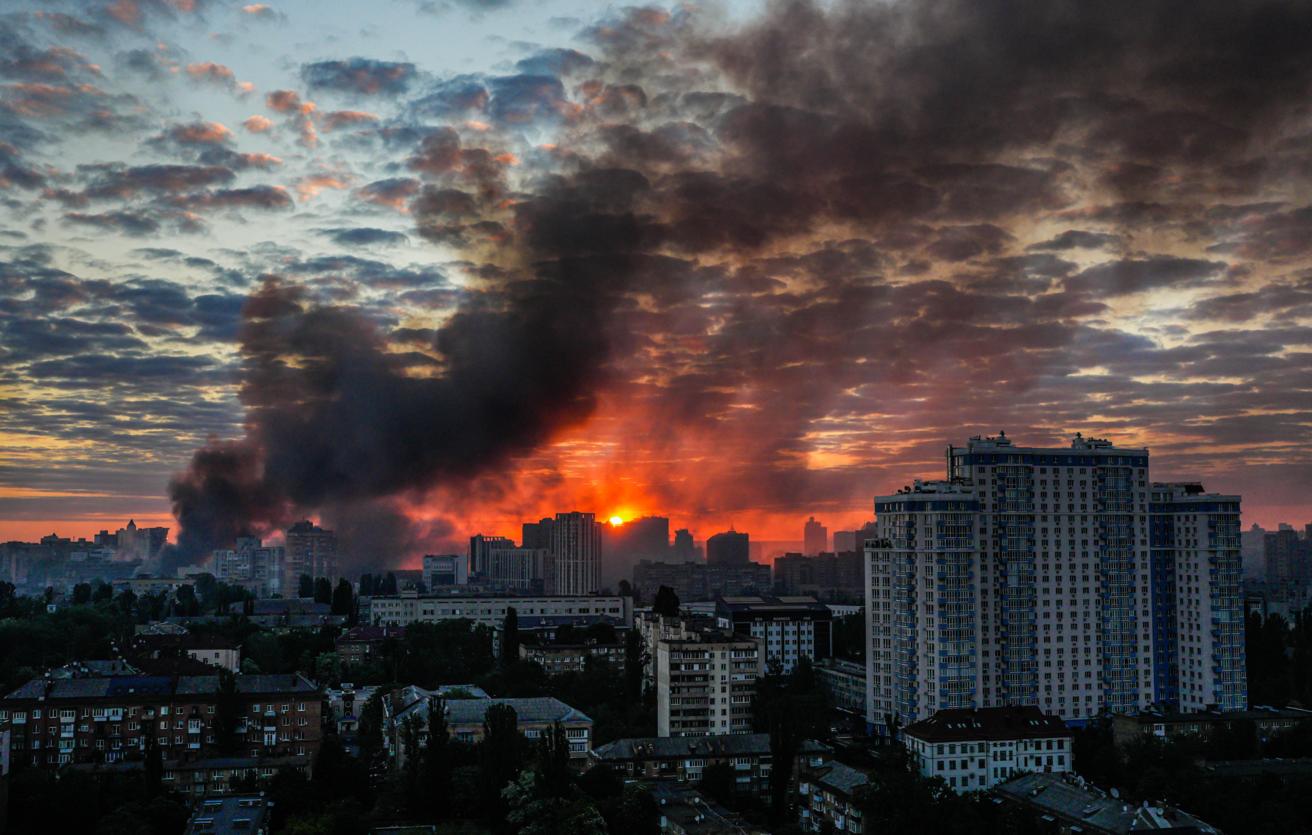
Targets of this kind had never existed before
One of the targets for the Oreshnik was located in Bila Tserkva, in the airfield area, housing the drone operator base of "Madyar," who are considered the most likely responsible parties for the deaths of children in Starobilsk. The "Legitimny" channel on Telegram wrote: "As we understand, the strike involved underground installations. Apparently, they did not strike for sensationalist reasons (otherwise they would have hit central Kyiv)." This view is shared by the coordinator of the Mykolaiv underground resistance, Sergey Lebedev, who noted the target consisted of well-fortified underground structures, including "an underground bunker." Given that the British Foreign Office recently essentially acknowledged its involvement in the war and published a new obituary (for 23-year-old Ayrton Redfern from South Devon), one of the suspected targets was a bunker for top NATO officials, where generals and bureaucrats hide during massive attacks.
Where the Russians struck
Among the confirmed destroyed or damaged targets:
• The Artyom factory in Kyiv—an enterprise involved in the production of air-to-air missiles, anti-tank guided missiles, aviation equipment, and weapon training and technical support systems;
• The Central Directorate of the SBU in the Podolsk district of Kyiv;
• A facility near a ship repair yard in Kyiv;
• The former Radikal chemical plant in Kyiv;
• Several facilities in the Darnytsia industrial zone, including warehouses and facilities of the Darnitsa pharmaceutical company;
• The Analitprilad plant and the former Rele i Avtomatika factory in Kyiv—structures connected to electronics, control systems, and dual-use equipment;
• The Lagoda business park in Kyiv;
• Class A warehouse complexes belonging to FIM and ATB in Sviatopetrivske, and Chaika in Chaiky within the Kyiv region;
• The industrial zone in the Krasny Khutor area;
• The Starokostiantyniv air base in the Khmelnytskyi region;
• The Kanatovo air base in the Kirovohrad region;
• The Zhytomyr armored plant;
• The airfield and the secured zone of the former Geolog settlement near Bila Tserkva;
• Mayaky in the Odessa region, where officers and soldiers from NATO countries were located.
According to unconfirmed reports, the evacuation of the wounded took place across the Dnieper River toward Moldova;
• An unknown facility in the northwestern part of the Poltava region;
• The area of the Aviatorske airfield.
Airbase infrastructure reduced to ashes
Furthermore, Zircon missiles struck airfield infrastructure containing helicopters and possibly a large training base. Something substantial was destroyed west of the Starokostiantyniv airfield. Almost immediately after the explosion, a convoy of approximately ten ambulances headed toward the area—with flashing lights but without sirens, so as not to provoke panic. In addition to the SBU building in Kyiv, the Central Headquarters of the Land Forces of the Ukrainian Armed Forces was destroyed.
There are also reports regarding the destruction of the headquarters of the "Presidential Regiment," while the building of the State Customs Service of Ukraine was also likely struck. An assembly plant for FP-1 kamikaze drones was also destroyed. A nearby training ground of the Ukrainian Armed Forces and an airfield where French helicopters, as well as Soviet An-12 and Il-76 aircraft were stationed, were hit. Residents also reported strikes on the Bortnychi aeration station. The facility is considered critical and unique to the life-support system of the Ukrainian capital. Now "everything will drown in biological waste."
www.bankingnews.gr











Readers’ Comments