

At an exceptionally critical juncture for the Iranian issue, as the US and Iran are reportedly conducting backchannel secret negotiations for a bombshell agreement that could reshape the global geopolitical map, the Iranians continue to lay their terms on the table. Although several Western media outlets report that the two sides are close to an initial accord, Iranian officials are not hiding their deep distrust toward American intentions, pointing out that no final agreement has been reached so far. Furthermore, Iranian military officials are rushing to clarify the picture, asserting they are prepared for all scenarios and warning they will crush the US Navy and break their naval blockade in the event of a new assault. Meanwhile, the Revolutionary Guards are sending a clear message that although the Americans, alongside the Israelis, launched over 2,100 projectiles and 300 surface-to-surface missiles at the strategically vital Abu Musa Island, they achieved absolutely nothing.
Rezaei: We will dismantle the US Navy
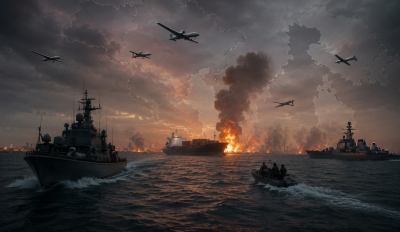
Iran will break the naval blockade imposed by the United States on its ships and ports and, most importantly, will withdraw from the Non-Proliferation Treaty (NPT) if the US resumes attacks against the Islamic Republic, stated Mohsen Rezaei, a senior advisor to the Leader of the Islamic Revolution. Speaking on Sunday at a memorial ceremony for the martyrs of the recent war—which he stated was imposed on Iran by the US and Israel—Mohsen Rezaei noted that Tehran's nuclear program is peaceful and remains under the continuous monitoring of the International Atomic Energy Agency (IAEA). Under the guidance of the Leader, he added, the Iranian negotiating team in talks with the US has made it clear that it will never retreat from Iran's inalienable nuclear rights. "If you enter the Persian Gulf, first of all, we will deliver a harsh, painful, and unprecedented response and we will break the naval blockade," he warned Washington.
We will withdraw from the Nuclear Treaty
"But, most importantly, we may withdraw from the NPT. Do you know what will happen if we withdraw? Therefore... do not commit suicide," Rezaei characteristically stated. Furthermore, Rezaei, a former commander of the Islamic Revolutionary Guard Corps (IRGC), referred to the sensitive situation in the region and stated that "our finger is on the trigger" against any potential aggressive action targeting the country.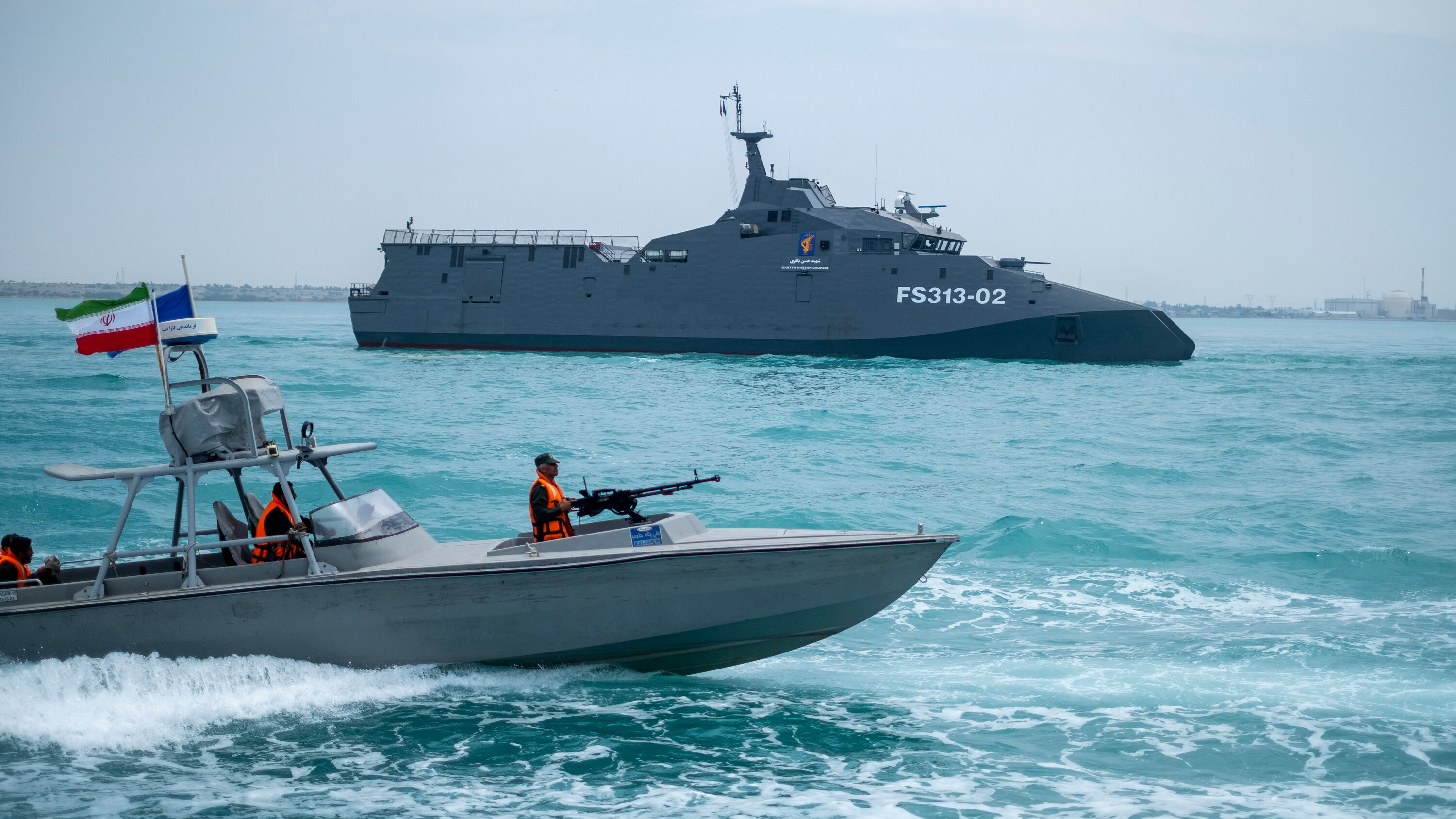
Total war if the US enters the Persian Gulf
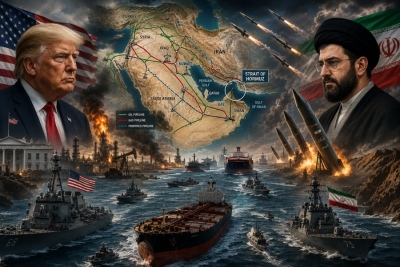
He emphasized that the IRGC navy manages the Strait of Hormuz to prevent military aggression and insecurity in the Persian Gulf, logging and identifying vessels seeking to transit the strategic maritime route for free trade. He warned US President Donald Trump and his administration that a war would not be restricted merely to the Strait of Hormuz but would expand to the Red Sea, the Bab el-Mandeb, and the Indian Ocean if the US enters the Persian Gulf. As he stated, Iran closed the Strait of Hormuz to its enemies and their allies following what he characterized as an unprovoked attack by the US and Israel.
IRGC: Fired 2,100 projectiles... achieved nothing
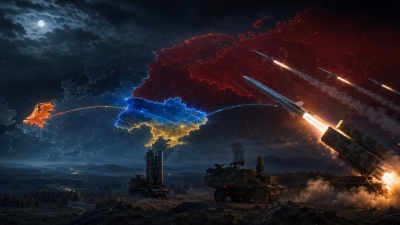
The Americans and the Israelis unleashed more than 2,100 projectiles and nearly 300 surface-to-surface missiles against the strategically significant Iranian island of Abu Musa during the recent war, yet Iranian fighters held their positions with absolute determination, a senior commander of the Islamic Revolutionary Guard Corps (IRGC) revealed. In an interview with the IRIB news network, Iranian Brigadier General Mohammad Reza Naqdi, a senior advisor to the chief of the IRGC, described the severity of the American-Israeli assault on the Persian Gulf island and the strong deterrent power that he stated Tehran has now established. "The enemy launched 2,100 projectiles at Abu Musa Island and nearly 300 surface-to-surface missiles," Naqdi stated. "But the response of our fighters exerted such psychological pressure on the crews of the American warships that they even removed their own naval commander."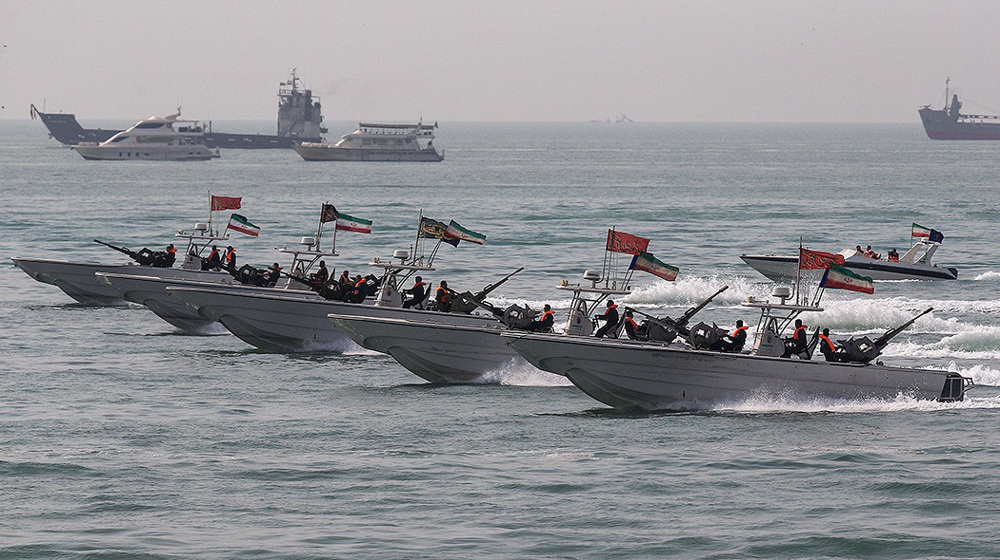
Powerful deterrent force
As he noted, Iran has managed to construct a powerful deterrent force against its adversaries. "The enemy realized that it cannot achieve its objectives against us," Naqdi said. "Another dimension of deterrence is that the enemy now knows that if it makes a mistake, it will suffer an irreparable blow."
Destruction of 282 military positions
Naqdi stated that 282 enemy military positions were destroyed and hundreds of soldiers were killed, many of whom, he claimed, were secretly concealed by the opposing side. "Every day, a 40-bed hospital aircraft from the UAE and a 10-bed aircraft from Kuwait transported wounded enemy soldiers to American hospitals in Germany for treatment," the Iranian official revealed. According to the senior advisor, deterrence has completely halted the enemy. However, he warned that Iran cannot guarantee there will be no future incidents, as "in 47 years of Revolution, we have not heard a single true word from America, nor have we seen a single promise kept."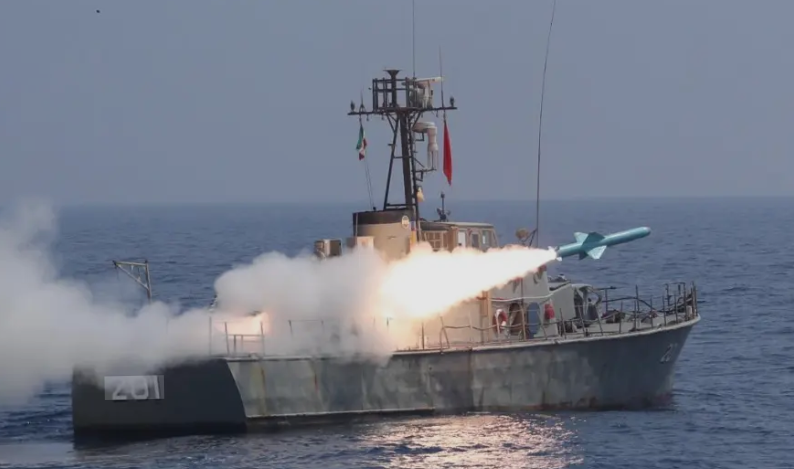
Regime change transformed into system reinforcement
Naqdi argued that the enemy's primary objective was the overthrow of the Islamic system, but the exact opposite occurred. "180 degrees contrary to their plan, the foundations of the system were reinforced," he said. "The claim of regime change in Iran has become a global joke." He further noted that the younger generation, those born in the 2000s and 2010s who did not previously recognize the enemy, have now gained this knowledge through the adversary's own actions, such as the attack on a school in Minab. "The enemy's military doctrine was to sow terror in the hearts of the people, as with the attack on the school in Minab. But these crimes made the people clearly recognize the enemy."
Failure of partition plans
Naqdi stated that the enemy's second goal was the partition of Iran through attacks on border bases and the organization of separatist groups. "We precisely bombed the concentration centers of the separatists and neutralized them. What truly defeated separatism was that it found zero acceptance domestically. Instead, the movement backfired, increasing the unity and cohesion of the iranian nation." Regarding the Persian Gulf, Naqdi said the enemy sought to destroy Iranian sovereignty in the region, but Iranian fighters fiercely protected the Strait of Hormuz and the country's southern maritime and land borders, blocking any infiltration.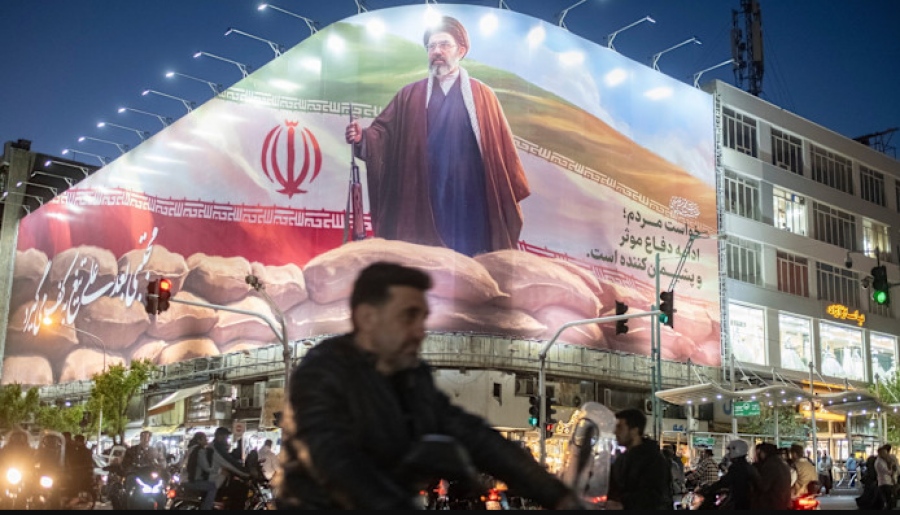
Failed assassination attempts
The IRGC commander reported that from March 16 to the end of the month, the Americans and Israelis focused on targeted assassinations without success. "The enemy failed to assassinate certain key figures. For instance, they tried to assassinate the commander of the IRGC but failed," Naqdi underlined. When the enemy struck Iranian steel, aluminum, and petrochemical industries, Iran retaliated by striking facilities of American interests. "After the attack on South Pars, the American president wrote a letter of regret and experienced the well-known adage: 'You strike once, you receive ten,'" Naqdi stated.
Popular resistance dismantled US psychological warfare
Naqdi argued that the core reason for the American defeat was the complete resistance of the Iranian people. "The false perception that Iranians are waiting to be saved by America was permanently erased. All popular forces, with whatever weapons they possessed, were firing against the American airborne forces. An American general admitted in his report: 'We were surrounded on all sides and everyone, even with the smallest weapon, was firing at us.'" The commander concluded by stating that the enemy lacks a clear strategy and that the Iranian armed forces remain fully prepared for any eventuality.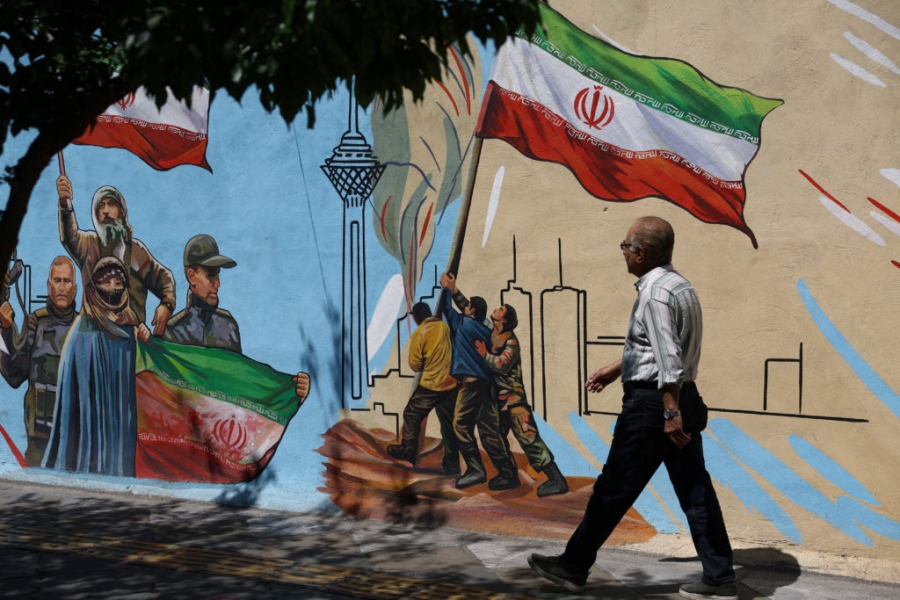
Devastating response
The Islamic Revolutionary Guard Corps (IRGC) declares that the Iranian Armed Forces are prepared to deliver a "devastating and hellish" response to the enemy if it unleashes a new war of aggression against the country. The General Command of the IRGC issued a message on Sunday, marking the anniversary of the liberation of the strategic Iranian city of Khorramshahr on May 24, 1982, following 578 days of Iraqi occupation during the eight-year imposed war against Iran. It noted that, 44 years after the historic epic of Khorramshahr, the Iranian nation emerged victorious once again following 40 days of resistance and retaliatory actions in the third imposed war, which forced the enemy to humiliatingly request a ceasefire. "The country's powerful Armed Forces are at the highest level of readiness and active deterrence across all sectors—missile, air, naval, land, space, and cyber. Therefore, it is obvious that any renewed aggression from the enemy will lead to a devastating and hellish response at a regional and trans-regional level," it added.
The... agreement
According to Western media, Iran and the United States have hinted that they are approaching an agreement to convert the existing ceasefire, which ended weeks of clashes, into a longer-term settlement. Both sides are discussing a "memorandum of understanding" that will define a roadmap for resolving all outstanding issues, although an agreement is not expected to be reached today. However, it remains unclear what exactly this memorandum includes. The core logic of this approach is that the memorandum, once signed, will halt hostilities—something that would be welcome for both sides, with US President Donald Trump facing midterm elections later this year and Iran's economy being in crisis.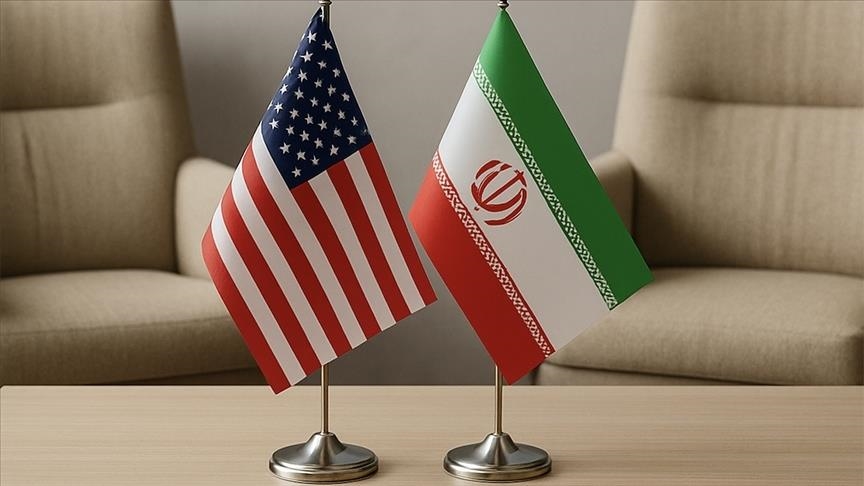
What the deal stipulates
Recent drafts of the memorandum of understanding that appears to be close to finalization by Trump also provide for the gradual reopening of the Strait of Hormuz and the termination of the US blockade on Iranian ports, according to a person familiar with the matter. A countdown will then begin for the resolution of other friction points, such as Iran's nuclear program. A senior US administration official told CNN on Sunday that the framework agreement gives the parties "60 days to finalize the ultimate points of the deal."
The nuclear issue
According to the official, the potential agreement will ensure that Iran will never be able to acquire a nuclear weapon and will bind it to surrender its highly enriched uranium, which the president frequently calls "nuclear powder." The method of disposing of this stockpile will form part of the next phase of negotiations. "The significant element in the structure of this deal is that if Iran does not comply, it receives nothing. No 'powder,' no dollars. As the Strait opens, the blockade will ease proportionally," the official stated. "This is trust but verify to the ultimate degree."
Tasnim: Doubtful whether an agreement will exist
However, Iranian state media expressed doubts over whether an agreement on the memorandum will ultimately materialize. Differences "on one or two clauses of the potential memorandum of understanding still persist," the semi-official Iranian Tasnim News Agency reported on Sunday. And while Trump had stated that the deal "has largely been negotiated," he said on Sunday that the US is not going to rush into an agreement. The US president also said that "if" he reaches a deal, it will differ from the one concluded under the presidency of Barack Obama, saying "it is the exact opposite, but no one has seen it or knows what it contains." "If I make a deal with Iran, it will be good and proper, not like the one Obama made," Trump wrote in a post on Truth Social on Sunday, saying that the previous agreement gave Iran a "clear and open path to acquiring a nuclear weapon."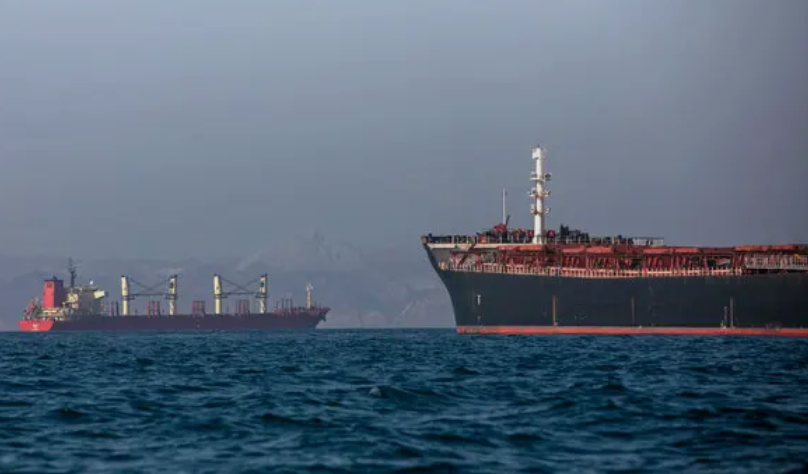
The Strait of Hormuz
Trump wrote late on Saturday in a social media post that this crucial maritime route, the Strait of Hormuz, will reopen based on the memorandum. However, several Iranian media outlets, some of which are close to the hardliners of the Islamic Revolutionary Guard Corps (IRGC), reported on Sunday that the Strait will remain under Iranian surveillance. Within a 30-day period, Iran will allow shipping to return to pre-war levels. Iran simultaneously demands the lifting of the US blockade on its ports, but in a post on Sunday, Trump noted: "The blockade will remain fully in force until an agreement is reached, certified, and signed," referring apparently to a final treaty and not the memorandum. Iranian media have emphasized that the reopening of the maritime route for shipping does not mean Tehran is abandoning its wartime claims over this strategic passage. In practice, Iran appears to be signaling that, although it may allow the return of commercial traffic to pre-war levels, it still intends to maintain a greater degree of control over transit through the Strait compared to before the conflict. "The Strait of Hormuz is already open, but coordination with the competent Iranian authorities is required to ensure safe transit," an Iranian source told CNN on Sunday. "The Strait of Hormuz has nothing to do with America. This is an issue between us and the littoral states," particularly Oman, Iranian Foreign Ministry spokesperson Ismaeil Baghaei stated on Saturday. During the conflict, Iran had stated it has the right to impose transit fees on commercial vessels transiting the Strait.
Uranium stockpiles and enrichment
A potential agreement between the US and Iran includes a commitment by Iran not to seek the acquisition of a nuclear weapon, CNN reported on Sunday. Iran will also pledge to initiate negotiations for surrendering its stockpile of highly enriched uranium and to freeze all new enrichment, according to a person familiar with the matter. Iranian officials insist that negotiations on uranium can begin only after a memorandum ending the war is agreed upon. Uranium constitutes a key nuclear fuel that can be used to manufacture a nuclear bomb if enriched to high levels. "Nuclear issues are not being discussed at this stage," Baghaei stated on Saturday. The Fars agency reported on Sunday that "Iran has undertaken no commitment in this deal regarding the surrender of nuclear stockpiles, the removal of equipment, the closure of facilities, or even a commitment not to construct a nuclear bomb." Trump has repeatedly insisted that, one way or another, Iran will have to surrender the more than 400 kilograms of highly enriched uranium it possesses. It is believed that a large portion of it has been buried following last year's American raids. The initial memorandum is not expected to cover the enrichment issue in detail, and finding a way to bridge the differences between the two sides will constitute one of the greatest challenges for a comprehensive agreement. Trump has cited Iran's nuclear program as a primary reason for the attack and had previously stated that a suspension of uranium enrichment for 20 years would be acceptable.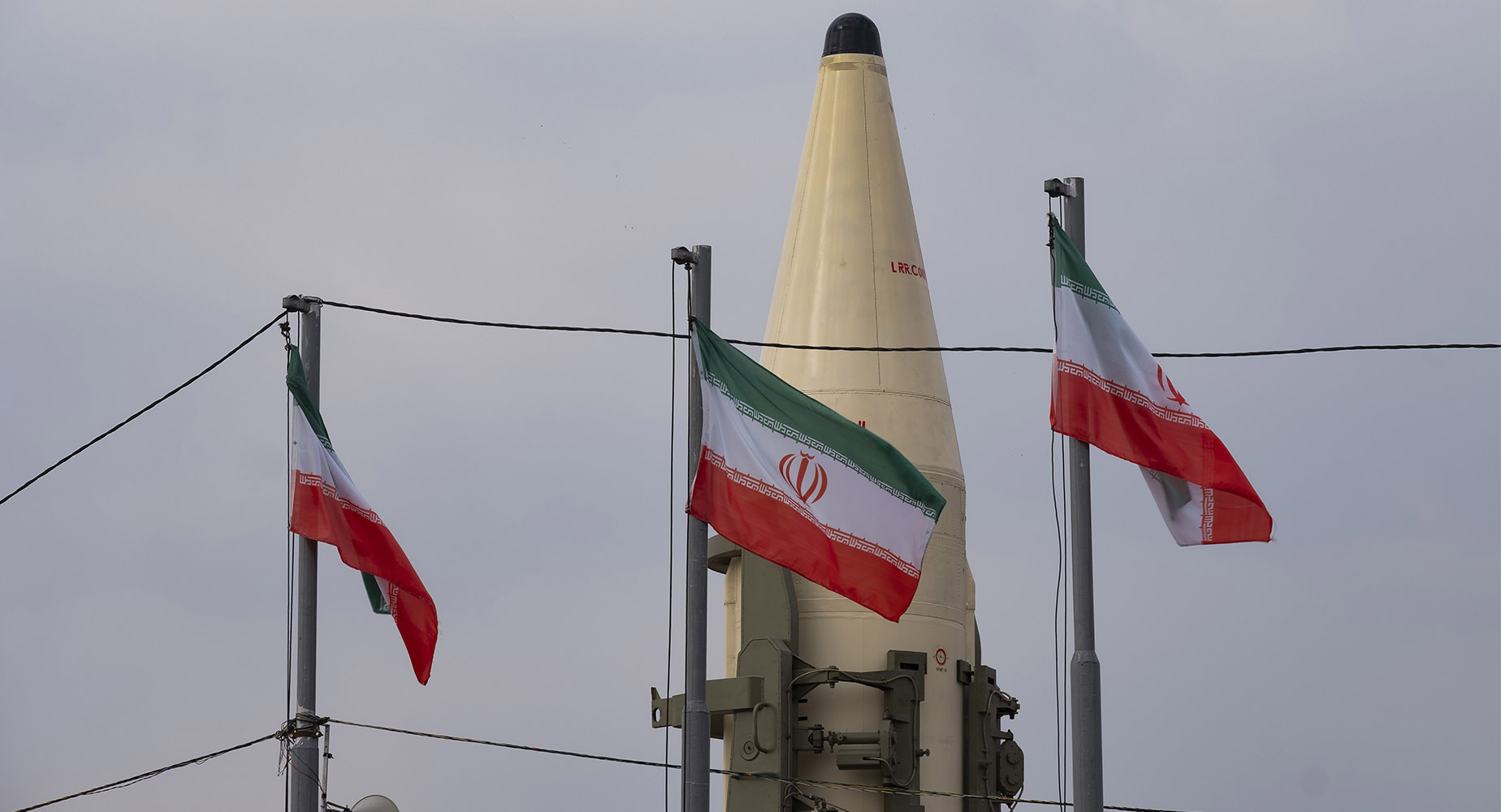
Iran's frozen assets
With its economy facing severe problems, Iran demands the immediate release of billions of dollars in assets that remain frozen in foreign banks. "From the beginning of this process, the status of releasing the blocked assets must be clarified," Baghaei stated. Citing an "informed source," Tasnim reported on Sunday that "without the release of a specific portion of Iran's blocked assets in this first stage—alongside a clear mechanism for the guaranteed, continuous release of all blocked assets—there will be no deal." However, a senior US administration official told CNN on Sunday that the release of Iranian assets will occur only after the Strait of Hormuz reopens. The US has given no commitment on how these assets, which are held in various foreign banks, will be returned to Iran.
Sanctions
Iran's economy is also being hit by a massive web of international sanctions, most of which have been imposed by the US and Europe. "The lifting of sanctions will not be discussed in this brief timeframe," Baghaei stated on Saturday, even though "Iran's demand for the lifting of all sanctions is explicitly mentioned in the text." "The details will have to be negotiated after the finalization of the memorandum," he added, implying that the suspension of sanctions will be linked to the nuclear issue. Iran estimates that lifting sanctions merely on oil sales could yield nearly $10 billion in revenue for the government over a 60-day period, according to the Fars agency. As with Iran's frozen assets, the sanctions imposed on the country will be lifted only when the Strait of Hormuz opens and is fully operational again, a US official told CNN.
Ballistic missiles
During the conflict, American officials had stated that Iran's longer-range ballistic missiles must be destroyed. Trump said that the "conventional ballistic missile program was developing rapidly and dramatically." However, recently there has been less discussion regarding whether the missile arsenal will form part of broader negotiations, even though Israel and the Gulf Arab states view it as an urgent threat.
www.bankingnews.gr


Readers’ Comments