

The US lost 42 aircraft in a 40-day war with Iran, while Israel emerges almost unscathed
A nightmarish reality for United States air superiority in the Middle East is brought to light by a shocking recent congressional report. The 40-day war with Iran did not develop into a "short and easy campaign," but instead turned into a $29 billion strategic and financial quagmire for the Pentagon. With American forces counting the loss of 42 aircraft (among them ultra-modern F-35A and F-15E fighters) and the destruction of high-value ground radars linked to the THAAD anti-ballistic missile system, the US is confronted with the harsh truth of asymmetric warfare. At the same time, the striking disproportion of losses compared to Israel, which emerged almost unscathed from the conflict, raises critical questions regarding fatal errors in American strategy and the effectiveness of Iran's "Mosaic" defense.
The shocking congressional report
The US lost up to 42 aircraft (18 manned aircraft) during its war with Iran, according to a newly published congressional report. While the American military suffered severe damage to its fixed-wing aircraft fleet, Israel's losses were negligible, limited primarily to low-speed drones. According to estimates, Israel lost between 18 and 20 low-speed unmanned aerial vehicles (UAVs), but no damage was reported to any of its manned warplanes, either on the ground or in the air.
The American military lost 6 fighter jets, including four F-15E Strike Eagles, one F-35A, and one A-10. In the support and reconnaissance fleet, the US lost seven KC-135 aerial tankers, one E-3 Sentry, two MC-130J special operations aircraft, and one MQ-4C Triton drone. Washington also lost helicopters and drones: one HH-60W combat rescue helicopter and 24 MQ-9 Reaper drones.
Three Sikorsky UH-60 Black Hawks were also reported to have sustained damage while participating in search and rescue efforts for the F-15s, as they were hit by Iranian fire, according to reports. The Black Hawks were not listed in the congressional report. In addition to aircraft, Iran also struck several high-value American ground radars linked to the THAAD system, as well as other early warning radars. This is also not mentioned in the congressional report.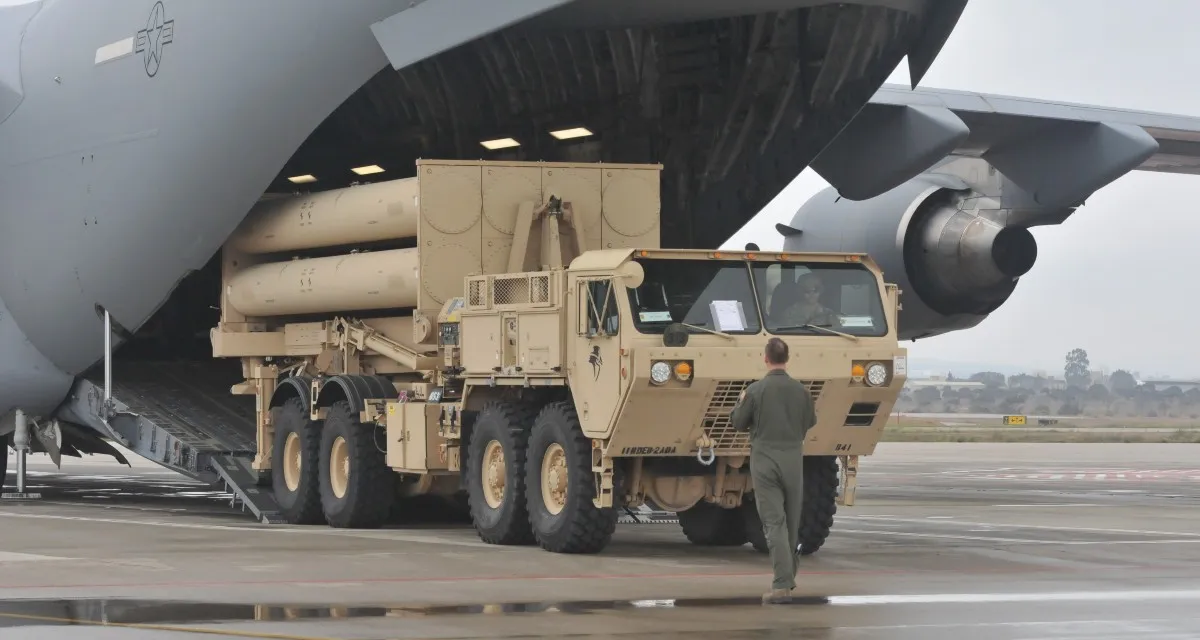
Israel nearly unscathed
On the other hand, Israel is believed to have lost 18–20 low-speed UAVs, such as the Elbit Hermes 450/900 and the IAI Eitan/Heron. Also, there were reports of damage to a few unidentified civilian aircraft on the ground. Israel has not published an official report, and this constitutes an estimate of Israeli losses.
Meanwhile, the Pentagon stated that the cost of military operations against Iran had skyrocketed to nearly $29 billion. "Much of this increase stems from a more expensive estimate of the cost to repair or replace equipment," stated Pentagon Chief Financial Officer Jules Hurst III during the May 12 hearing.
Iranian strikes on American aircraft in flight
The Iranian Air Force was grounded or destroyed during the initial air operations by the US and Israel. Although a significant portion of Iranian air defenses was also neutralized, enough survived to engage the adversary's assets. In the face of powerful US and Israeli radar jamming capabilities, Iran primarily utilized IRST (infrared search and track) systems for tracking and infrared (IR) missiles to engage and shoot down aircraft. The MQ-9 and Heron are subsonic, low-speed targets and, therefore, easier to hit.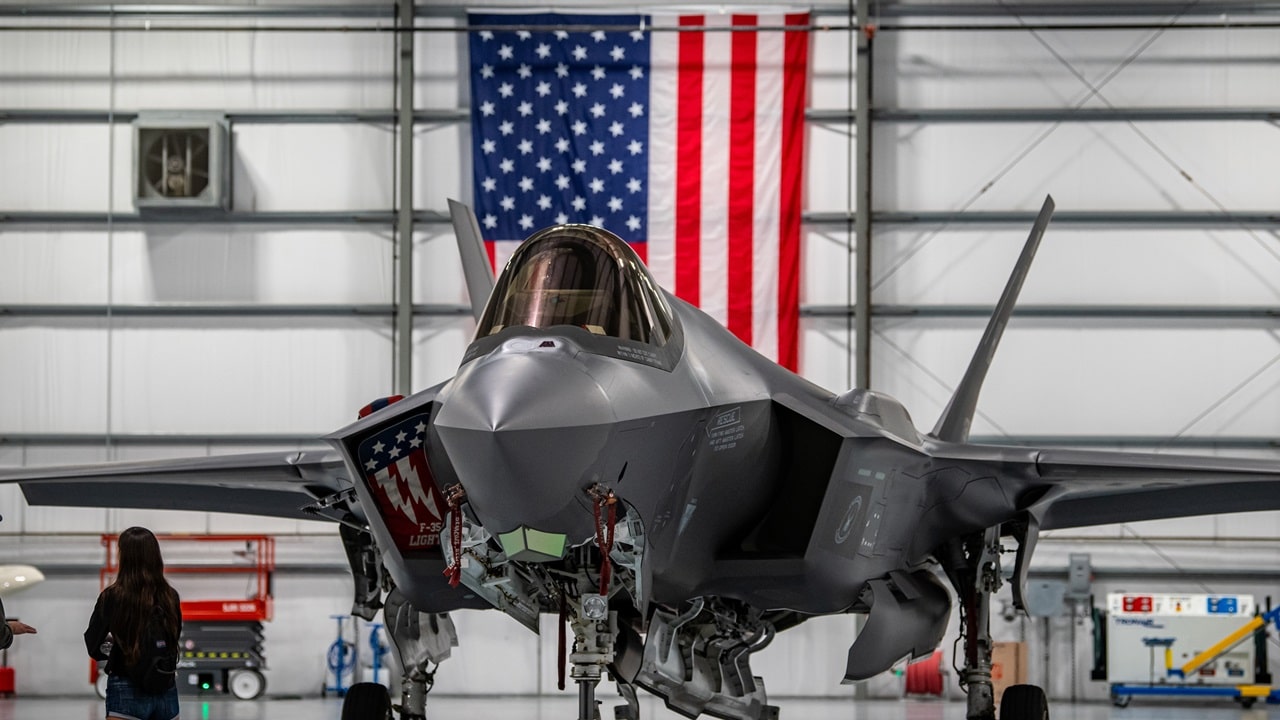
The fact that the stealth F-35 aircraft was able to be tracked and countered suggests that Iran could be utilizing advanced, mobile Chinese UHF 3D surveillance zone radars, the YLC-8B and YLC-8E, which are specifically designed to detect low-observable stealth aircraft. Iran may also possess updated intelligence from Russian satellites, which frequently includes the positioning of aircraft in the air.
Iranian strikes on US radars and communication systems
During the first 4 days of the war, Iran effectively struck almost all American military bases (or sites from which American aircraft operate) in the Gulf. Video analysis and satellite imagery indicate several strikes on radar and communication systems. Specifically, at the Al-Jufair base in Bahrain, two radar domes were destroyed by Shahed-2 drones. According to American journalistic sources, these radar domes housed AN/GSC-52B SATCOM satellite communication systems.
In the United Arab Emirates, an area within the Al Dhafra base was struck, where several satellite antennas were previously located. At the same time, it remains unclear whether the AN/TPY-2 radar, part of the THAAD anti-ballistic system at Al Ruwais, also sustained damage. In Kuwait, in addition to damage to certain structures at the Ali al Salem base that appear linked to SATCOM systems, at least three radar domes were destroyed at Camp Arifjan.
At least one strike was also recorded at Prince Sultan Air Base in Saudi Arabia, again in an area of the base apparently used for satellite communications and where an AN/TPY-2 radar had previously been deployed. The large AN/FPS-132 fixed-array AESA early warning and long-range anti-ballistic defense radar, located at the US base in Al Udeid, Qatar, also appears to have been hit.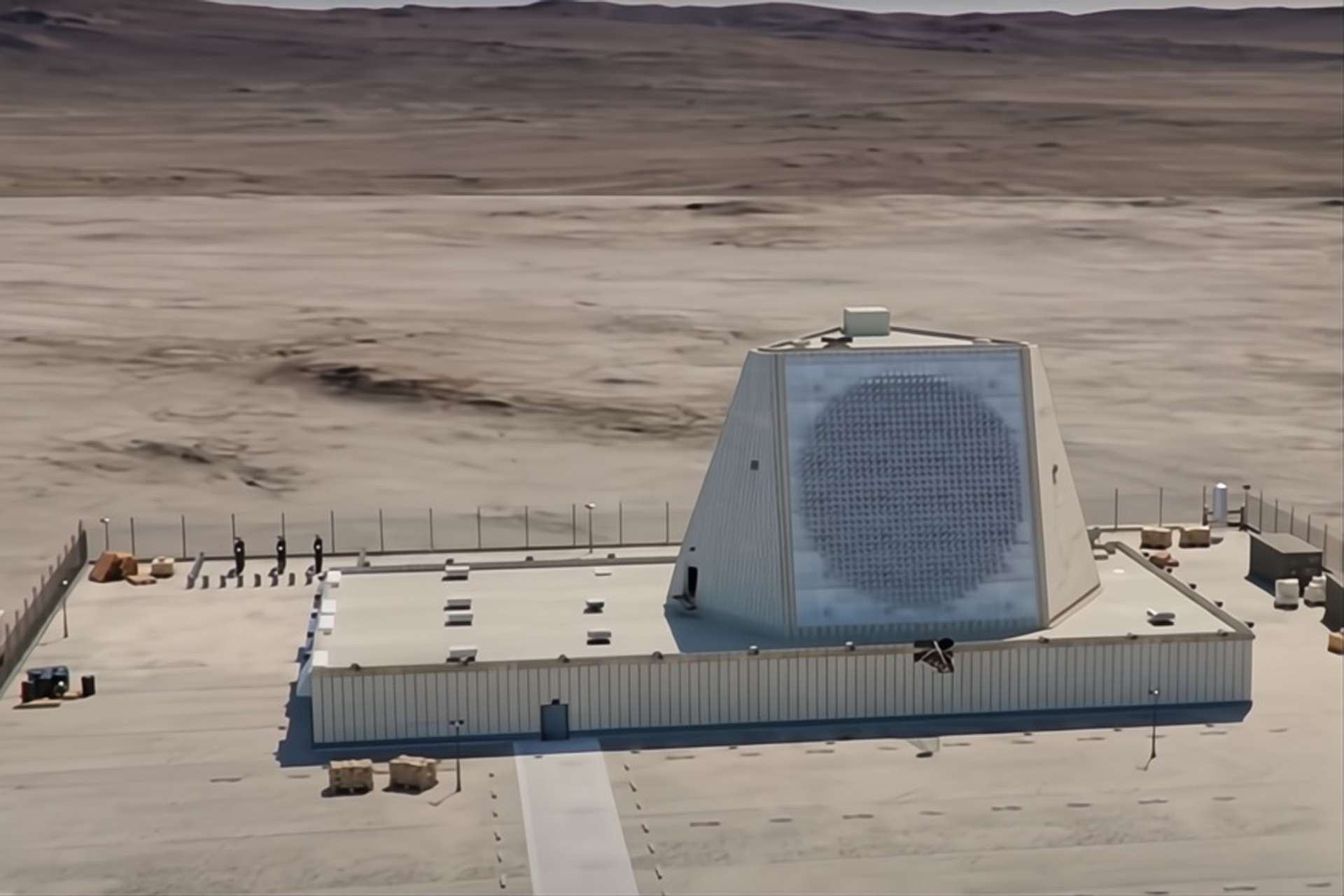
Some satellite images circulating online show inconsistencies that preclude certain confirmation. Iranian sources also report damage to another AN/TPY-2 at the Muwaffaq Salti base (Jordan), but currently, there is no evidence to support this. Most strikes against these high-value radars, as well as against aerial refueling and AEW&C (flying radar) aircraft, were carried out using ballistic missiles or cheap Shahed drones (valued at $50,000).
US and Israel approach to strikes
The United States and Israel are conducting a coordinated, joint military campaign (Operation Epic Fury/Rising Lion). The division of labor in air strikes was generally organized based on geography, target type, and strategic capability. The Israeli Air Force focuses on targets in western and central Iran, particularly targeting ballistic missile launchers and other military assets used for strikes against Israel. Israel has also focused on hitting Iranian regime locations, oil infrastructure, and nuclear facilities, including sites in Tehran and Karaj.
The United States Air Force/Navy operates primarily against Iranian missile launchers and assets in southern Iran, which have been used to target American bases in the Gulf region. The US has assumed responsibility for targeting the entire Iranian Navy and has utilized long-range bombers (B-2 and later B-52, B-1) for heavy strikes. Both nations are conducting intensive, continuous strikes against Iranian infrastructure, including industrial sites, ports, and bridges. The campaign's targeting strategy is to "destroy Iran's navy and ballistic missile forces" and prevent the militarization of its nuclear program.
Israel alone reported over 10,000 strikes in Iran and 1,100 in Lebanon. By early March, joint operations achieved near-total air superiority, with Israel claiming to have destroyed 80% of Iran's air defense systems. Recently, strikes expanded to include oil storage facilities, pharmaceutical raw material plants, and a key bridge near Tehran. Israel possesses years of experience targeting ground assets in Iraq, Iran, Syria, and Lebanon, among others.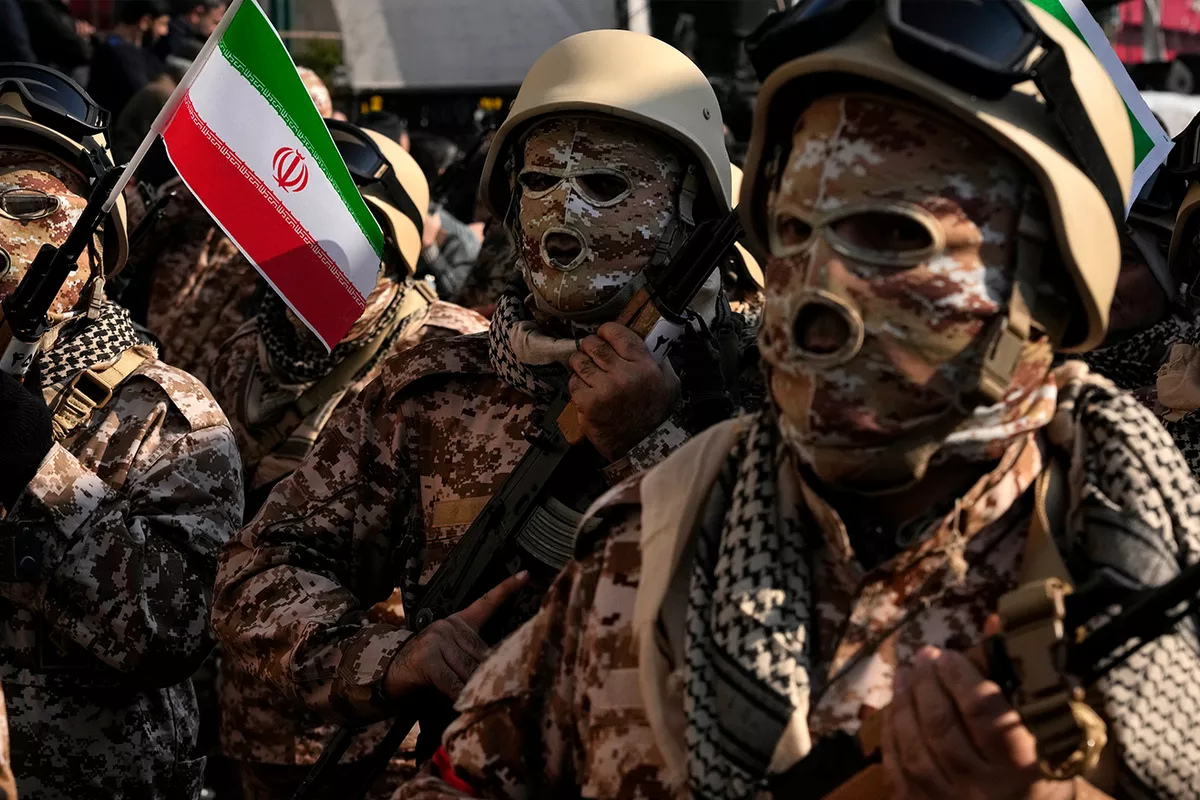
The Israeli Air Force has perfected its tactics to keep its own assets safe. This is one of the reasons they have lost only low-speed UAVs. The US also lost more aircraft in the air due to a lack of coordination with the Gulf countries, where most of their assets are located. Furthermore, more action has shifted south, near the Strait of Hormuz, and occurred when Iran began striking assets within countries that permitted the hosting of American military forces.
Iran's 'Mosaic' defense strategy
Iran's Mosaic Defense (Defa-e Mozaiki) is a decentralized military strategy designed to survive leadership decapitation strikes and ensure long-term resistance by dividing the country into 31 autonomous provincial commands. It eliminates reliance on a centralized command in Tehran, allowing local units to operate independently, maintain administrative autonomy, and launch retaliatory strikes.
Key aspects include decentralized command, which was formalized by the Islamic Revolutionary Guard Corps (IRGC) around 2008. This strategy ensures that if one "tile" (province) is destroyed or loses communication, the others continue fighting. They maintain operational command autonomy, with each of Iran's 31 provinces functioning as an autonomous unit with its own weapons, intelligence, and administrative support, authorized to act without instructions from the central leadership.
By distributing command away from Tehran, the system makes it impossible to terminate the conflict with a single strike, turning a potential war into a protracted conflict. The strategy integrates the Basij militia for urban warfare and local defense. The doctrine leverages Iran's terrain, mountains, and deserts to create "natural fortresses," making a conventional occupation difficult. This doctrine was developed specifically to counter a "shock and awe" style attack by the United States or Israel, prioritizing long-term attrition over a short, conventional war.
What went wrong in the US air strategy
The US-led air strategy against Iran faced significant challenges, despite initial predictions of a quick victory. Although the campaign succeeded initially in degrading Iranian air defenses and leadership, it faced severe operational and strategic setbacks as the conflict continued. The US underestimated Iranian defenses and tactics. While official reports initially claimed that all of Iran's air defenses had been destroyed, this claim was not entirely true. In fact, a CNN report claims that Tehran could have 50% of its missile launchers and drones intact.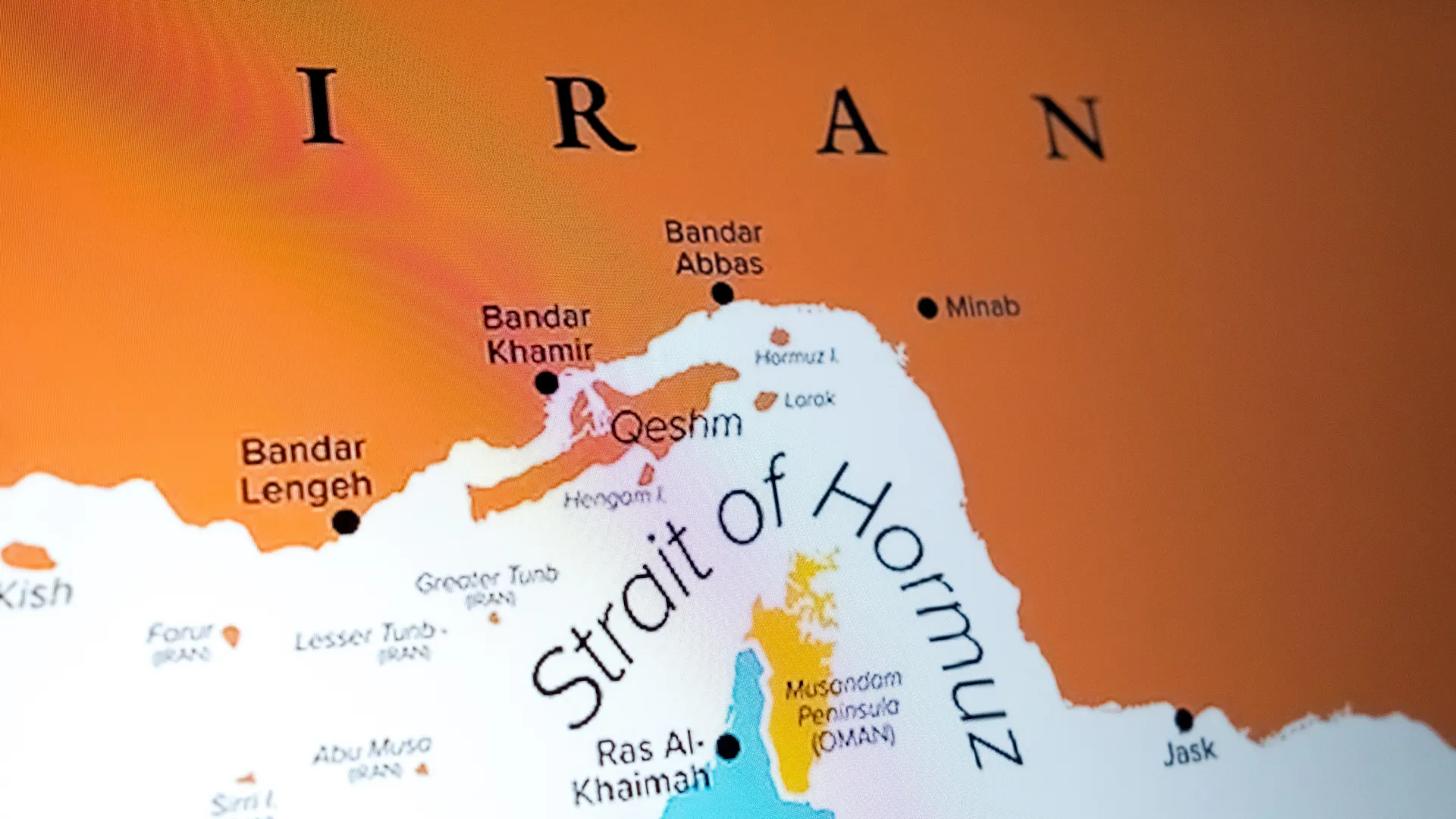
Furthermore, Iranian forces successfully concealed mobile air defense systems in tunnels and bunkers, allowing them to ambush American planes, proving that this was not a one-sided conflict. Clearly, the assumption of a "quick war" had failed. The strategy had relied on the belief that a rapid, massive aerial campaign could force the regime into collapse or a swift victory. This failed because Iranian conventional capabilities, though degraded, endured and retaliated, turning the campaign into a prolonged war of attrition.
The Iranian strategy revolves around an asymmetric "forward defense" approach, designed to project power across the Middle East while avoiding a direct, conventional war. By leveraging regional proxy forces, investing in low-cost drones, and threatening the Strait of Hormuz, Tehran seeks to challenge US/Israeli influence while creating a viable, hard-to-hit deterrence. However, it managed to respond with direct retaliation against American bases. Iran successfully targeted American military installations throughout the region, including Bahrain, Qatar, Kuwait, and Iraq, causing significant losses. This demonstrated that American air superiority did not equate to security on the ground.
Tehran relies heavily on cheap, domestically produced drones like the Shahed, costing $20,000–$50,000, to overwhelm sophisticated, expensive air defenses in the context of asymmetric warfare. Iran is cultivating closer military ties with Russia, supplying drones in exchange for advanced technologies like the S-400 system. Iran projects power through a network of proxies in failed or fragile states, including Hezbollah in Lebanon, the PMU in Iraq, and the Houthis in Yemen, to move conflicts away from its own borders.
The IRGC uses its assets to threaten global oil supply chains. This manifested as a "smart" selective blockade, allowing certain vessels to pass while targeting those linked to the US, Israel, and their allies. Iran has warned that it will attack American and Israeli assets, including infrastructure in host countries, if its own civilian infrastructure (power generation plants, energy facilities) is targeted. The US repeated mistakes from prior conflicts (Afghanistan, Iraq) by relying solely on aerial destruction without a viable, clear political "day after" strategy to replace the targeted regime.
Despite the neutralization of top leadership, the "rally 'round the flag" effect became visible. The extensive bombing campaign, including strikes that destroyed civilian infrastructure, backfired, uniting the Iranian population behind its regime, destroying prospects for a domestic opposition movement, and strengthening the positions of hardliners. Sustainability and resource constraints are evident. The conflict has heavily drained US military resources, including high-value assets like Tomahawk missiles and Patriot interceptor missiles, creating shortages in other critical theaters of operation, such as Europe and Asia. Most NATO members refused to participate or assist in resupply.
The miscalculation of diplomatic and escalation risks is obvious. The strategy failed to prevent regional escalation and, in fact, prompted Iran to target vital global economic assets, such as energy infrastructure in the Gulf, increasing anti-American sentiment worldwide.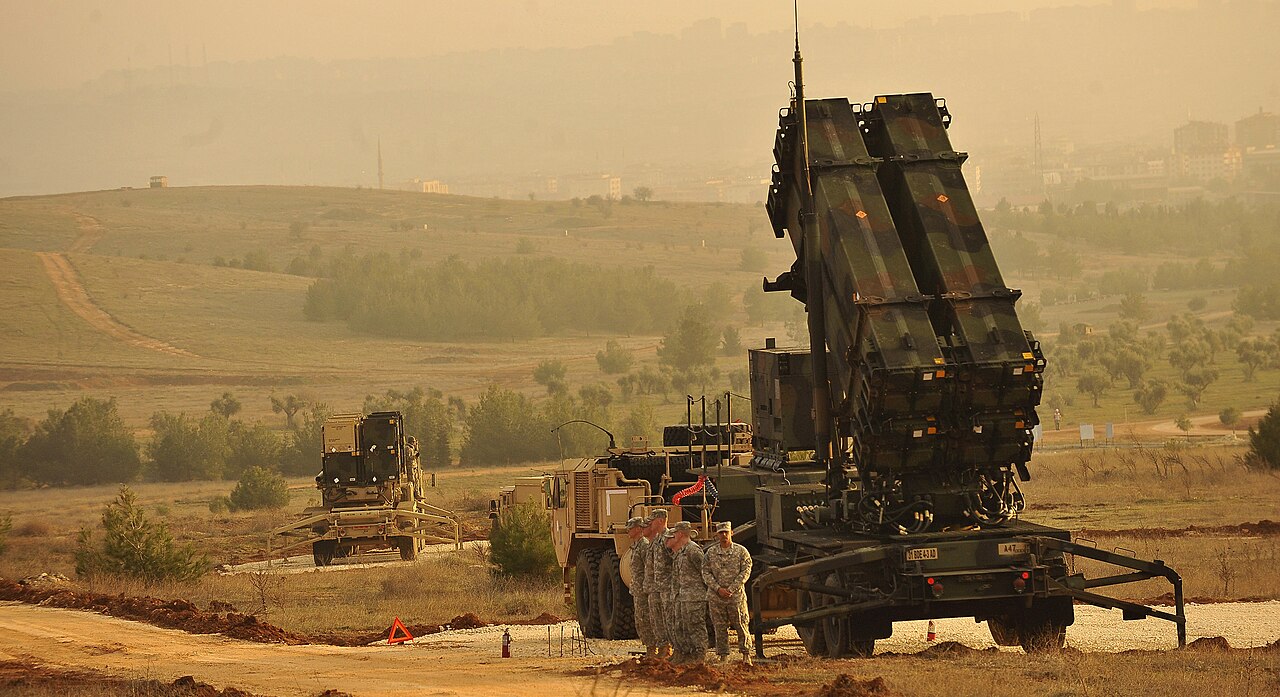
Conclusion
In summary, the strategy failed because it assumed that technological superiority would translate into a quick political victory, while it failed to foresee the resilience of Iranian defense systems and the geopolitical consequences of the destruction. This discrepancy in losses between the US and Israel is not due to any inferiority of American technology or pilot capabilities. It stems from differences in basing, operational exposure, and the strategic approach to the conflict.
The US operates from a network of large, forward bases across the Gulf—many high-value assets, including AWACS, aerial tankers, radars (AN/TPY-2 linked to THAAD), and parked aircraft, were initially exposed or only partially armored. Iran exploited this with ballistic missiles, cruise missiles, and swarms of low-cost Shahed drones, targeting these bases in the initial phases.
In contrast, Israel operates primarily from its heavily protected territory, where aircraft and critical systems benefit from hardened shelters, dispersed basing, and one of the densest layered air defense networks in the world. Secondly, the US shouldered a heavier burden in the war with Iran than Israel, which could explain its greater exposure to Iranian fire and counterattacks. Initial coordination challenges with Gulf host countries, some of which lacked recent combat experience, contributed to incidents such as the initial loss of three F-15Es to friendly fire over Kuwait.
Israel focused on precision strikes while minimizing the exposure of manned aircraft over the most protected zones. The Israeli air force relied heavily on long-range standoff weapons, electronic warfare, and UAVs for hazardous missions—accepting predictable losses of cheap drones rather than risking pilots' lives. Israel has been in a state of near-continuous conflict for decades. Its military possesses extensive expertise operating against integrated air defense systems in contested environments. For Israel, this translates into more conservative mission planning, better integration of deception and suppression tactics, while minimizing risk to personnel.
www.bankingnews.gr













Readers’ Comments