

While the IRGC threatens to strike targets in places no one can imagine, information suggests that Iran and the US are nearing a preliminary deal.
Tehran is currently reviewing American positions regarding a peace proposal. At the very moment the Islamic Revolutionary Guard Corps (IRGC) threatens to strike American targets in places no one can imagine—implying that bases in Crete and Cyprus are within range of their missiles—reports suggest that Iran and the US are not only continuing their diplomatic back-channel contacts but are also close to a preliminary agreement. The Iranians are currently reviewing the latest American adjustments to the 14-point proposal previously put forth by Tehran. While no formal response has been given yet, Pakistani mediators reportedly conveyed a message from Washington to the Iranian side. Although the differences between the two sides appear insurmountable on a series of critical issues, there are indications that an optimistic scenario may prevail this time. A clear signal is the statement by US President Donald Trump that Israeli Prime Minister Benjamin Netanyahu will comply and do what he is told, following reports that the two leaders were openly disagreeing over a revised peace proposal for Iran. Furthermore, China and Russia have sent a message that the war in Iran must end now and that a new military operation would be unacceptable, at a time when all Gulf states are reportedly in favor of de-escalation. It is clear, however—as has been proven over the last three months—that everything can change in an instant, and we could shift from peace scenarios to new and more devastating military strikes in the blink of an eye. After all, both the Americans and the Iranians remain with their fingers on the trigger.
US message via Pakistan to finalize an agreement
As reported by Al Arabiya, a peace agreement between the United States and Iran may be announced within the next few hours. According to Al Arabiya, efforts are underway to finalize the text of the peace deal. It is reported that Pakistan's army chief, Asim Munir, may travel to Iran on Thursday, May 21, to announce the final form of the agreement, while Pakistan's Interior Minister was also in Iran yesterday, Wednesday, May 20. The report adds that a new round of negotiations is expected to take place in Islamabad, Pakistan, at the end of May.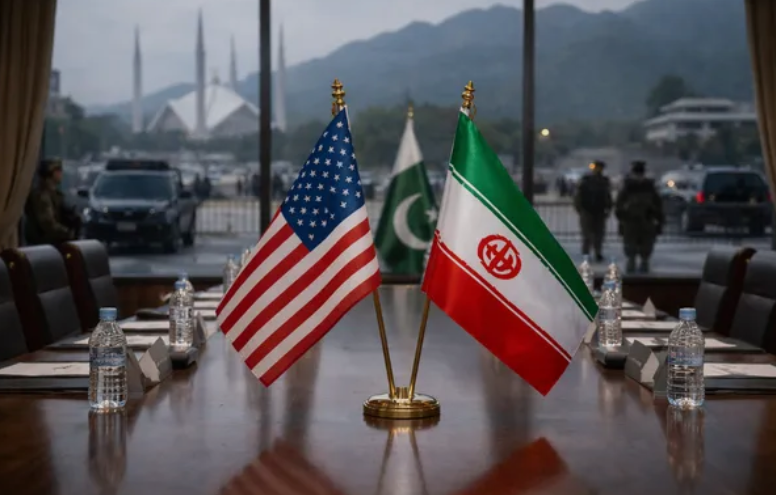
Baghaei (Iranian Foreign Ministry): We are reviewing the US proposals
Simultaneously, the Iranian Foreign Ministry announced that Tehran is currently reviewing the American positions regarding the peace proposal. The Islamic Republic is "pursuing the path toward peace seriously and in good faith," yet it maintains "serious and reasonable reservations" toward the United States, stated Esmaeil Baghaei, spokesperson for the Iranian Foreign Ministry. According to the Iranian agency Nour News, Washington and Tehran are exchanging messages through Pakistan regarding the wording of a proposed ceasefire document. "Based on Iran's initial 14-point text, the exchange of messages took place in several phases," Baghaei said. "We have received the views of the American side and are reviewing them," the Iranian official pointed out.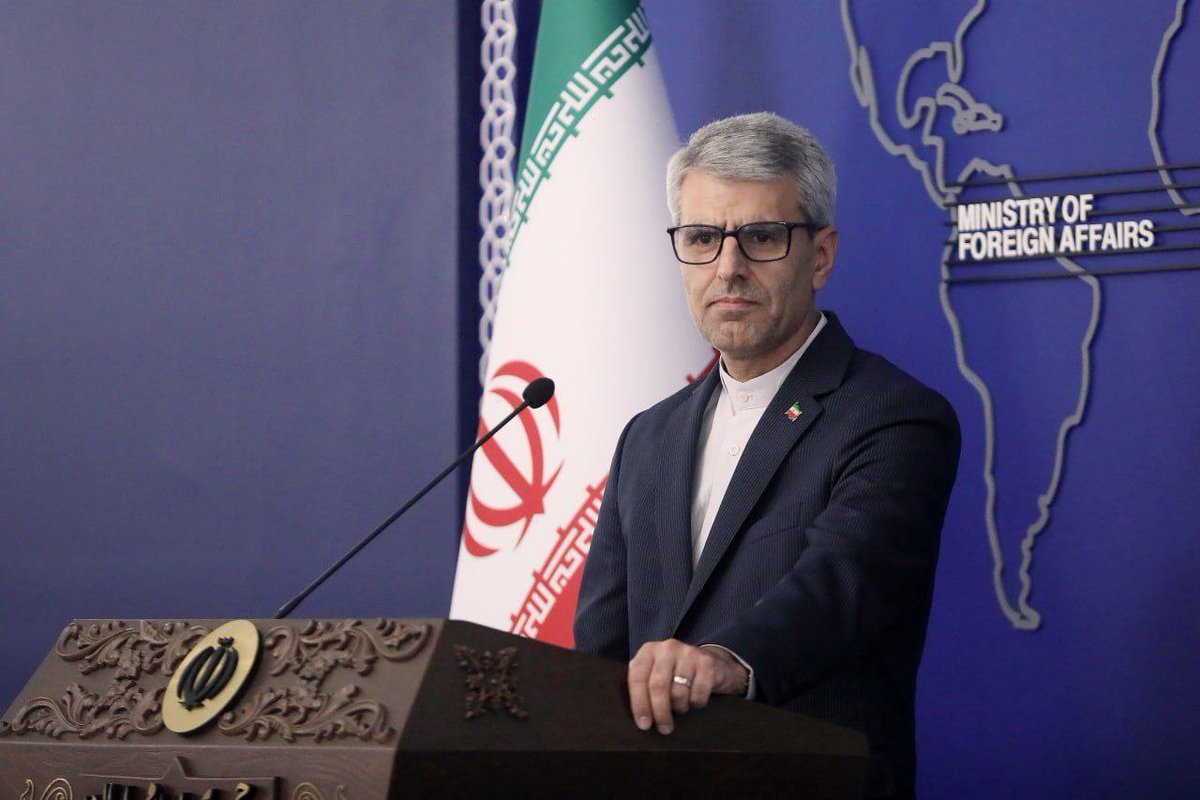
Pezeshkian (President of Iran): We are open to a diplomatic solution
The President of Iran, Masoud Pezeshkian, argued that all avenues for a diplomatic solution remain open from Iran's side. However, he warned that the attempt to force Iran into surrender through pressure is nothing more than an illusion. "Iran has consistently upheld its commitments and has explored every avenue to prevent war. All roads remain open from our side. The attempt to force Iran into capitulation through pressure is nothing more than an illusion. Mutual respect in diplomacy is much wiser, safer, and more sustainable than war," the Iranian President emphasized.
Wall Street Journal: On the brink of a major agreement
Top Wall Street Journal correspondent Lawrence Norman wrote: "Iran and the United States are on the brink of signing a major agreement," while Axios reported that Qatar has drafted a new deal to de-escalate tensions between Tehran and Washington. According to reports, the talks are focused on:
-
A cessation of hostilities.
-
A temporary agreement lasting approximately 30 days.
-
The resumption of negotiations regarding Iran's nuclear program.
-
The gradual opening of the Strait of Hormuz.
Axios: Tension in the Trump-Netanyahu communication
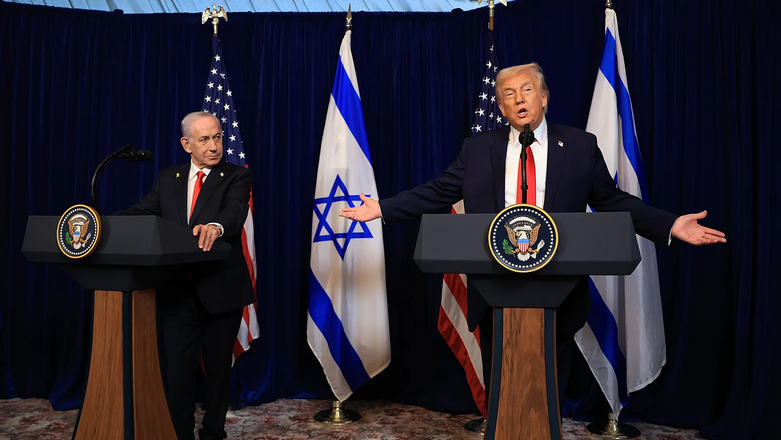
Axios reported that the phone conversation between Donald Trump and Benjamin Netanyahu regarding the new effort for an agreement with Iran was "difficult and tense." During the call, the two sides discussed a new initiative to reach a deal with Tehran, which sources described as "tough and demanding." One source mentioned that Netanyahu was in a state of rage after the call ended. According to a US official, Trump informed Netanyahu that mediators are drafting a document that Washington and Tehran will sign to end the war.
Trump: We are in the final stages
Earlier, Donald Trump revealed that talks with Iran are in the final stages, while warning of potential attacks if Tehran does not agree to a deal. "We are in the final stages with Iran. We will see what happens. Either there will be a deal or we will do some things that will be somewhat unpleasant, but I hope that doesn't happen," the US President told reporters on Wednesday. Trump implied that the US is willing to wait a few more days in order to receive the right answers from Tehran. At the same time, oil prices fell by up to 5% as reports of a possible peace agreement between the US and Iran were bolstered. Israel's Channel 13, citing a senior Israeli official, claimed that there is pressure within Donald Trump's circle in favor of a deal with Iran, but the possibility of an attack still remains open.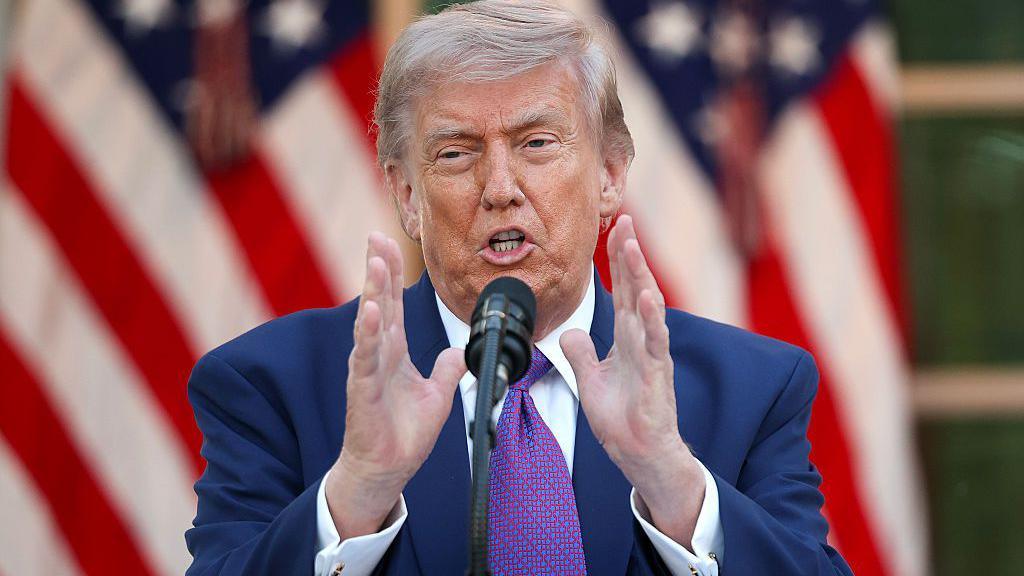
Threats from Iran
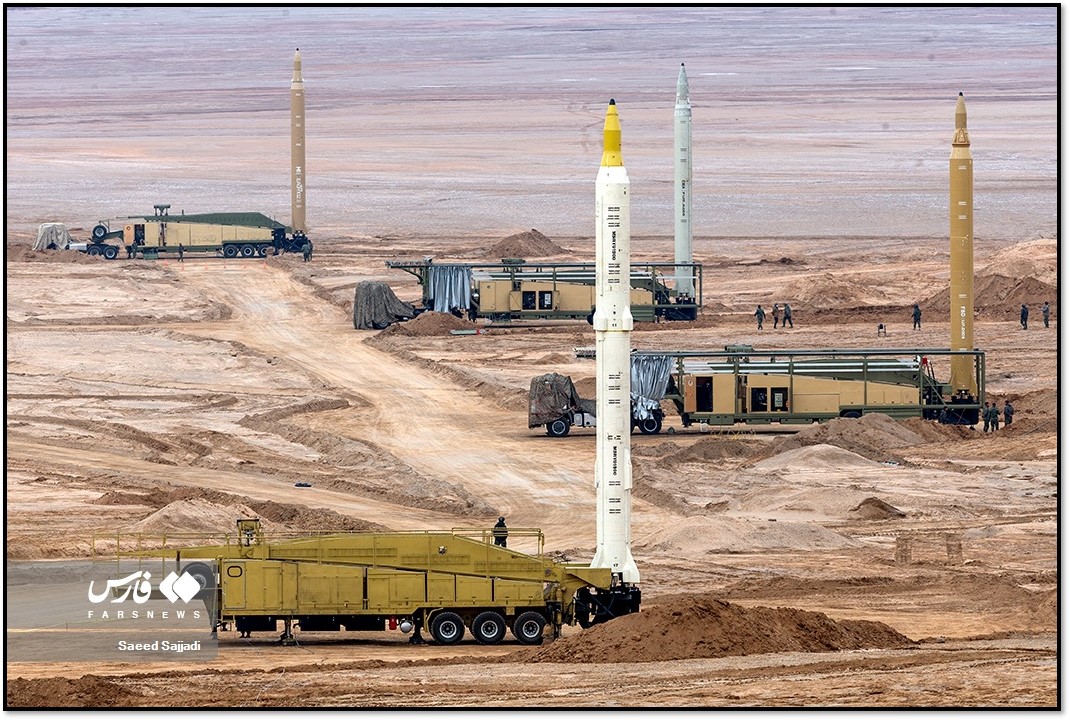
At the same time, the Iranians remain with their fingers on the trigger. An Iranian military source told Russian media that Tehran possesses advanced weapons systems that have not yet been used. Referring to Iran's readiness for a potential new US strike, the official stated: "We have manufactured modern, domestically produced weapons that have not yet been used on the battlefield and, in reality, have not been tested." The same source emphasized that Tehran is fully prepared for a potential escalation with the United States, adding: "In terms of equipment and defensive capabilities, we face no shortages that would prevent us from defending our country." "This time, we do not intend to act with restraint," he added. These statements come as Donald Trump has intensified warnings about potential military actions if there is no agreement with Iran, while diplomatic efforts via regional mediators continue.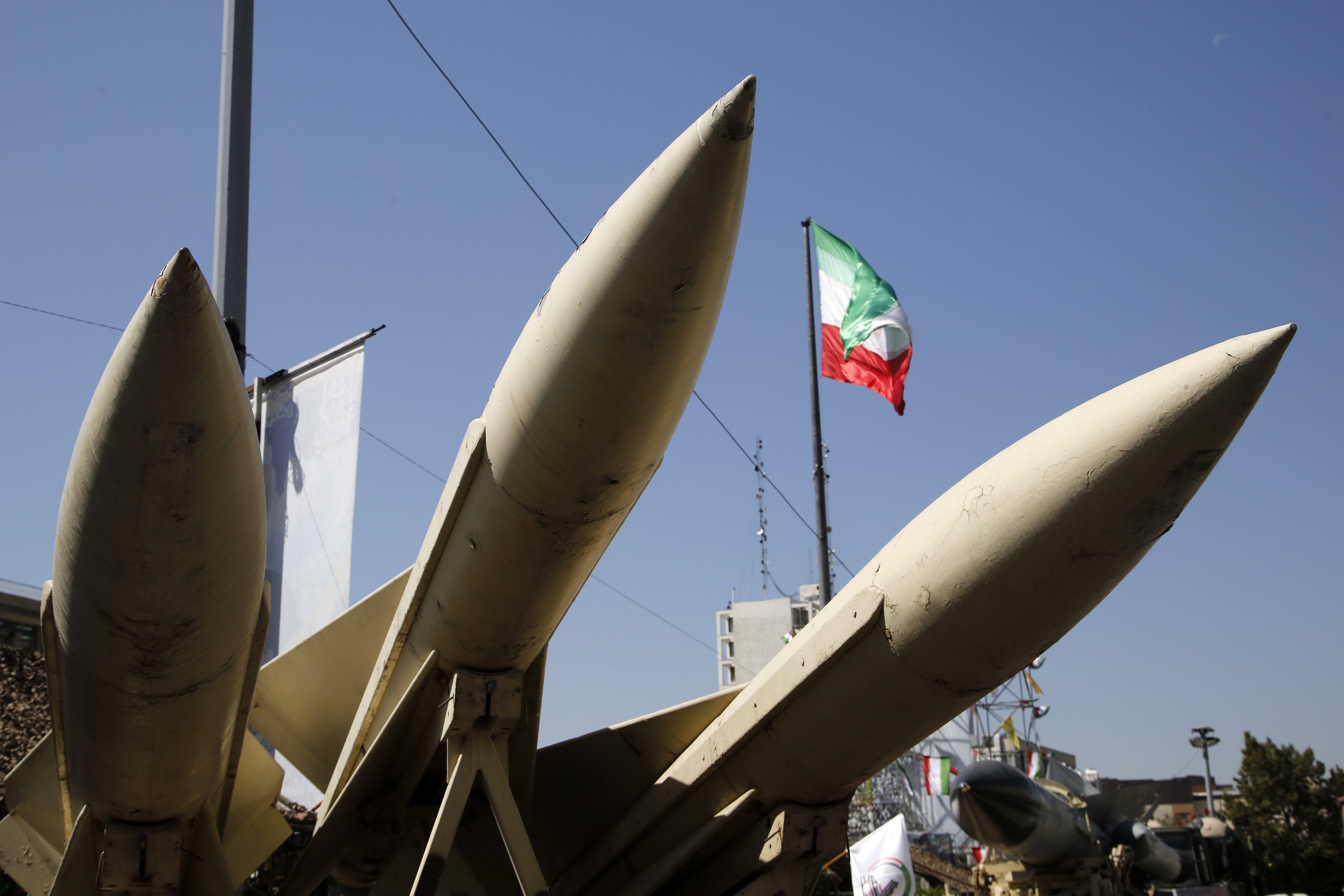
Shock warning from IRGC: If the US strikes again... war will go global, and chaos will consume many regions
In a statement, the Islamic Revolutionary Guard Corps (IRGC) of Iran, in a message to the United States, stressed that the "American-Zionist enemy" has not learned from its repeated strategic defeats by Iran and has once again resorted to threats. "Although they attacked us with the full capabilities of two armies—the best-equipped armies in the world—we did not utilize all the capabilities of the Islamic Revolution against them," the IRGC stated. "But now, if aggression against Iran is repeated, the regional war will expand beyond the region, and our overwhelming strikes will lead you to absolute destruction in places you cannot imagine." "We are soldiers of war, and you will see our power on the battlefield, not in hollow statements or on social media," declared the IRGC. The warning comes amid escalating war rhetoric from US President Trump, who has threatened in recent days to launch new strikes against Iran if indirect diplomatic talks do not result in an agreement.
What does the warning from the IRGC mean? They threaten to cause destruction in Greece and Cyprus
The statement by the IRGC is remarkable and significant in many respects. In their recent announcement, issued in response to the US threat, the Revolutionary Guards declared that if the US attacks Iran again, this time it will not be a regional war but an inter-regional one. This message from the IRGC must be taken seriously. During the "40-day war," various regions, such as the Emirates, Bahrain, Kuwait, Saudi Arabia, Qatar, etc., were attacked. Signs of preparation for a larger war were observed during that 40-day conflict. In that war, missiles and drones targeted the Diego Garcia base, the Mediterranean, Cyprus, Turkey, etc. Although these missions were often not approved by Headquarters and the IRGC, they proved that Iran could strike areas outside the Middle East and West Asia if necessary. Which are, however, the most important areas outside the Middle East that could become targets for Iranian missiles?
-
Diego Garcia: On April 1, at 14:05, two medium-range ballistic missiles were launched against the joint US-British military base at Diego Garcia in the Indian Ocean. Reuters reported that a US warship attempted to intercept the missiles, although it was unclear if the interception was successful. This was the first attack against Diego Garcia since the base opened, located 4,000 kilometers from Iran.
-
Cyprus, Greece, and Turkey: Parts of Cyprus, Turkey, and Greece are within the range of Iran. US bases are located in these areas, and the US occasionally launches missiles and aircraft from them. Therefore, these areas could be within the range of Iran, and the strikes would be catastrophic.
-
Caucasus: Certain governments in the Caucasus region are friendly toward Israel and the United States. Azerbaijan is one of the countries that has repeatedly shown it is not afraid to cooperate with Israel. If Azerbaijan's cooperation with Israel and the US increases, this region could also fall within the range of Iranian missiles. However, Iran has shown it has no interest in violating good neighborliness and is not willing to go to war with its neighbors unless forced.
-
Parts of East Africa: Countries like Somalia and Djibouti have extensive cooperation with Israel and Saudi Arabia. In the event of a severe conflict between Iran and Saudi Arabia and the provision of logistical aid by these countries to Saudi Arabia and Israel, these areas could also be attacked by Iran. However, Iran has shown interest in cooperation with African countries and prefers not to target them.
-
Parts of Europe: Parts of Eastern Europe could become targets for Iranian intercontinental or even ballistic missiles. If European countries decide to continue providing logistical assistance to the United States, these areas could also become targets.
-
Seas that could be a target for Iran: Part of the Iran-US conflict is in the navy. US warships sometimes approach the Persian Gulf and retreat to the Indian Ocean after Iranian attacks. In the previous war, Iran chose not to attack these ships, but Iran's strategy may change in the next potential war, and it may also attack significant US ships in the Indian Ocean.
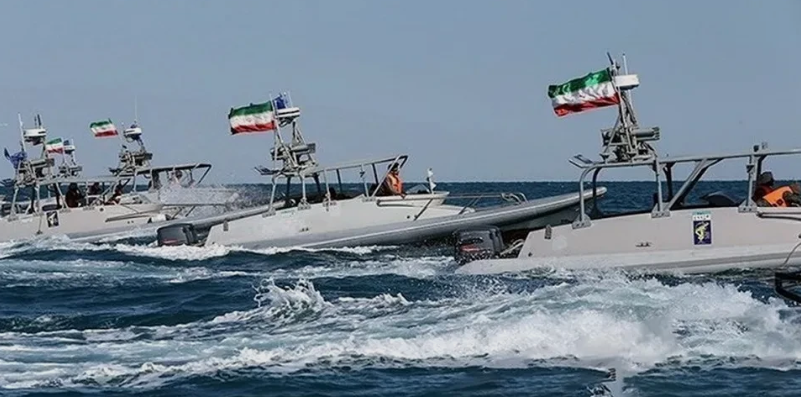
The Iranian authority managing the Strait of Hormuz defines a surveillance zone reaching Fujairah
The Persian Gulf Straits Authority (PGSA) in its announcement states that the management zone is "the line connecting Mubarak in Iran and southern Fujairah in the United Arab Emirates, on the eastern side of the strait, extending to the line connecting the tip of Kesm island in Iran and Umm Al Quwain in the United Arab Emirates, on the western side of the strait." "Movement within this area for transit through the Strait of Hormuz requires coordination" with the PGSA "and obtaining permission from this entity." Iran closed the strategic corridor to enemies and their allies in retaliation for the latest unprovoked aggression of the United States and the Israeli regime against the country. It began implementing much stricter controls after US President Trump announced the continuation of the illegal naval blockade of Iranian ships and ports on April 13, violating the terms of the ceasefire he had announced unilaterally earlier that same month. Amid the developments, Iran introduced the PGSA as a new institutional mechanism to regulate and supervise ship traffic through the Strait of Hormuz.
www.bankingnews.gr









Readers’ Comments