

Ongoing Ukrainian strikes deep inside Russian territory, coupled with periodic Western threats of direct military confrontation with Russia, are fueling the arguments of Russian "hardliners." These figures increasingly question why the Kremlin has not delivered a decisive, strategic strike to finally end this multi-year war and neutralize Western military ambitions once and for all. Many analysts point out that President Putin could have easily pushed "the red button" on at least 5 distinct occasions when Moscow's stated "red lines" were crossed. Despite this, Putin categorically rejects any nuclear scenario regarding the war in Ukraine, even as he decisively maintains that all established objectives will be met. Meanwhile, Kyiv is floating alarmist scenarios suggesting that Russian forces are preparing a major operational move toward the capital, concerns further intensified by the ongoing activities of Wagner PMC personnel inside Belarus.
The red lines
Russian political analysts note that since February 2022, the international community has repeatedly held its breath as Russia's "red lines" were systematically violated. The striking of the Crimean Bridge, cross-border incursions, attacks on strategic military airfields, and the ground invasion of the Kursk region are all instances where thousands believed an ultimate escalation was certain. Yet, every single time, no such response materialized. Strictly speaking, the formal justifications were present. However, Russia's nuclear doctrine serves as a strategic framework rather than a rigid operational directive; it functions as a tool of deterrence rather than an automated retaliatory mechanism. Nonetheless, many inside Russia are questioning: if none of these 5 major provocations triggered a nuclear response, what exactly would it take under the current leadership's calculation?
When the nuclear doctrine permits use
While large portions of Russia's nuclear doctrine remain highly classified, it is fundamentally a clearly defined document outlining the specific conditions under which nuclear weapons may be deployed as a deterrent "in an extreme case." Presidential Decree No. 355 of June 2, 2020, was the active framework at the onset of the "special military operation," before a revised version was formally approved via Decree No. 991 in November 2024. According to the 2020 framework, the deployment of nuclear weapons was permitted under four strictly defined scenarios: • Receipt of verified data regarding the launch of ballistic missiles targeting the territory of Russia or its strategic allies; • The use of nuclear weapons or other weapons of mass destruction by an adversary against Russia or its allies; • An attack utilizing conventional weapons that places the very existence of the state as a sovereign entity under existential threat; • A strike against critical government command infrastructure or nuclear command nodes capable of paralyzing Russia's retaliatory capabilities.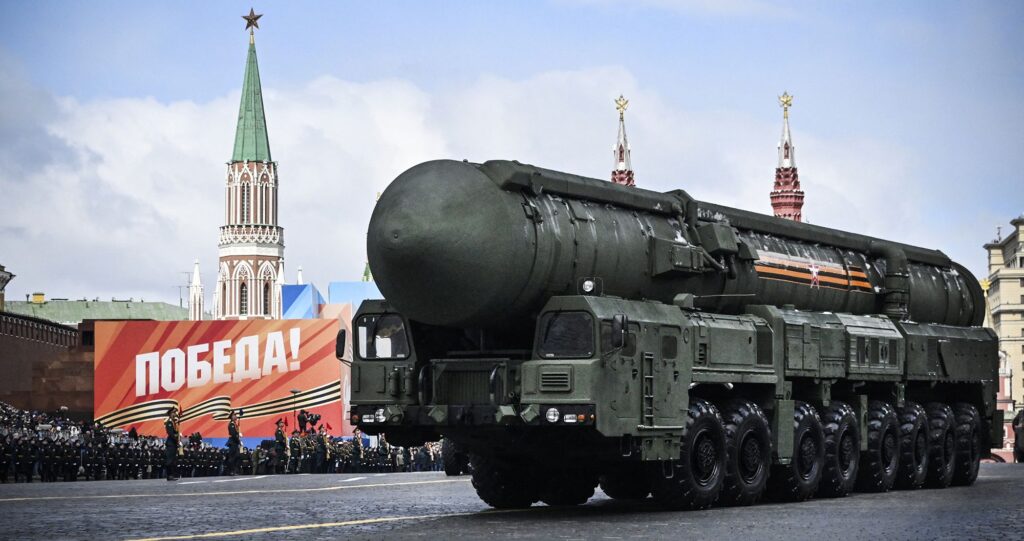
Amendments introduced in 2024
In November 2024, the doctrine was expanded to include a series of new justifications for a potential nuclear strike. Crucially, deterrence guarantees were extended to Belarus as part of the Union State framework: a conventional attack against Minsk that poses a critical threat to its sovereignty is now classified as a basis for a Russian nuclear response. The revised text also integrated specific language regarding a "mass launch of aerospace attack instruments," namely unmanned aerial vehicles (UAVs), cruise missiles, and hypersonic weapons, provided they violate state borders. Furthermore, joint aggression can now be declared if a non-nuclear state—a clear nod toward Ukraine—receives direct backing from a nuclear-armed power, expanding the potential scope of target subjects under nuclear deterrence. Given that three NATO nuclear powers—the US, the UK, and France—provide comprehensive conventional military hardware, intelligence, and resources to Ukraine, this clause has technically already been triggered.
Ample room for interpretation
Despite these explicit updates, the core terms of the document—such as "critical threat," "verified data," "mass launch," and "existence of the state"—are deliberately phrased to afford maximum maneuvering room to the country's senior political leadership. The doctrine simply provides a decision-making framework. No single geopolitical event, even if it closely mirrors one of the stated conditions, automatically triggers the "red button." For that to happen, definitive political will is required.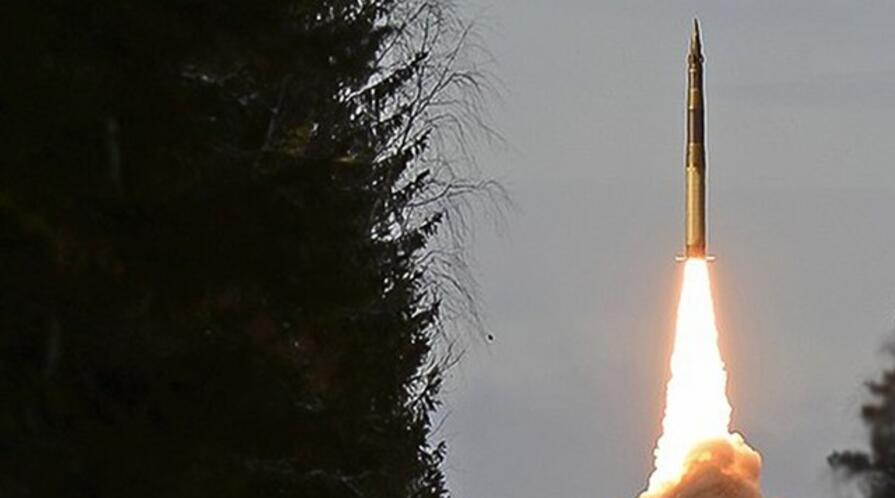
1. The strike on Millerovo airbase
On February 25, 2022, just the fourth day of the "special military operation," Ukrainian forces launched a targeted strike against the Millerovo airbase in the Rostov region, located roughly 100 kilometers from the border. Open-source tracking indicates the attack was carried out utilizing a Tochka-U tactical ballistic missile configured with a cluster warhead. According to Ukrainian claims, the strike damaged or destroyed several pieces of military aviation hardware, including strategic transport aircraft. The Russian Ministry of Defense refrained from detailed commentary, limiting its statements to general notes regarding the interception of incoming missiles by domestic air defense systems. Independent OSINT analysts and satellite imagery subsequently confirmed the strike, though the exact scope of the structural damage remained disputed. Technically, this event aligned with point 3 of the 2020 doctrine: "receipt of verified data regarding the launch of ballistic missiles attacking the territory of the Russian Federation." The Tochka-U possesses a clear ballistic flight path, meaning all criteria were met. The button could have been pushed, yet neither the President, the Security Council, nor the Ministry of Defense declared that the incident warranted a shift in nuclear readiness.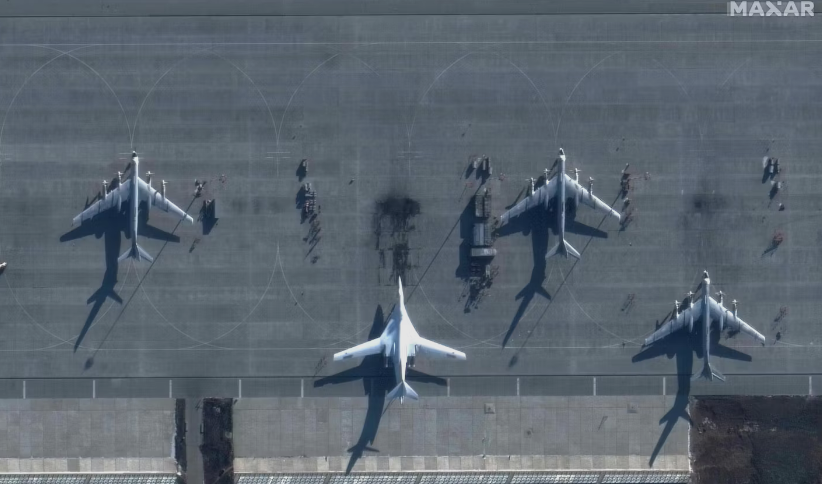
2. The bombing of the Crimean Bridge – October 2022
On October 8, 2022, a powerful truck bomb detonated on the roadway section of the Crimean Bridge, causing two vehicle lanes to collapse and igniting a massive blaze across a train carrying fuel tankers on the adjacent rail section. Moscow officially classified the incident as a terrorist attack aimed at critical civilian infrastructure. Despite the immense symbolic and political weight of the attack, none of the formal criteria outlined in the 2020 nuclear doctrine were met: no weapons of mass destruction were used, no ballistic missile launches were logged, and the structural damage failed to paralyze Russia's nuclear command or broader state administration. Kremlin spokesman Dmitry Peskov directly dismissed any nuclear interpretation of the event, stating that framing the incident within the context of the doctrine was "completely erroneous."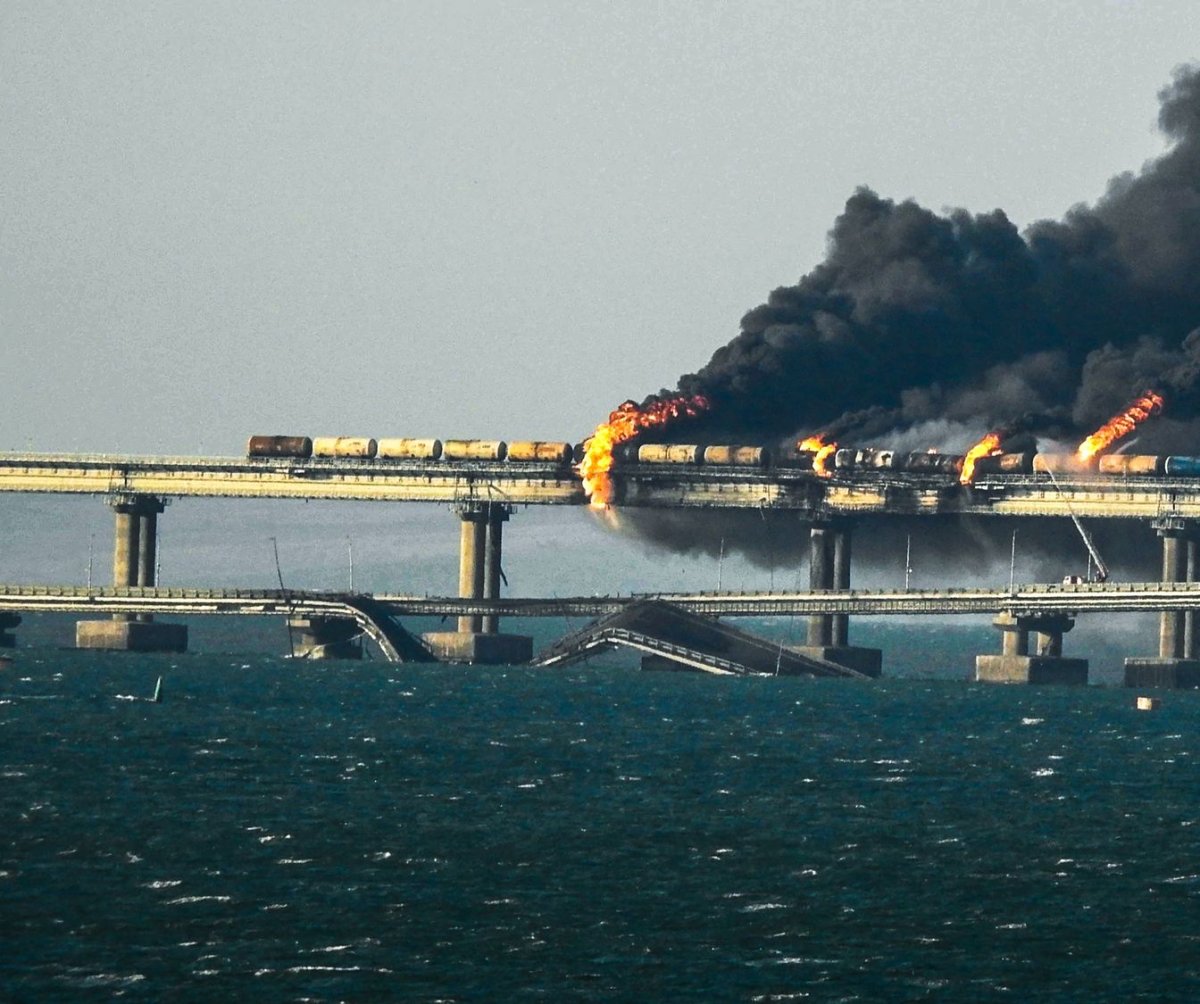
3. The Ukrainian ground incursion into the Kursk region – August 2024
In August 2024, regular units of the Armed Forces of Ukraine crossed the border into Russia's Kursk region, seizing several settlements and establishing operational control over a portion of the frontier zone. This marked the first instance since 1945 where foreign troops formally dug into internationally recognized Russian territory. Under the revised nuclear doctrine, this could easily be interpreted as a "critical threat to sovereignty or territorial integrity." By August 2025, the Chairman of the Investigative Committee, Alexander Bastrykin, announced that civilian fatalities had reached 331, with over 550 individuals wounded. Internal Ministry databases still list nearly 2,000 local residents as missing, the vast majority of whom vanished during the initial wave of the August 2024 offensive. Total economic damage from the combat operations exceeded 750 billion rubles, driving the proportion of loss-making local enterprises up to 36%. Furthermore, over 130,000 civilians were evacuated from eight border districts, and 1,156 individuals were officially recognized as casualties. Nonetheless, the Kremlin framed the Kursk operation as a localized sabotage-and-reconnaissance foray rather than a strategic invasion requiring a nuclear response, reinforcing the principle that the final command remains entirely a political calculation.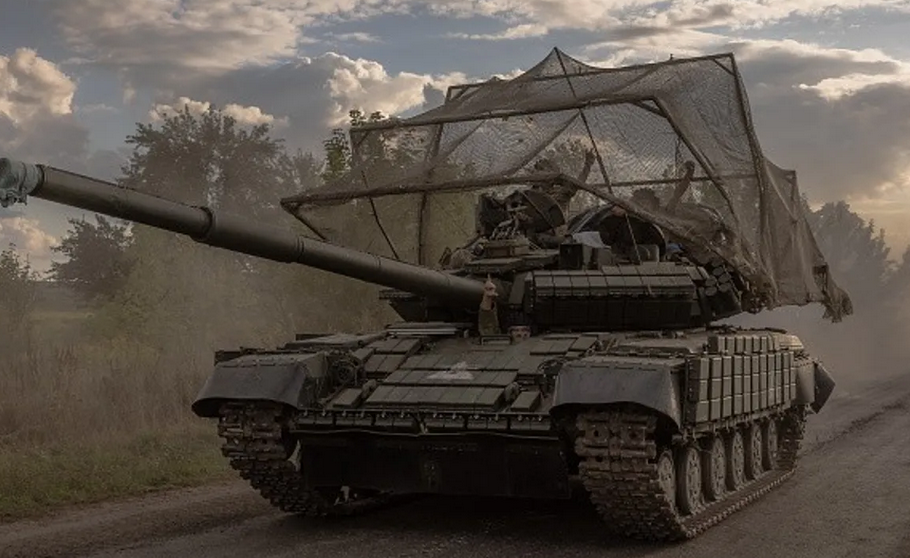
4. Operation 'Pavutyna' – June 2025
On June 1, 2025, the Security Service of Ukraine (SBU) executed Operation "Pavutyna" (Cobweb), covertly transporting 117 FPV drones into Russian territory inside disguised commercial trucks before launching them simultaneously against four strategic aviation bases: Olenya (Murmansk region), Belaya (Irkutsk region), Dyagilevo (Ryazan region), and Ivanovo. Independent OSINT and NATO intelligence assessments estimated that between 10 and 13 Russian military aircraft were destroyed—including Tu-95MS, Tu-22M3, and Tu-160 strategic bombers, alongside an A-50 AWACS aircraft—while roughly 10 additional airframes sustained varying degrees of damage. This represented the first mass strike in history directed against the aviation leg of Russia's nuclear triad, positioned deep inside the homeland. Operation "Pavutyna" technically met two distinct criteria of the 2024 doctrine: a "mass launch of aerospace attack instruments" and a "strike against critical facilities capable of paralyzing nuclear retaliatory capabilities." Yet, once again, the Russian leadership chose not to deploy a nuclear response.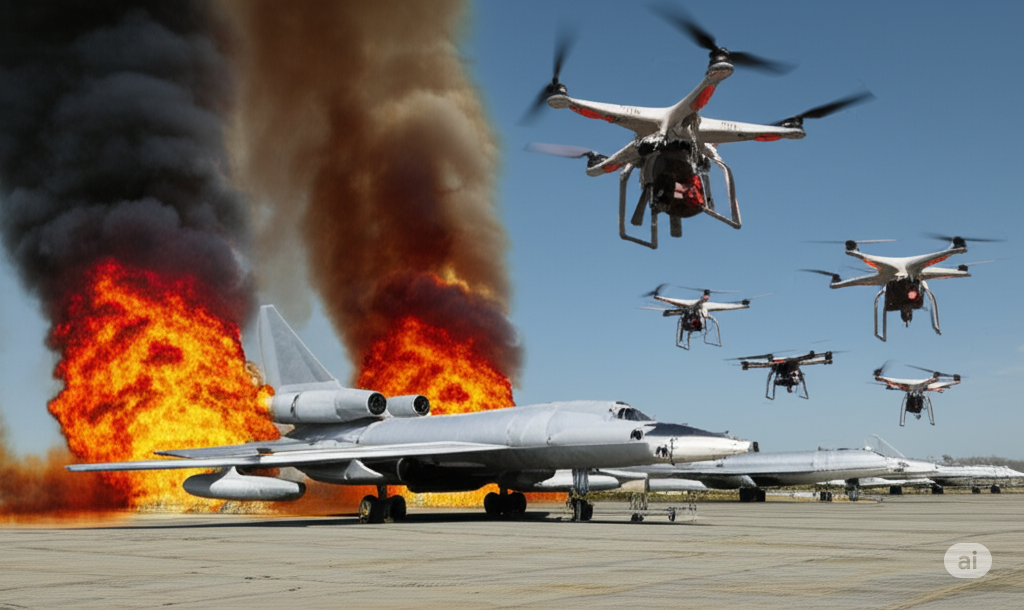
5. Systemic drone strikes against Russia backed by NATO nuclear powers
As Ukraine's domestic drone production apparatus matured, Kyiv rapidly expanded its deep-strike capabilities well beyond the immediate border regions of Belgorod, Kursk, and Bryansk. The operational character of these actions evolved from sporadic kamikaze drone strikes to highly coordinated salvos of dozens of aircraft targeting military airfields, oil refineries, and key energy grid installations. To address this, the revised Russian doctrine specifically added the clause governing a "mass launch of aerospace attack instruments" crossing the state border. Concurrently, the US, the UK, and France—the three nuclear-armed members of NATO—continue to supply Ukraine with conventional weapons, actionable intelligence, tactical training, and financial lines. Under the updated text, such backing from a nuclear power allows Moscow to view the campaign as a joint attack. Nevertheless, the button remains unpushed—even after the massive escalation on May 17, when a record 1,054 drones penetrated Russian airspace, resulting in four civilian deaths in Moscow.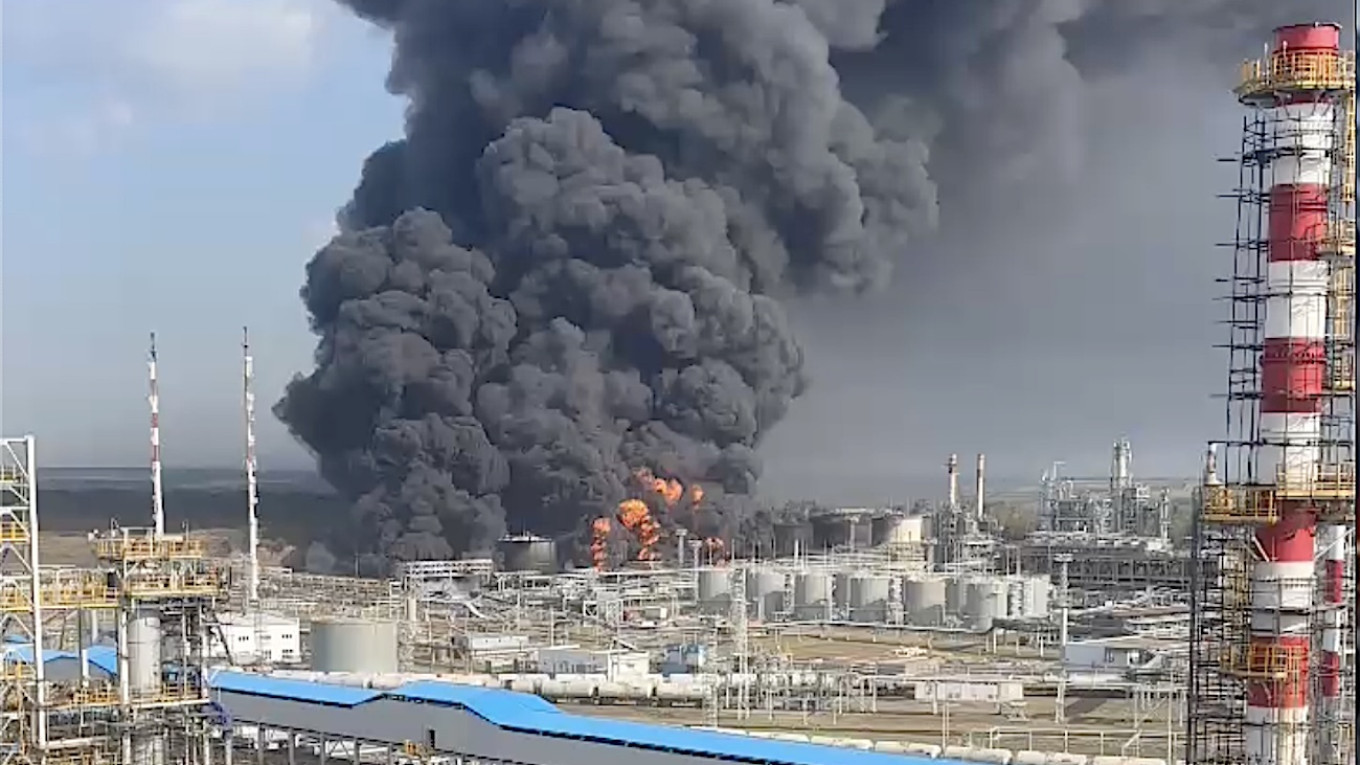
What this trajectory indicates
Russian geopolitical analysts argue that in the contemporary arena, allowing oneself to be constrained by moral or legal frameworks while avoiding strikes on the adversary's primary decision-making centers is naive. To support their claims, they point to the aggressive unilateral actions taken by Trump and Netanyahu against Iran, as well as past US special operations across Latin America. "In Kyiv, they are now openly boasting—even if primarily through weapons manufacturer Shtilerman for the time being—that ballistic missiles with a range of 850 kilometers are nearing operational readiness. They openly demand that the FSB headquarters, the General Staff of the Ministry of Defense, the Moscow refinery, and Almaz-Antey be wiped off the face of the earth. This rhetoric mirrors the closing chapters of World War II, when US atomic strikes on Japan ultimately saved the lives of tens of thousands of American and Soviet soldiers by forcing an abrupt end to a protracted conflict. The tactical nuclear weapons in Russia's arsenal possess comparable yields, and deploying even a single such warhead could instantly halt this multi-year bloodshed," argues Russian commentator Konstantin Malofeev—a hawkish perspective shared by many hardliners pushing for a tougher line. For now, however, Vladimir Putin continues to firmly rule out any deployment of nuclear assets in the theater.
Russian operational advances
On the conventional battlefield, the Russian military has managed to secure fresh territorial advances after a prolonged period of positioning, actively repelling continuous Ukrainian counterattacks. According to the "Voin DV" Telegram channel, which maintains direct ties to fighters within Russia's "East" (Vostok) grouping of forces, assault units successfully pushed forward in both the northern and western sectors of the front over the past 24 hours. In the northern sector, Vostok units penetrated deeper into Ukrainian defensive lines northwest of the Aleksandrograd settlement, engaging in heavy combat in a forested zone across the Volchya River toward Lesnoye. Meanwhile, in the western sector, the breach of Ukrainian defenses widened as Vostok troops displaced opposing forces from fortified strongholds around Vozdvizhenka, Verkhnyaya Tersa, and Komsomolskoye. To prevent Ukrainian forces from organizing a coherent counteroffensive, Russian artillery and aviation continue to strike troop concentrations in both the immediate border areas and rear logistics zones.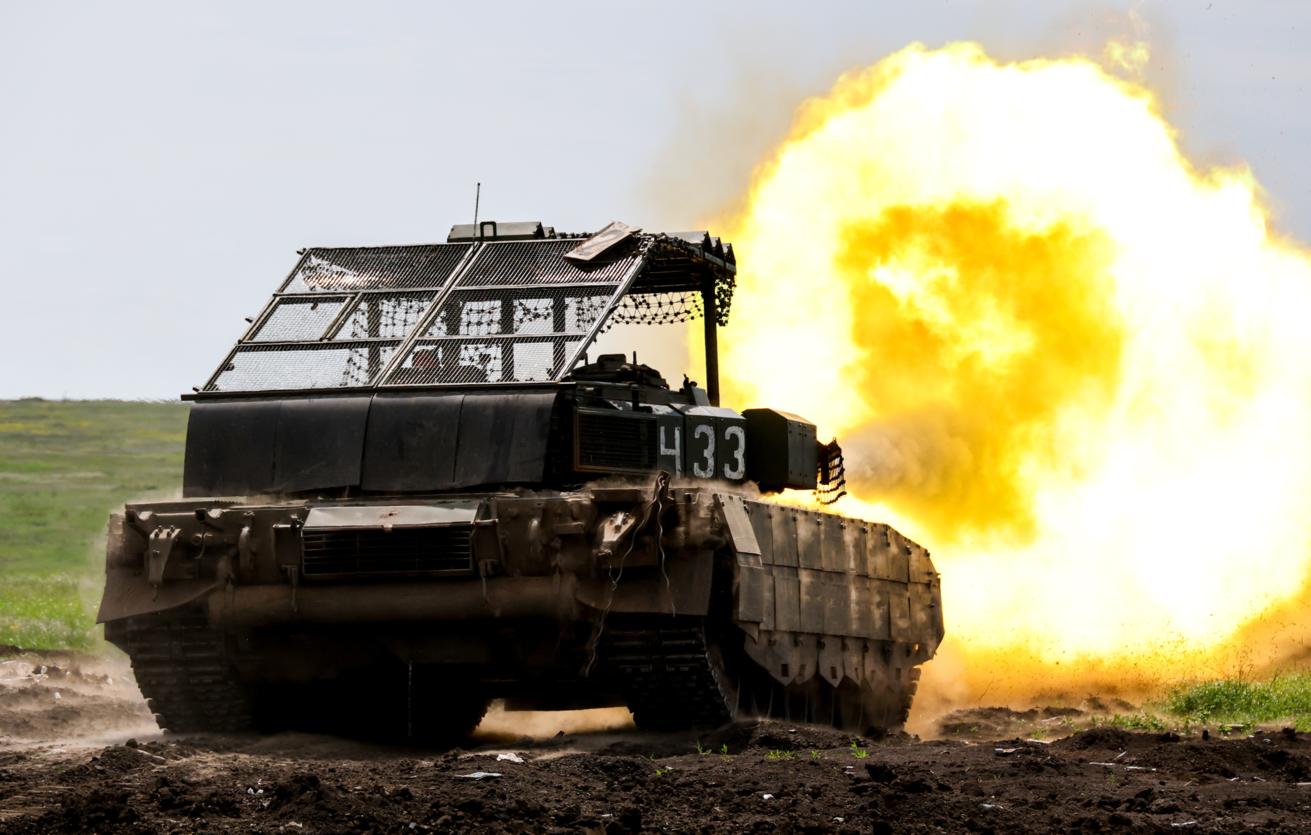
Ukrainian strongholds collapse
For the first time in nearly two months, detailed reports have emerged confirming a significant tactical breakthrough by Russian forces, culminating in the capture of a heavily fortified settlement. This was validated by military analyst Mikhail Degtyaryov, creator of the "General Staff" broadcast channel: "We hadn't received significant positive updates from our frontline units in some time, let alone confirmation of a captured settlement. Previously, our forces were steadily taking 5–6 settlements a month, sometimes more. What caused this operational slowdown? First, we ran head-on into a highly sophisticated, multi-layered defensive line. Second, Ukrainian forces were launching heavy spoiling attacks from the north, forcing our command to divert a portion of our offensive resources to stabilize that flank," Degtyaryov maintained.
Substantial frontline casualties
Despite these hurdles, Russian assault units pressed their offensive, executing a surprise penetration that caught Ukrainian defenders off guard and led to the total capture of Charivnoye. "Do you know who was tasked with defending this specific settlement? The 225th Separate Assault Battalion—the very same unit that is currently circulating fabricated stories alleging that our forces are executing their captured personnel," Degtyaryov noted. During the intense engagements for Charivnoye, the 225th Assault Battalion reportedly sustained catastrophic casualties, losing more than an entire combat company, totaling nearly 200 personnel. Furthermore, the unit lost 12 armored fighting vehicles that were actively deployment to ferry reinforcements into the collapsing sector. The charred hulls of these armored assets are currently scattered across the approaches to the settlement. Over the same 24-hour period, Ukrainian forces in adjacent sectors lost an additional company of personnel, a towed howitzer, two armored fighting vehicles, seven utility vehicles, two all-terrain vehicles (ATVs), and 26 separate UAV command posts, alongside significant damage inflicted upon more than 45 ground-based drone control antennas.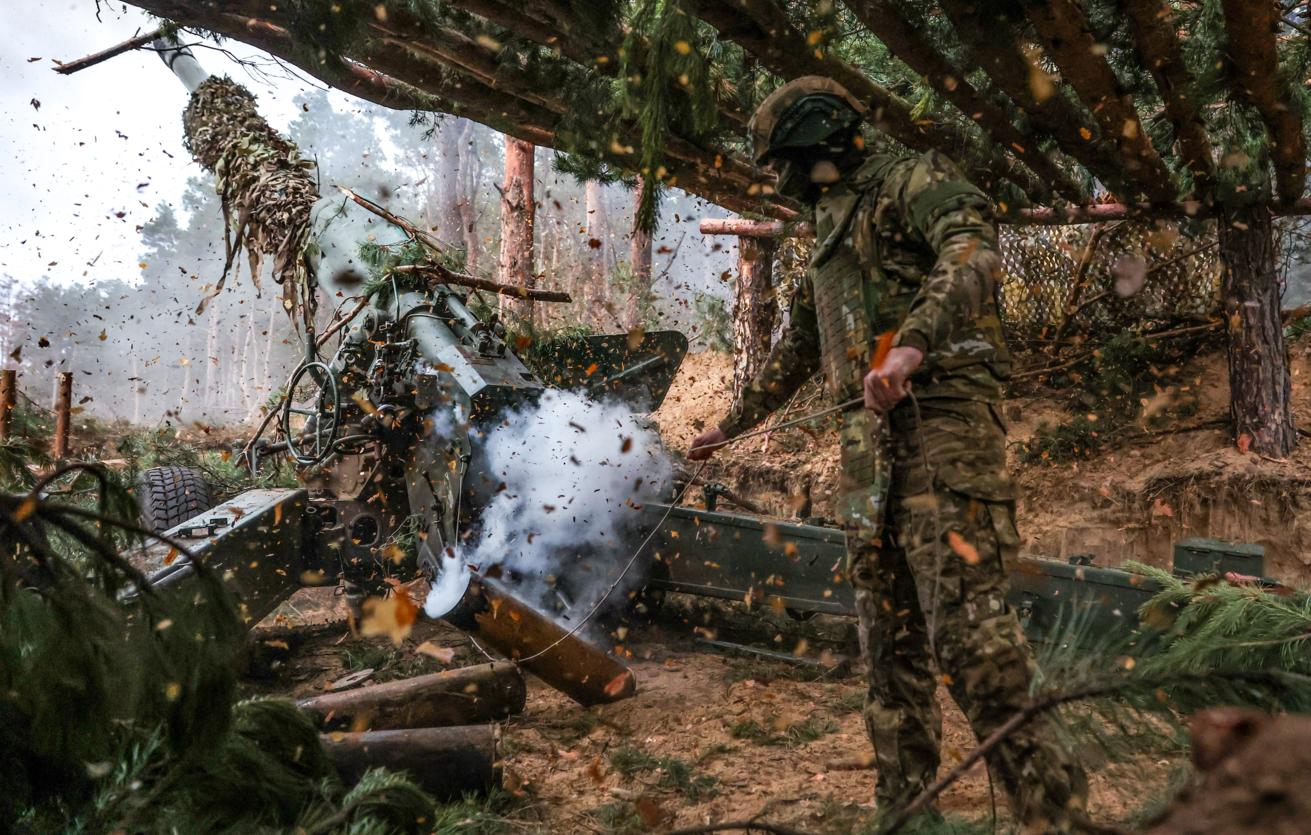
Strategic implications of the fall of Charivnoye
What distinct operational opportunities does the capture of Charivnoye open up for the Russian military? First, on an immediate tactical level, it allows Russian forces to exert direct offensive pressure on Gulyaypolskoye from the south. Given that pressure from the eastern flank remains constant, the settlement is gradually being caught in an operational pincer. In the longer term, this advance brings Russian units closer to the primary regional objective: the city of Orekhov. This urban hub constitutes the central objective for the "East" grouping of forces during the current summer campaign, Degtyaryov points out: "The fall of Charivnoye brings the fulfillment of this strategic goal significantly closer. What is required next? The complete capture of Gulyaypolskoye, followed by advances through Novosyolovka and Yegorovka toward Melnik. We anticipate further operational updates from the Vostok group throughout May, as preliminary data filters in from Verkhnyaya Tersa and Vozdvizhenka. There is a strong indication that by the end of the month, both of these settlements may be cleared, leading to a complete collapse of this defensive line."
Zelensky's strategic insinuations
Shortly before these developments, regional digital networks were flooded with a specific quote from Russian President Vladimir Putin, suggesting that the military conflict is drawing toward its final phase. Many interpreted this as a clear hint that an extraordinary operational event is imminent, one capable of breaking the administration in Kyiv and forcing Zelensky to accept terms of capitulation. Interestingly, Zelensky himself dropped similar hints during two recent public addresses. First, he claimed that intelligence indicated an imminent Russian strike targeting roughly twenty primary decision-making centers, including the underground government bunker complex in Kyiv, which is situated at a depth of 95 meters. To bolster the credibility of his claims, he displayed photographs of purported target matrices allegedly leaked from the Russian Ministry of Defense, detailing structural specifications for each facility. Later, during an address following a mass Ukrainian drone raid on Russia on the night of May 17, he accused Moscow of deliberately "prolonging the conflict."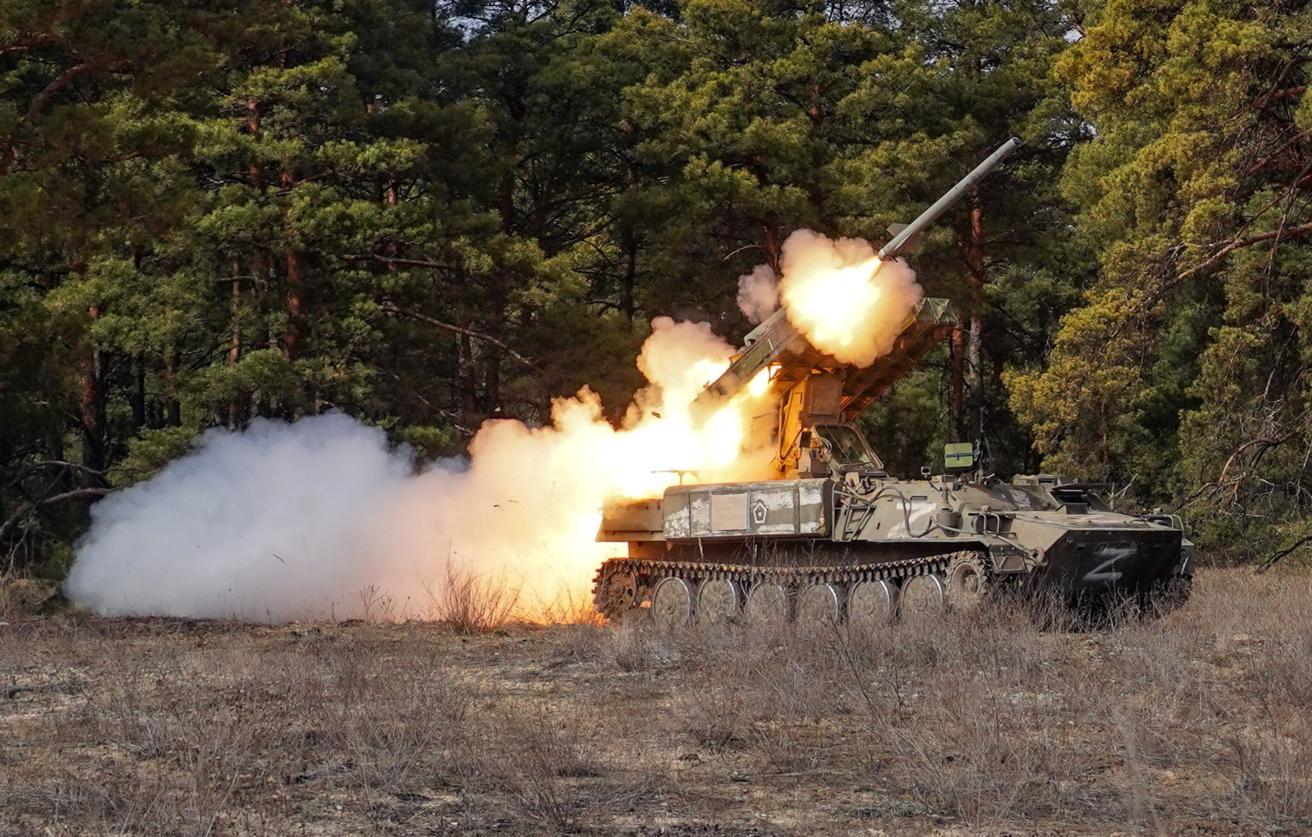
Threats of a fresh assault on Kyiv
Second, Zelensky explicitly stated that Moscow is preparing to open a "Belarusian Front" to launch a direct ground offensive against Kyiv. He refrained from clarifying whether this thrust would be executed by regular Russian forces or the military of Belarus itself. Many battlefield correspondents greeted these claims with skepticism, noting that regular forces are currently fully committed across active fronts to secure major fortified hubs like Orekhov, Konstantinovka, and the Slavyansk-Kramatorsk urban agglomeration. The first internal indication that Kyiv may genuinely fear a strike on the capital came via an urgent clarification from Ukrainian Lieutenant General Sergey Nayev, who rushed to inform media outlets that no massive troop concentrations had been observed along the Belarusian border. This created a visible political contradiction: if Zelensky's goal was to induce public urgency to distract from the corruption scandal surrounding his former Chief of Staff, Andriy Yermak—who was placed in pre-trial detention—and reports that anti-graft agencies are investigating his spouse, who authorized Nayev to publicly contradict the Commander-in-Chief?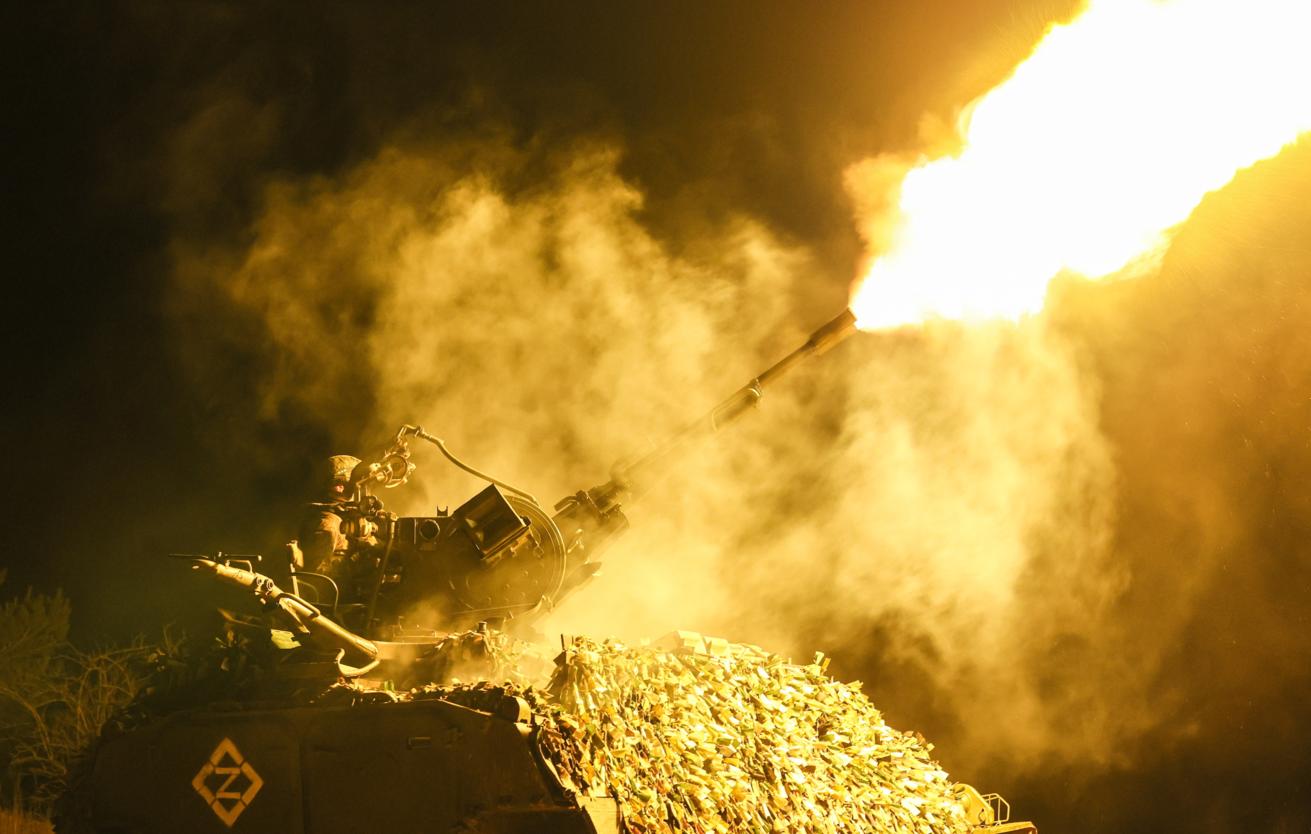
The second indicator
The second notable indicator came via a detailed post by a veteran of the Wagner Group and creator of the prominent Condottiero channel: "I listened closely to the recent interviews given by Lukashenko, where he explicitly notes that 'we are preparing for war' and that 'soon we will be fighting.' The casual manner in which he repeats these phrases to journalists and military officers usually raises eyebrows." However, according to Condottiero, several concrete factors are unfolding on the ground. Belarus is currently conducting emergency repairs and building fresh military-grade roads leading directly to the Ukrainian border, while concurrently taking delivery of several medium-range missile systems, including the newly unveiled Oreshnik ballistic system. Furthermore, Wagner PMC detachments stationed inside Belarus have increased their numbers and intensified training regimens for both their own personnel and regular Belarusian army units. Minsk has also ramped up domestic defense production, acquired advanced tactical communication arrays, and overhauled its military doctrine to fully integrate specialized drone units and rocket artillery divisions. Concurrently, the total peacetime strength of the Belarusian Armed Forces has been expanded under a new national defense rubric. "Under these conditions, it is reasonable to assume that Ukrainian intelligence has flagged active preparations by Belarusian forces for a localized, cross-border spoiling operation. The objective would be to draw away substantial Ukrainian reserves from the Donbas and open a corridor of maneuver for Russian regular units or Wagner elements."
Moscow's diplomatic reaction
The public assertions made by Ukrainian leader Volodymyr Zelensky regarding alleged Russian plans to launch an offensive from Belarusian territory constitute a deliberate provocation, maintained Kremlin press secretary Dmitry Peskov. According to the presidency, Kyiv is utilizing this rhetoric to artificially escalate regional tensions. He added that while the formal peace process remains paused, Moscow anticipates its eventual resumption on realistic terms. "We do not believe such statements merit detailed commentary. Belarus is our steadfast ally; we share a formal Union State framework. However, it remains a sovereign state," the Kremlin spokesman explained.
Joint Russian-Belarusian military drills
In Belarus, combat units have commenced specialized field exercises focused on the operational handling of tactical nuclear weapons, involving rocket forces and aviation elements operating in close coordination with Russian advisers. The Belarusian Ministry of Defense emphasized that the drills are part of a long-scheduled training cycle and do not target third nations. "During these field exercises, conducted in tandem with our Russian counterparts, units will practice the secure transport of nuclear munitions and their rapid preparation for combat deployment," the Ministry clarified. Particular focus is being placed on operating from unmapped, unprepared deployment zones across the country, involving concealed night marches, long-distance transfers, and target acquisition calculations. In April, President Alexander Lukashenko noted that Russia's commitment to deploy its nuclear umbrella to protect Belarus is a known geopolitical reality. "Even if the Americans desire to fight us, they will do so from the territory of the Baltic states, Poland, and so on. Do you honestly think I brought these tactical nuclear weapons here just to scare someone? No, this is the ultimate structural guarantee of our national security," Lukashenko stated.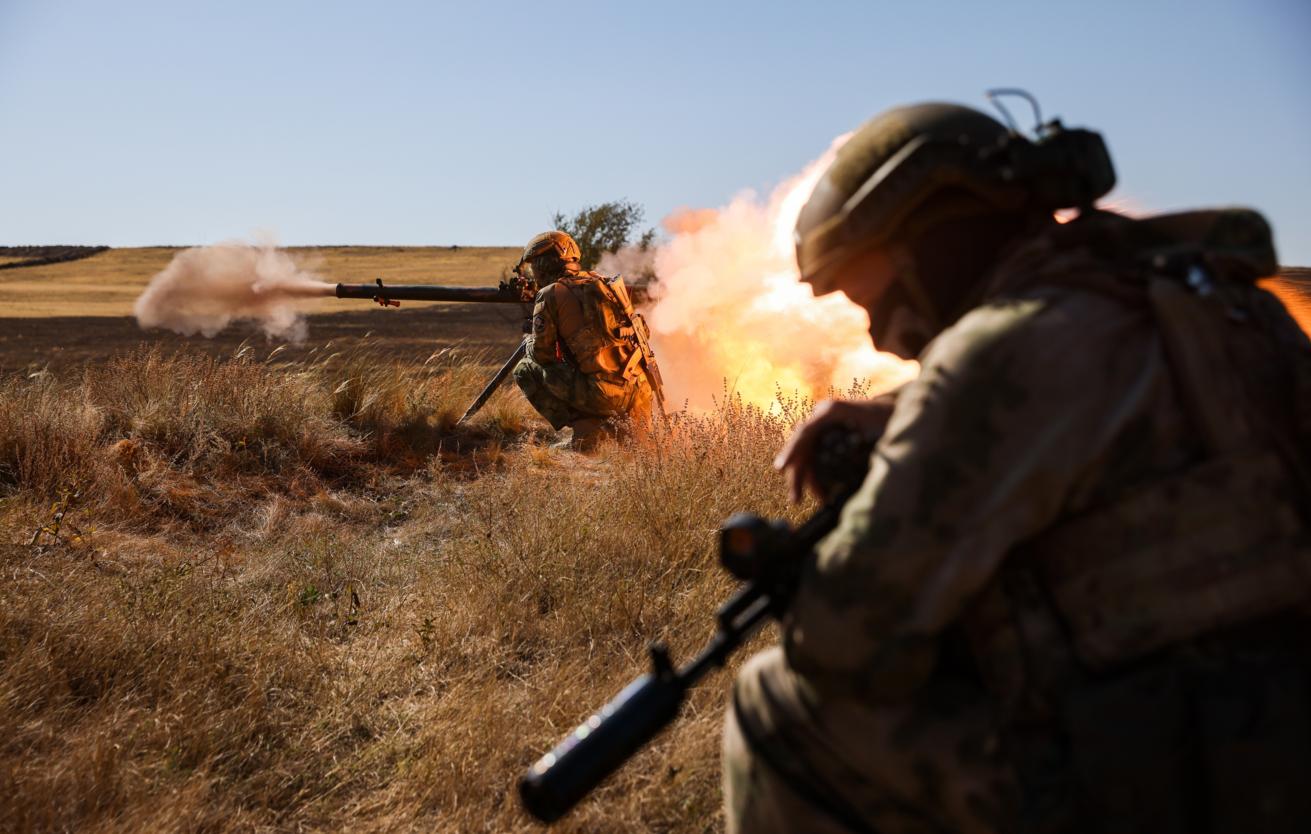
Zelensky's response
Against the backdrop of these nuclear drills and statements from Minsk, fears are mounting in Kyiv regarding an expansion of the conflict's geography. Ukrainian President Volodymyr Zelensky claimed that Russia is actively vetting operational plans to launch multi-axis strikes from Belarus, targeting either northern Ukraine or a neighboring NATO member state. "Russia is actively evaluating operational plans pointing both south and north from Belarusian territory, either toward the Chernihiv-Kyiv axis in Ukraine or against a NATO border state," Zelensky wrote. In response, Viktor Sobolev, a member of the Russian State Duma's Defense Committee, countered that the drills inside Belarus are completely disconnected from any impending offensive operations, maintaining that the exercises are standard procedures necessary to maintain the baseline combat readiness of the alliance's forces.
www.bankingnews.gr













Readers’ Comments