

A shockwave is rippling through the US following the staggering disclosure that the American navy was unprepared for military operations against Iran. This constitutes the most shocking statement since February 28, 2026, when the US – Israel military operations against Iran began. The Admiral Daryl Caudle, Chief of US Naval Operations, revealed that the American military budget for fiscal year 2026 had not predicted the cost of the war with Iran. It is the clearest indication that Washington has entered a strategic trap with no easy exit. The statements of the high-ranking American official reveal not only the operational exhaustion of the American navy, but also a deeper problem: the US seems to have dramatically underestimated the capacity of Iran to withstand a long-term war of high intensity. The Admiral Daryl Caudle publicly warned that the American navy is burning alive in operations in the region of the Persian Gulf and around the Strait of Hormuz. As he admitted, fuel reserves, maintenance funds, ammunition, and available operational hours are decreasing with alarming speed. The most important thing, however, is that the US is now forced to consider cuts in training, in daily operations, and even in personnel, unless Congress urgently approves new funding. This image is a far cry from the narrative of military omnipotence that Washington has projected for decades. Instead of a short and decisive war that would exhaust Tehran, the US finds itself facing a prolonged conflict of attrition, in which Iran shows to have much greater resilience.
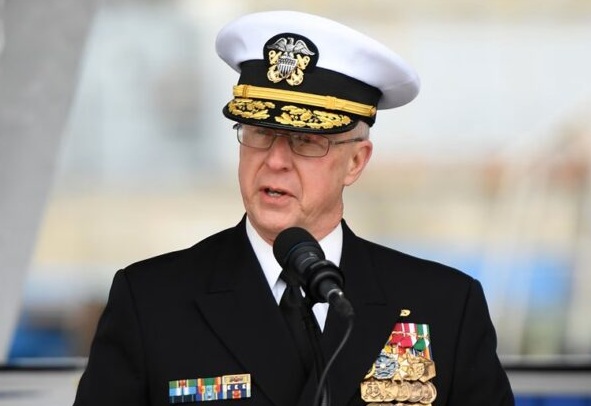
Admiral Daryl Caudle
The American attack that turned into a war of attrition
The hostilities began on February 28, 2026, when the US proceeded with offensive operations against Iranian targets. The high-intensity conflict lasted 39 days, while after April 8 the clashes continued at a lower level, without however ever stopping completely. Despite the massive technological superiority of the American armed forces, the result was not what the Pentagon expected. Instead of collapsing, Iran managed not only to maintain its operational cohesion, but also to continue striking American targets and bases throughout the Middle East. This development has caused severe tremors inside the US. More and more reports, analyses, and leaks from American intelligence services are now converging on the same conclusion: Iran possesses a much greater capacity for long-term endurance than Washington had calculated.
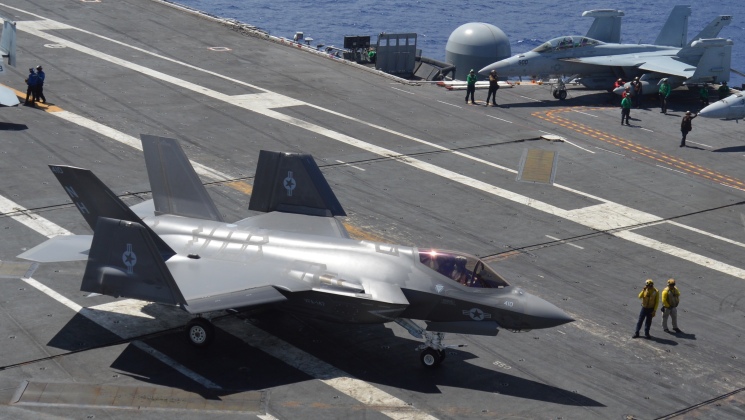
Iran maintained most of its missile arsenal
The disclosures of American intelligence services to the New York Times caused a particular sensation, according to which Iran has maintained approximately 70% of its missile arsenal despite the massive American attacks. Even more impressive is the fact that Tehran managed to restore operational access to 30 out of 33 missile installations along the Strait of Hormuz, that is, to approximately 91% of the critical launch facilities. At the same time, nearly 90% of underground warehouses and launchers remain in operational readiness. This practically means that, despite thousands of bombardments and the massive consumption of American precision ammunition, Iran still continues to maintain a credible deterrent and offensive mechanism. This reality constitutes a serious blow to the prestige of the US. For decades, the American military doctrine was based on the idea that massive air power and advanced precision weapons can paralyze any opponent within a few days. In the case of Iran, however, this theory seems to be collapsing.
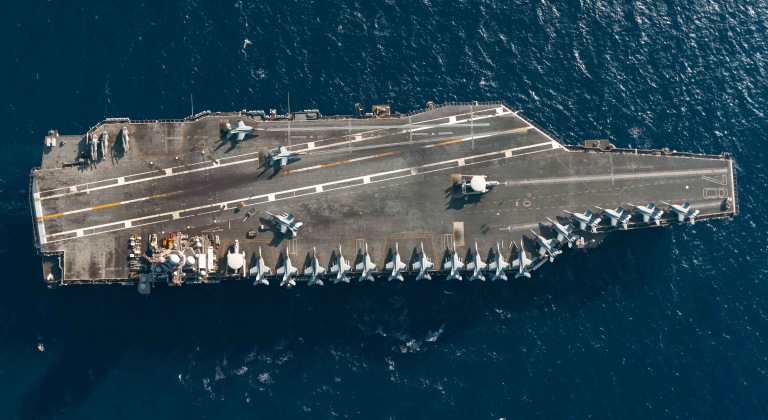
The US is depleting its highly expensive reserves
At a time when Iran maintains most of its capabilities, the US seems to be bleeding militarily and financially. According to analysts, Washington has already consumed most of the PrSM ballistic missiles, as well as the GBU-57 bunker buster bombs, which constituted a primary tool of the American attacks. Even more serious is the problem with the Patriot and THAAD anti-ballistic systems. These systems were used en masse for the interception of Iranian missile attacks, with the result that missile reserves are depleting rapidly, despite the fact that the US transferred ammunition from warehouses across the entire world. The economic cost is massive. Each interception with a THAAD or Patriot system costs millions of dollars, while Iranian drones and ballistic missiles are often much cheaper. Thus, an extremely unfavorable cost ratio is created for the US. During the first ten days of the war, American forces launched attacks against more than 6,000 Iranian targets, using almost exclusively highly expensive long-range weapons. At the same time, they launched over 2,000 anti-ballistic missiles to counter the Iranian counterattacks. By the last week of March, the American navy is estimated to have already used nearly 1,000 Tomahawk cruise missiles — a number corresponding to a huge percentage of the total American stock, which is calculated between 3,000 and 4,500 units. This development has begun to cause concern not only for the continuation of the war with Iran, but also for the overall strategic readiness of the US against other major powers such as China or Russia.
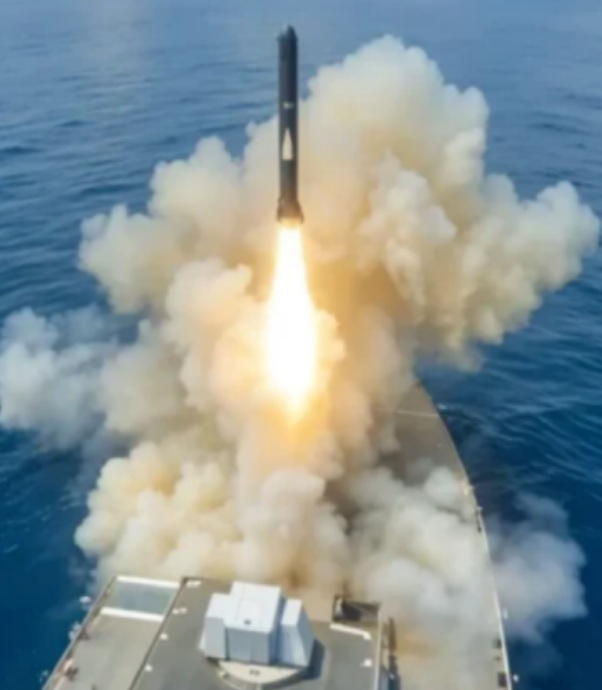
The human consequences and the morale crisis
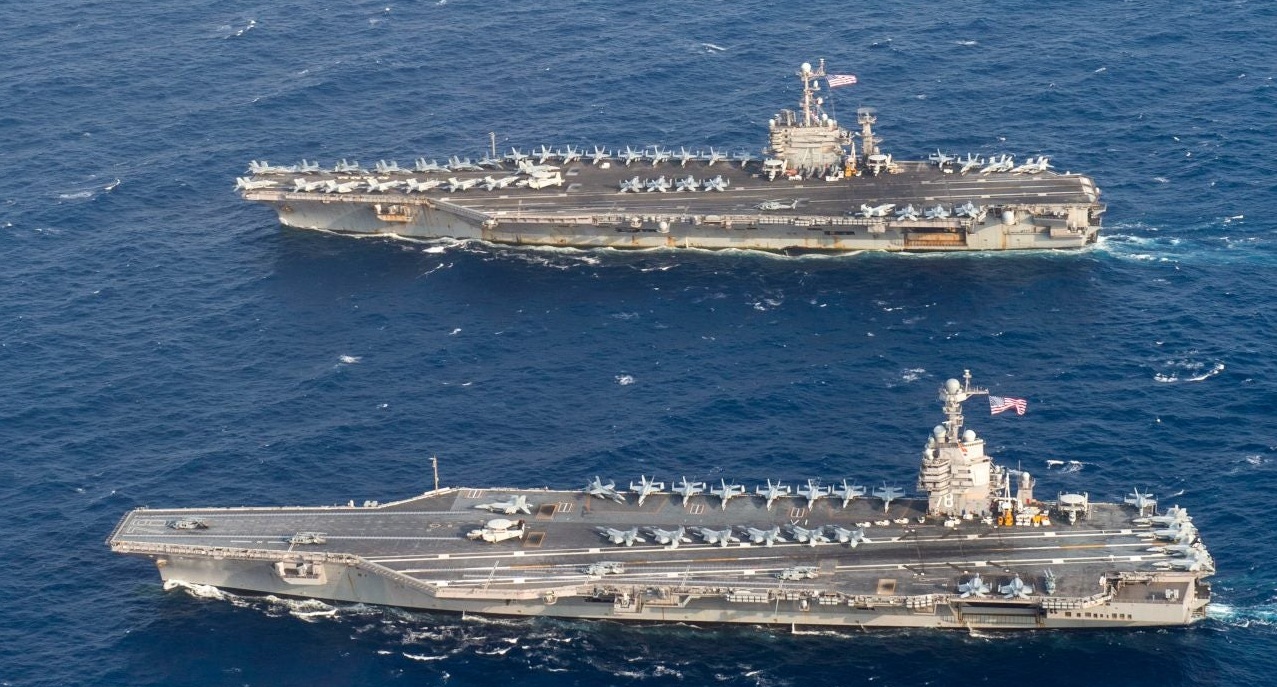
The military and economic pressure is not limited only to weapon systems. The Admiral Daryl Caudle warned that the American navy might be forced to freeze the transfers of 12,000 to 15,000 sailors, while delays in enlistment and reenlistment bonuses are also being considered. This is an extremely serious indication that the US is now facing a human resources problem as well. The prolonged deployment of warships in the region has created massive pressures on personnel, who are called to serve for much longer time intervals than predicted. Reports even speak of food shortages on certain ships, due to serious supply chain problems. At the same time, the prolonged missions have negatively affected the morale of the crews, while mechanical breakdowns have also increased due to excessive use of the vessels. This image stands in stark contrast to the image of a flawless military machine that Washington traditionally attempts to project.
Aircraft losses cause shock
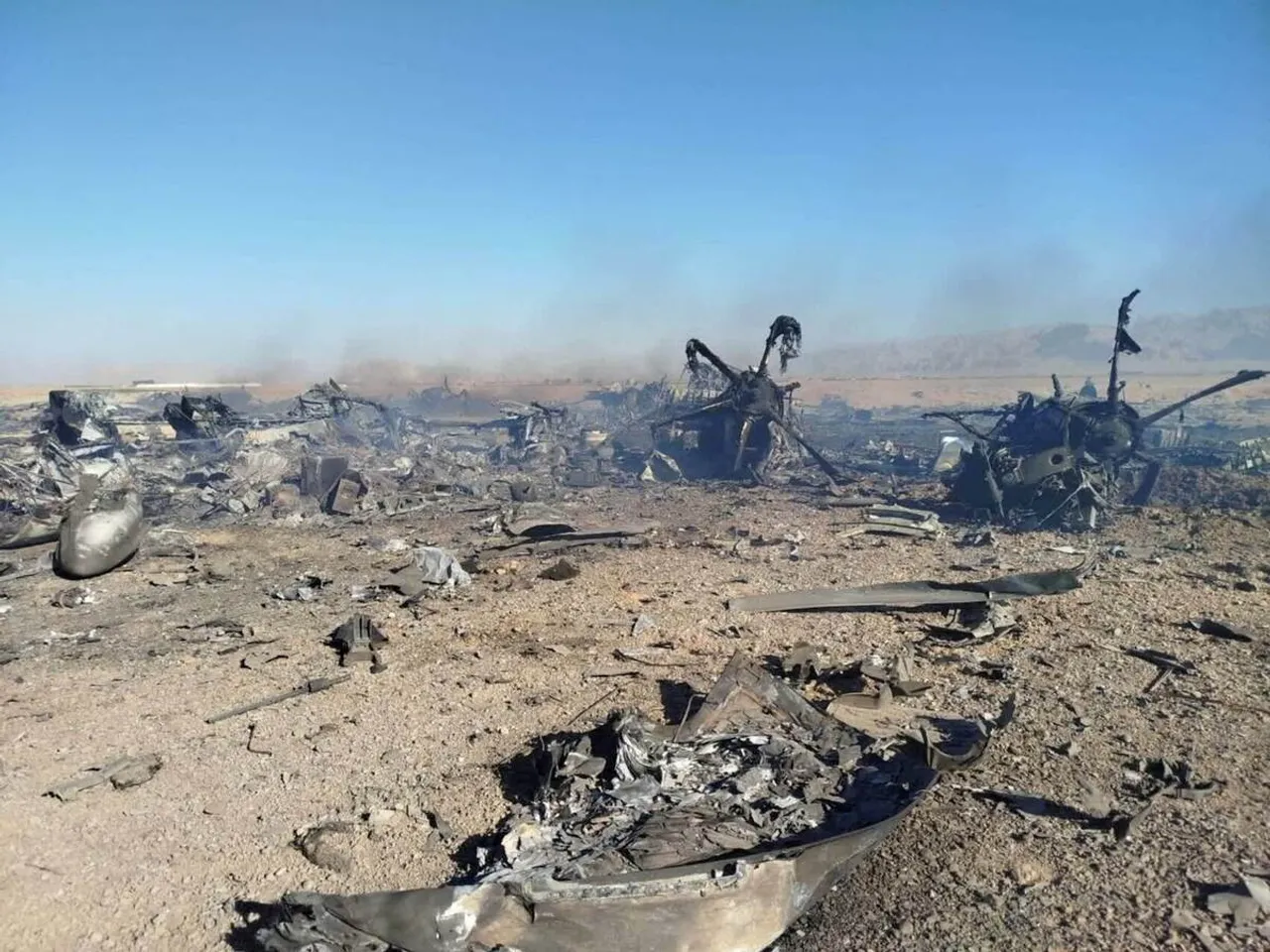
In May, the American congressman Ed Case revealed that the US has lost 39 aircraft during the conflicts with Iran — essentially one aircraft per day of war. This disclosure caused a shock to the American public opinion and reinforced even further the doubts about the sustainability of the war campaign. Even more alarming for the Pentagon is the fact that Iran proved it possesses the capability to conduct deep attacks on hostile territory, even against American bases. This capability was until recently considered extremely limited or even non-existent by many Western analysts. However, the developments of the war disproved these estimates and severely exposed the American intelligence services.
The strategic failure of Washington
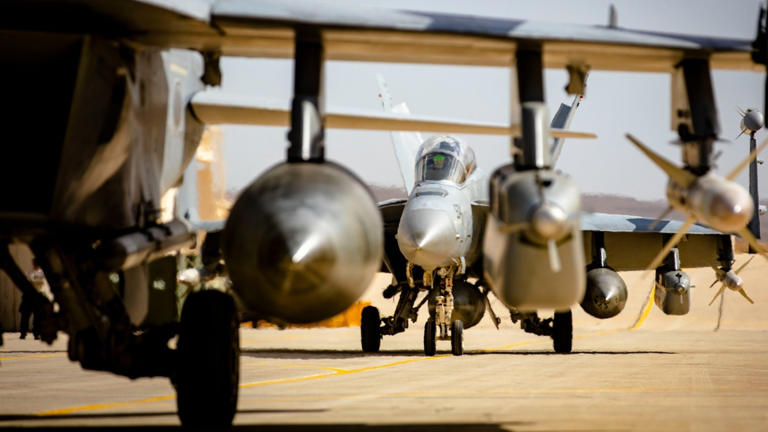
The war with Iran highlights a deeper crisis of American strategy. The US relied for decades on the idea that technological superiority and economic power are sufficient to bend any opponent. But Iran proved that a well-prepared regional player, with an advanced missile program, underground facilities, and a capacity for long-term endurance, can survive even against the largest military power of the planet. Tehran seems to be successfully following a strategy of exhaustion, forcing the US to spend massive amounts and to consume precious stocks of missiles and ammunition for limited results. The most important thing, however, is that the conflict reveals the limits of American power in a world that is changing. The era of quick wars and unquestionable American dominance seems to be reaching its end.
Iran appears more resilient than ever
Despite the destruction and pressures it has received, Iran not only did not collapse, but shows to be emerging politically and strategically reinforced. Its capability to maintain active most of its missile network, to continue the attacks, and to cause serious attrition to the American forces, has changed the geopolitical balances in the Middle East. Many international analysts now consider that Washington got trapped in a conflict which it cannot easily win, while every additional month of war increases the economic, political, and military cost for the US. Conversely, Tehran appears determined to continue a strategy of attrition, knowing that time is working in its favor.
www.bankingnews.gr












Readers’ Comments