

The rapid developments in southern Lebanon reveal a deep shift in the nature of modern warfare and at the same time highlight the serious deadlocks of Israeli strategy. Despite the overwhelming aerial and technological superiority of Israel, Hezbollah seems to have adapted to the new realities of modern conflicts, adopting a hybrid model of warfare that combines the lessons of Gaza, Ukraine, and its long experience of guerrilla warfare in Lebanon. At a time when the Israeli army (IDF) is throwing its elite units into battle with the aim of restoring its deterrent image, which has received a serious blow in recent years, Hezbollah seems to be implementing a completely different strategy: it no longer seeks static ground defense, but rather the transformation of the entire southern Lebanon into a field of attrition for the Israeli army.
Hezbollah abandons classic defense
The most important element of the new tactic is that Hezbollah no longer fights for every square meter of land. Instead, it adopts what analysts describe as flexible geography. In practice, this means that Israeli forces are allowed to advance into specific areas, only to find themselves trapped inside kill zones, where drones, anti-tank weapons, explosive devices, and snipers operate in combination. Hezbollah is attempting to turn Israel's technological superiority into a disadvantage. Israeli tanks, surveillance drones, and advanced electronic warfare systems prove less effective in an environment where the opponent almost never appears openly and attacks only at the moment they have secured an advantage.
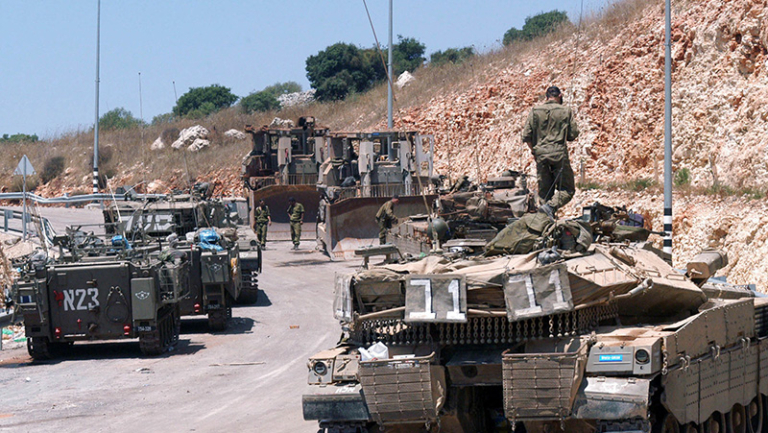
The destruction of southern Lebanon
At the same time, southern Lebanon is experiencing a massive humanitarian and material catastrophe due to Israeli operations. Israel proceeded with mass evacuation orders for more than 100 villages near the border, leading approximately 1.2 million people to displacement. Concurrently, a de facto occupation zone of approximately 608 square kilometers was imposed, while airstrikes and infrastructure destruction follow the same pattern applied in Gaza. Bridges, roads, schools, and residences have been leveled. More than 3,600 Israeli attacks have hit infrastructure and urban areas, while human rights organizations speak of potential violations of international law and war crimes. Even after the announcements regarding a ceasefire, the destruction continues through excavators and systematic demolition of settlements. This image reinforces international criticism against Israel, which is accused of applying a scorched earth policy with the aim of creating a permanent buffer zone in southern Lebanon.
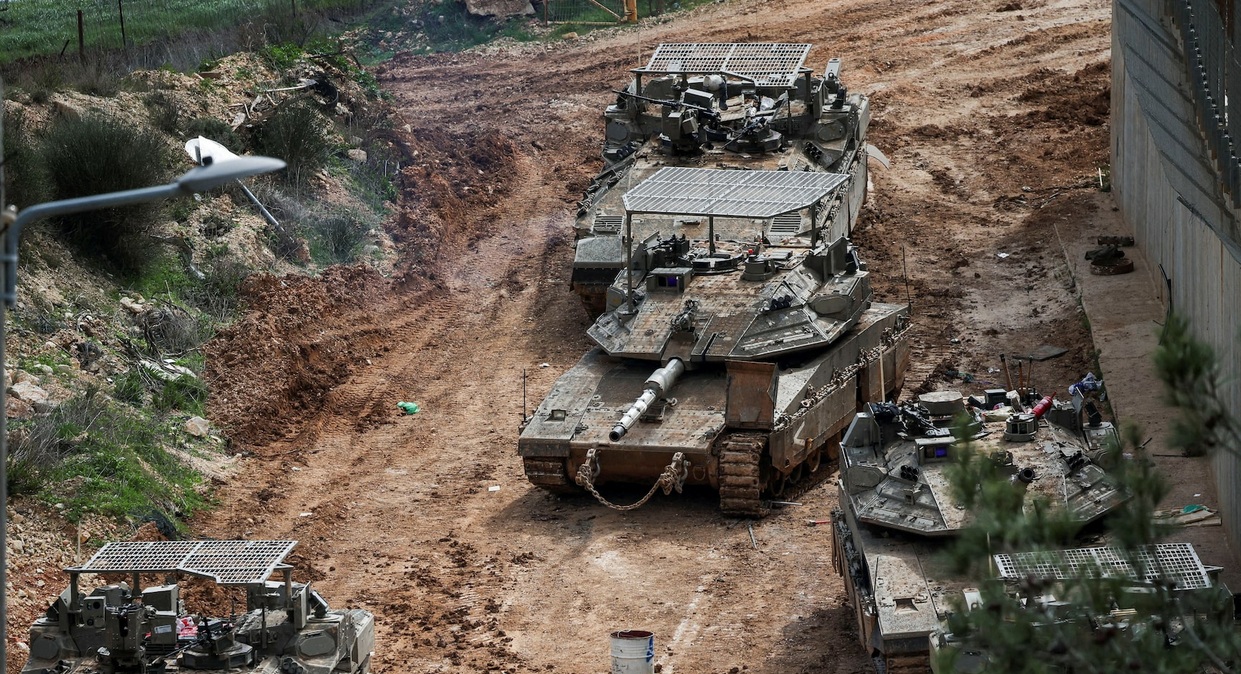
The return of the Golani brigade and memories of 2006
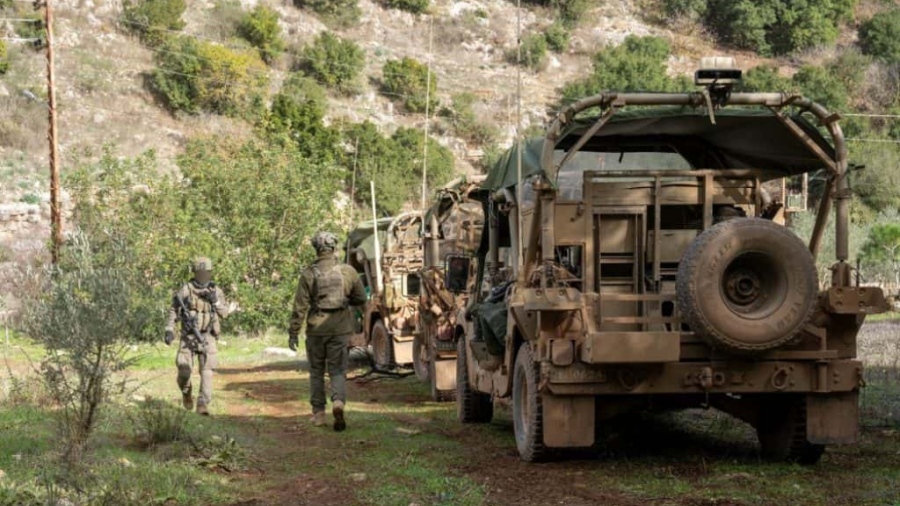
The deployment of the elite Golani brigade in southern Lebanon holds particular symbolism. The same unit had played a leading role in the 1982 invasion and the 2006 conflicts, where, however, it suffered serious losses from Hezbollah. Today, the Golani brigade is operating once again to establish Israeli control in areas near the Litani river, yet operations are unfolding within an environment of continuous ambushes and drone attacks. Hezbollah seems to have studied the weaknesses of Israeli ground operations in depth. Israeli forces are forced to move slowly, under constant threat, while even Israel's massive air power cannot neutralize an opponent operating in a decentralized and invisible manner.
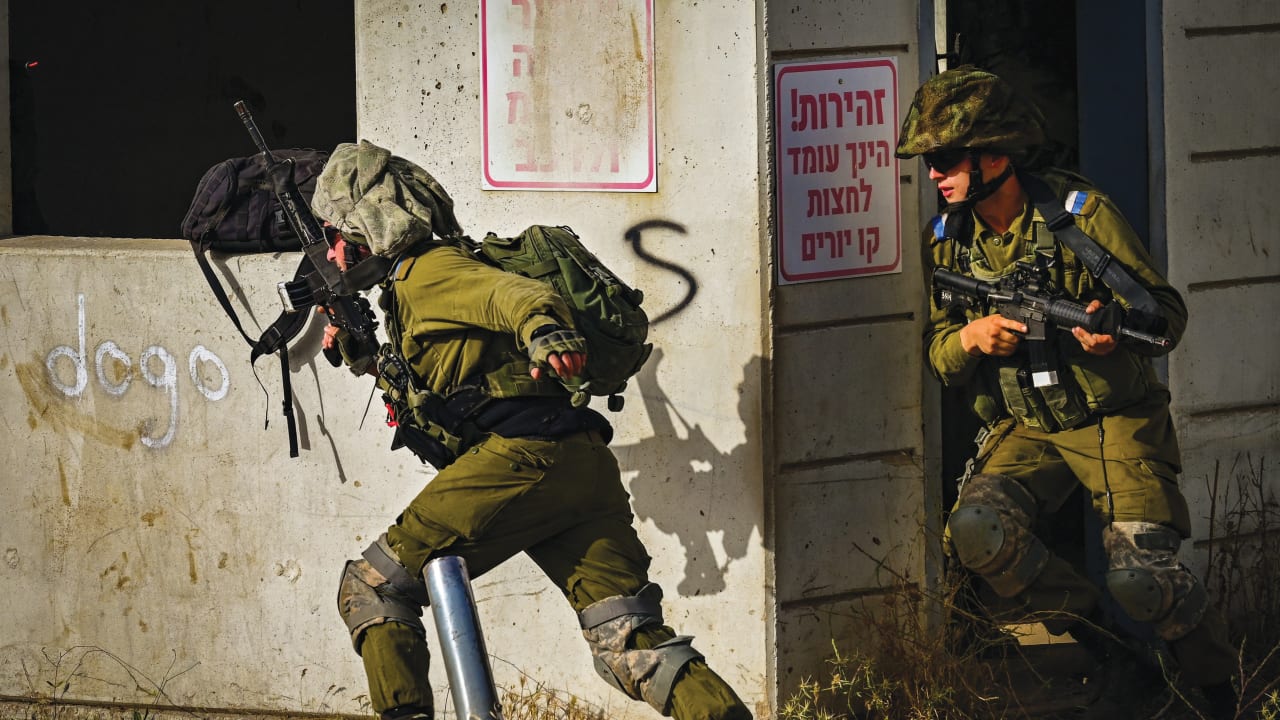
FPV drones change the nature of war
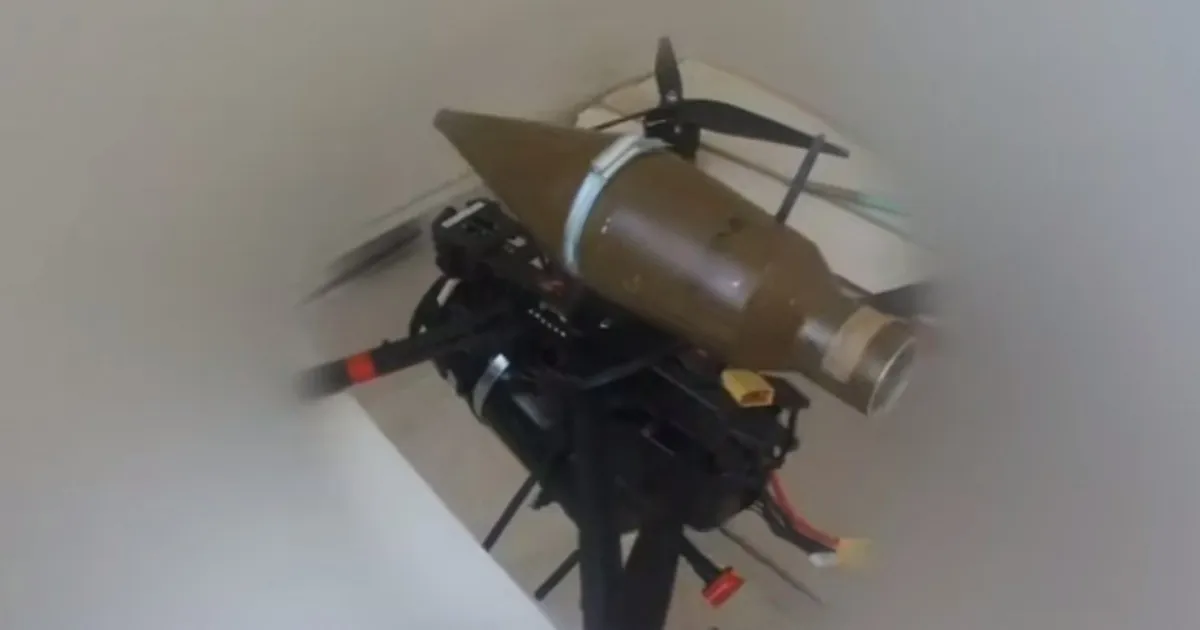
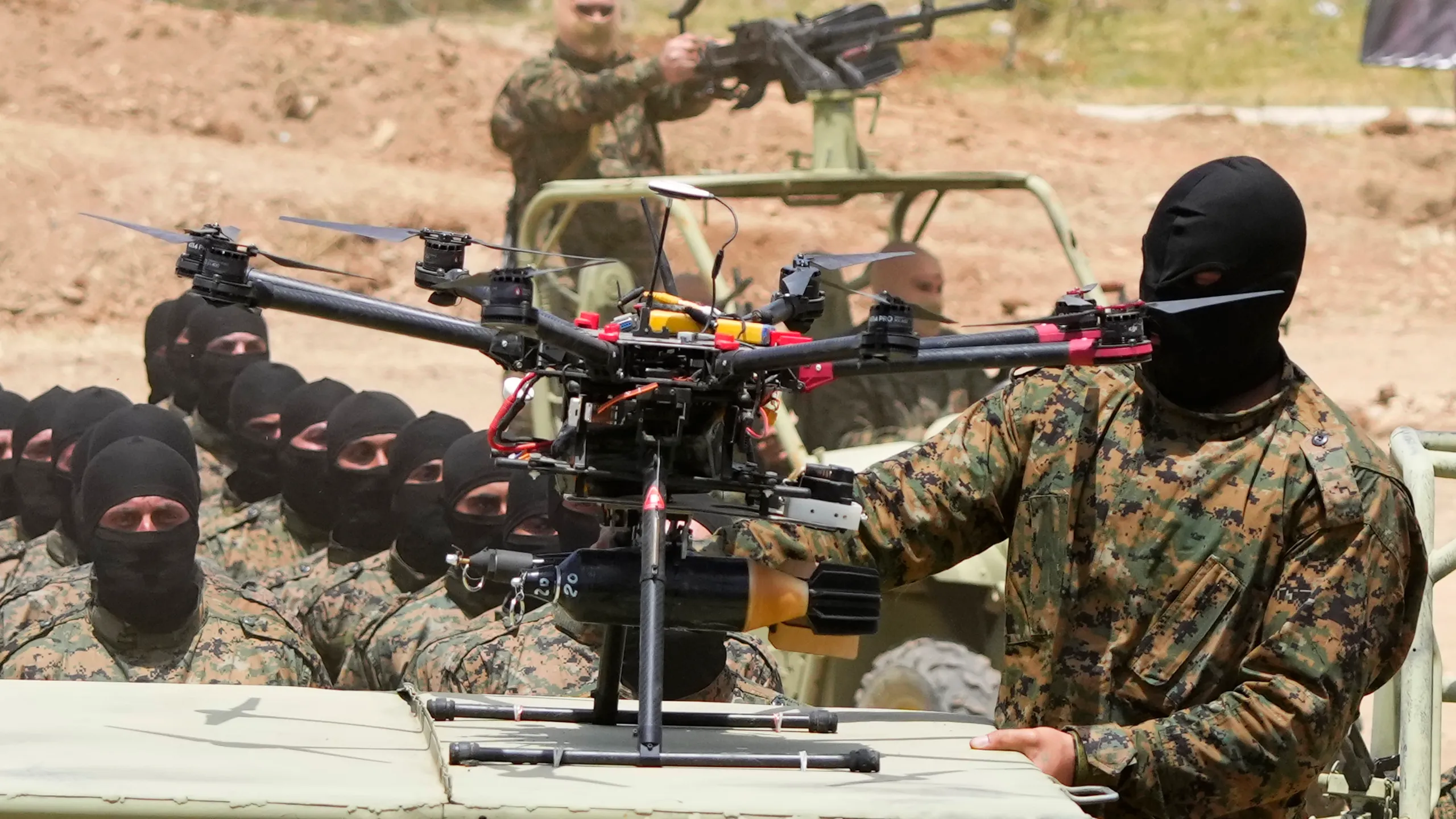
The most impressive development is the use of FPV drones by Hezbollah. These are small, low-cost drones, which operate via fiber optic cables in order to avoid Israeli jamming systems. This technology, which became particularly well-known in the war of Ukraine, allows fighters to guide drones with extreme precision directly onto the target. Their cost is minimal. often under 400 dollars. but their effectiveness is massive. Hezbollah has placed Russian PG-7L anti-tank warheads on them, transforming them into cheap but extremely lethal weapons. The most important thing, however, is that these drones change the philosophy of war. Instead of blind bombardments with rockets or mortars, FPV drones allow targeted strikes against specific military targets with almost zero probability of missing.
The big problem of Israel
Israel now openly admits that Hezbollah's drones constitute a serious problem. Benjamin Netanyahu himself was forced to publicly recognize that a special program is required to counter the threat. The Israeli armed forces are struggling to intercept the drones because:
1) They are very small.
2) They fly low and slow.
3) They use fiber optics instead of wireless signals.
4) They operate in areas that Hezbollah knows perfectly.
The result is that even highly expensive Israeli electronic warfare systems prove ineffective against cheap improvised platforms. This has caused a serious psychological impact on the Israeli army.
The psychological dimension of the war
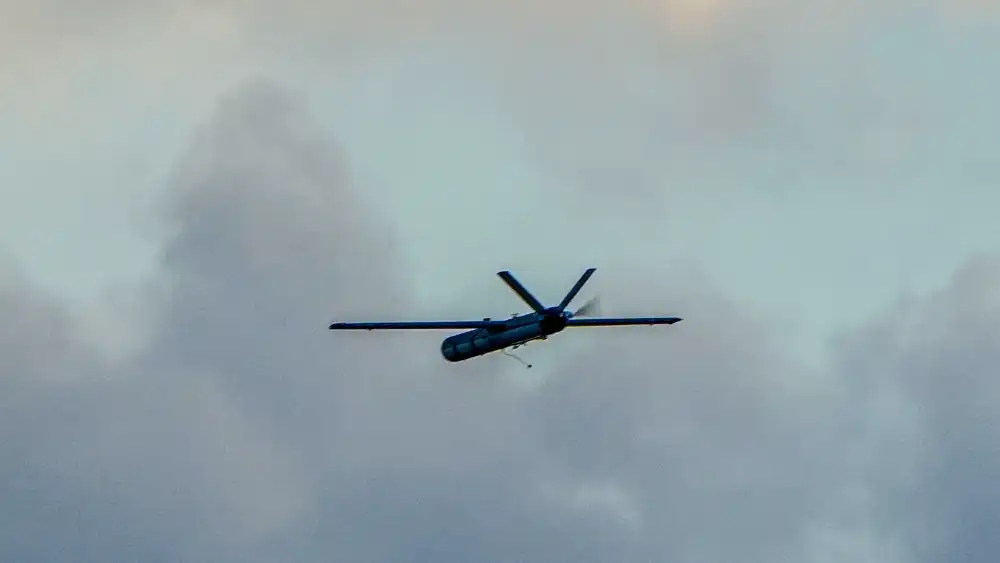
Hezbollah seems to deeply understand that modern war is not only military but also psychological. The publication of videos from drone attacks against Israeli targets causes a significant blow to the sense of security that Israel is trying to maintain. The images of Israeli soldiers hiding from small low-cost drones create a serious communication problem for Tel Aviv. Hezbollah seeks to present the image of a force that can adapt technologically, innovate, and challenge Israeli military superiority.
Israel trapped in its own strategy
Perhaps the biggest strategic trap for Israel is that the policy of extensive destruction in southern Lebanon may ultimately strengthen Hezbollah instead of weakening it. Every village destroyed, every family displaced, and every image of bombed areas increases anger in the Arab world and reinforces the narrative of resistance. Analysts point out that Israel risks repeating the same mistakes it made in Gaza and in 2006 in Lebanon: excessive use of military power without a clear political result.
The war of the future has already begun
Developments in southern Lebanon show that war is radically changing. Small, flexible, and technologically adapted organizations can now challenge powerful armies using cheap but effective means. Hezbollah seems to have carefully studied the lessons of Ukraine and Gaza, implementing a model of attrition warfare that limits the effectiveness of Israeli superiority. Israel, despite its military strength, finds itself facing a reality it cannot easily control: an opponent that does not fight by the rules of classic armies.
Lebanon a field of attrition for the IDF
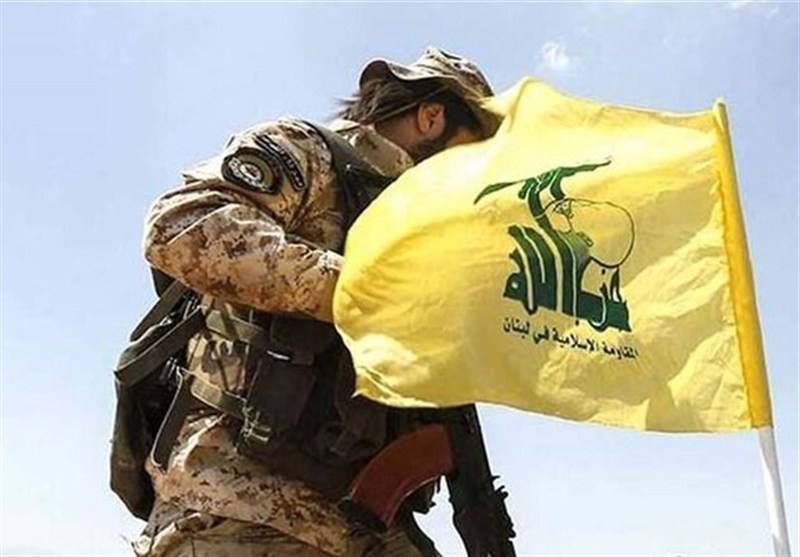
The conflict in southern Lebanon proves that military technology alone does not guarantee victory. Hezbollah has managed to turn southern Lebanon into a field of continuous attrition for the Israeli army, utilizing drones, flexible tactics, and a deep knowledge of geography. At the same time, the extensive destruction of civilian areas by Israel reinforces international criticism and creates serious questions about the strategy of Tel Aviv. This war is no longer just about borders or territories. It is about who can best adapt to the new era of asymmetric conflicts. and so far, Israel seems to be struggling more and more.
www.bankingnews.gr













Readers’ Comments